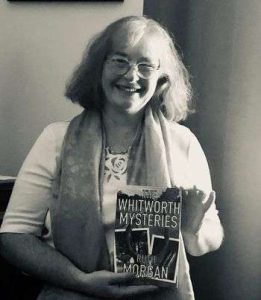
Creativity and the Bush by Ruth Morgan

Introduction

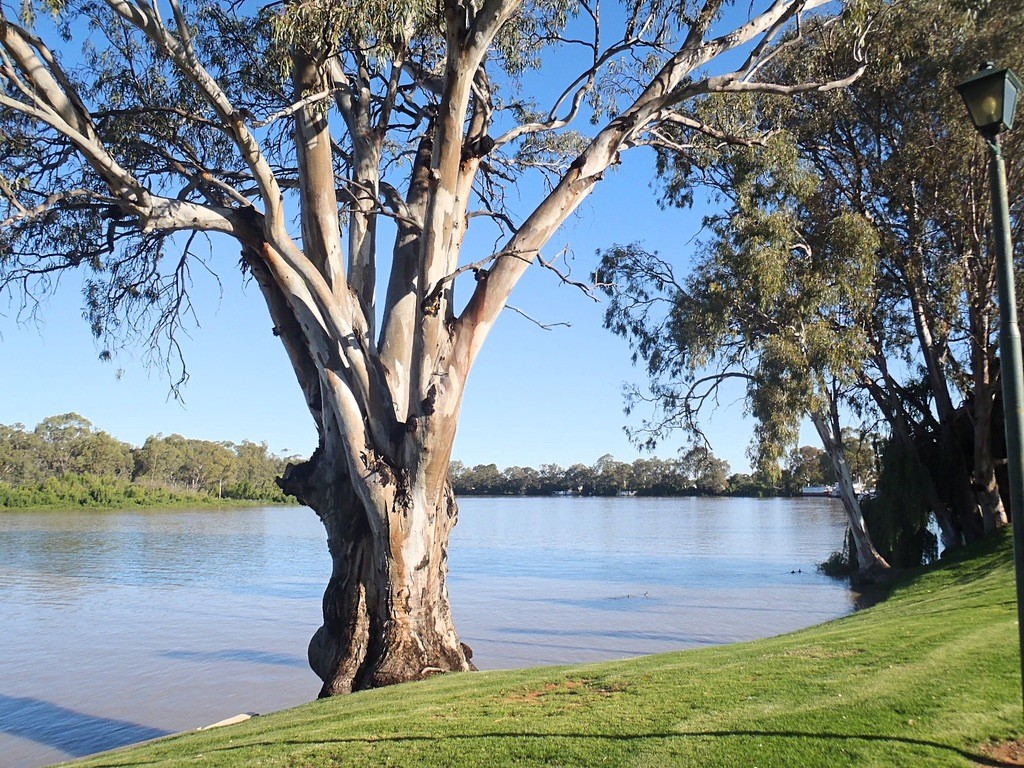
When the going gets tough, my mind and memories take me to the Murray River. I sit on a fallen ancient river red gum, dangle my toes in the murky brown waters and close my eyes. I can feel the breeze blowing against my skin. I hear the chatter of bird life in the trees; I listen to splashes on the water as a big fish chases a smaller one.

River and Saltbush

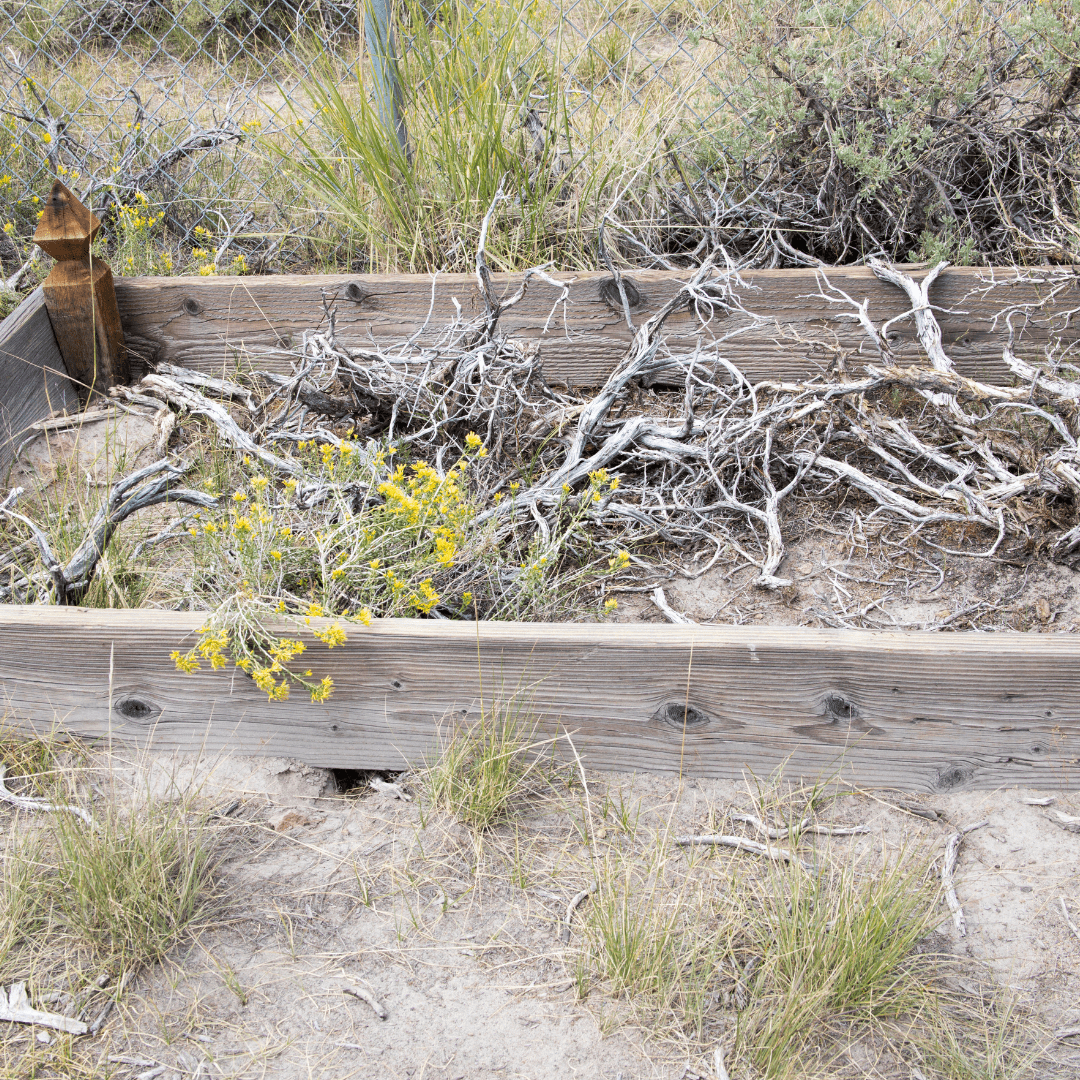
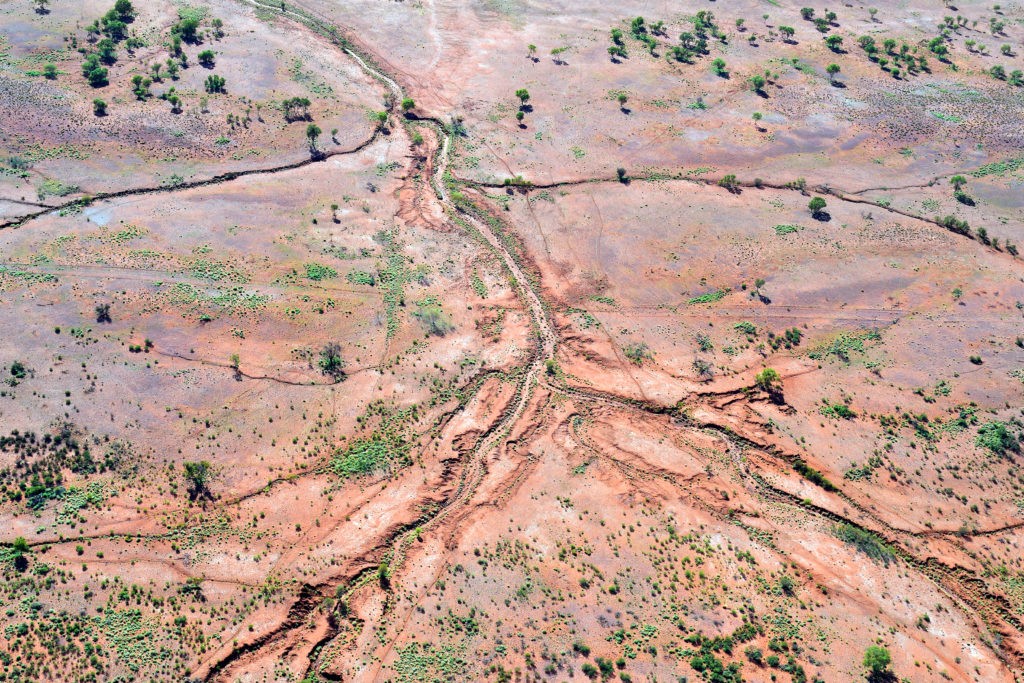
I open my eyes and see the ripples break the mirror surface. A sleek black cormorant surfaces and perches on a log spreading its wings out to dry. Growing in the sandy soils are rows of blue-grey saltbush. Surrounding them are paper daisies and delicate wildflowers.

The outback landscape of my childhood inspires my writing; the thread of the bush and the memories are a repeating theme. A love of solitude, resilience and self-reliance skills learned as soon as I could walk. My experiences of the landscape are so deeply ingrained that their subtle influence is almost cellular.

I enjoy exploring the way the bush makes some afraid and others relax. Its indifference challenges our sense of self, and how characters respond fascinates me. The bush is always an organic part of my stories, another character.

Home

My earliest years were spent on a station called Wilkurra. Home was a caravan and an annexe, a four-hour drive from town. The first part of the road was bitumen which changed to a graded dirt road half an hour into the journey, then into a dirt track. The surface was deeply corrugated, potholed or covered in red dirt as fine as talcum powder and as difficult to drive on. The old Bedford truck carried a winch and a shovel to get us out of trouble. Two large canvas water bags hung from the bull bar. In the back, a couple of jerry cans of fuel.

We had no running water, and apart from a diesel generator run only at night, no power. A Coolgardie safe hung in the branches of a nearby brush box tree. At the end of a dirt path was a long drop loo. No washing machine, and in an emergency, the nearest neighbours were an hour away over dirt roads which were impassable after rain. This is the situation my mother returned to with a six-week-old baby in tow.

My mother loved and feared the landscape in equal measure. She loved it because my father did, feared it because of the threat it could present to her daughter.

My father fenced in a space surrounding the caravan with chicken wire — a barrier to prevent me from exploring further. Dad understood the lure of the bush in a way my city-born mother couldn’t. He would sit me in my own small chair and squat opposite in the apparently restful position of the experienced bushman who rarely came across chairs and refused to sit on the ground where scorpions lurked.

‘Don’t go outside the wire.’ His work-roughened hand would gesture, outlining the boundary. ‘Children can drown in dams or be eaten by wild dogs.’ He never taught me to be afraid, never turned my love for the landscape into fear because with fear comes panic, and with panic comes death.
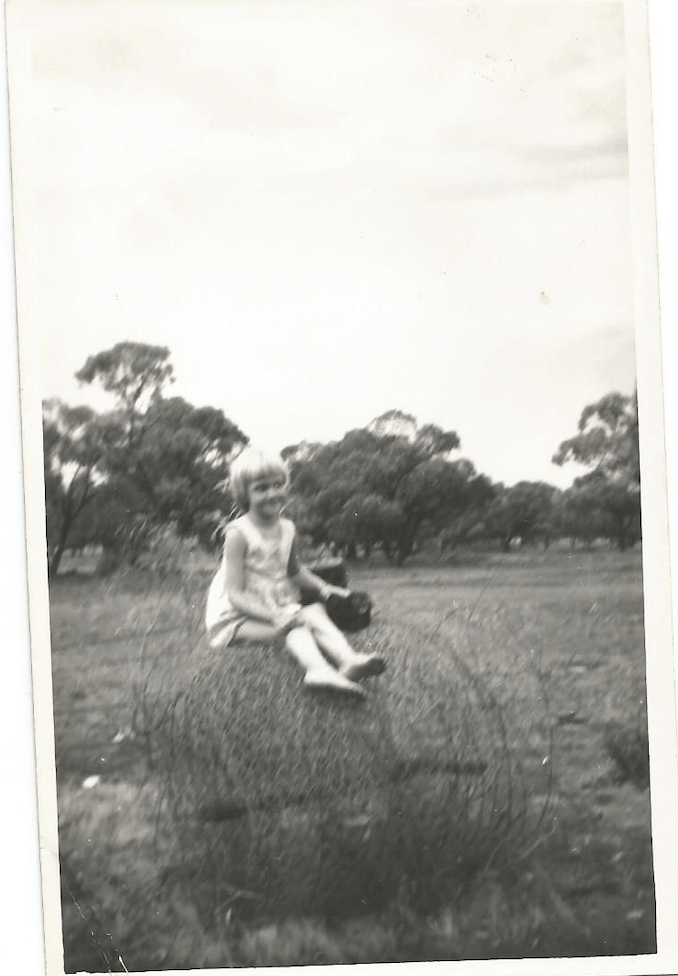
Blackie the chook and me at my favourite vantage point.

When I was three, my father told me a story. He’d been working at a nearby station and part of a search party looking for a lost child about my age. It had been the middle of summer when the temperatures were over 40C for days on end, and scorching winds whipped up the sand. No trace of the child was found until a year later when fabric fragments were discovered blown into saltbush. Nearby were tiny pieces of bone.

The Power of Stories

I learned at a very young age that stories taught and entertained me. Mum would often read to me, and I’d close my eyes and let my imagination take me to places I’d never been. Hinnie would stretch out alongside, waiting patiently until we could go and play. Hinnie was a bitser, a mixture of cattle-dog and who knows what. His origins were not important. All that mattered to a lonely child was that I was his, and he was mine. Someone who was there, who would sit patiently alongside me while I told him stories of the things we’d seen. We’d discuss interesting sounds or the meaning of animal prints in the soft sand, and he would listen intently.
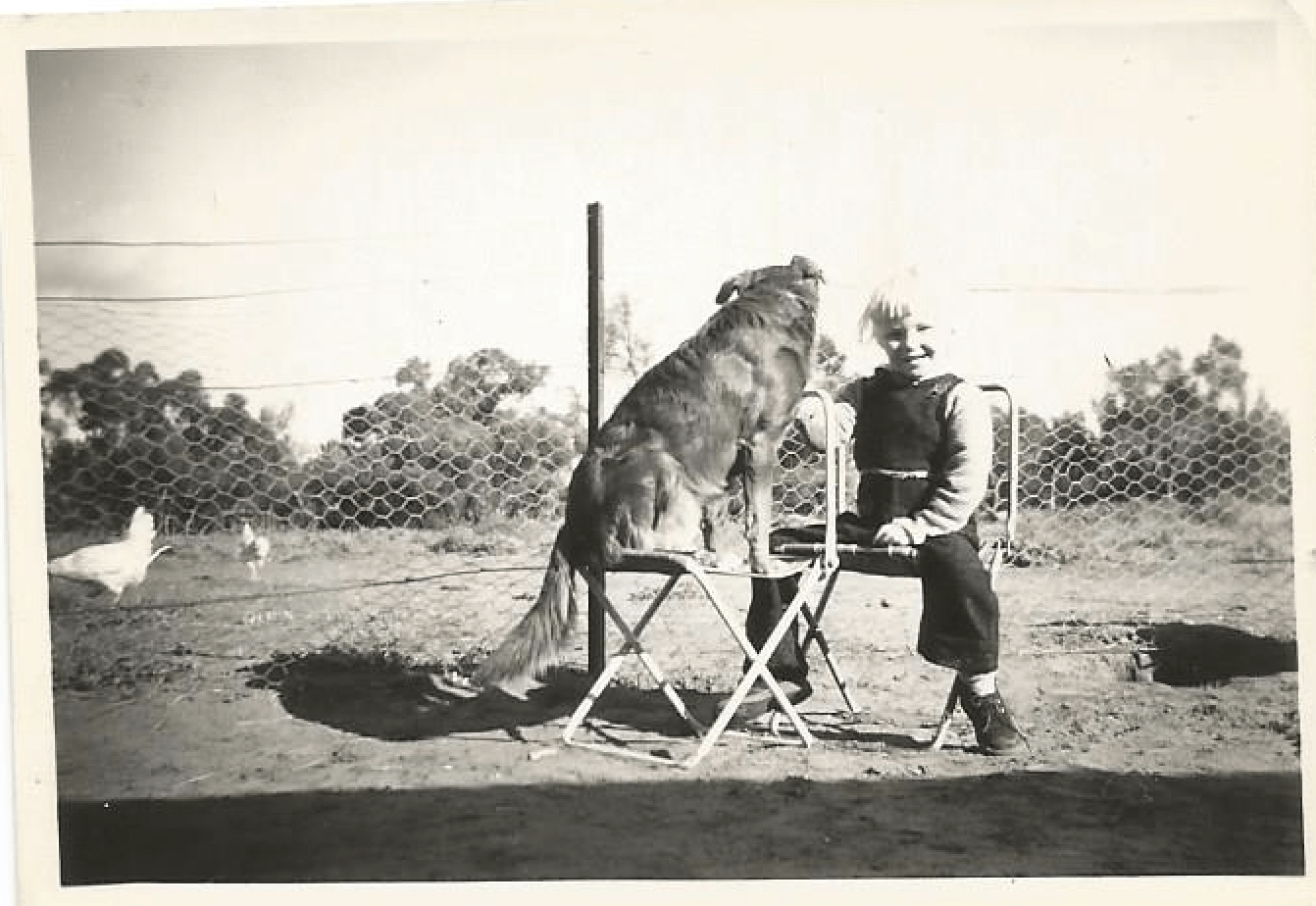
With Hinnie, my best friend.

Mum and I moved into Mildura so I could go to school. Dad remained working on the station, coming to town every couple of weeks. I went to preschool first which was a shock to my system. I was expected to talk to people and make friends without knowing how you went about such a thing! Other kids made it look easy, chattering away like a flock of corellas. In a group, I’d remain silent. The skill of socialising is learned very early in life. By the time I went to school, the pattern of being a quiet, self-contained individual was firmly set. It still is. I have wonderful friends as an adult, but I still find group situations uncomfortable though I’ve learned the skills to manage. I still prefer the written word and stories as a way to communicate.

Telling Stories

My mother encouraged me to tell stories, to look at something and see where my imagination took me. Stamps, paintings, the pattern on a piece of fabric, someone walking along the street. Moving into Mildura meant there was a library. My happy place. Somewhere where there were more books than I could read. Mum and I would go every Saturday morning to renew our supply. The wonderful librarians never restricted me to the children’s section but allowed me to roam.

Mum loved stories with happy endings. Dad loved adventure stories or thrillers and introduced me to Arthur Upfield. Upfield was an Englishman who travelled and worked in the outback, the creator of Bony. I was hooked and read every book I could lay my hands on. Desmond Bagley and Alistair Maclean followed. I loved the way they all used landscapes or the setting as crucial characters in the story.
The first thing I ever published — at the ripe age of 15 — was a poem in a school magazine. My mother was thrilled to see my work in print. I felt awkward and uncomfortable — I was letting someone into my head. The poem has only my initials and not my name. My mother was disappointed that I wouldn’t take credit for something she loved.

Recently I rediscovered the poem, and reading it took me instantly back to the classroom and the feeling of wonderment as my imagination took fire and flew.

The Importance of Writing

There have been periods in my life when I haven’t written and have lacked motivation, confidence, or time. There were always stories running through my mind and a pile of books to read. At the time, they were enough. I was married to someone who was dismissive of my desire to write. Somehow, despite him, I kept writing. Planning to become single, I decided to go to university and study social work. For five long years, all I wrote were essays. There were often comments from markers about the quality of the writing interspersed with suggestions to keep to the topic, and remember I was giving analysis, not telling a story.

Finishing my studies, I paused. I’d moved, was living alone and needed some time to work out what came next. Stories that had been lurking flooded my mind. I decided to follow my dream and write. The first story published changed my direction totally. Then a couple of years ago, I won a writing competition; the first prize was a publishing contract. My direction was set.

Dawn on the Murray River

Being Published

Having a book published was a life-changing experience in ways that I was not expecting. I thought it would be the pinnacle of my life, and I’d done what I set out to do, and there were my stories in print. If you believe being published will remove your anxiety that what you write is good enough and that you’ll never be troubled by your mind telling you that what you write is rubbish, you’re in for a shock.

I write because I can’t be happy if I’m not writing. I write because I have stories within that need to see daylight. When a story comes together, the characters work, and the setting is evocative of the country I love — that’s writing. That’s creativity fulfilled. Seeing it in print is a bonus, and my internal muse will say loudly, that’s done – next!

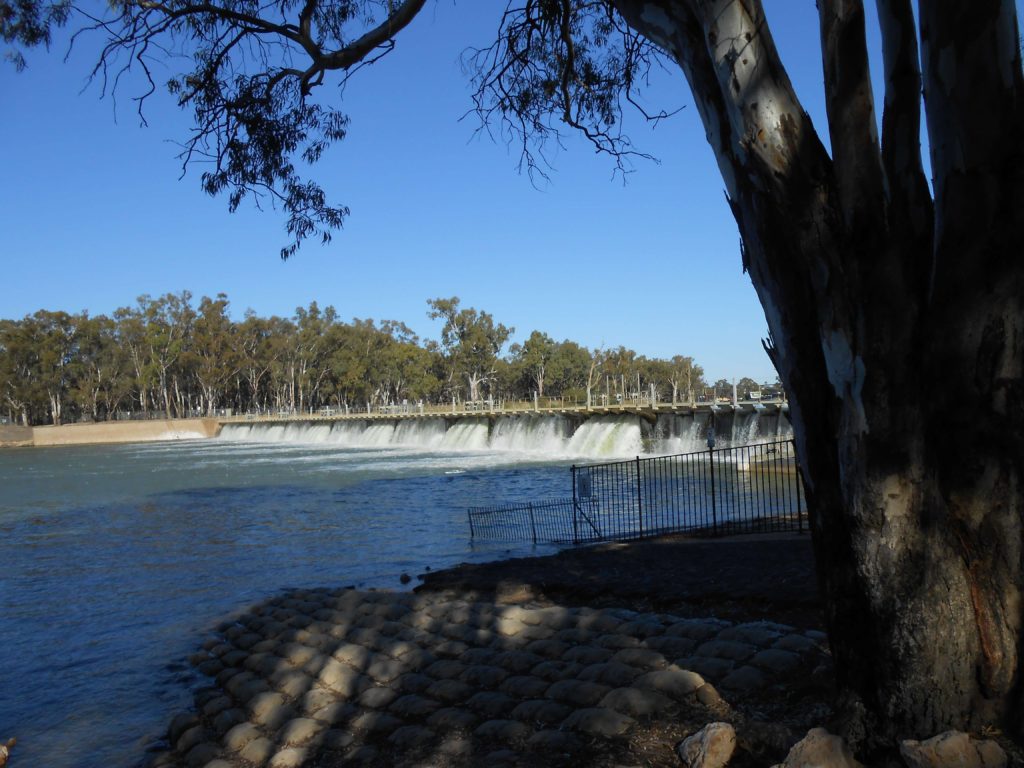
The Hanging Tree, Mildura

AUTHOR BIO

Ruth spent the first years of her life on Wilkurra Station, near Pooncarie in outback New South Wales. The red sand and blue saltbush have made an indelible impression on Ruth’s imagination.

Currently living in Northern New South Wales, Ruth tells stories of the characters and country she knows and loves. Her preference is crime fiction with a twist. The landscape is a crucial character in the stories, along with criminals and the police who hunt them. Themes of retribution, revenge, love and redemption are set along the Murray River, the Hay Plains and surrounding towns and countryside.

Learn more about Ruth and. her work at these sites —

ruthmorgan.com.au

https://www.clarendonhousebooks.com/ruth-morgan

https://www.facebook.com/100063465425465/ Ruth Morgan Writer
https://spillwords.com/author/rcmorgan/

Blood on Their Hands — A Synopsis by Warren ‘Rocky’ Porter

Introduction by Lindy Warrell

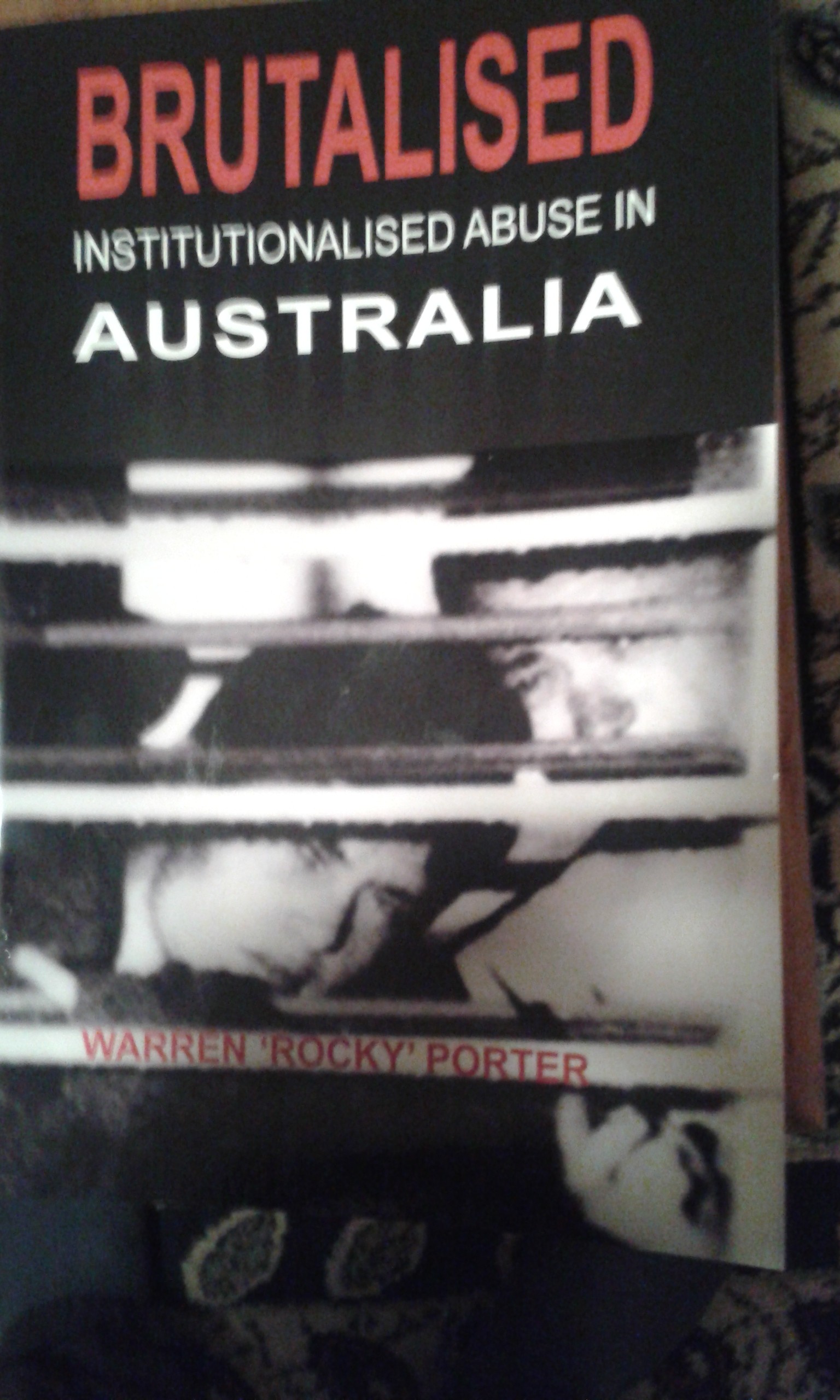
Warren Porter became an involuntary Ward of the State when he was four years old and was institutionalised and nicknamed Rocky in what he calls hellholes until he turned 18. For a lad who had no formal schooling, Warren is now a long-term member of Sand Writers in Goolwa, South Austalia and has written two books. The first, Brutalised is pictured below, the second is A Tormented Life. Blood on Their Hands is a holding title for this, the synopsis of Warren’s third book.

You can find more on Warren’s adult life and discover his joy as an adult, even in hardship as he tells his story of working on the Trans Australia Line as a railway fettler in his piece called Heading Out Along the Line. Warren has led a remarkable life, and his stories highlight and expose essential aspects of Australia’s history.

The Synopsis — Blood on Their Hands

Upwards, and possibly more than 500,000 boys and girls during the last century spent most of their childhood growing in institutions run by governments and the churches; hellholes as they were known. Four-hundred and fifty thousand of these children were Australian, 40,000 Indigenous and 10,000 were those sent out to Australia from England under the child migration scheme. How these children were dealt with by bureaucracies and laws meant to protect them is encapsulated in what’s written below.

For good or bad, many, many children were sent forth into the unknown, with a brief history of each one being presented to the superintendent in charge of the institution they were to remain in. There had been many reasons for why this happened to children: being born to single mothers, domestic violence, divorce, separation and family poverty. And for those made Wards of the State, it was mainly because these children were deemed uncontrollable, neglected or in mortal danger that landed them in institutions.

But, not all children finished up in these hell holes for having done something wrong. No. It was just the circumstances in which they found themselves; they were classified as status offenders!

For most children sent to these hell holes like me, life for them was never the same ever again. Years of sexual, physical and emotional abuse, neglect, and backbreakingly hard child slave labour forever live within our minds. We cannot escape the memory of the shocking atrocities we were forced to endure throughout those childhood years of ours.

There are also the memories of the hundreds of once innocent boys and girls who disappeared from out of those hell holes, never to have been seen or heard of ever again. They are buried there, in unmarked graves beneath those very grounds! The blood of these missing boys and girls is in the hands of the bureaucrats responsible for their disappearance.

Forgotten Children

By the time it came for us to be released back out into the community, we’d gained an inheritance of moral confusion, abiding anger, psychological scars, depression, distrust, recurring nightmares and the determination never again to allow anyone to treat us the way those criminals treated us as children!

It was sickening to learn that many who developed severe emotional problems and depression committed suicide. Others became addicted to hard drugs and alcohol; many went on to become some of Australia’s most hardened violent criminals. A lot of girls became prostitutes. Many to this very day, are wasting their lives away in prisons and mental institutions! And there are others I know of who still carry a chip on their shoulders, even after all these years.

Over the years, there have been many inquiries into the abuse of us children. It was found that most had suffered all forms of abuse (some not mentioned above). Children were left so hungry they were forced to eat scraps out of bins; others were only permitted to take a bath once a week and in shared water, same with taking a shower.

Children were locked in dark places to be punished so severely as to draw blood.

No Escape

Children were used as guinea pigs by the Commonwealth Department of Health, injecting us with full adult doses of vaccines, mainly to trial influenza vaccines and antigens for toxic effects. Tests were done first on us before allowing them to be used on children out in the wider community. These vaccines failed to protect us, the institutional children. Instead, we developed adverse reactions, mainly that of vomiting and abscesses.

There weren’t too many of us when as children in those fucking institutions, ever got the chance of receiving an education!

Over the many years I spent growing up in those notorious hell holes, I got to know hundreds of children and found most had been honest, decent boys and girls, who should never have been in these miserable joints in the first place. The authorities believed that these children were neglected and abused in their own homes.

Those fucking Morons! Why couldn’t they’ve gotten into those stupid heads of theirs, that even if these children were being abused at home, the abuse they suffered at home was nothing compared to the rapes and the brutality committed by the parasites in charge of the hell holes these innocent children were sentenced too.

This story is dedicated to the thousands of boys and girls who, like my dear brother Graham, sadly never had the chance to tell their stories about the rapes and the brutality they endured while as prisoners in those concentration camps. Concentration camps for children!

I blame these atrocities for so many children now laying graves. May they RIP.

Rest in Peace

AUTHOR BIO

It was the 24 of May 1948 when my mother dumped my brother Graham and me at W R Black Home for Girls in Chelmer QLD. Our lives changed forever. It burdened Graham until his early death in 1974 aged 28 and affects me to this day. I later found myself in the Presbyterian, the Salvation Army’s and for no reason Mt Penang Juvenile Justice Centre in Queensland. There was no schooling in those places.

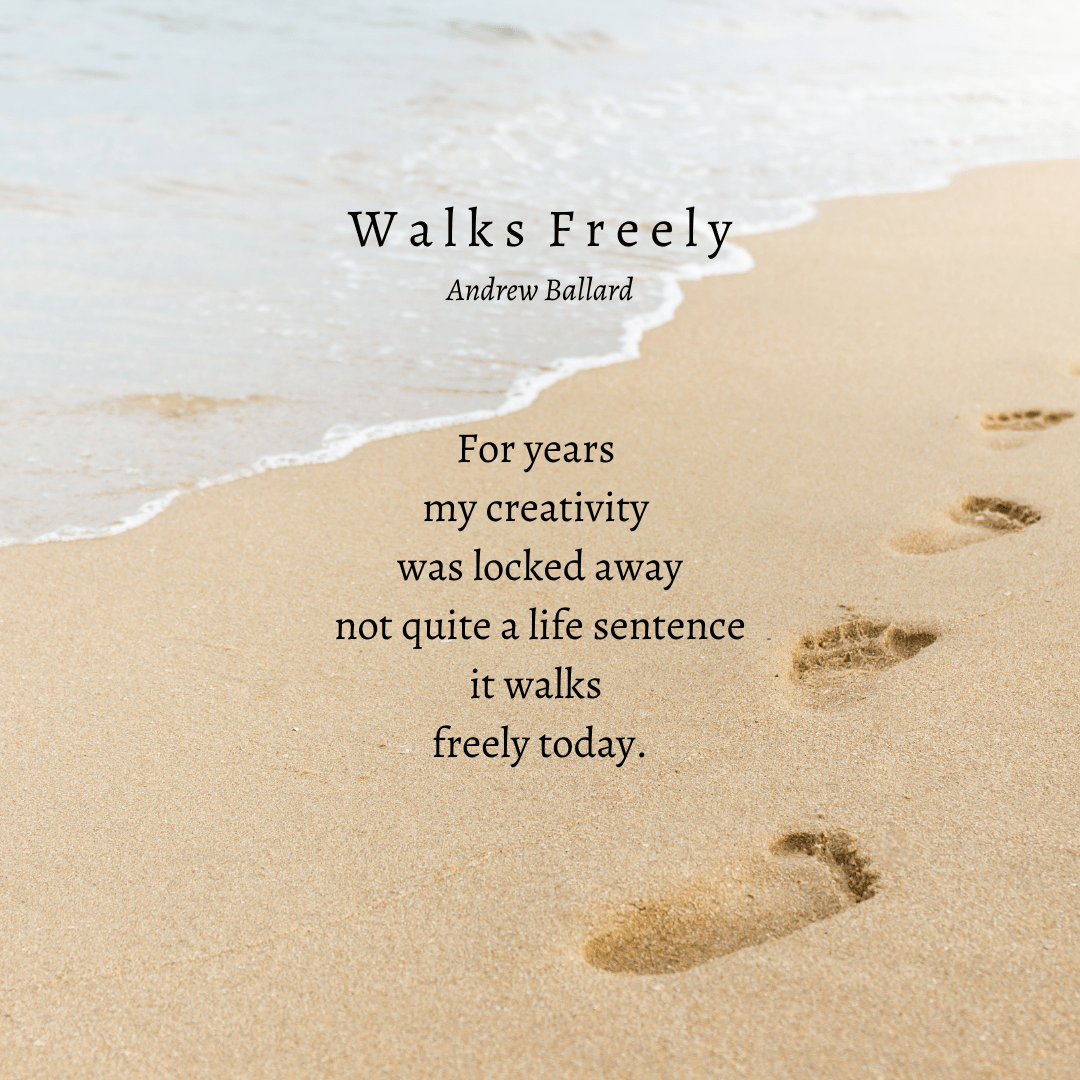
Creativity Released by Andrew Ballard

On The Benefit of Comfort

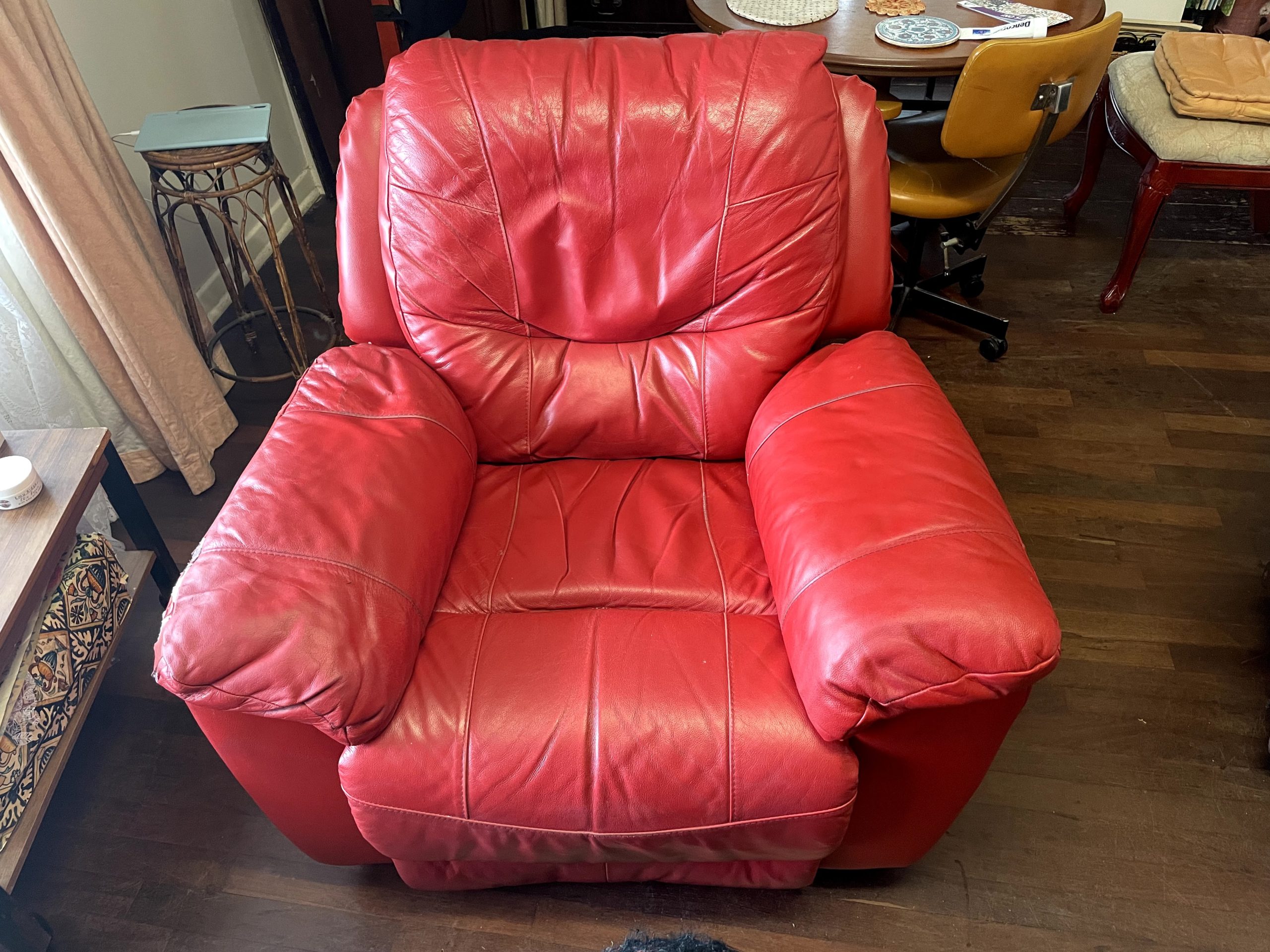
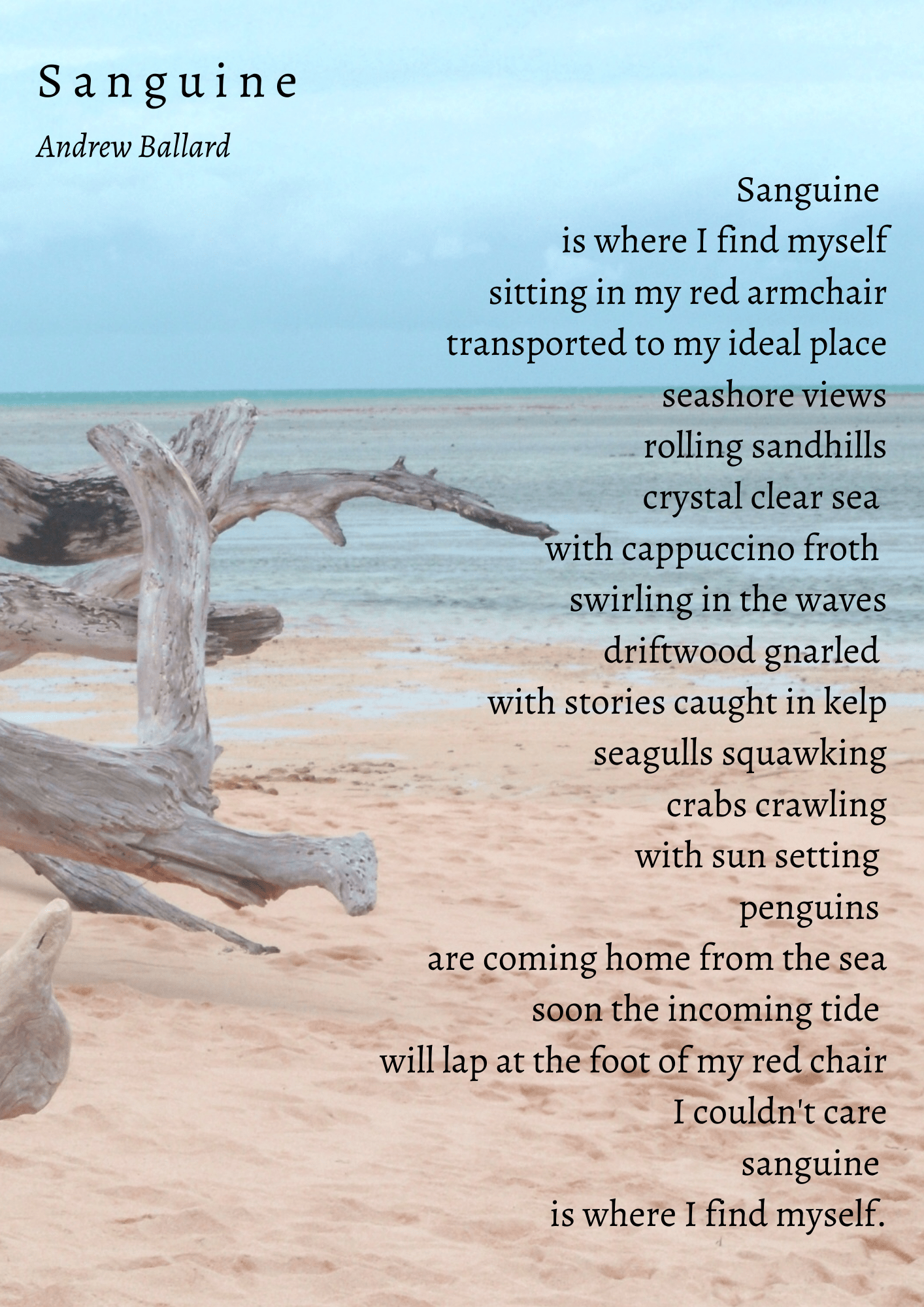
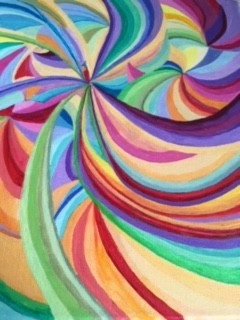
There is a lot to be said about having a comfortable place to go. For me, it’s my red armchair. Most of my writing and digital art happens from there. 

Living with a rare and chronic disease, daily nausea, cramps, bone pain, joint and muscle pain, gut problems, headaches, PTSD, anxiety and depression, I often retreat to the embrace of the red armchair.

It was from this place of chronic disarray, impacted by COVID restrictions, that just over a year ago, at the tender age of sixty, I found my creative side.

I started to write somewhat prolifically, a few short stories and lots of poetry. This productivity coincided with my digital doodling becoming full-on abstract digital art.

On Poetry

Throughout my life, I’ve admired and somewhat envied talented people who could paint, sing, play a musical instrument or write. For me, poetry was a flowery thing requiring a dictionary to understand strange words. It therefore never appealed to me, so to be a year down the track, having had multiple poems published in journals, blogs, online newspapers and read on the radio, and having some of my art exhibited in galleries, is surreal.

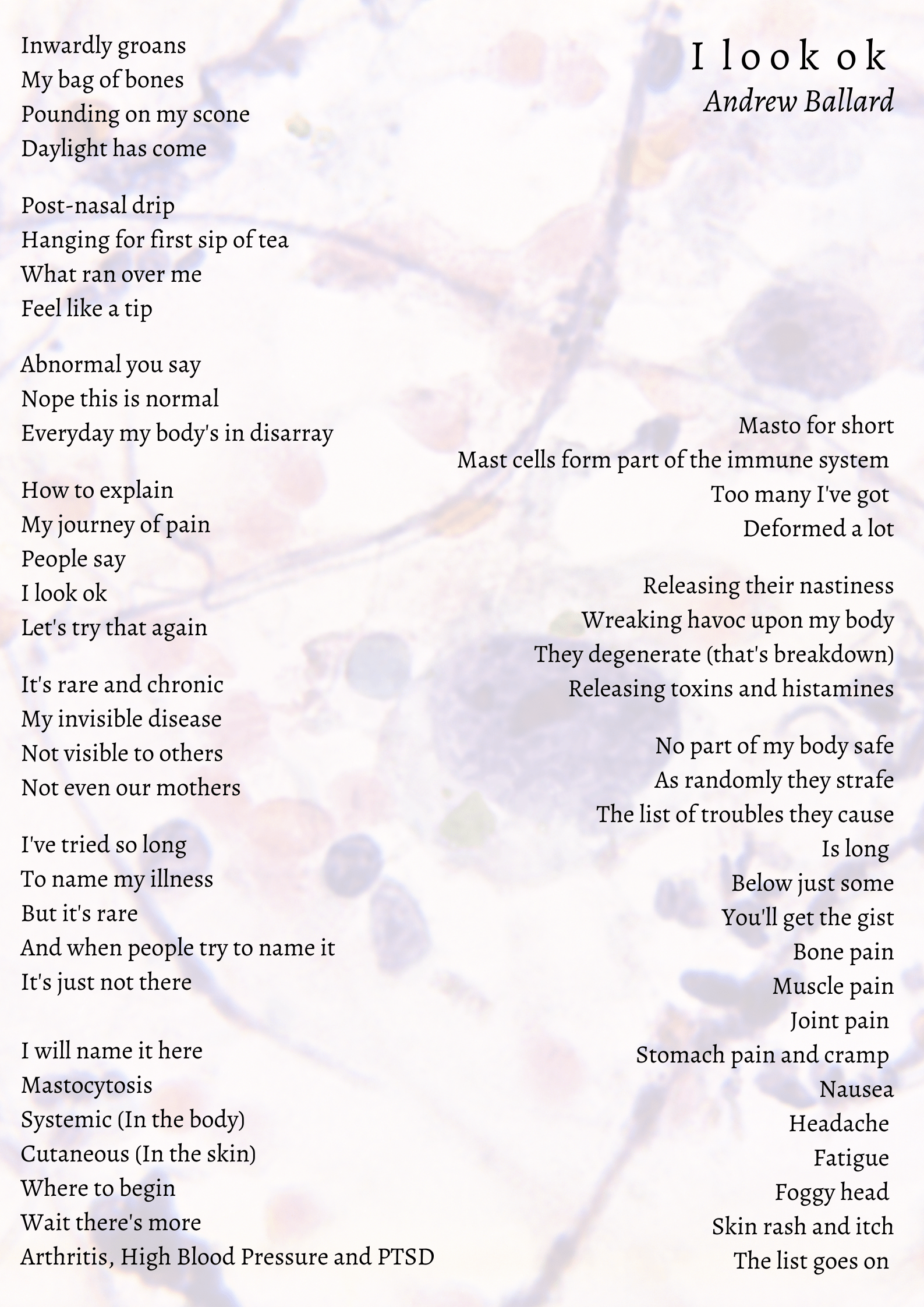
Now, I find poetry a great way to tell a story or explain something, as in this poem, ‘I Look OK’, one of my earliest about the rare disease I have.

Poetry over this last year hasn’t been one-sided. I’ve found great enjoyment in reading other poets’ works. I joined Friendly Street Poets and, with my wife, went to a few open mics at Goolwa. There we met a wonderful and charismatic man, Nigel Ford. He is a wonderful poet and has been very encouraging to new poets.

I don’t go to many poetry events due to my poor health, but for several months I was involved in a weekly Zoom poetry workshop with a group of poets in New Jersey, USA. Here I the first poem I had published in Pinky Thinker Press, Mignolo Arts Group, New Jersey.

One of the first poets I read was Geoff Goodfellow. His writing inspired me. A few months after my writing started, I was very fortunate to have a phone conversation with Geoff, who was very encouraging and gave me a few tips.

I’m a storyteller who has a lot to learn. However, after a long life, I have a lot of words trying to escape. So hopefully, I will be writing for some time to come.

Over Last Year

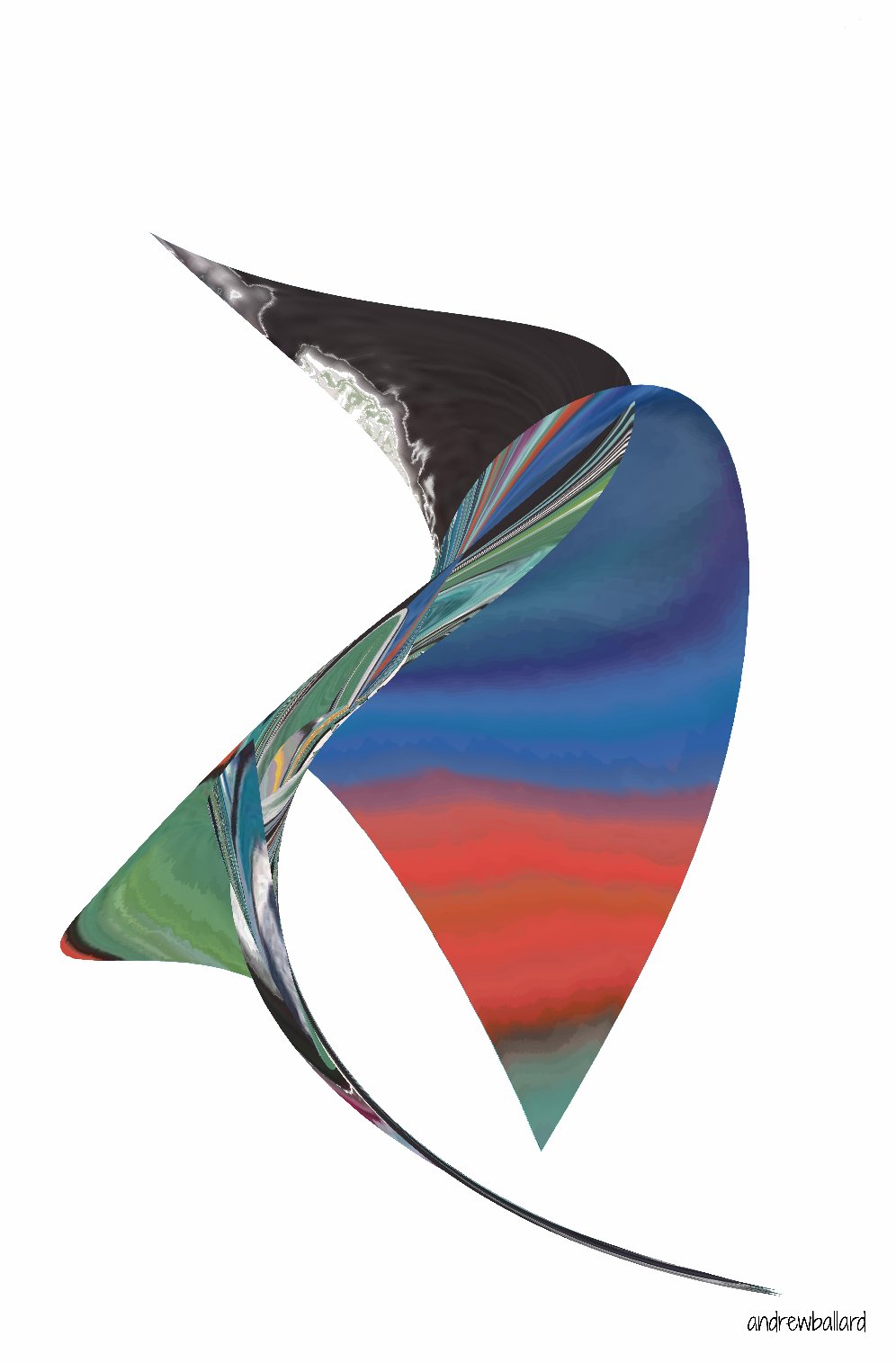
Abstract digital art, sometimes combined with photo manipulation, has exploded with colour over the last year. From digital doodling, I’ve created brightly coloured abstracts like those below. Art and writing have been therapeutic for both my physical and mental health.

What I Write

I’m sixty-one years old, a husband, son, proud father, and grandfather. While a lot of what I write is about life and actual events, albeit somewhat patchwork, I’m not yet quite prepared to write about some things.

Last winter, I emerged from boredom and depression when a counsellor suggested that I look for something to do as a hobby. Working with my hands like woodwork or some craft was very quickly ruled out as I have ten thumbs and would have lost fingers.

So, I joined the University of the Third Age (U3A) online. The first course that caught my eye was about writing creatively. I thought I could try that. In my first effort, I sat down and wrote a concise story, a bit over seven hundred words, about a crazy Irish guy I had known in the Navy.

I started writing poems when I learned that poetry didn’t have to be flowery and rhyming but could be a conduit to tell a tale. The floodgates opened, and in just one year, I wrote over two hundred poems.

In addition to my health, I’ve written about life events. For example, a poem entitled, ‘What Could Possibly Go Wrong’, emerged from the time when my wife and I were swept out to sea with friends in our kayaks. We had to be rescued by sea rescue and ended up in the news.

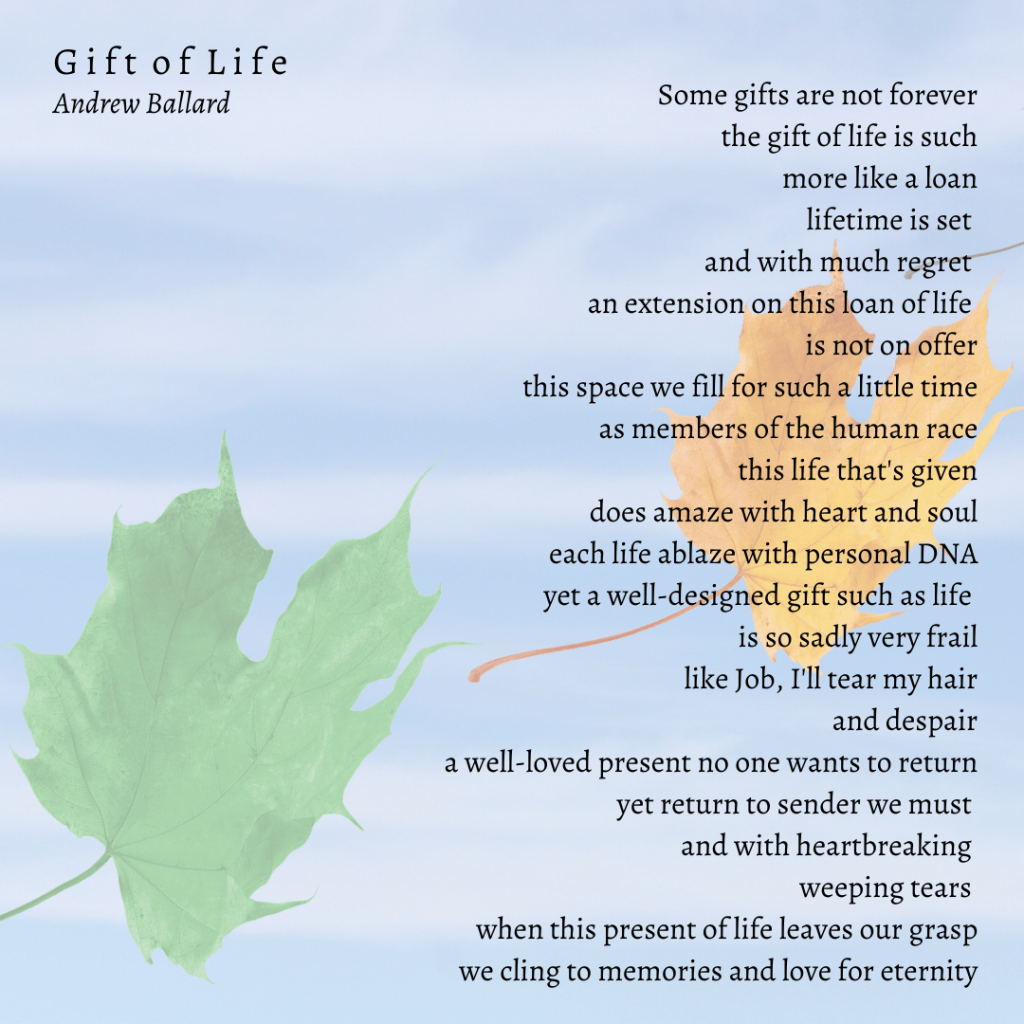
“Sorry To Say” is the title of a poem written about a friend we took in and cared for in his last eighteen months of life before he died from bowel cancer. Last year a different friend died from a stroke in her fifties, way too young. I wrote this little poem.

Poems and Art are My Life

‘Love Me Forever is the title of a poem I wrote for my wife based on when she agreed to marry me sitting next to a campfire on the bank of a creek in the Flinders Ranges where we had witnessed a flash-flood a few hours earlier.

After pumping out poems, I first posted them to Facebook then set up my first Instagram account, where my digital art took off. I used the art as a background for poems and ended up with an Instagram following. The poetry didn’t take off, but the art certainly did.

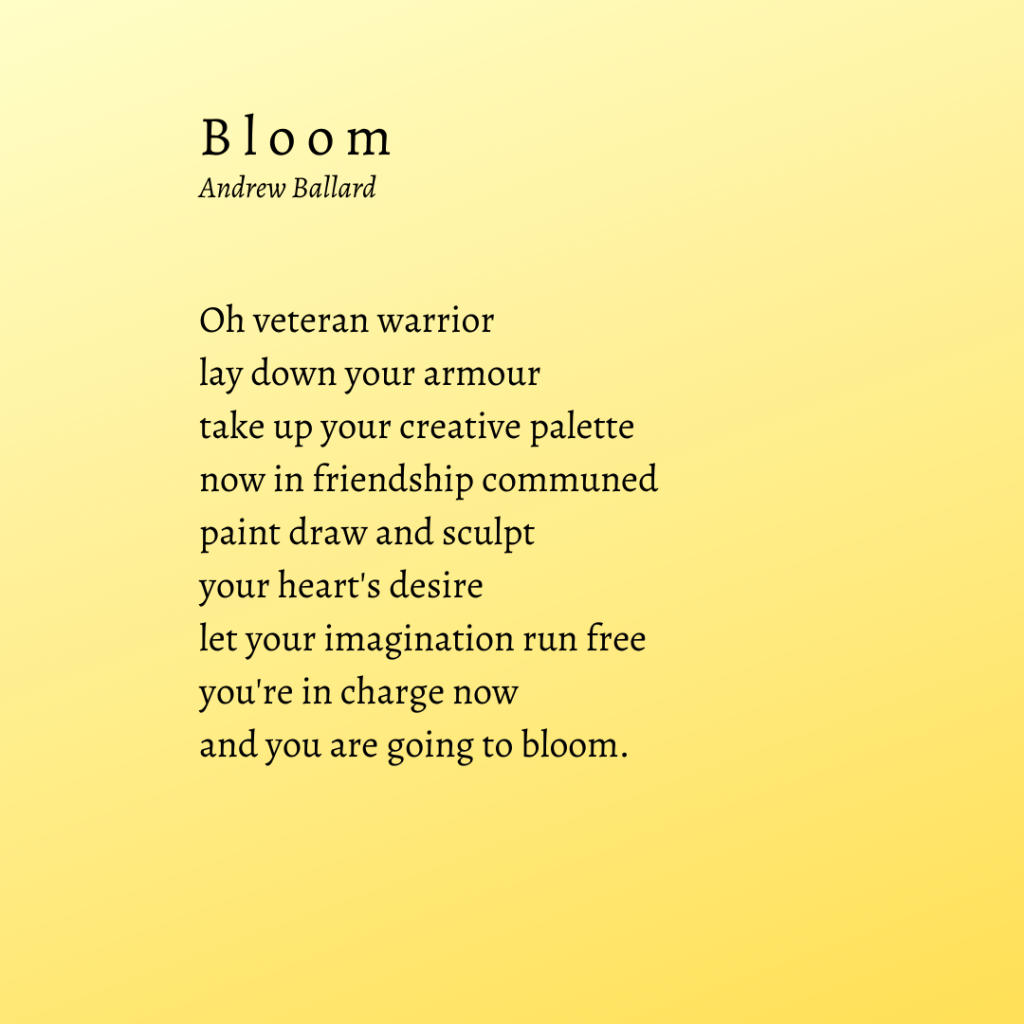
Earlier this year learned of a weekly veterans’ art group. As I served in the Royal Australian Navy for over 11 years, I was eligible, and the group encouraged me to exhibit my art. I’m also learning about other art forms like flow painting and mosaic’s which I enjoy even with ten thumbs. I wrote ‘Bloom’ to honour this group.

I haven’t found it easy to write about myself. But, writing about it in poetry feels like I’m writing outside of myself, freeing me up to release the words. So maybe as I continue, I’ll be able to explore the more challenging parts of my life poetically. 

AUTHOR BIO

Andrew Ballard lives in Adelaide. He was a Petty Officer Medical in the Royal Australian Navy for 11 years. He worked for medical companies selling devices and instruments, then as a support worker in mental health and first aid and aged care trainer. Diagnosed with Systemic Macrocytosis, he took early retirement. In 2020, with activities curtailed, Andrew turned to writing and digital art. He has published In quick succession, in the US in the inaugural edition of the New Jersey Mignolo Arts Group’s journal, the New York poetry journal ‘Open Skies’, The Beckindale Poetry Journal and InDaily, Poets Corner.

Heading Out Along the Line by Warren Porter

(An Autobiographical Excerpt)

The Trans-Australia to Loongana

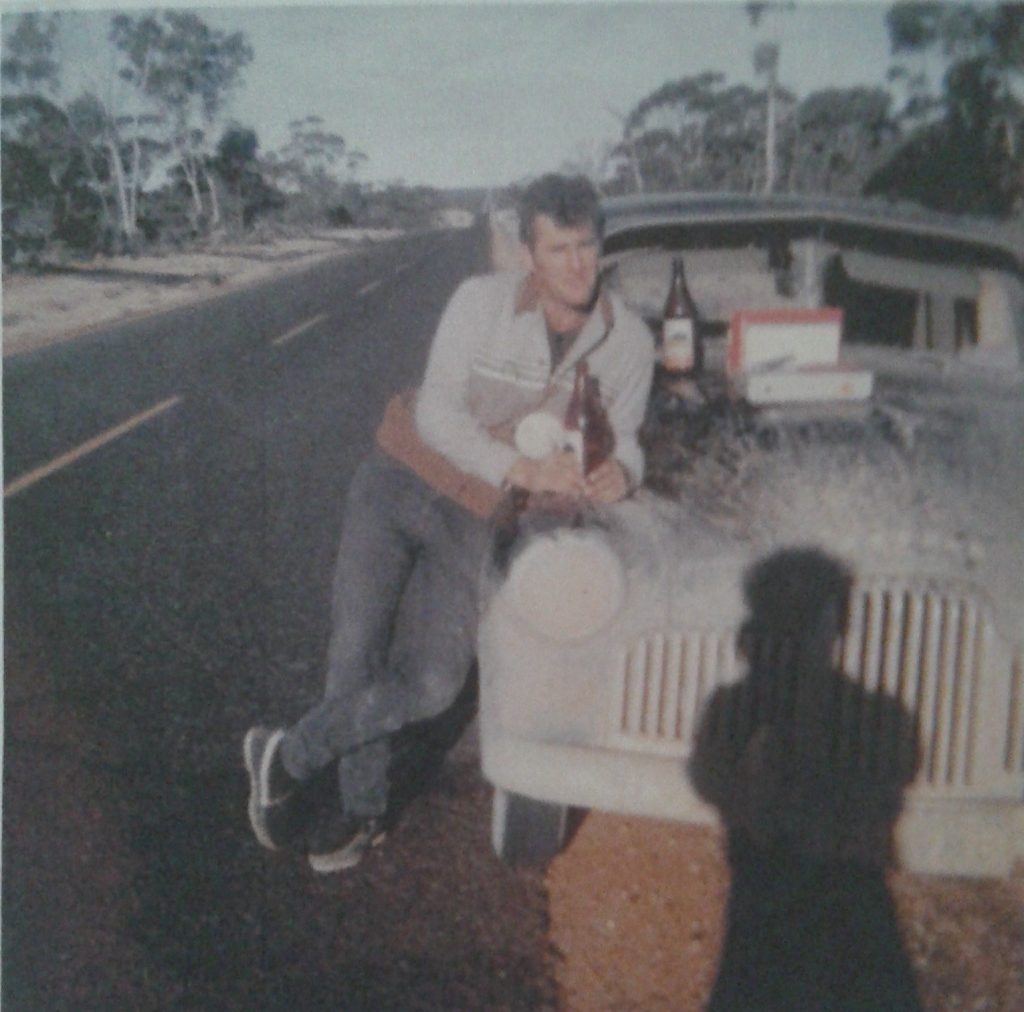
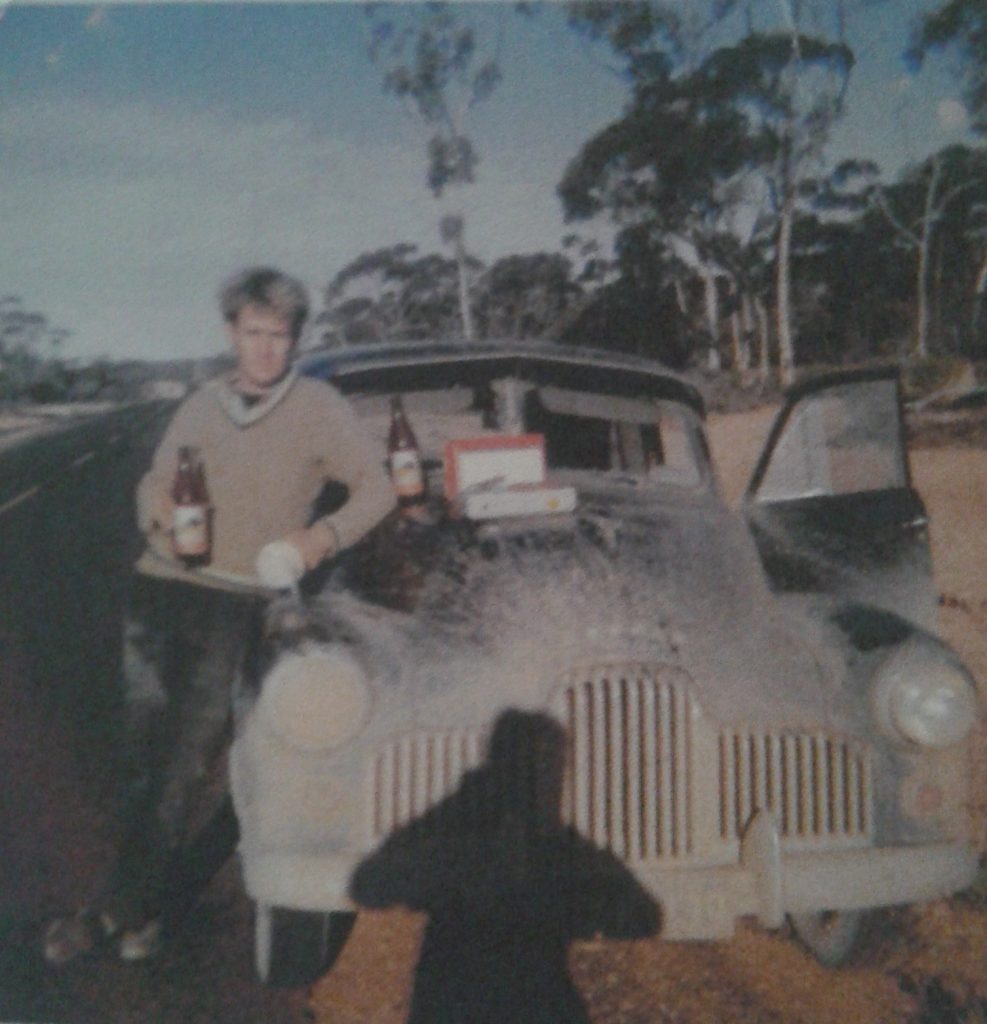
My mate Mick drove Morse and me out to Parkeston in that FE Holden I’d only sold to him the day before. Still, it was sad for me to have to part with my faithful car. It had never missed a beat while I’d drove it all the way from South Australia right across the Nullarbor to where we finished in Kalgoorlie. I knew I couldn’t have driven the Holden to where Morse and I’d soon be going, out in the middle of nowhere to this railway siding at Loongana on the Nullarbor Plains.

The next evening, Mick again drove Morse and me in the Holden to Parkeston, a suburb in Kal, to board the train to Loongana. He wanted to see us off. I’d been expecting the girl Morse had visited there at the Hay Street Brothel to have been on the platform too, to wave him off. Many others stood on the platform that evening, waiting to board the train; some of them being married couples with their children, those willing to brave very harsh conditions.

When they signed up for the job, many of these families hadn’t expected the Nullarbor to be so tough. Some families I’d spoken to had plans to save up enough money so that when the time came for them to leave the Commonwealth Railway, they’d have enough put by to buy a house in whatever town it was they’d come from.

A lot of single blokes also travelled on that train: Morse and I soon learned that a few of them were running from the law for various crimes, with most wanting to avoid paying maintenance to their wives. What these blokes hadn’t realized at the time of signing on with the railways was that the cops already knew their whereabouts and that they’d sooner or later get sick of working out along the line in the middle of nowhere. Their longed-for return to the good life there in the big smoke would soon become their downfall.

With there being only two ways to travel for these blokes, either back to Parkeston in WA or to Port Augusta in SA, the cops would be waiting on either of the platforms to meet them, ready to handcuff them as they stepped off the train. Never had there been much hope at all for those working out along the line for the Commonwealth Railways wanting to escape the long arm of the law.

Sitting up on the train that night for me and Morse wasn’t very enjoyable at all. We had to put up with those who were pissed, yelling and wanting to fight each other and then wanting to have a go at those blokes who were sober. Then we had these couple of idiot drunks, who tried to get on with a couple of the married women there on the train.

Still, there had been quite a few of these blokes I’d heard about, tried doing the same thing wanting to get involved with the married women. Yet, for those stupid bastards, I’d been told, they never got to leave the train without looking somewhat different than how they were when they boarded! It has always been the same rule for single men while working out there along the line, for them not to go fucking around with other blokes’ wives or their girlfriends.

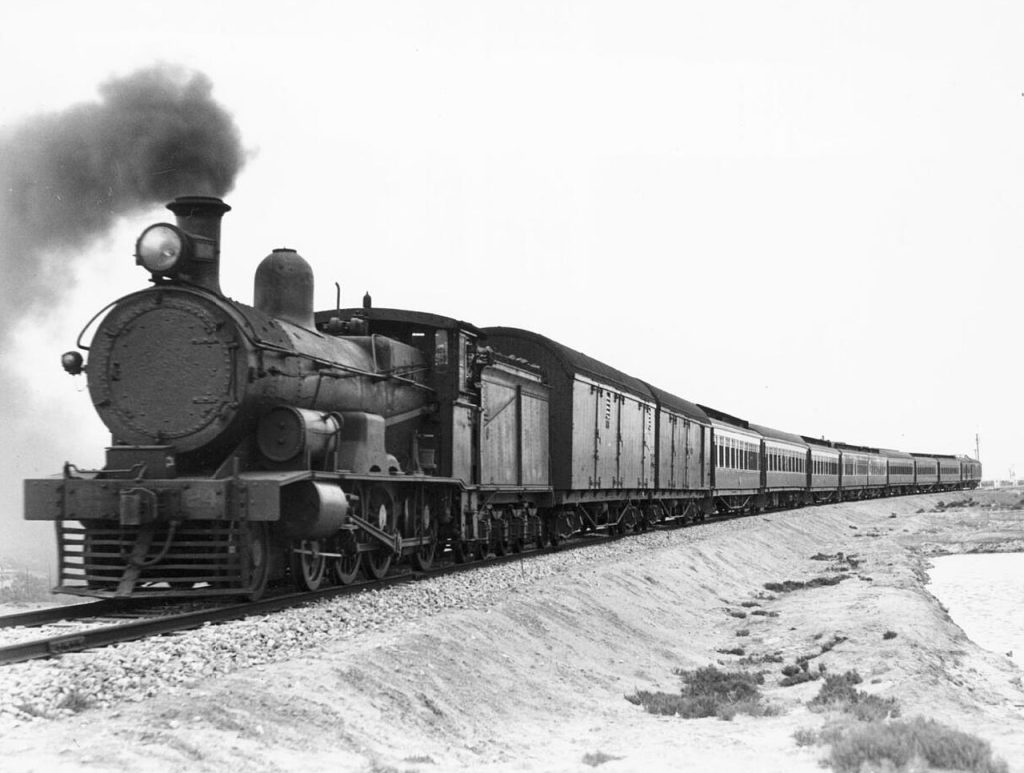
The Trans-Australia train heading west circa 1938

To read more about what are now ghost railway sidings on the Nullarbor, including Loongana, click here. For a summarising map, see here. The line was completed in 1917.

Loongana Siding at the 1292 km peg

It was close at 11 pm on the 2 July 1965 by the time the train rolled into Loongana. Me and Morse were both well and truly stuffed as we stepped down off the train that night, most likely because we’d been trying to stop these couple of arse holes from causing trouble. Barry Pall met us. He was the Ganger in Charge of the fettler gang stationed here at Loongana.

We met him once before when I was with Heavy Plant down at Port Augusta and had always found him to have been a good, decent bloke to those working under him. Barry’d been working for the Commonwealth Railways ever since he had left school, so there wasn’t much he didn’t know about this job, Morse and I’d been sent out here to do.

‘Hi fellers, how’d the trip out here go? Were you blokes able to get much sleep on the train?’ He asked. I replied, ‘No, Barry, we had no hope of getting much sleep at all, with all the yelling and screaming going on between a couple of those hot heads on the train’.

‘I bet them drunken idiots, tried making out with those married girls, hey Rocky?’ Barry turned to Morse, who replied, ‘Still, one thing’s for sure, those bloody idiots are going to have sore bloody heads, by whatever time it is they get off the train.’

‘Anyway, fellas, come on, I’ll show you where you’ll be camping, then once you’ve had yourselves a decent sleep, I’ll catch you both up in the morning at breakfast.

The Camp

We found this to be a really good camp. Every one of the rail huts had a single bed with an innerspring mattress. Morse and I decided before we hit the sack, we’d go and have a shower first. After a good night’s sleep, I woke up the next morning feeling fitter than ever, being able to breathe in all that nice fresh Nullarbor air. Morse and I then headed over to the washhouse, had ourselves a good splash and a piss then headed over to the mess for breakfast.

Barry was there in the mess, waiting, ready to introduce Morse and me to the rest of the gang, already sitting at their tables waiting for breakfast. Soon as Barry headed off, Morse and me then went and sat at this table with Colon and Hughie and ordered a good feed of bacon and eggs on toast, with a mug of black tea to finish it off.

While sitting there at the table, I noticed most of the blokes in the mess with us seemed to have had done a lot of hard work in their day. Even though he knew, it never worried Barry one bit that some of the blokes in his gang were running from the law. Just as long as the blokes were able to get done what they were paid to do and never caused any trouble, he’d just leave them alone.

Getting to Work

After we’d all finished breakfast, Barry then got Morse and me aside and explained to us the job we’d be doing — ripping out all the old sleepers along the line before replacing those with new sleepers. Our start time was 7.30 am every morning, from Monday right through to Saturday. Our first job was to grab hold of whatever gear we needed to take out along the line. That then had to be loaded onto a couple of flattops, and when loaded, we’d hook both flattops up to the section car. With that done, we then climbed up on the section car to be taken out along the line, ready to begin a hard day’s work.

Barry got those working with the claw bars to start ripping the dog spikes out first on our arrival at the destination. Then, he had some of the other blokes going on behind dragging out the old sleepers from under the line soon as the dogs were removed and stacked up in piles. It was then Morse, me and the rest of the gang who went and picked up the new sleepers and carried them over and trussed them under the line where the old sleepers had once been.

Those boys who’d dragged them old sleepers out, they now had to grab hold of the jiggers and begin drilling eight holes in each and every one of those new sleepers we’d just finished laying under the line. Once there had been a dozen or so of those sleepers drilled out and the fishplates placed on top, Morse, Hughie, Col, me and a couple of other blokes, we’d then grab hold of a twenty-four-pound sledgehammer each and begin hammering those dogs home.

This had been hard going for a start, us trying to hammer those dogs down, and it’d taken many a blow of that sledge to do so. But, after about a week of doing this, we were then able to hammer them doggies down into those sleepers, taking only three strikes of the sledgehammer to do it.

Hell, it used to get bloody hot out there at times, with most days always up around the 100º F mark. Yet, at night it could get very cold out there at times. Even the water bag we’d have hanging up under the shade was at times close to boiling point, especially on those scorching summer days. No matter how hot the water was, it still came in mighty handy for quenching the thirst for those of us swinging those twenty-four-pounders.

The Best Parts

It felt really great being way out there on the Nullarbor, breathing in all that fresh air and with nothing to see for miles around — except for saltbush, crows, and those beautiful wedge-tailed eagles with their wings spread wide out gliding around up there in that wide-open blue sky.

Wedge-tailed Eagle

We had a spare couple of rail huts at Loongana, so we set a couple of old tables and chairs inside for those wanting play cards. Morse also put a dartboard up for anyone wanting to play in their spare time. This hut was soon known as the Loongana police station.

Another Bloke Morse and I knew there at Loongana, was Curly Turner. Curly was the ganger in charge of the married men, those who had brought their wives and kids out along the line with them. The houses supplied to these families by the Commonwealth railways back in the 60s were pretty well built, with three bedrooms and kerosine fridges.

AUTHOR BIO

On 24 May 1948, my mother dumped my brother Graham and me at W R Black Home for Girls in Chelmer QLD. Our lives changed forever. It burdened Graham until his early death in 1974 aged 28 and affects me to this day. I later found myself in the Presbyterian Blackheath Boys Home, the Salvation Army’s Riverview and for no reason Mt Penang Juvenile Justice Centre in Queensland. There was no schooling in those places.

I started writing about my life much later. My books include A Tormented Life, and Brutalized: Institutional Abuse in Australia.

Metamorphosis: The Persistence of Poetry by Kathryn Pentecost

My Secret Love

I have recently published my first anthology of poems called Metamorphosis. I’ll admit now that poetry has been my secret love for over 40 years. I’m better known for my prose: art & theatre criticism, online journal articles, publicity material for artists, writing workshop notes, and my doctoral thesis on colonial Indonesia. In other words, I’m more used to ‘telling’ than ‘showing’ – so my two novels languish on the backburner after harsh criticism from my son, who is a published author of fiction.

Poetry is, for me, the literary reprieve for the right-side of the brain. Akin perhaps to drawing and other visual creativity that is part of my world, it seems to spring from a mysterious place in my psyche and has been a recurring motif in my artistic journey.

Phases of Poetry

I’m old-fashioned. I still like to write first drafts with pen on paper. I have many lined writing journals filled with notes, poems, and diary entries from various stages of my life.

I wrote my first published poem at age 14. It was a contribution to our high school magazine, Catalyst. A small group of interested writers, including The New Yorker cartoonist Victoria Roberts, created only one issue of the magazine on the school’s Gestetner machine.

These two photos are from the 1980s in Sydney.

Some of the group continued with creative pursuits after school days; others did not. Victoria and I are still in touch, having met up at ‘The Met’ (The Metropolitan Museum of Art) in New York in 2014.

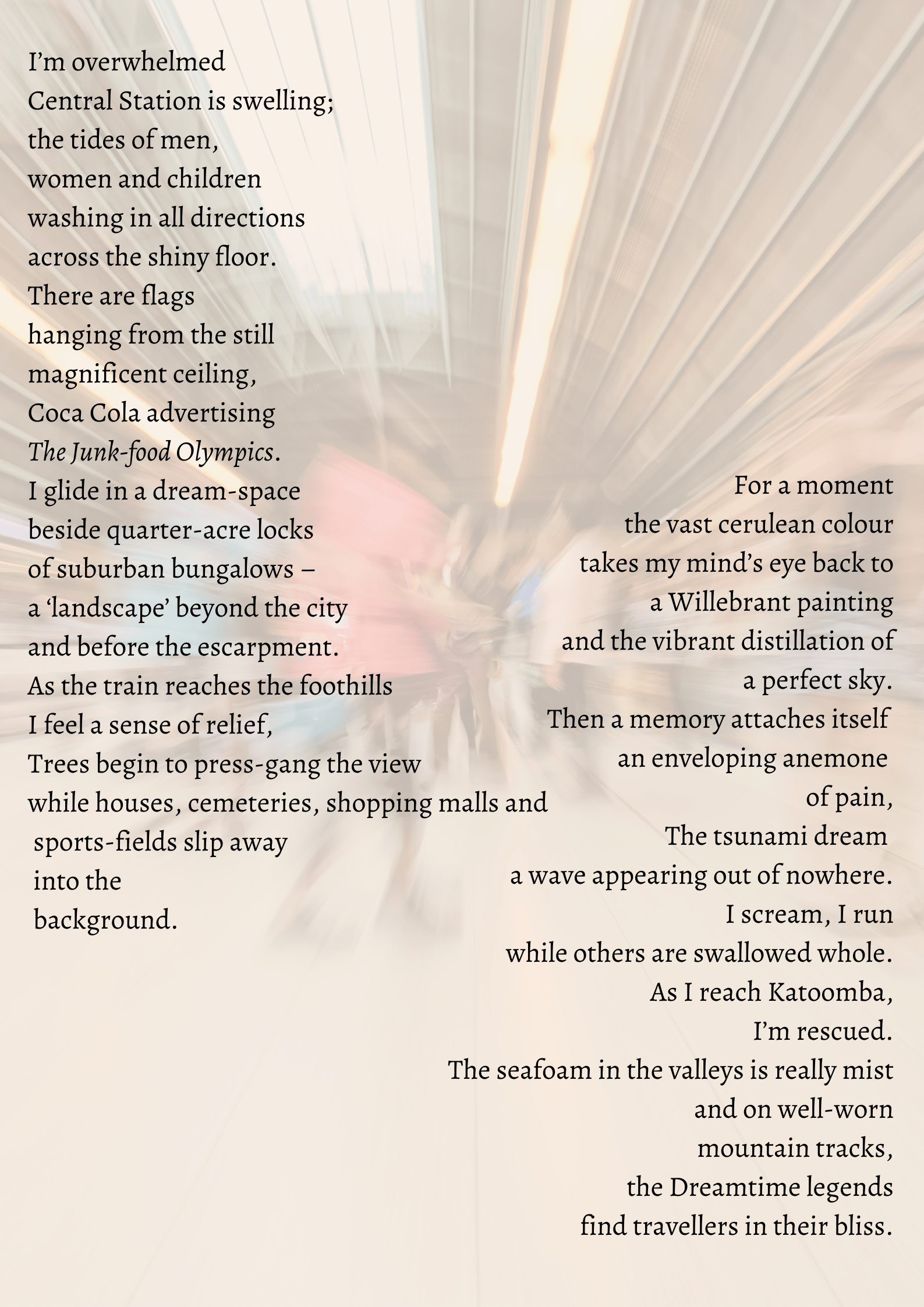
In my life, poetry has had several distinct phases: youthful love poems and teenage Angst kept only in old handwritten journals; a stint as a ‘performance’ poet (at the Balmain Loft) in the 1980s in Sydney with work in an anthology called Readings Aloft; a brief sojourn into poetry again in Katoomba (Blue Mountains, NSW) in the 1990s; and a slow-building resurgence after 2005 when I moved to South Australia. It is in South Australia that my poetic journey has been consolidated.

Poetry and Performance

In 2018, a poem I had written in English and Dutch called Baby Elephants about a family incident was selected for the first edition online of Australian Multilingual Writing. The poem was a humorous piece about my family background and the visit of an aunt to Australia in the 1990s. In late 2018, I organised a poetry event at Yankalilla Library with two other female poets Esther Ratner and Elizabeth Snow (aka Jade Wyatt), called Metamorphosis, the linking theme for all our works. It was received warmly by the audience, and Conker Productions made a short film of the event.

In 2019, I was invited to contribute to a multimodal multimedia project by instigators Carl Kuddell, and Jen Lyons-Reid called _this breath is not mine to keep. Surprised and heartened that three poems were selected – Hopeless, On Being Swept Away, and Dark Times – I collaborated with my son Sam Herzog to produce three videos that encapsulated the spirit of the poems for the website. I was also invited to ‘perform’ my poem Dark Times at the launch at Coral Street Art Space and Signal Point Gallery in Goolwa. It was thrilling, especially because I was surprised that one of my ‘darkest’ poems received genuine approbation.

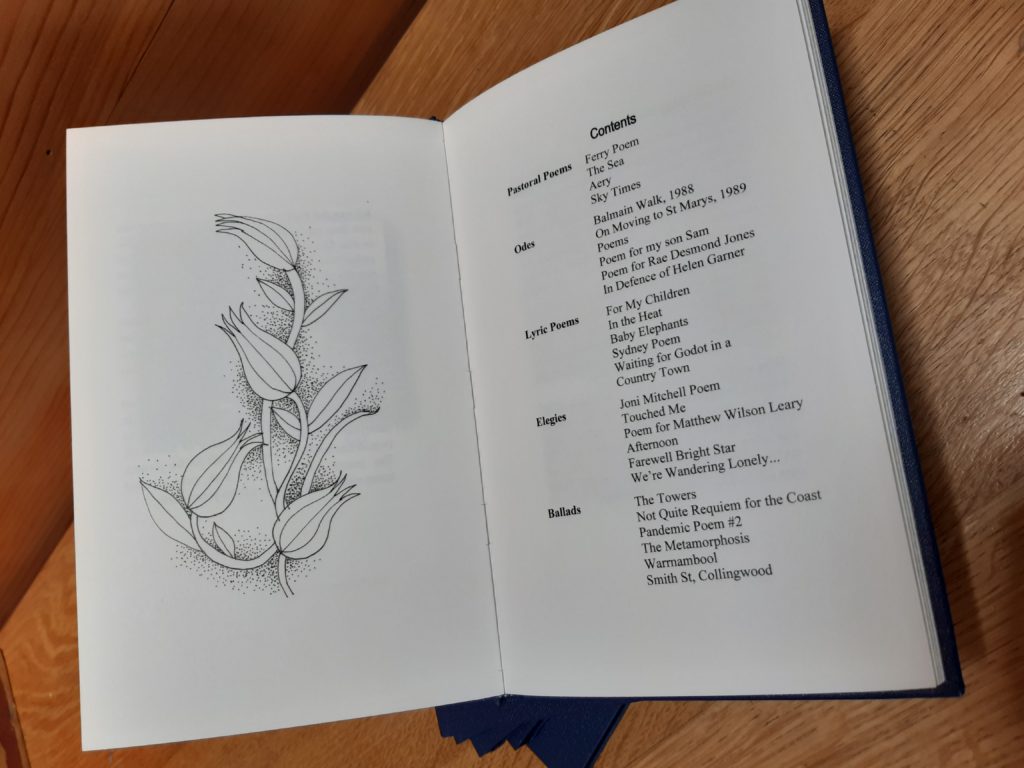
In early 2020 (before Covid-19 upended all our lives), I launched my anthology Metamorphosis: Poems 1980 – 2020. I wanted the book to reflect my creative values. Hence, it is made as a tactile object d’art: lovingly crafted, illustrated by me, produced on high-quality paper, with marbling on the edge of the pages. I also chose to write a preface about poetry itself. To some degree, I wanted to situate my poetry within the broader historical context and to demystify it a little for the general reader.

Poetic Inspiration

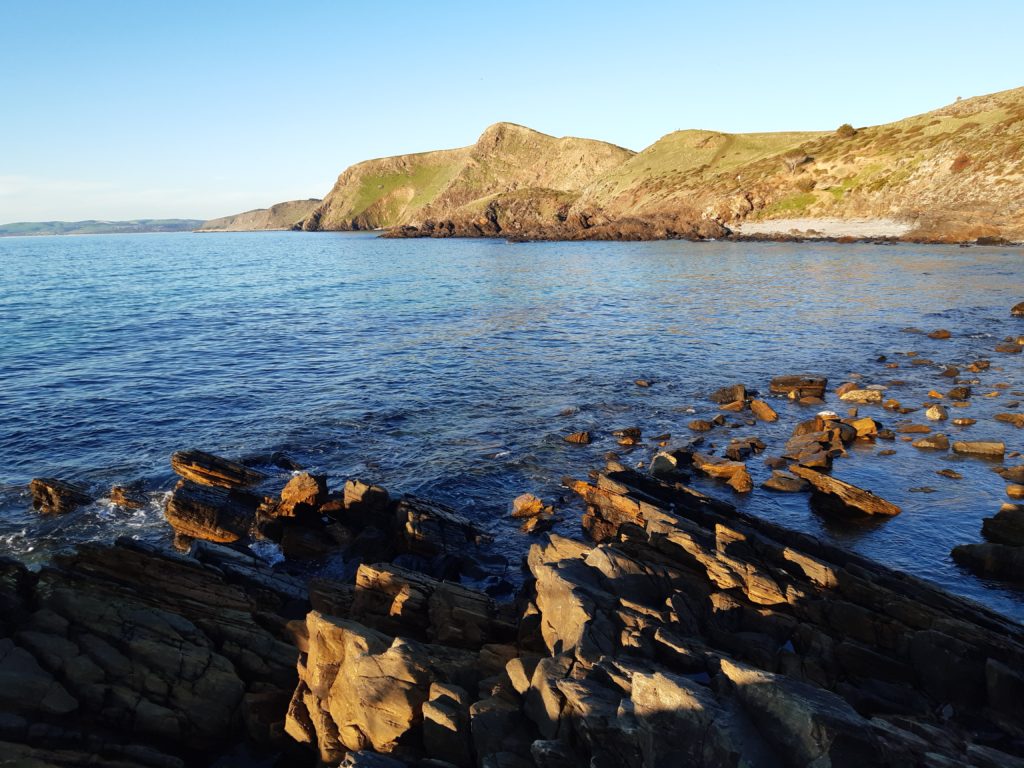
I started life in NSW, so I wrote some poems about that phase. Others were inspired by my life in South Australia. Right now, I am fortunate enough to live on the Fleurieu Peninsula near the coast, and poems often spring to mind when I’m walking on the beach.

I’m moved by the visual and sensory aspects of life near the coast, and I am concerned for the creatures we live amongst. When the Great Australian Bight was under threat recently by oil companies wanting to activate oil and gas exploration, I found myself penning this.

Poetry Rituals

My maternal ancestors came from Indonesia – formerly the Dutch-East Indies – and, after the Indonesian independence, many of the ‘Indo’ (mixed blood) community went to the Netherlands. I love the idea that in the Netherlands if you die without friends or family, the state assigns you a civil servant and a poet to attend your funeral where a custom-made poem is read for you. Poet and artist F. Starik started the Lonely Funeral Project.

Recently, while watching the 2017 British film called The Sense of an Ending, I was struck by the fact that poetry was interwoven into the story. The main character had aspired to be a poet in his youth, and Dylan Thomas and Philip Larkin tripped (or stumbled) off the tongue of various players. I am delighted to find poetry written into the script to demonstrate something about the lives and temperaments of the main characters.

Touchstones

‘Dark’ topics often fuel my imagination. I love history, politics, philosophy, languages. As a person from a very multicultural background, I am endlessly curious about the often complex lives of my ancestors. Not long ago, I read Clive James’ masterful book Cultural Amnesia: Notes on the Margins of My Time (2007). It led me onto Stefan Zweig’s book The World of Yesterday: Memoirs of a European (1942). I read these books as touchstones to my family’s past.

My grandfather, a writer who spoke seven languages, was born in Vienna, and I had recently discovered his previously unknown half-brother, who is still alive in Vienna. My grandfather had spent a stint in the Dachau concentration camp after Der Anschluss (union of Austria with Germany) in 1938. Consequently, I have an underlying interest or even obsession with the history of the Holocaust/Shoah; hence, my ode to Paul Celan.

Metamorphosis

I include the eponymous poem in my recent collection because Afghani women and families are fleeing the Taliban. Even as I write, my thoughts are with them as they are with the millions of refugees worldwide. At the moment, I think particularly of those who languish in limbo at the bureaucratic hands of our own government.

Metamorphosis is written in German and English because German is one of the languages of my European ancestors. It references Franz Kafka’s famous novella The Metamorphosis, initially published in German in 1915. I love the richly textured onomatopoeia of the German language, which reminds me of my Viennese great-grandmother, whom I knew (in Australia) as a child. Though bleak on the surface, the poem has for me a nostalgic beauty and melancholy.

I’ll share here a quote from 13th-century Afghan poet Jalaluddin Rumi:

‘Let’s get away from all the clever humans who put words in our mouth.

Let’s only say what our hearts desire.’

Right now, my heart desires the safety and freedom of the two young women (and others) our small refugee group has been assisting. This writing is dedicated especially to Laila and Fatima. May they travel safely to the place their hearts desire.

AUTHOR BIO

Kathryn is a published author of poetry, essays, scholarly articles, arts’ critique and publicity. She has worked in the arts and education for about 40 years. You can find her plays and short films on YouTube’s Bohemian Palace of Art channel. In 2020, she published her first anthology of poetry called Metamorphosis: Poems 1980 – 2020 (www.conkerproductions.com). She writes for The Indo Project (www.theindoproject.org). She is also currently writing a biography called Born at Sea and revising her play Ghost Train.

ACKNOWLEDGEMENTS

Text and poems remain the property of the author.

A Poetic Road Map by Mike Riddle

Isolated Waterholes

What follows is an unashamed and unapologetic South Australian road map to a list of poetic waterholes that have provided sustenance and provoked at least a degree of creativity throughout my life. Please forgive me for offering a specific sample of poems – after choosing the first two, I continued to select only those titles beginning with W to pay homage to (Lindy) Warrell’s Wattletales.

Born in Yorketown, I was blessed to be raised by a mother who treasured poetry, from Shakespeare and Coleridge to Ogden Nash (and whose performance in Ionesco’s The Lesson in the splendid theatrical isolation of Southern Yorke Peninsula, ignited my passion for drama); by a father, the town’s overworked newsagent, who would make brief appearances around the house to quote his favourite poem, Fuzzy Wuzzy Was a Bear or impersonate Mo McCackie; and in a family where puns went unpardoned.

It was a glorious childhood of books, wordsmithing and 78 rpm records; my soul being drained with every play of Bing Crosby reading Oscar Wilde’s The Happy Prince. Amongst all this, surely there had to beat a poetic pulse. While never attaining the moderate achievements of Shakespeare, I have given Nash a crack.

A Different Decade

Roll forward a decade, and following Dad’s loss of health, the family moved to Kensington. Late secondary, early tertiary years saw confusions and wisdom; long-haired and bearded protest against nukes in yak jacket and alpaca beanie; and theatrical inspiration from Samuel Beckett, Howard Brenton and surprisingly, Mother Goose (the often-suppressed nursery rhyme, Barney Butt triggering the writing of my first publicly acclaimed script.)

Poetically, Yeats and McGough had influence, but the purchase of Richard Tipping’s Soft Riots/TV News had a huge impact. The title work and the sexuality, angst and breakdown of the literary form of Multiple 1 exploded my preconceptions of poetry. It could be brief, biting or sometimes beautiful. As Rory Harris said in our one meeting, it could also be the silence before the boot goes in.

Parenting, teaching and community involvement in Port Augusta, Waikerie and Minnipa dominated the late seventies to early nineties, but tiny ponds of inspiration like Porta Bloody Gusta, Bald Man’s Bravado and The Ballad of Western Districts entertained the locals. Collisions, poems with a vehicular or crash-referenced title, upon impact, reduce speed, turning circles, about people I had collided with, were self-deemed as worthy.

Directing two full-length and one shorter production per year, coordinating music and end of year concerts at Naracoorte High School and Lucindale Area School for the twelve years leading into July 2006 left little time for reflection and anything creative but incidental writing. The exception was a successful short but deviously clever (for deviously clever read silly) absurdist play, Sometimes We Lie.

Then, the World Changed

Then, just after beginning to write for and reinvigorating the outrageous Lucindale Players, the world changed, not because of the excision of the twice misdiagnosed malignant squamous cell carcinoma on my right cheek, but possibly because of the extensive chemo’ and radiotherapy that followed. Having dealt with the head and neck dissection, I returned to teaching only to become aware of ever-increasing facial pain. By March 2008, fatigued and reliant upon high-end opioids, a wealth of other medications and Botox, to relieve palsy and promote neck movement, my career of working with children was over.

I grieved, particularly in the dream state, but maintained what I believe to be a commendable positivity and within a year had splashed wholeheartedly into an entirely new plunge pool, writing and self-publishing. A company – Caught Jester Books – came into existence. Interaction with illustrators led to excellent collegiate relationships being formed as a mixture of homegrown and professionally printed children’s books and illustrated poetry anthologies were published.

Melbourne-based Jody Pratt, a beautiful soul, delightfully illustrated the poems of Missile Annie & Whinging William, tales to be read aloud of a three and a half-year-old missile and a four-year-old whinger. Attendance at local markets began CJB’s association with charities, with a percentage from each sale donated to the local branch of the Royal Flying Doctor Service.

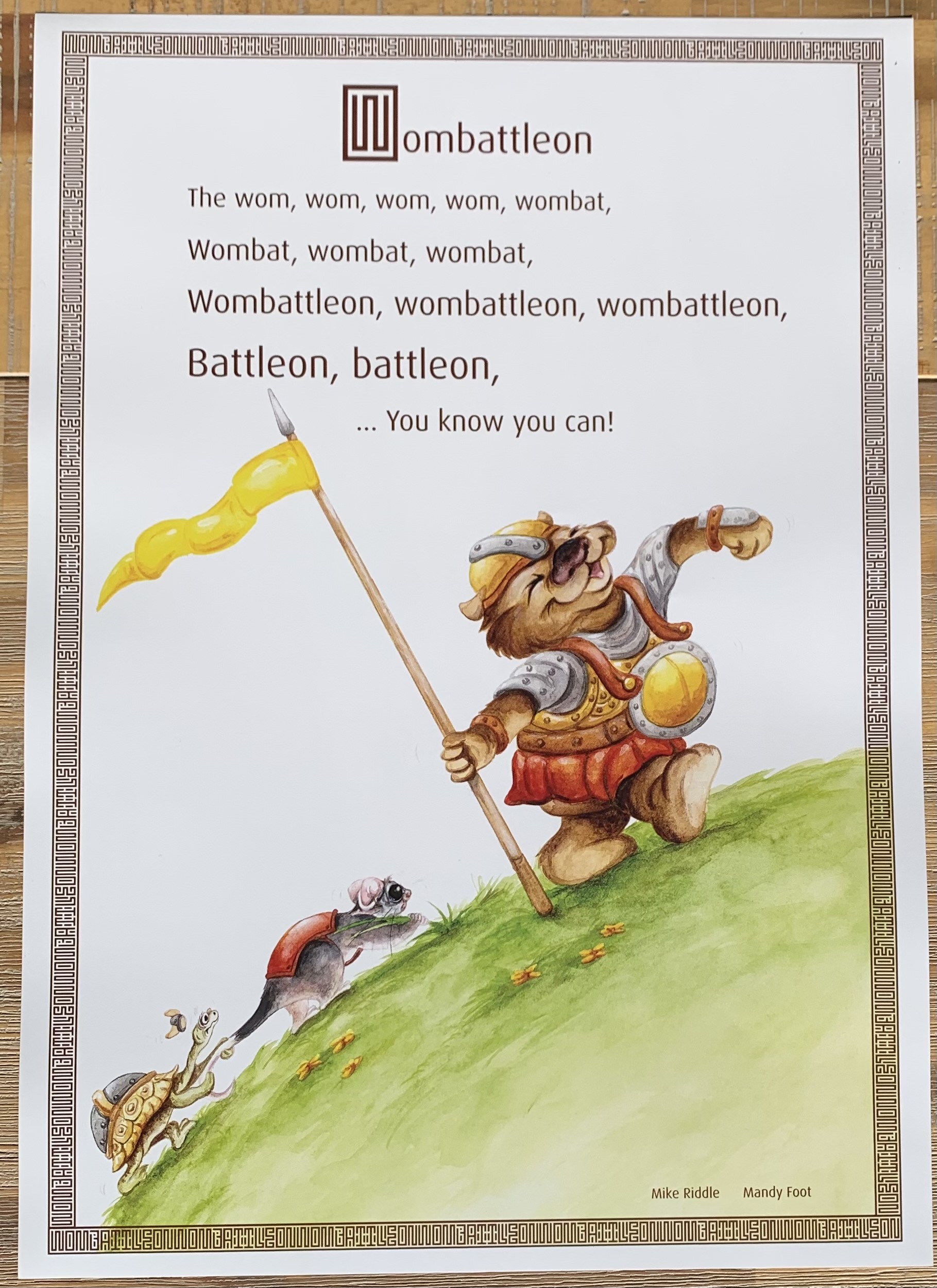
Three Cornered Hat included three separate anthologies. The Way to Dusty Death, sparked by my original party piece, Four Hairs Had I, an adolescent male taking a bath with his rubber duck called Spot, reflected life’s journey in five-year intervals from zero to ninety with a Macbeth reference in every poem. A Lesser Life chronicled the experiences and emotions of the early years of my cancer journey while The Word Mugger mucked about with words presenting quirky poems with titles ranging from A to Z.

But it is The Kanceroo, written for children (or families) with cancer, illustrated by the now highly successful writer/illustrator and dear friend, Mandy Foot, that remains my most valued achievement.

Me at the Market

Mandy brought poems about distorted Australian animals such as the evil title character, The Pitypus and The Numbutt, to life, with humour and verve. But may it never be forgotten that all began with the cancer-attacking warrior wombat, The Wombattleon!

Wombattleon Poster

Launched by Peter Goers (who joyously for my ego, twice declared me Hot in his Sunday Mail articles), The Kanceroo (supported by I’m Confused with its granting of human characteristics to Australian animals) was given to ailing and grieving friends and their families, to children in the Adelaide Children’s Hospital, the Leukemia Foundation Village in Northfield and distributed around the country by the Lions Club of Naracoorte. A percentage from sales was directed towards Cancer Council SA.

Trying to raise interest in poetry in Naracoorte led to the establishment of The Poet’s Pen.

A small group of five or six gathered monthly to share offerings but gradually dwindled over two years until there was only ex-colleague and good friend Joyleen Gibbons (now of Happy FM fame) sitting around the dining-room table.

A self-imposed challenge arose in 2012, when, responding to the strange opioid-inspired phrases being thrust into my head daily, I wrote a seven-line poem of no more than seven words every day, collated them and published them independently as one talk.

Hamlette Pedante by Mandy Foot

By 2016 Mandy Foot and I had collaborated a second time upon Animaulia, humorous, sadistic poems in which insects, birds, crustaceans and small mammals experience life’s difficulties or come to sticky ends. No one to my knowledge, apart from me, has ever written a page-filler poem entitled Marvin the Maggot, the Sequel to the Sequel.

New Horizons

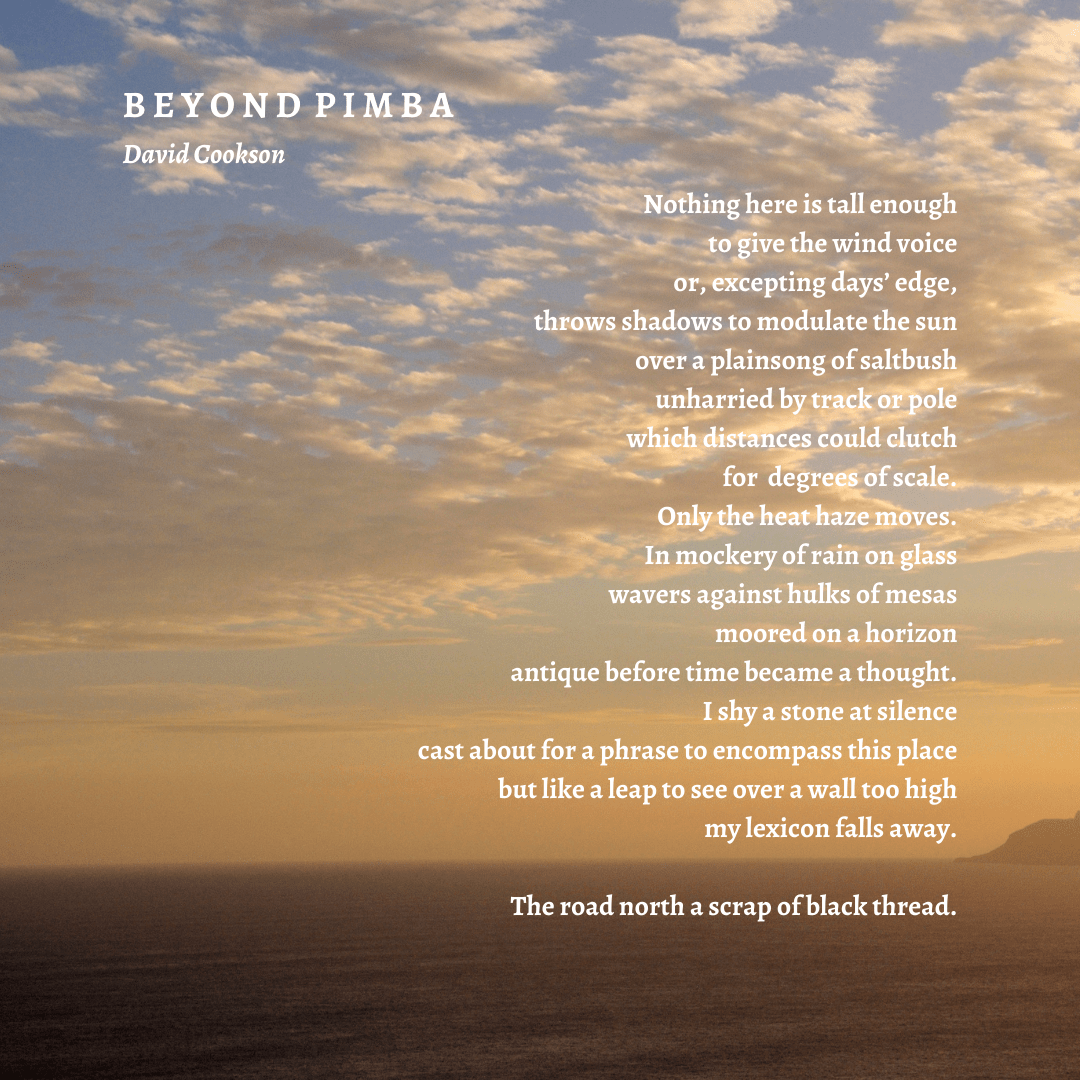
It’s been since arriving in Goolwa to nest in the creative wetlands of the southern Fleurieu that I believe my writing has reached another level. Never have I lived in such a rich, poetic and artistic environment. Suddenly I was exposed to the inimitable enthusiasm and openness of performance poet Nigel Ford, the acute, astute and superb poetry of David Cookson, the equally observant, gloriously complementary poems of Veronica Cookson, the short, sharp knifing of Geoff Aitken’s social poetry. Suddenly I was listening to the mellifluous voice of Keith MacNider stunning me just by saying, that man, to the sincerity of Margaret Clark and the naughtiness of Christina Haack. Suddenly I’m writing poems with Cedric Varcoe and Clyde Rigney Junior for Jen Lyons-Reid and Carl Kuddell of Change Media.

These days, I spend the second Saturday of the month critiquing with the Ochre Coast Poets. The second Sunday sees me reading in the Signal Point Theatrette with the Southern Fleurieu Poets. And a wealth of further opportunities exists should I seek them out.

My writing has developed over time and walks around the Goolwa wharf and the Southern Ocean coast. The fertility of the poetic environment has allowed me to explore more in style (apologies for lack of punctuation – blame Tipping) as I become more comfortable with the content and finding and expressing personal beliefs. Through mentorship by the exceedingly encouraging and poetically insightful Jude Aquilina, I’ve almost finished another anthology, which may, one day, be published. The title poem follows.

Am I yet a poet? Perhaps, some days. I don’t know. After all …

Author Bio

Mike Riddle has scratched and scribbled poetry, plays and children’s books, somewhat intermittently, across schools and communities in country South Australia for over forty years. His work can be quirky, filled with black humour or compassionate and purposeful.

As the founder of Caught Jester Books, he has been blessed to have had exceptional artists illustrate his self-published books, seven being published by Hansen Print, Naracoorte and to have engaged with many wonderful people at markets in the south-east and on the Fleurieu. Living in Goolwa, he reads at Poetry on the Fleurieu and is a member of Ochre Coast Poets.

You can find out more about Mike’s work on his website and Facebook.

ACKNOWLEDGEMENTS

What’s under your chin?  Published in one talk (Caught Jester Books 2015)

Wombattleon Published in The Kanceroo (Caught Jester Books, Hansen Print 2013)

whale Published in Three Cornered Hat (Caught Jester Books, Hansen Print 2011)

The Mystery of Life, Poetry and Imagination by Julie Wright

A Country Girl

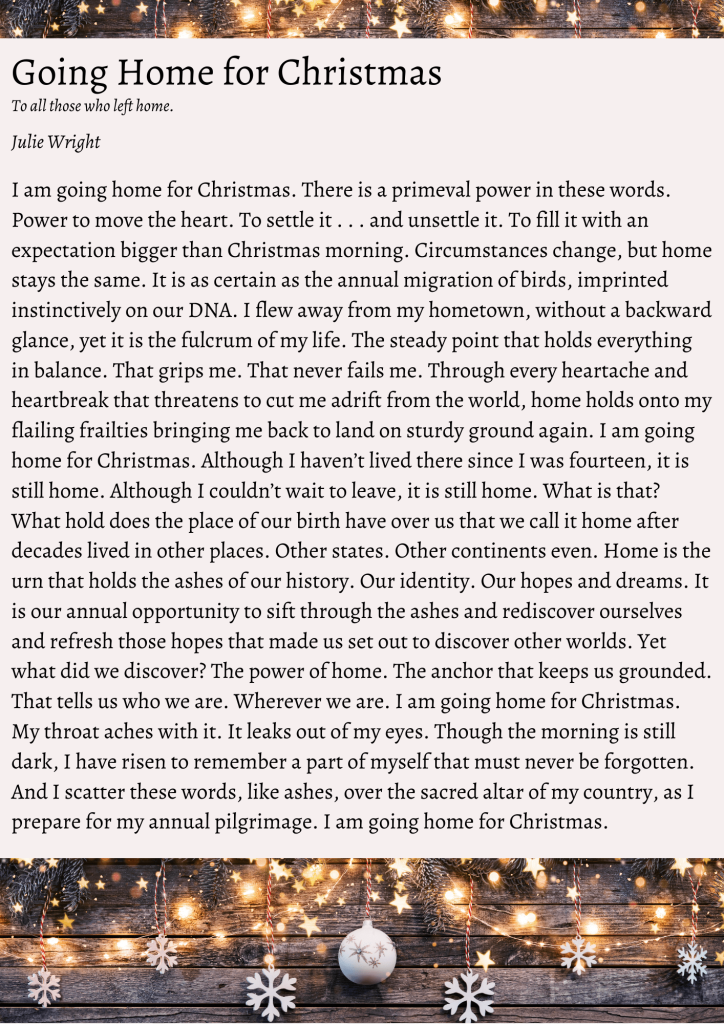
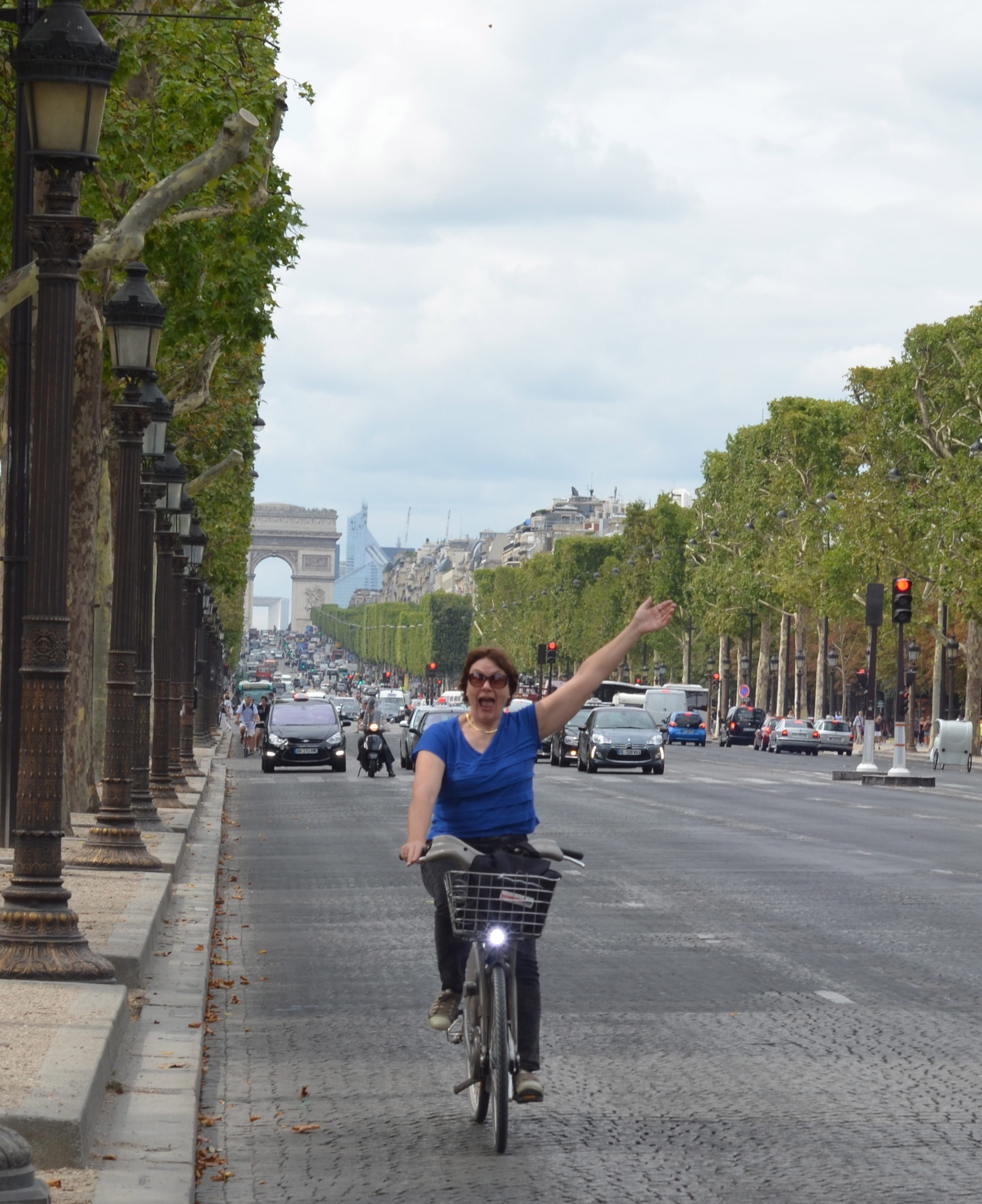
I was a country kid brought up in Ceduna on the Far West Coast. I have always said I was born with my feet facing the highway, yet my poem, ‘Going Home for Christmas,’ shows that my idyllic childhood has remained with me and has had a lasting impact on my identity.

I am writing this post in Ceduna. On Monday, I will be doing a poetry reading here at the local library. It means a lot to me to share my poems with the people who watched me grow up and who have taken an interest in my life, even though I went to boarding school in Port Lincoln at the age of 14 and haven’t lived in Ceduna since.

My Early Career

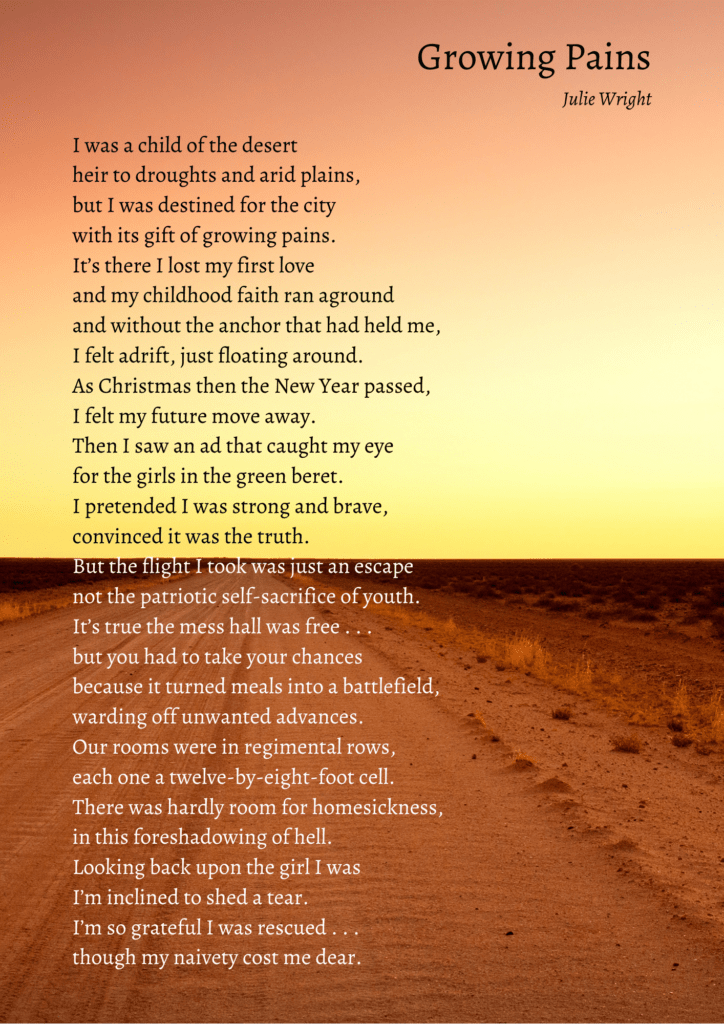
When I finished school, I became a keyboard operator in the Army. Those who know me are picking themselves up off the floor right now! Even to me, it seems somewhat surreal, but it was one of the many experiences that shaped me. It was intended as my way to escape country life, but life in the green beret was not for me. ‘Growing Pains’ really encapsulates my life up to that point.

And, Family

At the age of 19, I married a former national serviceman from Western Australia who hadn’t settled back in Perth. We met at Watsonia Barracks in Melbourne, and, by marrying, I received an ‘honourable discharge from the army only 18 months into my three-year contract.

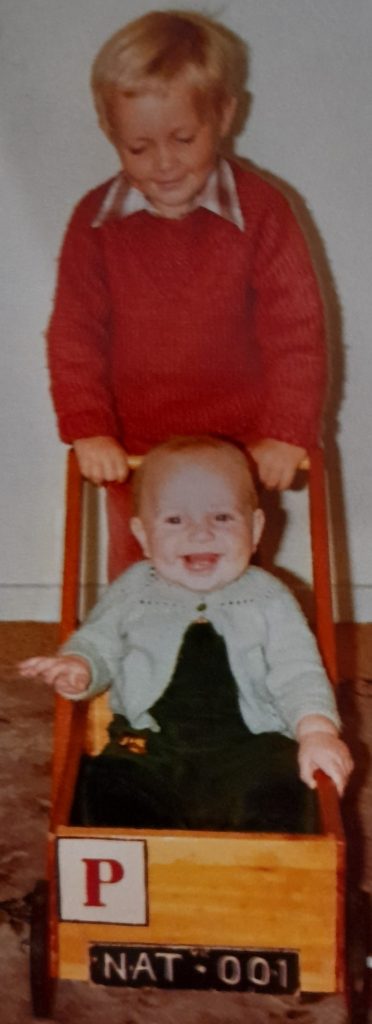
My first son, Nathanuel, was born nine months after our wedding. His brother, Dylan, was born three years later in Adelaide. I started my BA at Flinders as soon as Dylan started school and ended up doing honours with a thesis on John Donne’s Holy Sonnets, followed by a Dip. Ed.

Nathanual and Dylan

My marriage ended after 19 years. A couple of years later, I decided to make the most of my freedom by living and working in Italy for a year. (Italian was my sub-major at uni.) A short time after I returned to Adelaide, in 1997, I signed a contract with a Thai school and ended up in Thailand for three years.

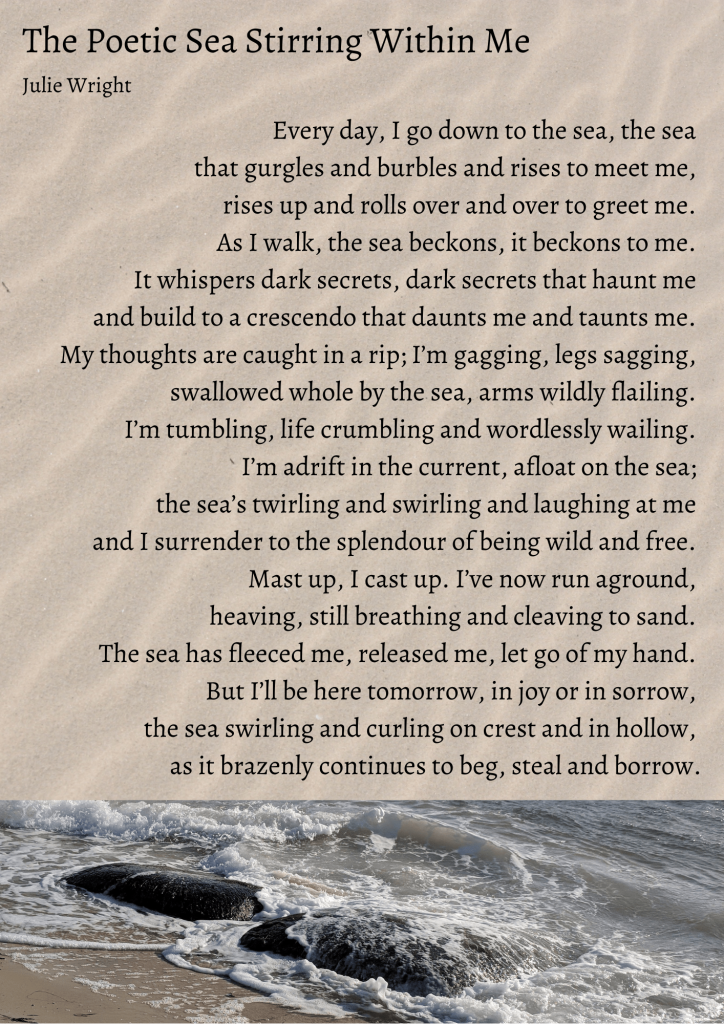
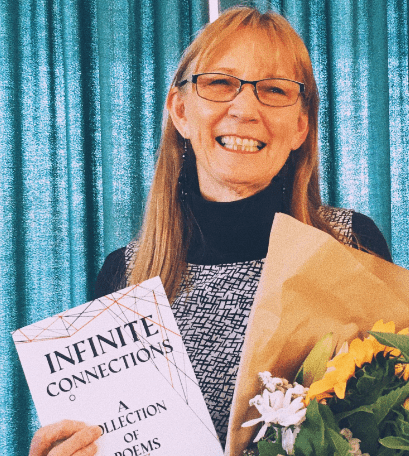
In my poetry collection, ‘Infinite Connections’, there are quite a few poems from those two periods of my life. Some poems — and allusions in others — reflect my faith and my interest in philosophy, which led me to complete a Master of Arts in Christian Studies part-time (whilst working almost full time)

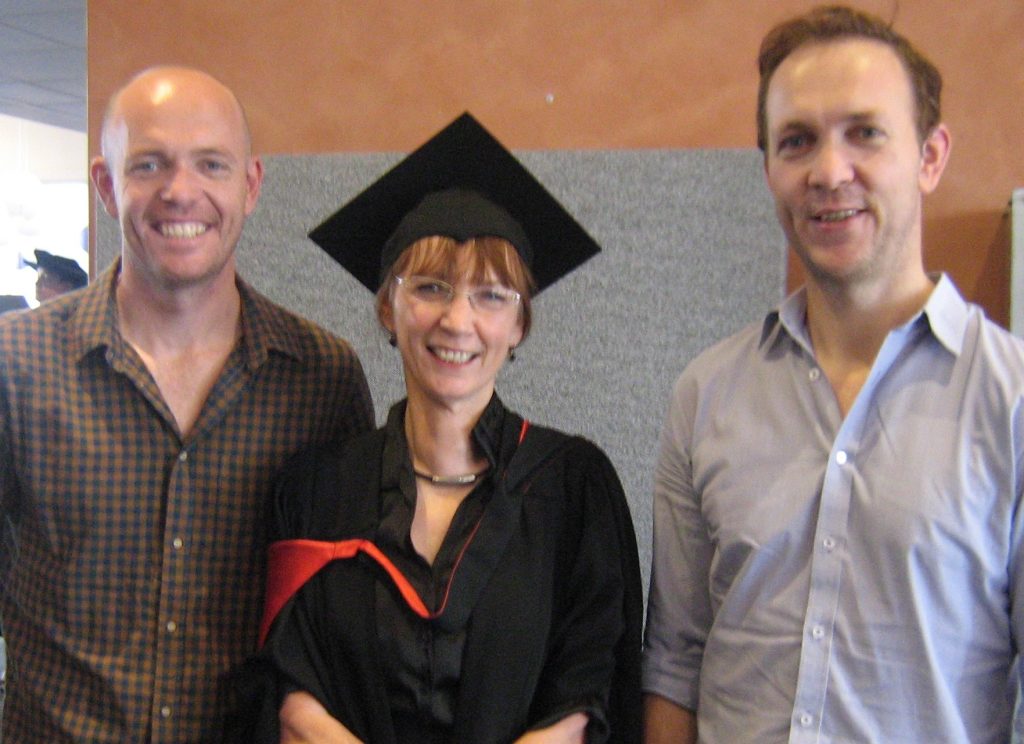
My adult sons with me at my graduation.

Today, I am back at my old school, Temple Christian College, investing in students. I now teach many children of former 1990s students. In two stints, I have clocked up 20 years with this school.

OId Fascinations, New Life

On December 10, 2020, I decided to start my own publishing house, Benedictus Publishing.

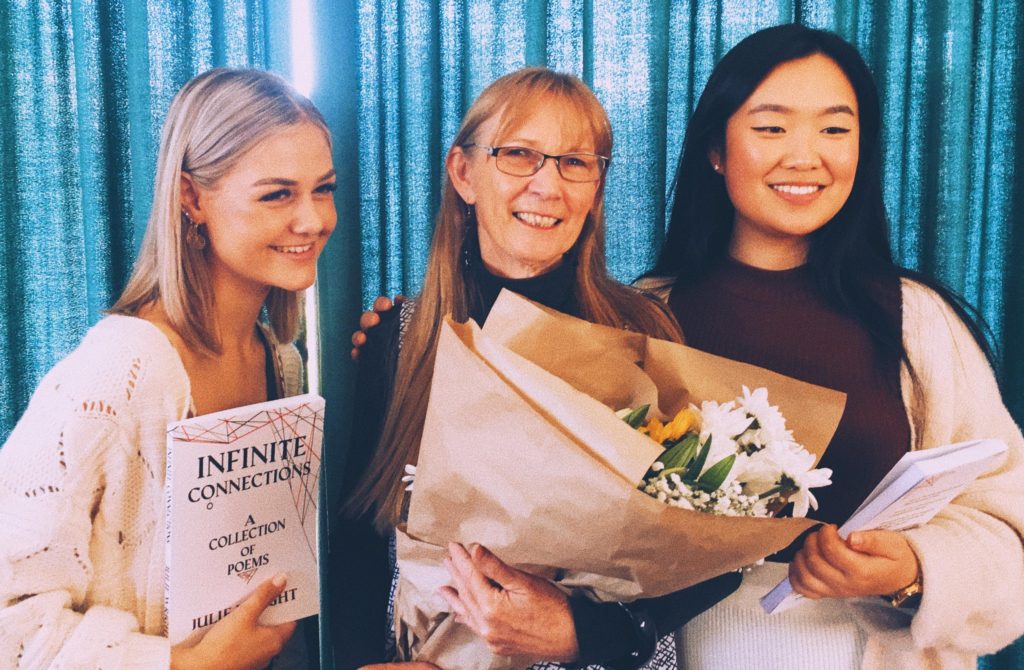
Book launch with old scholars, Simone and Annie.

Months earlier, I put together my first poetry collection, Infinite Connections. As I did that, I realised how many times I had written about the creative process.

Although I have composed poems and songs for most of my life, I remain fascinated to this day by words, ideas and the mysterious creative impulse that drives us to capture and wrestle with them until they resemble something close to our truest thoughts.

In the following poem, I have used an extended metaphor of a journey that reveals, in turns, both the daring and desperation that drives us, capturing that sense of being out of control, as the words go in unexpected directions to unexpected places.

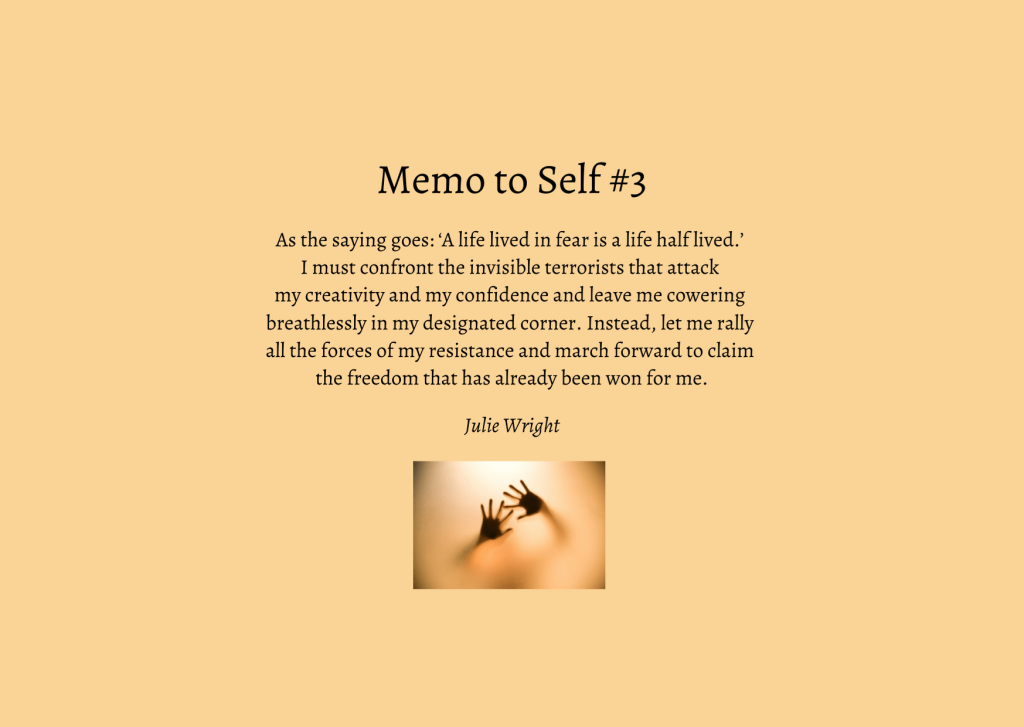
After living with an active imagination all my life, one would think that such fears would have dissipated long ago. But how do we have confidence in something we don’t understand? Something inexplicable. Paradoxically, the art of arranging ‘the best words in the best order’ (as Coleridge described it) seems to be beyond words. Beyond our capacity to explain. In my collection, I have a series of poems that are memos to myself. One addresses the ease with which we slip into self-doubt as writers.

This poem arose despite the epiphany alluded to in the last line; God revealed that I was a poet. I had the experience at a hillside cemetery in Le Cinque Terre during a year I spent teaching in Italy. In that breathtakingly beautiful landscape, I wrote as many as three poems a day. In fact, during my year in Italy, I used my poetry as ‘snapshots.’ I wanted a record of my inner journey, rather than a mere photographic record of the things I saw.

Writers seem to live in a tension between a strong self-belief that they have something worthwhile to say, on the one hand, and the other, the niggling fear that the magic of creativity will, like a pocketful of silk handkerchiefs, suddenly disappear forever. They live in fear that their inspiration will dry up. Words will no longer jostle for attention and urge them to the finish line. They fight with the fear that no one is interested in what they have to say: their unique story, their unique style of delivering it. That surfaced when I was attending a webinar by the poet Leeza von Alpen. As a brain-strain activity, she gave us five minutes to write a poem about being lost in a vast forest. To my surprise, it turned out to be another extended metaphor poem about creativity.

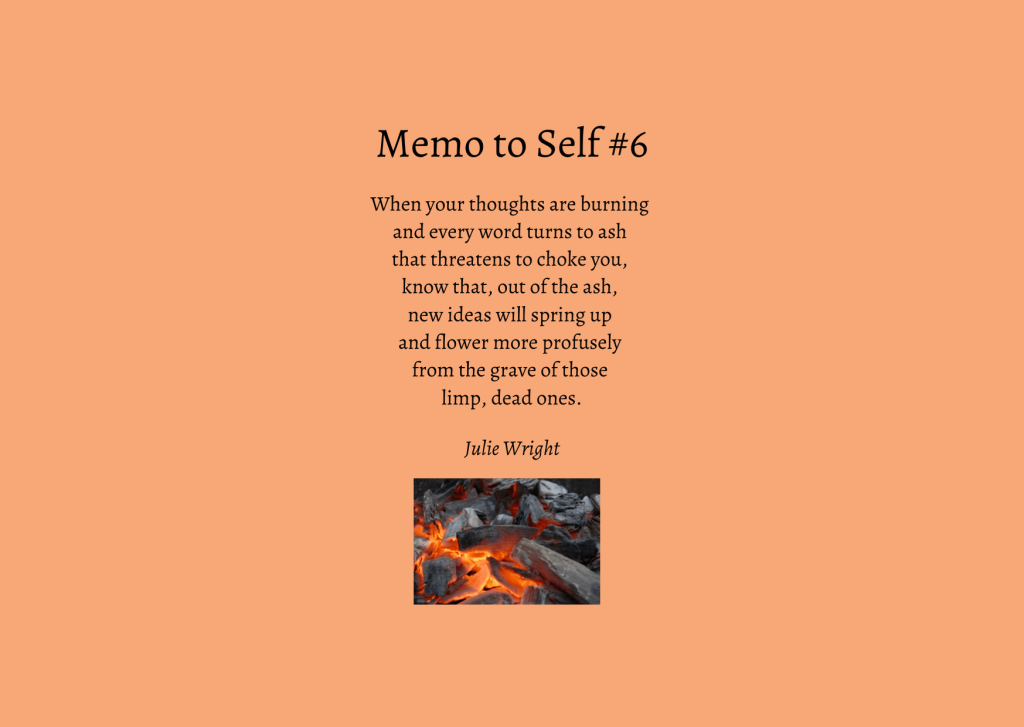
In response to the debilitating doubt expressed in Memo to Self — Fear came Memo to Self — Thoughts, a reminder that imagination will continue to bloom and may even bloom best in the ashes of dead ideas.

One of my favourites is a poetic distillation that never fails to put a big smile on my face. It spurs me on when I think no one cares about the poetic endeavours that are the fulcrum of my days. I offer it as encouragement on those days when being a poet seems like a lonely walk on the highway with everyone sailing past in their big rigs, not even glancing at your upturned thumb.

Sometimes, we poets need to be our own cheer squad! But, even without encouragement, we keep going. We have no choice because it is worth all the hard labour, effort, and pain when we birth a poem. That is the message captured in ‘Gestation Zone.’

I am also fascinated by the sounds of words – perhaps because I am a musician and songwriter. The following poem combines my love of languages’ musicality and imagination’s mystique. Together, they permeate everything I do, including walks, conversations, visits to art galleries, reading, exam supervisions, dreams; it is crouched in the corner of my mind at all times, ready to spring forth at the slightest stimulation.

In this post, I have barely scratched the surface of my ruminations on the imagination contained in my poetry. If you are a writer, I hope you have recognised something of your journey in the poems here that will encourage or sustain you in your work. May they settle the watery world of your mind, to splash in the background, until the next wave of inspiration wells up and crashes into your consciousness, and you begin the wild ride to shore. Ride it again and again and again.

Last but not Least

I thank Lindy for asking me to contribute to her website. I have known Lindy ever since I joined TramsEnd Poets a few years ago. It has been a great privilege to be part of the group and to benefit from their critical appraisals of my poems each month. It was and remains a welcome change to be on the receiving end of the critiques to help me hone my writing skills after giving feedback on my students’ writing for over thirty years.

AUTHOR BIO

I love to visit Ceduna but was not destined to remain there. After school in Port Lincoln, I became a WRAAC recruit in Sydney. I’ve lived in Italy, Darwin, Thailand and now, Adelaide. Three years ago, my adorable granddaughter joined us at 14 months and stole our hearts away. I still teach, but being thoroughly committed to poetry and publishing, I am now on one of the steepest learning curves of my life when others might be retiring. I may be a little eccentric, but I am blessed with a family that endorses my unconventional life choices.

Julie’s Books can be purchased here with poems from this page and more.

ACKNOWLEDGEMENTS: All photographs, poems and text remain the property of the author..

Struggle, Science and Success by Heather Webster

I Write

I write vignettes along the path of discovery and light, skirting the wrecks of past lives, considering and learning from experience dragged from the deep, shaped by new thoughts, new ideas. It gives me pleasure, teaches me humility and new ways to improve my powers of observation, inside and out.

It wasn’t always like this. I wrote to earn a living. I wrote science and politics according to formulae rarely written. The ability to intuit what was needed, to inform, present, convince, to raise money, would have been the best job description. The ability to perform, just like in the circus. Years of hard work and much practice. Proof in the pudding of success or failure. I was good enough to craft a life from poverty to ease. Success enough that I might now explore what an unfettered brain might build.

The Creative Life

Creativity is now my driver. Connecting with writers through the ages; perhaps the most uniquely human achievement. To read the archaeology of past thought in cuneiform, hieroglyphs or books. To send messages into the space of future time. Therein lies the excitement. Might what I write endure, through luck or care?  Could the products of my neurones gleam like starlight travelling through time, through space?

Mainly though, I just write. An adventure in an unchartered wilderness, no plan, no expectation. Like planting seeds from blank packets, hopeful and open to delight.

Time and resources now gift me this creative life. After the uncertainty of childhood, the exhaustion and exultation of bearing children, the struggle of earning a living, I am a lucky woman. I celebrate my utter good fortune to be alive in this time and this place. Of all the women who have ever lived, I am here, a minute sliver of humankind. Science-based health care nurtures me, the laws of this country protect me, every night I sleep knowing no-one is shooting at me.

My ambitious plan, the child of many ambitious plans, is to become a wise, old woman. In the interim, I write poetry and prose, have completed my first novel, written poems about all the chemical elements and am working on a collection about the birds with which I share my home on our vineyard at Langhorne Creek.

From Where to Here

I am a child of the nineteen fifties. Born of parents desperate for security spawned from childhoods of broken marriages, financial and social struggle, and as survivors of World War II. My mother’s objective was a marriage and a home, however humble. My father, apprenticed to a butcher, became a champion motor-cycle rider, then a fitter in the RAAF and served in Borneo. After the war he sold motorcycles, but my entire experience of his working life was in workshops, machining brake linings in Hurtle Square. He played golf on Saturday afternoon and I suspect thought himself uppity for wanting more.

I learned the world does not owe you a living.  If you want something, earn it. Idleness and waste were unacceptable. The third thing was to know your place. I always had trouble with that because I didn’t like where I was, or indeed who I was supposed to be. Unlike the common childhood fear of being adopted, I thought that perhaps I had landed in the wrong place.

I had food. I had love. I had rules. I learned to cook and sew, and I read books under the bedclothes at night. My high school had 1600 students from many nationalities who ate different food from chop and three veg; their families spoke other languages. The world seemed bigger on their side of the fence.

Working Life

I began work in a scientific library. By nineteen, I was engaged to a Vietnam veteran who was tall, danced beautifully and rode a motorbike. By twenty-five, I had moved to Hobart with a truckload of disappointment, two children and a desperate longing for another sort of life.  I struck out alone.

Those were tough years. I had a burning ambition for a better life. I enrolled in university, cleaned carpets, completed my science degree, then one in librarianship, won all the prizes.

I became a librarian at the university, began an M.Sc. switched to an MBA., moved back to Adelaide.  I worked with CSIRO. I translated esoteric results into understandable prose, wrote grant applications to win funds. After winning a Duke of Edinburgh study conference award, I travelled to Oxford University with 250 recipients from across the Commonwealth and participated in a mind-altering development program. I became Chief of Staff to the Minister for the Arts, Transport, Planning and the Status of Women.

My success rested on endless curiosity, the ability to analyse large amounts of technical information, the capacity to interpret finances. I learned to shift, adapt, think differently. Among that, I got married again. My children increased from two to five. I applied for and won the CEO job for public transport. I changed the culture. Service providers were paid for the people they carried. I became Chair of the national organisation, then worked on the international policy committee.

The Vineyard at Langhorne Creek

My husband and I bought a vineyard in Langhorne Creek. We commuted in different directions. We planted and planned, experienced joy in a rural life.

I won board positions, the local grape and wine organisation, became director of a mutual bank, headed the state grape growers and worked to amalgamate national organisations, became a fellow of the company directors’ organisation.

What Am I Proud Of?

I am most proud of the fact that my children are wonderful people. Successful, yes but more importantly they are good people, now with fine families of their own. Our nine grandchildren are showing great promise. We have holidays together.

I am proud of my working life’s success, even, or perhaps because it is unusual. It funded my independence, allowed my choice. My husband and I have earned every dollar, which supports the life we enjoy. We grow vegetables and 60 sorts of fruit kind to our land. We don’t waste things. I am the queen of preserving, and it gives me great pleasure to give it away.

My Secrets

Secretly I am very proud of my academic record because it gave me confidence when I most needed it. Occasionally I consider doing a PhD.

Deep within, I have an odd set of personal achievements. Wearing an elegant bright pink pantsuit when addressing a transport conference in Dubai. Forcing myself to ask questions at fiercely male-dominated conferences. Being called Australia at international conferences. Challenging the flawed process of the appointment of women to boards. Supporting good women to believe in themselves.

I was recently thrilled to have my element poems ‘The Periodic Table in Verse’ accepted for publication by the Science History Institute in Philadelphia. You can find the first instalment here.

And Since the End of My Salaried life…

I got to know our vineyard. We worked to restore the crumbling old school in my town, raised money to revegetate the riverbanks. We established a wine brand. I started to write about the land around me. I remain abashedly a science geek. I am proud of our wine, the most premium vintage being called Writers’ Block.

Heather and husband Barry in their vineyard.

I worked with the talented artist Cathy Portas to produce artistic postcards with her art and my poems about our wine. I propagate plants. We are transforming an old dairy into a wine/art celebration space.

I write because it brings me pleasure, words like tasty morsels to be savoured. I read voraciously, as I have always, for relaxation, to learn and hopefully to make me a better writer. That familiar sensation of moving on is causing a frisson of excitement in my late nights. I want to share my stories (and our wine).

Author Bio

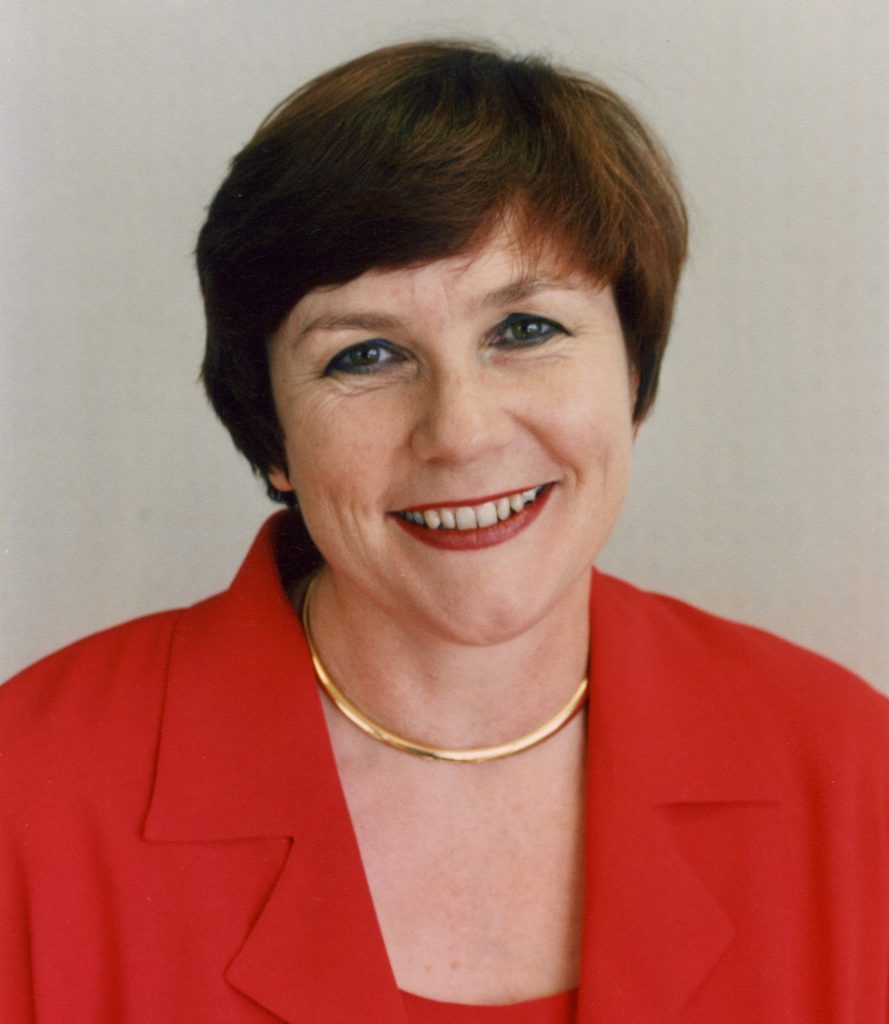
Heather and her husband Barry, grow wine grapes in Langhorne Creek. She enjoys growing plants and ideas, writing, reading, sharing good wine with friends, and wishes to play better tennis.

She is endlessly curious and enjoyed all her careers, as a science librarian, with CSIRO, in politics and as CEO of SA’s public transport system.  

She loves to research and managed degrees in several fields (B.Sc Grad Dip Lib MBA). Heather’s board work included a large community bank, a charitable Foundation, and chairing state and national wine and grape organisations. Her community work includes the restoration of a Historical School and revegetation.

To explore Heather and Barry’s Langhorne Creek vineyard, Windsong Wines, click here where you will find more of Heather’s poetry under Conversations. Windsong Wines is also on Instagram and Facebook.

You can learn more about Heather’s writing here.

ACKNOWLEDGEMENTS: Author Bio photograph by Kate Punshon. All other photos, text and poems remain the property of Heather Webster.

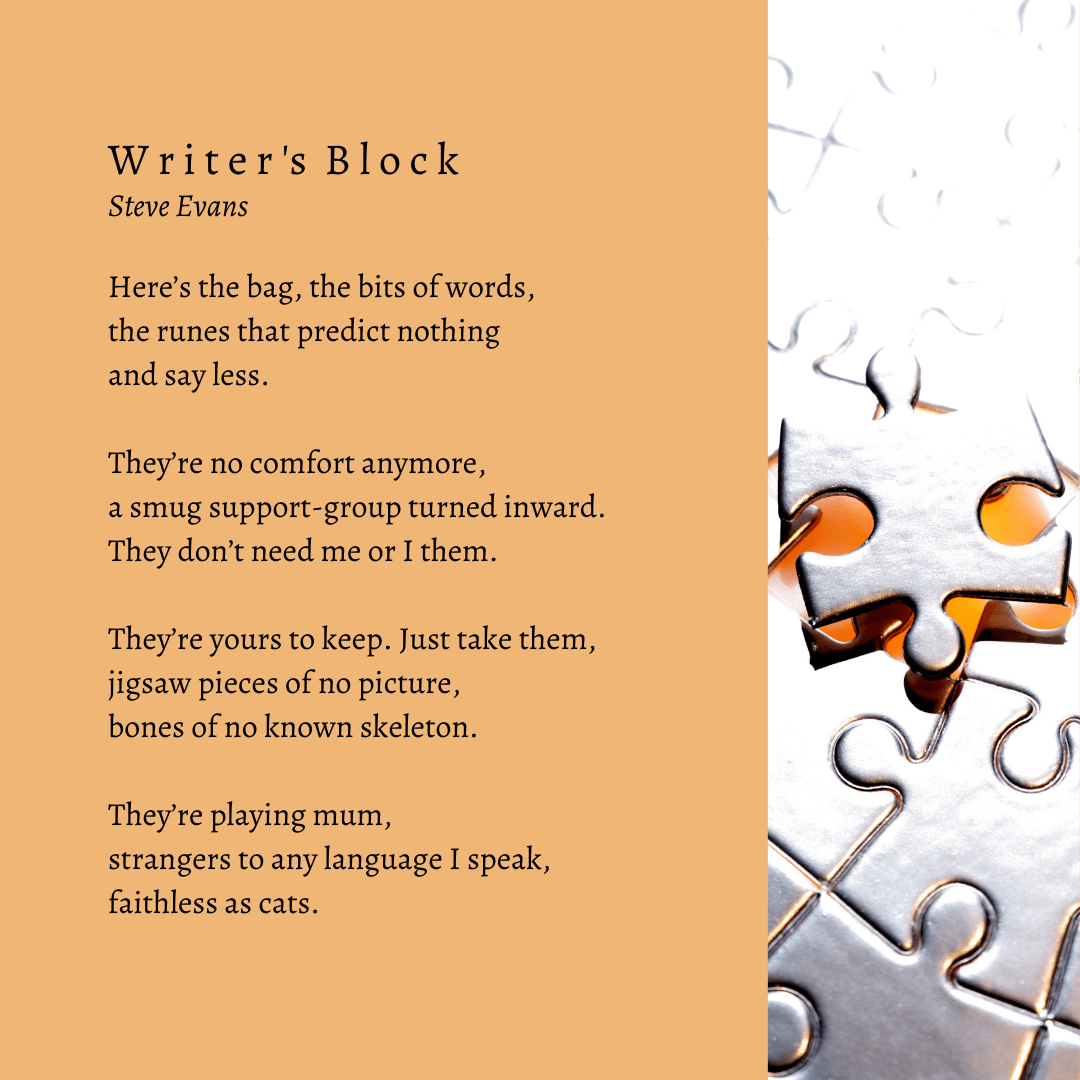
My Writing Life by Steve Evans

The Real Me

The mere thought of considering ‘my writing life’ conjures a whirlwind of possible angles and the word ‘my’ is a special concern since it could be an excuse for all sorts of vanities. It’s claimed that every writing act is to an extent autobiography, that the author is always present, even if faintly. I like to take an oblique approach, even a slightly absurd one, at times. Is that the real me? For better or worse, then, here we go.

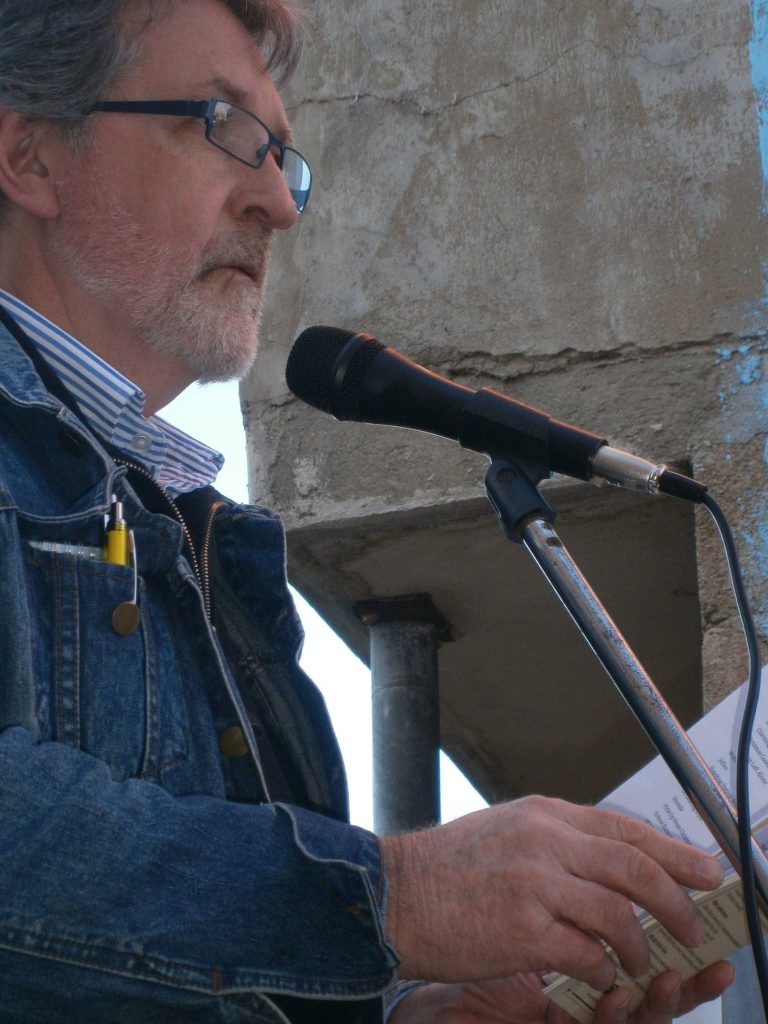
A Reading in 2015

For me, meeting a good poem or narrative is like walking into a theatre that might seem small at first but then keeps on opening wider. Maybe that’s why stories captivated me early on as a kid. I indulged as a listener and then a reader and, eventually, as a writer, trying to work out the best way to effectively corral words in poetry and prose. It was rewarding but also frustrating.

Encounters with Stories at Home

My mother read to me at night until I was about five years old. She’d eventually leave me to read on my own in those precious last minutes before my light was turned out. Some nights, radio serials drifted through our small SA Trust Home in the mid-north country town of Kadina as I resisted sleep. At breakfast, there were more, such as The Hopalong Cassidy Show. Perhaps it helped that we had no TV until a few years later. (Yes, I’m that old!)

As a charity shop volunteer, Mum could bring home children’s books, plus British motorcycle magazines (maybe why I’ve ridden bikes for 50 years) and comics, which I devoured. My parents bought a small encyclopedia set, and I’d sit with its red and green volumes for hours when I was six or seven. My younger sister and I would also make up adventures involving our few toys (we probably only had two or three of those each): another chance to create plotlines and develop character interactions, even if rather simple.

In the country towns of that era, parents sometimes bought an old car for their backyard so their kids could play in it. I think it reflected what happened on local farms, where abandoned trucks and cars might sit for decades. My neighbours bought a big, black 1940s Dodge with a curved roof where my friend Glen and I would take stationary trips to cities, beaches, and wherever our imagination desired. Seeing this, my Dad acquired a little Singer two-door of similar vintage for our own yard. Again, it was a car that would go nowhere yet everywhere.

Our stories took us beyond our small world — until our curiosity brought us to wondering what would happen if we shattered the front windscreens of both vehicles. The cars were promptly removed, and so were the long imaginary drives, but the stories survived in our conversations as if they’d been real.

A Life Near the Sea

I was always a sea-side kid. Swimming and fishing were constant parts of living in coastal towns, and I often went out in our small boat or to the local jetty with my father. Fortunately, he was patient with me and my frequent fumbles.

More Books, and School

When I was eight, we moved to Port Lincoln, and I quickly came to love the public library. I was ravenous for books and quickly moved beyond my nominal reading age. Mum bought me Biggles books and similar works, but the library had more mature material that I craved, and she was happy to let me borrow it. None of my friends could be much bothered with books, though, which was pretty understandable given the other temptations — riding our bicycles, swimming, tree-climbing, and so on.

That year, I wrote a story for a school assignment, making its subject a noble soldier in a tale informed by limited understanding of the American Civil War I’d gleaned from a library book. My teacher showed it to the other teaching staff and marked it as 10+6 out of 10. That was it. I had already fallen in love with words, both their delights as vocabulary and in storytelling. Now I thought I could actually write too.

In addition, when I was nine, my teacher, Mrs. Huppatz, read some poetry to the class (by Banjo Patterson, I think) and asked us to write our own. I can still remember the thrill of composing my poem that night, sitting cross-legged on my bed with pencil and paper.

After that, I wrote stories and poems in growing numbers. I dived into editing and writing for school magazines and at the beginning of my final school year, in Port Pirie when I was 17, I wrote a novel without stopping to think that I might not know what I was doing. I have no idea where that went or even what it was about.

An Unexpected Change, with More Writing

In Adelaide afterwards, studying a BA was my excuse to widen my reading and to connect with the poetry scene, including public readings. The latter bloomed in late 1975 with the emergence of the Friendly Street Poets.

By that time, I was on a different course. Plans to be a teacher had been shelved through illness, and I had picked up clerical work in an accounting office, where they insisted I study accounting, funnily enough. So began 20 years in a field I’d never intended, completing three tertiary courses, including a Bachelor of Economics.

Although my career was in commerce, I was writing and publishing poetry and the occasional short story, and stayed connected with Friendly Street. One of my best memories was being part of a Festival reading and looking into the audience to see Lawrence Ferlinghetti and Alan Ginsberg. My first book, Edison Doesn’t Invent the Car, was published; then Algebra, and others.

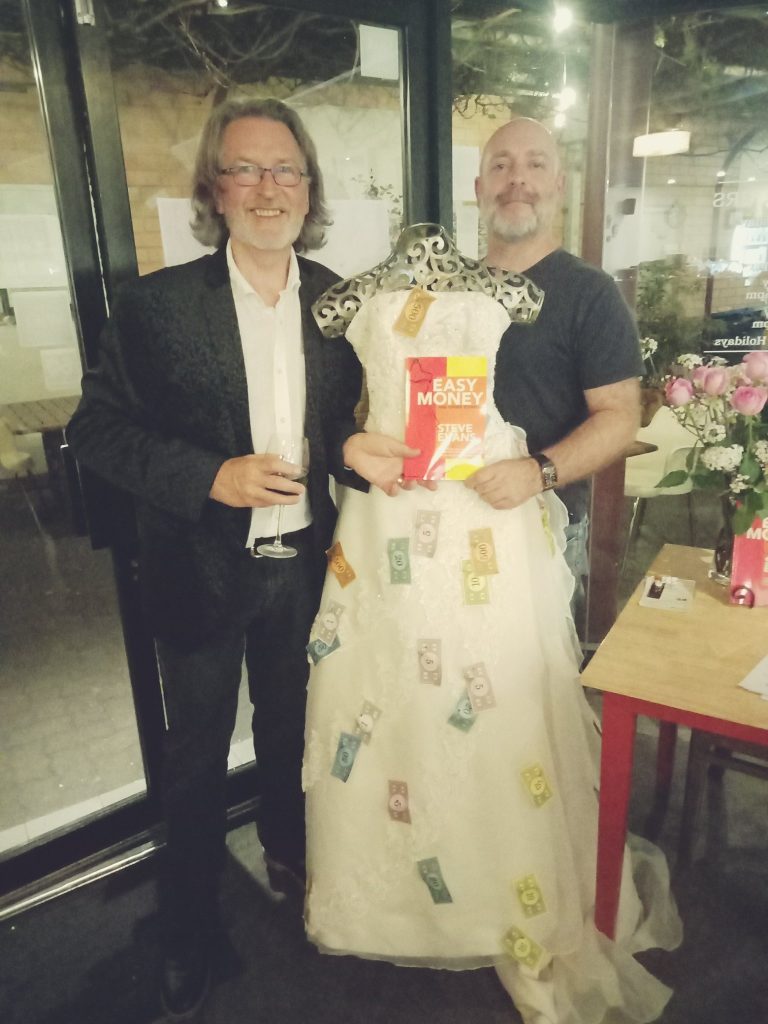
The Launch of Easy Money

Backed by an Arts SA grant, I returned to places where I was raised in order to draft a collection, Bonetown, later shortlisted for the national John Bray Poetry Award. Its poems are partly about living by the sea and country town life. I rode my Suzuki 1100 for the research trip with a bag strapped to the back (which I lost for a while) and stayed in cheap hotels and motels.

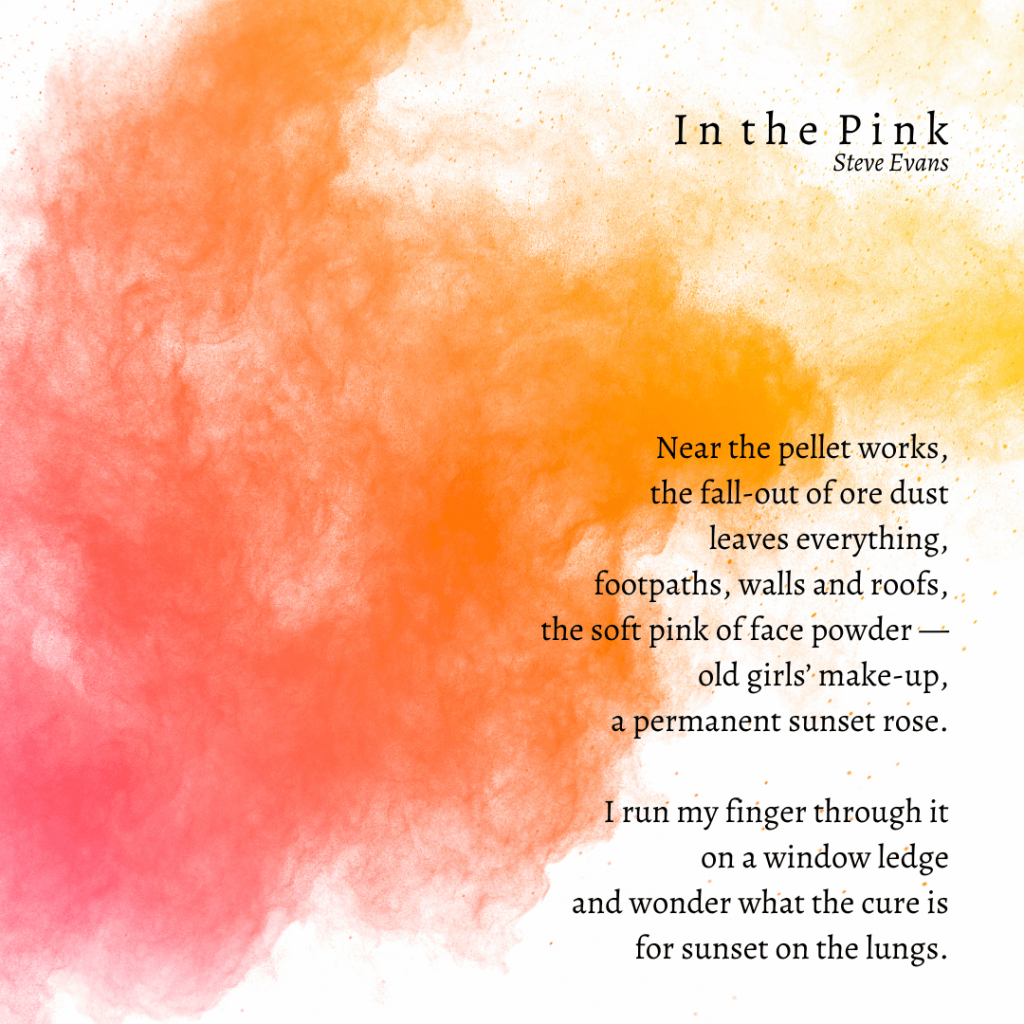
A highlight was 2:00 am in my Whyalla hotel after the local apprentices’ awards night. They let off fire extinguishers, jumped from the balcony onto the roof of a police car, banged on my door, and broke into the bar despite it being locked behind a thick metal partition. There was also the steel-works’ pollution evident in the street. I got poems out of both.

A Soulmate, and No More Accounting

The next big change in direction in my life was twofold. Firstly, I attended a master class run by the wonderful Dorothy Porter and there met Kate Deller. I was single again at the time but kept my distance out of shyness. That didn’t last long as our paths crossed at the Friendly Street Poets readings. Secondly, a while after we had moved in together, Kate pointed out that the University of Adelaide was to begin an MA in Creative Writing. We devised a budget to carry us through a study year and, with her encouragement, I quit accounting.

At the end of that year, I lucked a contract job at Canberra University teaching creative writing. I finished my MA remotely and then won a full-time job university job back in Adelaide where I completed a PhD on narrative, and a teaching qualification. Now I was in my element — teaching, writing, and researching. I even got a gig as editor of the creative writing section of an international accounting journal, which I still have after 20 years!

Since then, I’ve published more books of poetry and one of short stories, hundreds of reviews and editorials, and many individual poems. I edited some of those books with Kate, who fell ill and passed away in 2016 (herself an author/editor of some 15 books by then).

I left full-time work at that time and currently focus on writing and running courses in the community, recently with Maria Vouis, about life writing. I have several new poetry collections and novels smiling hopefully at potential publishers, and more manuscripts in the works. I received a grant to research the most recent novel in Bordeaux but COVID-19 put paid to that. Still, that novel is finished.

What I Like

I especially value originality in writing, whether mine or others’. I’m disappointed if it flat-lines. Formulaic plots, diatribes, polemic rants, gushy sentiment, and chest-beating, or timid observations commonly lack enough artistic effect. A bit pompous, Steve? Well, it is a matter of personal taste, I know, so there is that ‘horse for courses’ aspect. Others may beg (demand?) to differ, but I want a poem, for instance, to take an unexpected turn and offer a new way of seeing, a twist.

What else? Clarity. You can’t establish a fruitful contract with the reader if you’re speaking Martian or droning or being obscure. I’m not talking about what some call ‘difficult’ poetry. That’s a debatable term. I believe a writer is entitled to expect the reader to do some work and not have everything handed to them in the plainest language or terminology and not to be lazy or opaque.

Then there’s the breath of a poem. Each poem creates its own rules or expectations for how it is best read, but you neglect the importance of pauses, rhythm and sound at your peril. Breath might arise from form, or word length, or punctuation, or where a line breaks, and it can make all the difference. Reading aloud tells you so much about whether a poem can be improved in this regard.

Trying to get these aspects right is part of the beauty of language, especially poetry, which has kept me hooked for decades. I’ve written, co-authored, or edited some 18 published titles now. I’ve also had the pleasure of editing a number of manuscripts where you don’t see my name on the cover. I selfishly look forward to a bit of magic in every new piece I read. I guess I’m in this writing lark for good, as a reader and a writer.

AUTHOR BIO

Steve Evans was Director of the Creative Writing Program and also Head of English at Flinders University for several years. He now runs community writing workshops.

His own writing includes general adult fiction, romance, detective fiction, poetry and nonfiction. Major prizes include the Queensland Premier’s Poetry Prize and a Barbara Hanrahan Fellowship, and he has written or edited 18 books. Easy Money and Other Stories was launched in 2019.

Steve is also a reviewer, literary editor for an international journal, and has been on the organising committee for a number of literary festivals and arts panels.

ACKNOWLEDGEMENTS: Text, poems and images remain the property of Steve Evans.

How the Hell Did I Become a Poet? by Nigel Ford

Reader of Lips and Books

I was raised in Elizabeth by a loving mother who was very ill and heavily medicated and a highly successful father who was physically and emotionally absent except for evening meals in front of Channel Two, which he then snored through till bedtime. I was almost deaf and taught myself to lipread as a child until I had an operation to get my hearing back at 10 or 11 years of age.

Deafness was something I didn’t comprehend until I was sitting in a classroom at nearly 18 years of age learning about people with disabilities. The teacher said, ‘You will notice deaf people never make eye contact because they are reading your lips.’ If I hadn’t been sitting down at the time, I would have fallen. I had never made eye contact in my life. I always felt different, unusual and didn’t quite fit in with the crowd.

When I was a child, my mother read a lot of Agatha Christie, Ngaio Marsh and Dorothy L Sayers crime novels, and I read her books, which became my favourites too. I dropped out of Matriculation to become a writer, or at least, that’s what I told my mother when she asked.

Mum jackboot Johnnied my dream, and under her influence, I joined the SA Police Force and spent nearly three years studying to become a Cop who would protect his community from the bad guys. After that, I was going to be a politician and do good for my country. Poor deluded fool I was! While locked inside the Police Academy 3 or 4 nights a week, I read science fiction, crime thrillers and action novels, including Ray Bradbury and Alastair MacLean.

Disillusionment

One hour into my first shift after graduation, I stopped the bashing of a defenceless drunk by the senior policeman in the City Watchhouse and told him what I thought of that thuggery. I became the outcast. I turned to alcohol a few months later when things didn’t get better and later to smoking pot and self-destruction for several years.

In the long periods of unemployment that ensued, I read voraciously. My favourite authors were: Frank Herbert, Aldous Huxley, George Orwell, Larry Niven, JRR Tolkein, Tom Clancy, James Clavell, James A Michener and others who captured worlds real and imagined in their novels, many of which were over a thousand pages long. I often buried my face in longer books or a series of stories for a week or more.

A Spiritual Slap

When I was 25, my father, who I had never gotten on with and never would, shook my hand and said, ‘Congratulations son, you’ve just wasted one-third of your life. What are you going to do with the rest of it?’

His remark made me evaluate my life. I decided to take control of my behaviour. I settled down, found employment and a girlfriend and became a father at 26, I joined the YMCA as a Youth Leader and returned to study. I partly completed an Associate Diploma of Community Work specialising in Youth Work. During my studies, I discovered psychology which opened my mind to many things.

I learned that life doesn’t just happen to people; that individuals are responsible for putting themselves into situations which might logically have adverse outcomes. This understanding changed the direction of my life.

I returned to the workforce and became a Jack of all trades, though Master of none. I worked in many jobs, but the role which gave me the greatest joy was when I was helping others.

I’ve been a Drug Counsellor, Employment Case Manager, Youth Worker, Harassment Contact Officer and Union Rep and more. During this period of life, I continued to read many books discovering Douglas Adams, Ben Elton, James Herbert, and returning to some of my High School curriculum’s wonderful books, including To Kill A Mockingbird, Brave New World, 1984 and Animal Farm.

Turning Negatives Into Positives

Before my 41st birthday, I was seriously injured in a minor vehicle incident when I hit a pothole at one kilometre per hour. The resulting spinal neck injury was at the highest scale of seriousness and pain levels, and I became incapacitated for anything resembling an ordinary life. I became caught up inside a Workcover nightmare after which, I was later told by my solicitor, nearly 1 in 20 commit suicide. It was a horrific experience I almost didn’t survive. At this time, I dabbled in poetry as a way to cope with depression.

Seven and a half years later, a payout came my way. It freed me from Workcover and their disgusting insurance employees, agents and representative scum to try to find a life that was worth living despite permanent disabilities that I will live with for the rest of my life.

In June 2006, the day I was offered an escape from the Workcover nightmare, I read the Messenger Newspaper with an article about the Salisbury Writers Festival 3-Day Novel Race. I brought back my original dream to become a writer when I dropped out of high school 31 years earlier.

By then, my mother had died, so nobody was there to jackboot Johnnie the idea of becoming a writer, so I entered. I wrote a crime story about systemic abuse within an aged care institution, something anyone could find themselves experiencing, and won the Third Prize. I went to the Presentation Night and received $250 and a certificate, and became hooked on writing.

Paroled To Victor

In 2007, I moved to Victor Harbor and joined the Middleton Writers Group to try to improve my writing skills. I wanted to explore possibilities because I believed I had the stuff to write the great Australian novel that captures an audience around the world. I still had aspirations (delusions) of grandeur as a novelist.

Me reading poetry at the Anzac Day Morning Service in Victor Harbor 2017

Around this time, I also entered a 5,000-word limit Murder Short Story Competition, which I won. I received $350 First Prize with publication as the first story in the Geebung Anthology in 2008. The SA Crime Writers 1st Anthology, The Killing Words, later republished this story.

There were several excellent poets in the Middleton Writers Group, including the wonderful Keith MacNider. His way with words and deep, resonant voice inspired me to pull out my pad and pen to write poems, even before he had stopped reading his. Thus hooked on poetry, I have since rarely written anything longer than a 4-minute rant poem.

My poetry has been cathartic. I have externalised my negative thoughts and frustrations in positive ways by writing the triggers of self-doubt and destruction out of me. I even learnt to forgive my father for the apology he never offered.

My Passion, My Poetry

I discovered my passion for poetry at 50 and have enjoyed some wonderful successes. I won the Australian Poetry Festival Slam in Darwin in 2012 and other slams. Numerous anthologies both here and interstate have published my work, and I often feature at poetry gigs in Queensland, Victoria, Northern Territory and South Australia.

I founded the Goolwa Poetry Cup and the monthly Poetry On The Fleurieu readings at Goolwa and MC several events in Murray Bridge and the Southern Suburbs for Friendly Street Poets every year.

In May 2013, my friend Mike Hopkins, then Convenor of Friendly Street Poets, invited me to become the Regional Community Development Manager and run poetry events in regional areas of South Australia.

Me with Caroline Reid, the Winner of 2019 Goolwa Poetry Cup (which I founded in 2013), at the Fleurieu Distillery on the Wharf, Goolwa

Friendly Street Poets invited me to join the Committee in November 2016 and elected me as Convenor in May 2017. I have thoroughly enjoyed my time at the head of this organisation, the largest and oldest poetry group in the Southern Hemisphere.

I still intend to write the great Australian dystopian novel of the future and make my mark on the world writing stage, but I’ll never give up writing poetry.

AUTHOR BIO

Nigel Ford writes anything that takes his fancy when he can sit still long enough and concentrate. He WILL write at least one best selling novel in his lifetime or die trying.
He lives in Victor Harbor (South Australia’s Retirement Capital derogatorily referred to as God’s Waiting Room). He has been known to haunt book launches, festival openings, and it has been said he would attend the opening of a bottle of beer even if he were not invited.
This man is a scurrilous, attention-seeking, tattooed, Harley riding, flatulent, middle-aged, fat bastard wanna-be writer, poet, philosopher who wishes he was Rumi or Huxley or Orwell.

ACKNOWLEDGEMENTS: Text, poetry and images remain the copyright of the author. Photo credits for Goolwa Poetry Cup photo by Trentino Priori and Poetry on the Fleurieu photo by Phil Saunders.

Polonius With Metaphor by David Cookson

My English Teacher

I sometimes wonder what might have happened had I not had a year 11 English teacher who brought Hamlet to life by casting me as Polonius at our class’ first reading of the play. Or, who showed me the poetic genius in Shelley’s Ozymandias, preparing the way for my style of writing and lastly, but by no means least, extracurricular, introducing the class to TS Eliot, Louis MacNeice and Dylan Thomas. That teacher, Reg Bayliss, moved on at the end of that year and is now doubtless deceased. I did not realise my debt to him until later.

Ozymandias’ Toes, Egypt

You can choose your friends, but you can’t choose…

My whole family, except my wife Veronica, views my writing with a mixture of puzzlement and the tolerance one might show a three-year-old. Even when we returned from our Egypt trip where I saw Ozymandias’ statue and excitedly told the family, the most positive reaction was, ‘Well, that was nice, wasn’t it?’ Nice? There I was, and the guide said that some Englishman had written a poem about this statue. I may very well have been standing where Shelley stood when the lightning struck. Frisson stuff!

They are also bemused by my choice of prose authors, people like Jack Kerouac, JP Donleavy and strangely, Thomas Hardy. I began to write a la Jack Kerouac when I was about 21. I still have examples of this and cringe when I read them now.

But writing took a back seat for a while. I was, and am, a keen surfer and had several trips, both intra and interstate chasing waves.

This love of the sea has now come full circle. I am now happily ensconced with Veronica in the family’s beach house, 100 metres from Moana’s surf, which is a continuo to our daily life.

It is inevitable that the beach and the waves should form a big part of my oeuvre.

Moana Beach

‘Tuesday Night Live’

I have all writers’ curiosity about people and unashamedly eavesdrop on situations and conversations, which go into my notebook I carry like my navel. I am fascinated by the folk who don’t quite fit the scheme of things, such as the old fellow in the shopping centre. Irresistible. He became ‘The Bloke’, below.

Folk fascinate me how they speak in shorthand, at Gatling Gun speed, often not completing sentences, relying on the listener to understand. No wonder people from overseas reckon we’re hard to follow. Perhaps because of mobile phones, they have become inured to lack of privacy, but it leaves them open to the ever-hungry writer.

Voices on the Bus

Travel and Toil

Poetry has not been the only thing in my life. I’ve been lucky enough, often with Veronica, to have travelled to many places in the world — China, India, Egypt, Italy and the UK of course. It is trite but true that travel does broaden the mind, especially those later trips which have inspired many poems, especially China.

The sheer crush of the people, their curiosity about their history, manifest in about 60% of tourists around the Wall and the X’ian Warriors being nationals. Mind you; I think they get in for free…It is no wonder that China is becoming dominant. It seems everybody has somewhere to go, yesterday.

Our guide warned us that road rules and signs were just ‘suggestions’ and not to believe that a pedestrian crossing was sacrosanct. I know. I nearly got cleaned up by a moped. My China experience was ripe for my style of don’t tell, but show. I’ve spent many an hour trying to find unique and unusual metaphors and similes to really illuminate my work.

Australia’s arid outback also inspires and I liken some of it to Bach and the early plainsong, for it has the same contemplative understatement. Often I use composers’ names in my work; such is my belief that music and poetry go hand in hand, despite being unable to write music, or to rhyme and write metre in the classic sense.

Westerly No 45

Hi Ho, Hi Ho and off to…

I am always interested in how other poets work, especially those who seem to plan a poem through notes; the form of the poem or the word order — all of it sounding like some pesky sonnet. Mine usually start from something seen or heard which rolls around in my brain like a Bathurst Burr until I put pencil to paper (yes, an HB) and is often the first line and the last to go.

My drafts can go as high as 15, by which time almost every bloody word has been changed. The theme of the poem gradually appears like some shy rodent from a hole, but sometimes not. Then I end up with a poem I am unsure of, especially the meaning, but my instinct tells me it is worth keeping. Such a poem is ‘Allegory’ below. If you know what it means, let me know. It was published in Hobo 20, so it must have had something going for it.

Hobo 20

…and all the rest…

I’ve had a go at other genres, a play which was actually performed — once — a nihilistic thing mocking society, but have had more success with short stories, back in the days when they were published in magazines, now subsumed by electronica. They ranged from pure fantasy through low-key romance to comedy. This latter genre had several stories based on my late father-in-law and his fishing boat. I had a few broadcast on the now-defunct University Radio. Most of these stories had a liberal sprinkling of metaphors etc. Can’t keep them at bay!

I don’t know about other poets, but it seems to me that as soon as non-poets know of you, they poke possible themes at you and say ‘Hey, write a poem about that’ as if ordering a pizza. I really can’t, won’t, do that. I’ve tried, it doesn’t work. The inspiration must be mine. Even if I do try, it seems that as soon as the idea is mooted, I lose interest and the poem is dead in the water, even before the keel gets wet (bloody metaphors again).

Lest it be said, ‘Oh, another one-trick pony. Poetry…Is that all? Give us a break.’ I can play the flute, if quite badly and have had a life-long interest in sculpture, especially the work of the late Alexander Calder, who developed kinetic sculpture. These are designed to move in the wind, providing a series of changing but inter-related shapes. I have made several of these, and they dangle in our pergola.

Kinetic Sculpture — ‘Tryptich’

AUTHOR BIO

David Cookson lives with his wife Veronica at Moana in a 90-year-old family beach house. Long retired, he has been consistently writing, travelling, surfing and drinking red wine for about 30 years.

His poetry has been published mostly in Australia but also overseas in such disparate places as Romania and China.

He is a long-time denizen of Friendly Street Poets, a founding member of Ochre Coast Poets and is in a constant quest for the perfect metaphor, but then he believes in unicorns too, not necessarily pink, but…

ACKNOWLEDGEMENTS: Text, images and poems remain the copyright of David Cookson.

Time to be Thankful: A 2020 Wattletales Retrospective

On Reflection

Despite a year of COVID-19 uncertainty, with possibly more to come, Christmas remains the time to give thanks. In Australia, we gather in December to appreciate each other, share gifts, and find joy. It is also when suicide rates peak, family tensions rise, achievements are found wanting, and loss is rendered more poignant. For good or bad, as we move towards a new year, Christmas offers a moment for reflection, a time to look back to relish, reject, assimilate, and prepare for the future. This post then is Wattletales’ 2020 retrospective.

Since July, during one of the most uncomfortable times in our collective history both health-wise and politically, 12 generous and creative people have shared stories with Wattletales as guests. I am grateful to everyone who spent the time and energy and dared to reveal parts of their lives with us, bringing joy to us all. Thank you.

Our contributors have diverse interests, backgrounds and lives but, as a whole, their stories make Wattletales an authentic collection of Australian tales.

Many of our guests are members of Friendly Street Poets, TramsEnd Poets, Gawler Poetry at the Pub, Sand Writers and Fleurieu Poets, both in Goolwa, and Ochre Coast poets at Seaford. Some are people I knew when I was teaching Life Writing in Aldinga Beach a few years ago. All have contributed in special ways to my growth as a poet, writer, and blogger.

2020 Guests July to September

July

In her poignant story, Loving and Losing a Dog, Maria Vouis takes us back to 2013 in the Murray Mallee where her beloved Oonah played joyfully in the wheat with her mate, Duke. Maria’s piece celebrates those memories of Oonah who died this year and commemorates her beloved pet by exploring the wonderful wolf-nature of dogs.

Julie Cahill’s piece, I am a Writer brought us a portrait of her childhood in the UK. She writes of her joy at being a wife, mother and businesswoman on the lovely Fleurieu Peninsula. Julie’s revels in poetry and is writing her life story; Ten Pound Pom. Her words are often playful. We will meet Julie again in 2021 as her creativity turns to art.
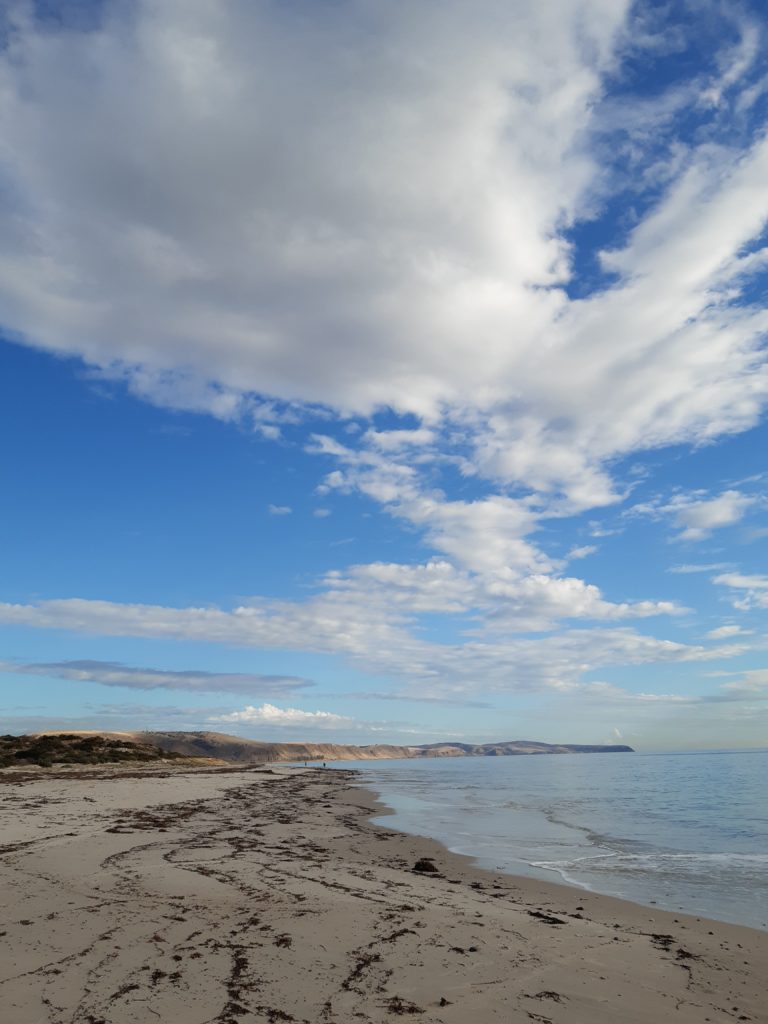
August

In More Than a Nutshell, Veronica Cookson explores her satisfaction with retirement. After dipping into her past, she first takes us travelling with her camera and poetry. Then we learn of her contentment, living in Moana with husband, David in their historical cottage by the sea surrounded by books, poetry, art, jigsaws, lorikeets, rosellas and magpies.

Carolyn Gorton introduces us to her Muse, Puss-in-Boots, an august teddy who accompanies her to gigs and meetings. In I Love Words, Carolyn talks about being a writer and tells us that one of her favourite things is being a coordinator of Gawler Poets at the Pub and working with other poets and writers. She produces several blogs on diverse topics which you can find here.

September

In Life is a Journey of Exits and Entrances, Martin Christmas takes us on a wonderful journey through school, where he was told he would never be creative, and from dyslexia to high creativity. Martin is, among other things, an experienced theatre director, photographer and published poet who shares his energy giving workshops and supporting others in their creative endeavours.

September saw two posts from Kerry Rochford whose life was turned upside down by circumstances that saw her mother again after her children had grown. Her first piece, This Unwritten Life, explores her youth and early womanhood filled with words and stories. After studying creative writing, Kerry’s story takes a turn towards art and artistic embroidery as she describes in Art as meditation.

2020 Guests October to December

October

Ivan Rehorek brought October in with a bang, introducing fiery poetry and stories of war in Stories from the Six Directions; part fiction, mostly fact. Avalanche (as he is known) shares aspects of his early life in Poland before migrating to Australia. Poignant and painful memories reside in this piece, alongside music and joy.

November

Luisa Redford brought us a delightful November tale about mindfulness and the way she approaches nature with wonder and awe. In this atmospheric piece, The Words and Worlds of Life Writing Luisa speaks of the joy she feels, writing other people’s stories as a ghost-writer and life-writing coach. You can discover more about Luisa and her work here.

In Trying to Retire visual artist, Liz Hirstle holds back her disappointment in having to postpone her dream of relocating to France during COVID-19. She also brushes past the fact that, as an artist, she now has vision problems. For Wattletales, Liz turns her pen to humour and entertains us with some strange behaviours she encountered among guests at her B&B in the Adelaide Hills.

Our third guest in November, Belinda Broughton, brought a poignant yet jubilant tale of losing her home to the 2019 Cudlee Creek bushfires and the slow process of recovery; for herself, her husband, Ervin, and for nature while waiting for their new house to come into being. Interwoven with poetry, this story also brings poignant moments in Belinda’s imagined letter to her mother.

December

The last guest post for 2020 is, We Were Poor, But I Felt Rich by Jude Aquilina. Jude takes us through a sensual childhood of love, curiosity and inspiration, especially from her father who read poetry, loved antiques, and fixed clocks. She also introduces us to her love of one very adventurous grandmother. It will come as a surprise to learn that Jude did not set out either to be a writer or a poet; it all began with Flim Flam telegrams.

Just For Fun

My Posts 2018-2020

I began my monthly posts in 2018 talking about Realising Dreams Late in Life. After that, I questioned entrenched understandings about writing for a web page before exploring the relationship between poetry and my life which brought my family and me into things.

Since the advent of Guest Posts this year, however, my posts have increasingly become biographical vignettes, albeit with a literary twist. This amuses me because, when I presented the first draft of my introductory blurb for Wattletales at a workshop, it was denounced for being too personal. I was informed that nobody would be interested in me as a person (rather than a profile) and only the famous can get away with writing about themselves.

I disagreed with that proposition then as When Purposes Collide attests, and even more so now. We must put on the page what we need to say and, this year, my guests have shown that talking about your life is OK, and I have found it freeing to be real on the page.

Landscapes of Mind

In this post, I acknowledged my Buddhist perspective and how I find my history in the landscape. I have lived in many places as I showed in Dislocation. But no matter where I drive, walk or live, my surroundings trigger memories of the past; times, places, events and people. It makes me very busy at times! But, never lonely.

How Can We Know Our Mother Except in Stories

By conjuring my mother’s life, I explored how little we know our mothers as people. Reciprocally, I asked how little they really know of us. In the end, we can find each other in memories and memorabilia, the mnemonics of good times and bad. After all, we are all stories to one another. We hear and see only from our perspective, even when we love so hard, it hurts.

It’s All In The Title

I had great fun with this post. In it, I tried out a few opening scenes for the three novels I hope to publish before I die. And, a couple of poems.

I also wrote two naughty tales and added a sprinkling of home truths among the wattle…

…all in defiance of teachers who said I would never amount to much.

Roll on 2021

I won’t give away my 2021 secrets except to announce that Wattletales’ Guest Posts will recommence on Wednesday 6 January; at this stage with contributors through till early March.

A Poem to Finish With

This is the only Christmas poem I’ve ever written. It is based on my father’s last Christmas at the Adelaide War Veteran’s Home in Fullarton. It brings this post to an end with mum, dad and a sprinkling of me.

Merry Christmas and Happy New Year and, Remember…

When you write, get real. Someone once told me years ago, to ‘get out of your head’. It took a while for me to understand what that meant. The minute I got it, life surrendered itself to me, and I became myself.

To be authentic on the page is an art and one worth cultivating. Only when we have kernels of truth should we edit and hone our stories using any tool, trick or literary magic we can to give our readers a journey of their own.

See You in 2021

We Were Poor, But I Felt Rich by Jude Aquilina

Music, Poetry and Cats

I grew up with music, poetry and cats. My father, Kenneth Ramsey, was a mechanical engineer and he fixed clocks at home. He always had the wireless on or played classical records on his radiogram. Our backyard was full of racing pigeons, bantams and cats. I see the picture of me holding our cat in an uncomfortable position. Who was that girl? Perhaps that is why I write, to make sense of the past. I know I loved our rambling garden, sitting down in the chook coop and sticking my feet in the drum of wheat, or licking dew drops from nasturtium leaves.

Who was that girl?

We were poor, but as a child, I felt rich and never knew how poor we were until later because I was loved, fed — and clothed in rather cool hippie clothes from op-shops. It was the sixties, and I grew up with inspirational singer-songwriters like Leonard Cohen and Bob Dylan. My father loved poetry and had bookshelves full of it. He read poems to me from an early age. My mother, Joan Ritchie, was a country girl with a Yugoslav father, and she was a wonderful storyteller. She read to me every night — I liked scary stories like Little Dog Dingo and the Hobyahs, and The Mystery of the Green Ghost. Words from poems and stories swirled in my mind at night.

On Hating School and Forgotten Memories

My father didn’t allow TV, and we didn’t have a car, so riding my bike, reading and listening to songs, stories, and poems was my life. My mother made up stories about my brothers and I and told them with great expression, often scaring the shorty pyjamas off us! I enjoyed primary school and still have my best friend Yasmin to share memories with. We played recorder for Magill School and were chosen to play at the Festival Theatre. I never thought of becoming a writer.

I thought writers were born special people and I wasn’t… but I did make my own little books. I’d stick in favourite chicken feathers and cat whiskers and write about my pets. Here is a poem about growing up and all those things you think you’ll never forget, yet they become increasingly hazy.

Winner of the 2016 Adrien Abbott Poetry Prize: But in the end, for its grace of language, idea and form, “Adrift” stood out. Congratulations Jude Aquilina. Lovely poem….” Mark Tredinnick  Published: Speak Out No 6, 2017

I hated high school and only attended a day or two a week. Fortunately, my mother was kind and let me stay home. I made sure I attended exams and important lessons. I liked art, biology and English but detested maths and sport. I had pen friends and liked doing crosswords. I was never asked to write a poem in primary or high school. However, I kept reading the poetry books my father gave me, little suede-covered books with poems by the English masters and others.

Most people had never heard of my favourite poets, like Christina Rossetti, Charles Kingsley and John Greenleaf Whittier. It was like I lived in a different era, with all Dad’s clocks, antiques and books but no TV, car, phone, or mod cons. Now I think I was fortunate because I don’t watch TV, I read and write and love getting out into nature.

Jude at around 15.

I was 17 when I matriculated from Norwood High School and went to teachers’ college. My father had just taken his life.  He had ‘manic depression’ as they called it in those days. I’m sure that if today’s bi-polar medication were available things would have been different.  This was a terribly difficult time for Mum, my brothers and me. I wrote a diary when he died, and it took 20 years before I could read it again. I’d get it out and just put it back again. But eventually, I found I could write about him and his life.

Published: On a Moon Spiced Night, Wakefield Press; Ship Tree, Picaro Press

The Flim Flam Writer

I dropped out of teachers’ college and got a job, ironically, as a writer – for Flim Flam’s Singing Telegrams. I loved this job and often stayed back late on a Friday, writing dozens of ‘telegrams’ for the weekend. The recipient’s family or friend would phone me, and I’d collect information about the ‘victim’, then write a humorous piece to a well-known tune. Our singers dressed up as apes, bunny girls, superman, etc., and delivered the telegrams at parties.
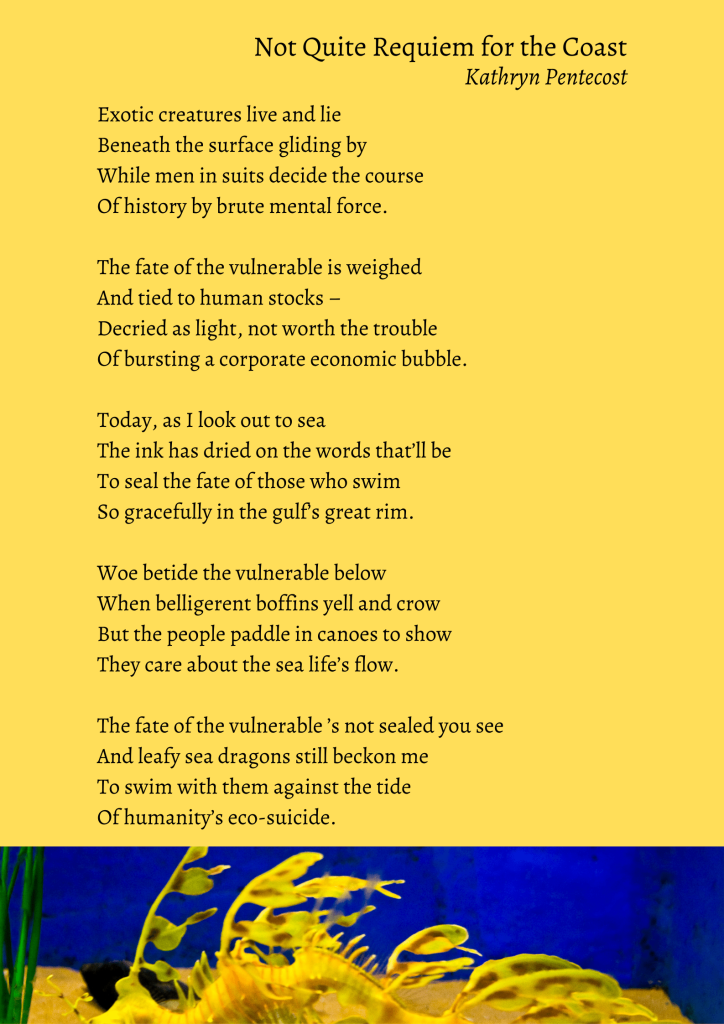
My father had been strict, but my mother was not, so my life changed, and I went out with friends and boys and enjoyed the years before marriage. My two older brothers, Andrew and Robert, were always great friends and we went to lots of things together. I never wrote anything in my 20s, but in my 30s, after my son Giles was born, I began reading contemporary poets like Gwen Harwood, Judith Wright and Sylvia Plath and found an exciting new type of poetry. I loved these contemporary women poets’ voices because they said things that I felt or thought, and their words were powerful, often brave.

I used to make jewellery and sell it in markets. One day there was a palm reader opposite my stall. He read my palm and said I had a ‘poetry fork’, and I should try writing it or studying it. So, I enrolled in the four-year TAFE Ad Dip in Professional Writing. What a great move that was. I learnt much and was fortunate to publish my first book Knifing the Ice during the course. Shortly after, I landed my dream job at the SA Writers’ Centre, where I worked for many years with the brilliant Barbara Wiesner as Director. I also taught at Uni and TAFE. I am so grateful for this chain of events and to everyone who helped me along the way.

And Now?

I’ve had a range of jobs over the years, including Flim Flam’s; the Taxation Dept; Telstra; doctor’s receptionist; apple packer; Central Market cheese seller; Manager at SA Writers’ Centre; Cultural Development Officer for local council; TAFE lecturer; and for many years a part-time accordion seller at Ron Pearce Music. My variety of jobs and experiences has been an asset to my writing.

The Accordian Seller.

Now I earn my living as a freelance writer, editing, mentoring, running workshops and giving talks. I would like to have more time to write but know how fortunate I am to have a career in something I am passionate about. I recently ran workshops at Pembroke Senior School and was thrilled to witness a new generation of imaginative and compassionate poets at work. I love working with people of all ages.

A Beloved Role Model

One of my most loved role models was my grandmother, Nellie Noble/Rerecich/Dunstan/Norton. I loved her spirit of adventure and her respect for nature and remote places. I spent most school holidays with her in different rural towns. She passed on to me an affinity with wide-open spaces and deserts. Nanna was quite nomadic. With her third husband, Bobby, she went around Australia in a little campervan.

Unlike today’s grey nomads, they bought little shacks and homes along the way and stayed a year or two, then moved on. She lived in places like Andamooka, Port Kenny, Lightning Ridge, Cockle Beach, Weeroona Island, Fisherman’s Bay and El Alamein Beach. She loved opal mining and fossicking and had a dugout. She sometimes saw ghosts and loved telling stories about her travels. I am writing her life story. It is on the back burner, along with an almost completed book of South Australian ghost stories.

Jude with daughter Jasmine, mother Joan and grandmother Nellie.

I wrote the poem below ‘Small Town Jetty’ thinking of the many visits to little seaside towns to see Nanna and Bob (he was a loving grandfather to us, although not related). My memories come back to me when I begin to write. I feel so lucky to have such a colourful and interesting grandmother and family. I will never run out of things to write about.

Good Things Along the Way

I am grateful to so many people who’ve helped me on my writing journey, too many to name. Although special thanks go to my faithful feedback friends Louise Nicholas and James Ogilvy. Thanks also to Friendly Street Poets for publishing my first book and to Wakefield and Ginninderra Presses for publishing my books. And thank you, Lindy, for asking me to be part of this blog.

In 2018, I was thrilled to be awarded the Barbara Hanrahan Fellowship, which funded the writing of my forthcoming book, Big Backyard. After my grandmother died, I rarely went into the South Australian outback, but that has changed. My new book is about Adelaide’s big backyard: the north of our state.

Thanks to the fellowship and to my wonderful tour-guide and factual editor, Brenton Stringer, I have taken research trips to Innamincka, Birdsville, Marree and other places, including ghost towns, old graveyards and ruins such as Warrakimbo Woolshed near Hawker. We arrived on sunset, and the fiery light made the ruins and the past come back to life. I know my grandmother would have loved camping with me. If only…

The Warrakimbo Woolshed is located in the Flinders Ranges near Hawker.

Three of My Favourite Poems

I don’t much like housework, but I do enjoy hanging out the washing in my wild garden.

Published: Beauty and the Breast, Garron Publishing

I think that being poor as a child and facing some challenges has made me a stronger person and a more compassionate writer.

I wrote this poem, personifying poverty, for all those who’ve struggled with making ends meet.

Published: Tamba, 2017

I have kept poultry all my life and am greatly rewarded by their daily antics.

Published: Knifing the Ice, Wakefield Press

Jude’s poems, stories and articles have been published in Australia and abroad. Her poetry collections include Beauty and the Breast, Furry Tales, On a Moon Spiced Night and Knifing the Ice. Jude has taught creative writing at Flinders University, TAFE SA and in high schools, community centres, libraries and a prison. In 2018, she was awarded the Barbara Hanrahan Fellowship. She is a freelance writer, editor, teacher and mentor who likes helping people on their writing journeys. Jude lives at Milang on the shores of Lake Alexandrina, where she enjoys gardening, rural life, and collecting old bits and bobs.

Jude’s publications are listed below.

ACKNOWLEDGEMENTS

All stories, poems and photographs remain the copyright of Jude Aquilina.

On the Cudlee Creek Fires, 2019 By Belinda Broughton

Dates

December 20, 2019 is a date that will remain in my memory alongside the dates of loved ones lost. The Cudlee Creek fires started just seven kilometres from us, and we packed a few things and fled. Of course, we thought we would be back the following day. But when we rounded the last hill, we saw that none of our buildings survived. Subsequently, most of the trees died too. All of the fences were gone, all of the tanks and water pipes, everything.

This photo was taken on the day after the fires. Within a week, all of these trees had dropped their leaves. Most died to their roots.

Of Remainders and Loss

Three Lists Written at 2.00 am The Night After We Learned We Lost Everything

List of Objects that Matter Now

None.

List of Things Lost That I’m Sad About

Bob the bird. (Shrike Thrush) whom Ervin fed, and whom we loved. 
All of the other birds, especially the small ones. Wrens, thornbills, pardalotes, finches. Maybe the bigger ones got out? 
Native animals, our resident echidna. 
Ervin’s sculptures and woodblock prints. 
All of my on-paper haiga. 
My hand made paintbrushes and a couple of commercial brushes that still sang at forty years old. 
The singing bowls. My shaman’s drum. 
All of Ervin’s framed works and prints in boxes. A lot of his negatives. The ones I didn’t scan. 
Our new pigment printer. 
My hut. His studio. Our little house in the woods. 
The woods. 
The records of our toys (that we made for a living for thirty years).
My jewellery, mostly worthless, but especially the ones made by friends. Ida for eg. Her early student jewellery. She will never make it again. 
My journals of thirty years. Drawings and raw poems that showed promise but were never transcribed. 
A couple of my paintings. 
The birdbath. 
Ervin’s tools, especially his chisels (some of which had been with him for fifty years) and his dremels. 
Other things that I will remember later. 

Things to Be Grateful For

Our bodies. 
Our loved ones. 
Our beautiful true friends. 
The caring hearts of complete strangers. 
That we have our computers, with the files of a lot of Ervin’s photos and most of my poems.
That we have our car and van and most of our camping gear. 
That sleep is usually easy for me. Even if it isn’t tonight. (It’s 2:00 am)
That a lot of the bigger gum trees probably survived. That the beautiful bush will surely recover and we will watch it. 
That we have a piece of earth that, in government records, is ours. That I have lived there long enough for it to be in my bones. 
That I still feel connected to my dead son though I wish his corporeal body was sitting next to me. 
Likewise, Mum and Dad. How unusual that they are with me tonight with their calm and graceful strength. 
That my sweet loved man is as beautiful as ever. That he sleeps peacefully while I make lists. 
That we do have resilience. 
That nothing kills creativity. 
That we will survive. And even, eventually, thrive.

A New List

I wrote the first three lists in adrenalin and innocence the night after the fire. Now, nearly twelve months later, I have a new list —

Things That I’m Sad About Now

Of objects, not even the journals; or, not often.

The place, the trees, the birds, the echidnas, kangaroos, koalas: yes, yes yes.

The buildings, (and here she shrugs) well, they are gone, and I have photos. Oh, they are delightful, the messy little house with all of the trinkets, and one grandchild or other standing on its head or being tickled into a writhing heap of laughter.

The record of love that inhabits a place.

The ‘almost architect’ when she was seven. Some of my early art behind her, and to the left, some of hers.

I’m a bit sad about things we have no record of, many of Ervin’s negatives, my negatives and the juvenilia of my art. Eh! It was shit anyway, the juvenilia, that is.

Prayer Flags

Nature’s Quick-Slow Recovery

Mostly I am sad about the bush. It is not only decimated, it is desecrated. Sure, life is coming back. There are so many tree seedlings they will have to be viciously thinned. We have a sea of purple chocolate lilies. The air is sweet with them. I have seen only a couple of orchids, but perhaps they will flower in years to come. But of our many stringy barks, only three are shooting in the branches.

The rest of them will have to make new trunks. These are massive old trees, and this is massively sad. Blue Gums fared a little better though we lost seven of the largest. Weeds are incredibly vigorous. It turns out they love fire. All well and good, it’s their job, after all, to cloak bare earth.

Bob the thrush is back and as bold as ever. Sometimes I see a wren or a New Holland Honey Eater, we have magpies and crows and the bronze winged pigeons are coming for the early grass seed. It is a poor showing; I guess because there is no food yet for the many many birds that lived here before. And they will need time to breed.

Chocolate Lilies.

My Gratitude List

Of the list of things I am grateful for, let me add these.

We have received from help from official entities. The South Australian recovery centre that I attend is brilliantly run, everything from sheets for your bed to help filling endless but tremendously helpful grants, the applications for lost documents. That is just some of what they do.

We have received help from people of all walks of life, means, local, known and loved, associate, and even complete strangers from the other side of the world.

Volunteers will come this week to carry, by hand, tons of firewood. People are growing plants, making food, knitting blankets, building fences. Oh I shouldn’t make this list because there are so many, and I am grateful to everyone, and every little thing helps.

Our Return

We have a new roof! We are among the first to be this far advanced in our recovery. The processes of recovery after a total loss are complicated and involved. Decision fatigue is a real thing. It is very wearing, day after day, and if you have a brain like mine (a little scatty), you are never quite sure if you’ve done everything that you need to do. It wakes you in the night. And the order of things, it would have been better to burn the burn piles before the foundations, for example. But they were too wet. Now the fire season approaches. Will we get them done in time?

But we do have a roof. Soon, the electrical first-fix and the beginning of cladding! We are this far advanced because our daughter is almost an architect and has designed and is managing the build. Thank our lucky stars. Our builder is the nicest man you ever met. We love him. He is 31 now and has been building and fixing things for us since he was 21. He was always our choice. And he and his team are working like demons because he wants us to be in by Christmas. Never has anyone given me such a gift.

Roof’s on!

All this goodness makes the tears flow. I have shed have been many tears, not for things lost, but grateful tears.

Hopes? I have a few. That I never have to tread this path again; that no one has to. That people and politicians will realise their interconnection with the earth and her systems and act on climate change and poisons (like plastic).

And I hope that when it is all over and I am living in my new home that looks like a bird crouching to fly, I will not have rewritten my brain with all of this worry, and will again be able to be free from fear and as innocent as a child in joy.

Three weeks before the fire.
Ervin and I celebrate our 35th anniversary by playing house in our new home.

Author Bio

Belinda is a visual artist who committed herself to poetry in 2004 after a lifetime of occasional poems. Visual art taught her the fine art of observation, and she delights in words throwing themselves at the page. Most end up on the floor, or in her hair! Specializing in Japanese forms, particularly haiga ( haiku with image) Belinda has published three collections. Her poetry also appears in print and online at home and abroad. She has won various competitions and undertaken commissioned research and writing for performance on themes like the history of the Onkaparinga Woolen Mill.

Belinda’s three poetry collections, ‘Sparrow: Poems of a Refugee’, ‘A Slip of the Tongue’, and ‘Not Looking for Signs’ are available for purchase on her blog, www.belindabroughton.wordpress.com.

Our builder, Barnard Construction, can be found here, and

Hana Broughton, our ‘almost architect’ who is skilled in many other ways, here.

ACKNOWLEDGEMENTS: All poems and images remain the property of Belinda Broughton.

Trying to Retire by Liz Hirstle

Changing Direction

My name is Liz Hirstle, and I live in the Adelaide Hills. I am an artist, trying to retire, but things keep cropping up to keep me busy. Recently I stopped holding art classes and painting after losing sight in my left eye. Two operations later, I can see again but have a distortion, and painting is difficult.

A Small Patch of My Panoramic Garden.

While the Bed and Breakfast part of my business is going strong — something that lets me engage with people from every corner of the world, which I love — life moves on.

Our house is all but sold, and we plan to move to France, where I lived as a teenager. The draw of Europe is strong, and I need to answer the call before I grow too old to care.

Before we depart, I want to share a story or two about some strange B&B guests who will remain in my thoughts. I now write novels and film scripts, which is rewarding, and I’ve written a whole series of stories about the oddest people we’ve had to stay. While 99% of guests are lovely and charming, it is the odd few who make for wonderful stories.

There’s Bed; Then There’s Breakfast

B&B guests often turn up looking a little bedraggled, having had a long flight, or car journey. We have catered for aunts, uncles, sisters and brothers, best men and their wives and bridesmaids.

I don’t eat a cooked breakfast because I’ve cooked so many that they lost their appeal long ago. Breakfast might seem to be a simple meal to fill your tummy and send you off for the day to work or play. But, not at a B&B.

Gone are the days of offering a full English breakfast. Over the years, our menu has changed to keep pace with new fads and fancies. By that, I mean gluten-free, dairy-free, meat-free, nut-free, in fact, any ‘free’ you care to mention.

I have this conversation regularly —

            ‘I can’t eat eggs, fish, meat, or fruit, or grains, or real food really.’

            ‘What would you like us to make for you today?’

We now have a comprehensive menu that caters for everyone. Or, almost everyone.

Meet Alisa, Nate and the Splitty

This time we welcomed Alisa and Nate, a young couple who stayed at our B&B because they were guests at a wedding in a nearby winery. The couple lived eight hours drive to the north of South Australia, and they wandered into the breakfast room the next morning, looking a little under the weather. They lived in the hope that I had a cure that would make them look and feel lively for the big event.

Alisa and Nate were not posh by any stretch of the imagination. Alisa called everyone ‘darl’ and had an odd way of communicating by abbreviating practically every word she uttered. We took it upon ourselves to try and translate, and I became quite an expert by the time they left. Here’s an example of Alisa speaking to me.

 ‘Darl, Nate’s fixed yer splitty I S, Nate’s a splitty expert, ain’t you darl?’ Nate nodded which left me wondering if he understood Alisa’s turn of phrase.

‘Thank you, Nate. That was most thoughtful of you,’ was my reply. I mustered as much enthusiasm as the statement warranted. The word ‘splitty’ kept whirring through my brain, but as yet, the translation was missing. It sounded slightly rude.

Dressed for the Wedding

The next time I bumped into the pair, they were heading off to the wedding. Okay, I admit it. I must be a snob. When I looked at the outfit Alisa had chosen, I shivered.

Let me be slightly charitable here and say that Alisa was not the skinny model type, more the hippopotamus type, and I’m restraining myself here. Her gold, off-the-shoulder, figure-hugging minidress was a disaster. She’d piled her bleached blonde hair haphazardly atop her head on top of which sat a feather creation that looked like it would topple off at any moment. Her bare plump legs ended in monstrous high heels of bright purple, with orange bows, front and back, and to complete this ensemble was a luminous green necklace with matching earrings.

Nate glowed with pride.

‘I just P D’d it.’ Alisa said as if an explanation was necessary. I’m none the wiser.

Nate wore a pair of bright green trousers, a Hawaiian shirt and thongs to complete his outfit.

He’d combed his hair back, ‘Elvis’ style with masses of gel. Alisa blinked her over-blackened eyes and cast a lascivious look in his direction.

‘Back at M darl.’ Alisa informed me as they swept out of the driveway in their Ute.

The Morning After

The following morning the pair staggered in for a late breakfast, I suspected, still drunk. Alisa announced in her charming way that the wedding had been wonderful, and they had had the best time catching up with friends and relatives. Or as Alisa put it ‘F’s and R’s.’

You see, I was getting the hang of this odd form of speech.

Nate informed me, with pride that his beloved had drunk the place dry. No argument there!

As I waved them goodbye, Alisa shouted that if ever we were in the A P we must visit them.

I went to clean the little cottage and found a massive knot of bleached hair on the bathroom floor. I assumed it had been yanked from Alisa’s hair during a fight to remove the feathered thing. I found one green earring, one orange bow and an object that is still puzzling me. It is fifteen centimetres long, with a tab at one end and a split at the other.

‘Well, they were fun.’ my husband grinned. Fancy a trip to the A P?

And ‘splitty’? Well, that meant air conditioner, for heating and cooling, and yes, it does work much more efficiently. Thank you, Nate.

Open Garden

I run an annual open garden to raise money for a charity close to my heart. We make afternoon teas and generally have a busy but rewarding time. Once, a few hours after we closed the garden gates, we received a phone call from a couple who had been for the tea and flowers.

Let me introduce Mr and Mrs Filcraft who asked if they could book the B&B for a night, in two weeks. They loved the panoramic views. We agreed on dates.

The Filcrafts arrived after lunch, and I took them over to the little cottage. They loved the accommodation and were very happy with the cheese platter and wine. I left them to it and went to visit a sick friend.

On my return, the Filcraft’s car was gone, and I assumed they had gone out to explore the area. However, the expression on my husband’s face was odd.

‘Are you alright?’

‘No, I am not alright. I am all wrong,’ my husband answered.

‘Wrong?’

‘Apparently, the whole property is wrong.’

I was confused. ‘I’m sorry. What do you mean?’

‘It’s the Filcrafts. They left.’

‘Yes. I saw the car was gone. When will they be back?’

My husband scowled. ‘Never.’ I was confused and asked what had happened. The couple had asked for a refund. The Filcrafts had complained that the scenery was not the same from the cottage as it was from the cafe.

‘Did you give them their money back?’ I asked, still perplexed.

‘I did. I was just happy to get rid of them. Weirdos.’

Dismayed I went to retrieve the platter and wine only to discover that they had polished off the lot. They had rested on the bed and used the bathroom. The situation was infuriating.

The couple had taken advantage of our good nature and thought nothing of abusing our hospitality.

A month later, when I bumped into another B&B owner while shopping at the farmers’ market. I told her the story of the Filcrafts.

‘Oh, you’ve met them, have you?’ She beamed with knowledge I did not possess.

‘They do it to all the B&B owners in the district where they get fruit, or cheese or other treats. They turn up as if butter wouldn’t melt and you know the rest.’

Ah well, you live and learn!

Author Bio

Liz Hirstle is an artist, writer and businesswoman who, with her husband, built Jonathan Art Centre (JAC) from scratch. Over the years, they offered a welcoming atmosphere and hospitality to artists and beginners. JAC offered all-day art workshops and retreats with luscious home-made meals for individual and group tuition and inspiration with overnight or longer stays in her B&B.

The Jonathan Art Centre was named in honour of her son.

COVID-19 postponed her plan to relocate to France, but it won’t be long now.

You’ll find Liz’s B&B here http://www.jac.net.au/bandb/index.html

Art as Meditation by Kerry Rochford

Crafting a Beginning

Art stepped in as a result of an overwhelming need to be creative with my hands. I had always loved art and crafts and had dabbled over the years when pockets of time opened up. Over time, art compelled, became almost essential, a deep calling, and I had little idea of the journey that was ahead of me.

A Spring in Her Step

I started out by turning my hands to mosaic, I smashed plates and cups and covered a mannequin bust which still sits in my garden. I mosaiced mannequin bottoms and topped them with pedestal bowls which became quirky birdbaths. Shovels and spades lined up with scenes and flowers sprouting from their handles and fronts, teacups became hanging bird feeders, and the largest piece was a waist to feet mannequin complete with mosaic gumboots and a bowl for bird feeding.

Commissioned Craft

I became hooked, and it led to two beautiful exhibitions, one at a local café and then two years later at Jetty Food Store at Port Elliot. Soon, my work was commissioned, and I flourished on craft until my fingers began to protest at the hard work of cutting tiles as arthritis took hold. Over the next few years, I experimented with different crafts: paper mâché, weaving, eco-dying and basket coiling. I read books voraciously to teach myself the skills of each craft, attended workshops when I could and played at creating things that brought me — and others — moments of joy.
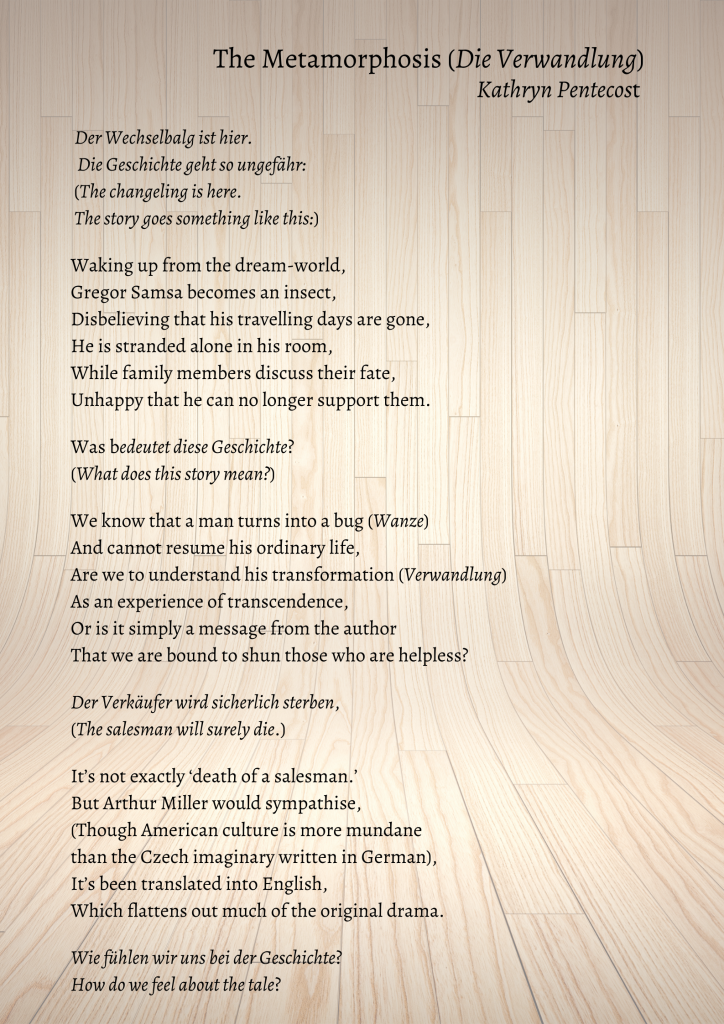
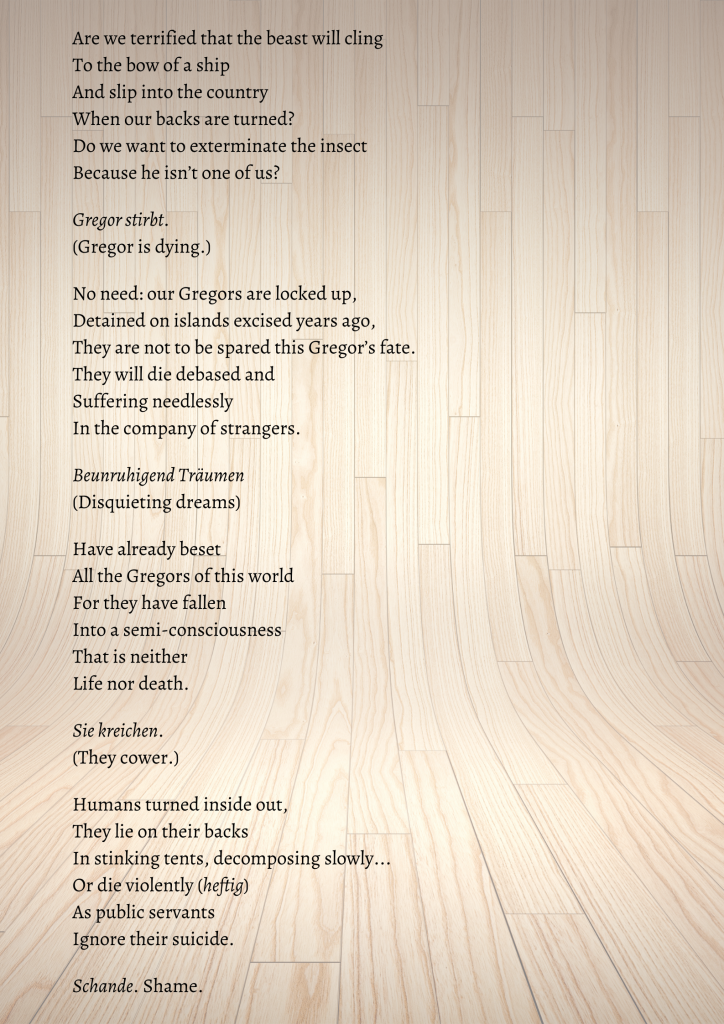
Mary Oliver — To Pay Attention

Getting out of my head and into my hands, became, not only my passion but also my meditation. I sometimes put parenting on pause to fill my own heart and soul, something that we all need in this frenetic 21st century.

My new family of four grandchildren thrived, the littlest went off to kindergarten and then school, and I burrowed down deeper into the world of arts and craft. I unashamedly tried anything and everything, searching for the one thing that would fit with my personality and lifestyle while suiting the hours of parenting. It needed to be soothing, and portable, if at all possible, for hours spent waiting in the doctor’s surgery, on the side of a sports oval or swimming pool, for the children to get out of school.

Then Came Art

By serendipity, I discovered the #100dayproject on Instagram, bought a watercolour pallet and some brushes and jumped blindly into the world of producing a postcard-sized painting every single day for 100 days. I had no idea what I was doing or how the paints worked, leading to some discouragingly terrible pieces, but 100 days is a long time, and they got better, they did.

I moved up to A4 and then A3 works and became excited by the endless possibilities I could create in a relatively short amount of time. I found enduring happiness in researching any subject that took my interest and turning it into art. My first exhibition in my rusting, but adored tin studio was a success; people liked my style and my subjects. My work sold, and I was stunned and grateful.

A Productive Interruption

Following my Festival Fleurieu exhibition in 2019, it was sadly time for my tin studio to come down before it fell to bits. With a weighty sense of loss, I packed up my art supplies, but waiting for the new studio was difficult. I felt adrift and lost without a place to create and take stock. The lack of space, both physically and mentally in a house of six, was challenging.

Set adrift from my anchoring arts, I picked up some previously unfinished embroidery as a way to keep my hands busy. Not to put too fine a point on it, it was a revelation. I’d found what I had been searching for, the simple practice of working with a needle and thread and its quiet meditative action. Embroidery is portable, affordable, easy on my hands, and the possibilities were, I realised, as endless as painting. My experience with art allowed me to turn my embroidery from something mundane into an art form. Now, I follow my instincts to research and create detailed, meaningful and creative works.

Stitch and Weave

I savour my new studio every day, its beauty, its light, its ambience. It is such a privilege to have a place of my own, a room where I can just be, or create and write.

Words and Threads

Now 63, I have returned to university to study creative writing, carving out a few extra hours a week to feed my soul. I still love words and all that they can convey, and now I have the joy of embroidery sitting alongside my writing. These two gentle arts fill me with a sense of wonder and purpose and have, without doubt, saved me as I continue to strive to give my daughter’s children, my second brood, all the opportunities they deserve. It isn’t an easy road, but I wouldn’t have it any other way.

Work to Do

Our Second Family

My story is simple; it is the narrative of quite an ordinary person who has struggled to manage the unexpected travails that life has thrown her way. As I read over these words, gaps appear as chasms. There are probably no adequate words to describe the underlying challenges of raising four children whose early years were difficult.

We are not alone in knowing the complexity of living with emotional, social and physical challenges which require so many outside agencies and always, always the overarching bureaucracy. There is nothing to describe the worry, the nights laying awake working through the heartache, the concern that you will not be there to continue to support and guide four children in their adult years.

Days pass in a blur, the children now 15, 13, 11 and 7 are doing well, and we are proud of their achievements. Clive and I hold each other up. We take small breaks from the constant demands separately as there is no one else to look after the children. We try to be the best parents we can be; we take caravan holidays as a family; I teach them to knit and embroider and paint. We send them to piano lessons and Nippers, Clive is teaching them, one by one to cook.

Giving Thanks

We face the challenges one at a time and give thanks that we are both still healthy and robust, all the while harbouring a fear as to how long this will be the case. It is hard, demanding, challenging and at times, overwhelming and exhausting.

But, there is nothing like the love we have for this second family

Kerry Rochford has lived in the seaside town of Normanville for the past eight years. She lives in a picture- perfect cottage built in 1857 with her husband and four of their seven grandchildren. Her writing practice has been an elusive beast frequently falling to the wayside but always picked back up. She believes that writing is essential to understanding not only herself, but the wider world around her.

This year, Kerry began a degree in Creative Writing. Her dual infatuation for the arts has seen her maintaining a daily arts practice for the past seven years. Currently she is working on producing eight pieces of art for the Four Seasons on the Fleurieu Coast exhibitions and another piece for The Biblio Art Prize.

If you missed Part 1 of Kerry’s story, go here.

ACKNOWLEDGEMENTS Embroidered art images and photos by Kerry Rochford

This Unwritten Life by Kerry Rochford

Unforgotten

I have been a sometimes-writer for as long as I can remember. As a child, I was a voracious reader and a dreamer, who told and wrote stories of lives that seemed far more exciting than my own. A favourite game with my sisters and cousin was to write small and terribly dramatic plays which we would perform for our long-suffering parents. I recall a Disney song ‘Someday my prince will come’ featured more often than not in the early plays and then Beatles songs were belted out while wearing unimaginably awful plastic Beatles wigs.

Fauna and Flora on the Mind

Years passed as they do, and suddenly, I was grown up, or at least I thought I was. At the age of eighteen, I met a boy who became my husband a year later, and our son arrived when I was just 21. Stories became something to tell this tiny human being who in no time at all sat on my lap and listened with wide-eyed wonder at nonsense tales of mice and talking tractors.

Kerry’s 1857 Cottage on the Fleurieu Peninsula

The stories grew with him, whispered at nap time and bedtime and in a year and a bit told to the boy and his new baby sister. The days morphed into years, and another girl arrived to make storytime a trio of small faces who wanted just another few minutes each night to finish a tale or embellish its ending.

The stories stopped eventually as the children burrowed into adolescence and their own reading, the boy never grew out of his love of enchantment and was reading Tolkien at eleven. Not so enraptured, the girls moved on to Girlfriend Magazine and gossip. And I kept telling myself stories, wrote some poetry, and sent myself off to university to study English and harness the joy I had for reading by becoming a teacher.

Unfulfilled

At university, writing became less about story and more about academic knowledge. I lapped it up but always, always wanted more.

Teaching was not as rewarding as I had hoped, the students were increasingly fixated on technology and could not comprehend my joy at opening a new novel; its first page a tunnel into an unknown adventure. ‘You’re a bit weird Miss.’ they would say and return to their phone screens and the allure of a quick fix.

Growth beneath the surface

Testing the Waters

Happily, I found Lindy and her life writing course which I loved. An opportunity to write things with purpose but without restrictions; time out from teaching and teenagers; both at work and on the home front, time to reflect and think things through to the point where they became succinct and formed on paper.

Life grew fuller with my master’s degree, the arrival of grandchildren, the celebrations and sorrows of the adult children’s lives, the burgeoning of our business, the death of my father. The cycles and milestones rolled on, paying no attention to the voice in my heart that told me to write. Small pieces poured out of me on holidays, freed from the harnesses of work and home, I could scribble poems by the page full, dream up lines of words that marched in time down the page and on to the next. The return home always saw me file the books away, forget the tenderness and joy I felt in writing and convinced myself that one day I would have the time; one day the book would stay in the open to be filled and replaced with a new one and its perfect blank pages. One day.

And then suddenly, I was 56. The books remained hidden in the cupboard, their spines still taut and free from the wrinkles of repeated openings. I have not kept that promise to myself; I have not found the time, I have not poured words from my hands or mouth in so long that my hands have become twisted with arthritis and my mouth dry from wordlessness.

Exile from Words

Overwhelmed

You see, the grandchildren became my children, three girls and a baby boy; my life turned from books and teaching back to nappies and school lunches. My dreams swirled in my sleep from fresh pages waiting to be filled, to teething and toilet training. My life tipped upside down and was consumed once again by the demands of childrearing.

The stories I told my birth children became reinvented and restored for this new brood that I will raise to adulthood. The wonder is still there. The eldest became an avid reader after declaring on her arrival that she had never read a book in her whole nine years. The boy has already started making up fantastical versions of my old tales and now, at six has become a reader himself.
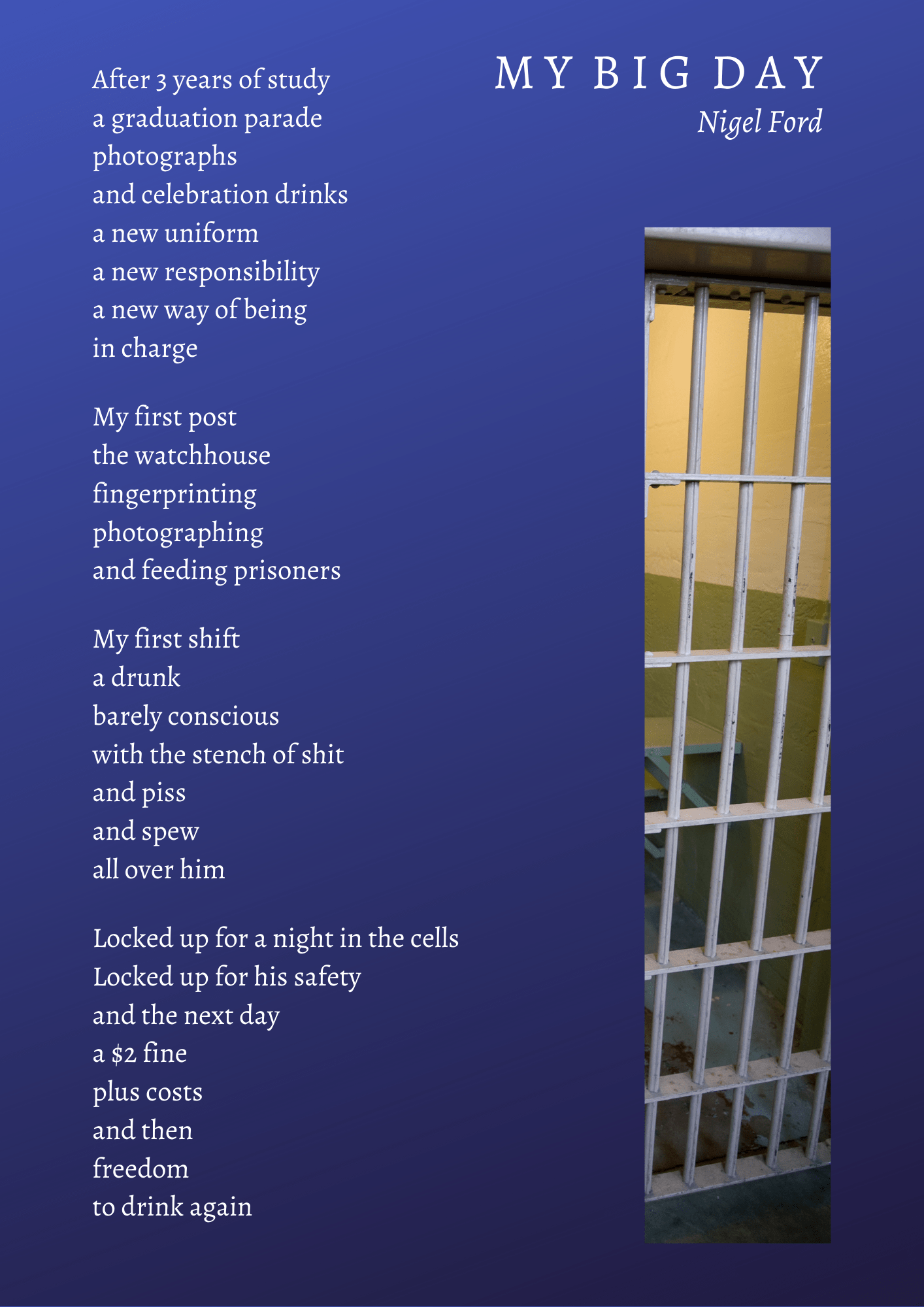
Tree of Knowledge

The world has kept turning, and I too have turned with it. At 63, I have returned to university to study creative writing, carving out a few hours a week to feed my soul. My love of words and all that they can convey has never diminished.

My words

I often think the world is full of words. Sometimes I imagine them silently swirling above our heads, twirling like leaves caught in an ever-present breeze. Floating ever higher, they spin into the stratosphere joining all the other words that have ever been spoken. So many words so many blessings, words hurled in anger never to be taken back; so many stories.

This is one of those stories. A story whose words have been all the things that define humanity; words of love, motherhood, pain, loss and unbearable grief, and words of wonder, strength and hope.

This is my story, my words to be captured on paper before I release them into the world and see them spin into the stratosphere to take their place in the history of all the words that have ever been spoken.

One day.

Author Bio

Kerry Rochford has lived in the seaside town of Normanville for the past eight years. She lives in a picture- perfect cottage built in 1857 with her husband and four of their seven grandchildren. Her writing practice has been an elusive beast frequently falling to the wayside but always picked back up. She believes that writing is essential to understanding not only herself, but the wider world around her.

This year, Kerry began a degree in Creative Writing. Her dual infatuation for the arts has seen her maintaining a daily arts practice for the past seven years. Currently she is working on producing eight pieces of art for the Four Seasons on the Fleurieu Coast exhibitions and another piece for The Biblio Art Prize.

ACKNOWLEDGEMENTS Embroidered art images and photos by Kerry Rochford

Part 2 of Kerry’s story will be published

next week.

Life is a Journey of Exits and Entrances by Martin Christmas

Foggy Journey

During a foggy suburban trek on a July morning, I realised that life was a journey of exits and entrances and that the journey revolves not around what you can see and depend upon, but the twists and turns of the track, step by step.

Adelaide fog.

You Will Never Be Creative

In year ten at high school (I was a very vulnerable seventeen-year-old), my teacher came up to me and said, direct to my face, ‘Martin, you will never be creative. You will not need English.’ I took this to mean that I was thick. ‘You will not be a verbal communicator. We will stream you into Book-keeping.’ The funny thing is that the same year, one of my short stories made it into the end-of-year school magazine; ‘Outback ruin’. The word ‘dyslexia’ had not come into general use when I was at high school. Having it has been a real gift as a theatre director, poet and photographer.

Being a Texas Featured Poet

In 2018, I did a small amount of editing to the high school story, and submitted it as a poem with four others to the Red River Review (a well respected online poetry journal based in Texas, USA). A  month later, all five of my poems were published, and I was their Featured Poet from Australia for the next three months.

Exit Stage Right

My first job out of school was in a government accounting office for seven years until I handed in my resignation. The following Friday afternoon, I stood up from my desk and walked out of the office to calls of, ‘Come back, Martin. You will never get a normal job again!’ I never did and went into the arts via freelance drama teaching in schools, and directing plays (I set up a community theatre group, SA Creative Workshops, to teach me how to direct).

Riverland Youth Theatre

In the mid-1980s, I returned from directing the theatre production, ‘Wagga Wagga High High’, through its Edinburgh Fringe season, the first-ever Australian cabaret show staged in Scotland. (I remember one day seeing the just-beginning comedian, Wendy Harmer sitting in the same train carriage). I was contracted by the Riverland Cultural Trust to be the inaugural Artist Director of the Riverland Youth Theatre.

Murray River, Berri

Edinburgh to Melbourne to Berri (what an adventure that was). A small empty office with a phone. That was it. Just over five years later, I left Riverland Youth Theatre as the state’s only professional country touring youth theatre company. An enormous lot of hard work to be sure, entry to exit, but it would not have been possible without the cross-regional support of the community (parents, young people, councils, the media, state and federal governments and funding). It continues to this day, thirty-five years later.

The day I left the Riverland was very hard to absorb. Dad had just had a stroke and died three weeks later. Thirteen years of solo mum caring was about to begin. I still remember the Riverland with great affection.

The Cat That Entered and Exited

Arriving and departing has been a feature of my life. A fair way down the track, I have come to accept it as the norm.

In 2007, the death of a much-loved cat deeply saddened me. It had wandered across the road to become a sort of pet tenant. Mum loved that cat a lot. A bit of a late-in-life replacement for Dad who had died many years before. Sooky looked after mum until her death. I looked after Sooky for three years until she also died.

Sooky

2019. A life-changing moment. The first copies of my first full-length poetry book, ‘Random Adventures’, arrives on the front doorstep via Australia Post.  The cover photo was randomly taken at a cafe in Prospect a few years back while waiting for a friend. Who would have guessed it would have come into its own a few years later?

2020. Three days before the Adelaide book launch was due; the venue closed its doors. I also lost two country launches. When the pandemic restrictions have been further eased, the book will be launched, for sure!

Random Adventures book cover.

And, My Next Adventure?

At the moment, as a photographer, I am experimenting with nighttime use of extremely high light sensitivity ratings to capture unusual images of unusual urban centres. Already done are Adelaide, Semaphore and Port Adelaide.

The Dolphin Explorer, Port Adelaide.

Where to next? Glenelg of course! But, will there be pigeons?

No white napkins! Maybe next time. Maybe in northern India or on the pilgrimage route, Camino de Santiago in Spain. Currently, I am editing a travel poetry book by a young poet just returned from these amazing locations. I will ask him about pigeons there.

Moseley Square, Glenelg at Night

Author Bio

Martin Christmas is a poet, photographer, and theatre director with more than 100 productions to his credit. His work appears in several Australian anthologies, and overseas online literary magazines including Red River Review (the USA), as a Featured Poet; StepAway Magazine (the UK); and Bindweed (Ireland). He runs a community poetry presentation workshop and teaches presentation elements to young poets. His poetry books are Immediate Reflections, The Deeper Inner, D&M Between 2 Men (with Andrew Drake), and Random Adventures. He has an MA in Cultural Studies.

ACKNOWLEDGEMENTS Outback ruin (Random Adventures, Ginninderra Press, (2019) Random Adventures (Random Adventures, Ginninderra Press, (2019) Photographs and poems by Martin Christmas.

I Love Words by Carolyn Cordon

Reading and Writing

I’ve always loved words, and I was certainly one of those kids who loved the library, at a time when having a book to read was one of the best ways to spend the hours of the day, away from school.

Meet Puss in Boots, my Muse who comes with me to all my gigs and meetings.

Puss in Boots

In high school, I discovered a talent for writing poetry, and while I didn’t go any further into it for quite a few years, once I started, I launched into poetry in a big way, as well as other types of working with words. Poetry is the one genre that feels most important for me personally, although I know writing a blockbuster that sells millions of copies would be a fine idea, financially

Money’s not Everything

Poets and megabucks don’t fit together naturally, so it’s fortunate that I’m not reliant on my poetry earnings to live the good life that I do! Life and living a good one are made up of many things — family and friends, a good sense of purpose, having things to do, look forward to, and enjoy.

I’ve discovered a love of editing and putting together books. I started by self-publishing my books, including poetry collections, and other quite different genres. I have published two books published with well-known South Australian publisher, Ginninderra Press including Angles on Ankles.

Angles on Ankles by Carolyn Cordon

‘The Details’ tells a tale.

From Angles on Ankles by Carolyn Cordon

My first published book was actually a children’s school reader, published many, many years ago which still brings me a handy bit of money in Electronic Lending Rights, every year.

Money isn’t everything in life, though. Getting just the right word, in the right place, writing a Haiku so perfect it brings you back to the moment you wrote about every time you read it. That is what’s worth more than money.

Other Voices

One of the things I love about poetry in South Australia is how it seems to be opening up to a large variety of different voices, so that the older male white poet, though common, is not the only voice heard and read.

Not that there’s anything wrong with the male voice, of course, but it should never be the only voice available, particularly in a country such as Australia, where we have such a broad range of humanity sharing our land, white, coloured, straight, gay, and other, and many who have come to the English language at an older age, still able to do amazing and interesting things with their words.

Current Projects

One of the projects I’m working on at the moment is an anthology of words written in response to Covid-19, which has certainly brought some of those ‘other voices’ to me. I’m enjoying discovering and accepting these interesting words, written about situations alien to me, but written in ways that easily show the truth of what people have lived with.

This book ‘Plague Invasion – Creative Writing Responses to Covid-19’ is possibly the most important thing I have produced. I am proud to have had the idea for it and to make it happen. I have other ideas in my head too, and another poetry collection may well come to be next year, who can tell? Poetry happens when it happens; you can’t force it!

A new poem for the times by Carolyn Cordon.

Poetry in the Community

Attending, or running a poetry reading where a mix of complete newbies and well-seasoned poets join together to make beautiful music with their poetry, what a wonderful thing that is to do.

You can read from your own work, and listen to the words of other poets, some of them already known to you, some new voices, and exciting times certainly can come when a poet absolutely ‘nails it’, and you feel the frisson on hearing the best possible words to show something to others.

That’s what poetry is, or can be all about, finding the best possible words, and bringing to the reader, or hearer of to an experience that meant so much to you that you had to write it down, in a way that would bring the same moment to others.

My Favourite Things

I’m a great fan of quietly sitting with a poetry collection and exploring the poet through the words they have written. Finding exciting ways of looking at something, new and unusual ways. I love this, and also to be able to talk with the poet later, to let them know how good it was to feel the truth in their words; a lovely thing indeed.

One of my favourite things is being one of the coordinators of the Gawler Poets at the Pub. It has been going for over twenty years. Once a month, poets and poetry lovers come together in historic Gawler, at the Prince Albert Hotel. We often have a workshop in the morning and a reading in the afternoon. Poets at the Pub began with Gawler icon, Martin Johnson and his partner Cathy Young. It’s changed venues a few times, but the Gawler Hotel seems to be it for now.

My Blogs

I run several blogs which connect with others; writers, poets, and bloggers, and people interested in the things about which I write. My main blog is about me, and I am often there, writing about my writing life. Another is about being a dog owner and gardener, which I go to sometimes, with news of those things.

An essential blog for me is the one about MS, which I began soon after my diagnosis. It has been a valuable tool of discovery as I found out more about this new disease I’d been ‘given’. Learning and teaching about Multiple Sclerosis were also necessary and liberating when my body was letting me down. It let me show that I could still keep in contact with the world and stay exciting and useful. You can find this vital blog here.

My Stoic blog is the most recent. Stoicism means a great deal to me and seems to be the way I wish to live my life. A Stoic life to me is about doing the best I can when I can; working to help others, whether people, society or the world, one step at a time. That is how I wish to live my life.

An earlier, critical blog of mine is about sexual abuse. It is not lovely, but over the years, it has been cathartic and healing not only for me but also for others. If you’ve experienced abuse, you can feel as though nobody understands. Still, I know that my words have benefited others who have moved with me from victim to survivor because I write honestly about these matters.

That’s probably enough for now, except to say that blogging is an integral part of my journey through life.

Carolyn Cordon is a writer, poet, and editor. She is also a highly engaged community member, editing the monthly newsletter — Mallala Crossroad Chronicle, as well as self-publishing her books.

She has had eight books published, in a mix of genres, including two poetry collections published by Ginninderra Press. Carolyn’s keenest interests are community, and Nature.

ACKNOWLEDGEMENTS Photographs, images and and poems by Carolyn Cordon

More Than a Nutshell by Veronica Cookson

Germination

A much younger acquaintance recently asked if I was content with my life. When I said ‘yes’, she queried if that was because I had given up my sense of adventure. Was it actually easier, though more boring, to settle for the status quo rather than look for something more? This made me stop and consider the highways, by-ways and detours travelled during my existence.

By Veronica Cookson

Sure enough, I never conquered Everest or sailed lonely seas single-handed, but I didn’t want to. Many years ago I read an opinion piece written by a much-loved actor during the 60s and 70s, who said that mothers didn’t have to do those things because they’d made their lone journey, climbed peaks, triumphed over pain and gained an affinity with the earth when giving birth. ‘Is that so’, I can hear you say, ‘women can do both, they can have it all’.

Well, I did both — not with a fulfilling career, but with menial jobs, at the same time being a wife and mother, struggling to cope. You could hardly call the pressure satisfying. I’d seen the same with my mother, six children, never enough money plus a husband with secrets and itchy feet.

Tempest, Flood and Drought

So, what have I accomplished? I didn’t have the knowledge to develop a life-transforming drug or the drive to open an orphanage overseas for unwanted babies. Yes, I gave birth — to two beautiful daughters (who’ve supplied me with a clutch of grandchildren), survived 25 years in an unhappy marriage, but no-one with a crystal ball or tarot ever predicted that I would be where I am today.

I live in a 1920s gingerbread cottage near the sea with husband David, whose arrival in my life is the best thing to ever happen to me.

Like a log cabin sitting among skyscrapers, this little weatherboard house is now the eldest in the area. Built by David’s grandfather, it’s name-plate reads Lutonia, labelled after his native Luton in Bedfordshire.

Veronica and David

David and I married on 8 November 2003 but when we first met I was already practising a long-held ambition, reading palms, travelling with a group of psychics, taking part in fairs locally as well as various parts of the state and interstate. This continued for around 20 years, but then with David by my side.

Palmistry was a fascinating part of my life. I had the privilege of meeting people who told me secrets not revealed to loved ones. They often shared sad but wonderful confidential stories.

I valued being part of that profession’s troupe, some of them as wacky as writers. A highlight of that time was the publication of my book, First Steps to Palmistry.

Sadly, the little paperback is now out of print but it was a thrill to see it on bookshelves.

Proliferation

After the myriad of jobs I did, working in offices, at a prawn factory, being a seamstress in a hospital, as a shop assistant and doing repairs and alterations at a dry cleaner, then back to office work in schools, I can recommend retirement. Retirement gives me time to pursue interests I couldn’t have undertaken previously.

David encouraged me to enrol in art classes when he knew that’s what I wanted above all else. He re-introduced me to writing which I’d given up as a school kid. He applauds my few little successes, from having poetry or prose published, to being invited to be a guest reader at forums like Coriole Winery’s annual Poetry in the Vines and Poets’ Corner as well as my spot here on Wattletales. A fulfilling challenge was being co-editor of the 2018 Friendly Street Poets Anthology, alchemy. David’s confidence in me has been a game-changer.

Vines and Tendrils

David and I have been fortunate to travel to a number of overseas countries, Egypt, China, the Adriatic, Italy and the British Isles. Those experiences have influenced much of my poetry. Sometimes we hired a car, but mostly we took bus trips, as below.

Previously published by Friendly Street Poets Inc., in ‘Dream Water Fragment’ (2017)

A Harvest of Riches

I am recording my family history in poetry, prose and prosy-poetry and below is a vignette from my childhood.

By Veronica Cookson

Cornucopia

My days are now simple. No longer is there an itch to burst out. I love to hear the magpies that rouse us in the mornings and spending precious time watching them, the rainbow lorikeets and rosellas at the birdbath. We travel and friends and family visit. There are plenty of shows to go to plus various group activities. Art, jigsaws and reading can take up a lot of time too.

If anyone asked me again whether I’m content with my life, I would honestly reiterate, ‘Hell yes’. I don’t have to prove anything to anyone, and no, I wouldn’t go back to another time or wish for more excitement, not for anything.

Author Bio

Originally from Port Lincoln, Veronica always loved poetry but didn’t start writing it until her 50s. Her poetry focuses a lot on family, travel and nature, and she often uses her early life as both inspiration and therapy.

Veronica’s sense of humour ensures her ‘country’ upbringing and quotes come to the fore in her ironic style, the funnier and more ironic the better — spying on family, friends and even her husband David, whose idiosyncrasies aren’t spared either.

ACKNOWLEDGEMENTS All featured photos, images, stories and poems the copyright of Veronica Cookson.