

Who is Mum?
Over a quarter of a century since my mother died, I still occasionally weep for Mum. Can I tell you who my mother was? No. I can only conjure a few words and stories woven around her by my father and me.
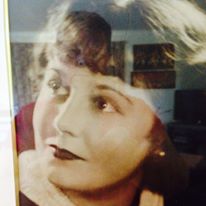
As far as daughterly descriptors go, Mum was serious, steadfast, strict and certain in her views. For most of my life, I could not shake the conviction that she did indeed have eyes in the back of her head.
An Unlikely Union
Born Phyllis May Evans in Melbourne in 1919 on 21 April (Queen Elizabeth’s birthday) my mother wanted to be a doctor, a dream beyond her means. She grew up with two older sisters and an impoverished single mother, born into ‘gentry’ whose family once ‘owned half of East Melbourne’.
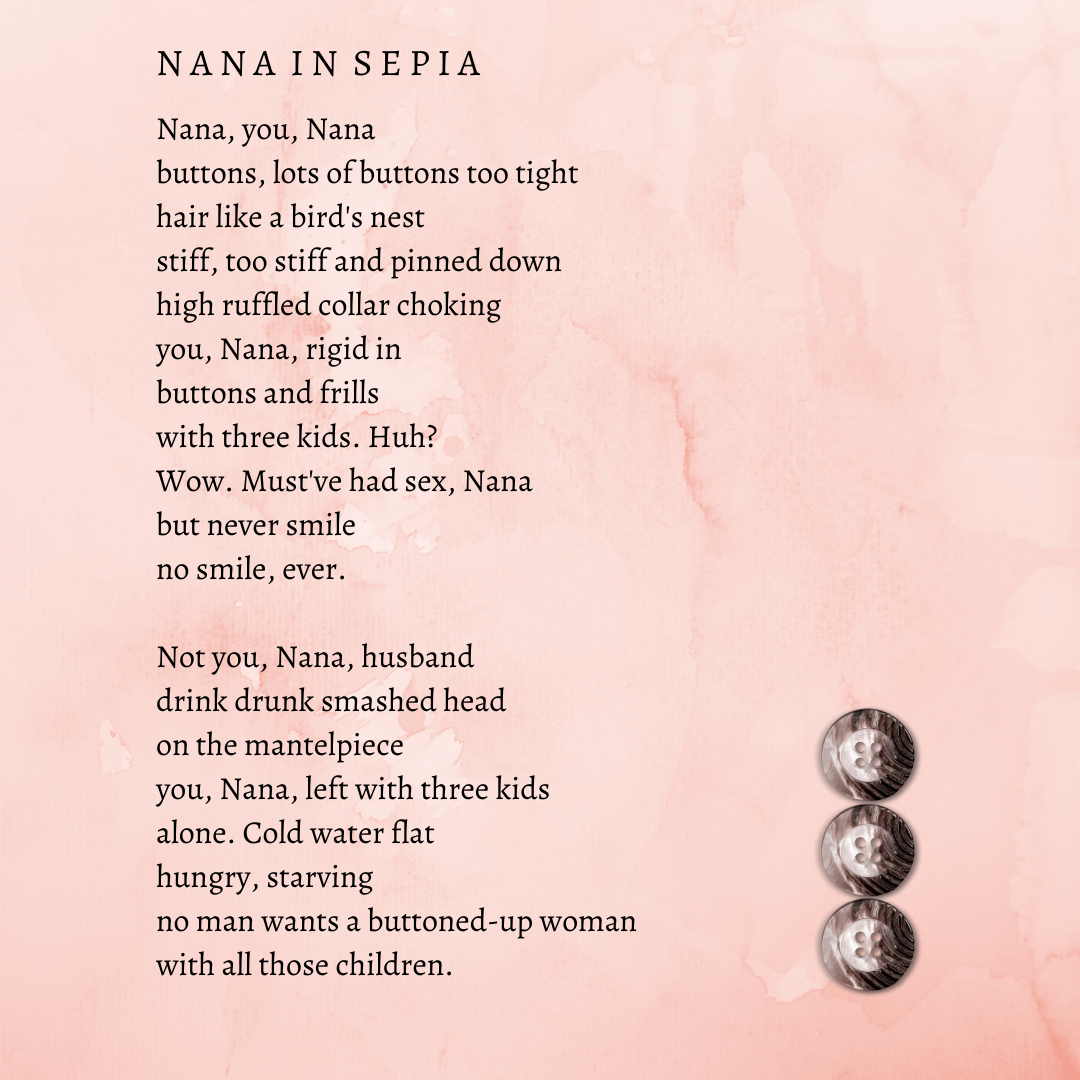
As a young woman, Nana had a maid to dress her and affix button-up boots but, as the story goes, she married a commoner who died in disgrace. Nana’s husband hit his drunken head on the family home’s marble mantlepiece when my mum was only 18 months old.
Though barely five feet tall, Mum had gravitas and an aristocratic air. Keen not to be left behind by her married sisters, in haste she wed an older man who, born in 1910, came from Glebe, then a Sydney slum. Dad walked barefoot three miles to and from school until he joined the Navy aged eleven. Starting at six, he was a bookies’ runner whose philosophy persisted for life, that ‘money was made round to go ’round’.
By the time Mum admitted herself to Glenelg’s Kapara Nursing Home, she was four stone (about 30 kg). Before long, she asked me to wash her little summer nighties because she could not bear the thought of them in a washing machine with Alzheimer patients’ clothes. Even though I had done Mum’s laundry without concern for years in various pubs and places, I baulked.
As a young married woman, Mum was a feisty feminist before feminism became a thing.

Being a teetotal publican, Dad was somewhat of a contradiction. But, over the years, Mum started drinking enough for them both, something that shaped my life in many ways. They made a curiously unsuited pair for over 50 years, and I was the first progeny of their thoroughly awkward union.
Mum and Me
Mum visited me in Sri Lanka where I did postgraduate fieldwork as a single mum with three kids in tow. One day after my return, she announced that I had become distant. ‘You used to be such a friendly, sunny little thing,’ she said.
Oh! How little she knew what I felt as a sulky and often morose child and resentful adult when she drank. Still, just as Mum did not understand me in my younger years, it took half a lifetime for me to understood anything about her other than how she failed my expectations.
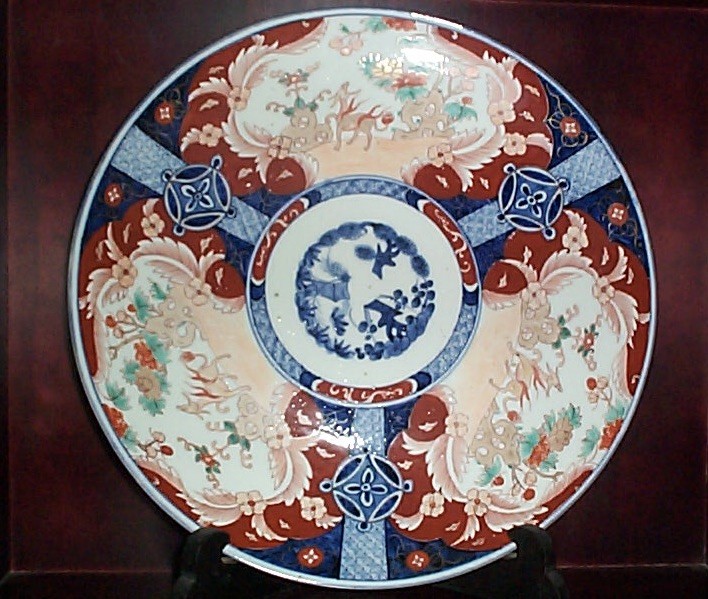
Between mutual resentments and reciprocal misunderstanding, we managed to have fun serving party food on Mum’s Japanese Imari plate. For those who can remember, this meant chicken pieces plus lettuce cups filled with tomato wedges, pickled onion, green gherkin, Kraft cheddar, pineapple and maybe kabana, topped by a twist of orange.
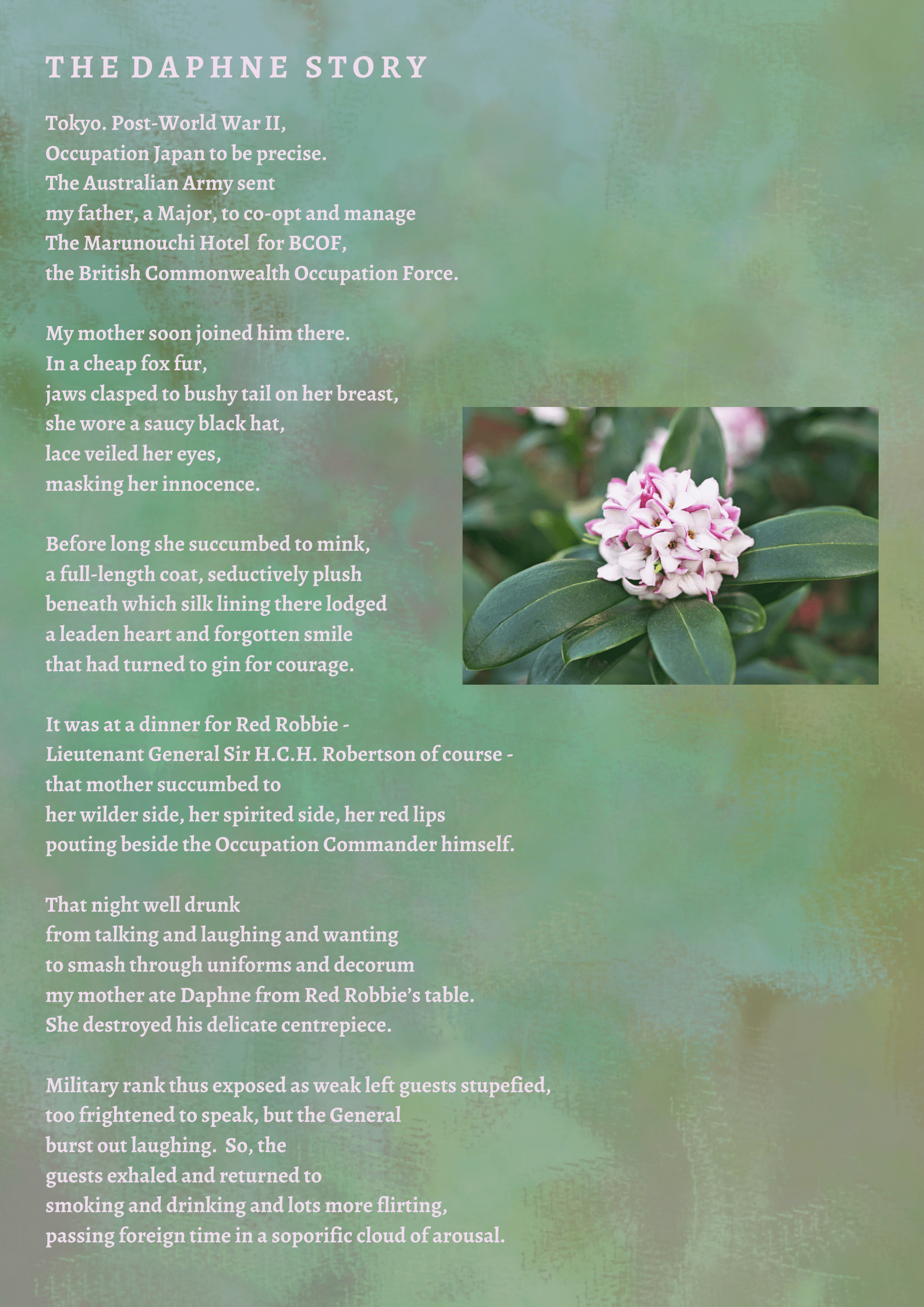
I often wondered why Mum drank as she did, did it start in Japan, or was it her disillusion with marriage? Perhaps both. Dad loved to tease Mum about eating daphne, with an edge to his expectation of laughter.
In my middle years, I became teetotaller like my father. Drinking aside, I then also recognised how much like my mother I was, a realisation that set me free to love her unconditionally.
Once I had children of my own, I began to see that the refrain Mum raised me on — ‘what will other people think’— which had me ‘other-oriented’ for years, was in fact shorthand for, ‘Be yourself and don’t give others the chance to undermine you’. What felt punitive, revealed itself to have been an act of love. Who knew?
Kapara Nursing Home
Still, Mum relaxed into Kapara, where she started to smile again after I can’t say how long. Her sunny private room overlooked an expanse of lawn surrounded by trees, flowering bushes and birds. She’d say, ‘look, look at those little birds. Listen, to them sing.’ Mum called the aged-care workers ‘the girls’. ‘The girls look after me so well’, she’d say. ‘You know, all I ever wanted was a bit of TLC’ (tender loving care), a new term for her. She was thinking of Dad.
During a spell in Griffith Private Hospital, Mum took to visiting their newborn creche. ‘Oh’, she’d say, ‘aren’t little babies wonderful’. She would stand gazing at them through the window for long periods, this tiny woman who all her life had declared that she hated children. For the woman who had been so strict with me, and my kids, love had found its way back in.
On Belongings
In Kapara, Mum would sometimes ask me to produce an item she missed. She implored me to find the black suede high-heeled boots with fur ankle trim that my brother had given her years earlier. She said she needed them, then forgot.

When I cleared Mum’s unit, I cried at how small her life had become: a couple of tea towels, a broom, a few wall-hangings, out of date dresses (always in two different coloured pairs if she liked them) and unlovely crockery and cutlery.
Inside her treasured Japanese camphor-wood chest, I found a single fur that had moulted from years of neglect.

Then I found Mum; there she was in her collection of crystal decanters, the Jacoulets she had collected in Japan and a beautiful painting of Mount Fujiyama that had hung above her bed for as long as I could remember.
Above —’Polynesian Girl’ and Right— ‘Sandalwood Smoke, Manchuria’. These are two of Mum’s collection of five Japanese woodcuts by French artist, Paul Jacoulet who lived for many years in Japan.
When Mum Died
Happier than she’d ever been, Mum sent me off with her blessings to undertake a contract that came my way. I cried as I drove the 1500+ kilometres between Adelaide and Windorah in Queensland, my hired Hertz 4 x 4 packed with the accoutrements of an anthropologist’s trade.
I called Mum every day except for one bush stint when communication was impossible. After I told her I’d be out of range for a few days, Mum said something I’d never heard from her before. Speaking slowly and deliberately, she said, ‘Always remember, I love you, I love you, I love you.’
My brother rang at 5 am the morning after I got back to town too late to call Mum. She had died while I was out bush. The Aboriginal people with whom I was working released me to go back to Adelaide to arrange her funeral. One compassionate man said, ‘That old girl couldn’t wait, hey?’
Tips
Take courage and examine on the page any relationship with a challenging partner, parent or even child, no matter how painful it may be. Nobody will see your first draft.
Because of my dislocated biography, I recall things not in series, but as moments as described in my August post, Landscapes of Mind. So, I suggest that, when attempting to write about your life, you begin with fragments. Write about significant moments, one at a time until a storyline or theme emerges from your increasing array of vignettes.
Remember, meaningful change in life may come from the tiniest thing. I once had a student who wrote about the time she threw a piece of half-chewed toast at her violently abusive husband after years of abuse. She terrified herself, but that small act brought clarity. After planning in secret, she left him soon after. The toast throwing was the turning point.
Try This
Close your eyes and meditate for a while, asking yourself to find a major turning point (or sliding-door moment), then write without stopping until you run out of puff.
Next, turn that piece of text into a story, craft and edit it as though you were cutting a diamond, for that is what you will have.
Then repeat the process until you have enough material for a book.
Inez, With this sort of lovely feedback, I’m so pleased I took courage and wrote the piece about Mum and me. I’m glad you liked the way the poems tell part of the story. The two you mentioned were written years ago, but the story already nascent in them. Thank you so much.
Dear Inez, I’m so glad to hear you say that you like Nana in Sepia. It is an odd poem, staccato, but it came to me like that, from a child’s perspective. Thank you.
Nana in Sepia is heart wrenching, so good, love it Lindy xx
Lindy, this brought me to tears. Your mother’s story and yours is so beautiful and rich.. I feel as if I know her. And your poems about her playing cards and eating the Daphne made me smile… you’re an amazingly talented story teller 🙏 xxx
Maria, Thanks for your comment. I did not that detail about your mother but you may be interested to know that Mum’s oldest sister was actually classified as insane, in that she was admitted to Kew Asylum when we would know, now, that she was suffering immense grief, especially as she nearly lost her son at the same time, with an extraordinary accident. He was speared in the neck by a spear he was using for high jumping practice. The father was a cruel man, used to thrash me (when I stayed there) and his two children with a razor strop.
As usual Lindy your writing is candid and insightful. I feel confronted by the suggestion to write about a difficult situation but given I am running a Life Writing workshop I must do it.
Your mother’s character and circumstances are poignantly recounted and her possessions say so much about her. I think a lot about women in generations where child bearing was not a choice. So much trouble flows from lack of agency re our fertility.
I wrote so much poetry, journal entries and stories once my mother suicided. I need to revisit and polish it as a memoir particularly since it relates to a side effect of anti-depressant medication. During her 9 months of widowhood mum’s natural grief was medicated. Once off medication the serotonin abyss claimed her life. Suicide is listed as a side effect of Aurorix and many other anti-depressants. How about that. Writing can help us and inform others.
I am happy your mother enjoyed her last years in the nuursing home and the joys of birds and babies. Simple and rich. Thank you for sharing her story. M
My pleasure 🙂
Thank you.
♥️
You re right, Veronica. We can’t escape where we came from and they always remain part of who we are. Thanks for reading and understanding.
Lindy, I think your words are so poignant. We can have love/hate times with our parents, but even if we try desperately to not be like one or the other, those memories creep in unbidden. They are always a part of us. Your story is remarkable. Thanks for sharing.
Steve, thank you for sharing that. How lucky you and your dad are to have each other, close enough enjoy to memories and stories about your mum. Of course, he would be tremulous but such deep and loving moments of connection stay with us forever. Thanks for reading.
My mother has been gone for a few years after a protracted illness. Yesterday, I sat with my father recollecting his childhood, and he suddenly switched to talking about Mum. His voice faltered and he was close to tears, but smiling, as we swapped anecdotes.
Thank you, Lindy.
Julie, you are too kind. There is no peace, really, until we acknowledge the extent to which we are like our mothers – IMO 🙂 Funny that you find me in the words, not mum. So true…
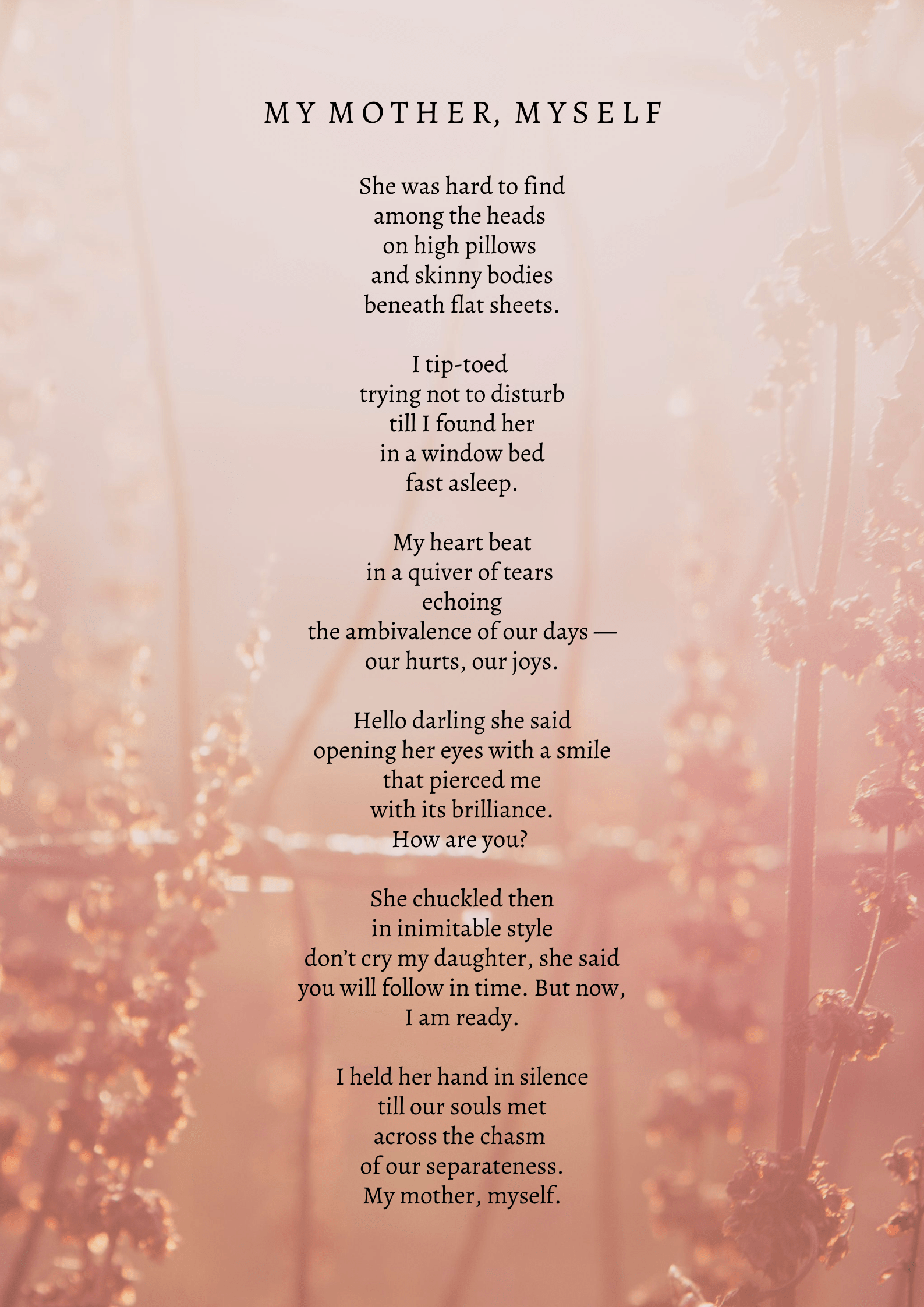
‘Then I found Mum; there she was in her collection of crystal decanters, the Jacoulets she had collected in Japan and a beautiful painting of Mount Fujiyama . . .
She was hard to find among the heads on high pillows and skinny bodies beneath flat sheets.’
Wonderful insight into who you are Lindy.
Aren’t we repicas of our mothers, rarely seeing or admitting it until late in life?
Beautifully written.
I see your Nanny’s gifts of intelligence and will have passed to you.
Bravo, Lindy. ♥️
Oh, Luisa, thank you for reading. And, for your generous comments. It is gratifying to know when something we write touches someone else.
A wonderful reflection Lindy. I audibly gasped when I read ‘Then I Found mum;’
So many of us never know our parents and to discover her for yourself is a gift.
This is perfect Sunday morning reading, beautiful and brave.
Jenny, your touching feedback is a joy. Thank you so much.
This is exquisite Lindy and has raised tears in me. What a beautiful tribute to you both and to your experienes ..across the years. Your poetry and photos adds the icing ….