

The Mountain Metaphor
Metaphors, it is said, should grow like fruit from a tree. I like the organic nature of this metaphor for metaphors, the best metaphors are indeed organic, even if they are mineral, like mountains, for instance.
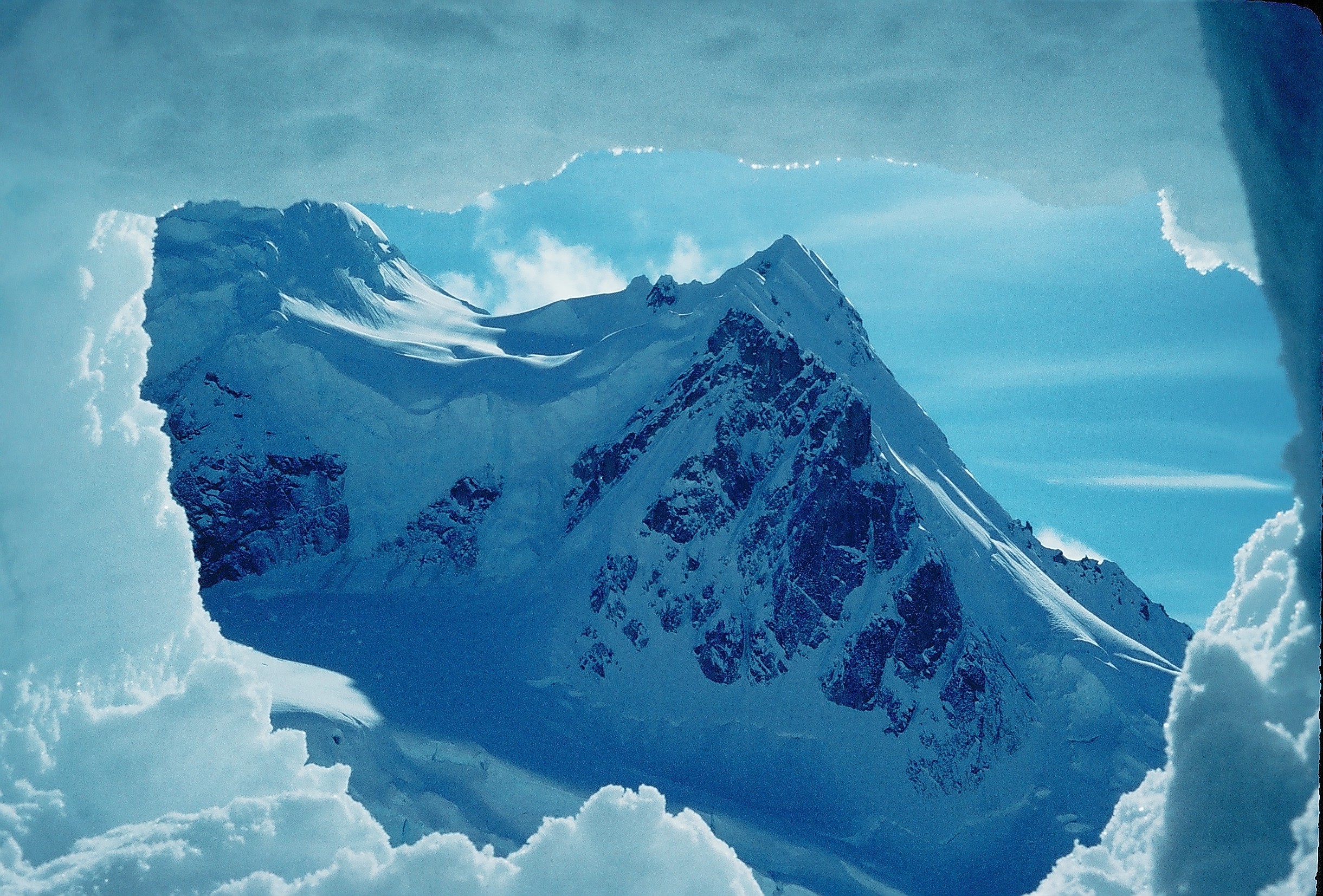
In the realm of the metaphor, mountains are low-hanging fruit. They’re served in speeches, stories, and songs, such as The Sound of Music’s ‘Climb every mountain…’, which was a favourite film of my childhood. As a child, I was unaware of the heights of their metaphorical reach — until, through an unforeseen unfolding of fate, I became a mountaineer.
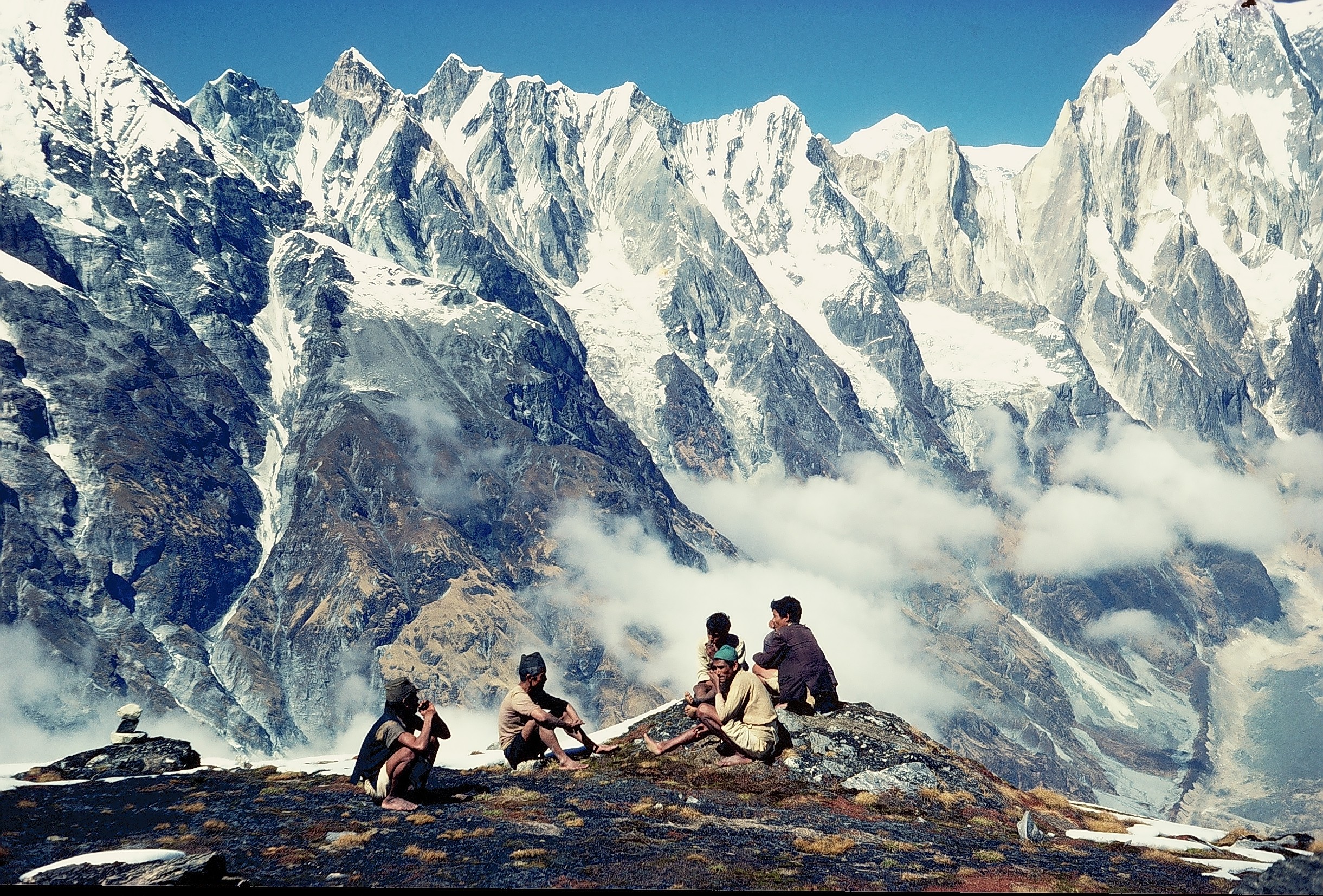
Like other regions of threatening vastness, mountains have been subsumed — in the form of religion, legend, and myth — into the cultures of those who live there. To this, recreational mountaineering has added another layer of folklore. Fuelled by an adventurous spirit and aided by a good head for heights, climbers have ascended nearly every mountain on the planet. Their endeavours have spawned a pantheon of literature. The inherent dangers and hardships of the activity open the mind to regions inaccessible in everyday life, and it’s here, in the highest, frailest branches of the tree, that the richest metaphorical fruit can be found.
Beginnings
By coincidence, my first climbing experiences were on trees. With their ridged bark, conveniently spaced branches, and a summit determined by how high you dared to go, it seemed like trees were made to climb. Climbing demanded courage, strength and skill, a heady combination for a boy anxious to prove his worth, even if only to himself. By climbing trees, I cured my childhood fear of heights, without knowing how the cure would serve me as an adult, nor that one day I’d climb to the highest places on earth.
From Reader to Writer
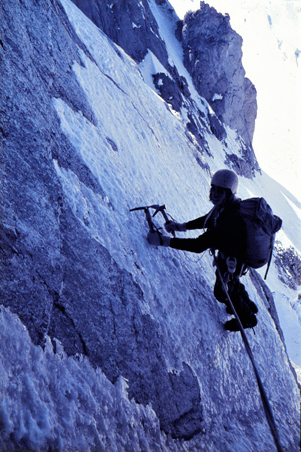
Writers are readers first. In between climbing trees, riding my bicycle and collecting scars that I wore like medals of honour, I read books. I’d spend hours hunched over adventure stories such as those written by Enid Blyton or Robert Louis Stephenson, lost in a distant and dangerous place, my imagination running wild behind my nerdy, bespectacled eyes. Perhaps those books, as much as my tendency to fall off things (and survive), set me on track for a life of adventure.
Novels also sparked an interest in writing. I wrote my first story when I was twelve, for which my English teacher gave me a special commendation (I had to look that word up!). Later, after notching up some noteworthy ascents in the European Alps and Alaska, I punched out articles on my old Olivetti typewriter for climbing magazines for which, unbelievably, I was paid.
To the Himalaya
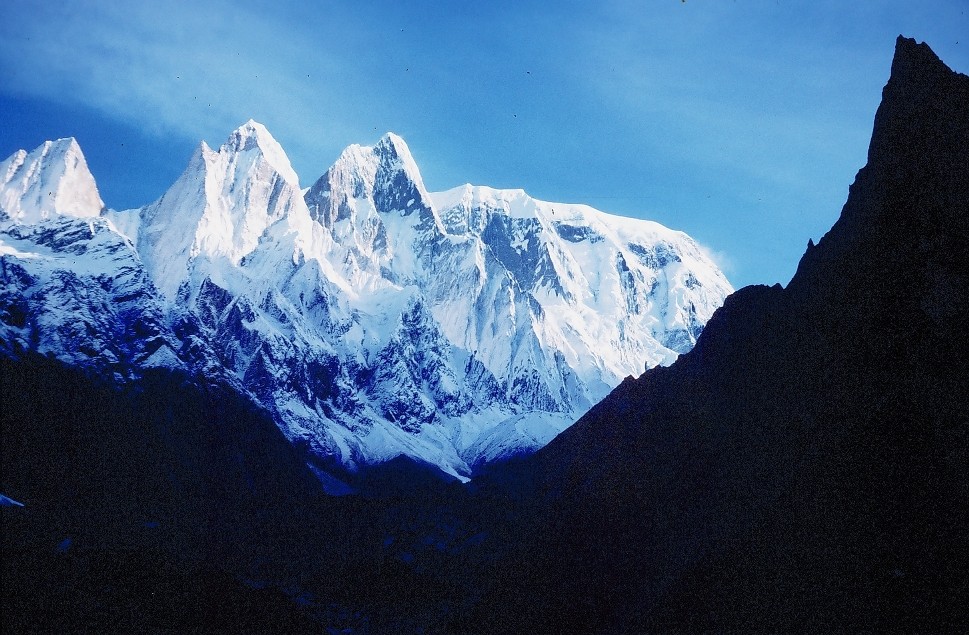
I first went to the Himalaya when I was twenty-two as part of a three-person team attempting an unclimbed ridge on a 7555m peak called Annapurna III. It was my first and most devastating failure. I returned home with nothing to show for the two months of toil and the year of preparation that preceded it, and without success to brag about, there was little incentive to invest yet more time into the failed venture by writing about it. I had yet to learn that failure is a better teacher than success. Three decades passed before I was ready — now on a laptop rather than a typewriter — to exhume the experience and extract its priceless lessons.
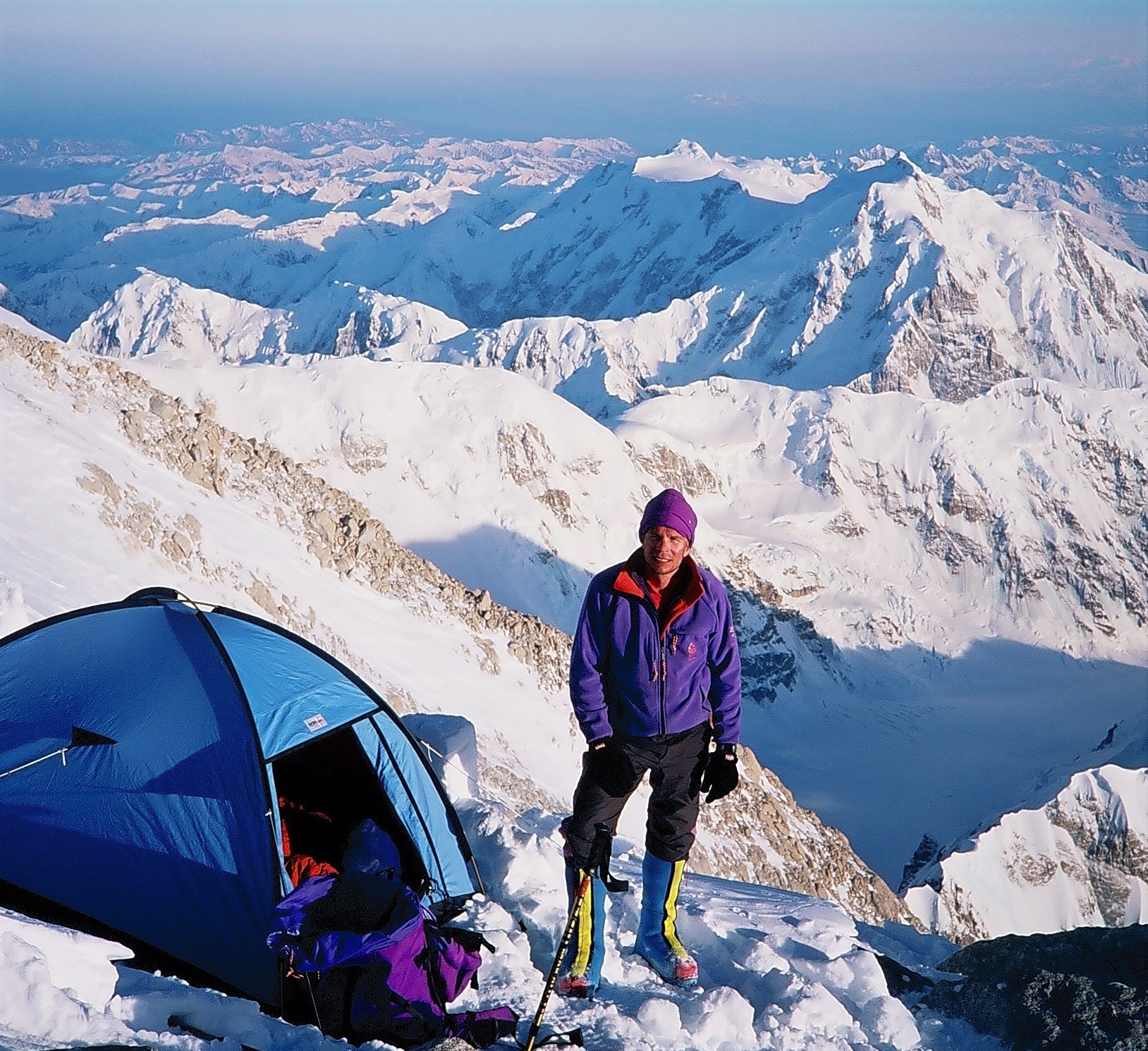
After Annapurna, I took a break from mountaineering and dabbled in other things, including a stint with the British Antarctic Survey. Storm-beaten, tent-bound days were pleasurably passed in the varied company of books such as Hardy’s Jude the Obscure, Hemingway’s Men Without Women, and Erica Jong’s Fear of Falling, books chosen for their titles as much as their content. A short service commission with the British Royal Marines returned me to the mountains, now as a soldier-climber, and my first attempt on Everest in 1988.
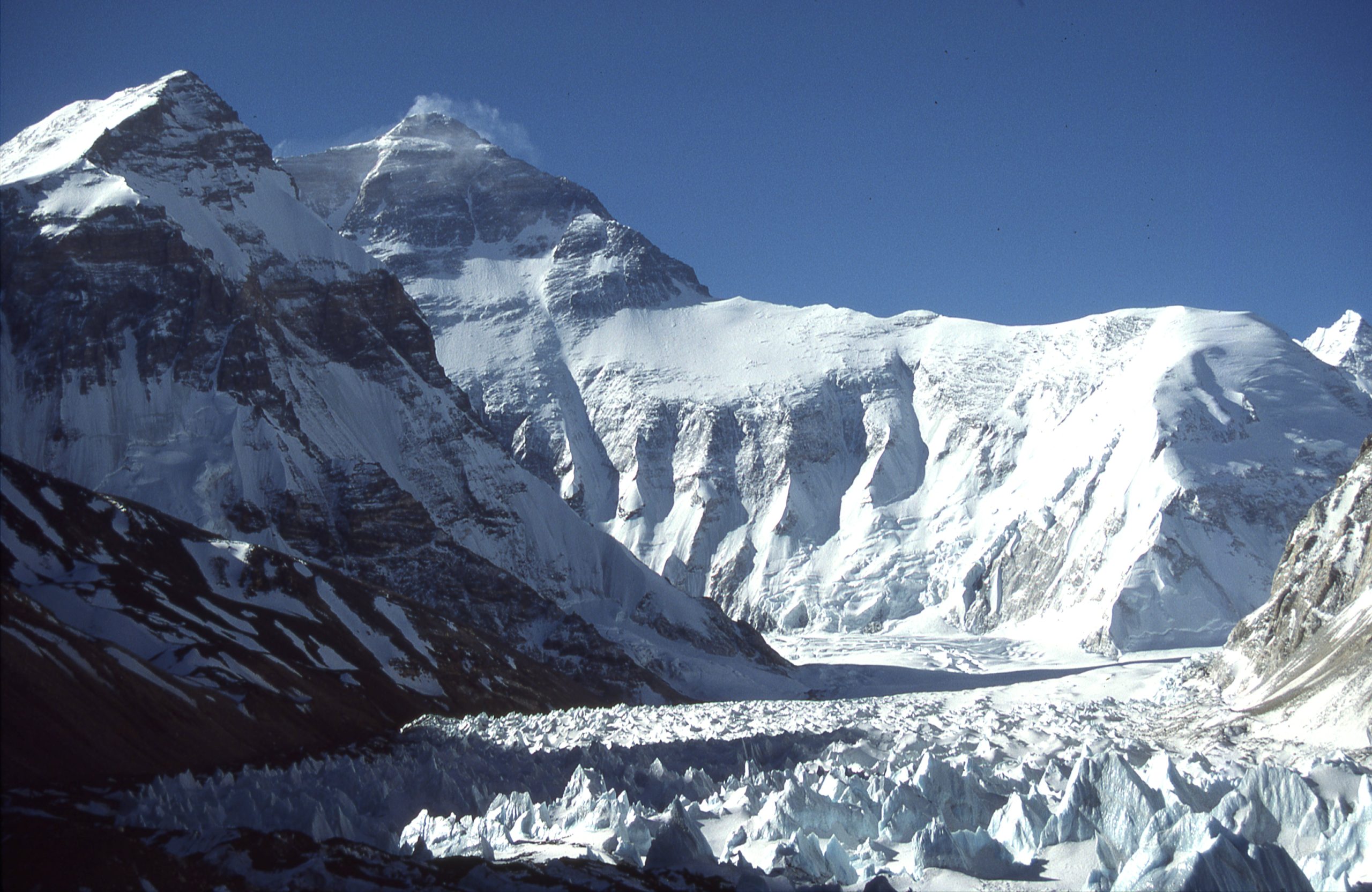
Later, I set up a travel company, trained as a Mountain Guide and led climbers up mountains all over the world, culminating in an ascent of Everest long before there were any queues. Everest has since become a tourist route, its standing as a mountaineering challenge has diminished, ironically, by its status as the world’s highest mountain and ensuing collectability.
Writing Everest
As one of the few ultimates, Everest has spawned an entire genre of books, the majority of which tap into the mountain’s symbolism of aspiration, achievement, and triumph over tremendous odds. There are more than twenty routes to the summit, but most choose the easiest path. The same is true with its writers. Everest’s metaphor tree is laden with low-hanging fruit which is easily gathered and too often cooked to the point of cliché. Not that there’s anything wrong with this, for clichés often start life as excellent metaphors. Still, just as a climber can avoid summit queues by taking a harder route, the imaginative writer can climb above clichés and reap the rarefied harvest of the tree’s higher branches.
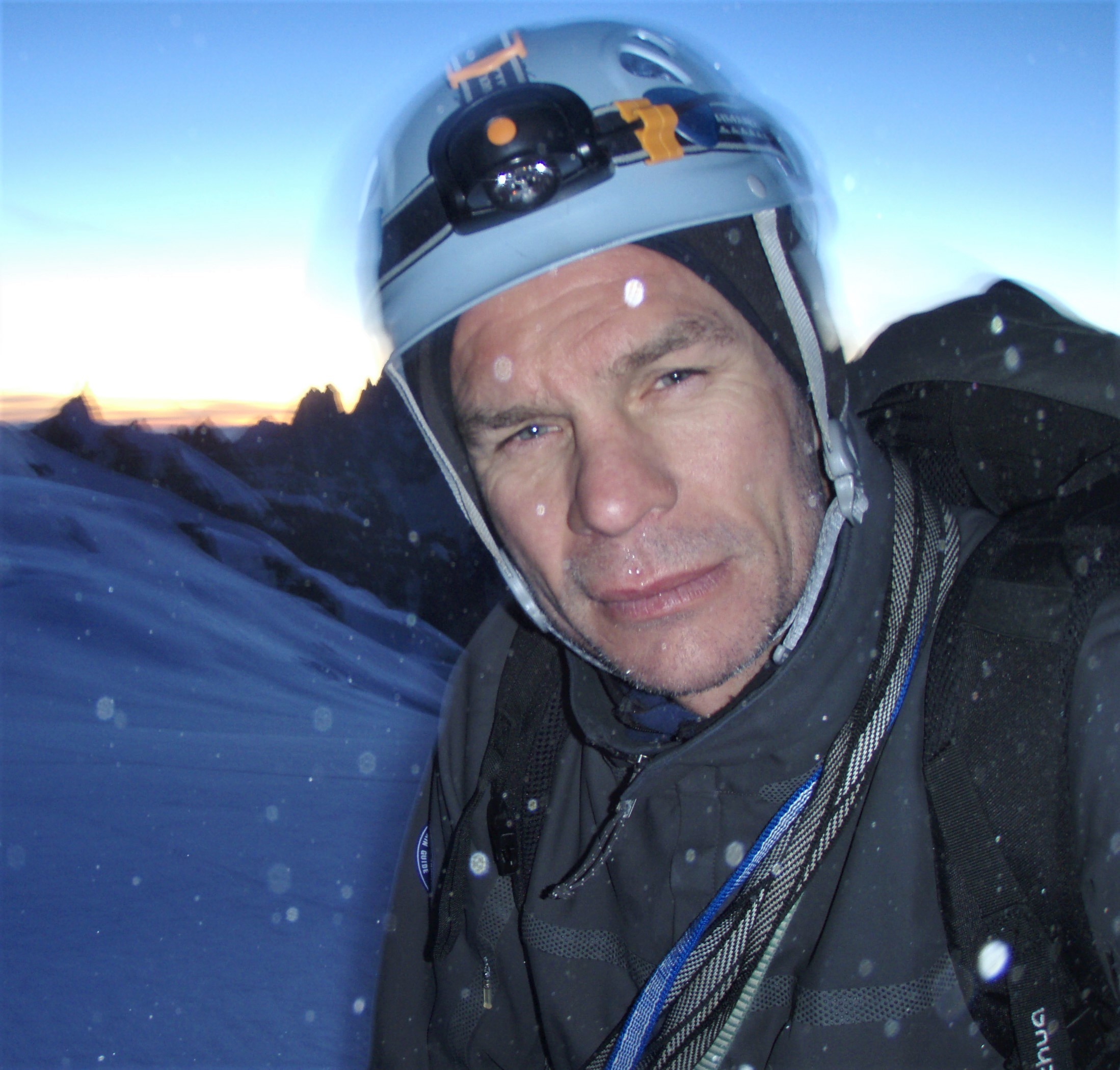
I don’t need an imagination, for I know what it’s like to fall, to be cold, to be trapped by a storm, to be hit by rockfall, to run out of oxygen on the summit, to have the air sucked from my lungs by wind, to sit next to a dead man and listen to his warning, to feel the friable edge of life crumbling in my frozen fingers. Each experience is a rung in the ladder I can lean against the tree. And, if I have a ladder, why not reach for the more succulent higher fruit?
Just as a fruit tart is more than its ingredients, a book is more than a collection of words. One hundred thousand of them masquerade as a manuscript on my hard drive. It’s been seen by a dozen or so agents and publishers but rejected because ‘There’s no market for it.’ They know their business, so I guess they’re right. The ingredients are all there, but I need to make something else out of them, something altogether more compelling, something sweet and sour that keeps the pages turning and ends with the reader sated yet wanting more. It’s taken me five years to work out how to do it. It also took me five years to climb Everest.

The Risk
Risk-taking has always been an ingredient in my life choices and, so it is, with writing. I could take the path of self-publication but without the filter of a publisher’s benchmark, it’s too easy and the reward unsatisfying, so I choose to scale the face of the unsolicited submission, to be an anonymous rock in the slush-pile mountain, determined to keep going even though I may fall from its precipitous face or be buried in an avalanche of slush. There’s no point climbing a mountain if it’s easy.
At least I have a ladder. Diaries and logbooks of my expeditions fill half a shelf of a bookcase. I dip into them occasionally, when I want to remember what it was like to be young and strong and scared out of my wits — a warrior on a campaign I feared I might not return from; when I, in the comfort of my home, want to climb up to the highest and thinnest branches of the tree and reach for the rare and exquisite fruit that few others have been fortunate enough to taste. If I fall off trying, at least I won’t die.
AUTHOR BIO

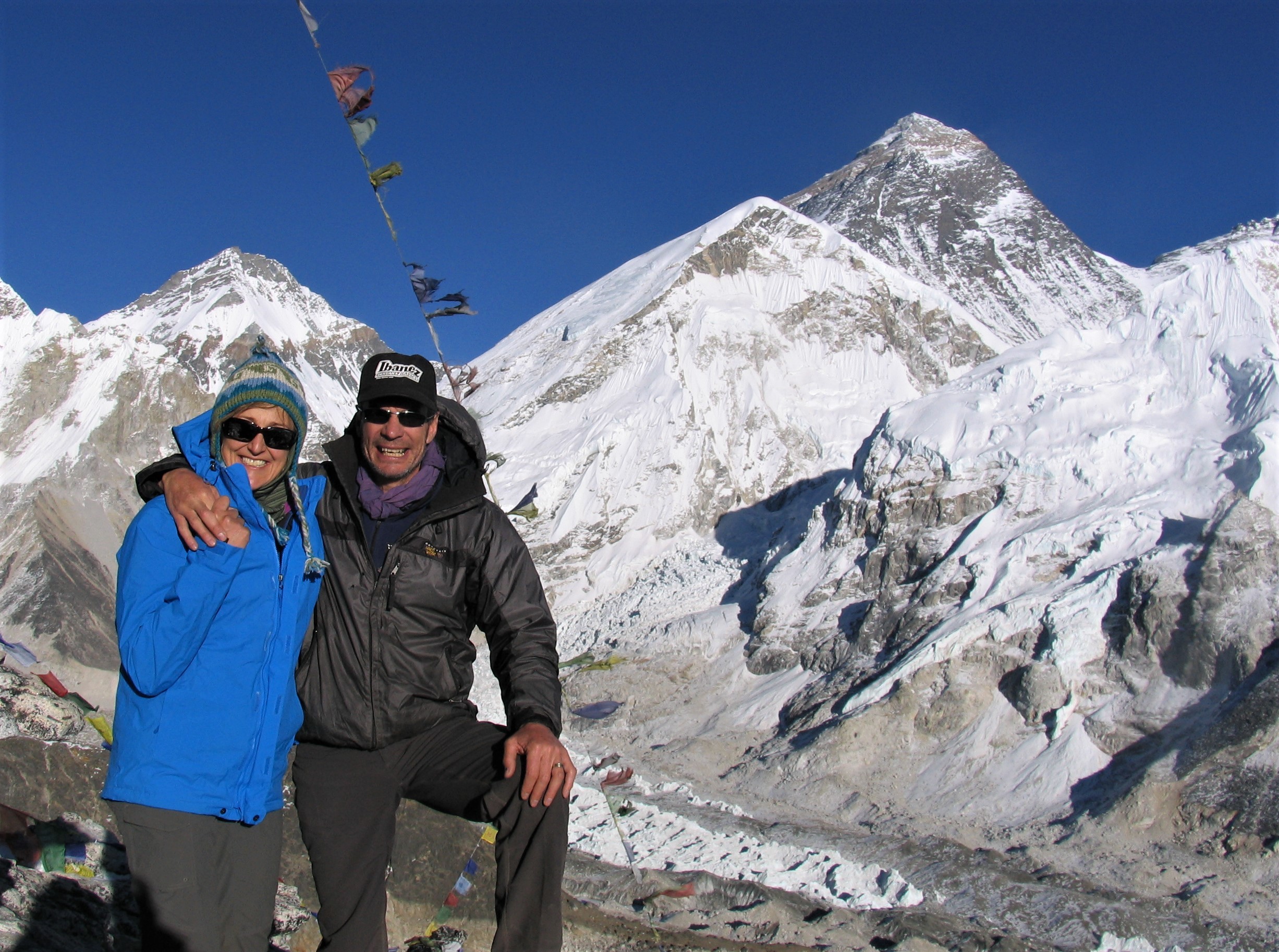
Steve Bell is a writer and public speaker. As a teenager, he climbed many of the hardest routes in the European Alps before progressing to expeditions in Alaska and the Himalaya. He spent four months under canvas with the British Antarctic Survey, served with the Royal Marines Commandos, and qualified as an international mountain guide. In 1993 he led Britain’s first guided ascent of Everest. He founded the renowned mountaineering company Jagged Globe and led expeditions to all seven continental summits. He emigrated to Australia in 2004 and now lives on the Fleurieu Peninsula with his wife, Rossy.
Books
Seven Summits – The quest to reach the highest point on every continent (Mitchell Beazley 2000 / Gramercy 2006)
Virgin on Insanity – Coming of age on the world’s toughest mountains (Vertebrate 2016).
Read more about Steve’s adventures
Website: everestkeynote.com.au
Facebook: https://www.facebook.com/everestkeynote
Thanks Rose. I look forward to reading yours too – eventually!
Beautiful writing Steve. Keep calm and carry on. I look forward to (eventually) reading your book.
Thanks Rosalind, I really appreciate your interest. More writing is in the pipeline. Warmest wishes from Oz!
Thank you for such an inspiring article, Steve. You captured both the progression of your own journey into the mountains and the essence of the mountain experience. I look forward to reading more of your writing!
Thank you, Craig. (No metaphor required!)
Thanks, Maria. I agree, a good metaphor sets us abuzz, hence their effectiveness. But I’m not so much brave as chronically optimistic. I’m glad you enjoyed the read.
Thanks, Heather. Compelling? That’s some praise coming from a writer as talented as you are.
Thank you, Julie, for your generous comments. If I remember you rightly, you’re nothing like the abominable snowman, although I must qualify this by adding that I’ve never met him/her.
Sheena, what a welcome blast from the past! You’re just as I remember you – too kind by far. Thank you.
That’s great to know Sheena, thanks for commenting.
So proud to have been Steve’s PA and Secretary. What Steve doesn’t know about the mountains is not worth knowing. He is a complete inspiration to so many mountaineers and the ones up and coming, following his dedicated aspirations.
And thank you,Julie for being part of Wattletales.
Failure is a better teacher than success- wise words from Steve Bell who has climbed the tallest mountain.
Don’t you love the way metaphore structures both story and imagination?
You take readers on journies, Steve, and I was reading beside you, (which chucks Men Without Women to the wolves,) rugged-up as the abonimal snowman; the tent flapping in howling wind.
Thank you so much for this wonderful read, and thank you again, Lindy, for introducing another brilliant writer.
Great story about an intriguing life Steve. Perhaps even more important given your aspirations I found it compelling reading – well done. I look forward to more writings – perhaps a series of short stories. Best wishes, Heather
I love the living, functional metaphor of the climb, the mountain in all its glorious, dangerous, brilliantly beautiful complexity and punishing teaching. Metaphors set off a chemical buzz in our brains and burn in our learning. You are very brave Steve. Such a different story. Thank you for the insight.
Well done Steve metaphorically speaking of course