

In Retrospect
I went to university in my late 30s as a special entry student to prove wrong all those teachers and bosses who treated me like an ignorant underling. Even then, at university in the 1980s, my postgrad supervisor declared that he’d have to teach me to write like a man. It would seem my being a female was a problem. Who’d have guessed?

This dolly collage on my desk represents the little girl in me who had an early childhood in Japan and the old woman I am now, not quite the Venus of Willendorf, but nevertheless, a survivor. They sit together on my desk as a reminder of what life does to us, begging the question; do we stay the same as we change? What, in fact, makes us?
I left school at 15 with a Victorian Intermediate Certificate. I got zero for sewing but excelled at shorthand and typing. My mind is nothing if not quick. Mordialloc High School placed me in the commercial stream, saying I wasn’t bright enough to cope with the humanities. (I was new and from NSW). Never mind that I consistently topped the class in English Literature and Grammar, which were then both compulsory subjects, and, as history has it, I later got a PhD in the humanities.
Back then, feedback on a research funding application for a project on the National War Memorial and the ADF’s role in post-war Japan suggested I had a creative streak. In its rejection letter, the selection panel commended my submission, saying that it would make a great novel. It’s funny how life prods but you still head in the wrong direction. I had other things to prove!
School
I left school in 1958. Back then, we were brainwashed by reciting times tables by rote, every day, over and over until they became bodily memory. Very handy before calculators and computers. Amazing how, as waiters in pubs, we could compute the cost of drinks and meals for a crowd without so much as pen and paper.
We were orderly at school, where co-ed meant segregating boys and girls to opposite sides of the classroom and yard. We stood as one when the bell rang and filed out of class in gendered rows. We’d find ourselves banished to the head teacher’s door to be greeted by a wooden ruler across our knuckles for passing notes in class. There was no sly grog, no smokes, and no drugs in school back then although occasional whispers could be heard of early pregnancy when a girl disappeared without warning.

Systematic inferiority was inculcated in us by means of these chalky terror tactics. Today, I assume teachers use different means. After all, school is an arm of the state and future citizens must be shaped accordingly as anyone who has read Foucault will agree.
In this context, I thank David Malouf for his onomatopoeic valorisation of my humble beginnings as the fastest typist in the world in his poem and eponymous book, Typewriter Music. Not only does it brilliantly evoke the sound of a busy typewriter, but it also beats in my heart as a symbol of the art and craft of poetry itself. Well, what can I say, I’m a Malouf fan although my love of poetry was born in elocution lessons when I was a child. Do kids still have those? My parents wanted me to speak well in a British sort of way while today TV has taught us all to speak American.
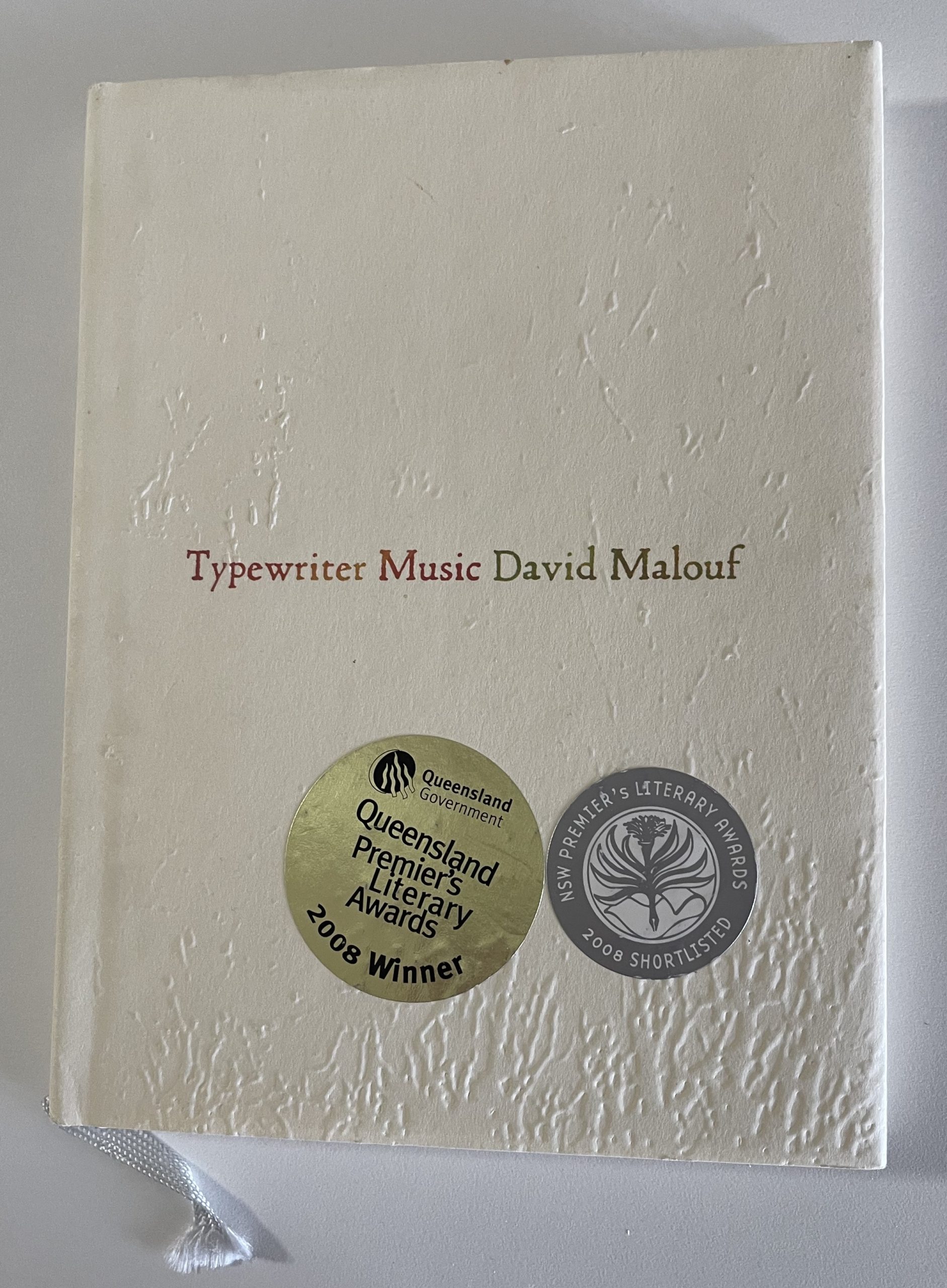
My first profession was as a barmaid, housemaid, cleaner and rouseabout. Malouf had nothing to with that but these capabilities served me well, whenever money was tight. Throughout my tertiary years after entering university as a special entry student, I cooked breakfasts and cleaned in various hotels and motels and waitressed in others. A handy skill that helped me save a few extra dollars to take my kids with me to Sri Lanka when I did postgrad field research there.
The IQ test
At 26 years of age after my mother sent me to a psychiatrist because I wasn’t yet married, I took an IQ test hoping to find direction. In my day, being single at that age was an indicator that something was amiss. It was a thing for girls. The test report scored my IQ at 160 which is in the top 2% of the population, well past Mensa’s entry standard.
When I sat down for what was then a 1.5-hour exam the administering psychologist tried to reassure me that nobody ever finished it, so I shouldn’t worry. Patronising git. He nearly fell over when I completed the paper in under 60 minutes, yet his recommendation put me in my place, reminding me as it did that I was a mere girl by suggesting that I had the capability to become a nurse or a teacher. Higher aspiration was reserved for boys.
Mum really should not have worried. After all, I was briefly married when I was 17 to a violent man, a marriage that lasted only six months from which I was divorced at 21 (we had to wait three years). But, her concern by then was that nobody would want an ‘ageing’ divorcee, although I’ll never understand why she cared when she married at 19 and was miserable ever after.
I did marry again at 27 and rapidly produced three children, but I apparently married the wrong sort of man. He was Dutch and younger than me. Mum was never satisfied. I understand now that all she ever wanted was for me to fit in, but I never did.
Over time, I have come to attribute my lifelong inability to conform to gendered expectations to my IQ. A doctor recently told me that one’s Intelligence Quotient doesn’t change despite seniors’ moments which is heartening. But, now that I’m old I find myself being patronised even more than when I was young. Funny, isn’t it, how the world turns.
The Good Secretary
Nursing and teaching were not for me, and, IQ notwithstanding, I scored a highly-paid executive secretary job with my brilliant shorthand and typing skills. The role would nowadays be called office or business manager.
My new boss, the engineering son of a prominent eye specialist, said he decided I was suitable for the job the minute he saw me walking in the rain towards the entrance to his premises in Melbourne Street, North Adelaide, carrying an umbrella with books under my arm. My salary was equivalent to the then Prime Minister’s secretary.
I bought my first car, a little Nissan that I had to ask the dealer to drive home, but when my confidence grew to match my newly inflated ego, I traded the Nissan — wait for it — for a Holden Kingswood. To paraphrase Gough, well may you laugh.
Despite the confidence overlay, my educationally ingrained sense of inferiority still had me yearning for approval. This poem about that office tells the tale.
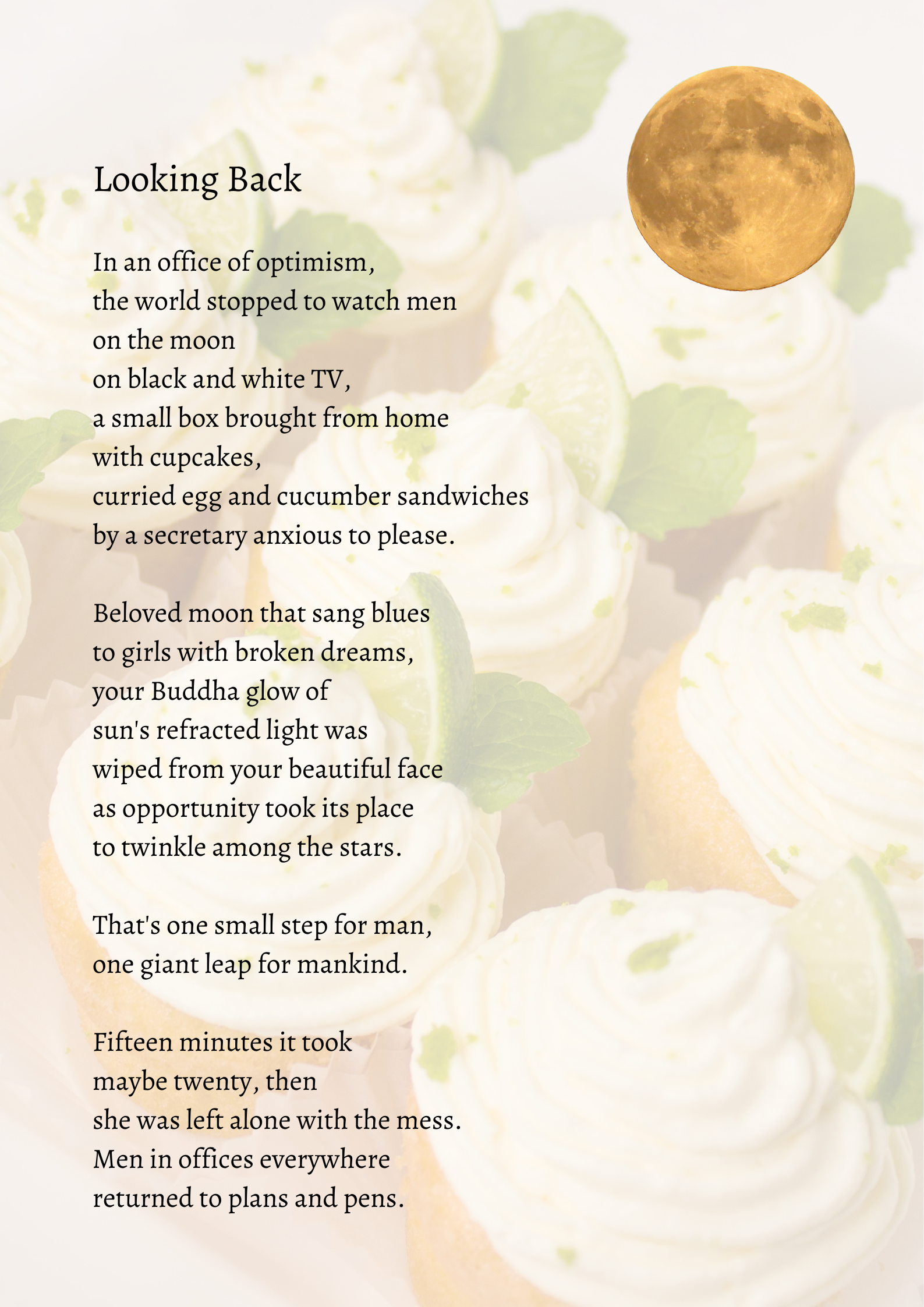
Moving On
In the end, I fought with my boss because I had no idea how to assert myself (nobody had heard of that word) and walked out, leaving him in the lurch as ill-educated, clever-dick upstarts are prone to do when jobs are to be had everywhere. I headed bush for a while and then to Darwin with a dollar in my pocket after I paid for the taxi from the airport. The driver took me to a boarding house where I found lodgings on the way and a government typing-pool job the next morning.
Before I caught the plane, Mum took me to Woollies to buy a new floral nylon dress with a fine-pleated skirt. She said nobody up there would guess where it came from (Darwin’s ‘frontier’ population was then 14,000). As soon as I could replace it with cotton, I did because nylon was full of static and stuck to my skin in the humidity. I notice today that manufactured fabrics proliferate, even in the sub-tropics. Attempts at subterfuge are now useless, shops are the same everywhere to the extent I sometimes wonder why people still travel.
About Cars
Getting a driver’s license when I was 16 was a breeze. I was living in Port Lincoln at the time, where Mum and Dad managed The Pier Hotel. My first job after school was pumping petrol at a local garage for six pounds a week (my father’s first salary was ten shillings a week). I then became Dad’s (sic) dining-room hostess and receptionist. I remember one day asking a customer wanting to book in for his name. When he said, ‘Robin Hood,’ I quipped with, ‘And, where’s Friar Tuck?’ I thought he was joking, he was not amused.
One day a local policeman whispered in my ear that it was about time I got my license. He’d seen me driving around in various young men’s cars. Just pop into the station, he said, and I did, to sit a test on the road rules, and that was it. Every time I return to South Australia, my original license number follows. No driving test then, although I believe they may force one on me when I turn 80 early next year.
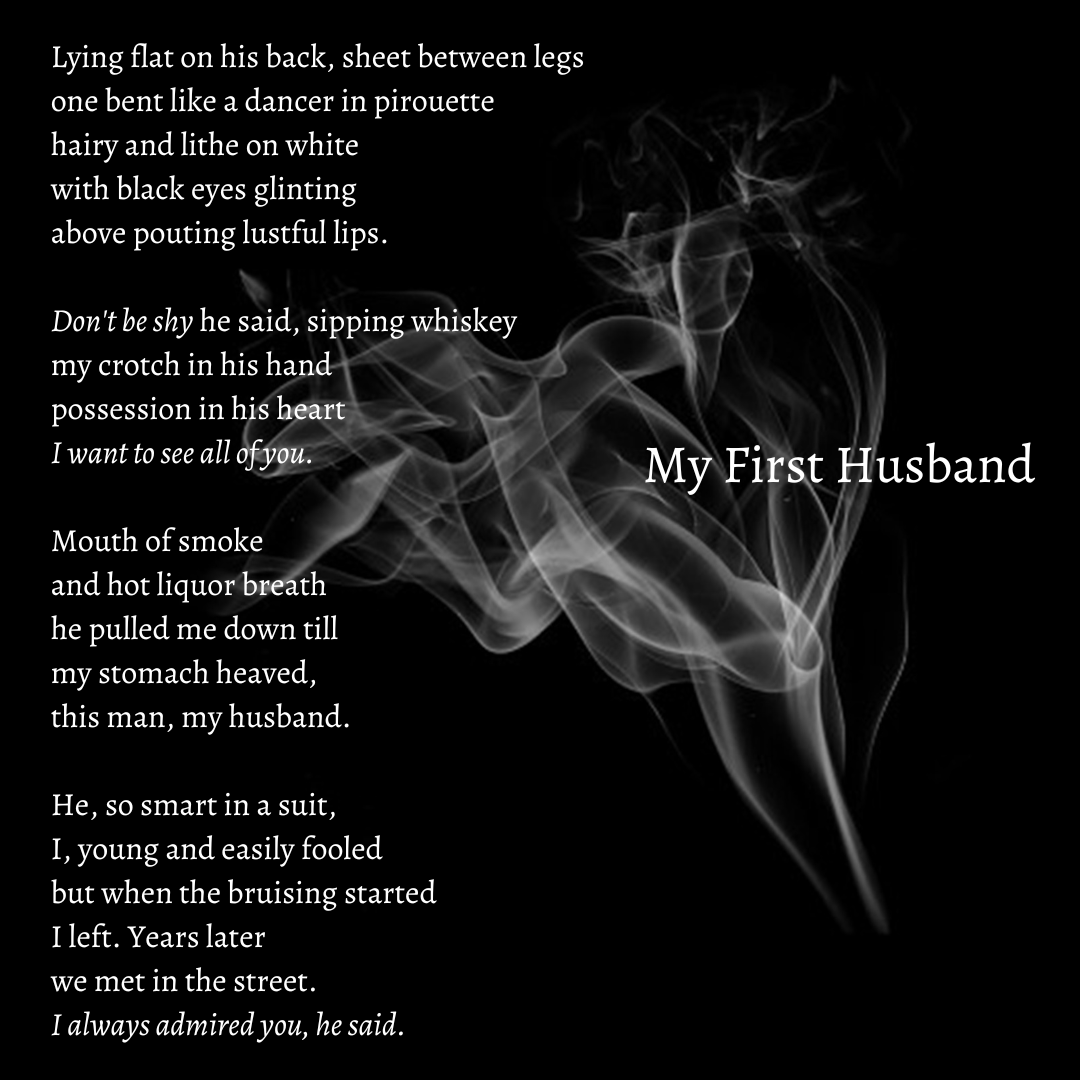
I married my first husband when I was 17 and he was 33. He had a work vehicle and was away a lot, so bought me a black FJ Holden to get around Adelaide. It had convenient triangular widows that wound out so you could ash your cigarettes. Gear stick driving, of course, and little orange indicators that flicked up in the newer models, but I had to put my arm out of the window to turn, no matter the weather.
I remember my first husband well.
The Sky is Still There, But…
Who remembers the sweet sound of a washing machine agitator swishing and swirling back and forth in early morning silence, window dreaming, squeezing sodden clothes through a ringer to be hung on lines strung across the lawn, propped up by forked, grey timber poles you could lower to reach and heighten for the breeze (and occasionally fell flat on the ground, heavy from rain)? Rows of sheets, towels, white cloth nappies and neat rows of trousers, shirts, frocks, socks and undies soaked in the sun’s goodness. Even rain refreshed and a breeze shook away any residue after a fall.
Today, we can’t moon around while doing the washing. Instead, we must leave the little tiled cubicle most dwellings call a laundry at the behest of a pre-set washing machine cycle. No involvement, no control but lots of mechanical noise and, if a load gets out of balance, the washing machine beeps like a fridge door left open too long or your car when you put the key in the ignition before you close the door or forget your seat belt.
Daily irritations are the order of the day.
Machines determine how things should be done. If they break down, it is final. In this world of planned obsolescence, we are forced to replace them and pray the bloke who brings the new one will take the broken one away. Otherwise, we have to pay to dump things. Even middle Australia’s beloved icon, the Hills Hoist, is vanishing with the koala as we pile our laundry direct from washers into driers in tight spaces (think European laundries, hidden behind slats in corridors) for convenience’s sake. Talk about power bills. Who is making all that money I wonder.
The sky is still there and the air, but there’s no room for clotheslines in flats and high-rise residential dwellings. No matter how many settings there are on newfangled models that let you adjust times and temperatures for artificial fabrics, doing the laundry is not the same. Rain, fresh air and sun have been replaced by the claustrophobic tension of having to separate clothes and linen by fabric and colour according to their manufacturer’s specifications which are inconsistent with your washing machine’s options. Commerce rules.
Public Transport and a Public Private Life
Only those using public transport routinely feel the weather today. I remember well travelling from North Ryde in Sydney to the Haymarket and back every day for work, a long, high-heeled walk followed by bus, train, tram and another long walk. Both walks were downhill on the way into the city and uphill on the way home. Walking alone on a rainy night with footsteps behind was scary but standing under a streetlight with a brolly in the freezing dark was in its own way, thrilling.
I also sometimes miss those nippy mornings sitting over a two-bar radiant heater, shivering, clasping a cup of coffee for warmth until the orange glow was enough to defrost fingers and toes. We got by. At the other end of the spectrum, I worked in a Nissen Hut in Wet Season Darwin in the early years without air conditioning. We had fans at our feet, blowing paperwork and cigarette ash hither and yon in the oppressive heat.
We were allowed to go home if the temperature got over 100F, I think it was. But when an electrical storm broke through 98% humidity, we laughed and scampered out to dance like people in love in its heavenly tropical downpour.
At night in the Government hostel on Darwin’s Esplanade, we luxuriated in single rooms beneath the comforting whirr of rusty ceiling fans, the smell of mildew (on our clothes and walls) and the chirrupy sound of geckoes. At 21, newly divorced, I used to creep out at midnight to the common room to practice the piano. Becoming a pianist was something that all young Australian girls aspired to beyond lust for horseriding inspired by Mary Grant Bruce’s bush-for-girls stories. I’d given up in shame as a publican’s child, practising on the keyboard in front of guests and quit again in cowardice when the hostel mocked me as the phantom pianist.
Home
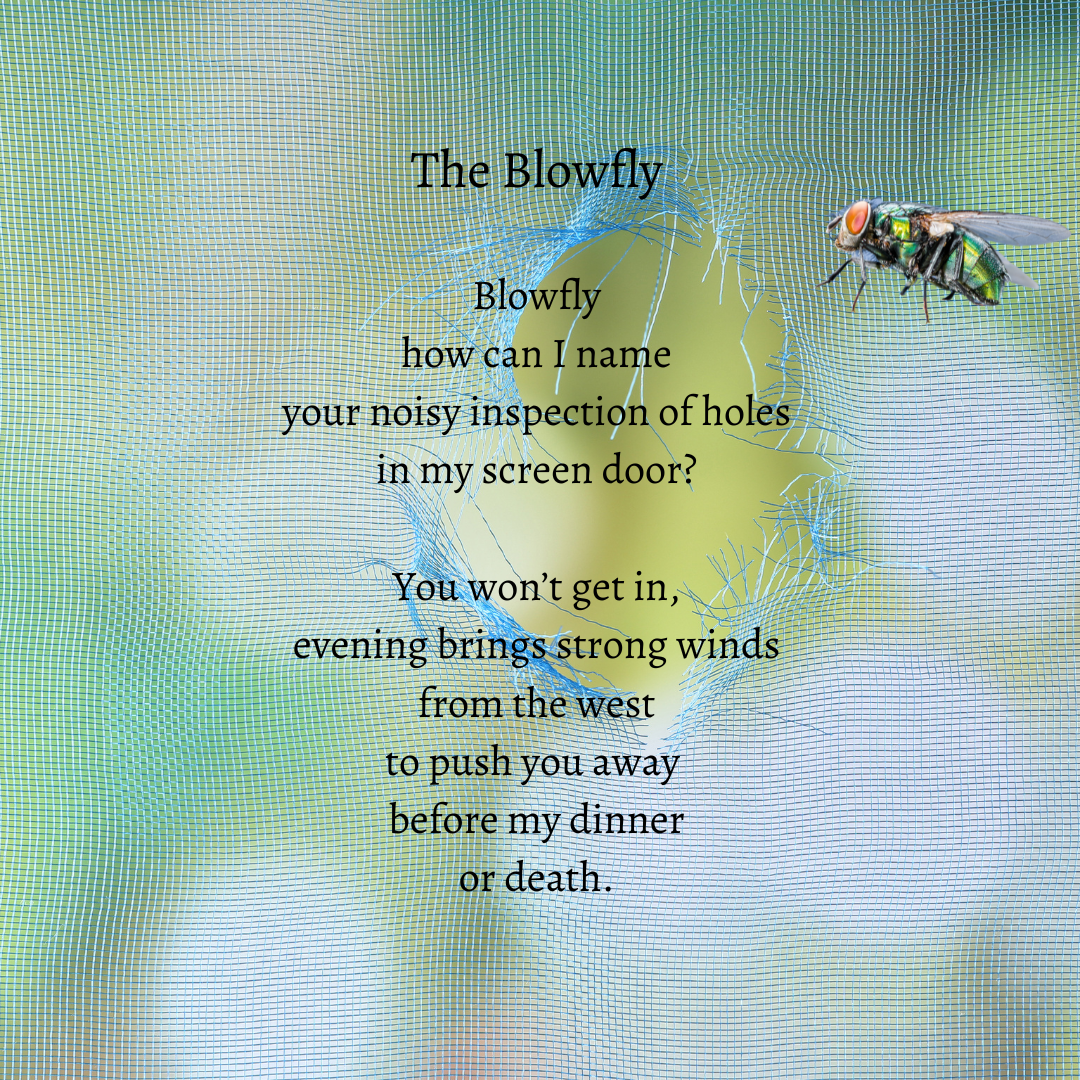
In Oodnadatta, I cooked in my parent’s pub on a fuel range in temperatures that regularly soared over 107F or 42C in summer. No airconditioning. Our only protection from the ambient inferno was flywire.
When I was a little girl of about seven or eight in Redan Street in St Kilda where my parents had a room in a guest house after WWII, I took comfort from the warmth of burning coal in a small hearth. Dirty, messy things they were. But, we had the fragrance of freshly baked bread wafting past on Clydesdale-drawn carts whose sweet, gold, steaming horse shit lined the streets. Bakers Delight offers neither aroma. Maybe my younger sense of smell was more acute.

Those heroic horses also clip-clopped down Redan street with ice (yes, for the icebox) and small vats of milk with inches of thick cream on top. All the smells, tastes and sounds of my childhood, so pungent, distinctive and thrilling have been replaced by traffic’s roar and the beep, beep of a refrigerated Coles delivery van that chills your bread to a temperature suitable for fresh food causing faster mould growth and dripping cans that soon rust in your dry food cupboard.
While I can’t say I miss grubs in apples and cabbages, it worries me that we are daily bombarded with unnatural but perfectly formed fresh produce poisoned by pesticides. Apples from the tree smell so sweet and there was always that fearful tremor of excitement that you might encounter a worm. Can you get a whiff of a Granny Smith on a Coles shelf? I don’t think worms could survive there, our fruit is in cold storage for too long.
On The Medical Side of Things
How many of you remember having a smoke with your doctor? Were you ever offered a cigarette from his packet (always his back then) as he pushed the ashtray towards you to share? We may not have been treated well for women’s problems, especially if you were single and wanted the pill, or had either thrush or unwanted pregnancy, all of which aroused opprobrium, but sharing a fag gave us a contradictory sense of equality.

I remember in my early thirties having major surgery in the Wakefield Street Private Hospital in Adelaide and two nurses beside my bed when I got back to my room, all three of us giggling and smoking while I was still groggy from anaesthetic, the ashtray on my tummy.
My three babies were born in smoke, the first two in Calvary Hospital in North Adelaide and one in Darwin where the matron and a couple of nurses would smoke with me, while I cradled my baby in my left arm, fag in the right hand, gesticulating. Nobody ever believed I’d quit which I did with the greatest of ease, albeit a bit late to save my kids. I tried once before my third child was born, but my husband, brother and parents piled it on, telling me I was too cranky to bear so I should go back to smoking. True.
What they didn’t realise was that I was actually speaking up for myself for the first time in my life and it made them uncomfortable but, I gave in under duress. My stagecoach to honest self expression was slow to start.
Some things were bad back then, but the good stuff was being able to cradle your newborn in your arms when it was time to drive home from the hospital. No back-facing baby pods on the back seat. Dislocation now starts early! I would have hated what has become the safety norm for young parents today, but everybody drives more and the traffic is insanely dangerous in our brave new world so I’d comply.
I cycled my first two infants to kindergarten as pre-school was once known, and walked them all as little ones to school until they could ride themselves. It was a different world.
Enough for Now
I’m sure there’s more, but that’s it from me for now. If anybody has a tale about how different their young world was to tell in a Wattletales guest post, it would be most welcome.
TIP
What you leave out of your writing speaks as loud as words on the page.
Thank you Veronica, for reading. It’s fun, sometimes, to look back. The world has changed so much don’t you think? Lindy
I thought this was a splendid piece – I love how you manage to put a slant on things that may be seen as ordinary and turn them into something altogether different. It was a great read. I especially loved your school bag poem, though being a child who always tried to do the right thing – to be liked, couldn’t personally identify with everything. But at the same time, some things were the same everywhere, like reciting the times tables every morning. How I hated that, but those tables have stood the test of time. (9 x 8=72) etc. Then there’s the memories of lining up outside the school rooms, short kids up to tall, girls alongside boys. One boy used to fight others to stand alongside me. He was short too, though not as short as I was.
Thanks for sharing more of your story. Veronica
Thanks for reading and commenting, Kathryn. Of course, I am Germaine’s generation but I never heard of her until I started uni in the late 70s…being from the other side of the tracks as it were. I’m sure young women today still experience a lot of the same even though there have been major shifts…
Great Wattletales post Lindy! A good yarn about an interesting life. The dreadful stuff you’ve endured for having a high IQ in a time before feminism got a bit of a lift from Germaine and others, should be understood by all younger women today… so they know what older generations of women have had to live through! Touche for sharing these reflections!
Thanks for reading Geoff.
Same Lindy. My ‘male’ story replicates ‘Educating Rita’ in that chase of something just beyond reach but with the skills to know that. Cheers, Geoff
Thank you, Craig. Lovely that you read this story. It’s great to get feedback 🙂 Well, the poetry book is in print and looking good for the launch on 16 October. I’m so disappointed you guys can’t make it. I”m taking a while to get back into my second novel, I neglected it for most of this year, but I’m getting there. It has a new title. ‘They Who Nicked the Sun’, which refers to the way posh Melbourne thought the poor would inherit ‘their’ sun when the high-rise towers were built LOL. I miss you and almost everybody at SandWriters but I guess I’ll see you at Roger’s launch.
What a rich and fascinating story. I relate to some of these times both good and bad.
How is the new book progressing?
Craig xx
Dear Julie, thank you for reading and your insightful comment, as always 🙂
‘You are a naughty little girl. You will not defy your teacher,’ is so yesterday, thanks to you, Lindy, and other courageous gals.
Thank you for reminding us of chalk boards and ink wells and gender segregation. Elocution lessons are antiquated and were laughable in their delivery, although speaking correctly can build ladders which soar beyond expectation.
You were a naughty little girl, with ink splotches beneath your nails, and blotches beside your name.
How dare you to have thought you were equal to a male.
You were a naughty little girl who grew into an intellect who writes honestly, compassionately, and one who pops old fashioned stuffiness back into our own lifetimes’ dark age.
Love your work as always.
Julie Cahill.
Thank you so much, Susan for such high praise. I’m so pleased you enjoyed the post. We do seem to echo each other in some ways, don’t we?
What a fab read, Lindy! It was interesting to notice the similarities and differences at particular points in our lives. For example, mature entry to uni, the Intermediate Certificate – for me in SA – but I did the General course, Latin etc, whereas you were put into Commercial. I made fascinating comparisons throughout. I particularly liked your poem, ‘Looking Back’. Your way with words, turns of phrase and expressions make your work a joy to read. ‘Well may you laugh’ indeed! 🙂
Thank you Val, I’ve led a strange life I suspect, but wouldn’t have it any other way. It’s lovely that you took the time to read and comment. Much appreciated.
Loved your tale of growing up. The world has changed indeed, and not always for the better as you so cleverly write.
I admire your honesty and courage. You have had an interesting life Lindy and I enjoy your writing.
Thank you for those memories
Oh Colleen, thank you for reading and commenting. I’m so pleased it brought back at least a few good memories. Lindy
I loved this!
Although most of my memories of childhood are unhappy ones, you’ve reminded me that there were good things, too. It made me happy/sad. Thank you.