

My First Love
I grew up with my head in books. I loved them so much it hurt, and they echo in me still. To this day, I read not with my intellect, but my heart and the curiosity I had as a child. I evaluate novels in terms of my attraction to characters and the strength of my wish that the story would go on forever; a salutary lesson for writers right there.
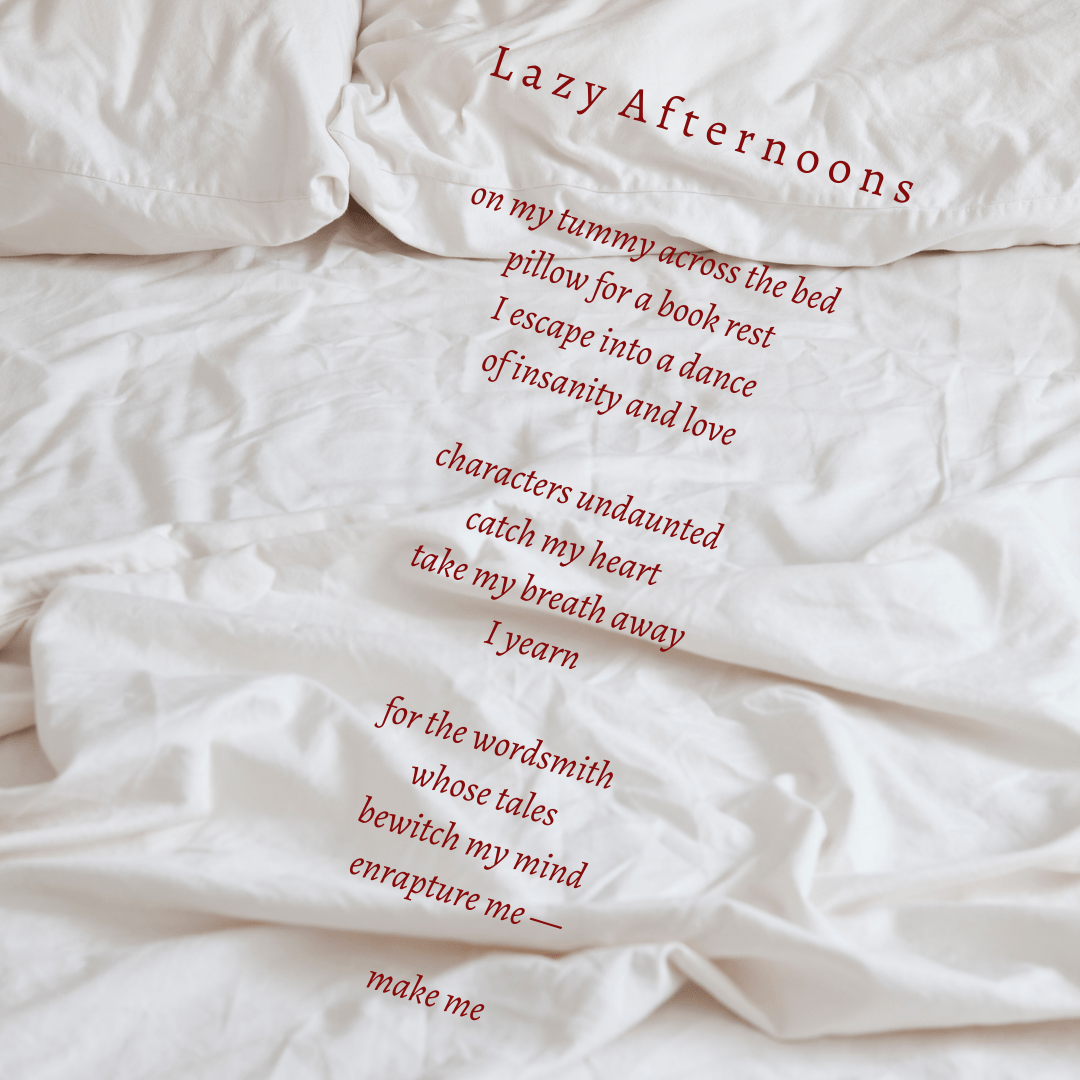
I remember conversations at university where people overwhelmed by status imperatives declared before they dared open a book, ‘oh, there’s so much I have to read’. When I replied that I read what I like, it was as though I’d farted in public. Truly.
Books speak to me through their themes and settings which attract me in an almost mystical way. I tingle with recognition when I find something I know I’ll enjoy. Of course, I check out what’s around, but when it comes to conscious selection, if anything, I am an author fan. I pre-order books by writers who take me on a journey. That’s it. The minute I see a writer showing off on the page, I’m gone.
Reading remains for me, a visceral activity. I’ve never read a book twice unless, as with academic texts, for comprehension. Nor do I feel shame if I don’t finish a book, unlike one of my favourite Australian authors, Richard Flanagan. Nor do I judge the many unread books around me as good or bad. I am a simple soul who knows when something is not for me.
An Aside
Of the great number of books I’ve read in my long life, I have chosen only a few to mention here because, despite some perceptible patterns, this post is about how and why I read, not what. My question to you is this; do you read like me?
Books that Grew Me Up
Like most girls of my era who grew up without television, I imbibed Enid Blyton’s Secret Five and Secret Seven books (later banned for 30 years for being racist despite selling 600 million copies in 90 languages). Boys read Biggles.
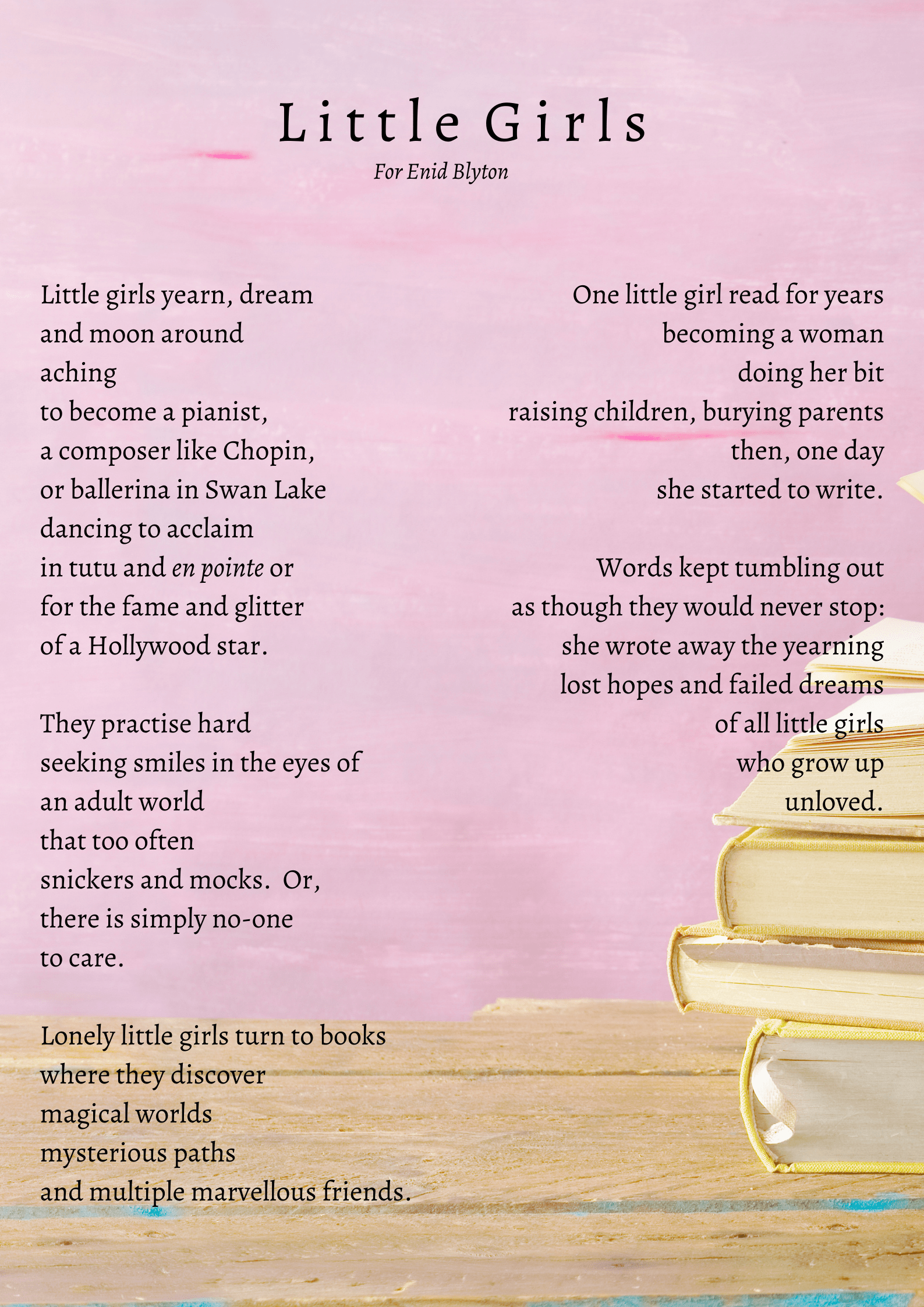
Blyton instilled in me a love of mystery and adventures that included girls. Yes, Enid Blyton’s heroes were mostly boys, but that’s the way life was when she wrote, and it was the way my generation expected it to be. It was the 1980s before I realized that life was up to me alone!
In fact, in my 20’s in Darwin, I taught water-skiing for a guy with a boat and an outboard motor and yearned to join a yacht sailing to South Africa as one of an all-female crew for a male skipper. I had no inkling I could ever own a ski boat or sail my own catamaran around the world, with an all-male crew.
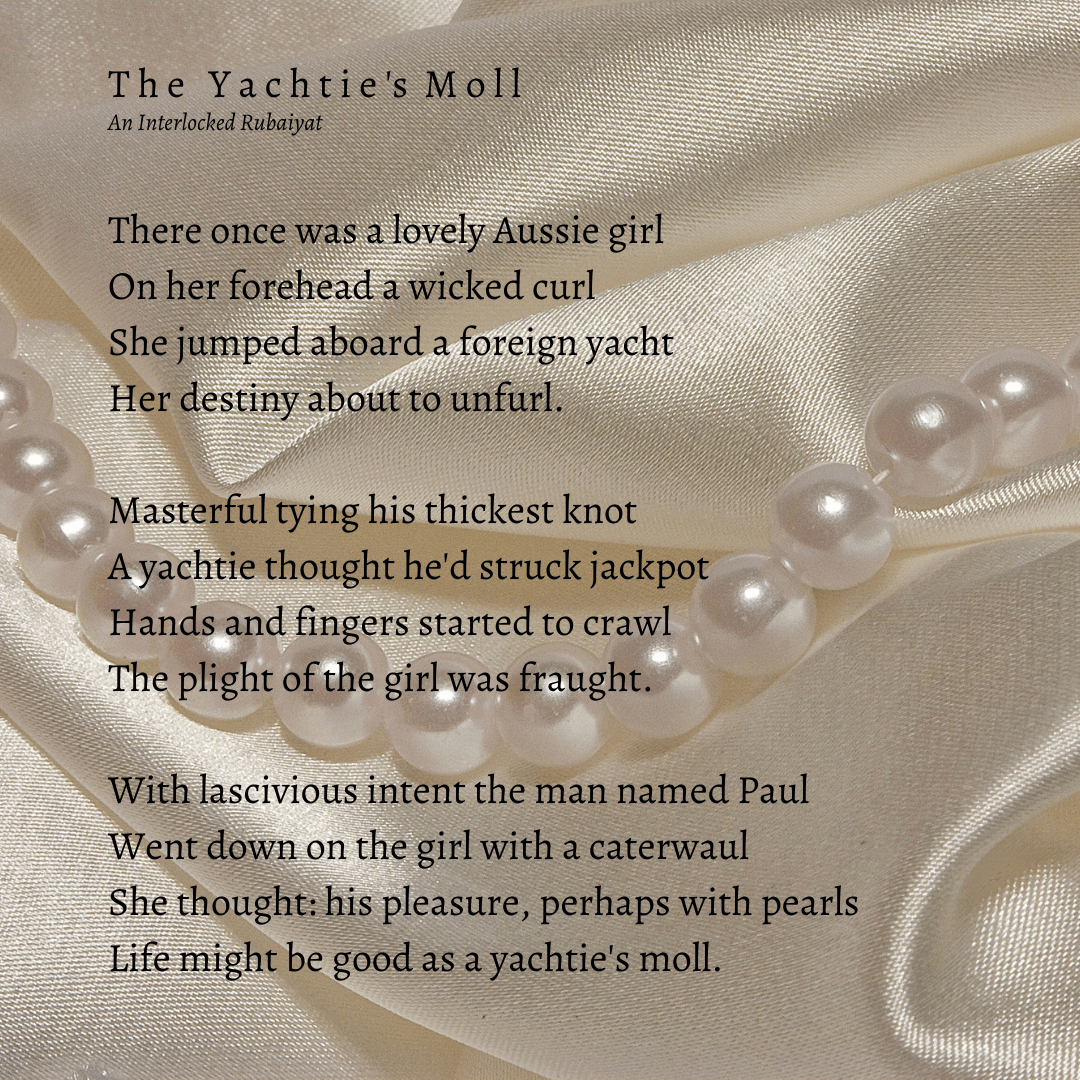
Nowadays, girls like Aussie teen Jessica Jackson in 2009-10, can navigate the world solo in their own yacht. (She now features in a 2020 Netflix biopic.)
Stories are Living Things
Stories belong in time and touch those of their time. Even today, an author’s success comes from speaking truth, present yet inchoate in the populations they address. This explains why books echo in us. Of course, we read to learn. But we also affirm or transform who we are in our emotional refraction with a narrative.
Most of us choose to read what we already like. If you have a penchant for ancient civilisations, you will read such books as did my brother. If like me as a child, you are bewitched by an idea of the Australian bush, well, go no further than Mary Grant Bruce. Back then, nobody knew that her work would later attract controversy for racial stereotyping. Nor did I then know anything about her belief in the now-debunked theory of Social Darwinism.
If Bruce answered my romance with the bush, earlier, May Gibbs bewitched me with Snuggle Pot and Cuddle Pie, her little gumnut babies and their struggle with Big Bad Banksia men. I feel a nominal kindred with Gibbs too. Like my mother, my middle name is May, after my maternal grandmother of Gibb’s generation; May Evans nee Woods.
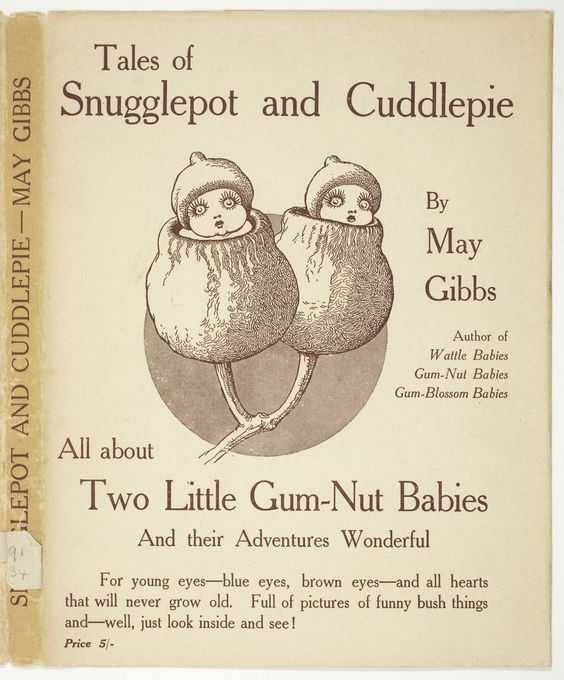
May Gibbs has a top spot in my heart, and I was thrilled to read just now, as I searched for a link to include here, that she once said, ‘It’s hard to tell, hard to say, I don’t know if the bush babies found me or I found the little creatures.’ Wow!
In passing, I must add that my favourite fairy tales were those of the Brothers Grimm, especially Rumpelstiltskin, which terrified me probably because I was blonde.
Youthful Attractions
During my early 20s in Darwin, I lived in the library as I had at school. Its two levels of book-lined shelves in an old colonial stilt house drew me in. The bound promises and secrets it held bewitched me, taking me on an adventure from a single room in a government hostel and life as a stenographer to Aldous Huxley and his father, Sir Julian and beyond.
Nearly 60 plus years later, I can’t remember which Aldous Huxley books I read apart from Island and Brave New World or whether I fully understood them at the time. However, I still thrill at their memory. Aldous Huxley invited me to step beyond my own small life. He took me to tantalizing horizons I’d never imagined. Sir Julian was my first brush with the philosophical theory, Humanism. Being of a more spiritual bent, I read only one of his books.
While the Huxleys introduced me to notions that heightened and expanded my curiosity, I also discovered Fyodor Dostoevsky in those formative years. My favourite book of his was The Idiot.
I reckon this early exploratory reading fits with who I’ve become, with my somewhat depressed leftie and philosophical outlook on life, despite the wicked influence of Enid Blyton and Mary Grant Bruce. Don’t you?
Once an Anthropologist…
As I said in An Accidental Life, anthropology opened the door to magic for me. I experienced that discipline as coming home to myself, even as it took me to other worlds. An important byproduct of my tertiary study was the discovery that there are no definitive answers in life. New questions constantly arise, stretching and pulling one on and on.
I learned from so many remarkable scholars whose ideas are now part of who I am, how I see, interpret and understand. Here are just a few of my favourites.
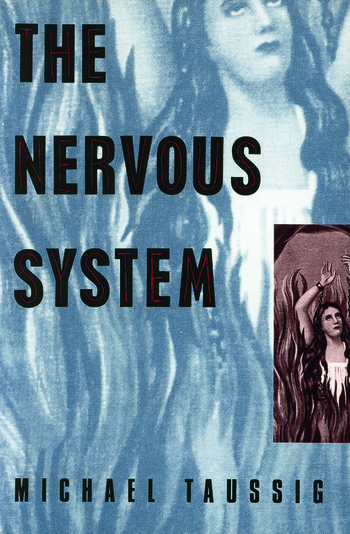
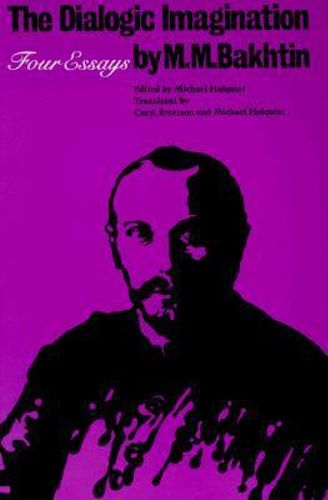


All these writers, philosophers and anthropologists alike, gave me a love of learning. I fell in love with their loftiness of vision and innovative ideas. They brought me down from hard-fact kinship diagrams and other theoretical abstractions to real people and helped me understand other people’s ways; in their terms.
Eliade and Heidegger illuminated non-linear conceptions of time. Michael Taussig, my favourite Australian anthropologist, exposed the pulsating nature of social life, which he describes as a nervous system. In earlier works, he revealed that criticisms of the danger of native peoples by those trying to control them are false. Taussig argues that such colonial portrayals did not describe reality. Instead, they reflected the colonial fear of darkness itself — what a marvellous lesson.
Mikhail Mikhailovich Bakhtin thrilled me with his notion that the world is ‘aswarm’ with words, and each time we speak, we select; each utterance creates something new. Language, in other words, is a living, creative thing, not a grammatical structure. He also showed how the novel changed from static classical tales of heroes who emerged unaffected by ghastly wars and woes to stories about characters who change because of their travails. The latter is his definition of the modern literary novel.
Just as a character changes in a novel, texts belong in the world, not above it, in some eternal and unchanging fashion. Like us, they change in meaning as they are engaged by readers who are similarly socially situated. The world of words is a two-way process.
Michel de Certeau explores how we walk the city, illustrating how we map our personal city as we traverse it. To me, this is iconic with Bakhtin’s notions about words; in life, we choose our own paths, from a trillion possibilities to create our own meaning. We create maps that we construct and reconstruct as we move around. Like social language, meaning is always in motion.
I met Clifford Geertz once, in Hindmarsh Square’s Jasmin Indian restaurant. We sat opposite each other at a long academic table, in a two-person bubble, sharing our distaste for loud voices and false laughter. A prodigious writer, Geertz confided in me that he wrote 300 words a day, not more, not less. In his image, I set my daily word goal at 500, which reminds me of him each time I reach my target.
Geertz’ work on Balinese cockfighting is a classic and a great read that will remain on syllabuses forever with his wonderful lyrical prose. But I loved Works and Lives because it strips all mystique from theory. One way or another, he argues, all writers, including renowned philosophers, write from their biography. Theories in philosophy, the arts and linguistics, are not as rational as we have been led to believe. No theory is culturally innocent.
Back to Novels
I have read so many books over the years but remember only a few, like The Herries Chronicles by Hugh Walpole’s six books of a family saga that I could not put down. The last book in the series is entitled Vanessa, and at 19, when I read it (borrowed from the Glenelg Library, which has barely changed), I vowed I’d name a daughter Vanessa, should I be lucky enough to have one. And I did!
Jumping to my university years, when I’d already fallen in love with South Asia through study, I snuggled into my flamingo pink armchair one winter with Vikram Seth’s story, A Suitable Boy, set in India. (It recently came out on Netflix). I did the same thing, albeit in a different chair and house, with The Cairo Trilogy by Naguib Mahfouz. Who could resist books with names like The Palace Walk, Palace of Desire and Sugar Street?
Seth taught me so much about the Partition of India and Mahfouz, the history of the Middle-East. But, by the story-magic of their writing, I lived, cried and loved in those places for a while. As authors, they took me on journeys that inhabit me now.
Another somewhat different love came with Patrick Suskind’s disturbing, humorous and oh! so intelligent novella, The Pigeon. A book about an ordinary man who locks himself in his room to brood (sic). One day he opens the door to a pigeon which terrifies him with its red eyes and legs. When I dismantled my library, I kept a copy because it reminds me of the proximity of madness in us all. I love that.
The Pull of Poetry
I was inattentive at school (outside the door a lot), but I met poetry at childhood elocution classes which I liked. Despite having to walk back and forth with a stack of books on my head for good posture (leading to a good character they said), reciting excerpts from TS Elliott’s, ‘The Lovesong of J. Alfred Prufrock’, Samuel Taylor Coleridge’s ‘The Rime of the Ancient Mariner’ and William Wordsworth’s ‘I Wandered Lonely as a Cloud’, my love for those poems is ineradicable.
One of my favourite poets is Michael Ondaatje and his sensual poem, ‘The Cinnamon Peeler’s Wife’ in The Cinnamon Peeler. Another is Australia’s own Judith Wright and her Birds, beautifully illustrated with images from the National Library of Australia Archives. Both poets clearly wrote from the heart; their lives, loves and experiences are in every poem.
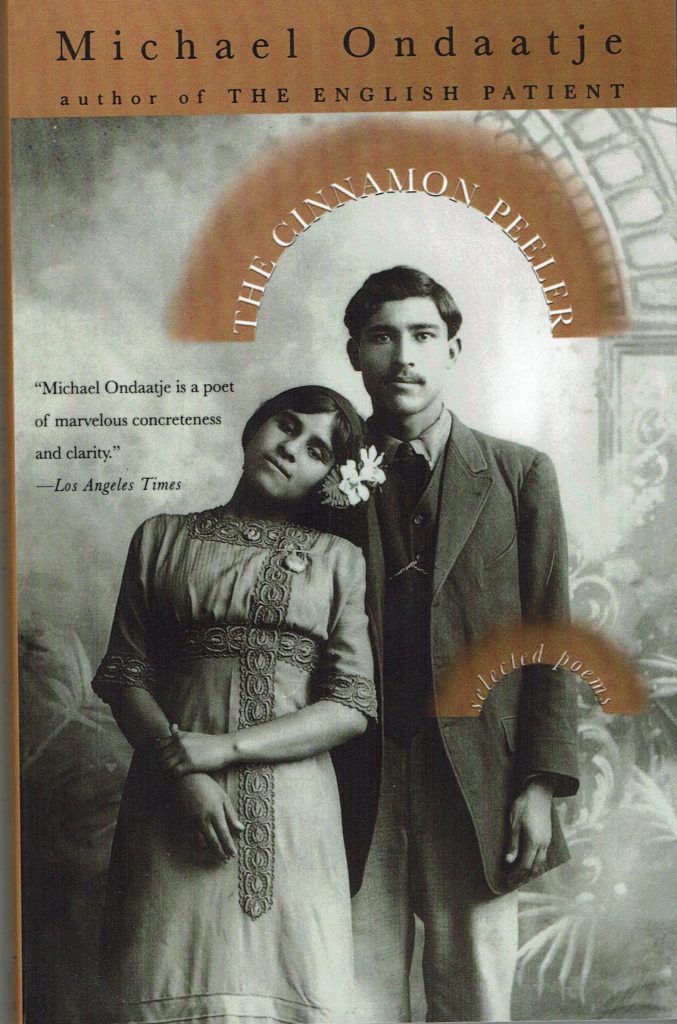
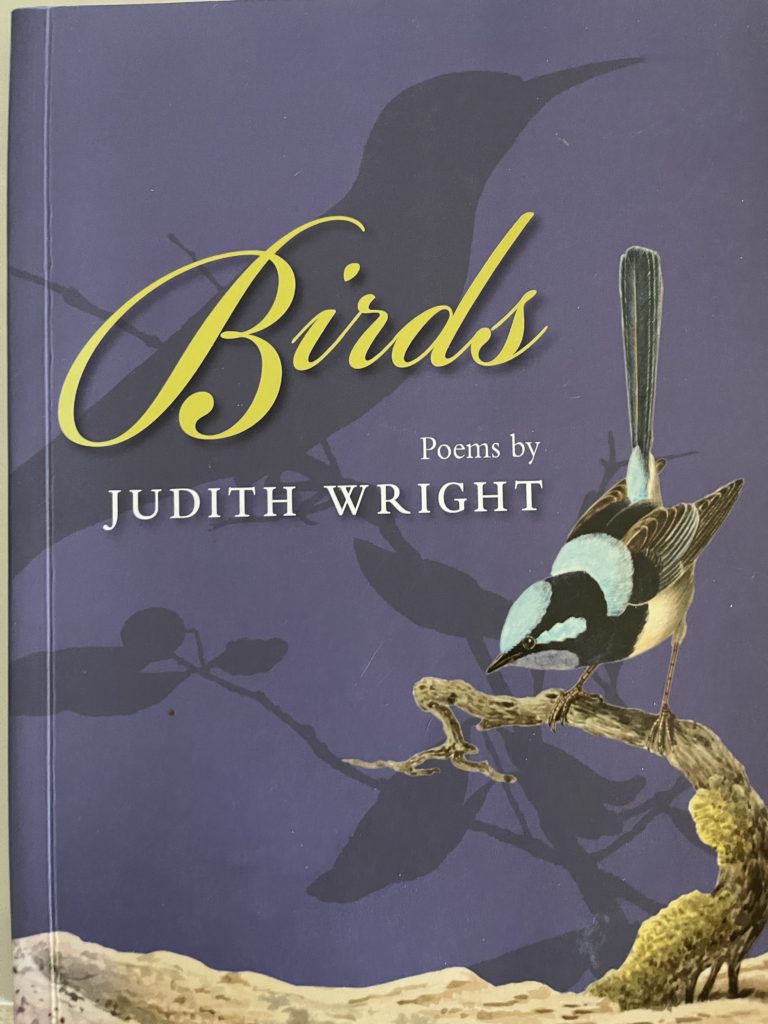
By giving me Australia in poetry, Judith Wright belongs in the same parade of my beloved figures, May Gibbs and Mary Grant Bruce. Ondaatje stands in succession to my love of Sri Lanka, where I researched traditional rituals of the Goddess Pattini and Buddha for my PhD. My heart is never far away from a place when I read.
How Books Make Me
A week or so ago, I watched Michael Portillo’s railway adventure through Sicily. I cried. It wasn’t a sad show. Indeed it explored Sicily’s fascinating history but, although I’ve never been there, I adore Sicily because, during my undergraduate years, I studied the decline of its classical land tenure system, the latifundia, and the early emergence of mafia to fill the void created by absent landlords.
Sicily’s bleached atmosphere, pale stone buildings, bright sun, and industrious people overwhelmed me on the page. Years later, I fell in love again with Sicily on television, watching Sicilian Inspector (Salvo) Montalbano, a marvellous character who sprang from author Andrea Camilleri’s pen. Thus compounded in my heart between word and screen, Siciliy lingers as the love of a place I can only imagine.
We are what we love. What we love, we become. This makes reading transformational, a view I seem to share with some pretty famous writers. Click here for their words.
Writing Tip
It won’t surprise many people that writers, playwrights, artists and film-makers use books as props to convey a character’s nature. But, have you ever thought of examining yourself in these terms. What does your reading say about you?
When I taught life writing, I’d often ask people what their favourite fairy tale was and then identify an aspect of themselves that resonated with it. It was a revealing exercise so give it a shot.
You don’t need to work with everything you’ve read, just those books, poems or stories that jump out at you when you sit down to write. As always do one thing at a time; one movie, book or poem.
When your collection grows, find commonalities, themes, points of divergence or similarity and ask, is that me? How did this or that reading change you, make you?
Happy Writing
Wattletales
Oh, Maria, thank you for reading. We have at least three author sin common, Ondaatje, Peter Wohlleben and – I think we’ve discussed this – Suskind. I had to laugh that you could remind me of The Mafia of Asci8lian Village 🙂 I’d forgotten the name of that text…I did, of course, read around it too, but the name hit me when I read it in your comment 🙂
Hello Lindy, what a revealing post. Good question you posed: ‘What does your reading say about you?’ Our book collections are our literary heart’s resume. I confess to half-read books; piles of them. Fickle reader. But I am surprised to discover my longterm loyalty is to non-fiction. Biography: ‘H is for Hawk’ a favourite. Poetry; too much to list, but I love Ondaatje’s poetry and The Cinnamon Peeler’s Wife; I adore Seamus Heaney and the Irish language metre in his work; Greek poets such as Ritsos in Greek and English. Science writing like Killers in Eden by Danielle Clode and yes- like you Anthropological texts, The Mafia of a Sicilian Village. It thrills me when scientists can write about their subject in a factual but lyrical style: mesmerising. the Secret Life of Trees by Peter Wohlleben. I rarely read fiction but when I do, I love anything by Annie Proulx and Patrick Suskind, Perfume being a fave and speculative fiction by Ursula Le Guin and Margaret Atwood
Books are vessels which travel our minds and provide escape when practical circumstances trap us: Corona Virus lockdown is a topical example. In my cloistered upbringing in a strict Greek household, the library was my only unchaperoned outing and it became my escape and refuge. Thanks for an erudite conversation.
Thank you, Jenny. So glad you found time to read.
Once again Lindy, your writing here encourages me to pursue and read many of the books and films you have talked about. Although quite easy to read, it does highlight your profound knowledge and attention to detail. Thank you, Jenny.
Thank you, Steve. It’s not selfish to have our favourites.
The power of ideas and created worlds – in books. So well conveyed, Lindy. Selfish, I know, but it was good to see The Cinnamon Peeler mentioned, and that delicious poem. I have all Ondaatje’s poetry and this is my favourite too. Thank you for sharing your story.
Thank you so much Inez for your kind feedback. Books are amazing aren’t they? I am so please you are able to get something from my posts.
Wow Lindy so much insight in this piece and the books you’ve read. So many books I have now added to my list now… thank you, this is a gift. ‘The Colonial fear of darkness’ is so revealing in your anthropology studies. I was deeply affected by the first book I bought and read, Jane Eyre, big book for a little girl but it taught me so much about the need to toughen up and forge your own way in life when nobody loves you. Christiane F was a favourite book of mine about a 12 yo heroin addict prostitute. Brave New World also impacted me. And later in life The Secret and everything Oprah Winfrey said lol. They both made me believe a better life is possible.
So many take-home quotes Lindy: ‘The world of words is a 2-way process’ ‘We are what we love. What we love we become…. This is gold, thank you!
I love stories about women, Tess of the d’Urbervilles, Madame Bovary, the movie Precious and my guilty pleasure is rock biographies, movie: Prey for Rock n Roll. Books: A bride stripped bare, Memoirs of a Geisha, the Secret life of a London call girl, In my skin. Clearly destined to lead an alternate lifestyle, wow really eye-opening stuff Lindy. Thank you!
sorry for long post i wasn’t able to comment on your website xx this is gold Lindy Warrell
xx
Thank you, Veronica. Of course, we read different things – lives take people in different directions. But, the love of story is what counts
Lindy, like you I loved (and love) reading, being entranced by Enid Blyton’s tales as a child. We had her stories read to us in Infant school and I tried my utmost to learn to read just to grab those stories for myself. Reading takes us to many different places and while some people say it’s living life second-hand, I’ve always felt privileged to be able to enjoy it. Your reading has taken you far from what I particularly like, but, different strokes for different folks. This was very enjoyable. Thanks for sharing.
Veronica
Thank you Julie, Love your comments as always and appreciate you spending your sometimes limited energy reading my stuff. Love and hugs. LIndy
Thank you again, Lindy.
‘I read not with my intellect, but with my heart.’ The best judge of story and character, I’d say too, Lindy.
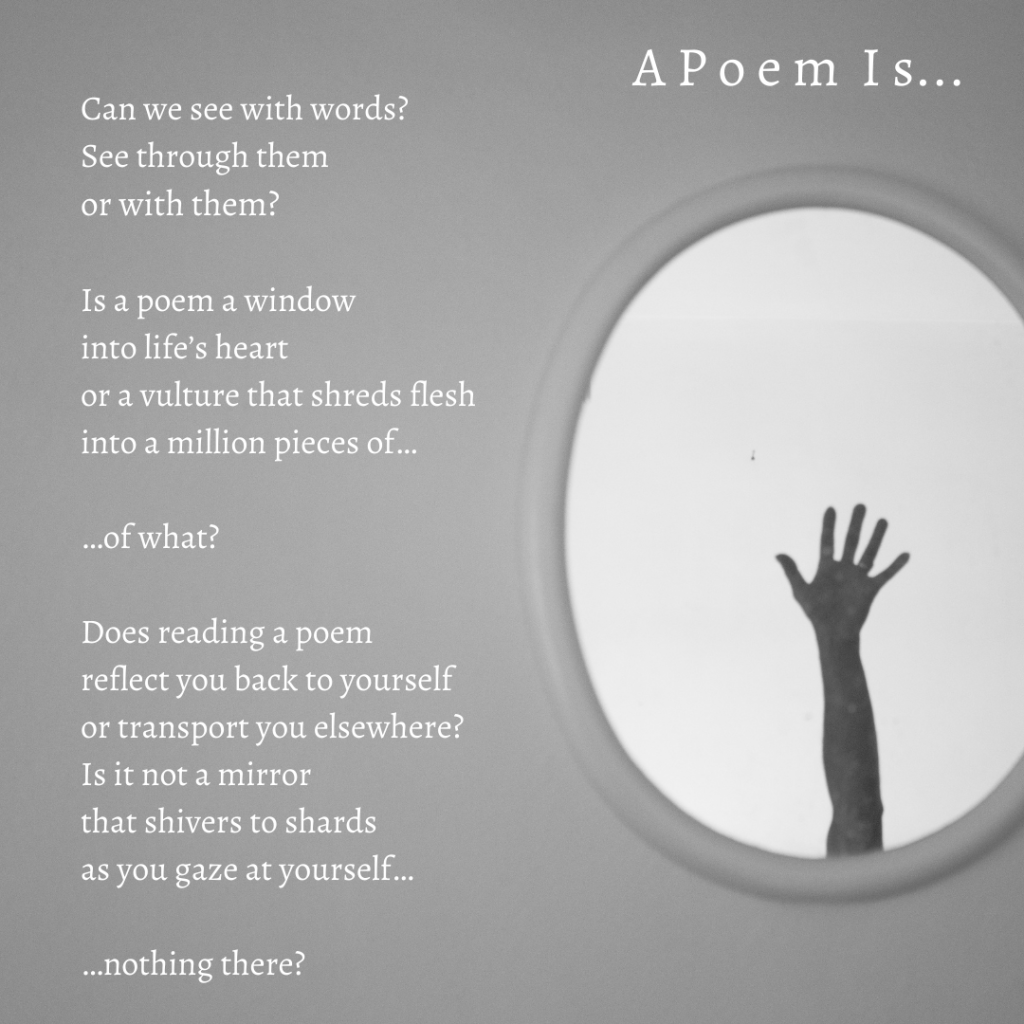
Your poem, ‘Little Girls,’ is brilliant, with the last line stapling the stanzas.
I too relished in Enid Blyton’s adventures, which took children on wondrous journies. Not sure that I noticed Blyton’s racism, perhaps the blonde thing applied to me also.
Twinning again- my mother’s maiden name was May, and hence my nanny’s married name, (short-lived when she was sadly widowed before pensions were a thing.)
Rumplestilskin- I remember well.
The Green Ballet Slippers was superb. Magic ballet shoes transformed a mediocre dancer into a blasè star. Years later an assistent threw them out . . .
Ah, Vanessa’s name was derived from a book.
I was going to name my daughter Eliese after a cherished character . . . until my father said the name was pronounced Elise which sounded grossly itchy.
I see you, Lindy, in a flamingo pink armchair, knees to chest, a stack of books on your head.
Alas, lengthy reading is draining for me now, but I delight in each Wattletale, all intriguing and titillating. Let’s hope Facebook soon resolves the misconcept.
Love always
Julie.