Anywhere but Here
In times of distress, I yearn to be anywhere but here. When I am unwell, confused, depressed or feeling old, my mind takes leave of my body to travel in memory. This is a powerful yearning for people, places and times when I felt love or contentment, more so than daydreaming. Daydreams tend to venture to places full of joy and promise; they speak of a future where trees whisper, gardens are hidden, and a world of humid forests, open plains, wild oceans, and mystical lights awaits. Memory travel is painful in its beauty.
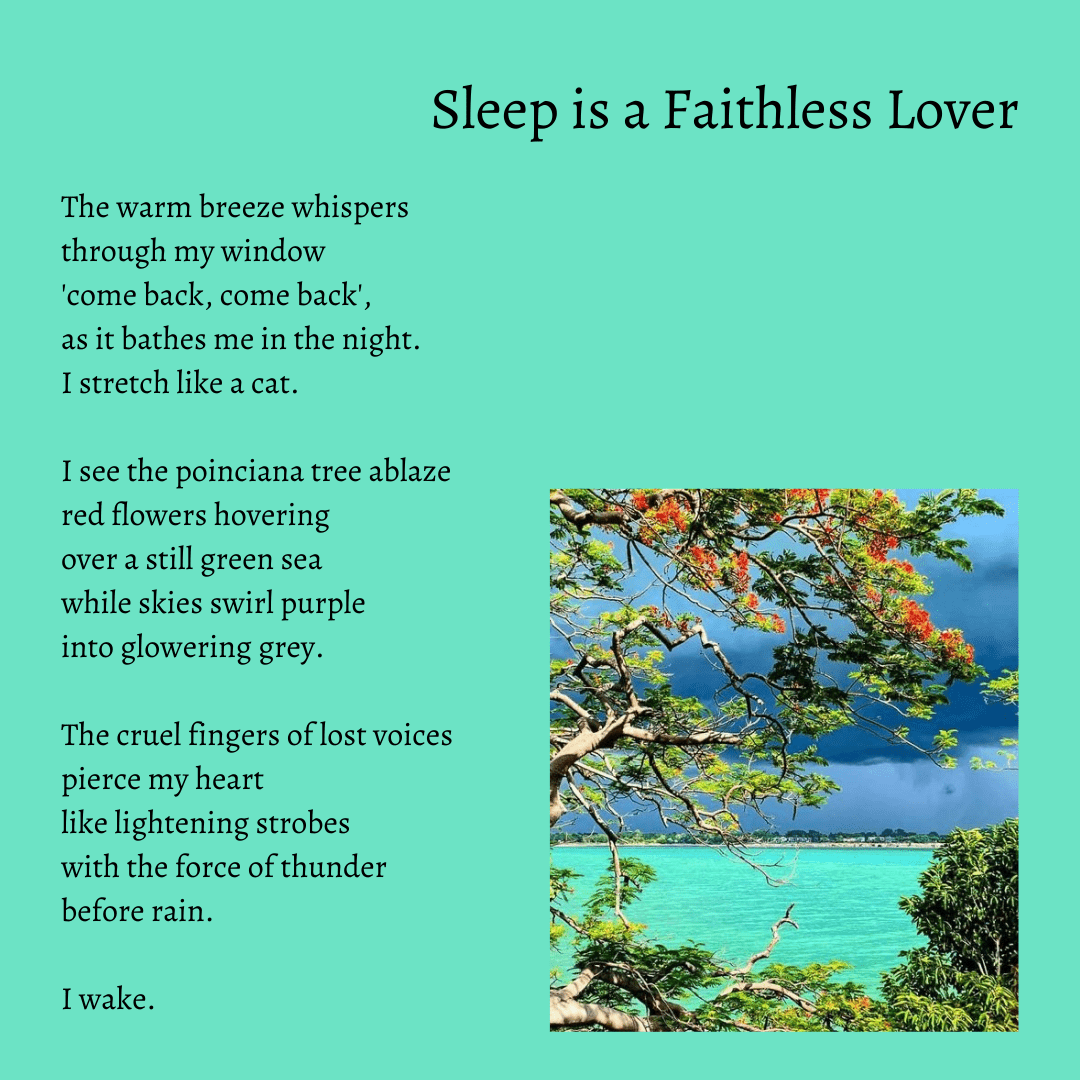
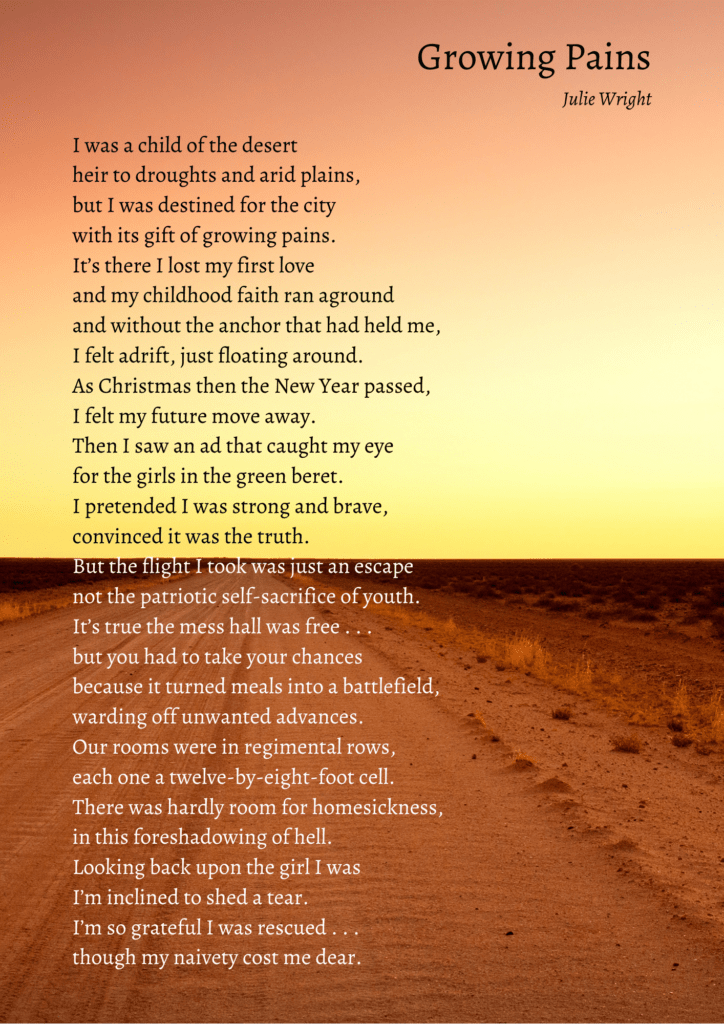
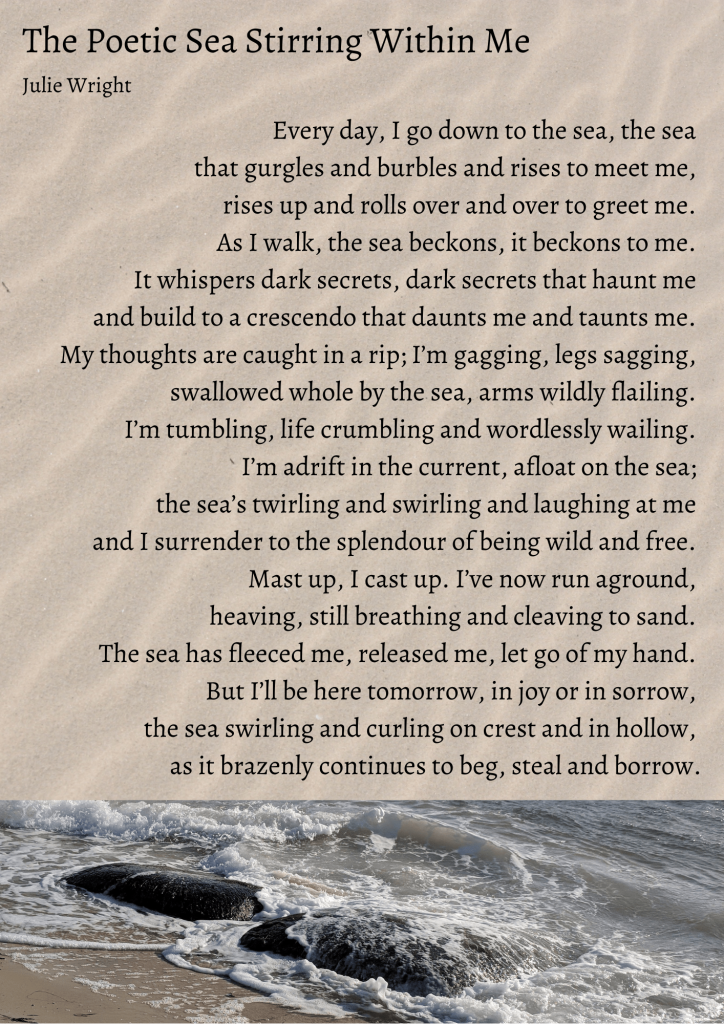
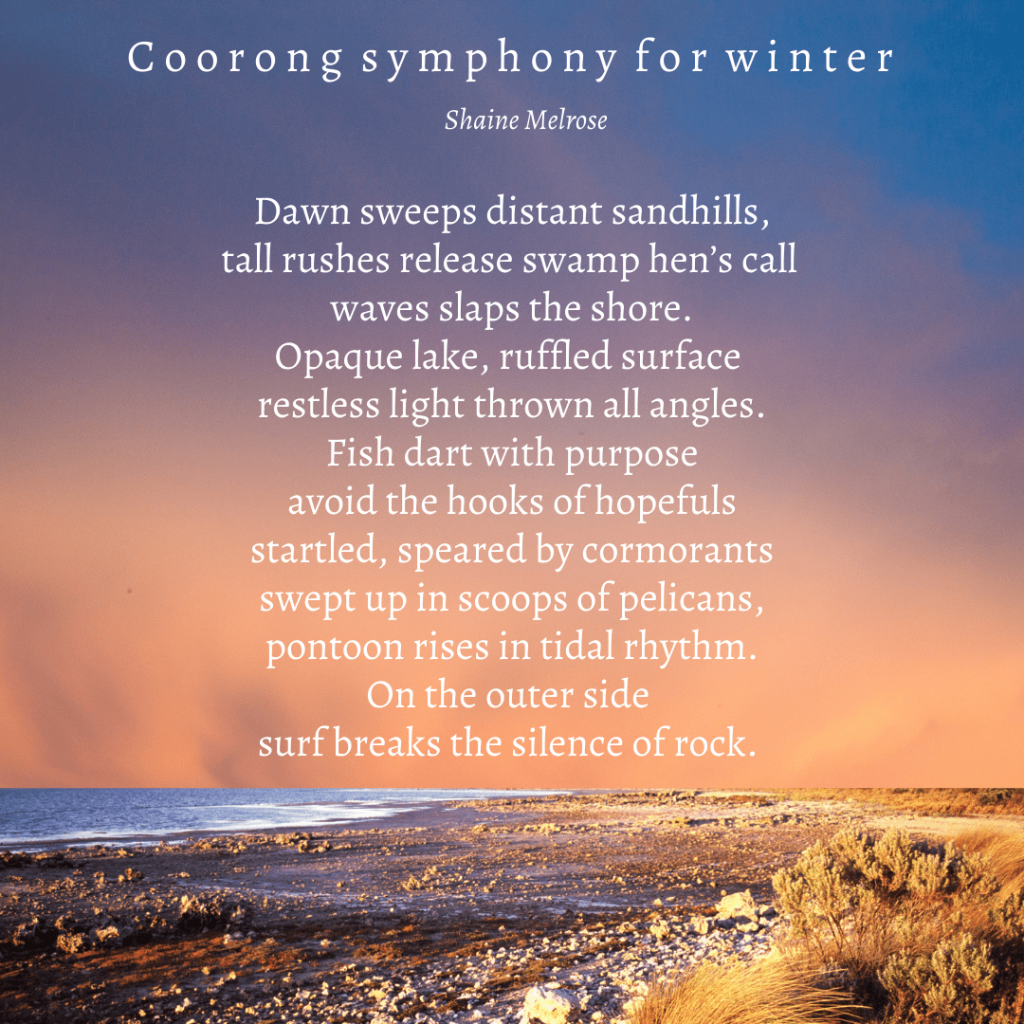
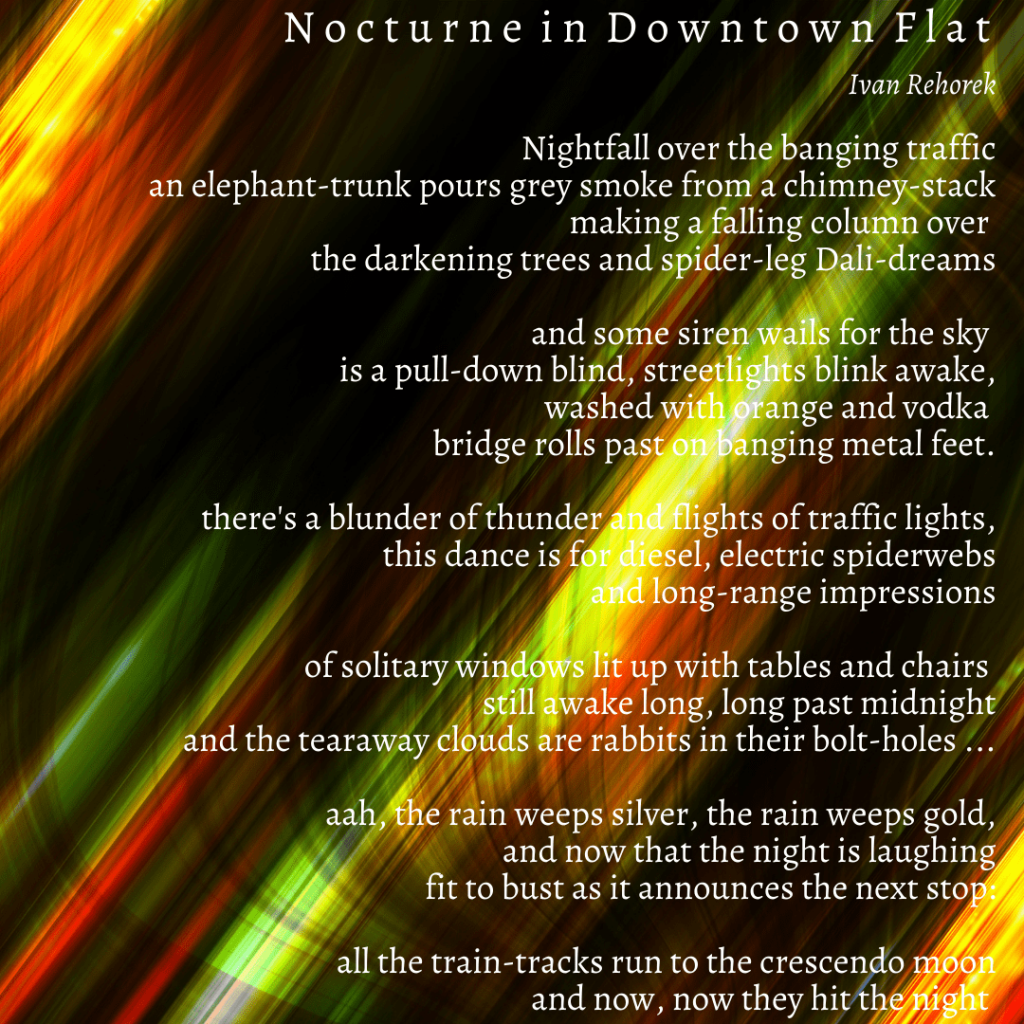
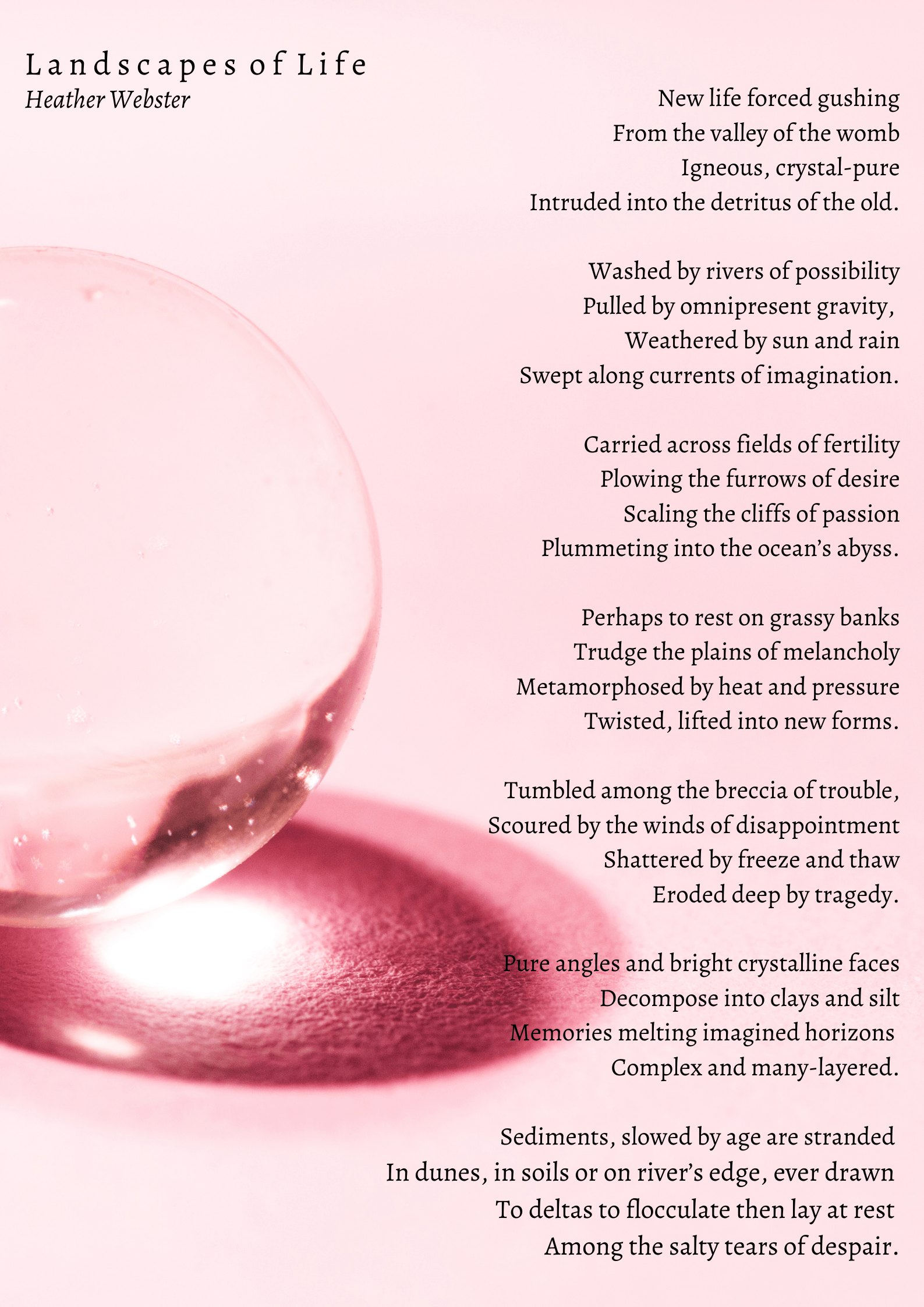
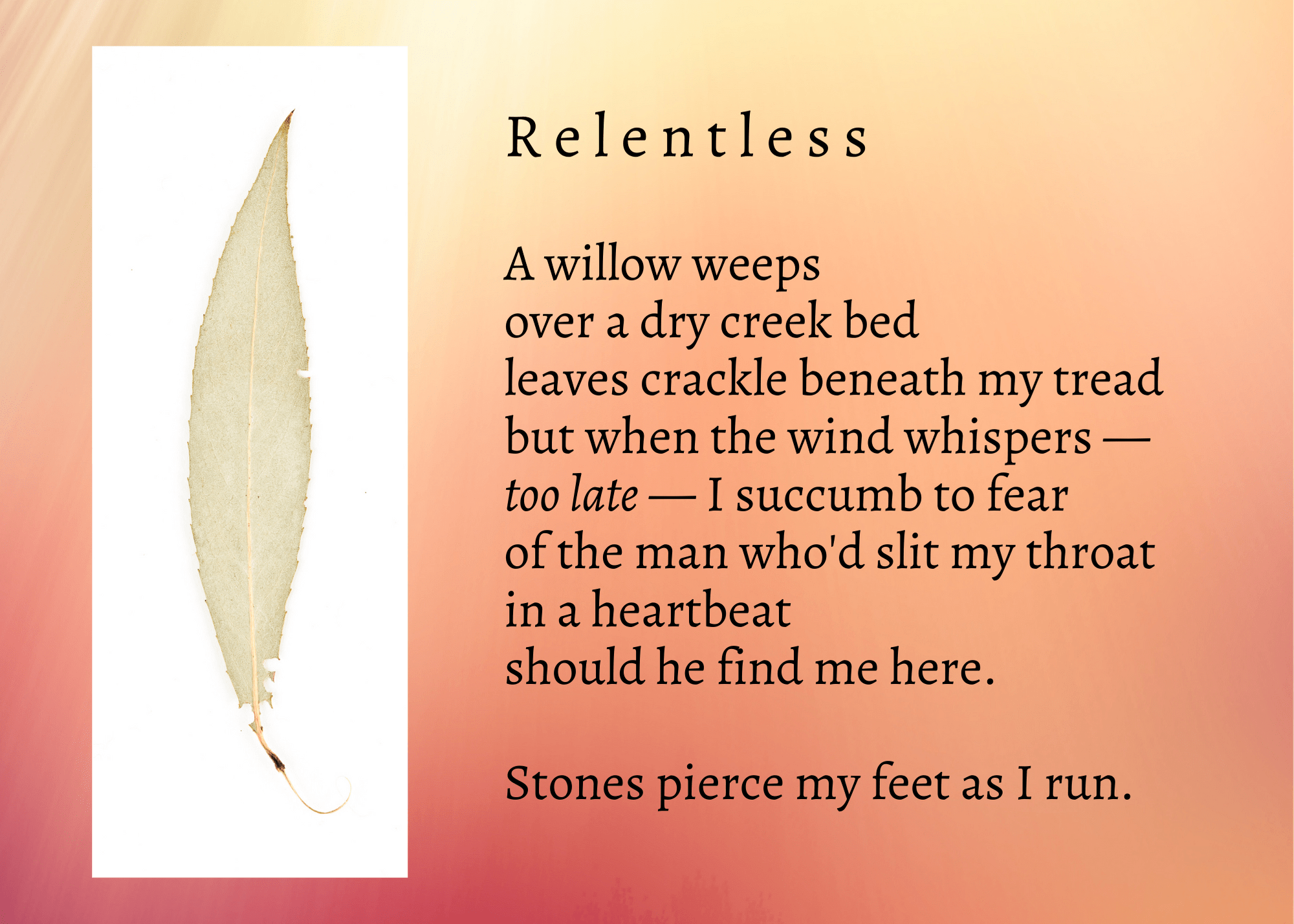
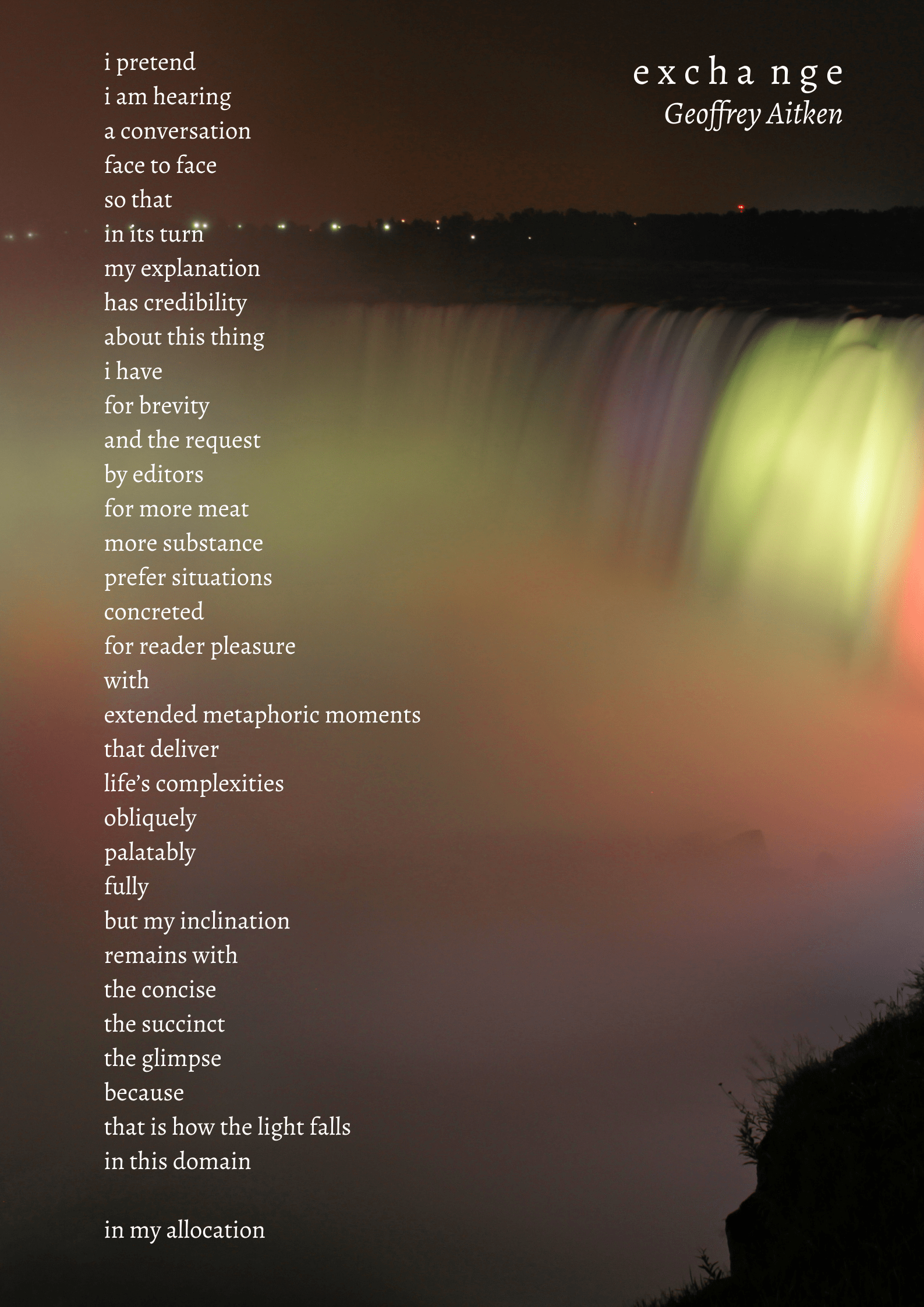
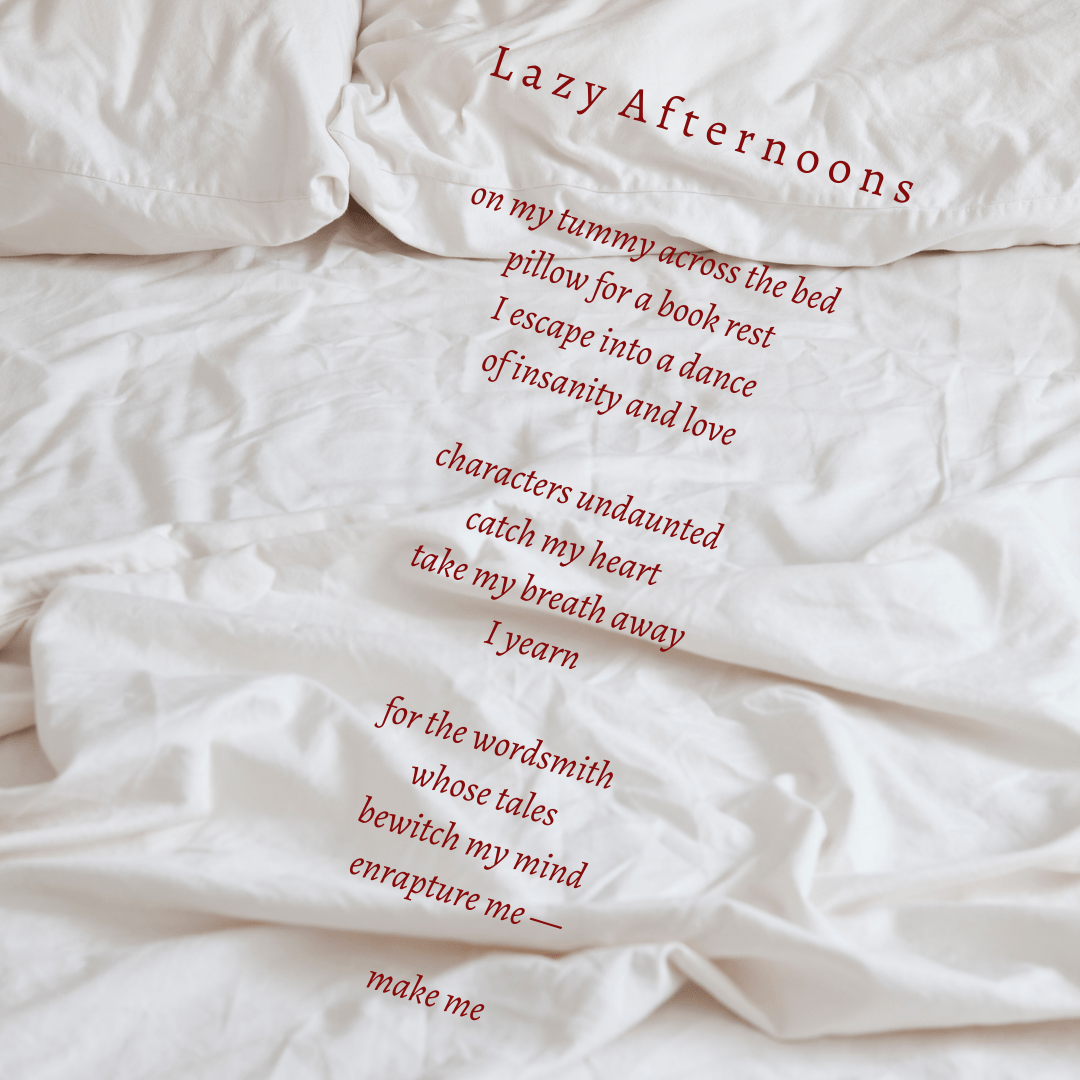
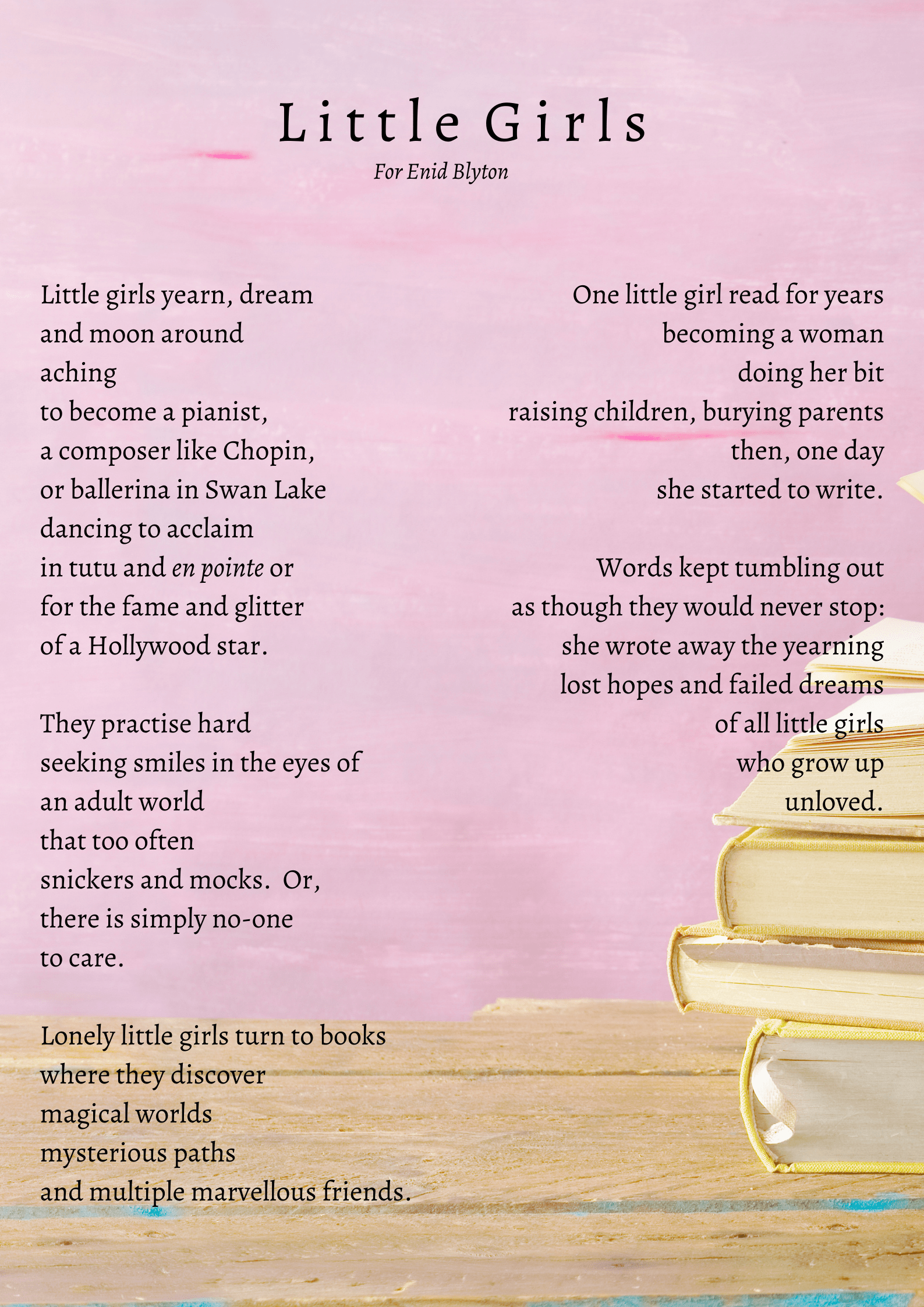
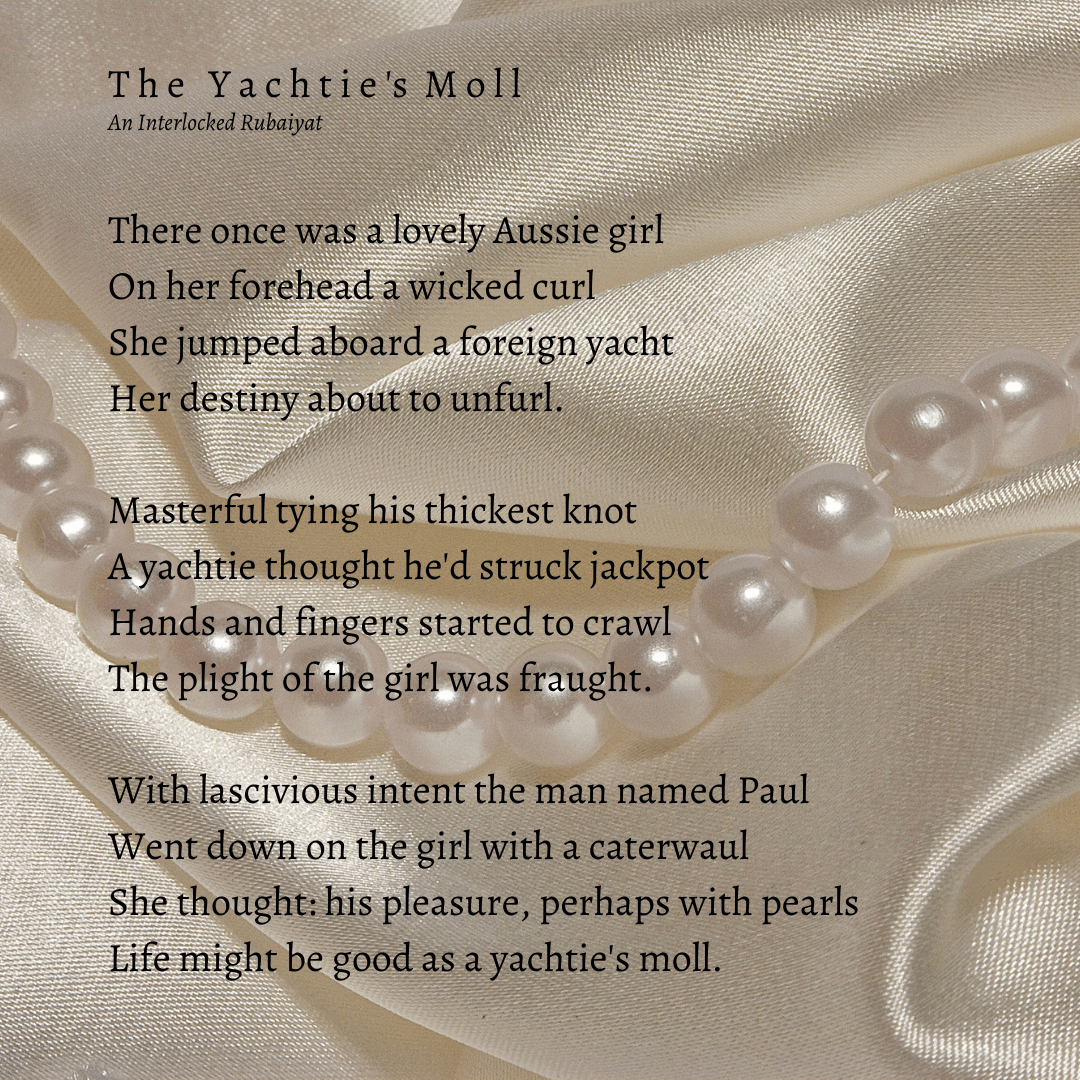
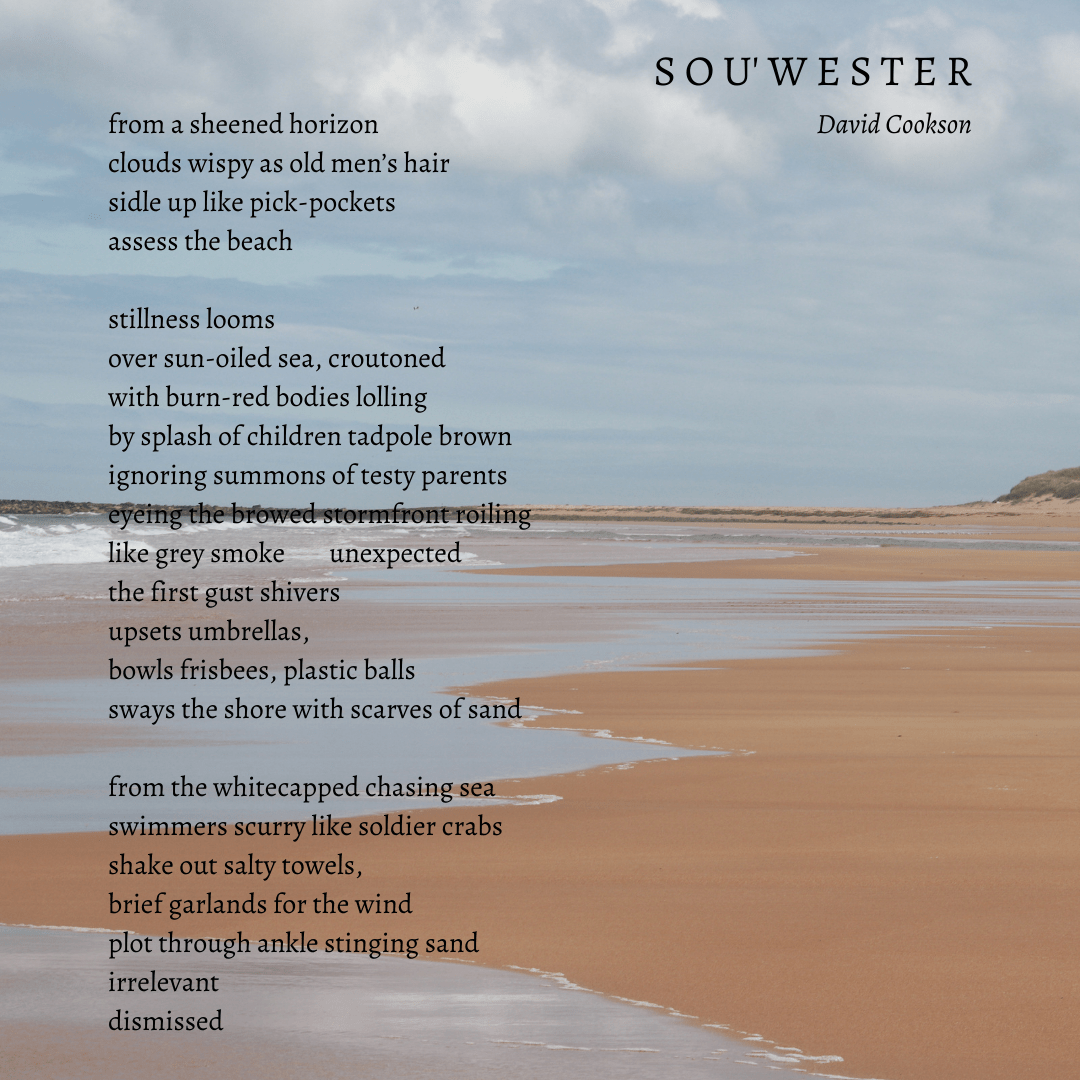
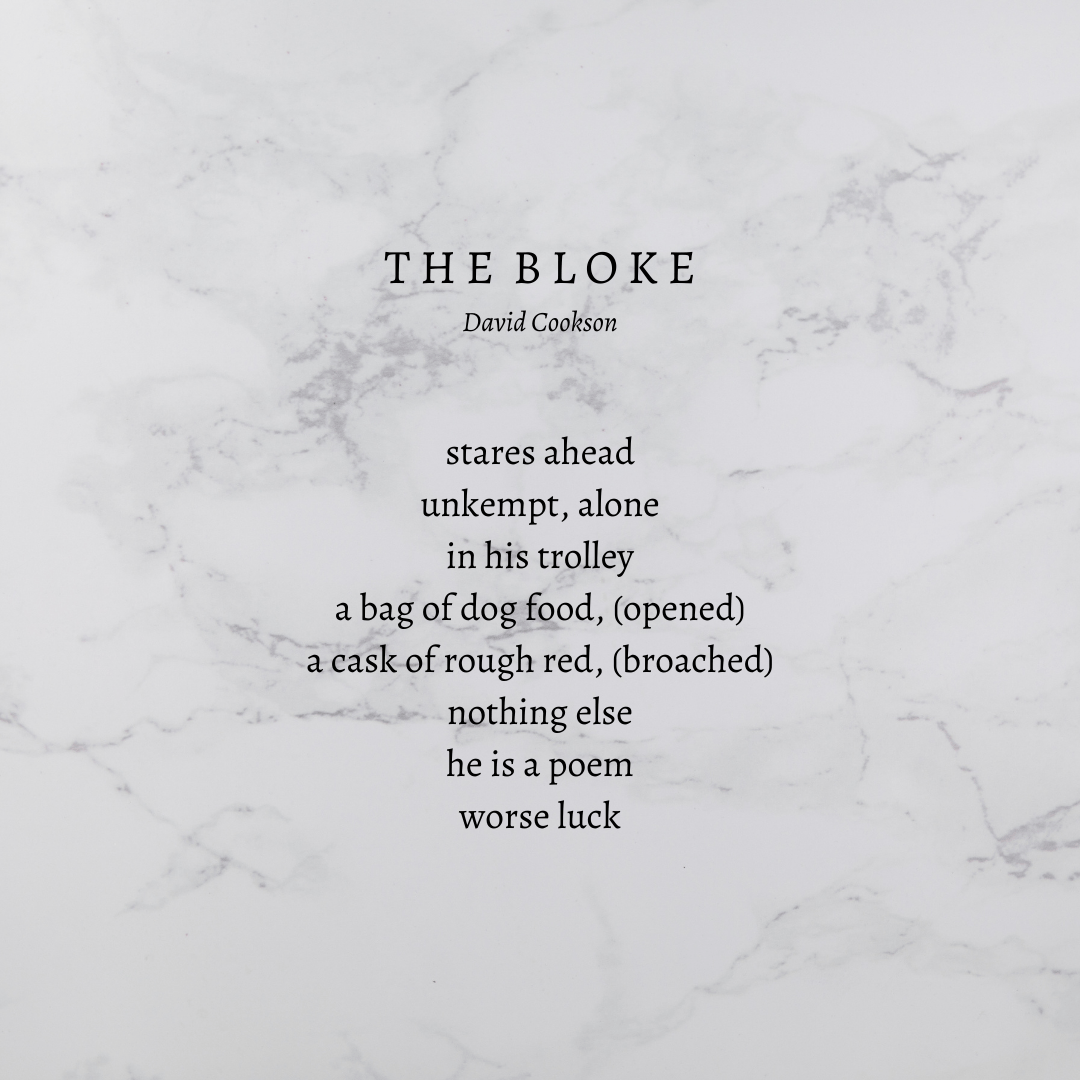
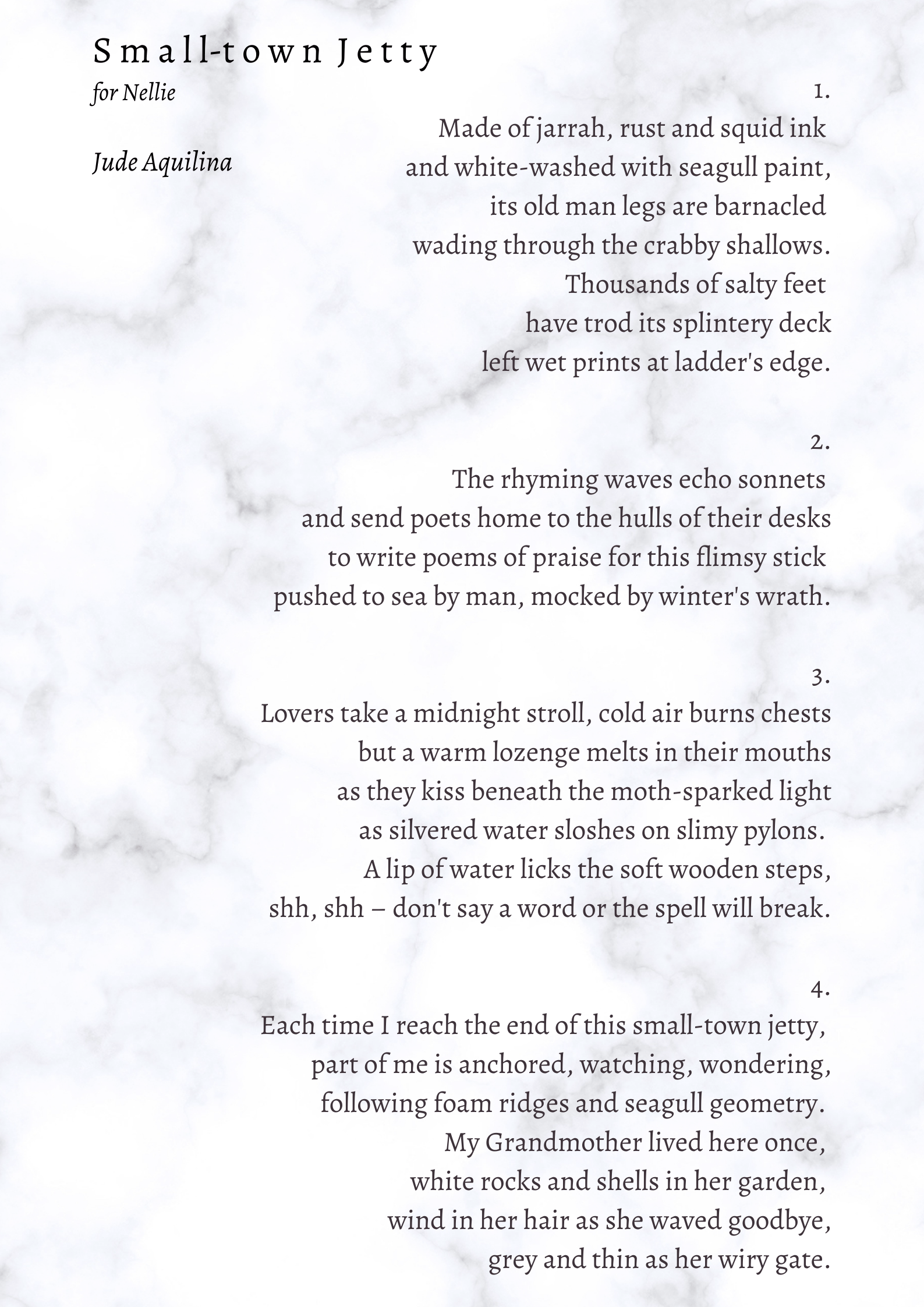
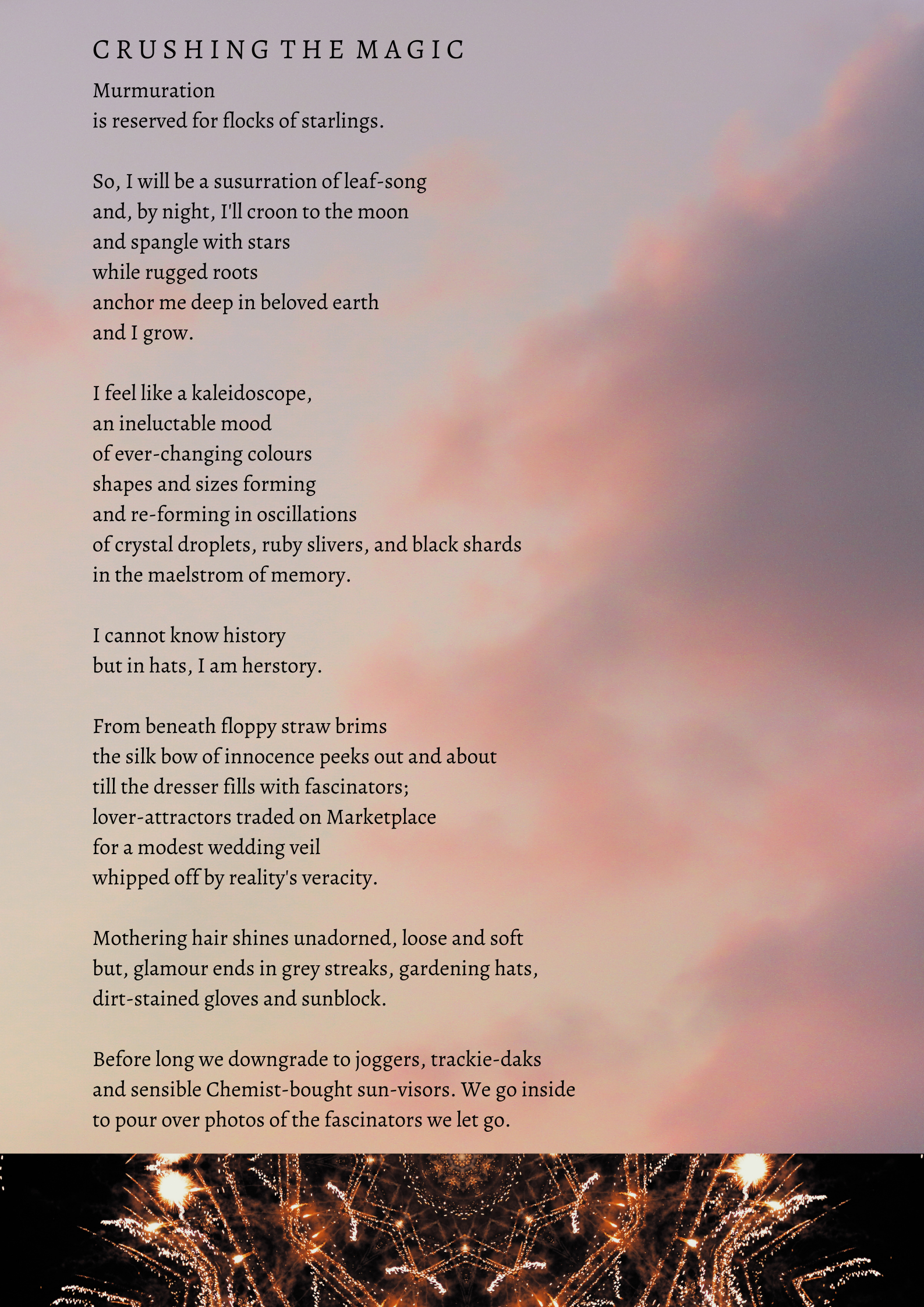
My dreams and yearning often turn into poems. As a child, I dreamed magical waking dreams, but now, my yearning reaches into the past as in this poem about Darwin, one of my three favourite places, including Sri Lanka and the Australian bush. I’ll come back to them all. While yearning can romanticise, as this poem shows, I always seem to find an underside, a twist.
Childhood Exile
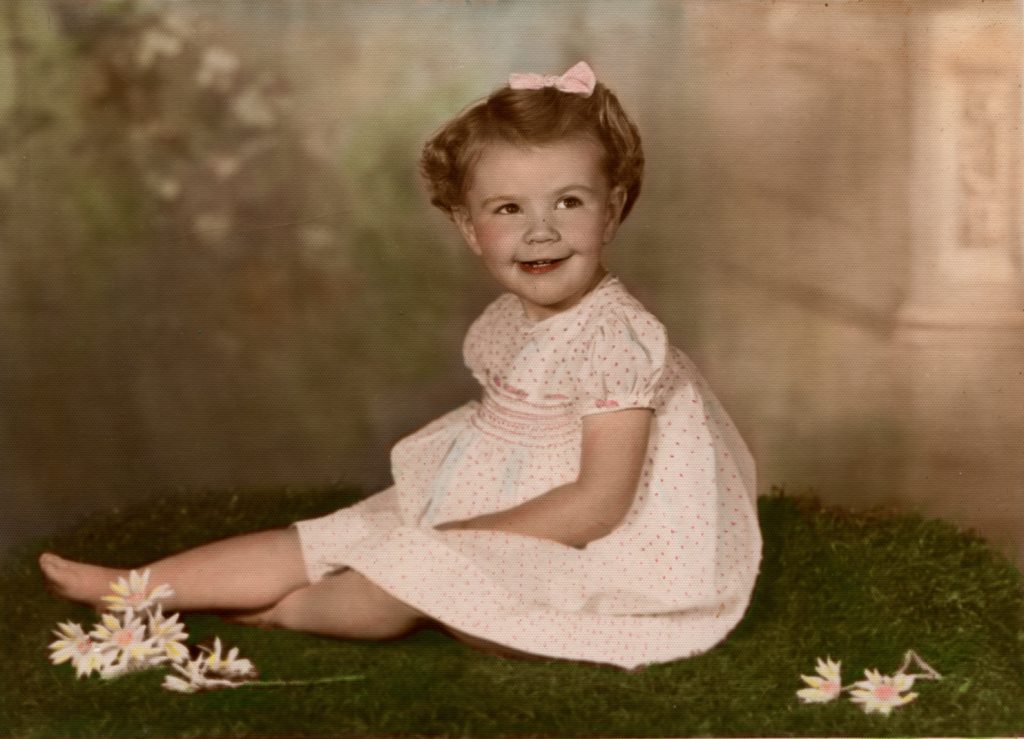
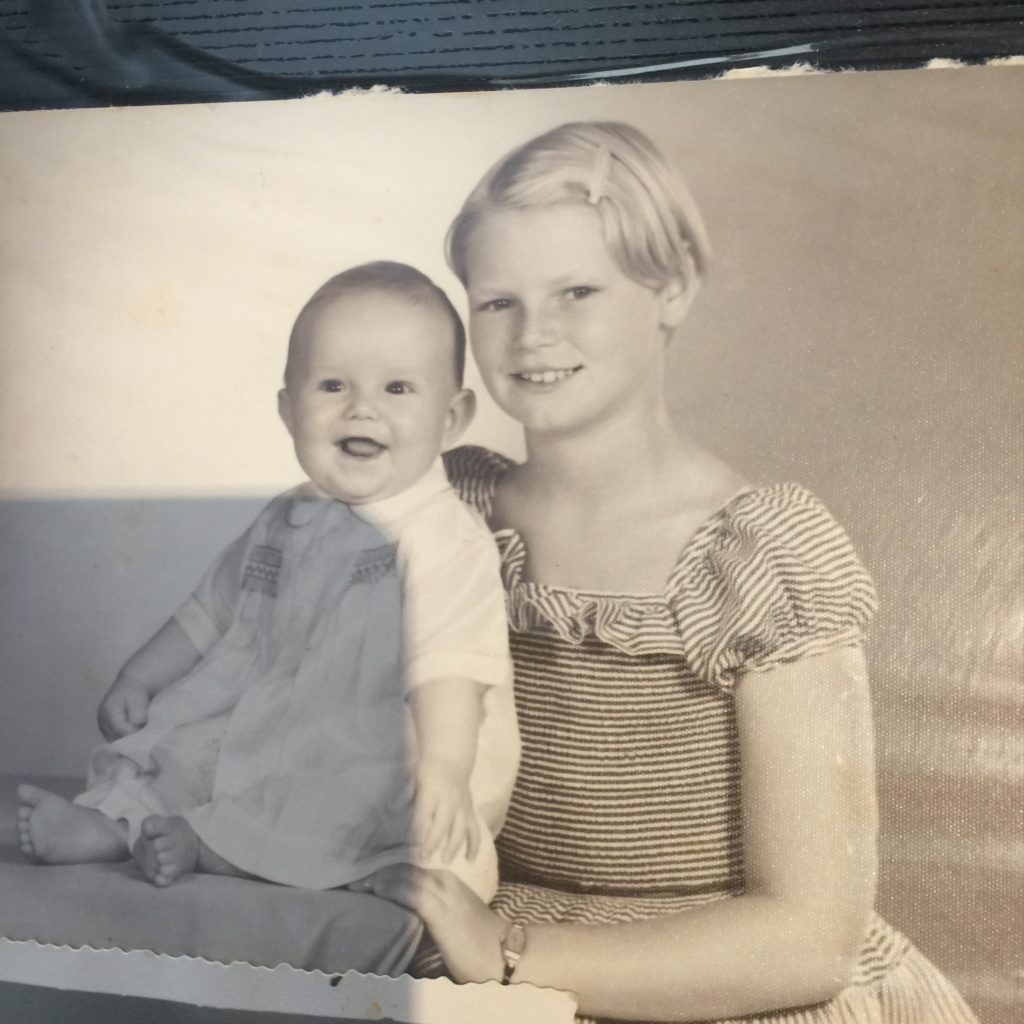
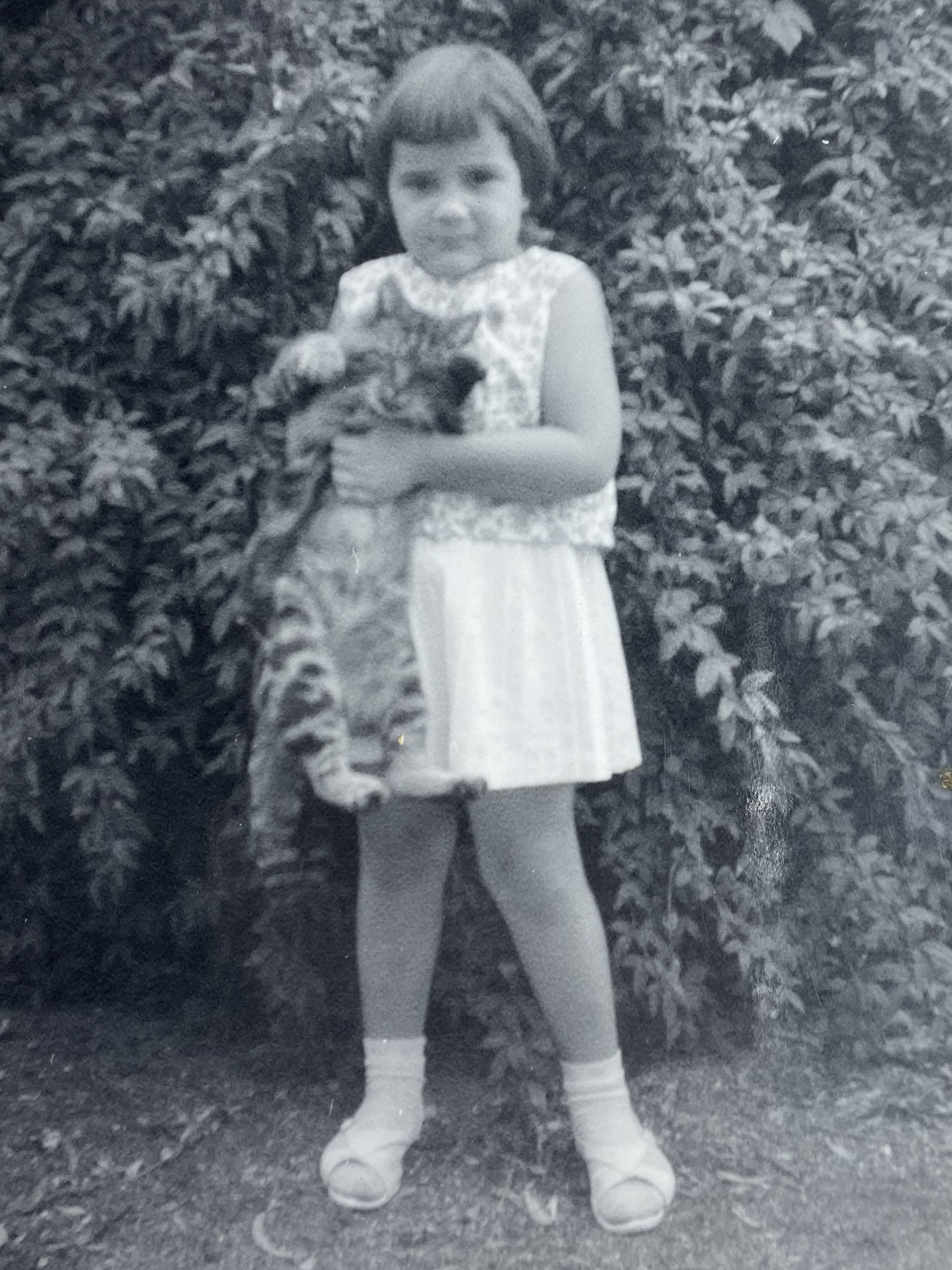
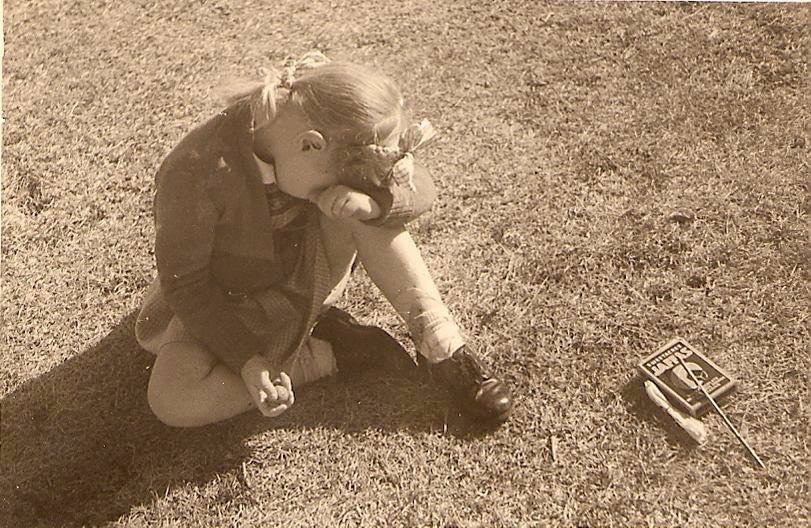
As a child, I oscillated between daydreaming and showing off. School to me was a prison that denied the sky, fresh air, sunshine and rain. I spent many hours in a corridor outside my class or at the Principal’s door waiting for a ruler over my knuckles.
At the same time, I was locked out of suburban social life because my parents were hotelkeepers. Few friends were allowed to play at my place. Urban mothers saw hotels as dens of iniquity that enticed husbands from the nest in the days before women were allowed into front bars. (If you remember that!)
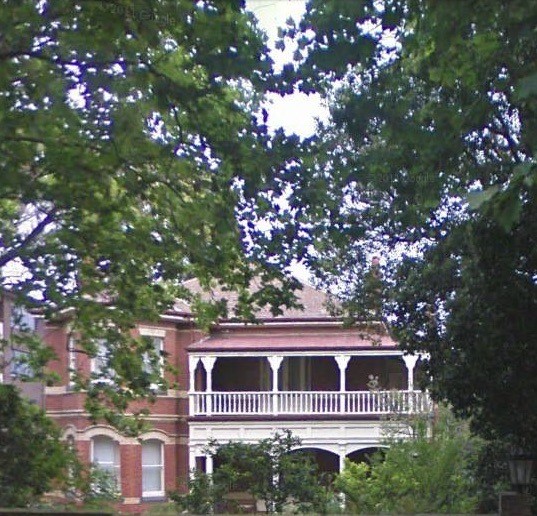
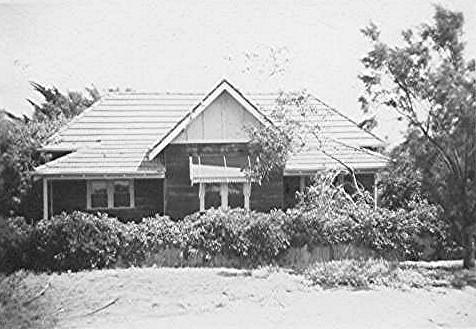
I once managed to convince a couple of ‘cool kids’ to join me after school with a promise to sneak them onto the roof of the New Albury Hotel where I lived. I was 10. We climbed the fire escape at the back of the building, and then I climbed over the roof’s parapet and let myself down onto the sixth storey ledge in a dizzying moment of what I hoped would be popularity. Heads peeped over at me, then disappeared, leaving me to climb ingloriously back onto the roof alone.
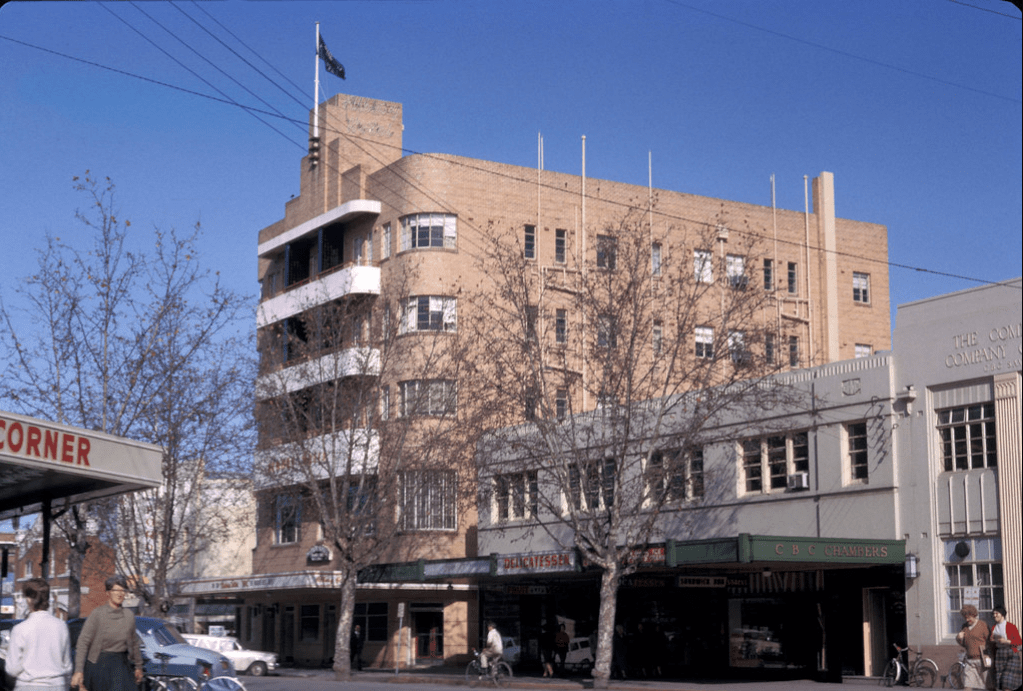
That experience taught me I was pretty much on my own in this world. Most of us eventually come to understand this, one way or another. For me, at 10, I chose to daydream or, as I saw it, to appreciate the life of the mind. I decided to become a writer, a choice already half made by my being a bookworm but one which took me most of my life to fulfil.
The Benefits and Limitations of Old Age
Apart from losing the need to impress others, one good thing about being old is that you have a whole life to run away to. Lots of past to yearn for. It makes sense, really, that the elderly tend to dwell on times when they were fit, in love, happy or meaningfully involved in the lives of others.
As I age, I sometimes cry for my mother, lost son, father and brother, all of whom I loved deeply. I then ask myself what age I was at the remembered moment I’m visiting, only to realise that what I really yearn for is the person I was — the way I felt — when those people were around. With them, I was a viable member of a complete, multi-generational family. I learned that my retrospective tearful yearning is not for them; it is for me. When I’m out of sorts, I miss the vibrant younger person I once was.
Yearning for places is the same. It, too, is a judgement of the present in many ways because the message to self is — I don’t want to be here or thus, in this present moment. I don’t want to be who I now am, but who I used to be. I’d say there’s a lot of that around.
Bear in mind that this yearning overtakes me only when I’m feeling low, which doesn’t happen when I count my many blessings, wonderful children, friends, poetry, writing, and a lovely place to live. And, my wandering into the past brings a renewed sense of what a fortunate life I’ve had.
The Bush
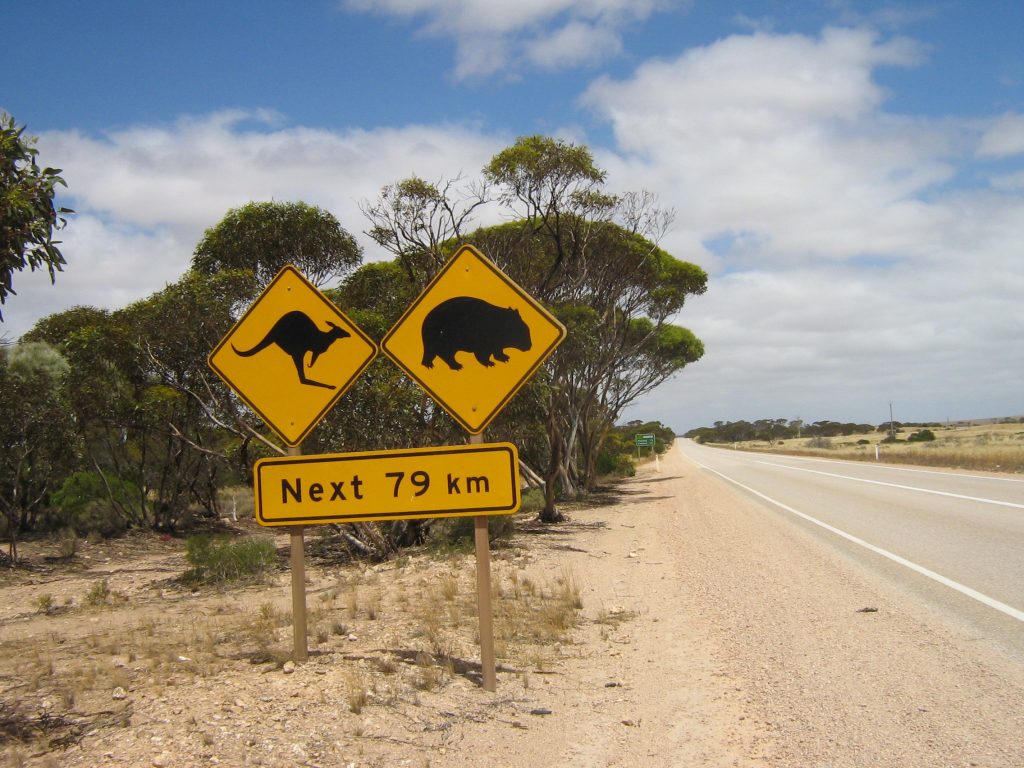
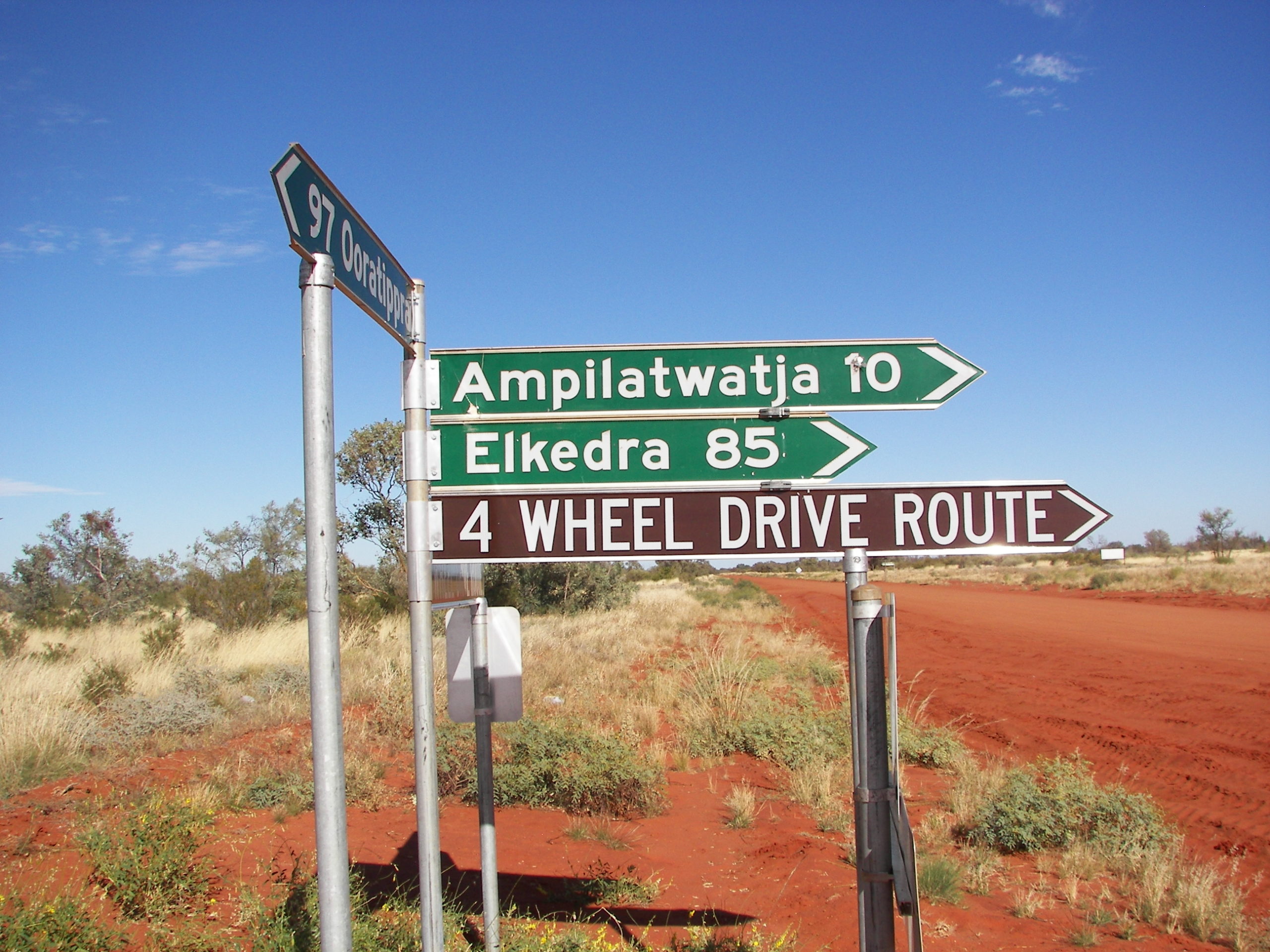
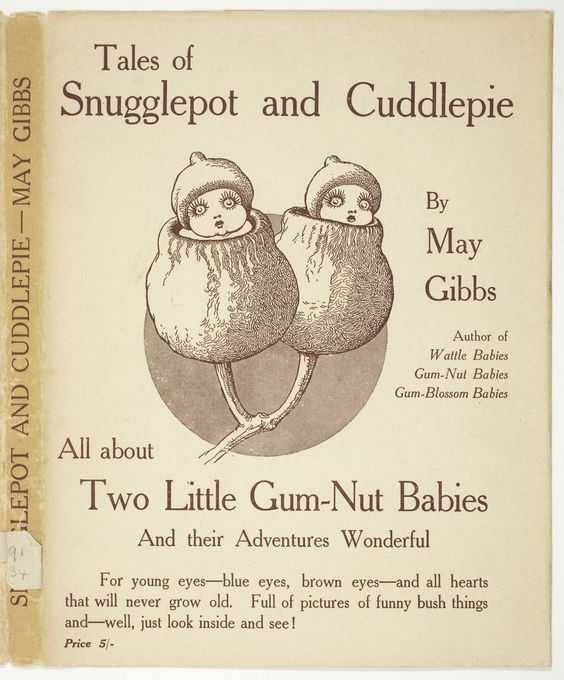
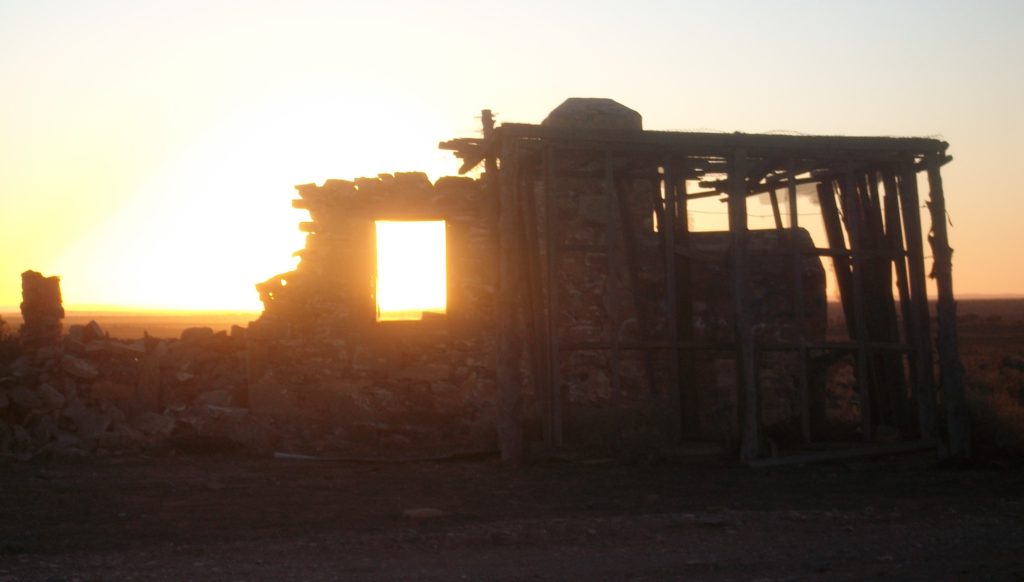
As for places, let me start with the Australian bush. My love for Australia began with the koala my nana gave me, which survived a loss of hair, Snuggle Pot and Cuddle Pie and childhood reading about the outback. I daydreamed about the outback at school. Then it all became real. I travelled to Oodnadatta in the far north of South Australia after my parents bought the lease of the Transcontinental Hotel there. My novel, On Gidgee Plains, draws on that experience.
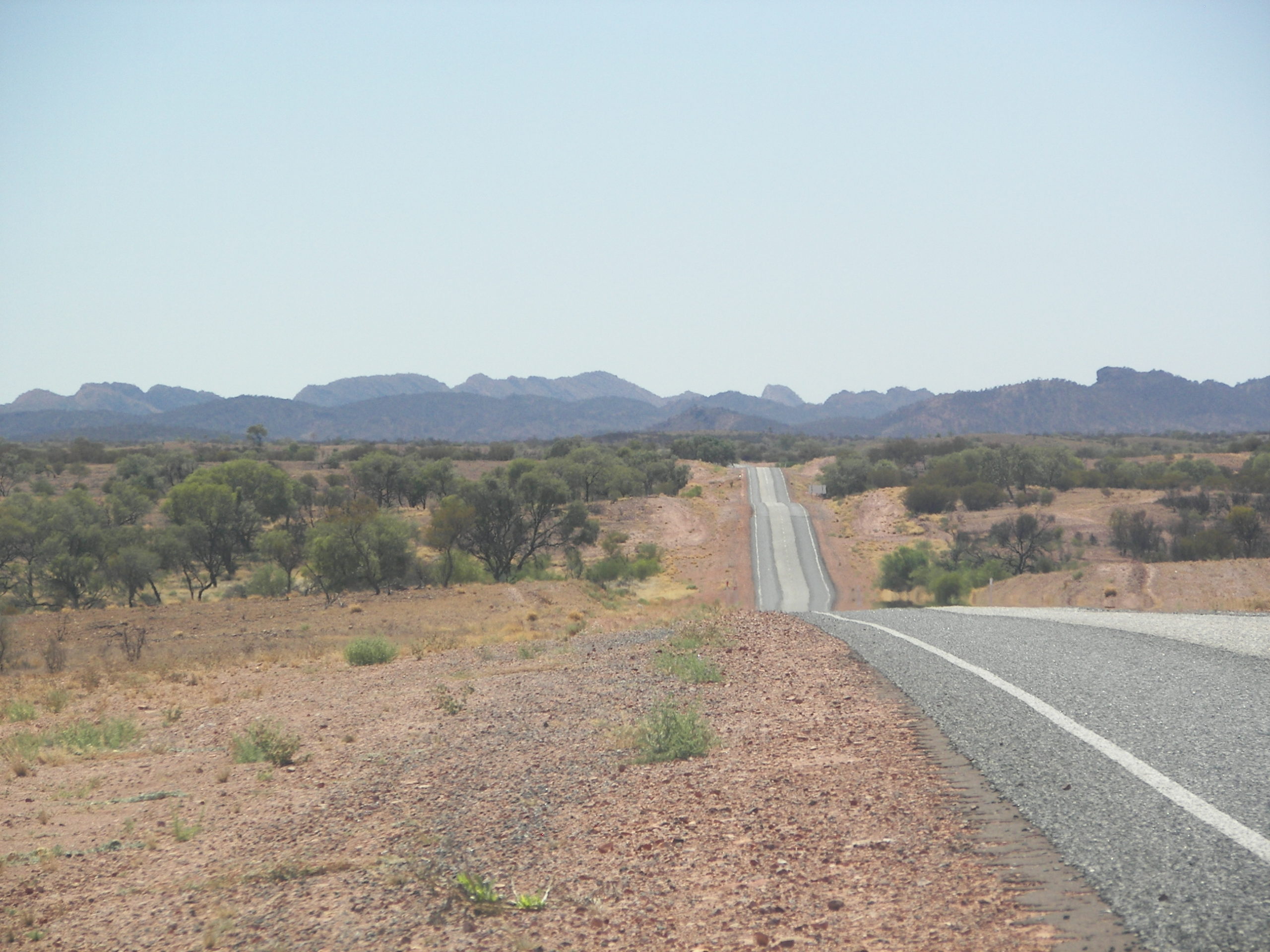
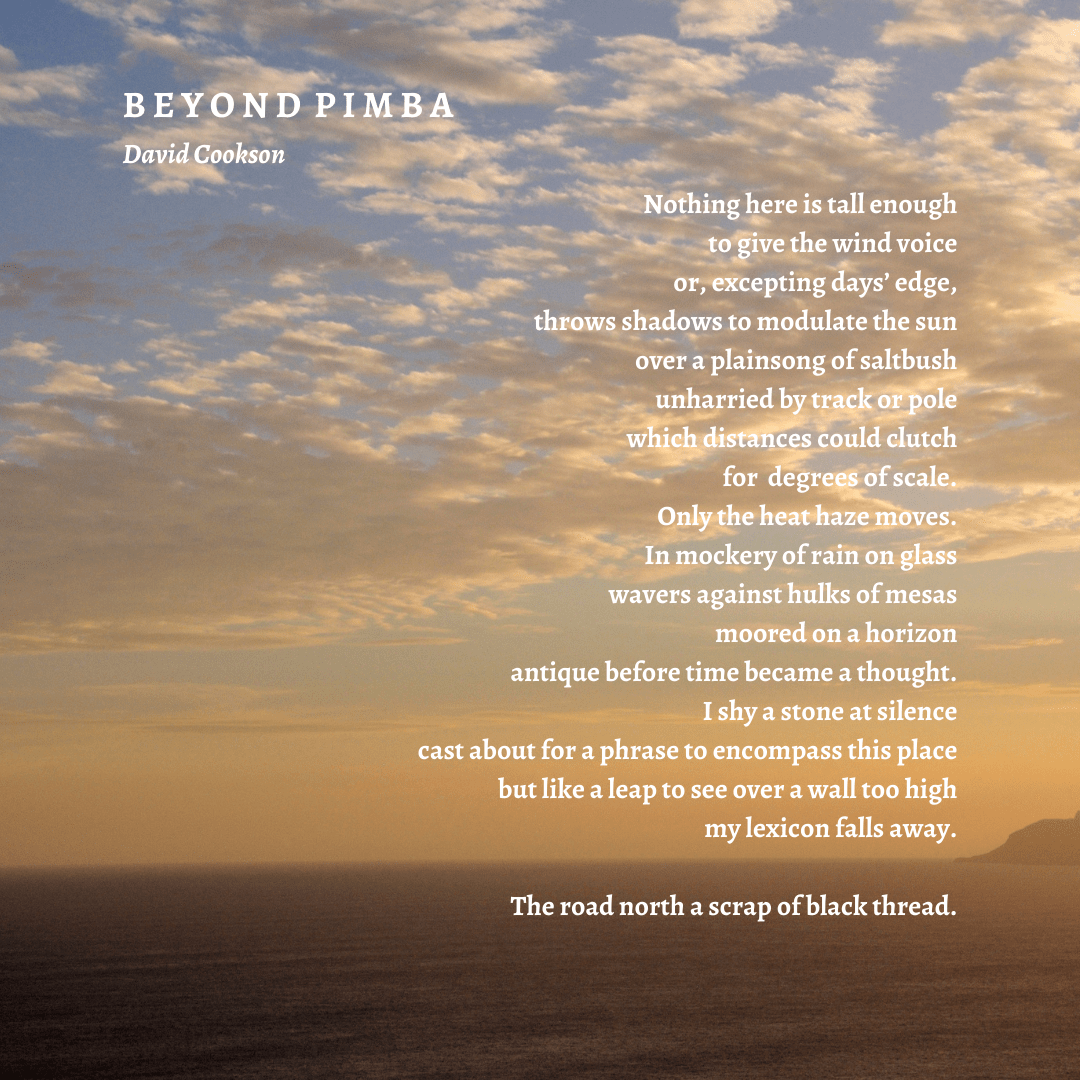
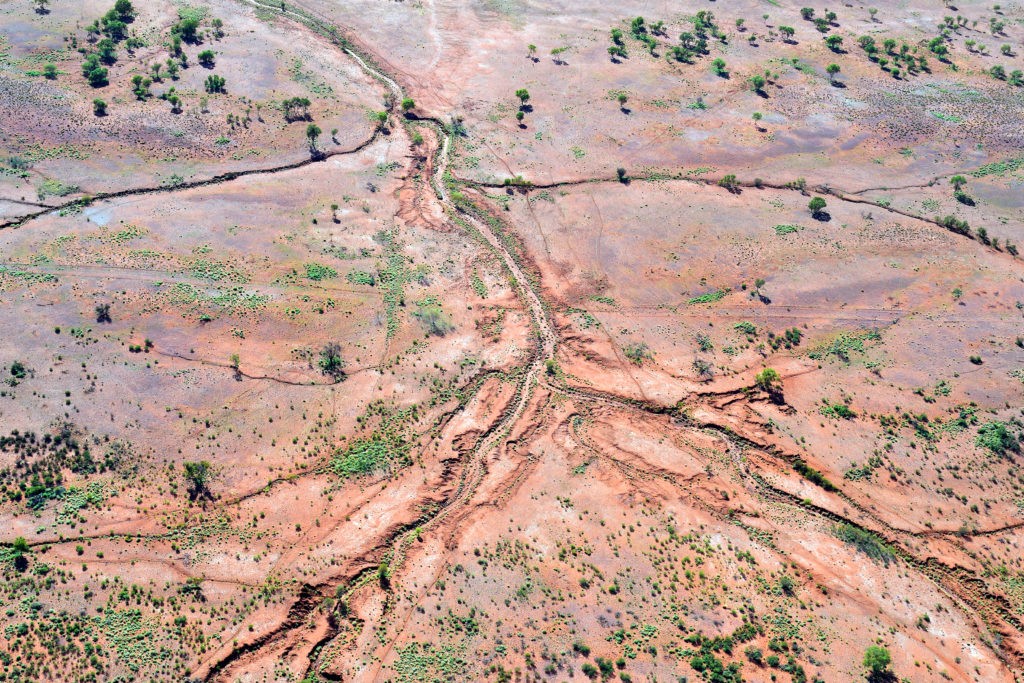
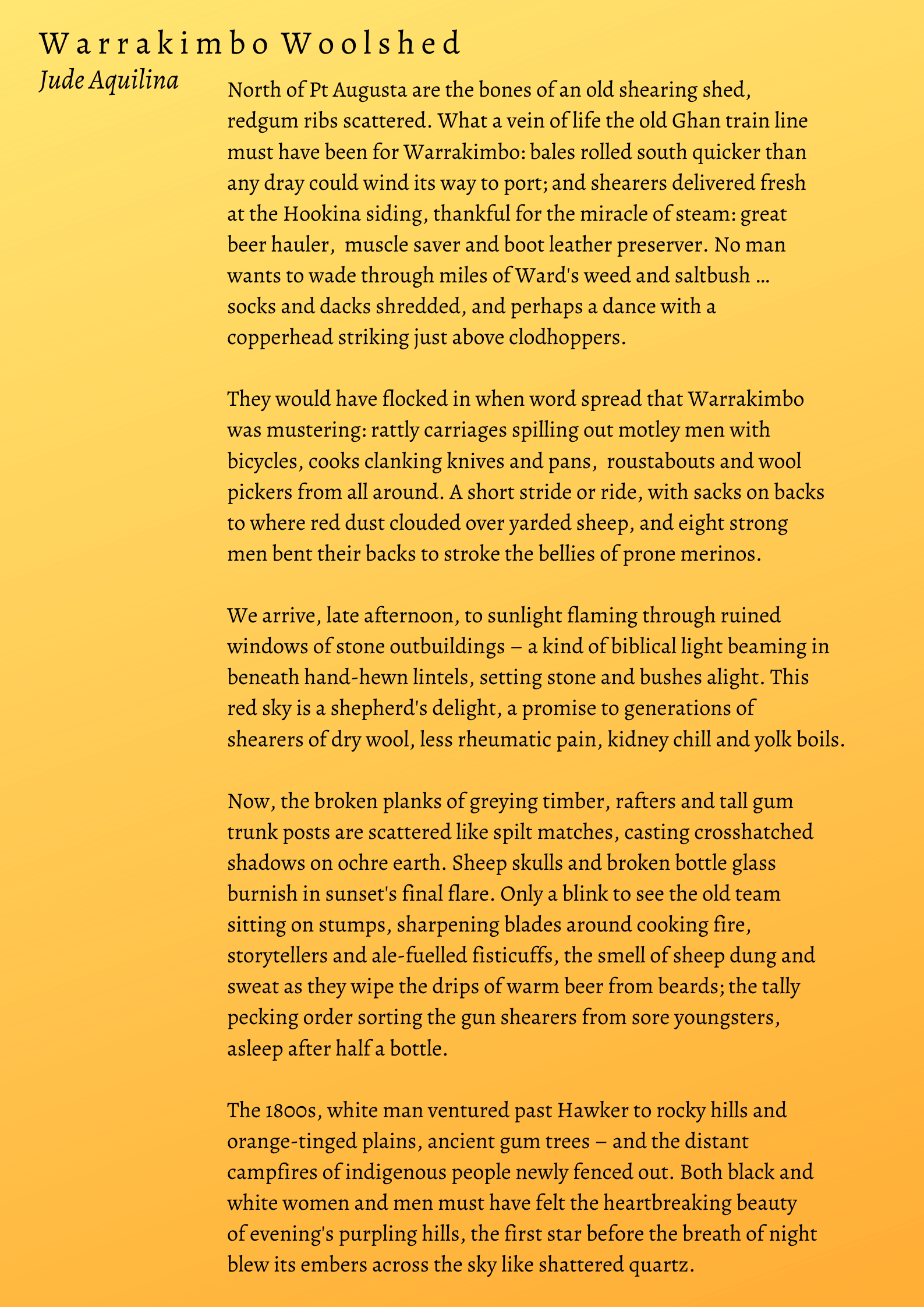
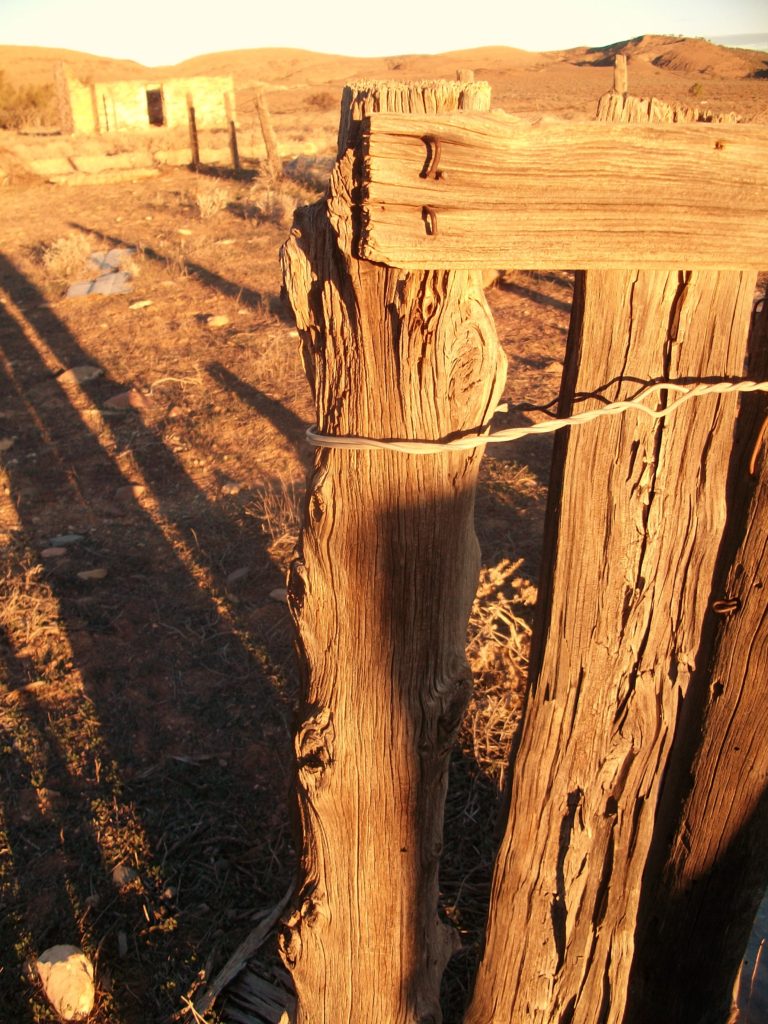
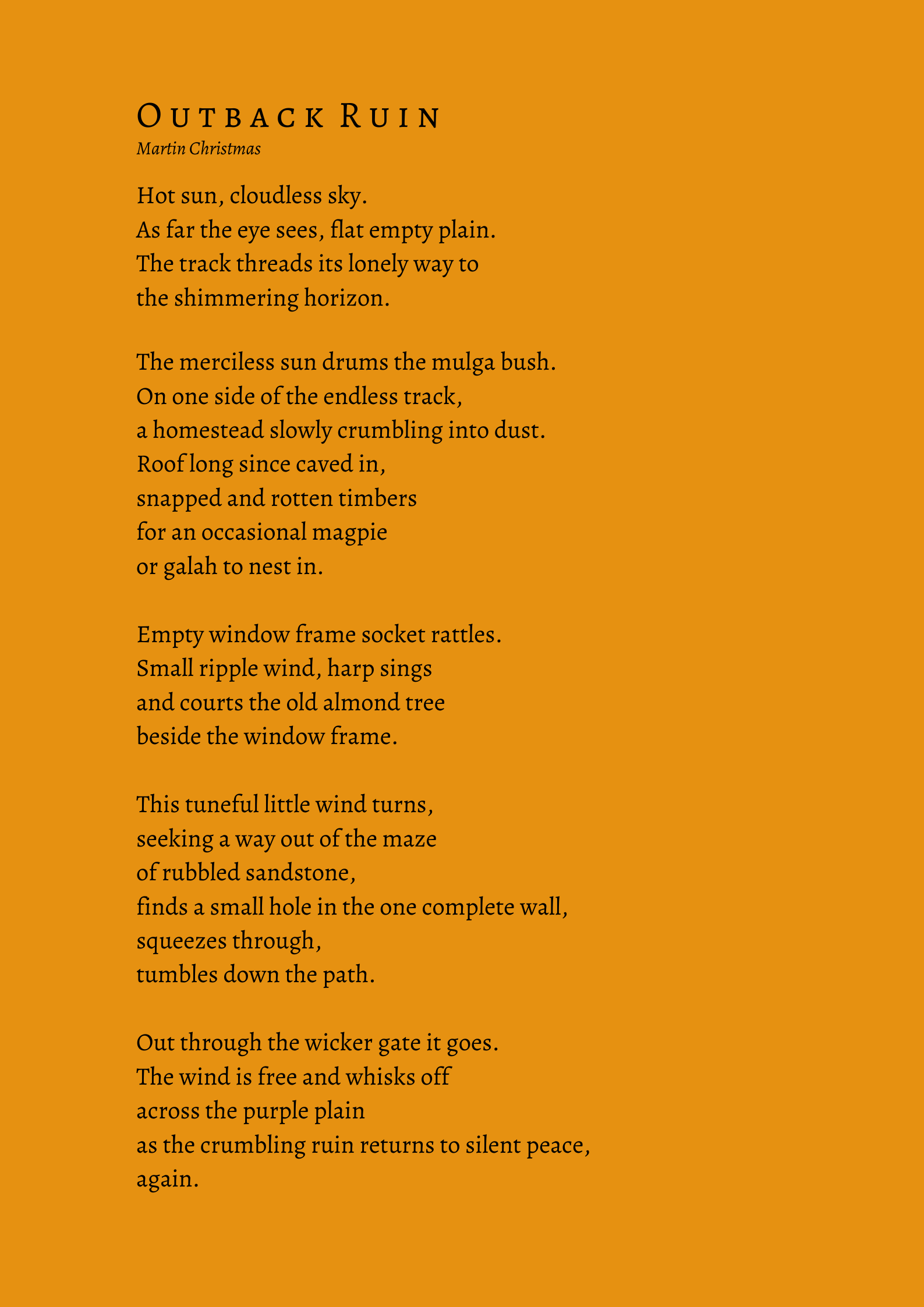
Later I was privileged to work as an anthropologist in several states across outback Australia for many years with First Nations People, documenting sites and recording stories. What those people so generously showed me, taught me, and shared brought the landscape alive. I learned of things that, in my day at school, were completely ignored — about the cruel history of this nation. Here is a poem that offers my experience of the bush; a bit of romance and a touch of history tempered with politics.
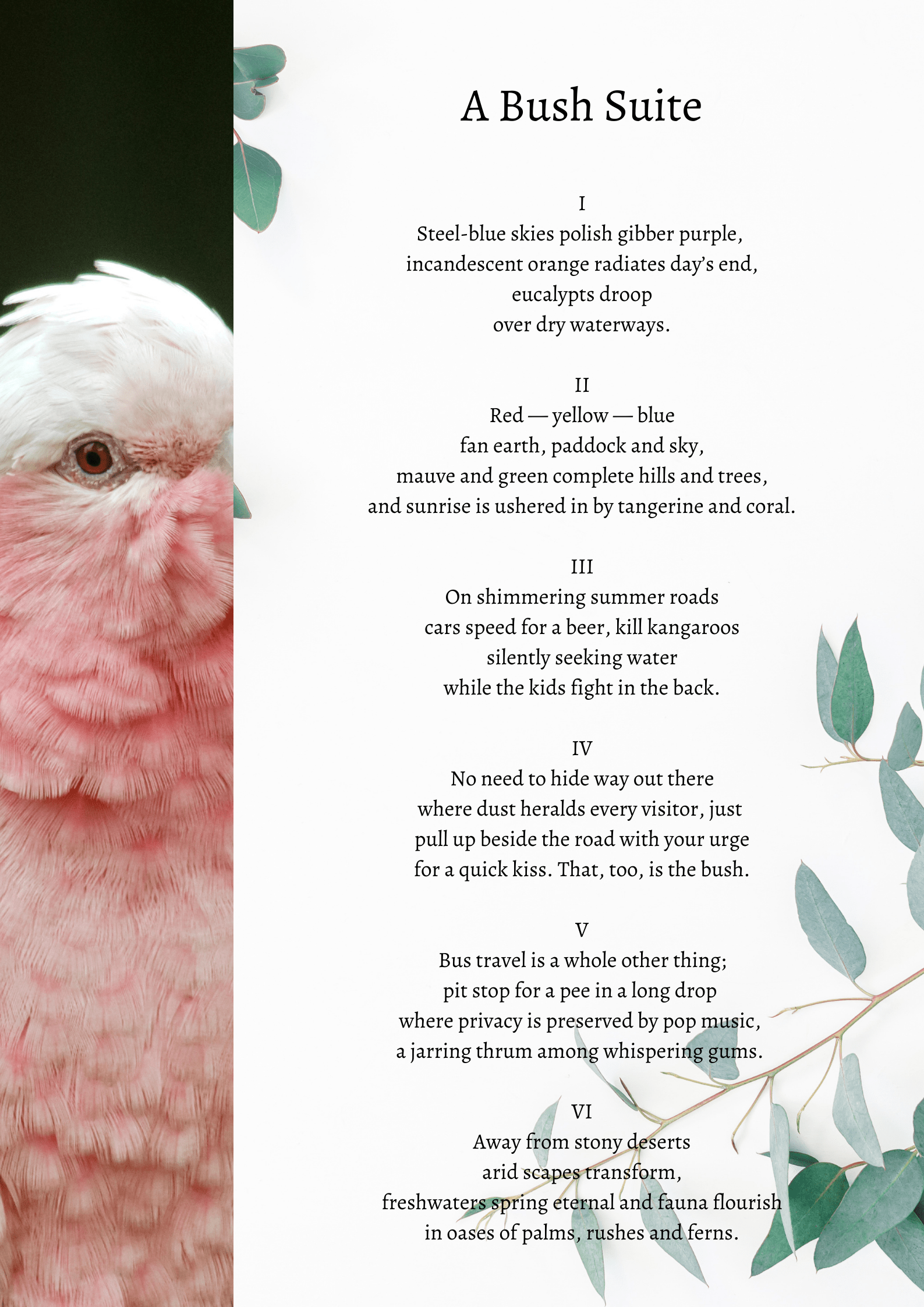

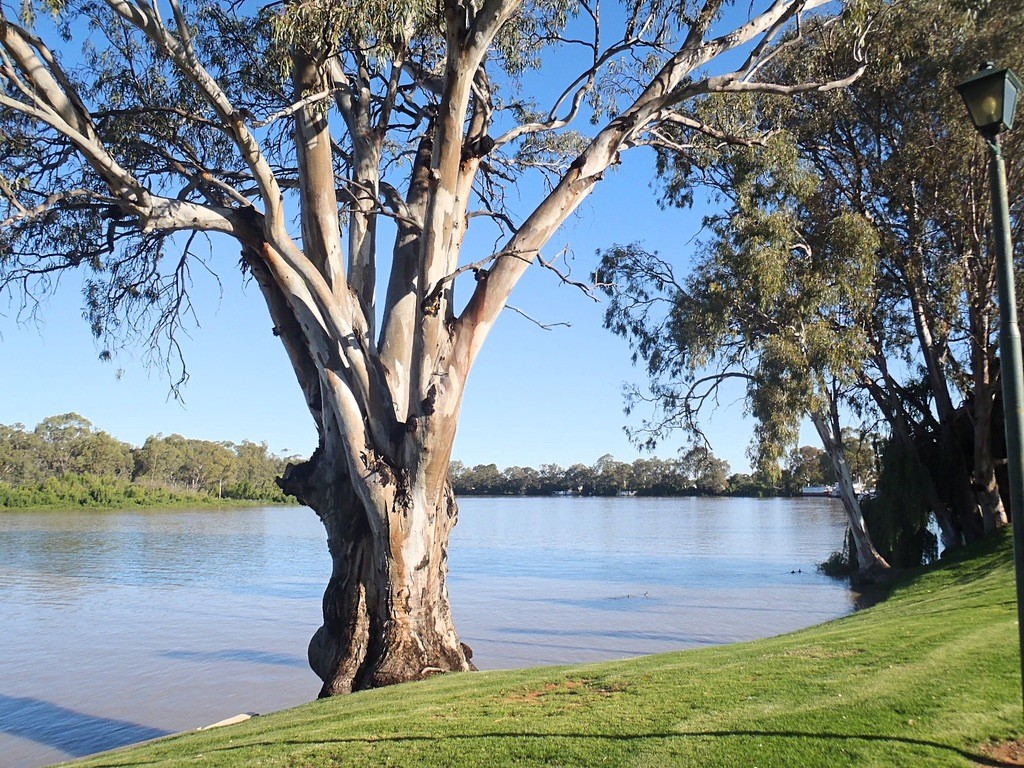
The bush, the desert, the tropical north all attract my yearning to this day. When I hear crows caw, I see gibber plains under blue skies. I see as if it is still part of me, not in the Aboriginal way — I wouldn’t presume — but in my own way. In memory of who I have been lucky enough to be.
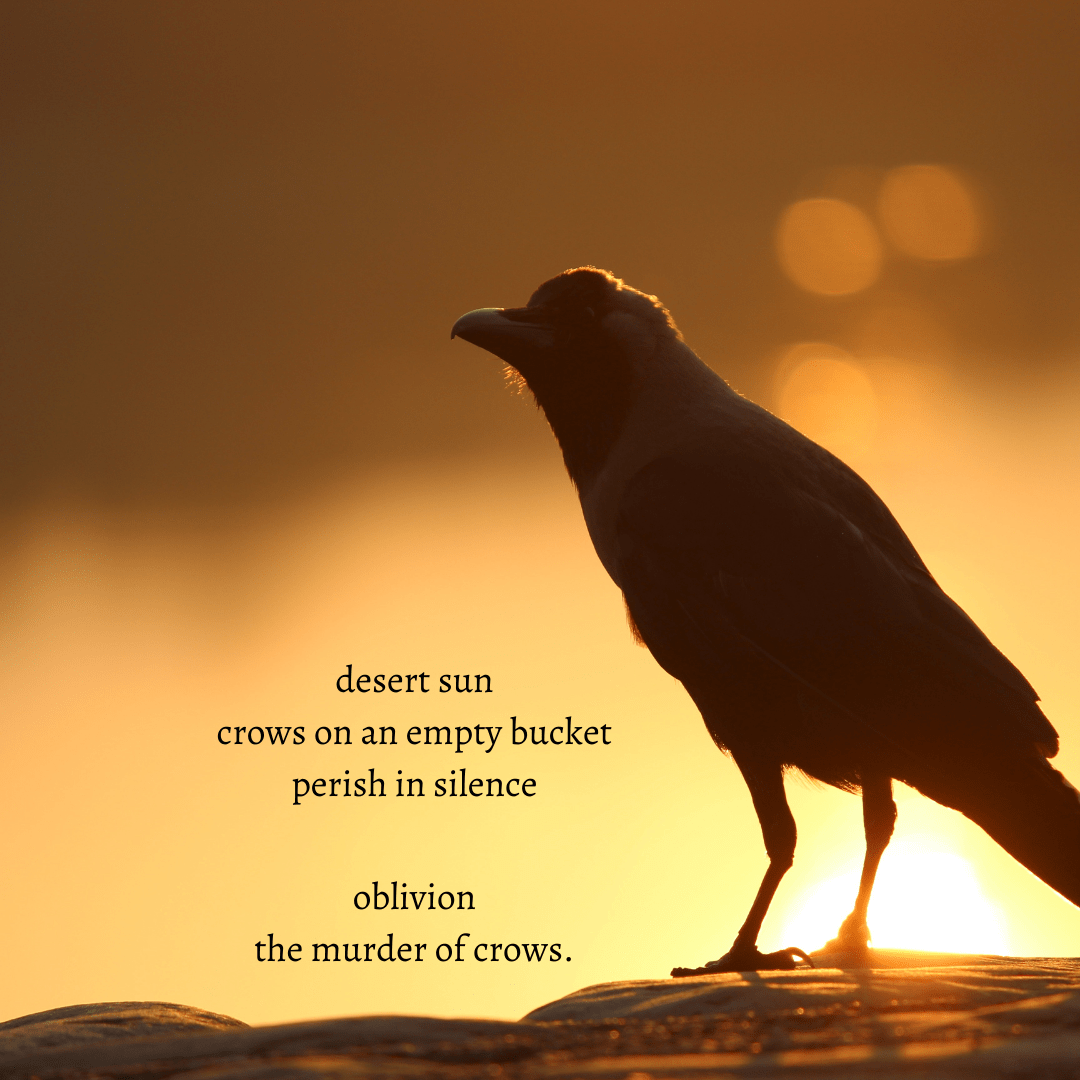
The Tropics
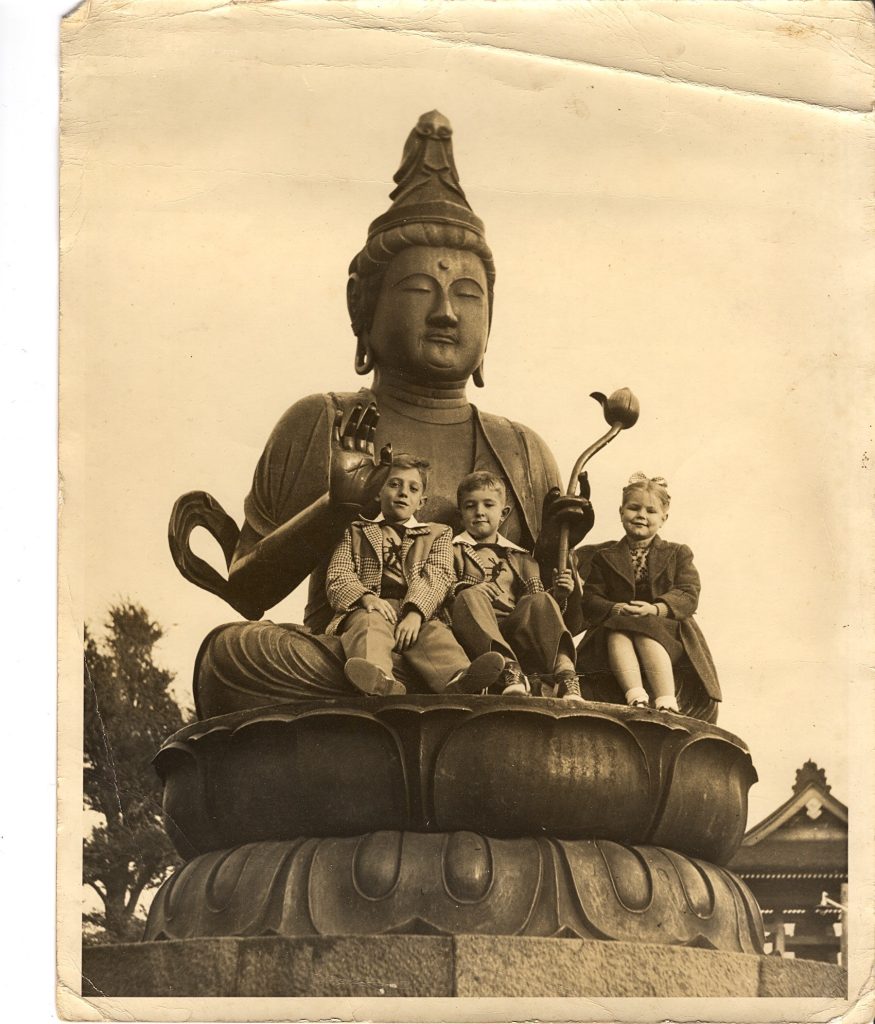
My adolescent daydreams often took me to the tropics. This could have started with The Nun’s Story (1959), starring Peter Finch and Audrey Hepburn and set in what was once the Belgian Congo, a love story where heat, drenching rain and romantic yearning still tug at these old heart-strings today. Or, my love of the tropics may have been inculcated earlier by how my mother spoke of Zamboanga — listen to the romance in that name — in the Philippines on our travels to and from Japan during WWII Occupation.
Darwin
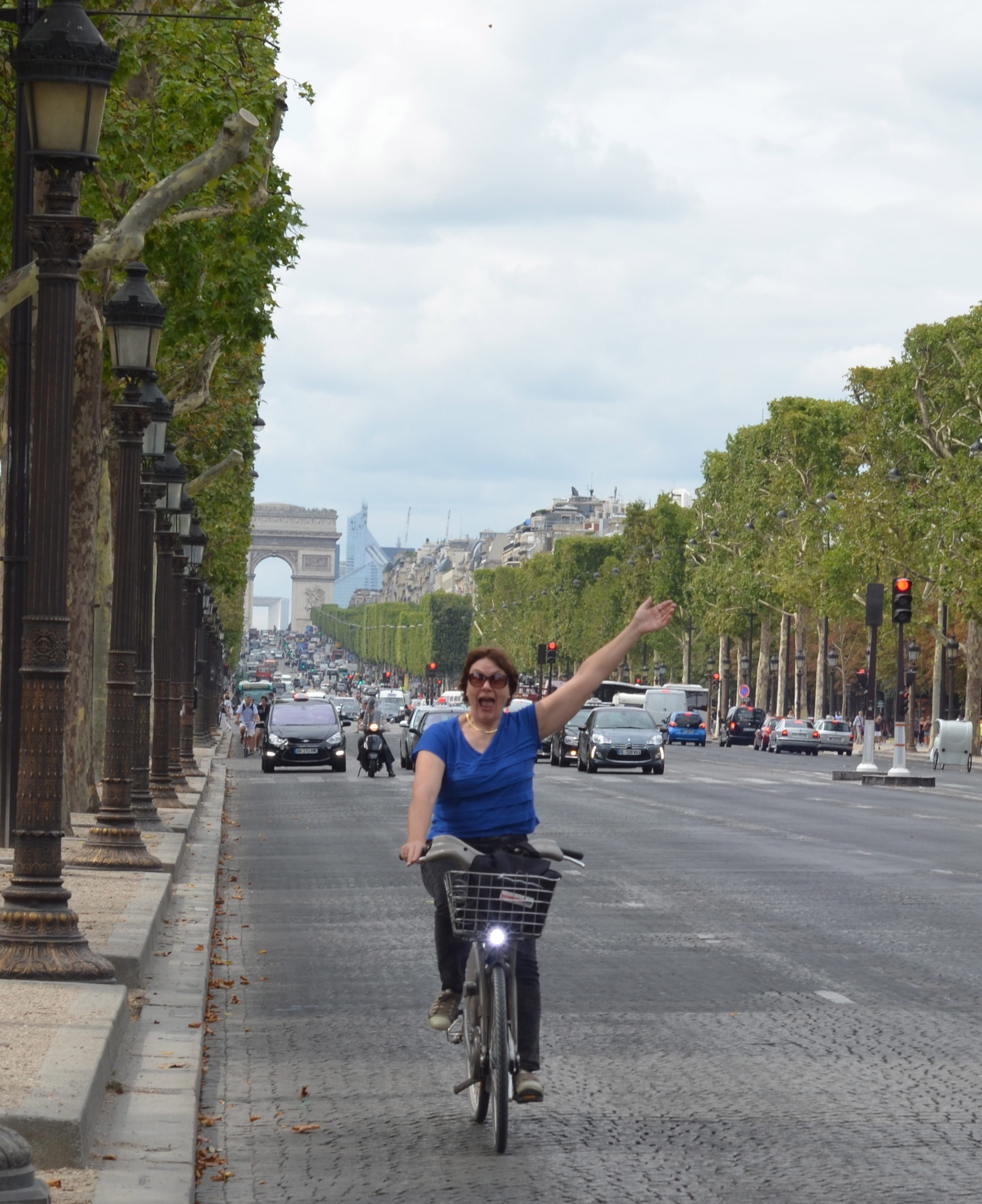
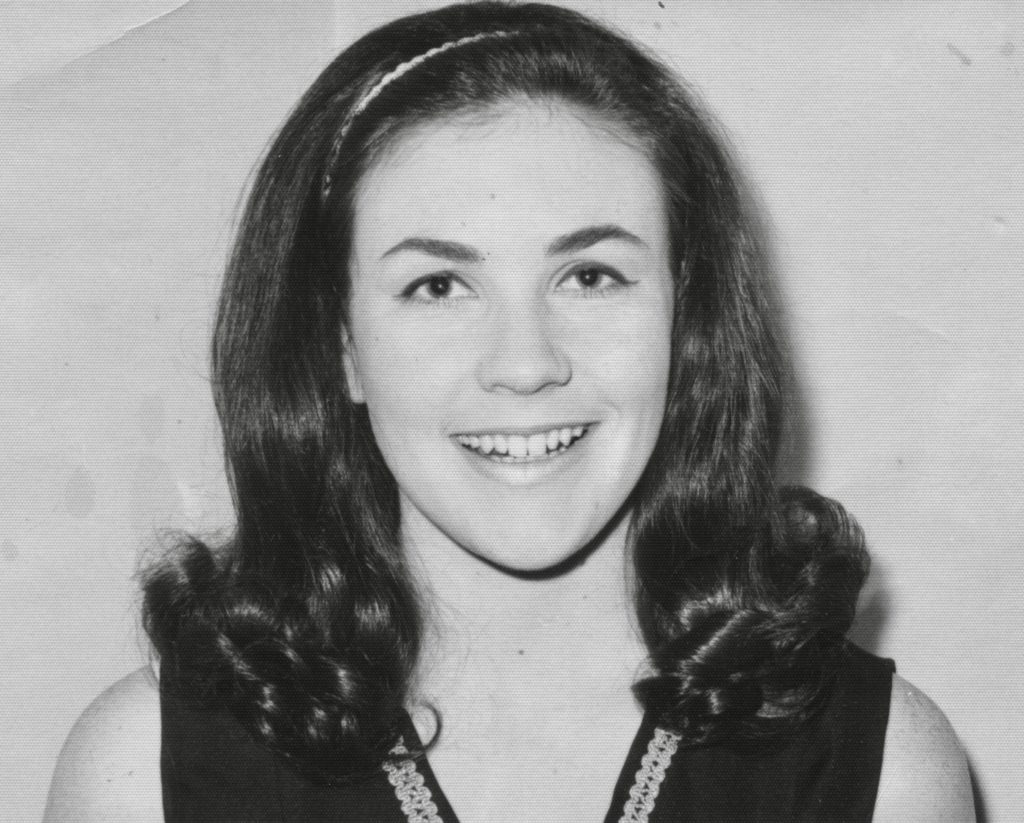
There are so many ways to view ‘the tropics’ and, here, I’ll stick to the Top End. To Darwin, mostly. I went there when my mother gently hinted that it was time I fled the family nest. She took me to Woolworths in Rundle Mall in Adelaide to fit me out in a ghastly green print nylon dress with pleats for job interviews. I arrived in Darwin with ten shillings in my pocket and asked a cabbie to show me a place to live.
I took a room in a boarding house on Cavenagh Street, walked to the government offices the next morning, and landed a job in a typing pool. To my credit, I soon moved from that role to senior secretarial work for the Deputy and sometimes the Director of what was once called The Welfare Department (Aboriginal Branch). There, I learned in the official documents I was asked to type that Aboriginal people were ‘ineducable’ past the age of twelve. Ponder that if you please, it is part of this nation’s history.
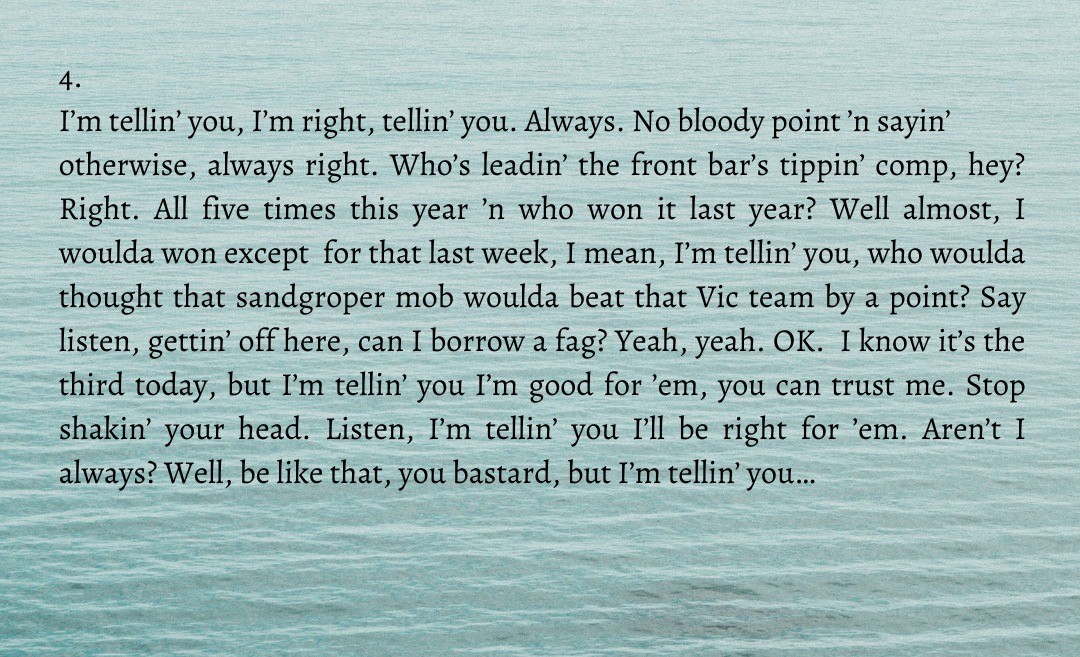
I nearly got sacked once for not returning to work after lunch because I had too much fun at The Vic on Mitchell Street (where the mall now is). My Darwin was water skiing. We often skied across the Harbour to Mandorah and back after a few drinks. I learned to ski in Doctor’s Gully when the marvellous Karl Atkinson lived there, an older man who loved to entertain young ladies with champagne on the verandah when the fish came in at sunset. I later helped teach water-skiing on McMinn’s Lagoon with his side-kick.
The Top End
We also skied on Yellow Waters in Kakadu National Park in the days before the idea of a national park gained prominence with the National Parks and Wildlife Legislation Act 1975. Few knew about Aboriginal rights in the area back then, despite the long-running Wave Hill Station walk-off in 1966. Not to speak of the longest-running land claim in Australia by Darwin’s Larrakia people, which became official in 1979 but had been running since 1789.
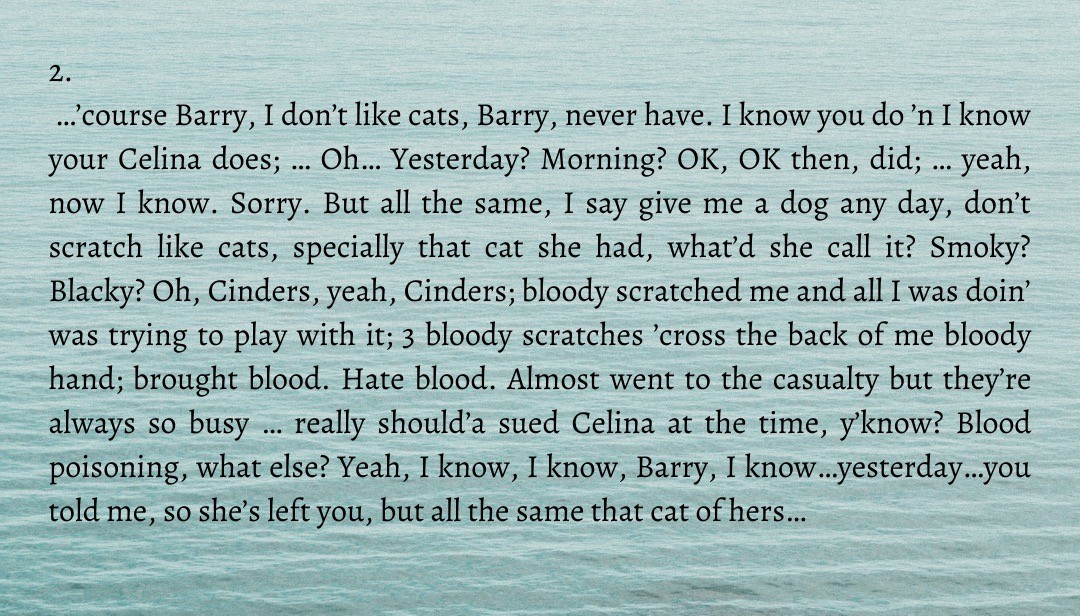
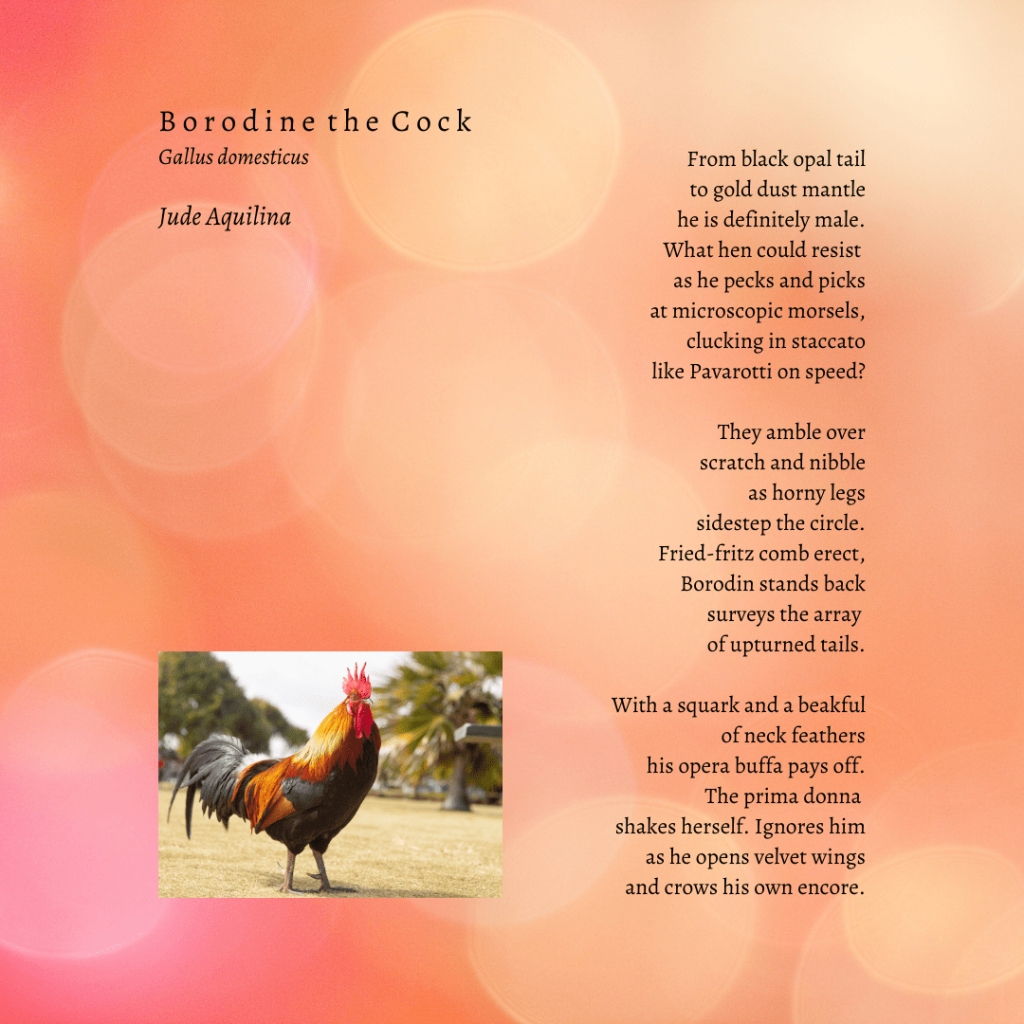
Many years later, I worked in the tropical far north of Queensland, and this poem is a record of donga life in the far north field. (You all know what a donga is, right?) Not so romantic, but true.

The Jewel in My Wanderlust Crown
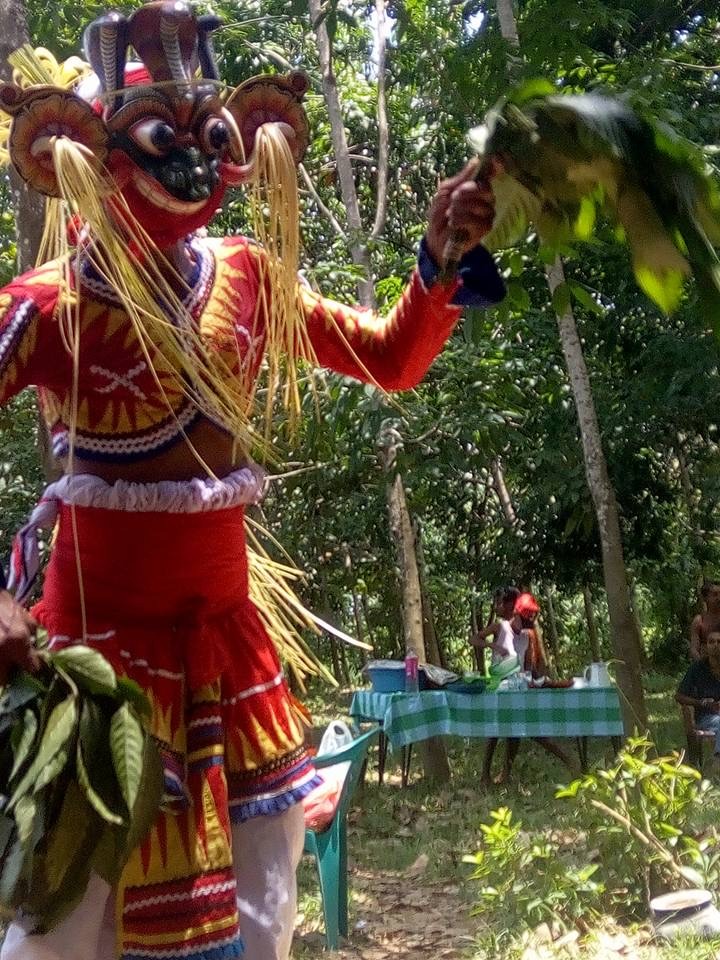
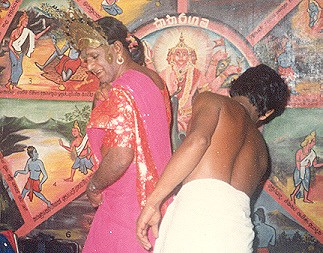
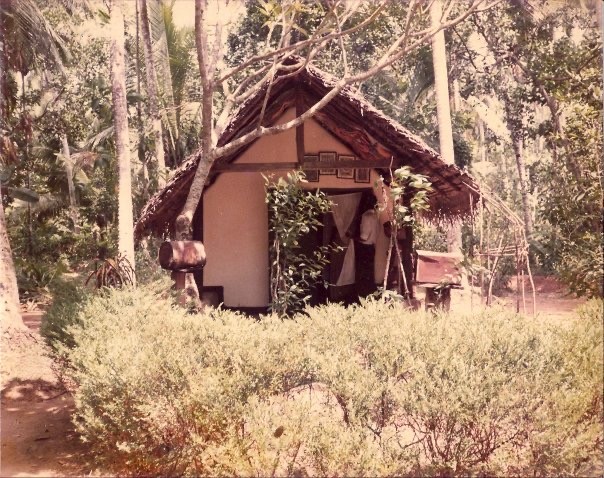
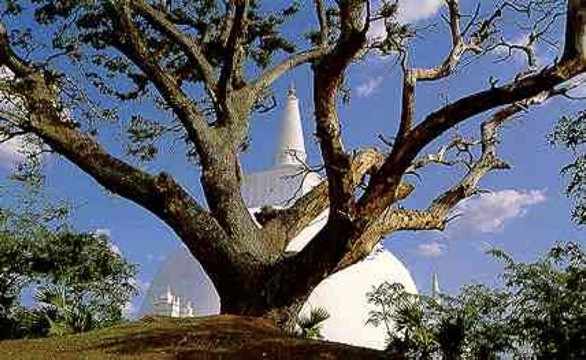
Sri Lanka. A childhood daydream of hidden gardens and delights fills my heart even now, nearly 40 years on. It brought together my romance with the tropics, late love, my career as an anthropologist and the trials of being a mother of three pre-adolescent children in the field for 18 months. This was not the sub-tropics. This tiny island lashed by two cyclone seasons a year, one from the southwest and the other from the northeast, was the real tropics.
I played tourist the first time I went to Sri Lanka, but it was home to me for the duration of my fieldwork. I loved every moment of that experience. What tore me in two was having to leave when my research came to an end.

Falling in love beneath torrential tropical rain (like Peter Finch and Audrey Hepburn) remains an unsurpassed joy in my life. I was seduced by the Island, its people and Elaris, my Sri Lankan husband, now also deceased. I frequently visit Sri Lanka in my memory when times get tough. A Sri Lankan friend I have kept in touch with recently told me that a poem I wrote last year about the famous elephant processions known as Perahara was anachronistic. That Lanka, he said, in longer exists.

Back Home
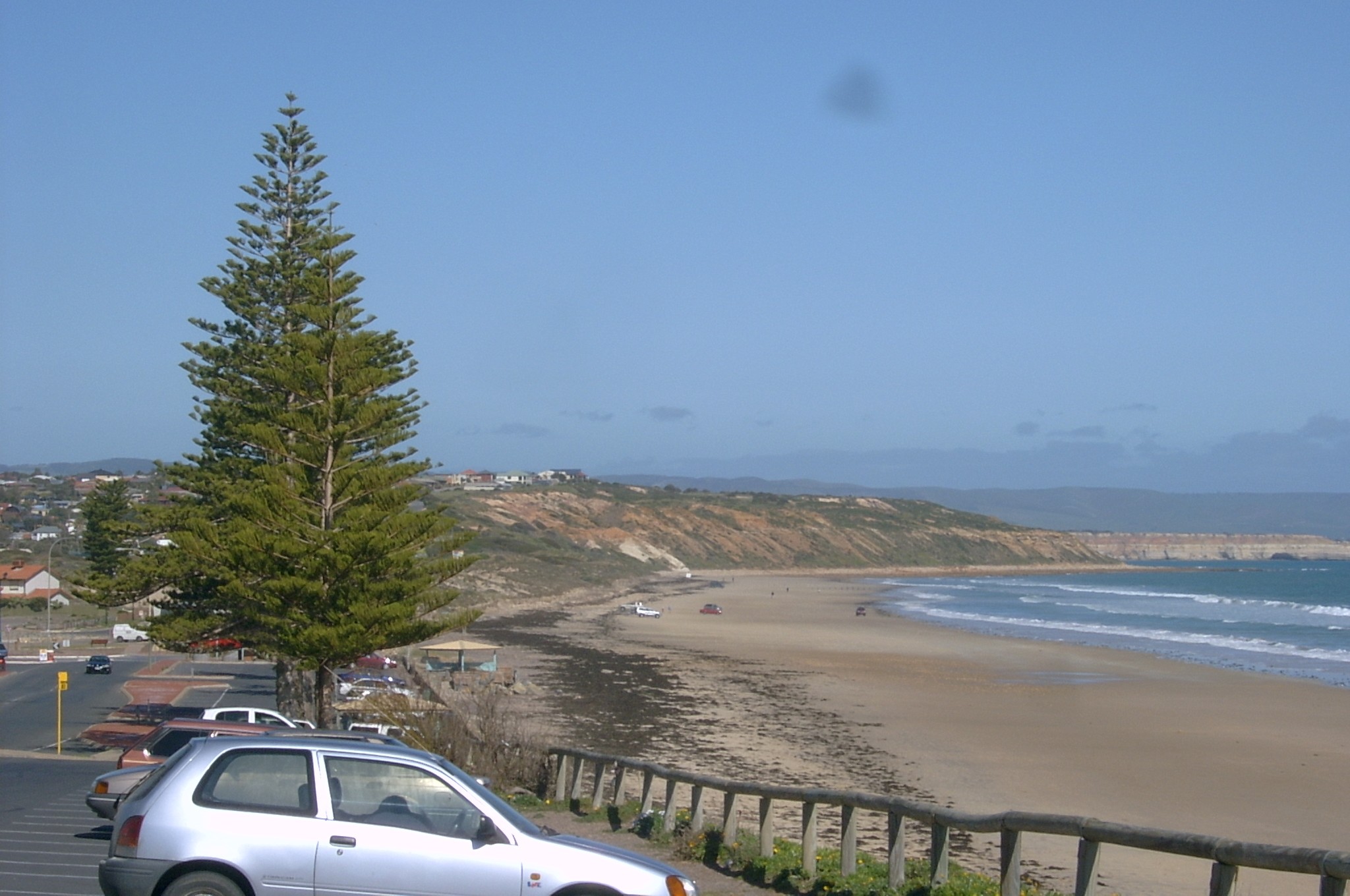
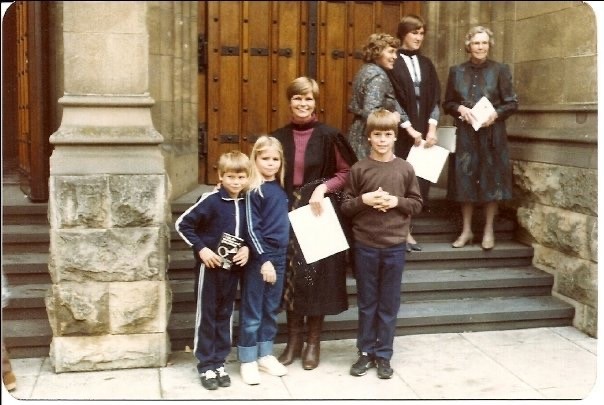
My children were equally discombobulated when we got home. Kids teased them at school for speaking in a ‘posh’ (Sri Lankan English) accent as much as Sri Lanka teased us for being Australian-unintelligible. I took a while to settle back in myself. But, we have the beach. A different beach but just as beautiful.
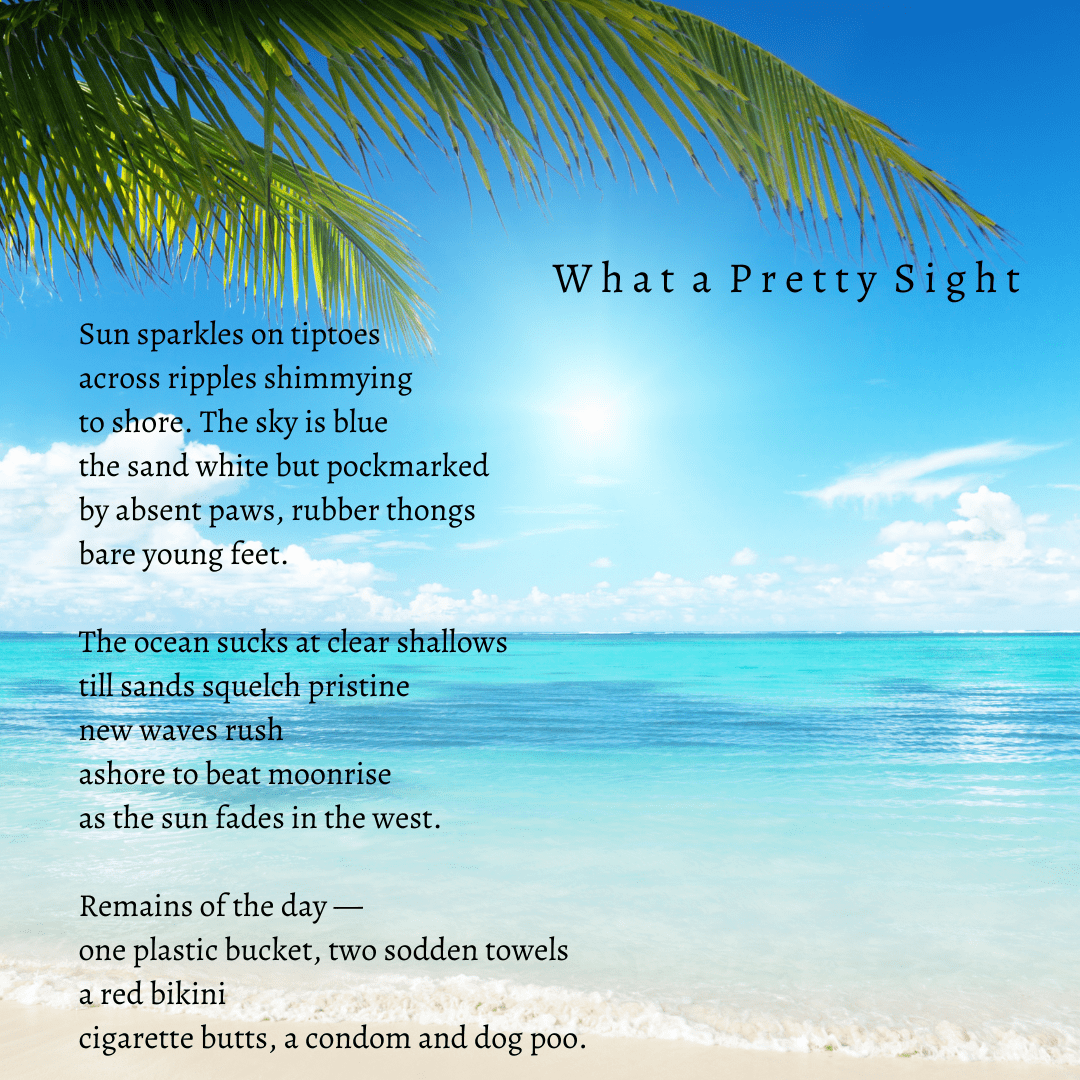
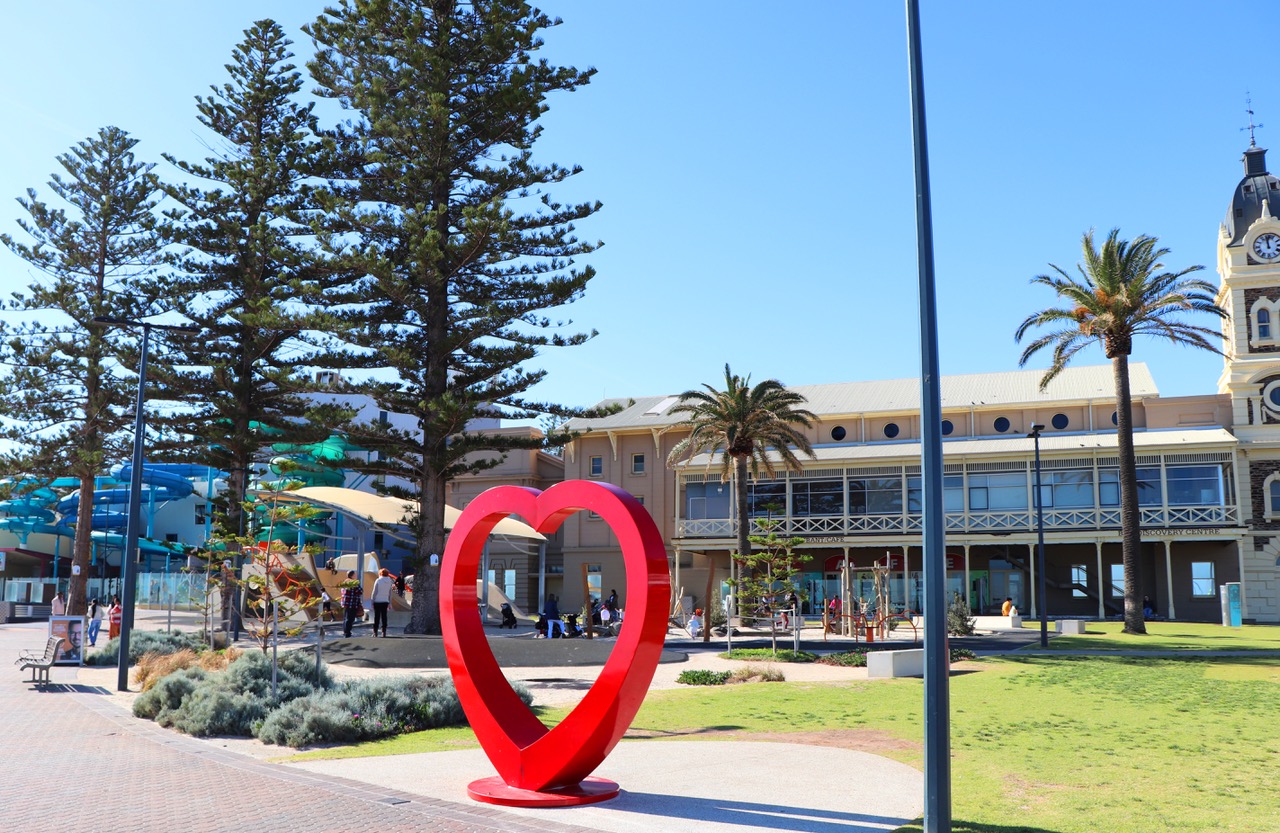
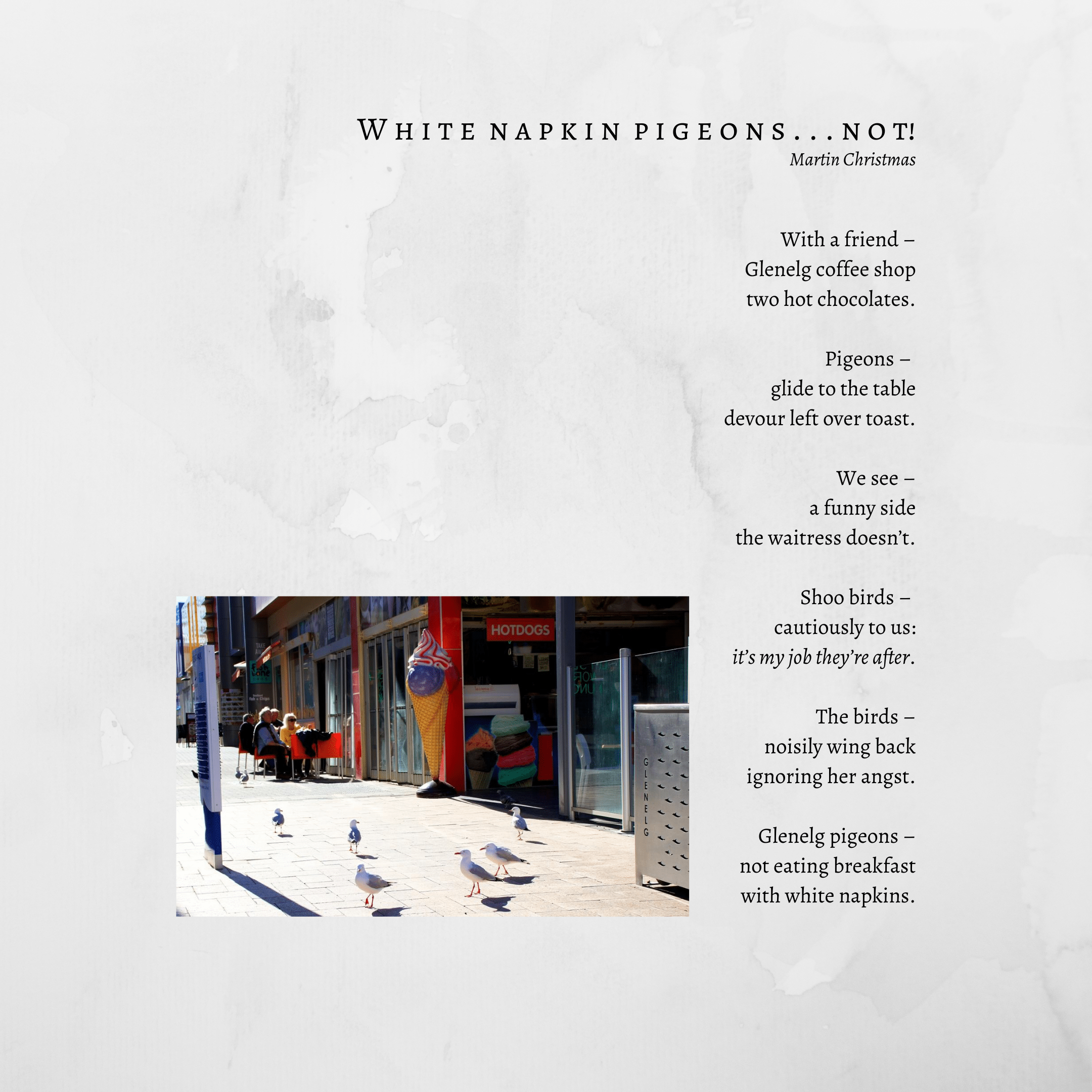
And Glenelg, where I live, has its attractions. It is from here that I escape back to Sri Lanka, the Top End and the bush. And to many other elsewheres, and elsewhens —too many for one little story,
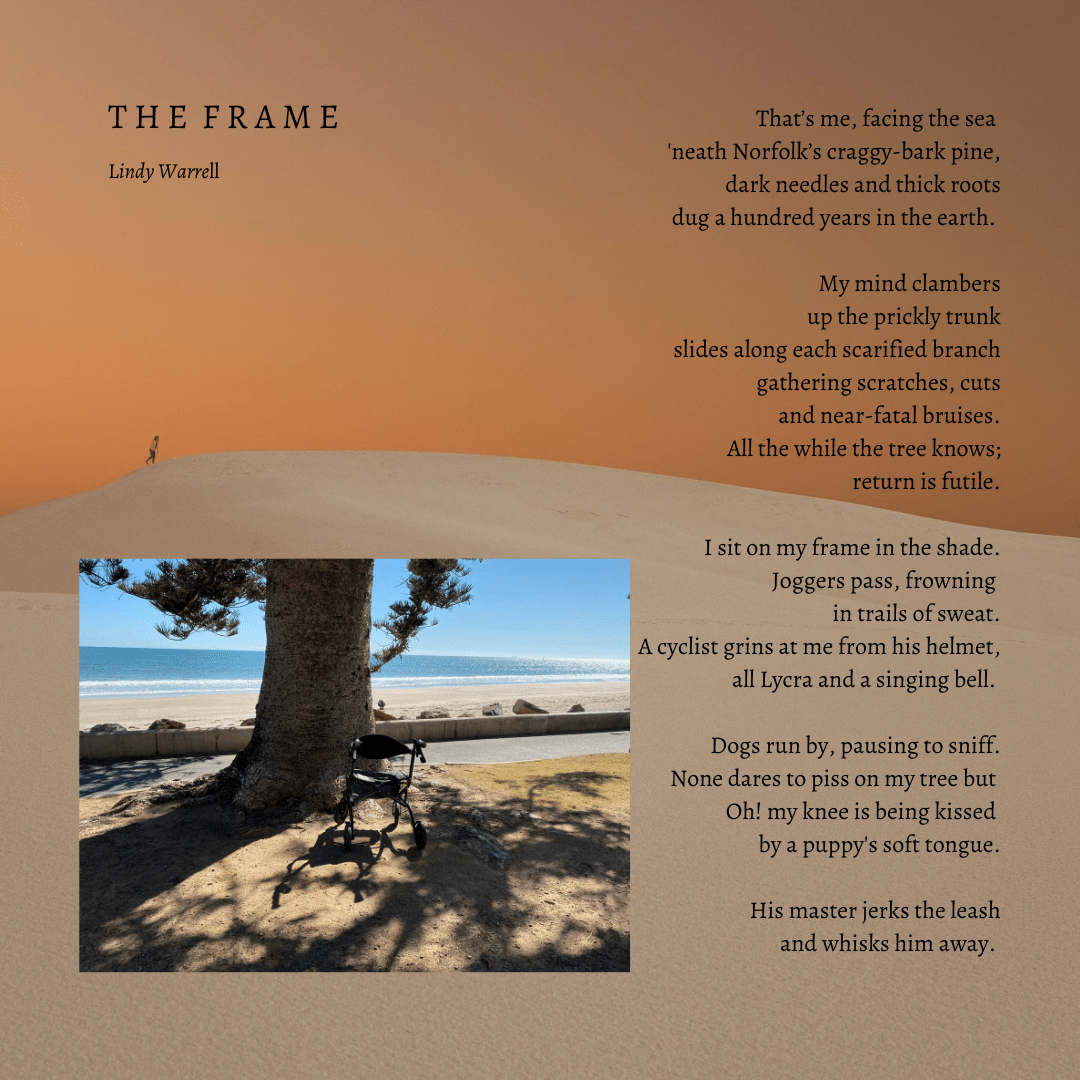
For Those Who Write About Life
Pay attention to your feelings, your moods and sadness. In Tragedy and Despair in Fiction and Poetry, I argued that they are keys to the truth of life. Instead of clutching onto the past as a thing to recover from, try to see what your yearning is telling you.
Question why you remember particular things at particular times. Are there patterns? My bet is you will find them and, when you do, open a page in a notebook or on the computer and start writing. Tell the page what is going on. Or record it on your phone at first.
Once you have written the story, you have something concrete to work with. Like it or not, misery takes us to interesting places. It takes us to original truths, ripe and rich with fine detail that is almost impossible to conjure from imagination alone.
Happy Writing
Wattletales
PREVIOUSLY PUBLISHED: ‘A Bush Suite’ in Soft Toys for Grown-Ups, Ginninderra Press, Adelaide. 2018
ACKNOWLEDGEMENTS.: Photo of the New Albury Hotel by Foto Supplies (1963). New Albury Hotel August 1963 (Trove).