Not So Trivia
Channel Nine’s Millionaire Hot Seat with host Eddie McGuire is a litmus test of changing times. At 4 pm, Monday to Friday, Eddie quizzes Australia on culture and history with snippets of maths and science. Both the host and the show are cultural icons. Eddie, because he’s done it for 25 years, and the show because its questions highlight a generational chasm in taken-for-granted cultural knowledge.
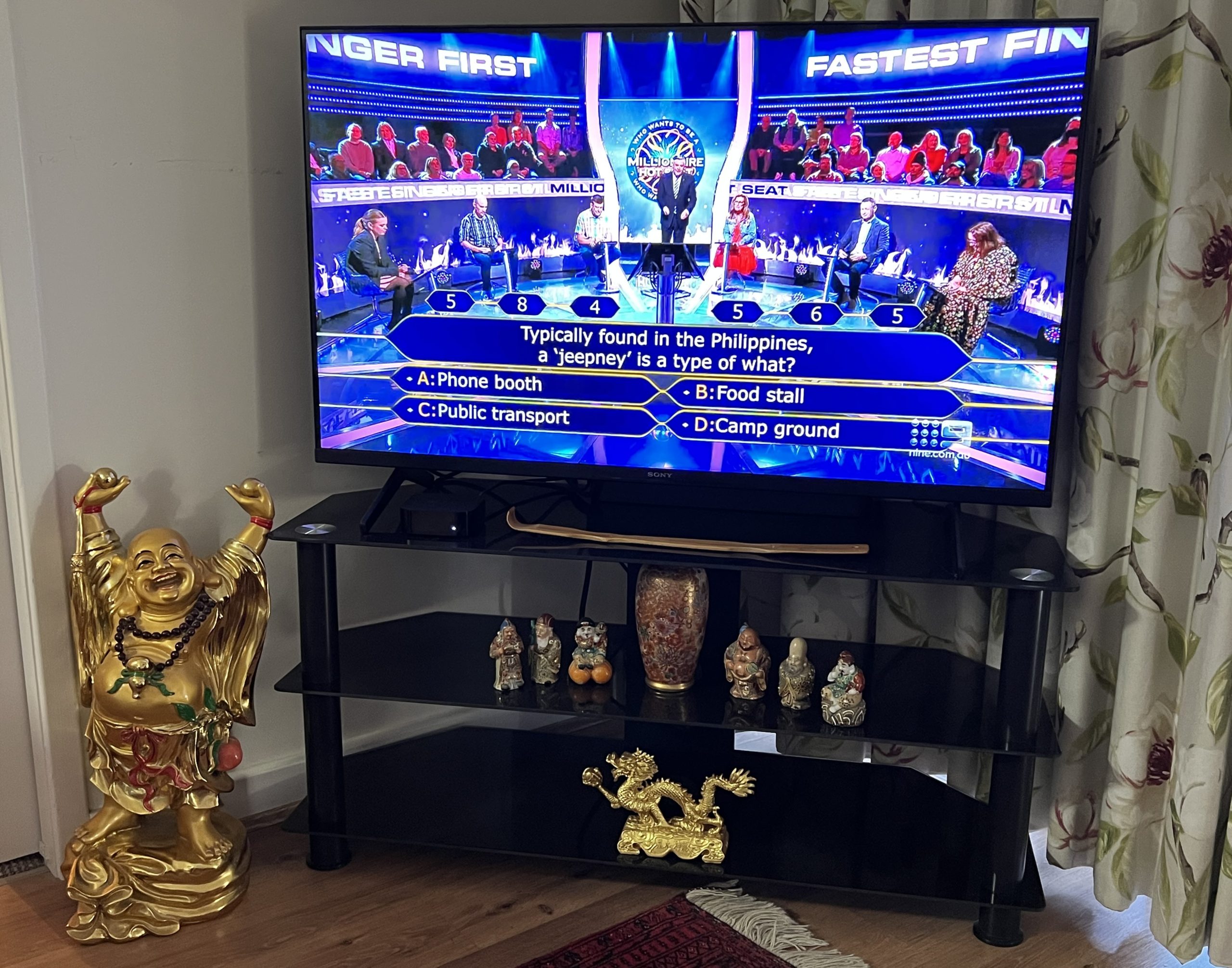
Eddie is 22 years younger than me and around 30 years older than his younger guests. While he shows no judgement, I am often astonished when a person under 30, descended from convicts, cannot answer a simple question about common Aussie sayings. People whose families of origin are elsewhere often do better.
I admire Eddie, whose calm and friendly demeanour never wavers, no matter who is in the hot seat. Further, he shows a genuine interest in contestants while introducing us to a wide range of people from different backgrounds. He brings out the best in everybody in 30 seconds each, most of whom are under a spotlight on TV for the first time. It’s a tough gig, but he does it with charm and good humour.
Change and Continuity
Millionaire Hot Seat is a window into our culture. It reveals a distinct shift away from my generation and even Eddie’s common sayings. The young appear to know more about American football and celebrity than Australian culture and history. Those up in years have little knowledge of popular music. You often hear the young claim: ‘I wasn’t even born then’, or, ‘That’s before my time’. It’s as though the world before them is irrelevant. It’s a puzzle.
However, I raise the idea of disparity between generations here to highlight the fact that some things remain the same. Many things have changed since my day, but two phrases will never hit the quiz circuit because we take them for granted in everyday life. I refer particularly to ‘You’ve got no sense of humour’ and ‘You’re so strong’.
Well known to women of my generation (I checked yesterday with an age mate), these remarks and others with similar intent are still not uncommon.
Growing up Girl
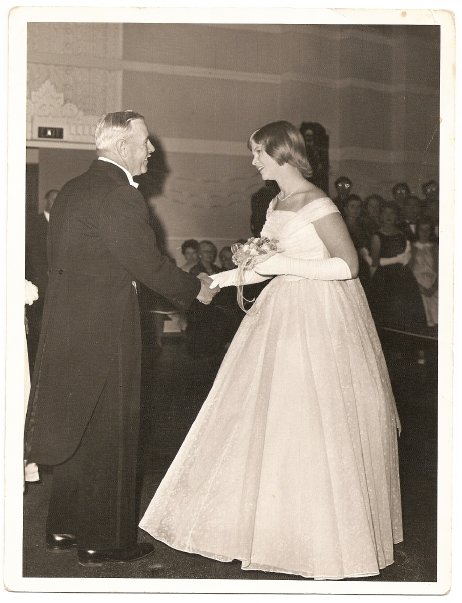
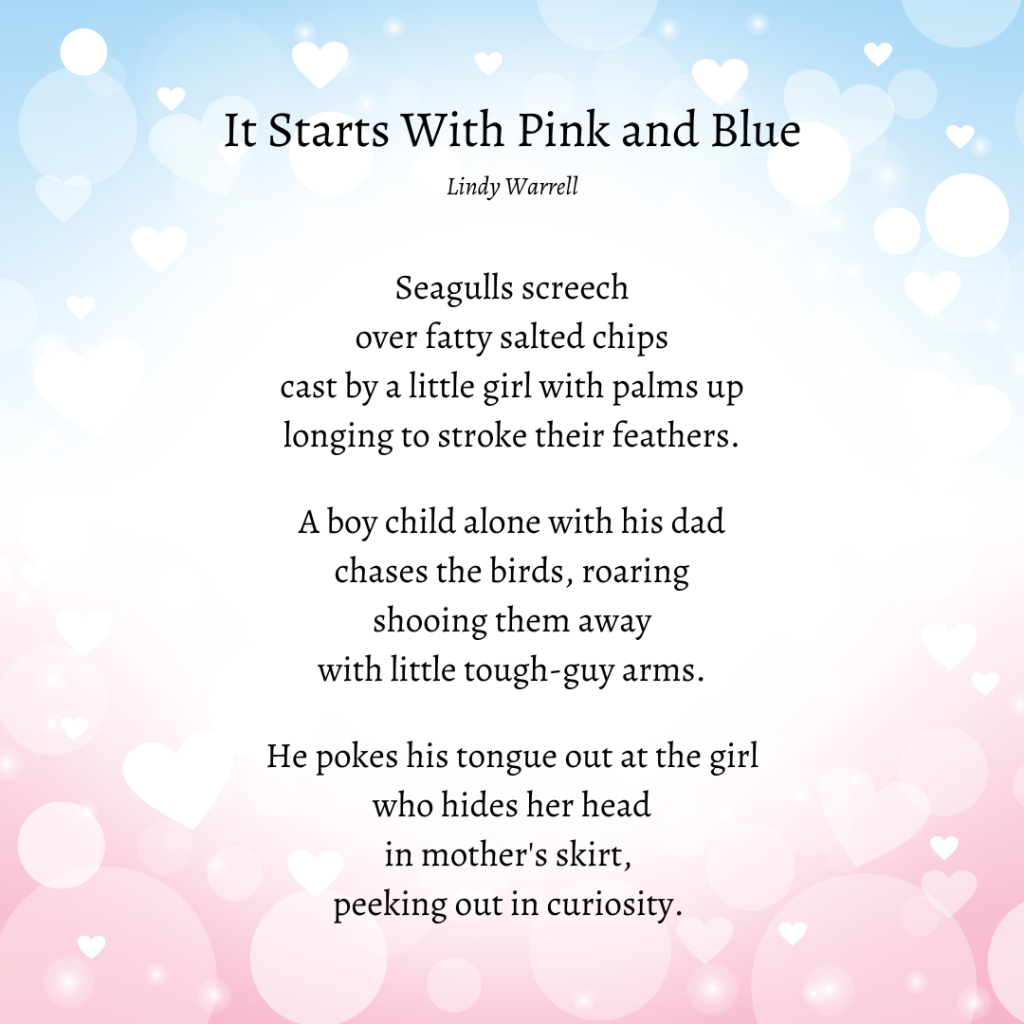
If I expressed an opinion my father disliked when I was little, he would say, ‘What would you know, you are only a little girl?’ Hmm. We all sometimes dismiss children, but those words stung. As I got older, when Dad disliked my mother’s or my response to a put-down, he would declare, ‘You’ve got no sense of humour’. That phrase trivialises and demeans.
I won’t dwell on it, but resisting mockery goes against unwritten rules about what it is to be feminine. In the company of others, ‘You’ve got no sense of humour’ always came up with a wink and a laugh or followed by, ‘I’m only joking’. The accompanying sideways glance suggested we, as women, were not quite bright enough to notice.
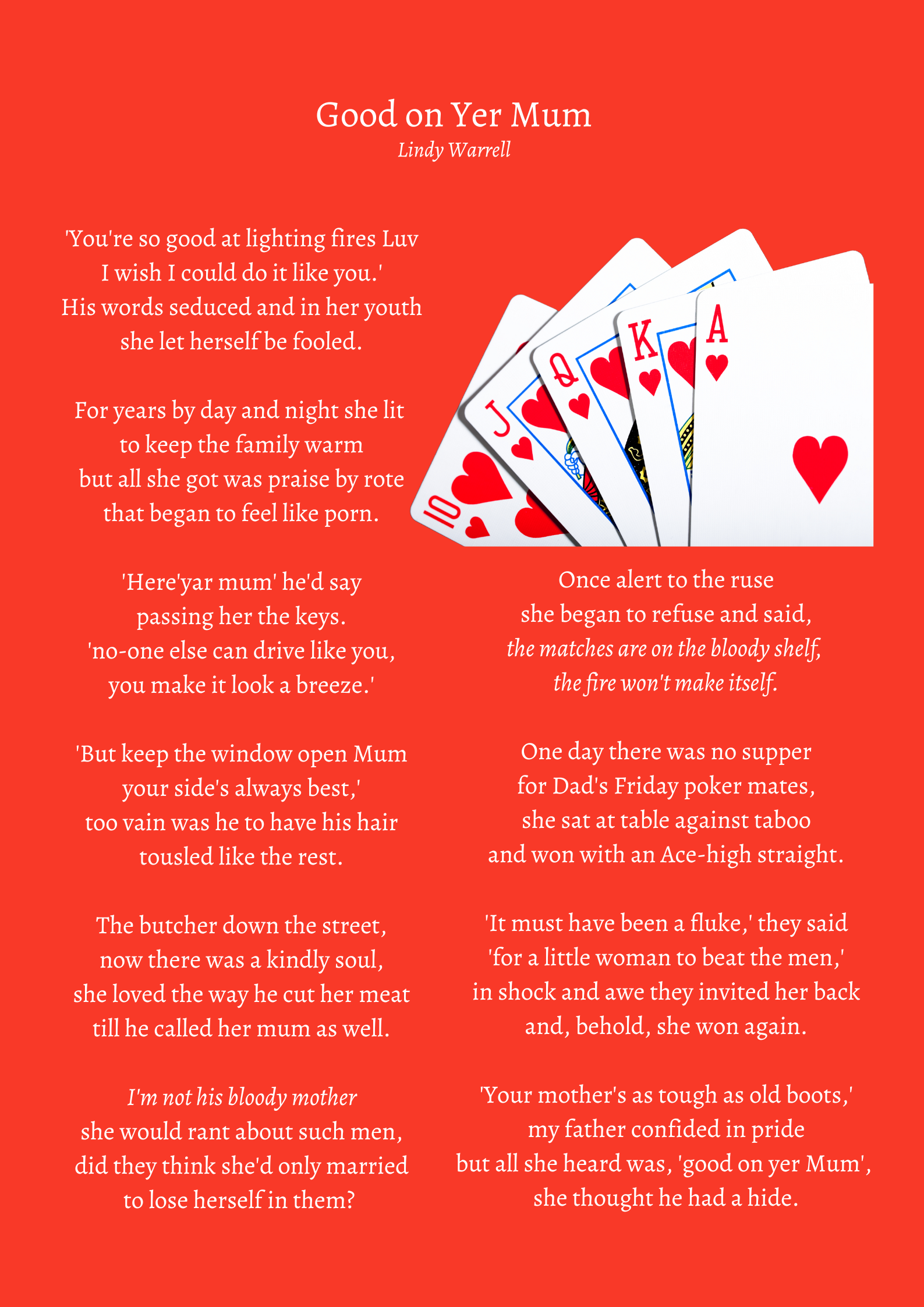
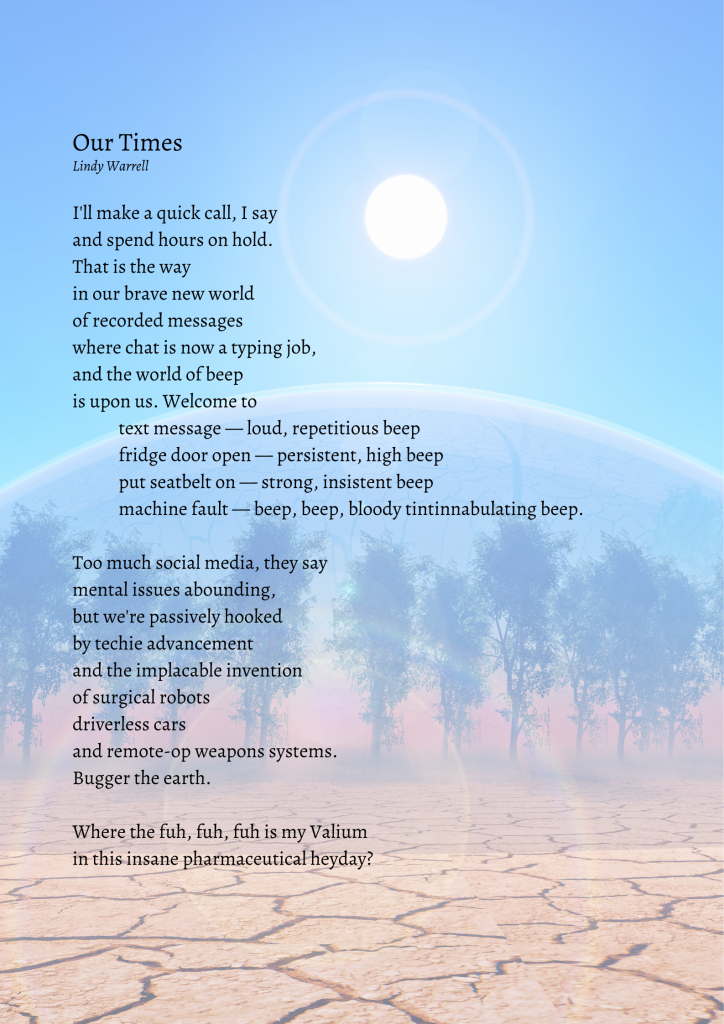
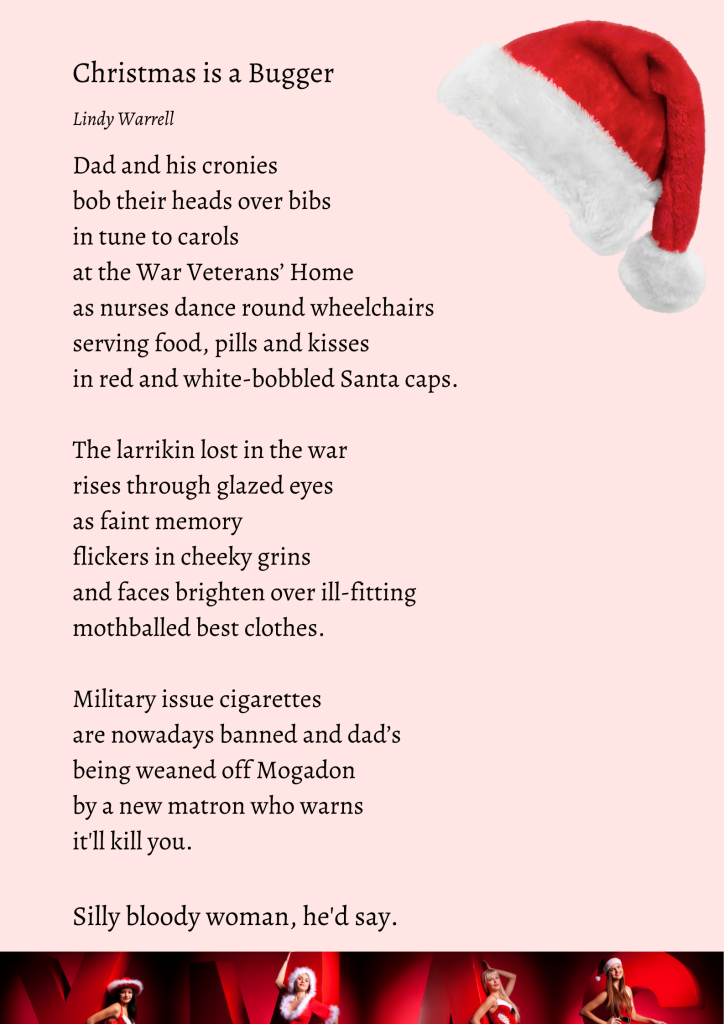
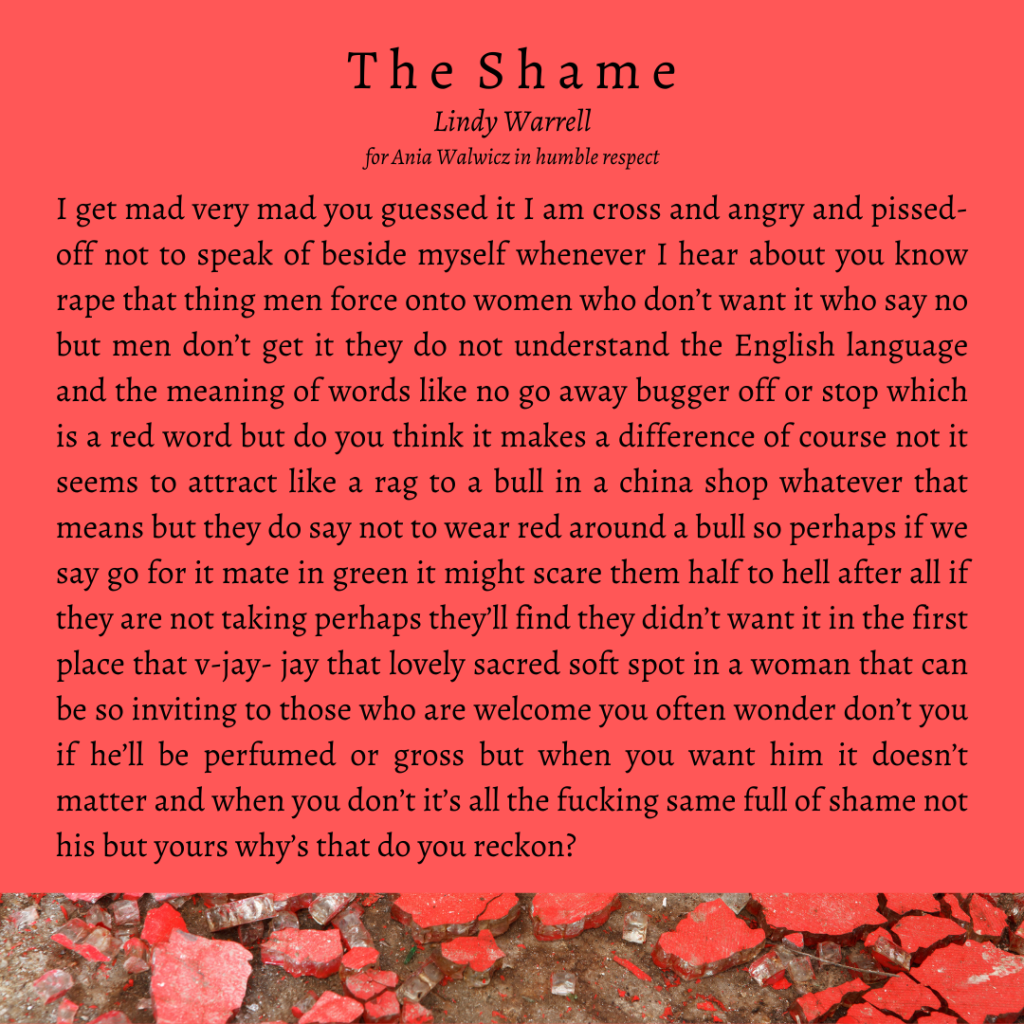
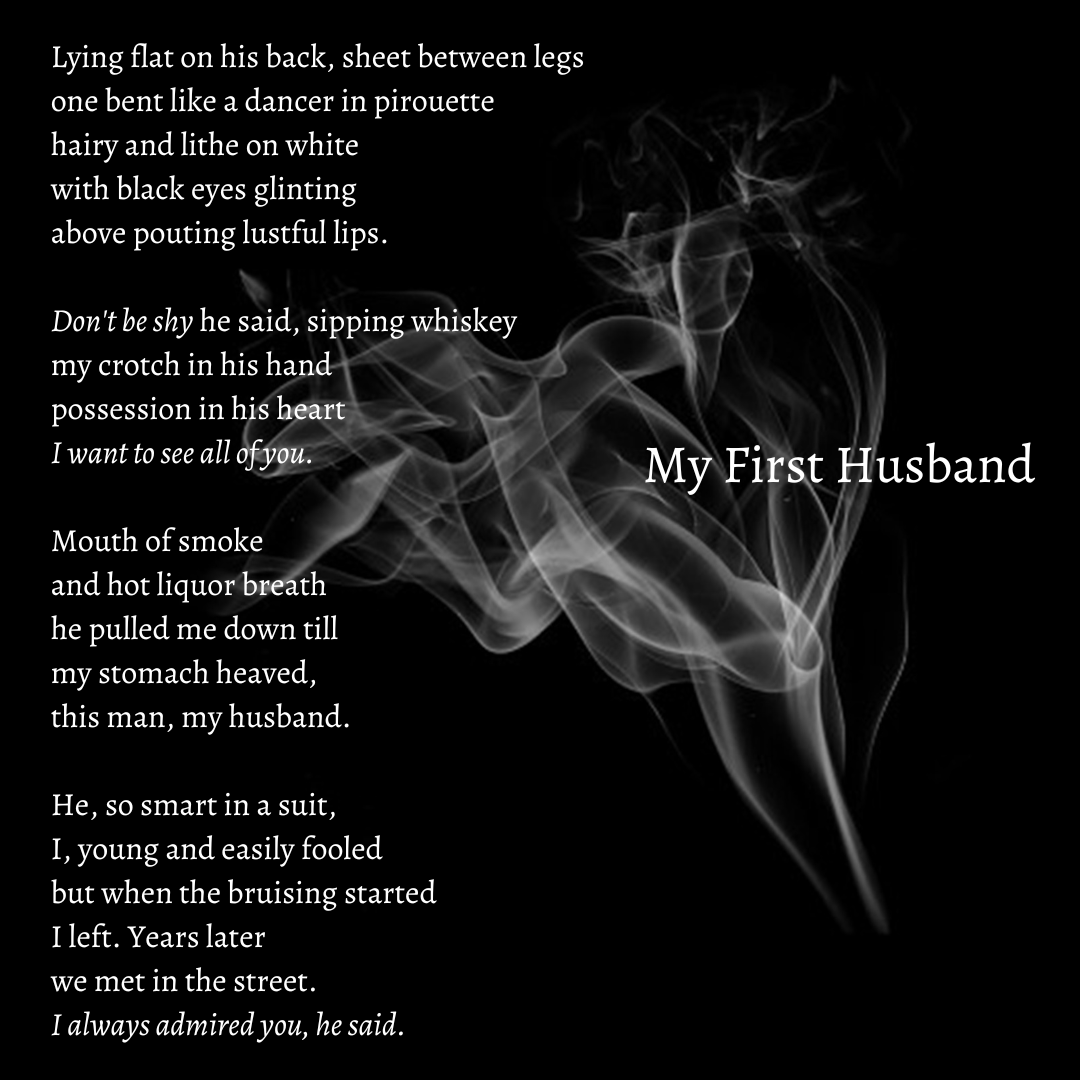
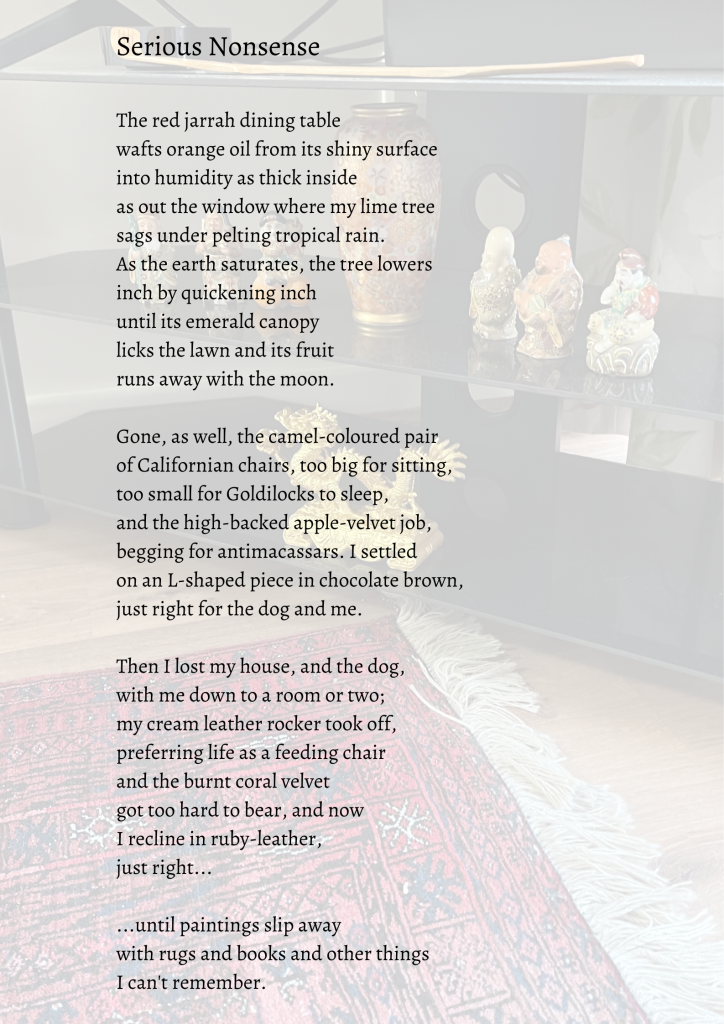
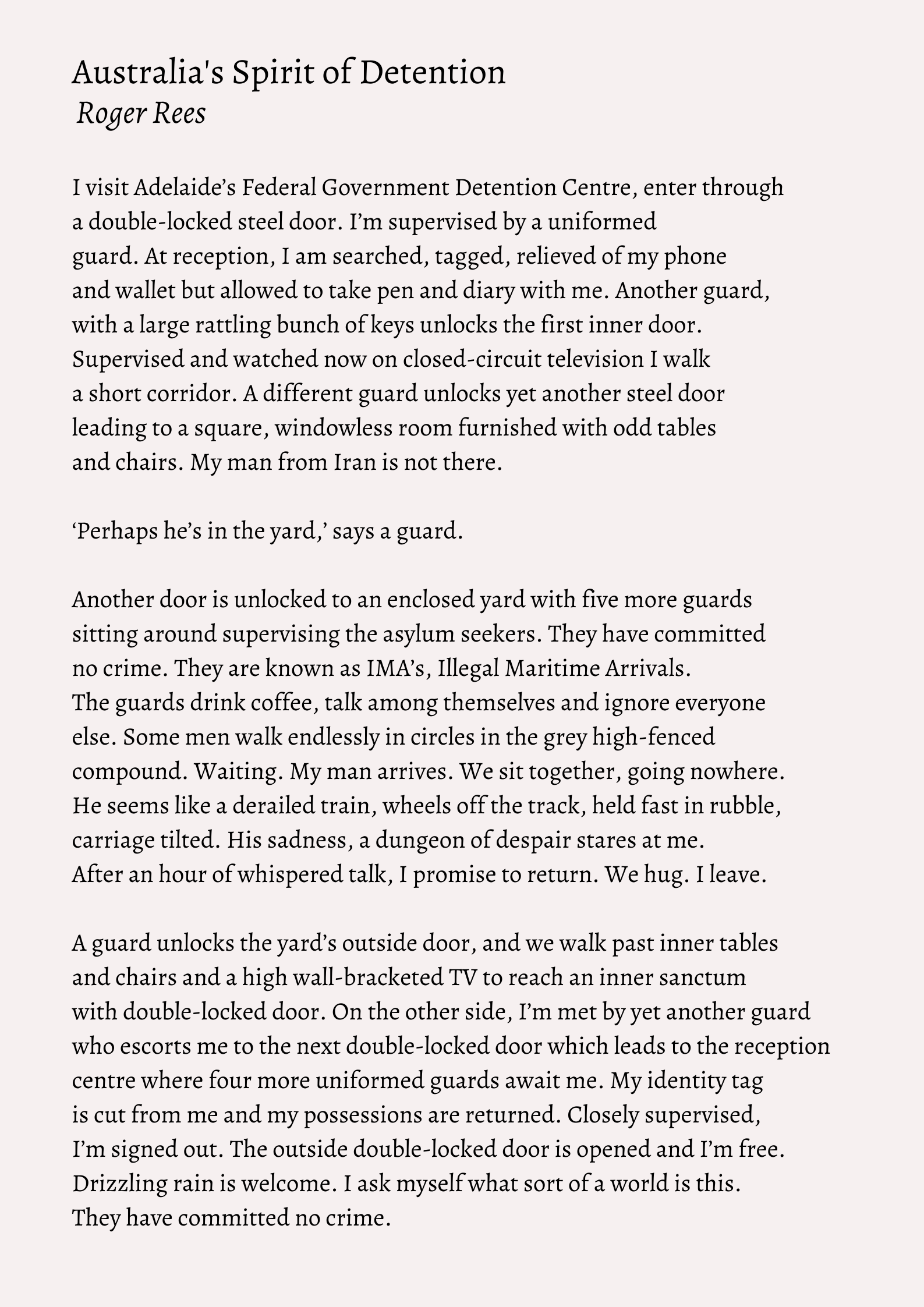
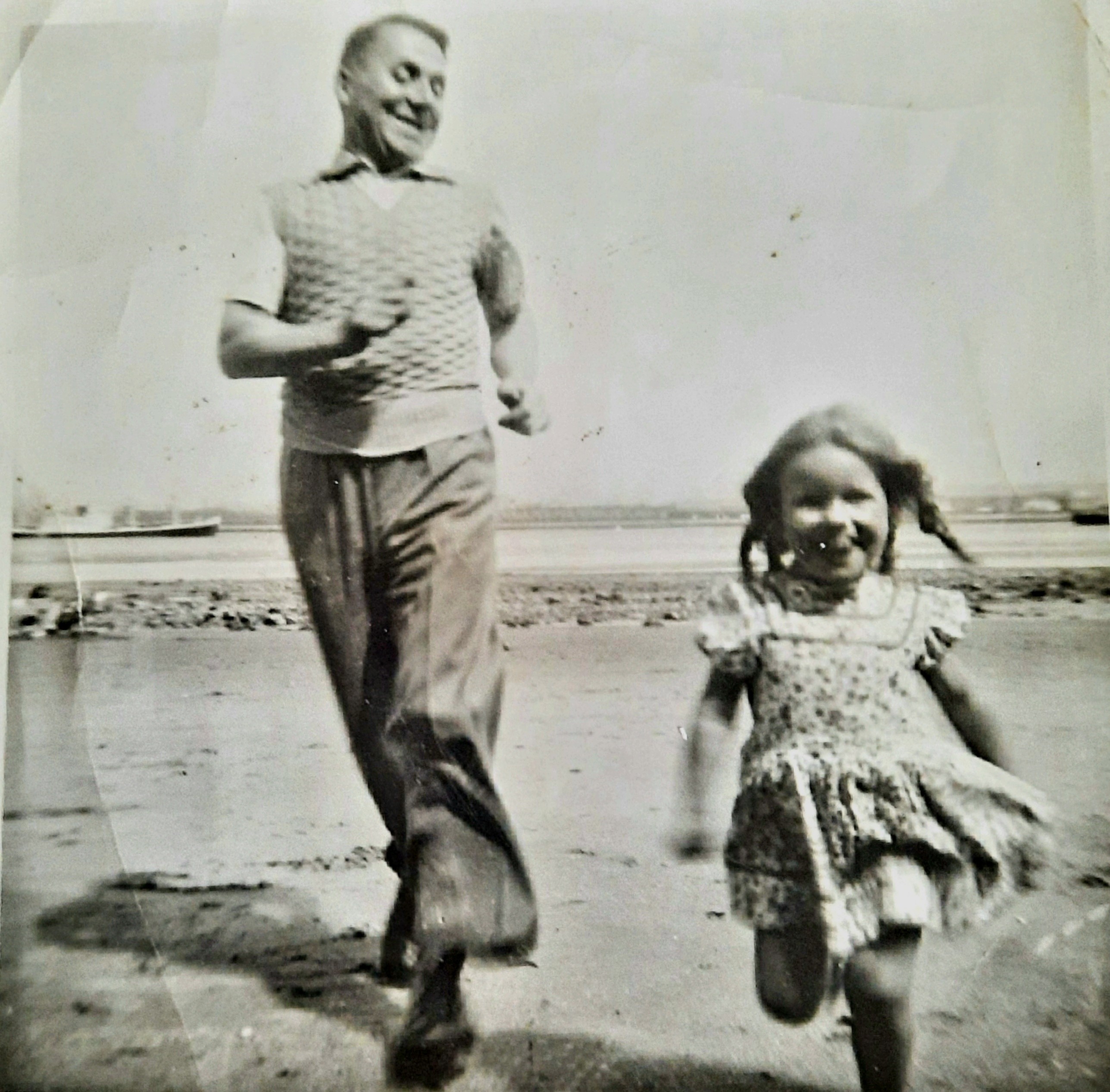
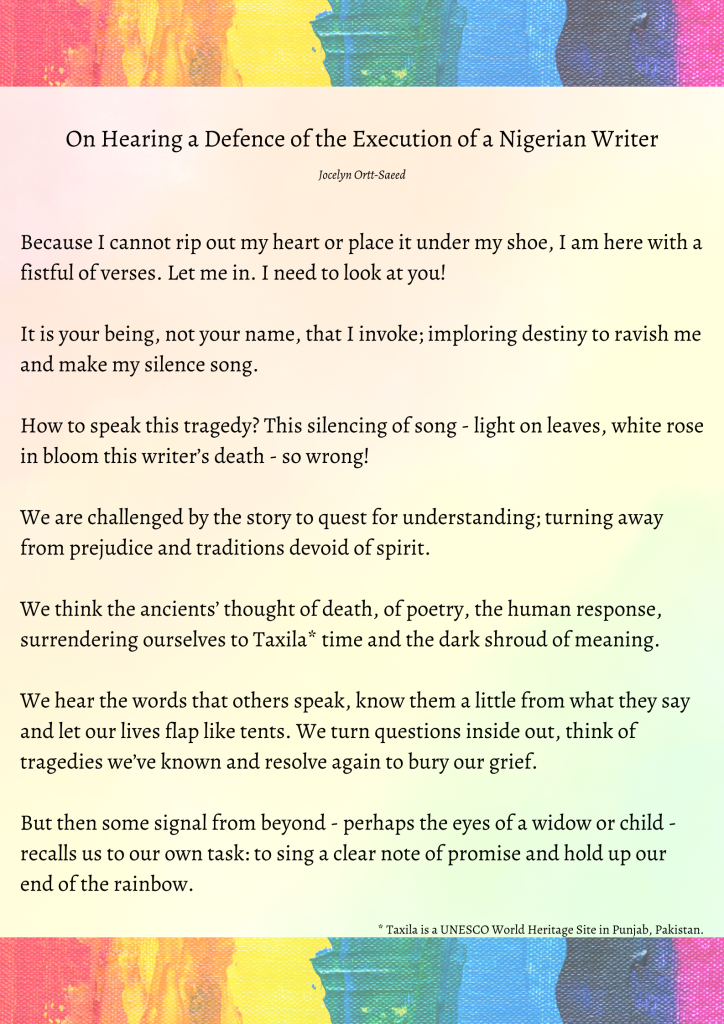
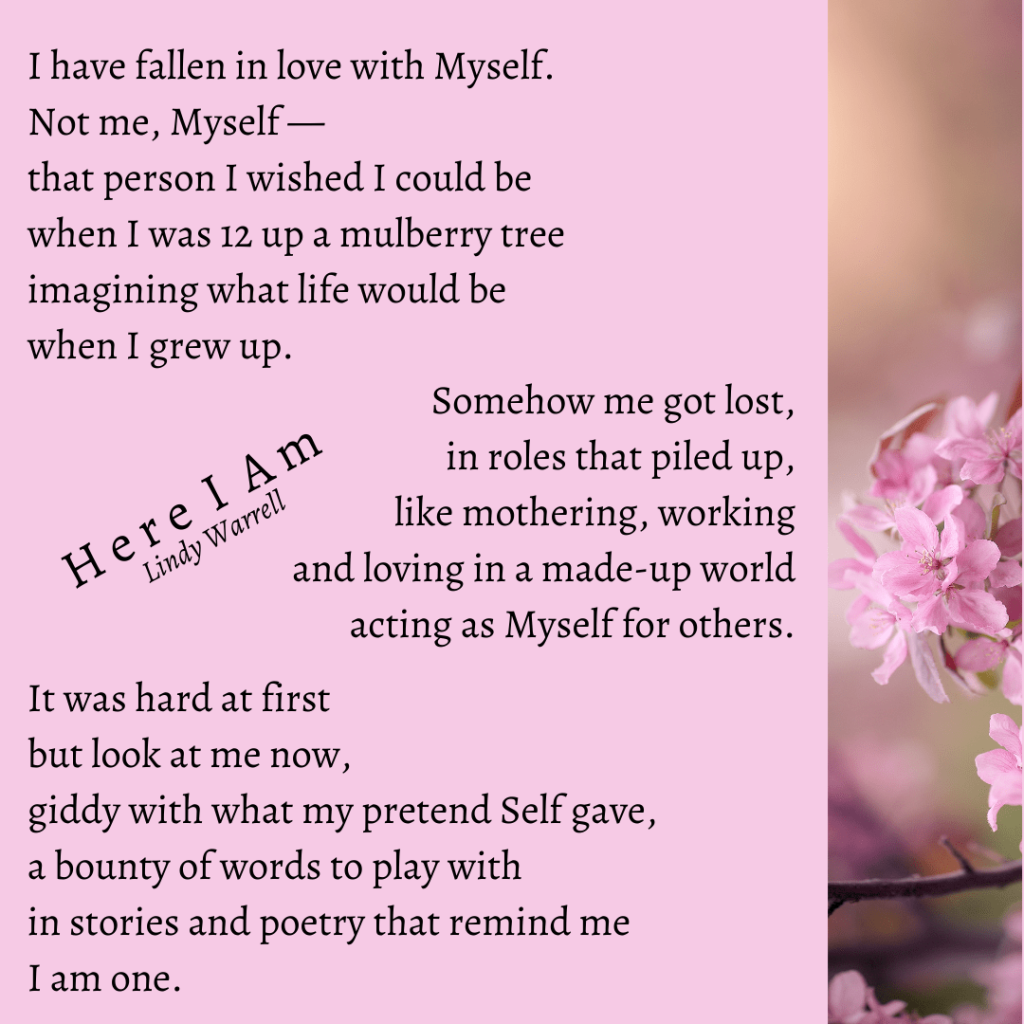
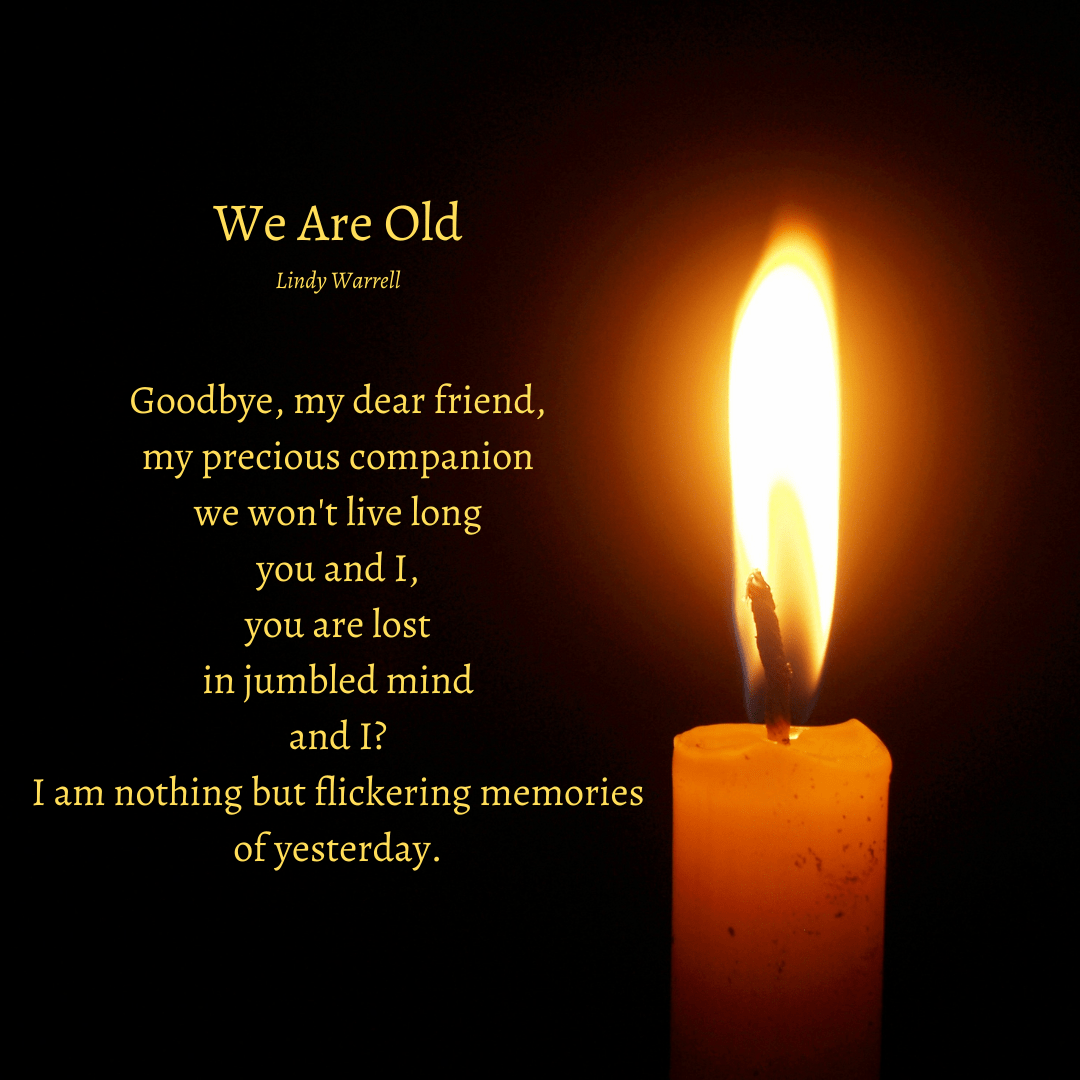
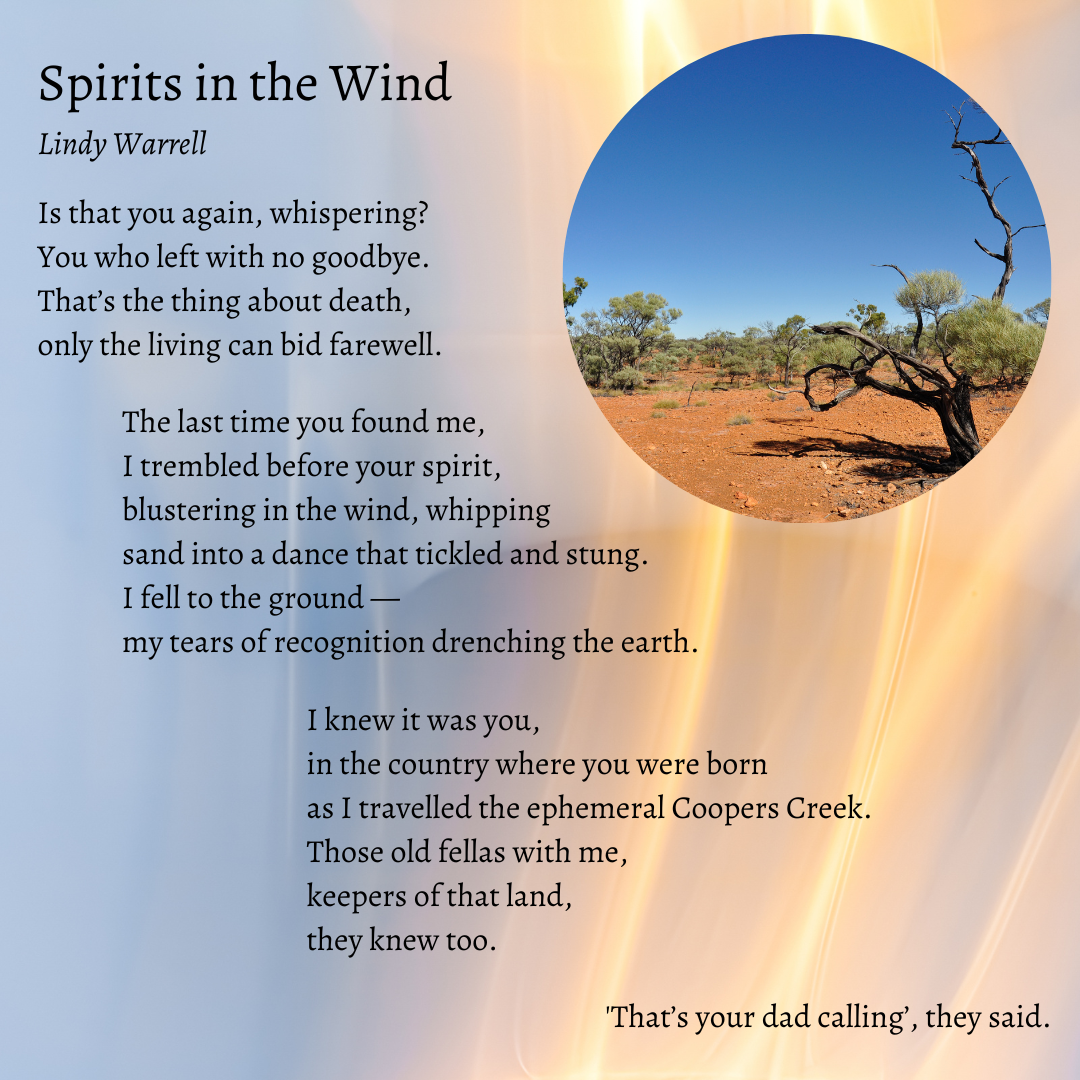
I’ll end this section with the following poem because, although I am speaking up (sic) against my father, I want also to honour him for the love he showed me. He was a kind man, yet, like us all, a product of his times. I am simply drawing attention to the fact that some things haven’t changed. We have not scrutinized the sort of jocular teasing women put up with, even though it makes a statement about how a woman should behave or become.
Women of Power and Influence
The phrases I draw attention to come with a smile but can be as manipulative and damaging as gaslighting and bullying. Mockery has the same structure as blaming girls for getting raped by dressing provocatively or walking alone at night; for being themselves.
Let me introduce two scholars I admire who paved the way for a better understanding of how stereotypes and implicit views affect women in our culture.
Anne Summers
I was sad to see online that Anne Summers AO has dropped off most current lists of prominent Australian Feminist writers. Born in 1945, she was a former First Assistant Secretary to the Office of the Status of Women in the Department of Prime Minister and Cabinet under Bob Hawke from 1983 to 1986.
Damned Whores and God’s Police (1975) broke new ground. Its title immediately captivated me. It encapsulated in a few words the way the male gaze casts women (read patriarchy) either as sluts or keepers of morals. (In my day, men often slept with any girl but preferred to marry a virgin.)
Before publication in 2013, Summers gave public talks in 2012 about The Misogyny Factor, not long before Julia Gillard’s famous speech in parliament denouncing Tony Abbott for his misogyny. Summers argued Australia had a long way to go before accepting women in power and influence. Her work received acclaim and flak. The flak was not about her being strong per se, but she spoke up to power, loud and clear.



Jane M Usher
Like Summers’ two books, Jane M Usher’s 1992 Women’s Madness: Misogyny Or Mental Illness? systematically exposes structures of power at the highest level, so we might comprehend it when we see it in daily life.
I remember my delight when I read Jane Usher’s book. It will now be a little outdated, given changes (I avoid saying advances!) in our understanding of depression in women, but the title retains veracity. She raised questions about the relationship between a mental condition (women’s madness) and social pressure for women to conform (misogyny). This question is paramount even today in understanding how gendered concepts play out in daily life.
In Summary
In their landmark texts, these scholars both point to structures that are reinforced in everyday practices, like saying you’ve got no sense of humour and you’re so strong to women. They measure someone against an inchoate or unspoken ideal and give us tools to recognise gendered asymmetry at the local level.
As For Madness
When the husband of one of my aunts deserted, leaving her with three children to manage alone, she cried and became depressed. He was cruel during the marriage, yet nobody encouraged her to heal. Rather, the brutality of shock therapy diminished her for the rest of her life. (I am talking about half a century or more ago.)
Another aunt would put her head down and knit the minute her husband raised his voice. She’d smile, go silent and only later would say, ‘I don’t like fights’, too scared was she to defend herself or speak her mind. I’m not sure we are yet aware of how often fear of reprisal silences women whose minor transgressions, like speaking out of turn, can turn nasty.
A third aunt’s husband bullied and beat her black and blue because she defied him by working on a factory assembly line where she could express herself and laugh with other women. He disappeared, never to be seen again. When her only son subsequently died, she had no one to turn to.

All three aunts (two mother’s sisters and one father’s sister) were further punished by poverty after their abusers left.
Mockery is a Power Tool
Mock threats towards women happen more often than you think, and they underpin domestic violence. Who remembers the poolside practice of a man picking up a girl or woman and threatening to throw her into the pool only to be put down before doing it? (I’ve seen this done to children too.) The message is, look how powerful I am, but I am saving you. This time!

I always loathed that ‘game’. The response to my angry demand to be put down was a collective, ‘You’ve got no sense of humour’. It’s not a big stretch to suggest that is another way of saying you’re too strong (for standing up for yourself). It blurs into the same trope after a while.
Such personal snippets exemplify patriarchy in everyday life. Patriarchy (dare I say the word?) is not some overarching cloud that glowers down from above like a judgmental god. Nor is it ‘all men’. Power disparities exist even in the little things, the small things that I’ve talked about. These phrases and their companion ideas delineate as they perpetuate that.
We can include bigger things, like domestic violence; it’s a matter of degree. But patriarchy exists in taken-for-granted power imbalances. Women also support it when we participate in our own oppression. An example would be a right winger who denies being a feminist.
Wrapping Up
I can’t tell you how many times I’ve had people tell me I’m ‘so strong’, either as a compliment or a putdown. Neither allows for vulnerability. I’ve even been told that my strength frightens people. Sure, I don’t suffer fools gladly, but am I really that scary? Especially now, as a social category, I am an old woman with failing health and no money. I have no power, no cultural capital, but were I to decry, I can hear the response now, ‘You’ve got no sense of humour’.
You may think I am harsh, yet I only consider everyday structures of behaviour that reinforce by repetition. Have you ever heard a man tell another that he has no sense of humour or is so strong? There would definitely be a power imbalance if so.
That said, I admit there can be ambiguity between the intention and effect of gendered comments. For example, my postgraduate supervisor once said he’d have to teach me how to write like a man. He said it kindly; he intended to be supportive, and I appreciated that, but it jarred because the phrase implies that writing like a woman has no value. Please think about that.
Happy Writing
Wattletales