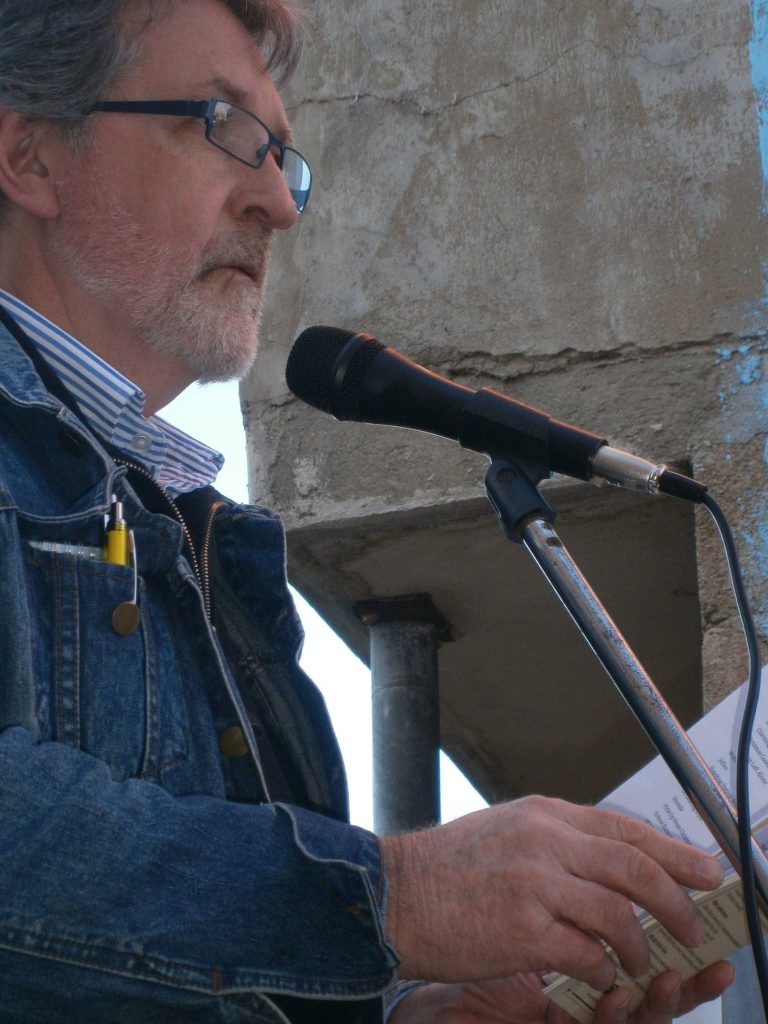
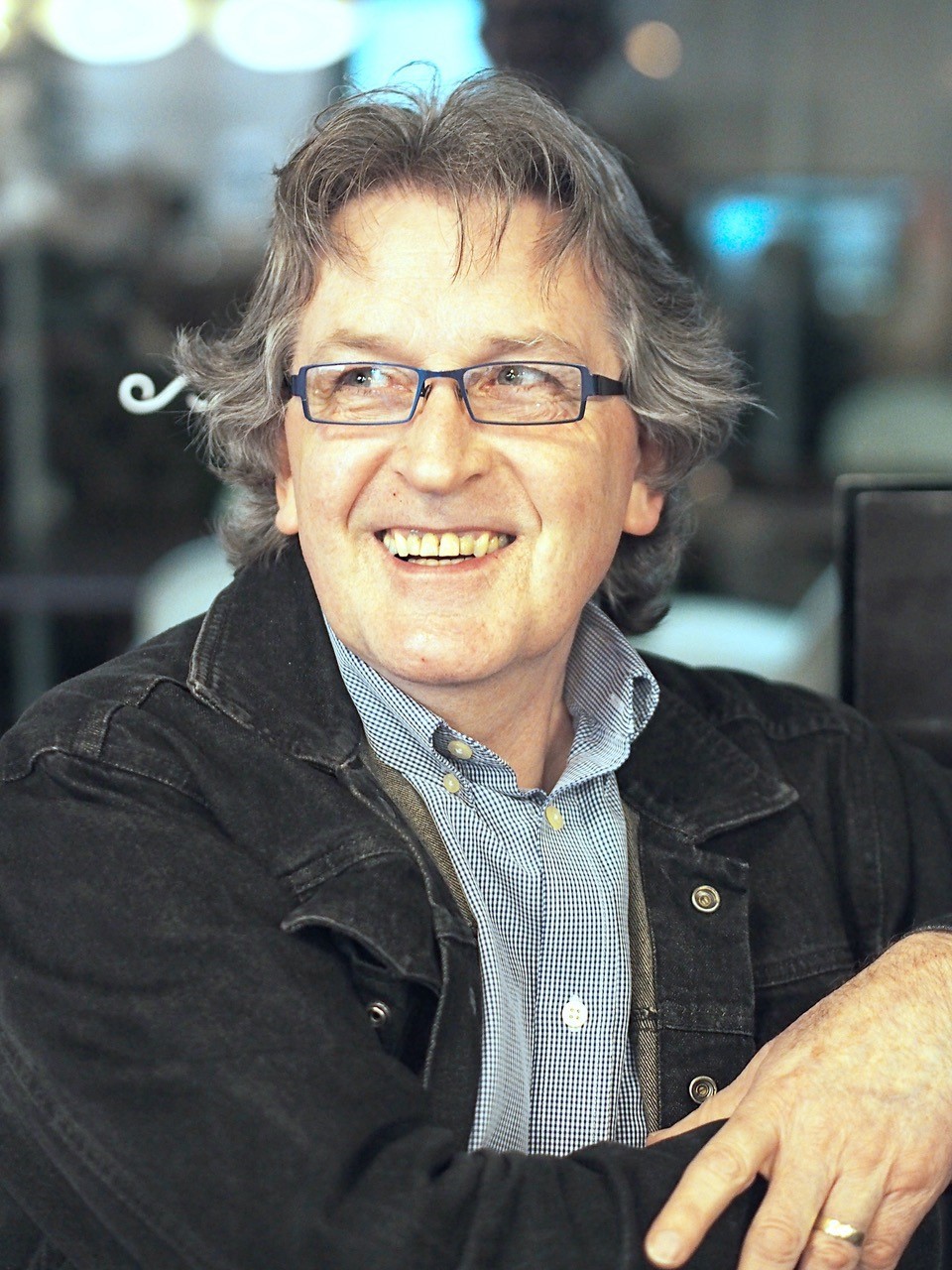
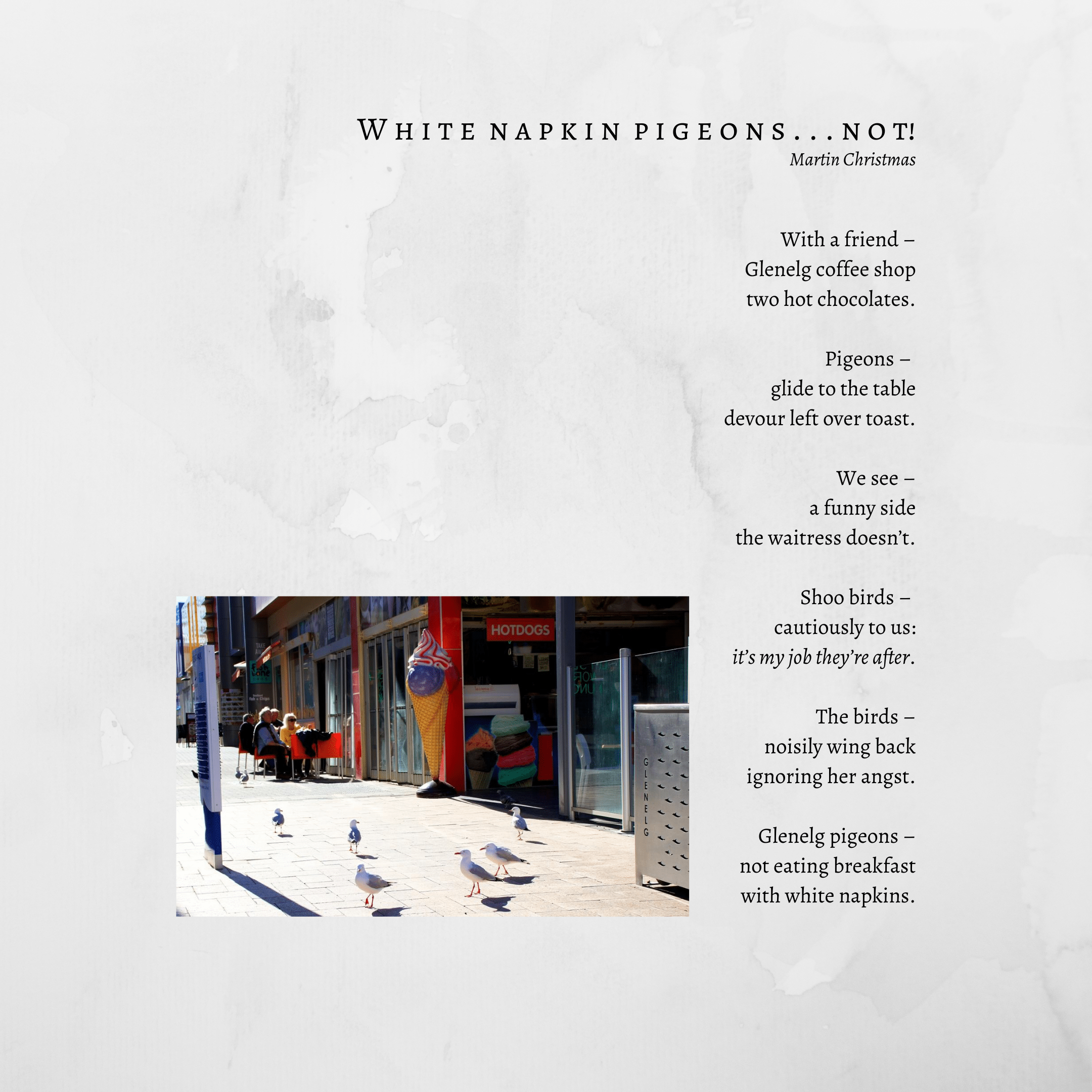
Finally, A Beginning by Geoffrey Aitken

A Short Long Story

At 70 years of age, my story is long. Still, it really began after my incomplete high school education, a fitting and turning apprenticeship, a Cert IV as a mechanical technician and senior detail draftsman, a mature aged undergraduate in senior secondary teaching, drop-out, traveller and mentals with hospitalisation before graduating as an English teacher 1987 and taking a pool teacher position in the NT at Tennant Creek, 1989. Whew.
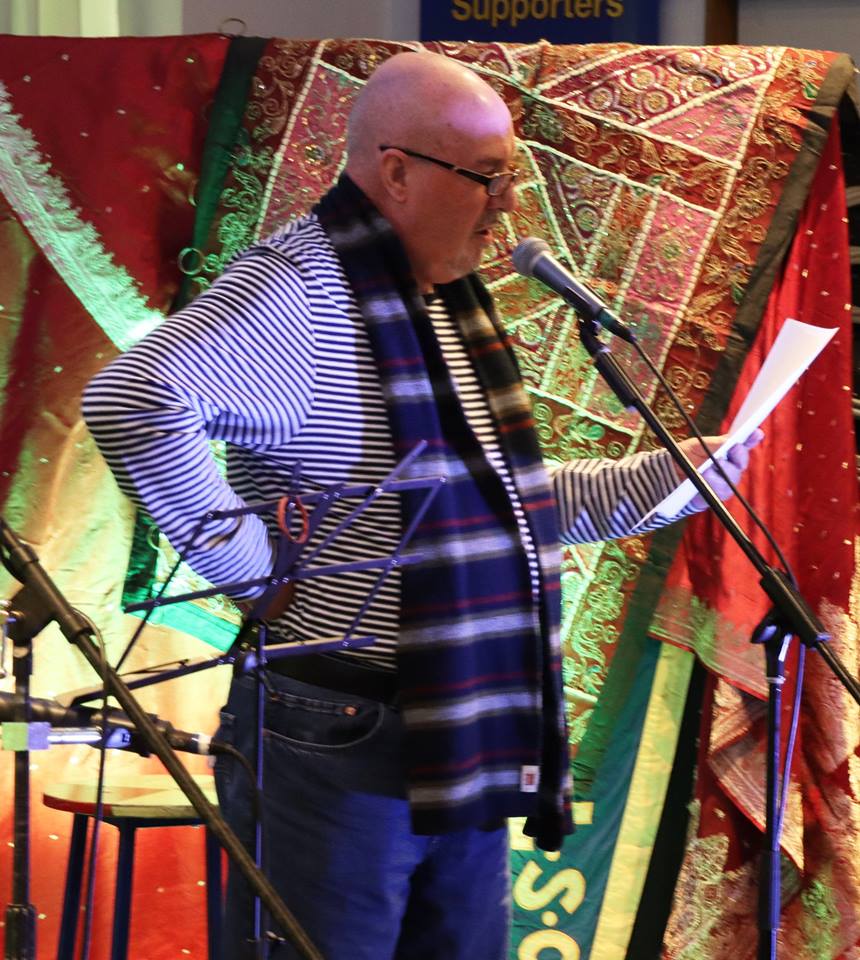
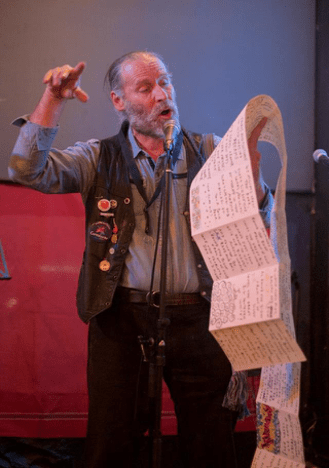
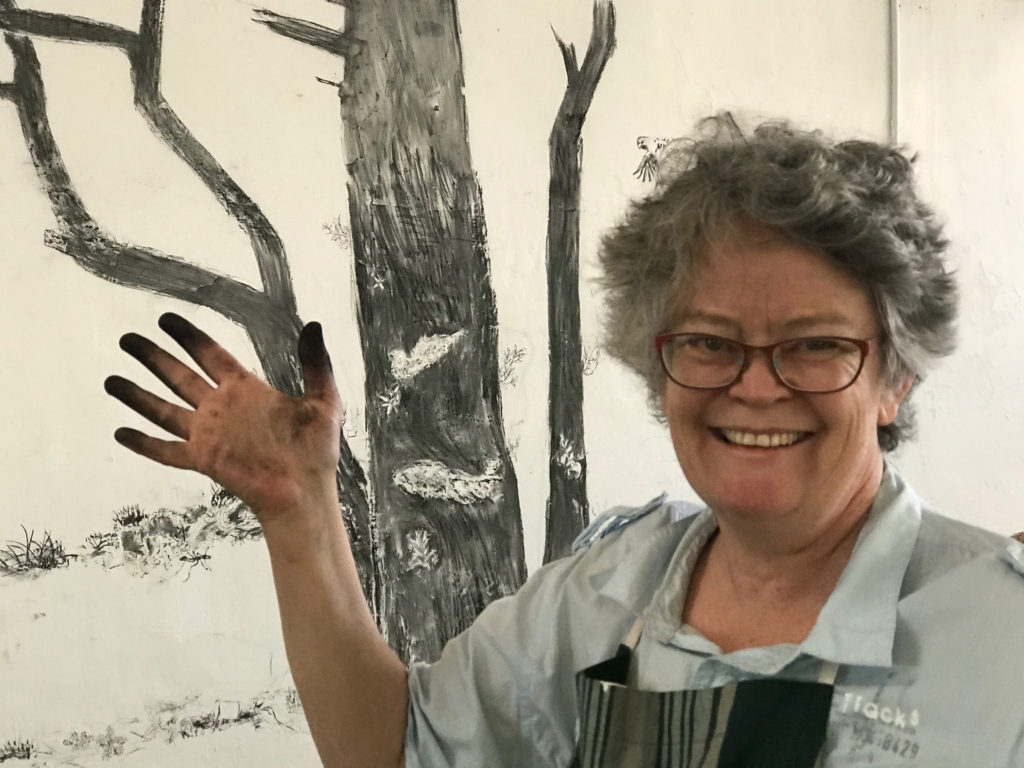
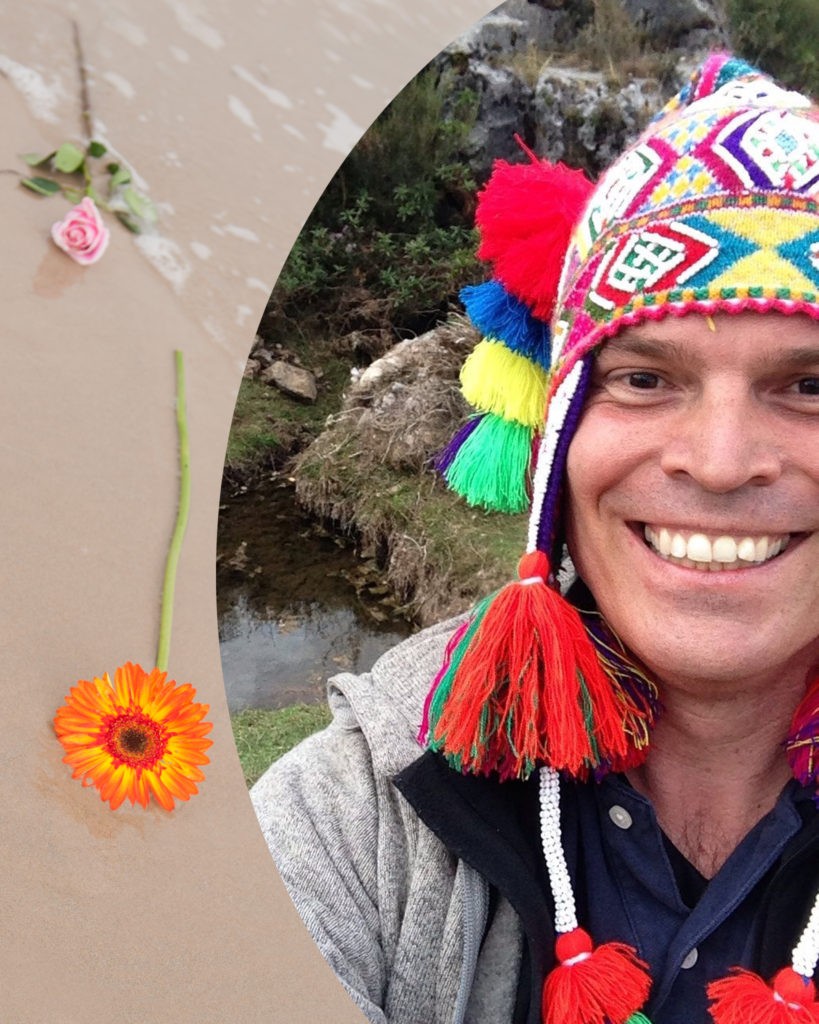
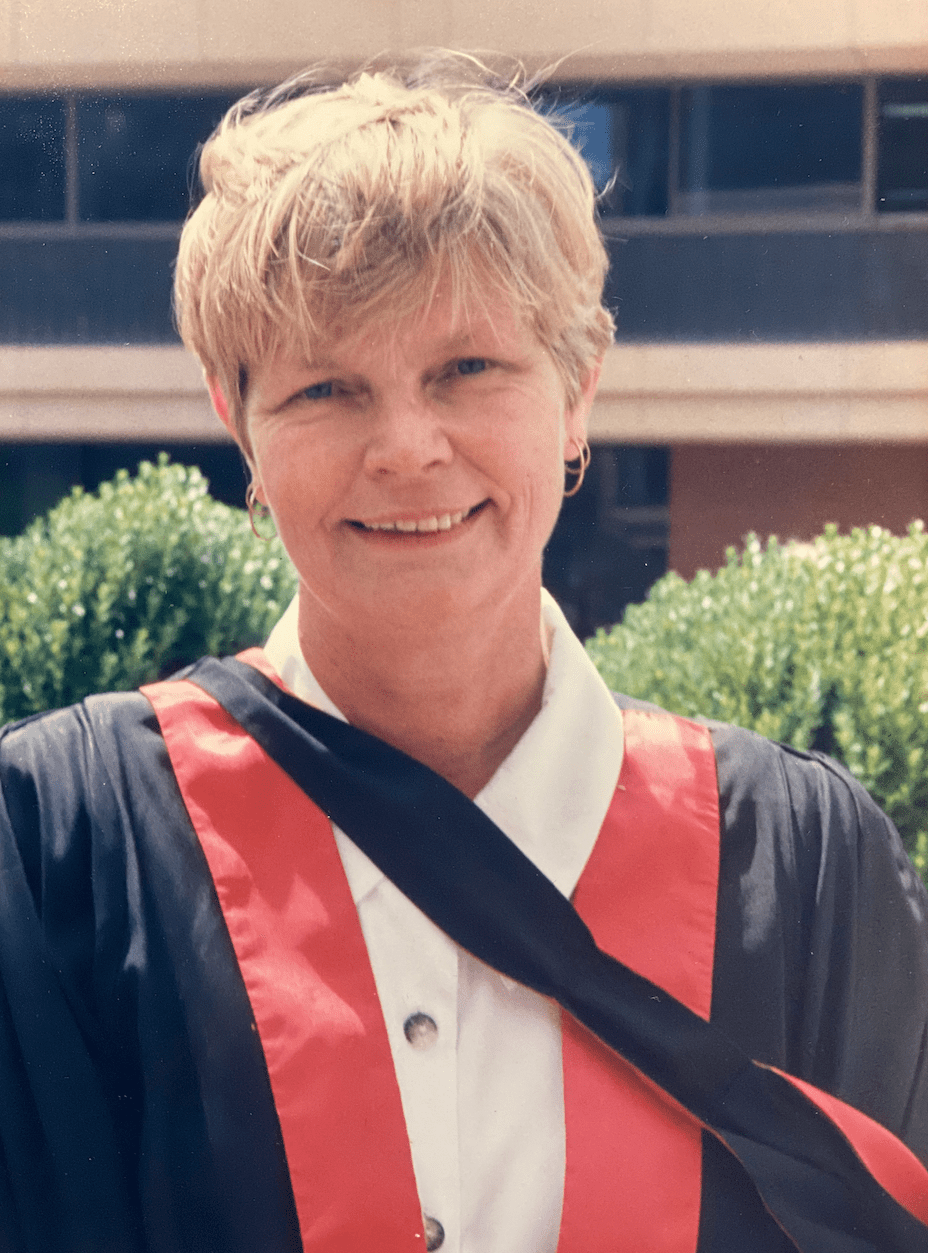
Geoff in Scarf

Last century, Tennant Creek was still a frontier town and its high school both a symbol and home for white children of enterprising parents who’d fled the Australian coastal mainstream with a lukewarm education when they saw an opportunity in gold mining, public service, retail, or education. There I began to cathartically write away the remainders of my encounter with schizophrenia while imbibing and socialising, only to fall under the outback spell — relaxed, distant horizons, blue skies, heat, smashing rain and quietly spoken Indigenous Australians with their damaged lives; Australians, or as Ruth Park noted in The Harp in the South – real Australians.

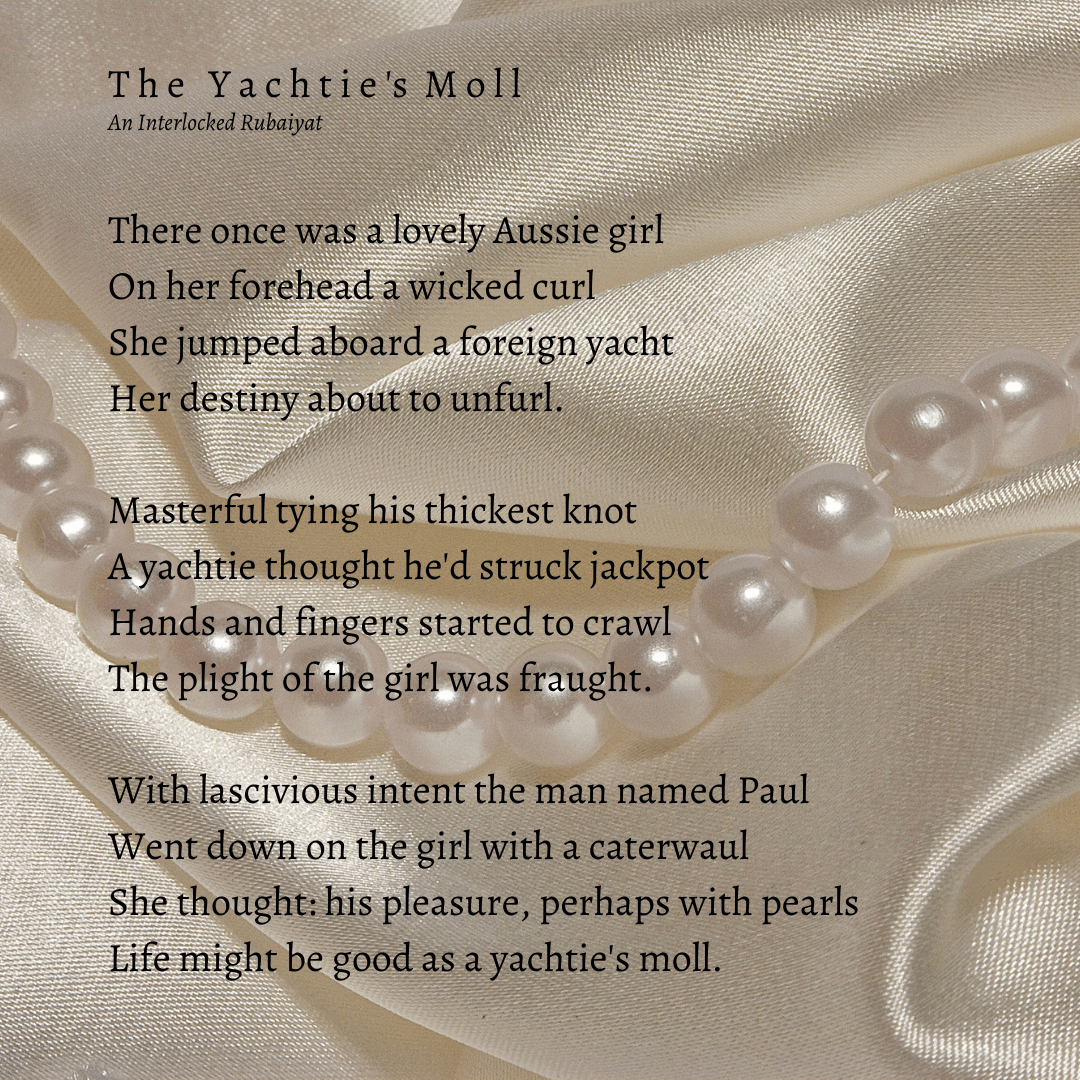
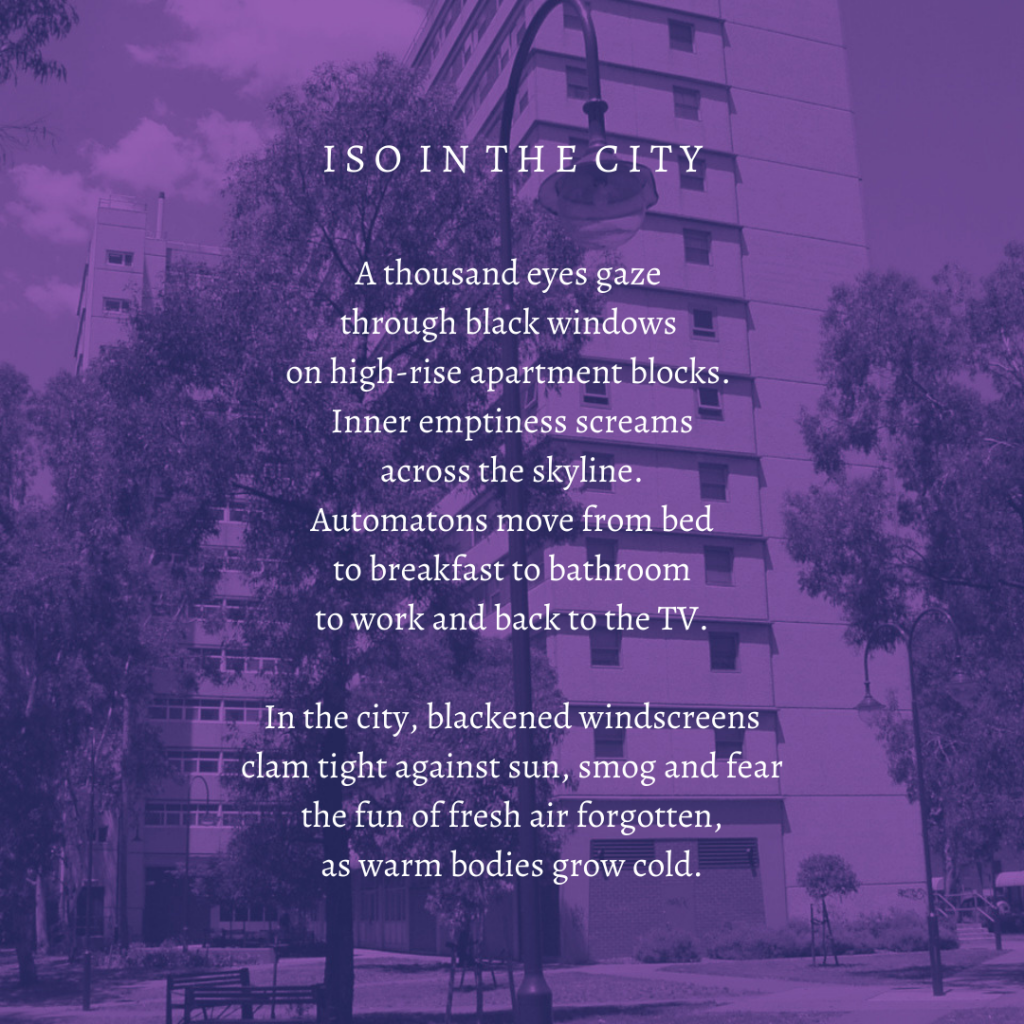
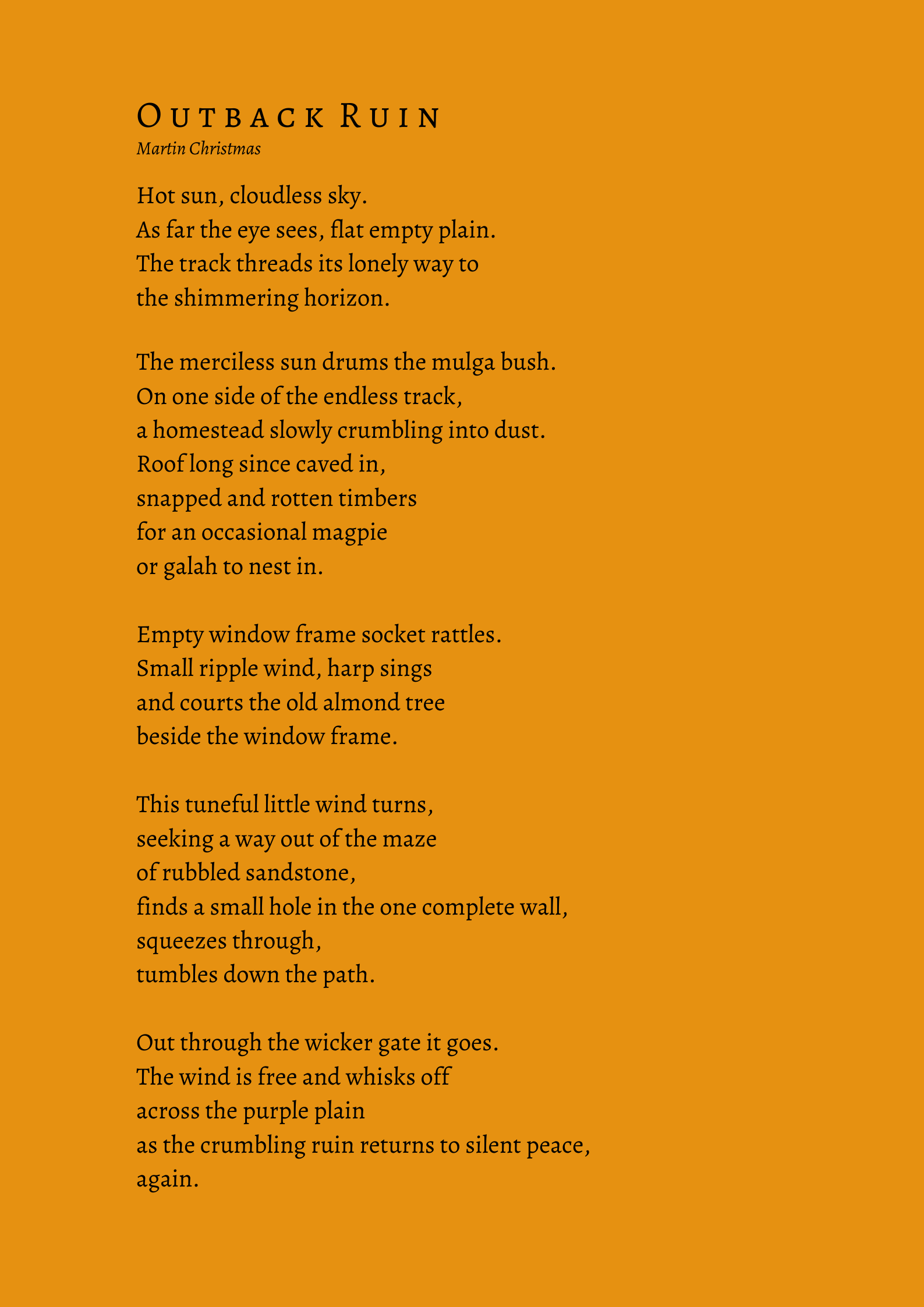
I wrote this poem later, but it was an experience of those days —

The Alice

Three years in Tennant Creek was enough to have me aspire to the big smoke, and so a transfer to Alice Springs lasted until four years ago when I returned to SA with my wife Jenny while daughter Jess joined us a few years later leaving the only home she’d ever known — for the city.

The Ghan Line

Alice rounded my understandings about the one size fits all blanket of mainstream education. Unlike Geoff Goodfellow (whose poetry I used to good effect) I began to question the whole kit and kaboodle. I read about his struggles to make his way, denied by a system that should have reassured him much earlier. I watched gifted students who’d been dismissive of their teachers, sail onto University and professional lives.

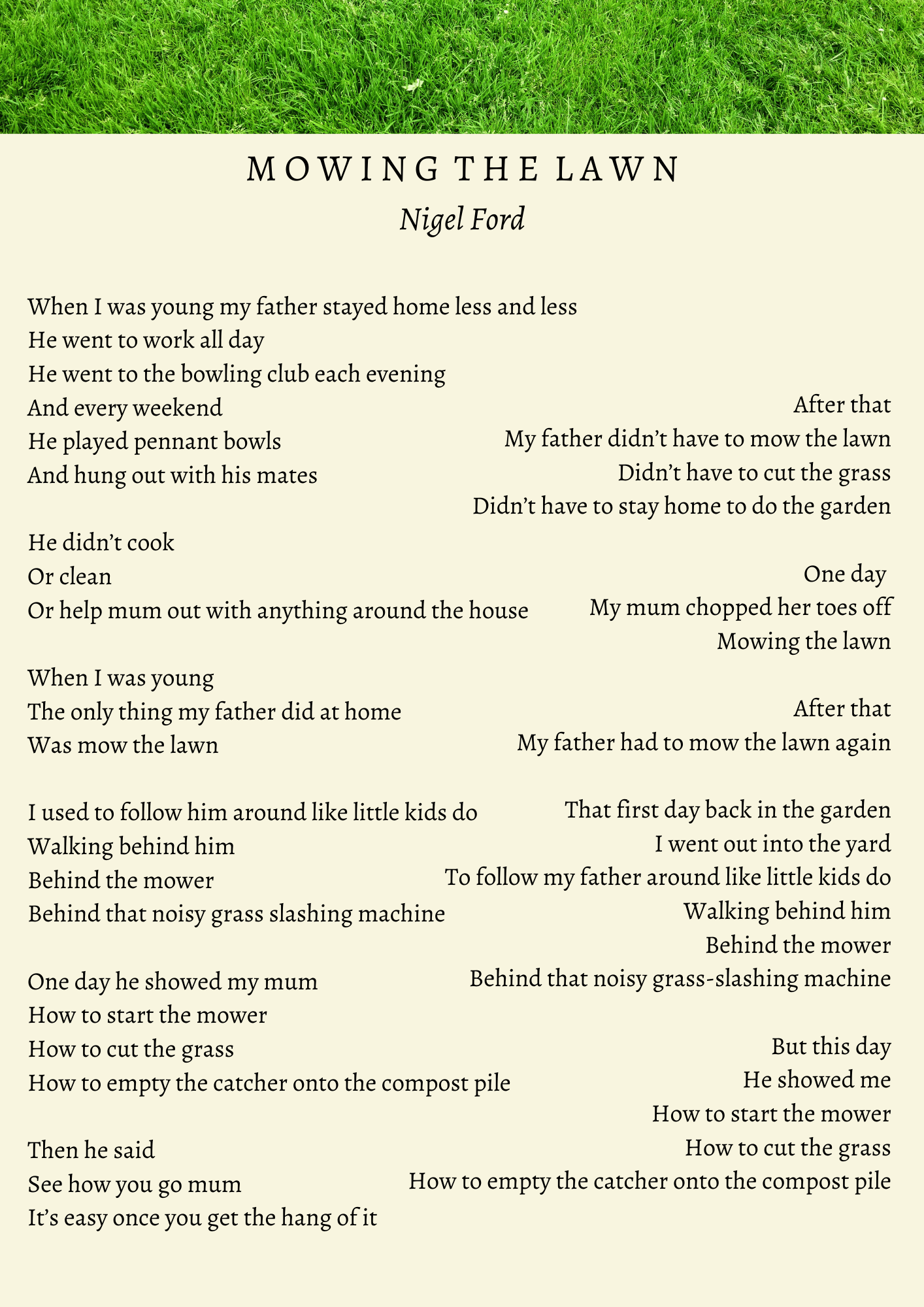
At the same time, most of our cohort found the academic curriculum unsuited to our immediate lives, environment and needs. Yet, a VET-Academic mix was not what employers required, nor did it challenge those mid-range students. The next poem was also written later, but what I describe was evident in the classes I taught and my school life years and years earlier —

First published in ‘Ochre 10’ an Anthology by Ochre Coast Writers, edited by Dr Steve Evans October 2020

A Constant Companion

During those years, with stress, my constant companion stayed only at weekends with drinking binges and conversations that reinforced I was not alone. Jenny’s wonderful meals and social acumen made time with friends who dined and shared their lives with us memorable. So many friendships were created during those years that my mind boggles at the arithmetic. Jessica was growing, schooling, sporting. She was activity minded, and so, the harnessing point for my sanity that didn’t falter. Then in 2006, I sought my second, long-service leave entitlement at half pay to secure a writing space.

Financial security was critical to my move but taking leave on half pay proved impossible with a mortgage and family expenses. So, I approached a colleague at Charles Darwin University for occasional work thinking to use my English language teaching qualification to leverage a casual (VET) lecturing opportunity. That began the story and continues to light my way — daily.

A Different Horizon

I’ve never had a day without thinking about Indigenous injustice and disadvantage. I bought a painting called ‘Calvina’s Class’ by Dr Al Strangeways (Head of Education, Alice Springs campus Charles Darwin University) that sits above my writing station depicting an Indigenous student in a mainstream classroom. It prompted the poem beneath, which appeared in New Poets 19. That part of the story follows.
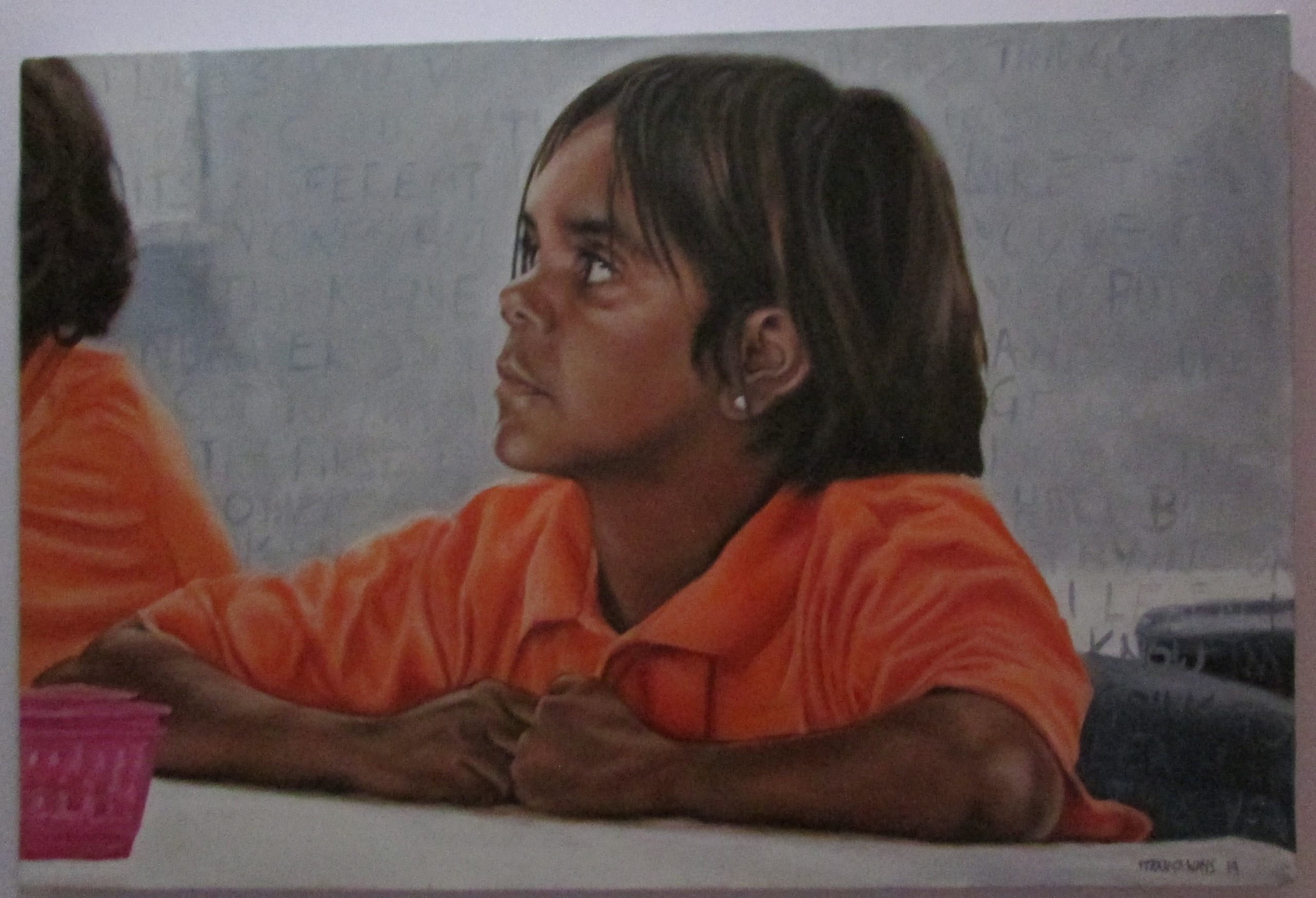
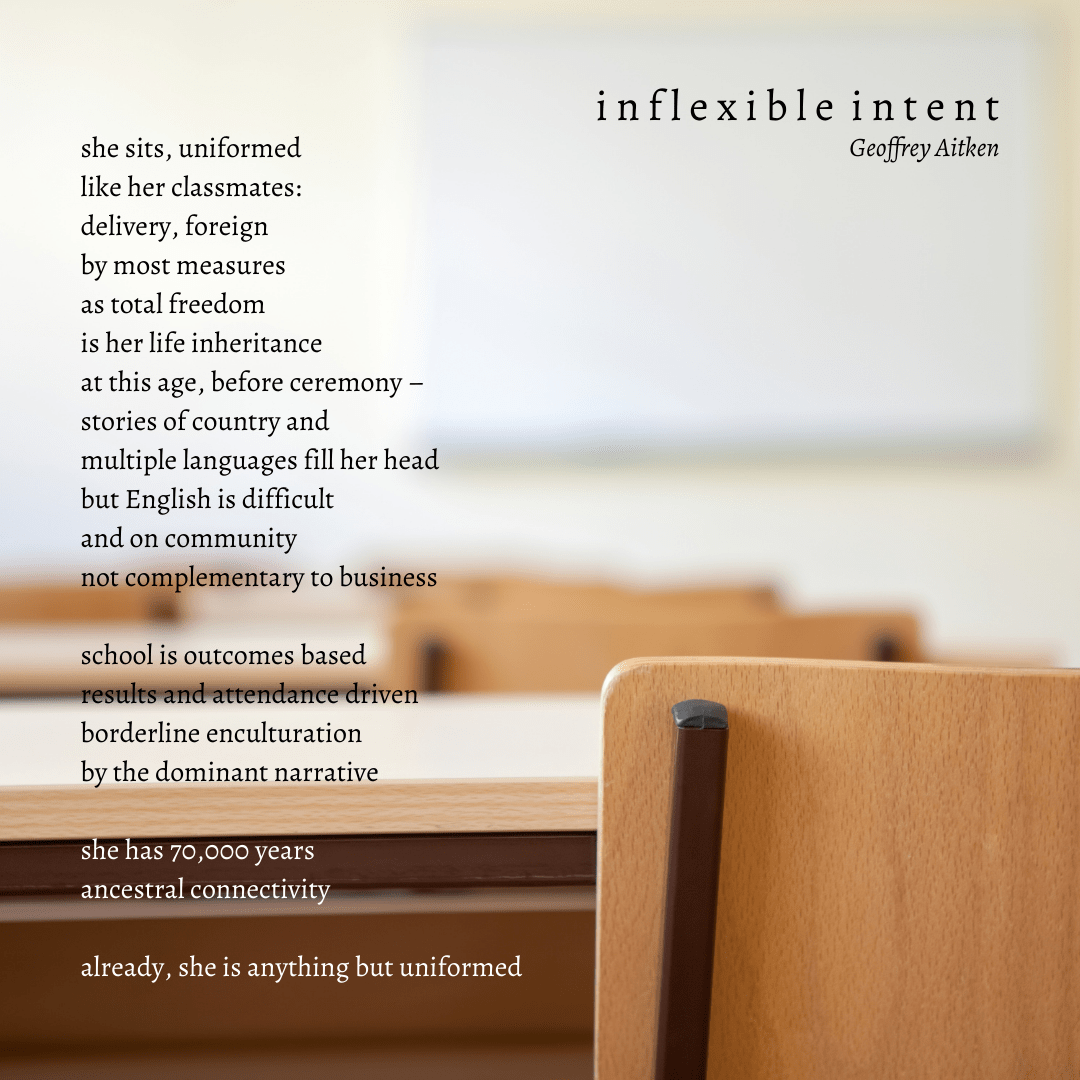
Calvina’s Class

For six of the next ten years, I was involved with adult Indigenous literacy and numeracy students on community or in organised Alice classrooms. I worked to enable English language and number skills for paid employment. I am unable to include names due to cultural sensitivity. Still, I have a mature view of Indigenous self-determination thanks to those people. Similarly, I seek no homes for the poetry I have written about them, as it is like speaking for a friend or neighbour — I don’t and can’t speak about their need, their pain or their experience — it is not mine to own.

On Country

Community life was not — in my experience — as described by the document released to governments prompting the Intervention although dysfunction due to European colonial abuse was rife; alcohol, gambling, domestic disharmony, school absenteeism, outrageously expensive store food and underemployment pervade the Territory landscape. All this mapped over traditional life preferences.
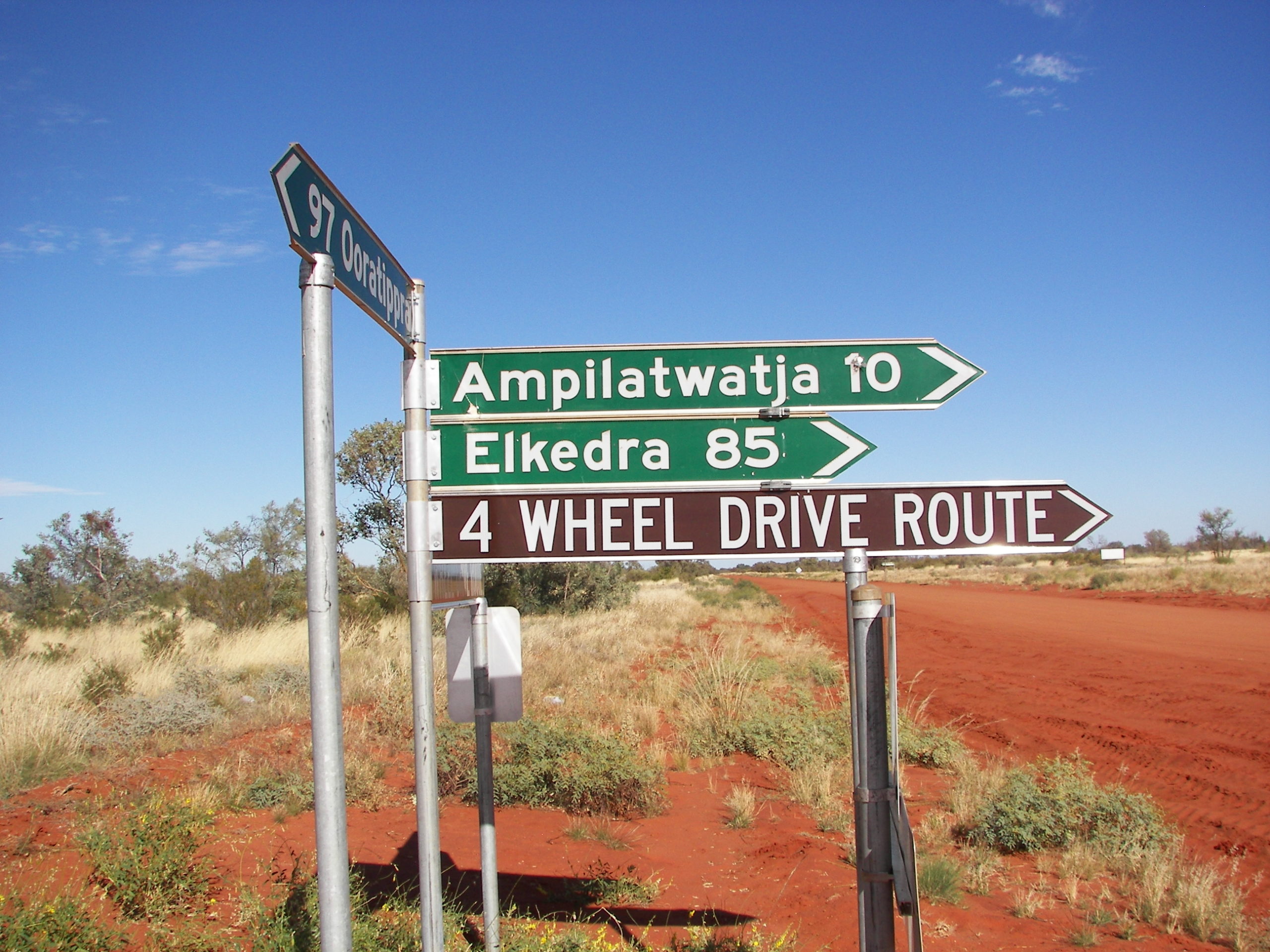
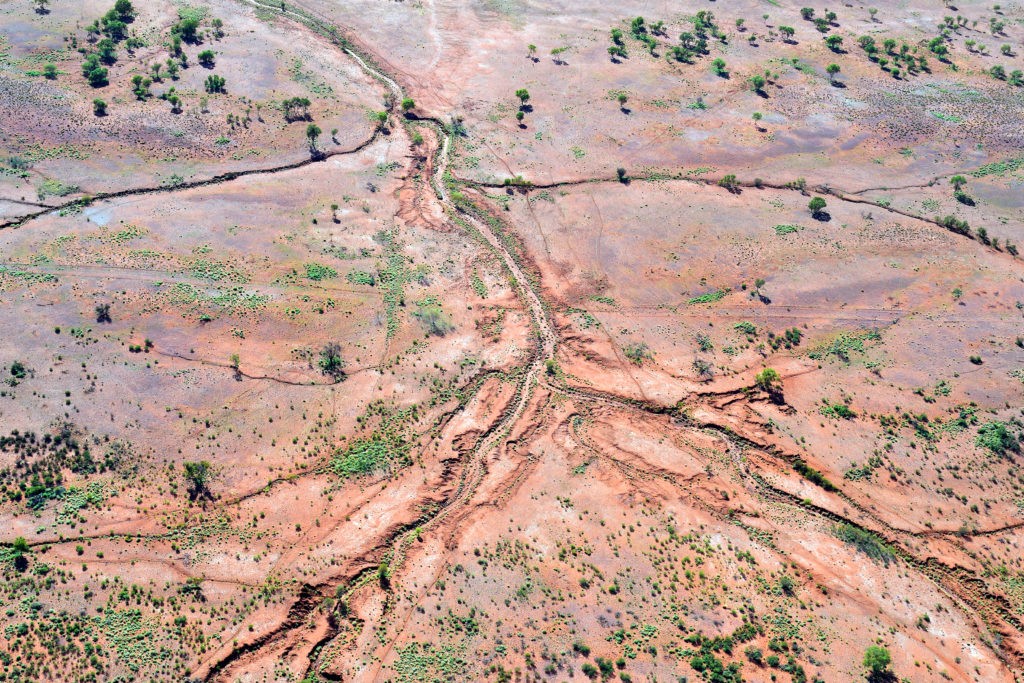
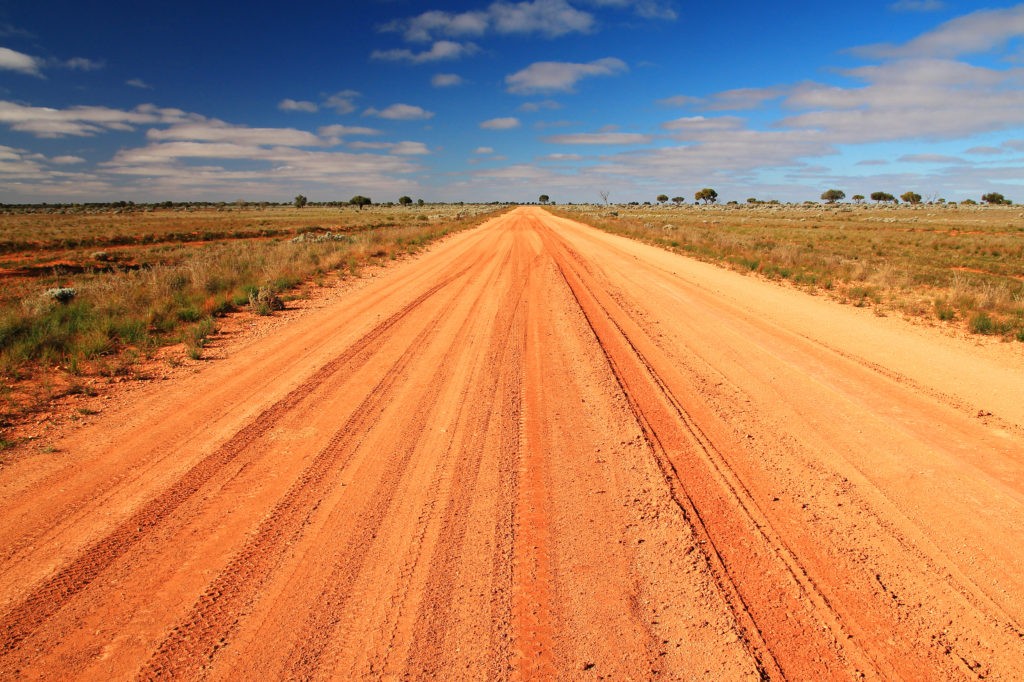
Halfway northeast from The Alice along The Sandover Highway toward Arlpururulum (Lake Nash).

Yet, while Indigenous men are more than capable of trade-related housing repairs, both local and federal governments insist that tradespeople travel from larger centres at an exorbitant cost that chews up Indigenous funding but blames countrymen for their circumstances, leaving them unfulfilled — all contributing to this picture.

We might well push harder to include Indigenous history of colonial genocide as curriculum areas for exploration and understanding, leading to a more committed reconciliation path.
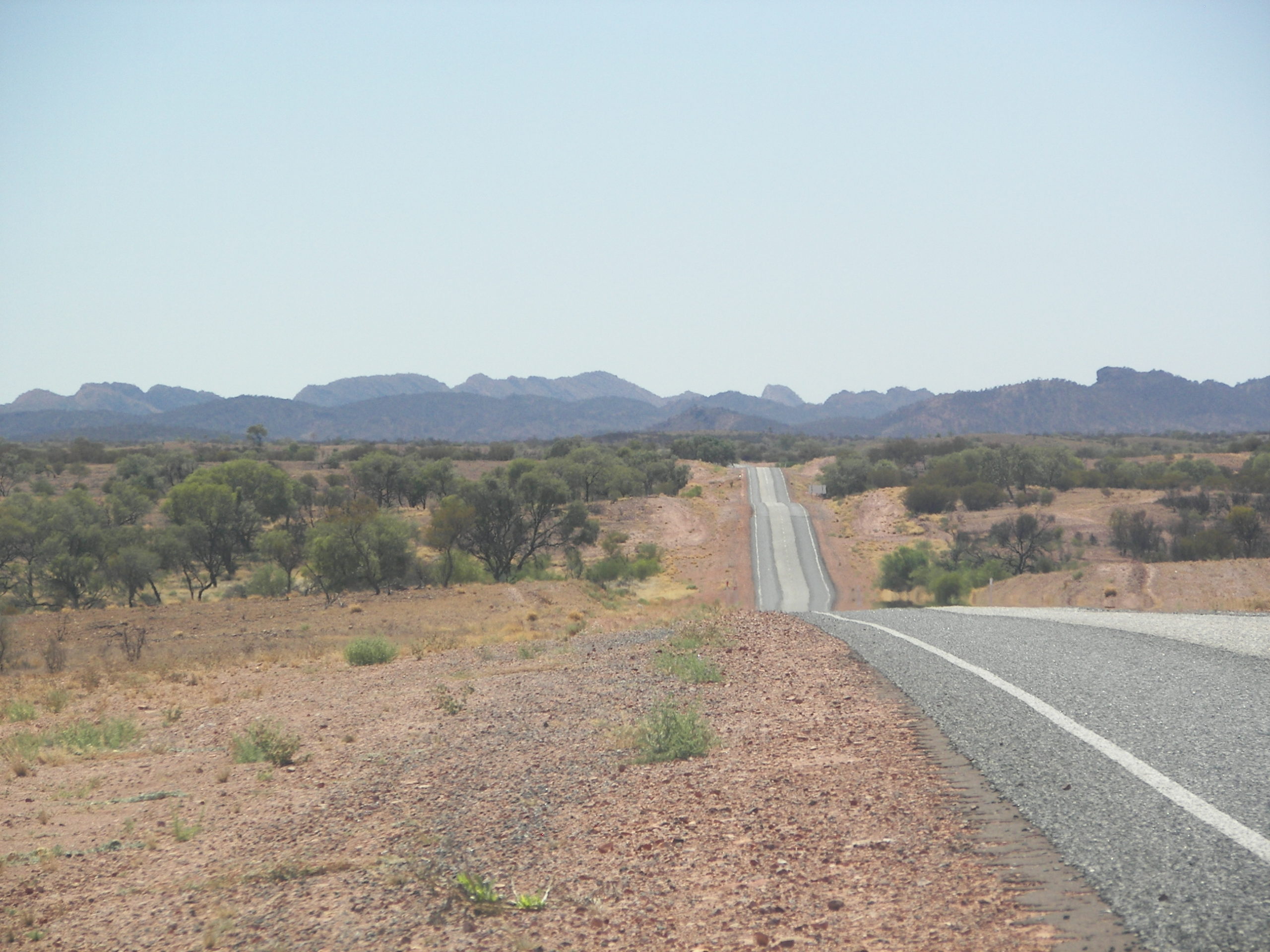
Namatjira country – even better ‘on the big screen’.

Did you know most Indigenous children speak more than two languages before they enter formal classrooms, but that carries little weight and doesn’t seem to count toward educational recognition or outcomes for esteem, confidence, belief, and achievement — not to mention capability?

From Outback to Urban Life

In 2016 we placed our Alice home on the market for a second time with almost immediate success inviting our return south to recouple with extended family. I had taken to monthly open mic poetry readings in the year before departure at The Totem Theatre on the Todd River banks. That lifted my confidence and belief in poetry, me, and a future writing commitment.

On a February evening in 2017, I wandered into McLaren Vale’s The Singing Gallery and met Julia Wakefield (FSP New Poet 20) and Maria Vouis (FSP New Poet 19), who run the
SPIN open mic there. They introduced me to this part of the South Australian poetry scene, and from then, my life has fruited. I have shared my experiences with so many open-eared creatives that I thought I had woken in heaven.
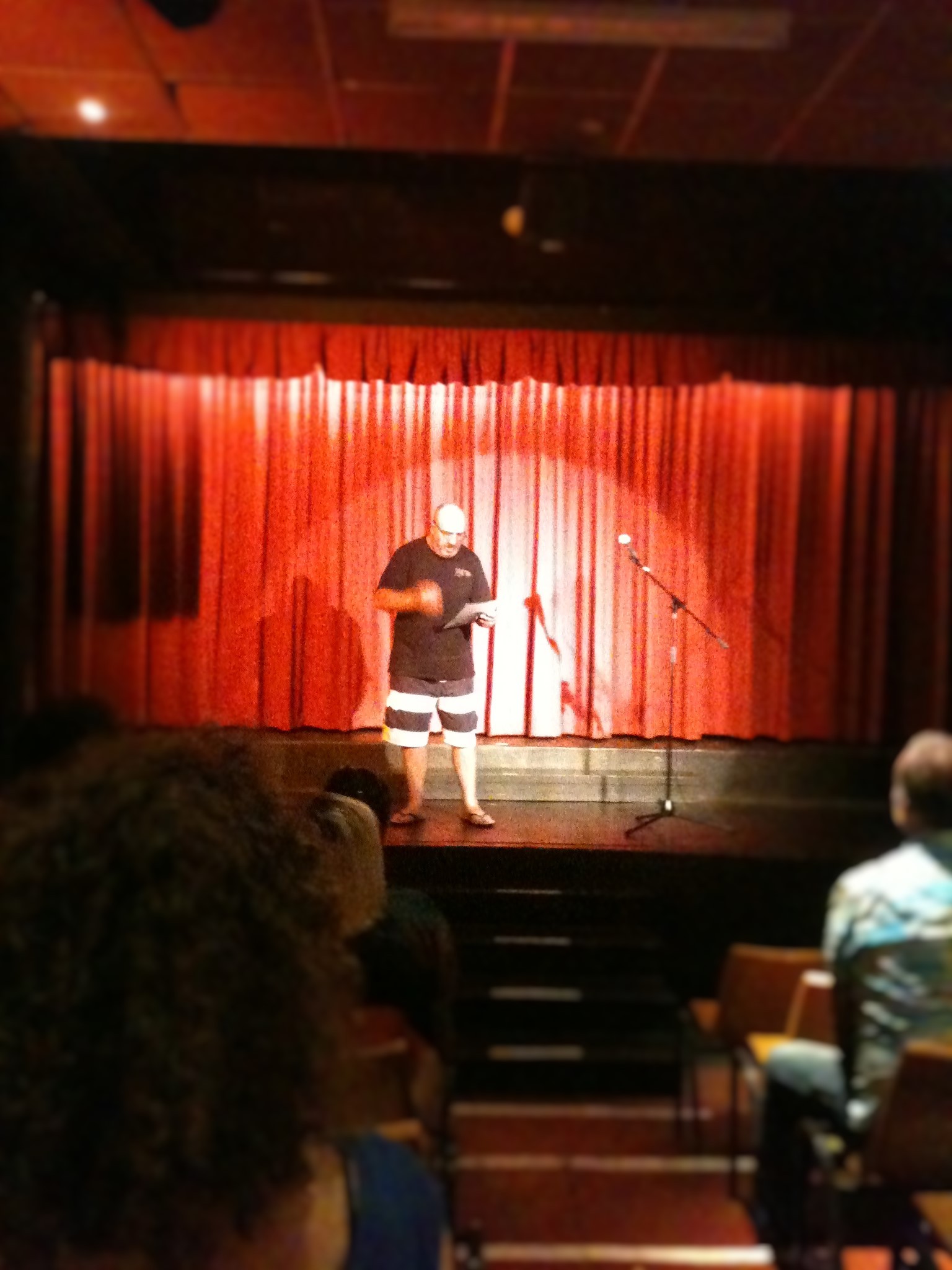
The Totem Theatre – ‘haute couture’ – with ‘open mic’ poetry

I won a place with Maria Vouis and Bruce Greenhalgh as a 2019 New Friendly Street Poet. I am grateful for that acknowledgement and for the support and encouragement from SPIN, Nigel Ford, David and Veronica Cookson and others too numerous to mention. I have maintained Territory friendships relying upon my agricultural scientist mate Roger, who has applied a right-brain eye to my poetry for many years and I always thank my Redback Productions brother who built and maintains Jenny’s and my website.

My poetic epiphany came as an undergraduate while studying Wilfred Owen’s writing. His stark descriptions of a glorious war startled and shocked those back home who had no notion of the slaughter and inhuman environment on those battlefields. Remarkably he denied any acknowledgement for himself maintaining that ‘the poetry was in the pity’. Lesser players have come and gone, although one should seek wisdom in the best literature. Here, I sought humour and social commentary so, British comedy with its warnings about appropriate behaviour that better reward good times has been especially present.

My passion is expressed in the ironies of life, the wry humour I try to find that exemplifies the struggle that life can be. Kurt Vonnegut is still my favourite author though Ray Bradbury invited healthy respect for untrammelled authority when I was young, while Billy Collins is a standout contemporary poet.

And, Now

These days I write and submit to poetry calls (as do my contemporaries), attend open mic readings, read other successful local poets, engage them in conversation. Of course, I continue to share food and wine experiences with anyone keen to take the time.

I have been acknowledged internationally and locally. I take strength in those successes. I am still a newcomer whose minimalist industrial signature often surprises and may confuse editors, readers and listeners who need time to adjust to the brevity. Compact observations require attentiveness and imagination, not always satisfying to traditionalists.

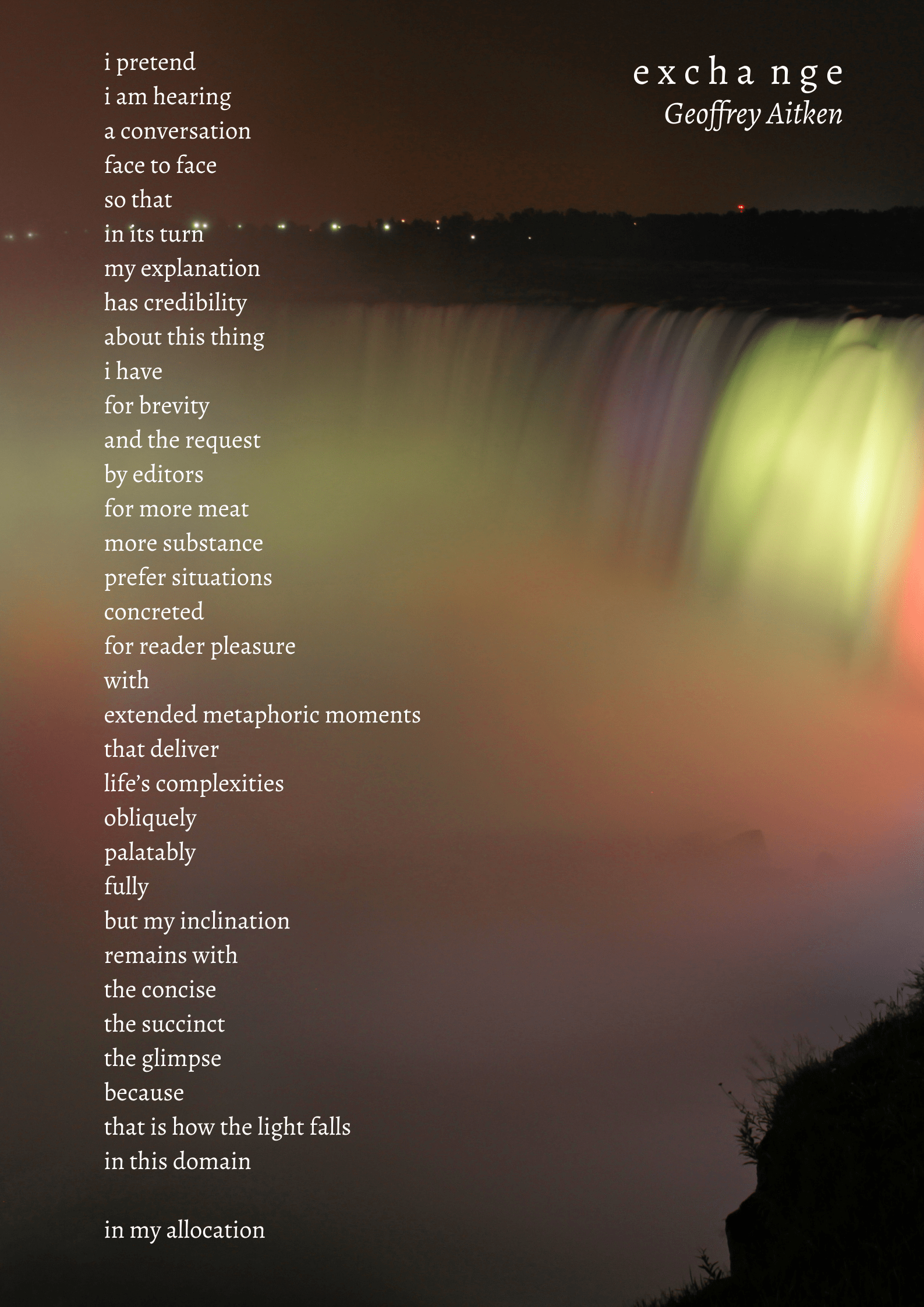
And so, finally —
I have been genuinely fortunate to have Jules Leigh Koch as a supporter, mentor and confidante whose own writing, recognition and advice are inspiring. I also thank Dr Steve Evans, who has been a believer like no other, with words that resonate, target, and diminish my uncertainty. My wife Jenny knows the whole messy but happily resolved story, and I am incredibly fortunate that she is by my side. You, too, Jess – always.

This marvellous opportunity to share my story here was made possible by Lindy’s too kind invitation to contribute – my gratitude, Lindy.

AUTHOR BIO
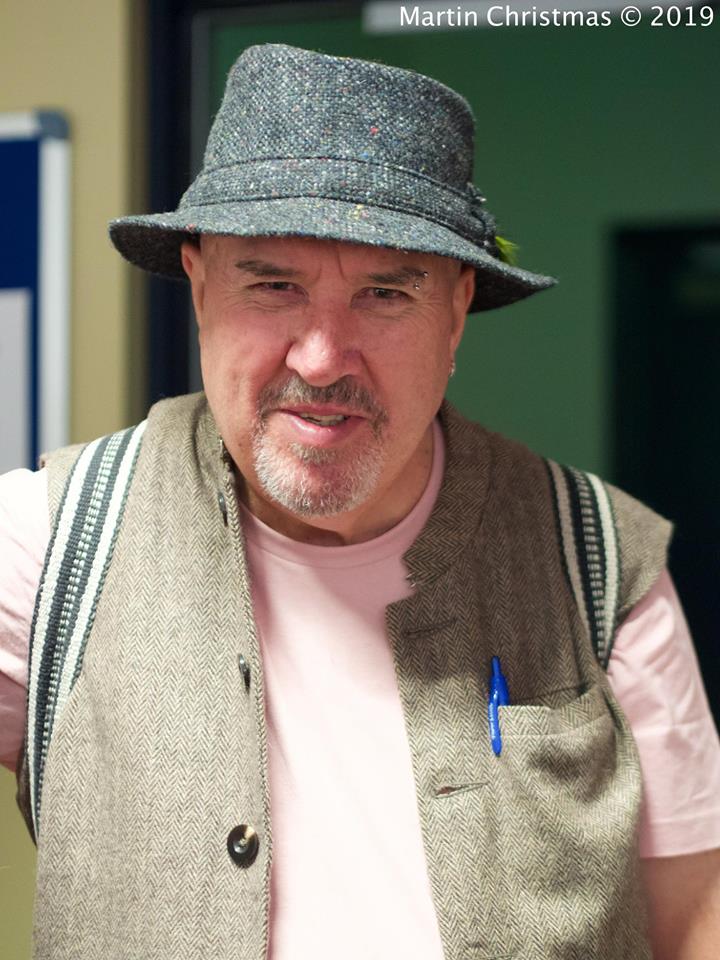
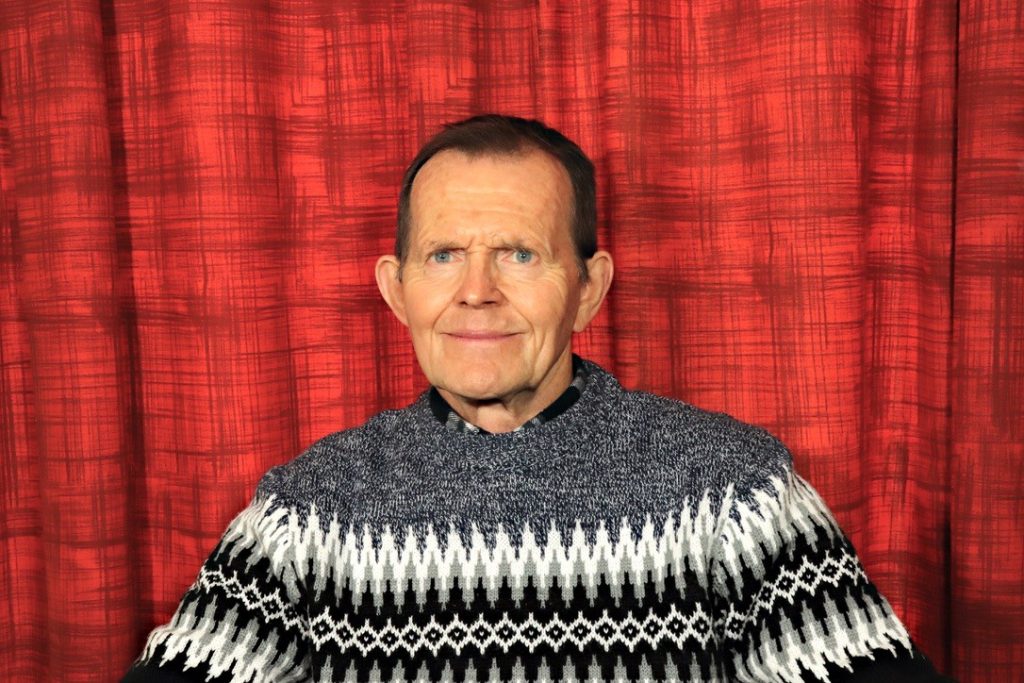
Geoffrey Aitken is an awarded South Australian poet and retired educator. His debut industrial signature styled chapbook, I want that in writing  (Ginninderra Press 2020) was generated from his open mic spoken word poetry. He won a place (of three) in the Friendly Street Poets Anthology New Poets 19 (Rainbow Press 2018). You can find him by visiting   https://poetryfeasting.com/ where you can view his poetry credits that include AUS, UK, US, CAN, and Fr. He does not test his poetry on caged animals nor is he after dinner congeniality. His experience of schizophrenia increases his concern about mental health along our avenues. 

Beware if you see this bloke around, he’s a poet.

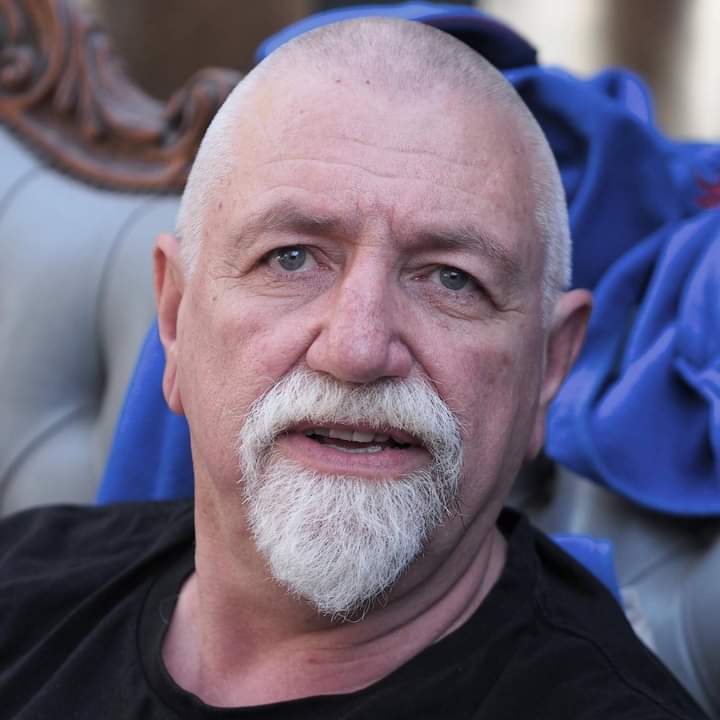
ACKNOWLEDGEMENTS: Photos by Geoffrey or Jenny Aitken. Profile image by Martin Christmas. All poems and text remain the property of Geoffrey Aitken.
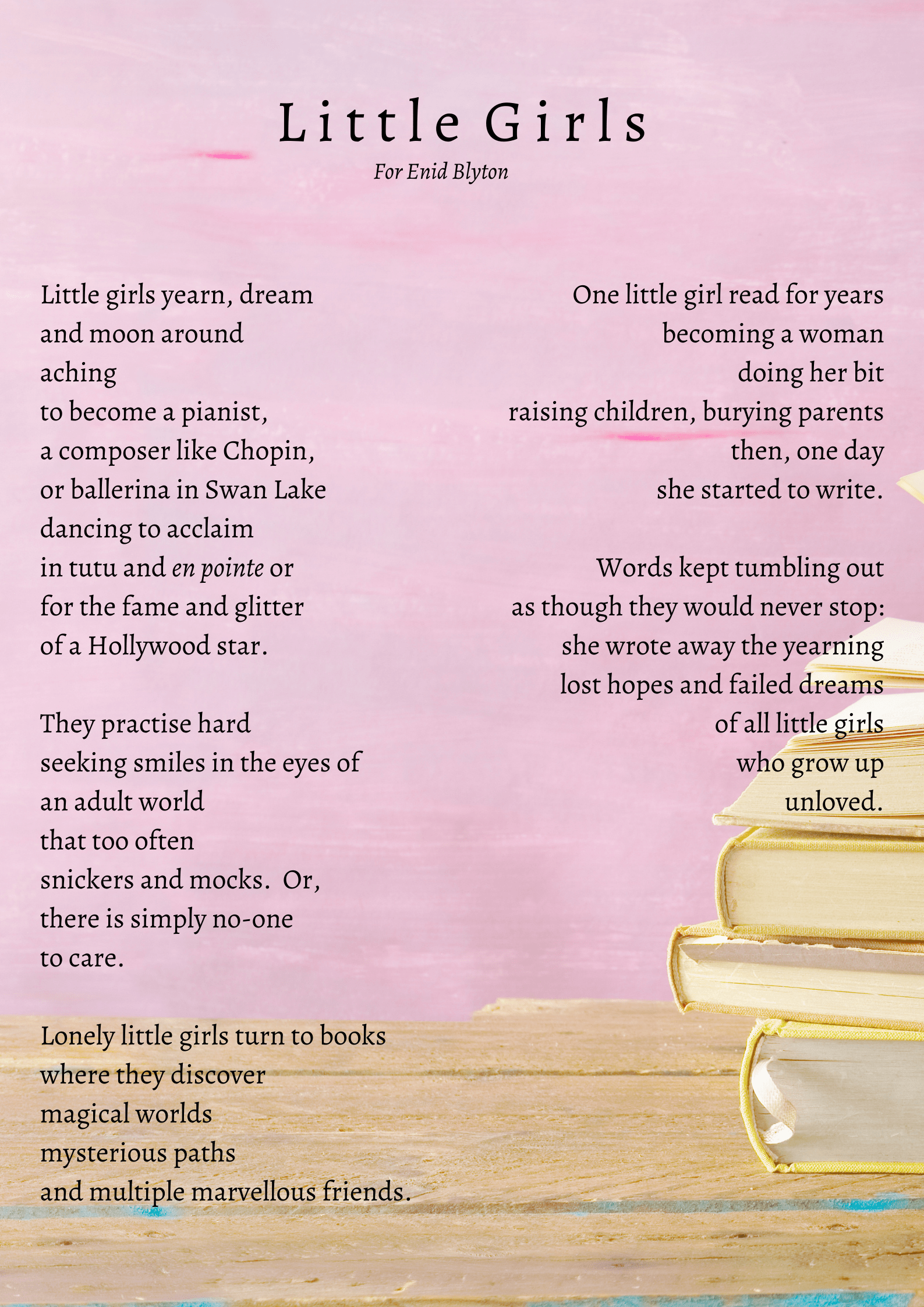
A Love Affair — Books and I Make Each Other

My First Love

I grew up with my head in books. I loved them so much it hurt, and they echo in me still. To this day, I read not with my intellect, but my heart and the curiosity I had as a child. I evaluate novels in terms of my attraction to characters and the strength of my wish that the story would go on forever; a salutary lesson for writers right there.

I remember conversations at university where people overwhelmed by status imperatives declared before they dared open a book, ‘oh, there’s so much I have to read’. When I replied that I read what I like, it was as though I’d farted in public. Truly.

Books speak to me through their themes and settings which attract me in an almost mystical way. I tingle with recognition when I find something I know I’ll enjoy. Of course, I check out what’s around, but when it comes to conscious selection, if anything, I am an author fan. I pre-order books by writers who take me on a journey. That’s it. The minute I see a writer showing off on the page, I’m gone.

Reading remains for me, a visceral activity. I’ve never read a book twice unless, as with academic texts, for comprehension. Nor do I feel shame if I don’t finish a book, unlike one of my favourite Australian authors, Richard Flanagan. Nor do I judge the many unread books around me as good or bad. I am a simple soul who knows when something is not for me.

An Aside

Of the great number of books I’ve read in my long life, I have chosen only a few to mention here because, despite some perceptible patterns, this post is about how and why I read, not what. My question to you is this; do you read like me?

Books that Grew Me Up

Like most girls of my era who grew up without television, I imbibed Enid Blyton’s Secret Five and Secret Seven books (later banned for 30 years for being racist despite selling 600 million copies in 90 languages). Boys read Biggles.

Blyton instilled in me a love of mystery and adventures that included girls. Yes, Enid Blyton’s heroes were mostly boys, but that’s the way life was when she wrote, and it was the way my generation expected it to be. It was the 1980s before I realized that life was up to me alone!

In fact, in my 20’s in Darwin, I taught water-skiing for a guy with a boat and an outboard motor and yearned to join a yacht sailing to South Africa as one of an all-female crew for a male skipper. I had no inkling I could ever own a ski boat or sail my own catamaran around the world, with an all-male crew.

Nowadays, girls like Aussie teen Jessica Jackson in 2009-10, can navigate the world solo in their own yacht. (She now features in a 2020 Netflix biopic.)

Stories are Living Things

Stories belong in time and touch those of their time. Even today, an author’s success comes from speaking truth, present yet inchoate in the populations they address. This explains why books echo in us. Of course, we read to learn. But we also affirm or transform who we are in our emotional refraction with a narrative.

Most of us choose to read what we already like. If you have a penchant for ancient civilisations, you will read such books as did my brother. If like me as a child, you are bewitched by an idea of the Australian bush, well, go no further than Mary Grant Bruce. Back then, nobody knew that her work would later attract controversy for racial stereotyping. Nor did I then know anything about her belief in the now-debunked theory of Social Darwinism.

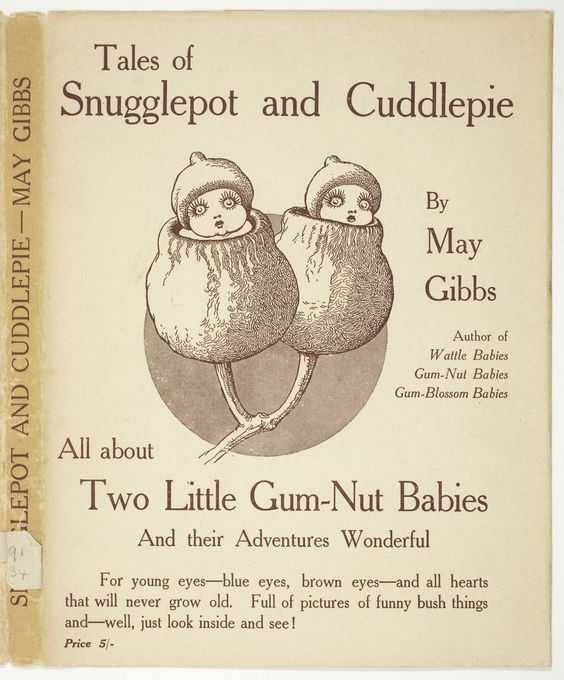
If Bruce answered my romance with the bush, earlier, May Gibbs bewitched me with Snuggle Pot and Cuddle Pie, her little gumnut babies and their struggle with Big Bad Banksia men. I feel a nominal kindred with Gibbs too. Like my mother, my middle name is May, after my maternal grandmother of Gibb’s generation; May Evans nee Woods.

Mae Gibbs 1918

May Gibbs has a top spot in my heart, and I was thrilled to read just now, as I searched for a link to include here, that she once said, ‘It’s hard to tell, hard to say, I don’t know if the bush babies found me or I found the little creatures.’ Wow!

In passing, I must add that my favourite fairy tales were those of the Brothers Grimm, especially Rumpelstiltskin, which terrified me probably because I was blonde.

Youthful Attractions

During my early 20s in Darwin, I lived in the library as I had at school. Its two levels of book-lined shelves in an old colonial stilt house drew me in. The bound promises and secrets it held bewitched me, taking me on an adventure from a single room in a government hostel and life as a stenographer to Aldous Huxley and his father, Sir Julian and beyond.

Nearly 60 plus years later, I can’t remember which Aldous Huxley books I read apart from Island and Brave New World or whether I fully understood them at the time. However, I still thrill at their memory. Aldous Huxley invited me to step beyond my own small life. He took me to tantalizing horizons I’d never imagined. Sir Julian was my first brush with the philosophical theory, Humanism. Being of a more spiritual bent, I read only one of his books.

While the Huxleys introduced me to notions that heightened and expanded my curiosity, I also discovered Fyodor Dostoevsky in those formative years. My favourite book of his was The Idiot.

I reckon this early exploratory reading fits with who I’ve become, with my somewhat depressed leftie and philosophical outlook on life, despite the wicked influence of Enid Blyton and Mary Grant Bruce. Don’t you?

Once an Anthropologist…

As I said in An Accidental Life, anthropology opened the door to magic for me. I experienced that discipline as coming home to myself, even as it took me to other worlds. An important byproduct of my tertiary study was the discovery that there are no definitive answers in life. New questions constantly arise, stretching and pulling one on and on.

I learned from so many remarkable scholars whose ideas are now part of who I am, how I see, interpret and understand. Here are just a few of my favourites.

All these writers, philosophers and anthropologists alike, gave me a love of learning. I fell in love with their loftiness of vision and innovative ideas. They brought me down from hard-fact kinship diagrams and other theoretical abstractions to real people and helped me understand other people’s ways; in their terms.

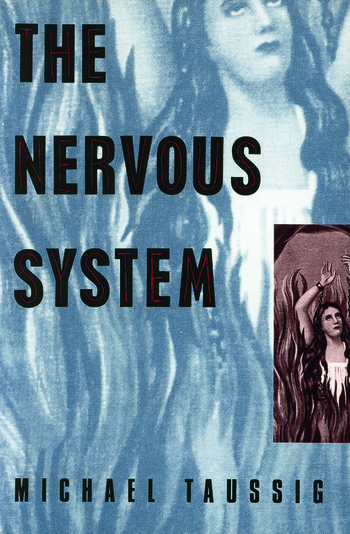
Eliade and Heidegger illuminated non-linear conceptions of time. Michael Taussig, my favourite Australian anthropologist, exposed the pulsating nature of social life, which he describes as a nervous system. In earlier works, he revealed that criticisms of the danger of native peoples by those trying to control them are false. Taussig argues that such colonial portrayals did not describe reality. Instead, they reflected the colonial fear of darkness itself — what a marvellous lesson.

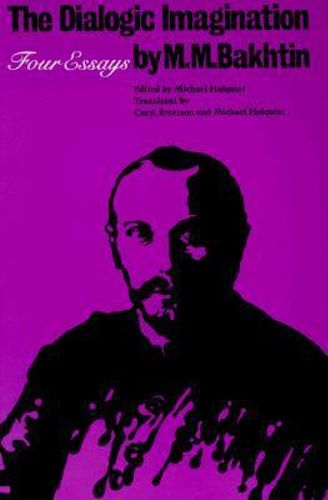
Mikhail Mikhailovich Bakhtin thrilled me with his notion that the world is ‘aswarm’ with words, and each time we speak, we select; each utterance creates something new. Language, in other words, is a living, creative thing, not a grammatical structure. He also showed how the novel changed from static classical tales of heroes who emerged unaffected by ghastly wars and woes to stories about characters who change because of their travails. The latter is his definition of the modern literary novel.

Just as a character changes in a novel, texts belong in the world, not above it, in some eternal and unchanging fashion. Like us, they change in meaning as they are engaged by readers who are similarly socially situated. The world of words is a two-way process.

Michel de Certeau explores how we walk the city, illustrating how we map our personal city as we traverse it. To me, this is iconic with Bakhtin’s notions about words; in life, we choose our own paths, from a trillion possibilities to create our own meaning. We create maps that we construct and reconstruct as we move around. Like social language, meaning is always in motion.

I met Clifford Geertz once, in Hindmarsh Square’s Jasmin Indian restaurant. We sat opposite each other at a long academic table, in a two-person bubble, sharing our distaste for loud voices and false laughter. A prodigious writer, Geertz confided in me that he wrote 300 words a day, not more, not less. In his image, I set my daily word goal at 500, which reminds me of him each time I reach my target.

Geertz’ work on Balinese cockfighting is a classic and a great read that will remain on syllabuses forever with his wonderful lyrical prose. But I loved Works and Lives because it strips all mystique from theory. One way or another, he argues, all writers, including renowned philosophers, write from their biography. Theories in philosophy, the arts and linguistics, are not as rational as we have been led to believe. No theory is culturally innocent.

Back to Novels

I have read so many books over the years but remember only a few, like The Herries Chronicles by Hugh Walpole’s six books of a family saga that I could not put down. The last book in the series is entitled Vanessa, and at 19, when I read it (borrowed from the Glenelg Library, which has barely changed), I vowed I’d name a daughter Vanessa, should I be lucky enough to have one. And I did!

Jumping to my university years, when I’d already fallen in love with South Asia through study, I snuggled into my flamingo pink armchair one winter with Vikram Seth’s story, A Suitable Boy, set in India. (It recently came out on Netflix). I did the same thing, albeit in a different chair and house, with The Cairo Trilogy by Naguib Mahfouz. Who could resist books with names like The Palace Walk, Palace of Desire and Sugar Street?

Seth taught me so much about the Partition of India and Mahfouz, the history of the Middle-East. But, by the story-magic of their writing, I lived, cried and loved in those places for a while. As authors, they took me on journeys that inhabit me now.

Another somewhat different love came with Patrick Suskind’s disturbing, humorous and oh! so intelligent novella, The Pigeon. A book about an ordinary man who locks himself in his room to brood (sic). One day he opens the door to a pigeon which terrifies him with its red eyes and legs. When I dismantled my library, I kept a copy because it reminds me of the proximity of madness in us all. I love that.

The Pull of Poetry

I was inattentive at school (outside the door a lot), but I met poetry at childhood elocution classes which I liked. Despite having to walk back and forth with a stack of books on my head for good posture (leading to a good character they said), reciting excerpts from TS Elliott’s, ‘The Lovesong of J. Alfred Prufrock’, Samuel Taylor Coleridge’s ‘The Rime of the Ancient Mariner’ and William Wordsworth’s ‘I Wandered Lonely as a Cloud’, my love for those poems is ineradicable.

One of my favourite poets is Michael Ondaatje and his sensual poem, ‘The Cinnamon Peeler’s Wife’ in The Cinnamon Peeler. Another is Australia’s own Judith Wright and her Birds, beautifully illustrated with images from the National Library of Australia Archives. Both poets clearly wrote from the heart; their lives, loves and experiences are in every poem.

By giving me Australia in poetry, Judith Wright belongs in the same parade of my beloved figures, May Gibbs and Mary Grant Bruce. Ondaatje stands in succession to my love of Sri Lanka, where I researched traditional rituals of the Goddess Pattini and Buddha for my PhD. My heart is never far away from a place when I read.

How Books Make Me

A week or so ago, I watched Michael Portillo’s railway adventure through Sicily. I cried. It wasn’t a sad show. Indeed it explored Sicily’s fascinating history but, although I’ve never been there, I adore Sicily because, during my undergraduate years, I studied the decline of its classical land tenure system, the latifundia, and the early emergence of mafia to fill the void created by absent landlords.

Sicily’s bleached atmosphere, pale stone buildings, bright sun, and industrious people overwhelmed me on the page. Years later, I fell in love again with Sicily on television, watching Sicilian Inspector (Salvo) Montalbano, a marvellous character who sprang from author Andrea Camilleri’s pen. Thus compounded in my heart between word and screen, Siciliy lingers as the love of a place I can only imagine.

We are what we love. What we love, we become. This makes reading transformational, a view I seem to share with some pretty famous writers. Click here for their words.

Writing Tip

It won’t surprise many people that writers, playwrights, artists and film-makers use books as props to convey a character’s nature. But, have you ever thought of examining yourself in these terms. What does your reading say about you?

When I taught life writing, I’d often ask people what their favourite fairy tale was and then identify an aspect of themselves that resonated with it. It was a revealing exercise so give it a shot.

You don’t need to work with everything you’ve read, just those books, poems or stories that jump out at you when you sit down to write. As always do one thing at a time; one movie, book or poem.

When your collection grows, find commonalities, themes, points of divergence or similarity and ask, is that me? How did this or that reading change you, make you?

Happy Writing

Wattletales

My Writing Life by Steve Evans

The Real Me

The mere thought of considering ‘my writing life’ conjures a whirlwind of possible angles and the word ‘my’ is a special concern since it could be an excuse for all sorts of vanities. It’s claimed that every writing act is to an extent autobiography, that the author is always present, even if faintly. I like to take an oblique approach, even a slightly absurd one, at times. Is that the real me? For better or worse, then, here we go.

A Reading in 2015

For me, meeting a good poem or narrative is like walking into a theatre that might seem small at first but then keeps on opening wider. Maybe that’s why stories captivated me early on as a kid. I indulged as a listener and then a reader and, eventually, as a writer, trying to work out the best way to effectively corral words in poetry and prose. It was rewarding but also frustrating.

Encounters with Stories at Home

My mother read to me at night until I was about five years old. She’d eventually leave me to read on my own in those precious last minutes before my light was turned out. Some nights, radio serials drifted through our small SA Trust Home in the mid-north country town of Kadina as I resisted sleep. At breakfast, there were more, such as The Hopalong Cassidy Show. Perhaps it helped that we had no TV until a few years later. (Yes, I’m that old!)

As a charity shop volunteer, Mum could bring home children’s books, plus British motorcycle magazines (maybe why I’ve ridden bikes for 50 years) and comics, which I devoured. My parents bought a small encyclopedia set, and I’d sit with its red and green volumes for hours when I was six or seven. My younger sister and I would also make up adventures involving our few toys (we probably only had two or three of those each): another chance to create plotlines and develop character interactions, even if rather simple.

In the country towns of that era, parents sometimes bought an old car for their backyard so their kids could play in it. I think it reflected what happened on local farms, where abandoned trucks and cars might sit for decades. My neighbours bought a big, black 1940s Dodge with a curved roof where my friend Glen and I would take stationary trips to cities, beaches, and wherever our imagination desired. Seeing this, my Dad acquired a little Singer two-door of similar vintage for our own yard. Again, it was a car that would go nowhere yet everywhere.

Our stories took us beyond our small world — until our curiosity brought us to wondering what would happen if we shattered the front windscreens of both vehicles. The cars were promptly removed, and so were the long imaginary drives, but the stories survived in our conversations as if they’d been real.

A Life Near the Sea

I was always a sea-side kid. Swimming and fishing were constant parts of living in coastal towns, and I often went out in our small boat or to the local jetty with my father. Fortunately, he was patient with me and my frequent fumbles.

More Books, and School

When I was eight, we moved to Port Lincoln, and I quickly came to love the public library. I was ravenous for books and quickly moved beyond my nominal reading age. Mum bought me Biggles books and similar works, but the library had more mature material that I craved, and she was happy to let me borrow it. None of my friends could be much bothered with books, though, which was pretty understandable given the other temptations — riding our bicycles, swimming, tree-climbing, and so on.

That year, I wrote a story for a school assignment, making its subject a noble soldier in a tale informed by limited understanding of the American Civil War I’d gleaned from a library book. My teacher showed it to the other teaching staff and marked it as 10+6 out of 10. That was it. I had already fallen in love with words, both their delights as vocabulary and in storytelling. Now I thought I could actually write too.

In addition, when I was nine, my teacher, Mrs. Huppatz, read some poetry to the class (by Banjo Patterson, I think) and asked us to write our own. I can still remember the thrill of composing my poem that night, sitting cross-legged on my bed with pencil and paper.

After that, I wrote stories and poems in growing numbers. I dived into editing and writing for school magazines and at the beginning of my final school year, in Port Pirie when I was 17, I wrote a novel without stopping to think that I might not know what I was doing. I have no idea where that went or even what it was about.

An Unexpected Change, with More Writing

In Adelaide afterwards, studying a BA was my excuse to widen my reading and to connect with the poetry scene, including public readings. The latter bloomed in late 1975 with the emergence of the Friendly Street Poets.

By that time, I was on a different course. Plans to be a teacher had been shelved through illness, and I had picked up clerical work in an accounting office, where they insisted I study accounting, funnily enough. So began 20 years in a field I’d never intended, completing three tertiary courses, including a Bachelor of Economics.

Although my career was in commerce, I was writing and publishing poetry and the occasional short story, and stayed connected with Friendly Street. One of my best memories was being part of a Festival reading and looking into the audience to see Lawrence Ferlinghetti and Alan Ginsberg. My first book, Edison Doesn’t Invent the Car, was published; then Algebra, and others.

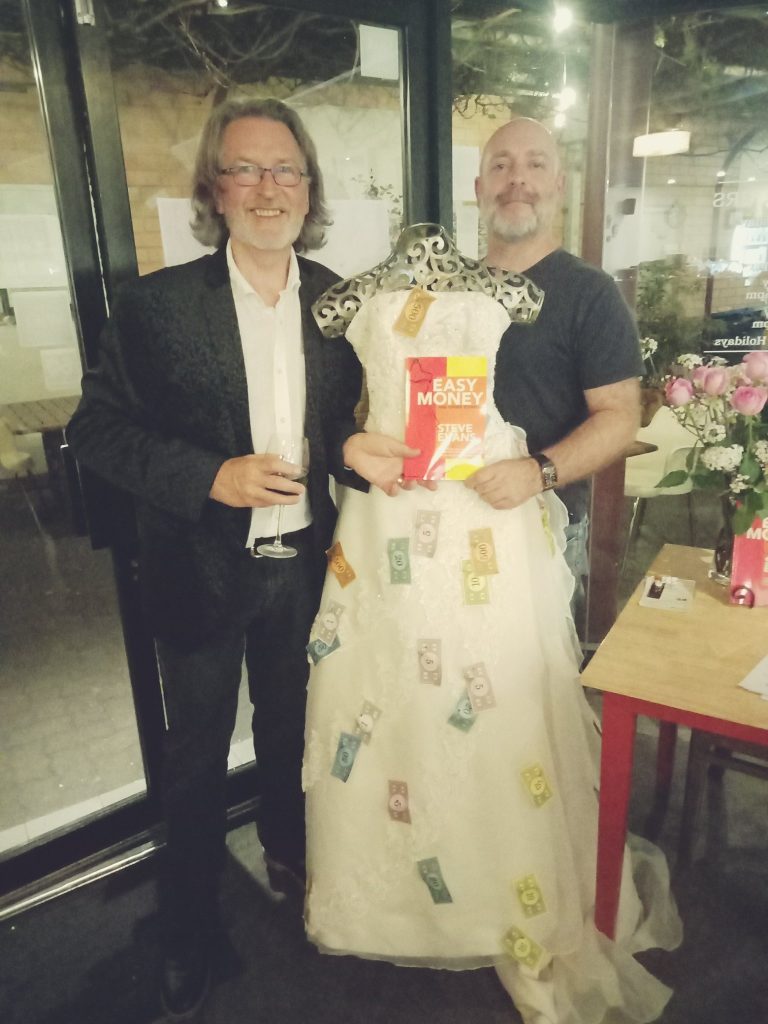
The Launch of Easy Money

Backed by an Arts SA grant, I returned to places where I was raised in order to draft a collection, Bonetown, later shortlisted for the national John Bray Poetry Award. Its poems are partly about living by the sea and country town life. I rode my Suzuki 1100 for the research trip with a bag strapped to the back (which I lost for a while) and stayed in cheap hotels and motels.

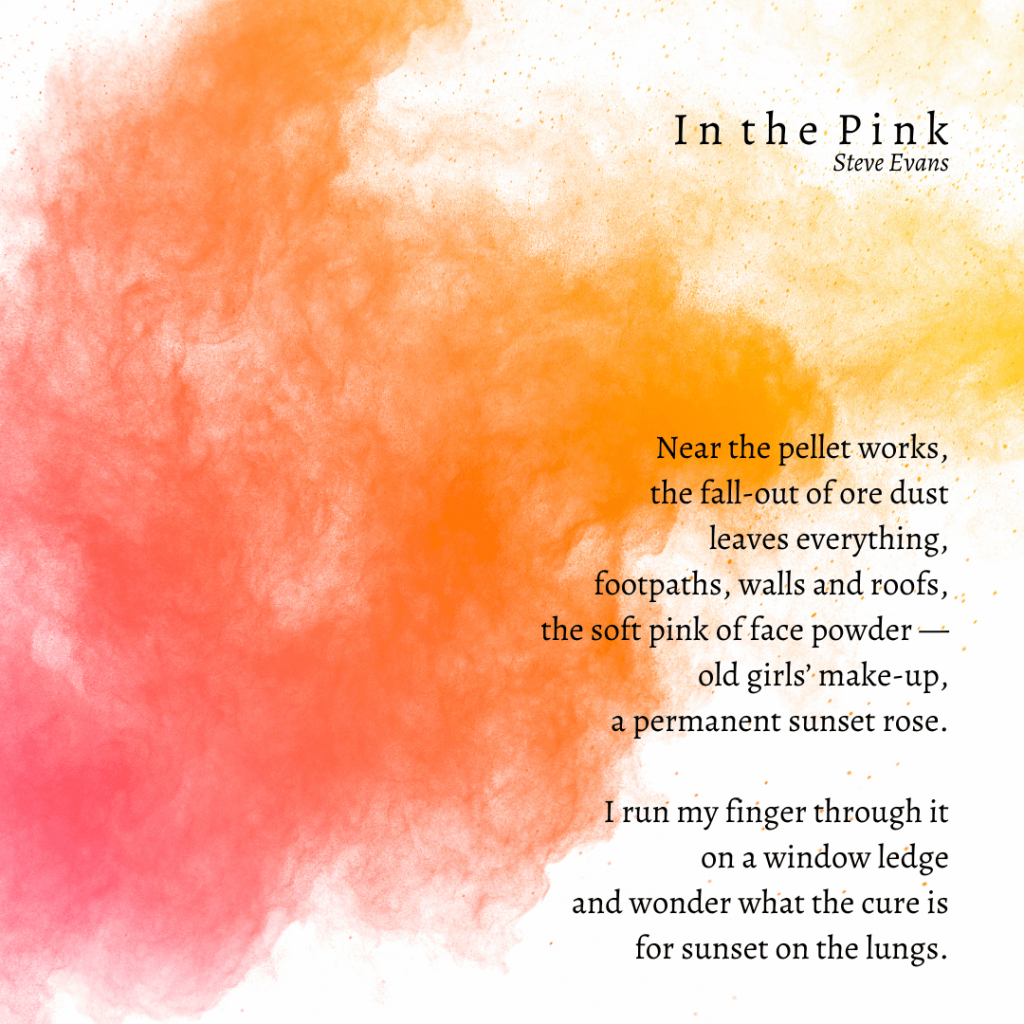
A highlight was 2:00 am in my Whyalla hotel after the local apprentices’ awards night. They let off fire extinguishers, jumped from the balcony onto the roof of a police car, banged on my door, and broke into the bar despite it being locked behind a thick metal partition. There was also the steel-works’ pollution evident in the street. I got poems out of both.

A Soulmate, and No More Accounting

The next big change in direction in my life was twofold. Firstly, I attended a master class run by the wonderful Dorothy Porter and there met Kate Deller. I was single again at the time but kept my distance out of shyness. That didn’t last long as our paths crossed at the Friendly Street Poets readings. Secondly, a while after we had moved in together, Kate pointed out that the University of Adelaide was to begin an MA in Creative Writing. We devised a budget to carry us through a study year and, with her encouragement, I quit accounting.

At the end of that year, I lucked a contract job at Canberra University teaching creative writing. I finished my MA remotely and then won a full-time job university job back in Adelaide where I completed a PhD on narrative, and a teaching qualification. Now I was in my element — teaching, writing, and researching. I even got a gig as editor of the creative writing section of an international accounting journal, which I still have after 20 years!

Since then, I’ve published more books of poetry and one of short stories, hundreds of reviews and editorials, and many individual poems. I edited some of those books with Kate, who fell ill and passed away in 2016 (herself an author/editor of some 15 books by then).

I left full-time work at that time and currently focus on writing and running courses in the community, recently with Maria Vouis, about life writing. I have several new poetry collections and novels smiling hopefully at potential publishers, and more manuscripts in the works. I received a grant to research the most recent novel in Bordeaux but COVID-19 put paid to that. Still, that novel is finished.

What I Like

I especially value originality in writing, whether mine or others’. I’m disappointed if it flat-lines. Formulaic plots, diatribes, polemic rants, gushy sentiment, and chest-beating, or timid observations commonly lack enough artistic effect. A bit pompous, Steve? Well, it is a matter of personal taste, I know, so there is that ‘horse for courses’ aspect. Others may beg (demand?) to differ, but I want a poem, for instance, to take an unexpected turn and offer a new way of seeing, a twist.

What else? Clarity. You can’t establish a fruitful contract with the reader if you’re speaking Martian or droning or being obscure. I’m not talking about what some call ‘difficult’ poetry. That’s a debatable term. I believe a writer is entitled to expect the reader to do some work and not have everything handed to them in the plainest language or terminology and not to be lazy or opaque.

Then there’s the breath of a poem. Each poem creates its own rules or expectations for how it is best read, but you neglect the importance of pauses, rhythm and sound at your peril. Breath might arise from form, or word length, or punctuation, or where a line breaks, and it can make all the difference. Reading aloud tells you so much about whether a poem can be improved in this regard.

Trying to get these aspects right is part of the beauty of language, especially poetry, which has kept me hooked for decades. I’ve written, co-authored, or edited some 18 published titles now. I’ve also had the pleasure of editing a number of manuscripts where you don’t see my name on the cover. I selfishly look forward to a bit of magic in every new piece I read. I guess I’m in this writing lark for good, as a reader and a writer.

AUTHOR BIO

Steve Evans was Director of the Creative Writing Program and also Head of English at Flinders University for several years. He now runs community writing workshops.

His own writing includes general adult fiction, romance, detective fiction, poetry and nonfiction. Major prizes include the Queensland Premier’s Poetry Prize and a Barbara Hanrahan Fellowship, and he has written or edited 18 books. Easy Money and Other Stories was launched in 2019.

Steve is also a reviewer, literary editor for an international journal, and has been on the organising committee for a number of literary festivals and arts panels.

ACKNOWLEDGEMENTS: Text, poems and images remain the property of Steve Evans.

Painting Dreams by Julie Cahill

The Crux of It

I hadn’t painted on paper since school, back in the previous century, and never on canvas, until I received a precious gift in 2020 from a friend whose tubes of oils and acrylics in the colour spectrum released my joy in painting. So in 2020, the year that bore witness to Australia’s catastrophic bushfires, tragedy and faux-pas associated with COVID-19, and Donald Trump’s over-due plummet, I got lost in colour.

My Faery Garden

Here Was My Chance

I have always been creative. Take my grade four class, for example. The motley crew of misplaced Britons like me, freckled with the odd Aussie, once created an under-water collage. As you can imagine, there were many wonky fish, all types of elongated seaweed and long-gone coral. My contribution was a full-sized patchwork mermaid, a dumpy, lumpy arrangement of mismatched fabrics, and no prime example of the legendary siren. 

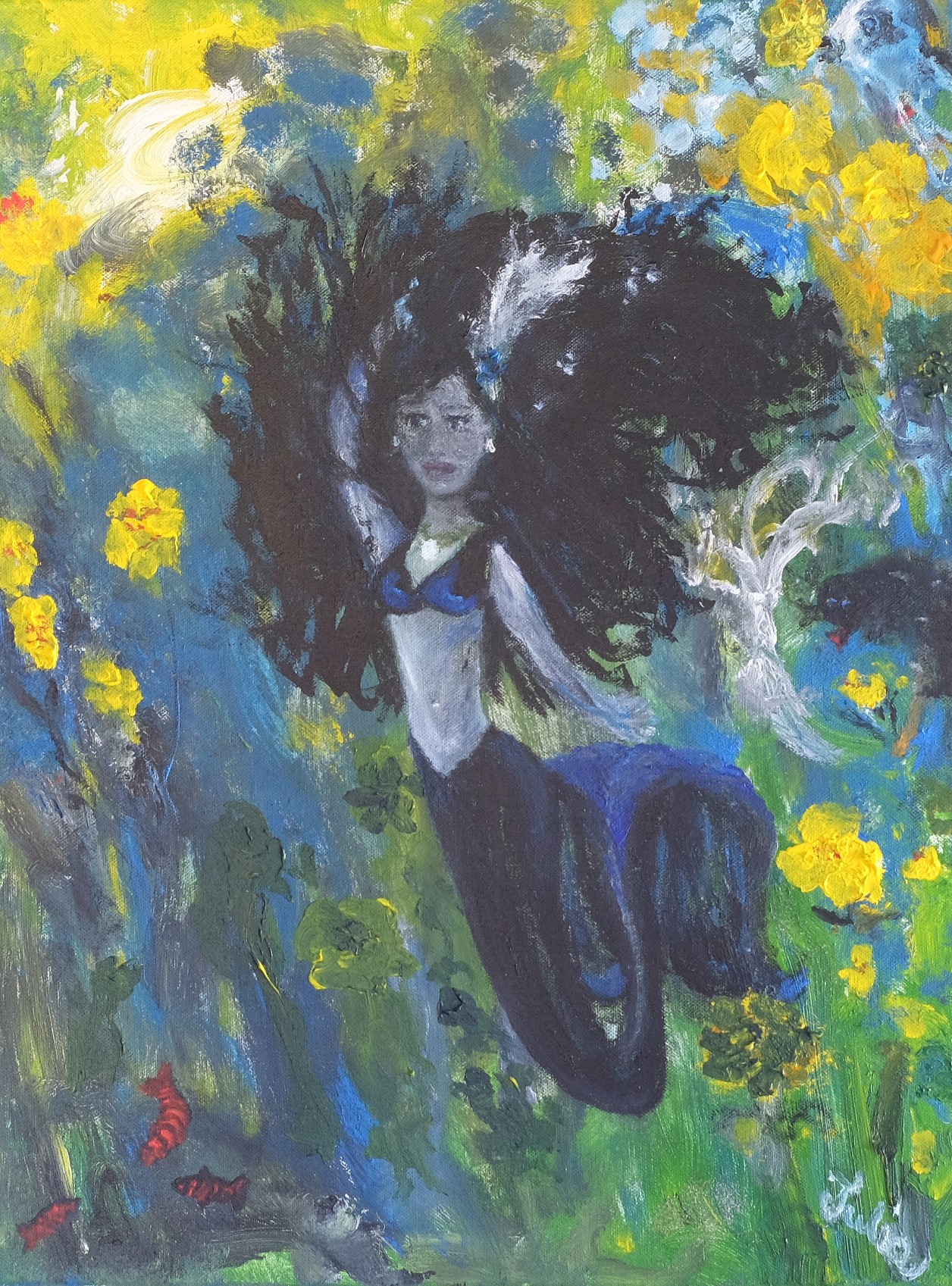
My mermaid caught the Head Mistress’s attention and was duly framed and hung on the wall outside the school office. Another mermaid arose from my new range of acrylics, a selkie if the truth be known, a gift for another creative, Jodie O’Regan whose next opera will centre around selkies from Horseshoe Bay.

The Selkie

An Unexpected Calendar of Writing and Art

Creative writing has been my bag for years; prose and poetry. It’s the love of story for me, you see, whichever way it gushes forth. Not every girl had a father named Patrick Murphy, and story clings to my Irish heritage. Not every child flew dragons through her father’s words. How I watched his lips form the letters. I feel them still soft upon my face . . . and too…the sharp whiskers of my loss.

Last year, I was honoured to be featured as one of Lindy Warrell’s guest writers to showcase my poetry. This year I am invited as . . . wait for it . . . an emerging artist.

2020

July 7th — My first painting, ‘The Eye’ featured a human eye, just the one. A pair was beyond my scope although in retrospect a cross-eyed pair could have created a stir.

July 8th — My second painting began as a tame landscape which grew to a jungle and a dragon’s realm. I have never seen a purple dragon, but there he was as bold as a purple-people-eater. It sounds surreal. In truth, the painting was off-kilter and two-dimensional, flatter than bread without yeast. This one called ‘Faerie Light’ is better.

July 9th

Husbands can be handy beings. Mine discovered and taped Bob Ross’s video, ‘The Joy of Painting’, while channel surfing.

Well, if ever there was a teacher, Bob was it; explaining the fundamentals of painting in lay terms. He died in 1995, but his legacy lives through 6,000 paintings and hundreds of how-to broadcasts which he starts with words like, Today, we will paint a happy and carefree sky where clouds float free.

Talk about subtle entertainment, talk about brilliance. Bob Ross has taught thousands of people to paint realistic three-dimensional landscapes, including little old me.

Inspiration

So, there I was feeling more chuffed than a Tibetan Monk.

‘Who is up for a ladies’ art day?’ I asked Facebook where I display my triumphs and disasters on even-par. A fortnight later ten artists gathered at my home, which in all honesty would inspire an entire colony of ants to wield brushes.

Hindmarsh Valley has become my family’s paradise, hills rolling in front and behind the house, highlighting the splendour of seasons. Pockets of winter mist produce the atmosphere of Brigadoon, the fictional Scottish town which appears once every hundred years.

Sky Colours Land

Scorched summer grass turns to gold at days’ end.

Spring rebirths the land when redgum and wattle tapestries weave with the mews and bleats of new life and prolific wildlife sneak onto the canvas.

Delights appear from every angle.

Sea Meets Shore

Queen of Audacity

So, after thirteen short weeks from that day of collective painting, with 142 paintings under my belt, I hosted my own art exhibition in our small slice of paradise.

Me dressed as an elf for the day.

Attendees were mainly family and friends, so there may have been one or two sympathy buys. But the day was a celebration more than anything else. I dressed as a cheeky elf, one of the expo’s themes.

I have been dreadfully ill for an awfully long time with Fibromyalgia and Chronic Fatigue, but, for me, both writing and painting are therapeutic. Writing expels the metaphorical demons; painting provides a joyful distraction.

What Lays Ahead?

Do we ever really know?

I am a fly-by-the-seat-of-my-pants sort of gal, now grasping opportunities from the easel.

My novel, Ten Pound Poms, rests in drawn-out-progress, as commissions for my art stack up like Tupperware. I have already finished the cover for Russell Westmoreland’s upcoming novel. Still, Waters will be the sequel to The Grave at the Top of the Hill, both murder mysteries set on the Fleurieu Peninsula.  Russell is an established writer who recently gained second place in a prestigious writing competition.

Another literary award winner, John Shultz, (another Sand Writer in a group of which I am a member) also invited me to collaborate on art for his upcoming novel. The aim is to align paintings with chapter titles. Fingers, toes, and eyes crossed that I can meet the challenge.

Busy, busy. See you . . . never.

Having said that, I must include my own current project of pairing written and visual story. 

Picnics with Mermaids

Here is a prose piece that aligns with my mermaid paintings, one of which is used here as background to the text.

Tip of the Brush

To date, I have sold 13 paintings and completed several commissions, with new works on the go. And my days, notwithstanding untimely spurts of demise and re-emergence, brim with stories spilling sideways as colourful as my pictures.

To date, six months after grazing my first canvas, I have painted around 150 canvases, coasters and boards. I’ve sold 17 large works, completed seven commissions (another is nearing completion), and experienced great joy giving many works as gifts.

AUTHOR BIO

I am of British and Irish descent, and the Blarney spills through me from childhood tales, coloured-in; daily anecdotes, wrung-out; and the hilarity of living with beasts in mammoth proportions.

Cradled as I am within a valley of whispering trees where secrets blow in from the sea, writing is now my way of life.

I have a devoted husband and supportive family. Their love fills my writing. There is little room for negativity in a life filled with joy like mine.

Adding to my joy is my newfound love of art as it joins my creative journey as writer and poet

CONTACT ME by Messenger here.

ACKNOWLEDGEMENTS: Photographs by Kate Punshon, a member of Sand Writers.

All text and images are the property of Julie Cahill.

Remember the Past? I Bet You Didn’t Know This!

Following Smoke

On the way home from Westfield Marion on Christmas Eve 2020, I tailed a small red car, not vintage but an older model that emitted clouds of white tobacco smoke from the driver’s window at regular intervals. As it reached for the sun before dissipating, the smoke reminded me of yesterday’s freedoms; a nostalgia in today’s COVID-19, hog-tying context. The moment spoke to my youth, forcing me to reflect by comparison on how I feel now, in a restricted pandemic scenario.


Who’s a Quitter Then?

Being born and bred in pubs as I was, cigarettes were simply part of my life. We emptied full ashtrays into tins so that glowing butts could not ignite. They smouldered a bit, then magically smothered each other.

It was once a deadly put-down to call someone a ‘quitter’.

In my Dad’s day in both the Navy and Army where he served, cigarettes were combat issue. In my late teens, I learned in the bush that smoking would clear your sinuses. At work in my twenties, my cigarettes sat proudly next to my typewriter. Nobody questioned the fact that we smoked at our desks, either in front of or with the boss.

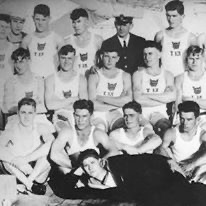
My father, Stanley James Warrell, the boy sailor sitting second from the R in the first row.

Did you know that smoking had gendered rules?

The offer of a cigarette was a romantic overture. Any man who lit your cigarette before his own was a gentleman. When a post-coital lover lit two cigarettes simultaneously then took one glowing fag from his mouth to put into yours, it was a gesture of, well, of something. Anyone else who did this was a creep.

Doctors and Nurses

Throughout my youth and early motherhood, general practitioners would offer a ciggy from the pack on their desk, light it for you and push the ashtray forward so you could reach. Once, after I’d had major surgery in the Wakefield Street Private Hospital, two nurses produced an ashtray in my private room, sat it on my tummy and joined me in a smoko. What a giggle! The pain had not yet set in.

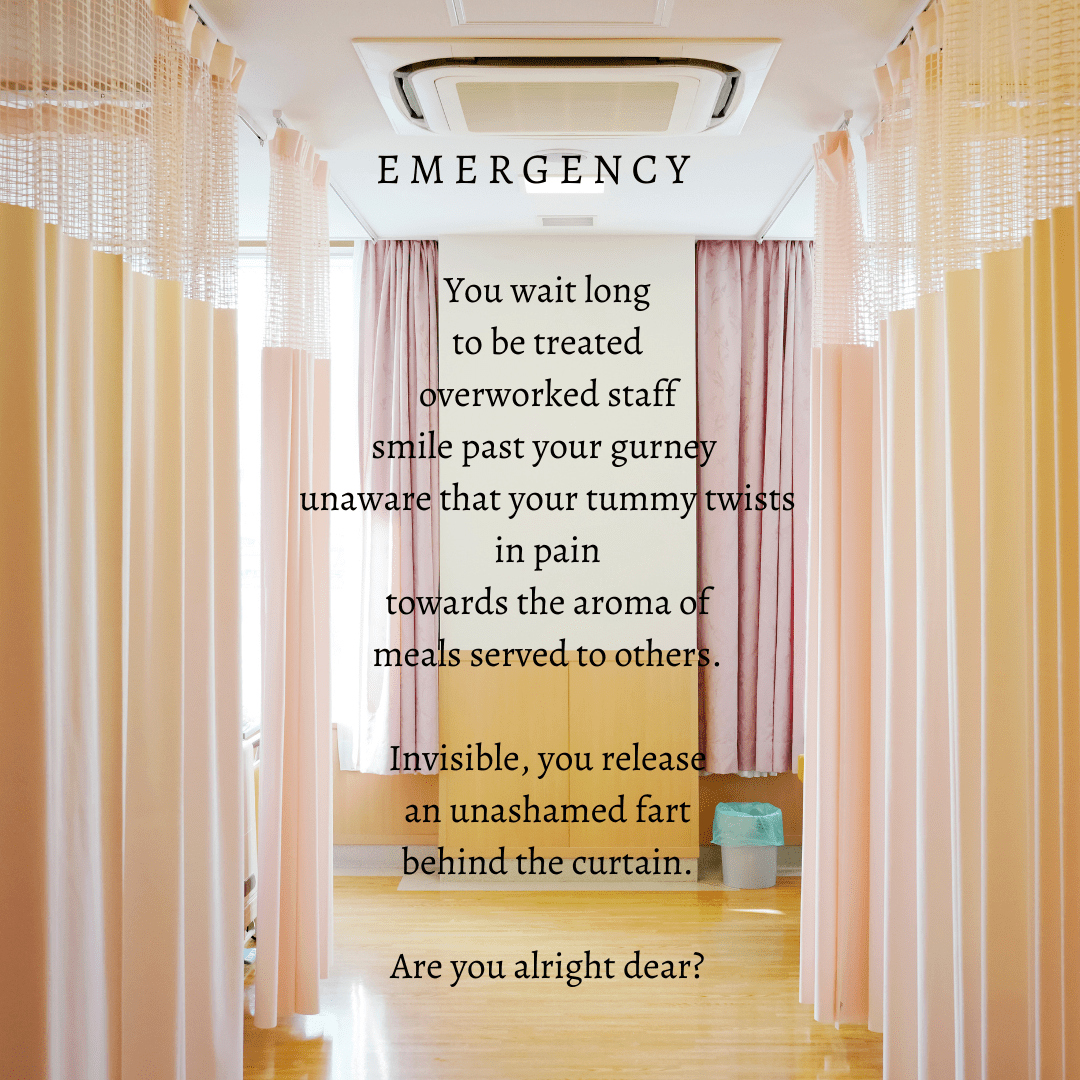
A timely cigarette used to allay hunger but now, waiting to be seen in the emergency department is a special form of torture.

In the early seventies, when my first two children were born in Adelaide’s Calvary Hospital, and my third in the Royal Darwin Hospital, mothers smoked in the wards with newborns. Doctors, matrons and nurses joined in at bedside while we fed our infants.

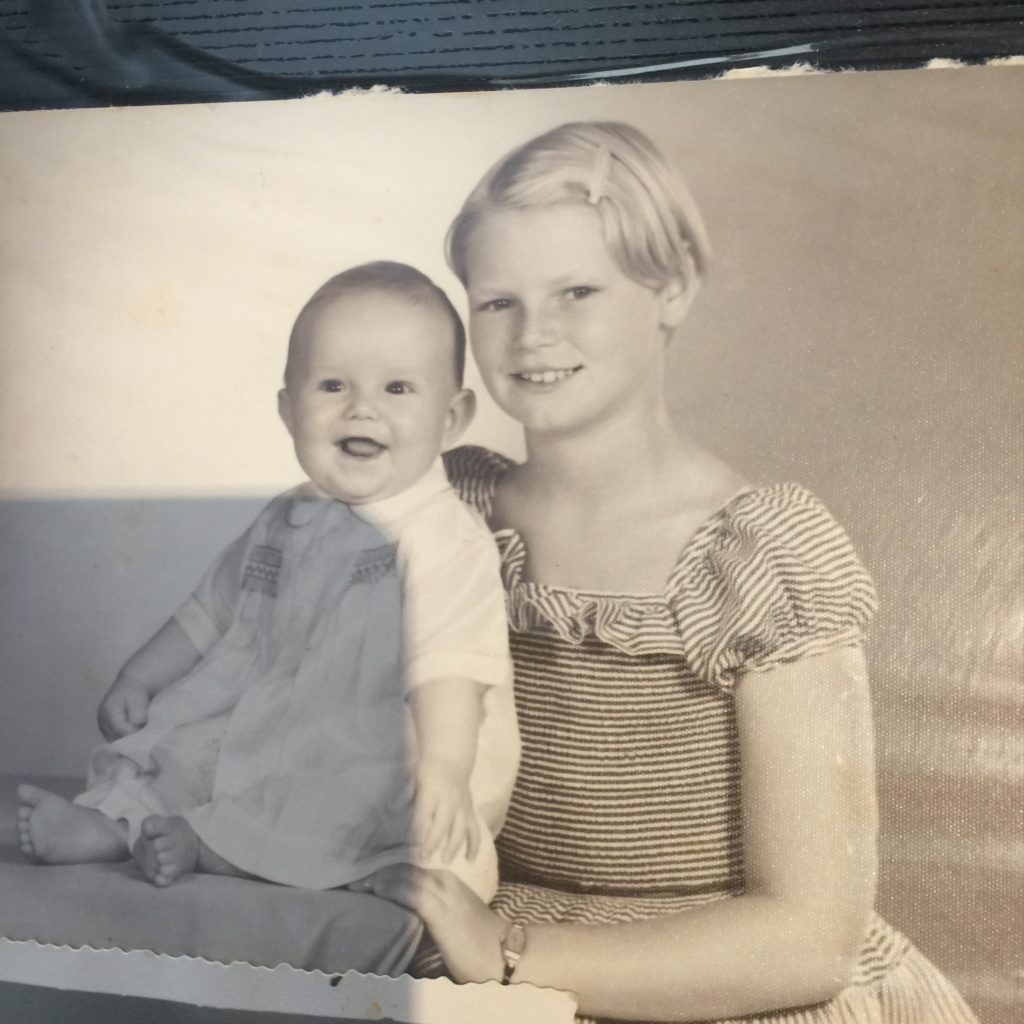
Here are two generations of children thus raised in smoke. As daughter (L) and mother (R), I am the articulating generation. Our cat was called Christmas, and the dog, Melly. The cat got its name from wrecking its first Christmas tree as a kitten and of course, as a pair, they became Melly Christmas.

The Winds Changed

By the mid-1970s, it was becoming acceptable to find smoking unacceptable. I often found myself mocked for my previously unquestioned habit to the extent that I wrote an angry letter, published in ‘The Advertiser’, suggesting it was about time people gave more attention to the deadly dangers of alcohol for individuals and families.

The abusive replies defending the booze were a thing to behold. Grog was, and remains a national icon!

Stamping it out.

Argue with me if you will, but we can do a pretty good social analysis based on who drinks how, what, when and where. Thirty-plus years on from my letter to the Editor, there is still ambivalence about alcohol; refined drinking is OK, drinking from casks, not so much. In elegant restaurants, yes, on the streets, no. Boozeups are apparently still OK for the right occasion.

Nobody questions the taken-for-granted nature of alcohol consumption. Nor do we as a culture, ask why that is true. The question seems almost silly. You only have to consider how indulgent we are towards schoolies week. There is even a dedicated website for that licence for adolescents to get drunk. Judgement around alcohol remains focused only on method and quantity of intake.

In contrast, as the onslaught on smoking grew, cigarette packets were branded with monstrous images nobody really needs to see. Tobacco promotion at sporting events is now banned. From the mid-1980s, smoking became prohibited in workspaces and public places. Some took these steps as justification for abuse. I remember sitting outside the Morphettville Medical Centre at the corner of Anzac Highway and Morphett Road once when, from ten feet away, people waved ostentatious hands past their noses. And the looks!

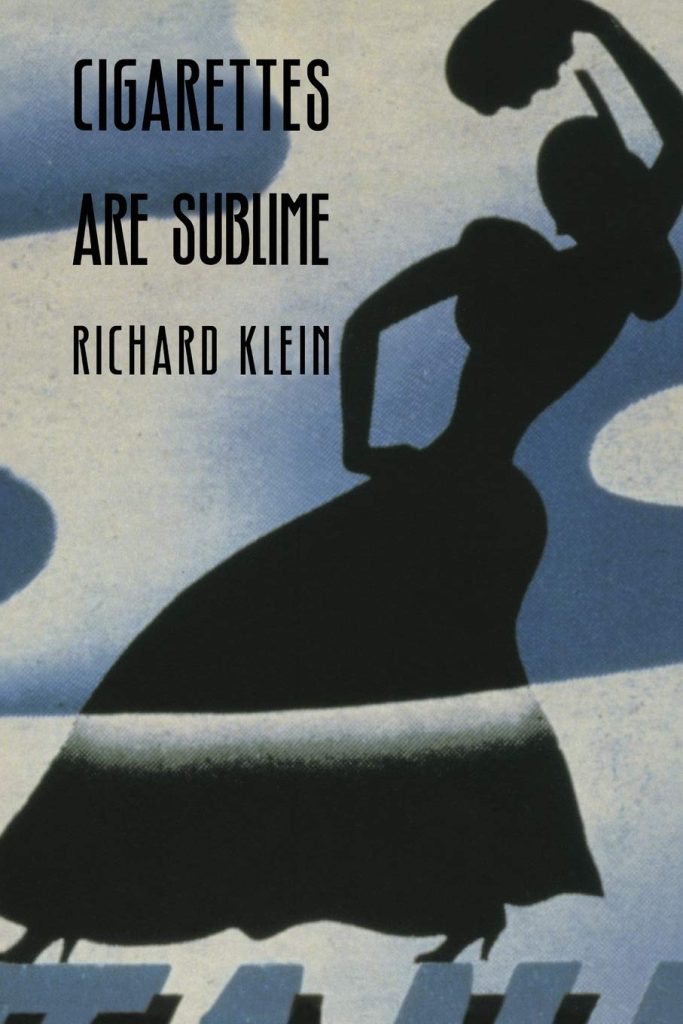
In 1993, social analyst Richard Klein published a remarkable book provocatively entitled; Cigarettes are Sublime.

As a struggling quitter, he explored cigarette smoking’s history and culture to argue that one of the reasons that cigarettes taste so good is that they are bad for you.

We could question how the hell people grew up at all with cigarettes all around for so long but, enough of the smokes.

Let me take you further back to speak of past freedoms.

We Got Away With Heaps

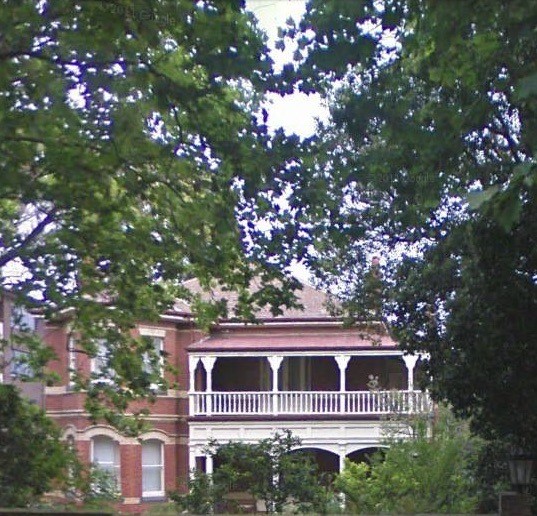
As a primary school child and younger, I lived in a boarding house in Melbourne’s busy suburb of St Kilda where Clysdale horses left hot, steamy droppings when the iceman and others delivered goods on carts. As a pre-schooler, I could stay out until dusk with friends. Nobody worried about us; the dying sun told the time.

7 Redan Street from Google Maps. This is the building, now a posh residence. We had the room facing the front on the top left.

As primary-school kids, we sometimes collected acorns on suburban streets all weekend to feed the zoo elephants, or so we thought. I actually believed that was what we were doing until I wrote this here. Perhaps our parents were telling porkies? In my mind, though, an ethereal poster asking kids to do this still wafts in and out, but I have no recollection of how the acorns got to the zoo.

In Albury NSW in my early teens, a friend and I treadled our clumsy Western Star cycles for miles out of town on weekends to roam in paddocks with dry creek beds, pretending we were explorers (No fancy gears on bikes back then.) We were warned of hermits and given sandwiches, but there was no family car to collect us — no mobile phone to keep tabs. We were on our own. Our parents trusted us in a world that seemed trustworthy, and the frisson of fear served only to heighten the adventure in our imaginations.

Despite the potential risk to their vehicles, various Port Lincoln men taught me to drive at night. Make of that what you will, but there were no permits, L or P plates as I recall. One day, a local policeman called in at the Pier Hotel where I was living and working as a receptionist in dad’s pub to say I’d better hop into the station to apply. All I had to do was answer questions on road rules—no driving test.

No matter that I have come and gone many times over the years, my SA driving test gave me permission, with a transfer, to drive all over this country. It gave me my international licence. I’ve driven free across thousands of kilometres here and elsewhere, on and off-road in the outback and up and down between Darwin and Adelaide many times on the basis of a simple test when I was 16.

The Past is Another Country

As you can see, the past, my past, is another country in ways other than the smoky place my recalcitrant driver sent me to. As I burrow deeper into this rabbit hole of memory, I turn to food; history is there, too.

My parents (born 1910 and 1919) came home from school to a box of seasonal fruit on the back porch: apples, pears, oranges, sometimes stone fruit. It was a challenge to empty the box before the fruit turned brown or succumbed to worms, but this was wholesome tree-to-home fruit. Another snack they had as kids was thick, hand-sliced bread smothered in butter if they could afford it, or dripping when money was tight. Good times saw spreads of honey, jam, Golden Syrup or Vegemite.

Can you imagine eating bread and dripping? Sometimes, as a meal?

I remember watermelon treats, sitting in our St Kilda guesthouse gutter as a small child, red juice dripping, spitting seeds as far as we could and laughing out loud when horse shit hit the road steaming behind the carts of the iceman, milkman or baker. When refrigerators superseded ice-boxes, fruit disappeared from the verandah along with the earthy fragrance of fresh horse dung.

In our Melbourne pails, fresh milk had an inches deep layer of cream on top. When milk was delivered in bottles, the cream was less but was still there for my children as it waited on the front door-step every morning. Before I married, we used to stop the milky’s van after parties (often on Port Road) to buy milk that we joyfully swigged on the way home in the wee hours. Does anyone else remember that?

I wrote this poem ages ago, but it references many things I talk about here: funny how the mind works!. A word on my father’s iteration of the ditty: he changed the words to be less pejorative. His version was about a ‘blokey bloke’ who made the ‘Chinaman’ shut his shop; constructing the ‘bloke’ as the bad guy.

My kids grew up on home-cooked meals at the kitchen table. Takeaway food was a weekly treat, not the norm. Now, I order frozen meals from Lite and Easy, with Uber Eats on occasion because I like to indulge myself. I also dine with friends in local restaurants and cafes at The Bay, which costs too much but celebrates friendship. On this merry-go-round, the next step could be Meals on Wheels. Oddly enough, though, I just bought some new saucepans. Revival is perhaps afoot.

Then Came COVID-19

Writing this post is a reminder to me of my mental escape routine; a trick of the mind. The puff of white smoke from the red car in front of me last December invited me to look back in nostalgia. The cigarette smoke was just a way in. Had I felt free in the present rather than constrained by the virus, I doubt I’d have needed to take the journey. Indeed, I may not have noticed the driver at all.

My mind likes to take me elsewhere when I am unwell or feeling low. It especially likes to travel back to Darwin and Sri Lanka in yearning for times when I felt loved and happy. I associate feelings with places. I find it hard when thus entangled, to remember that, when I was there, and things got tough, I would sit in the same heaviness, aching for Adelaide or Australia. Anywhere I was not.

To visualise what I am describing, think of the smoke arising from Aladdin’s lamp. That is a metaphor for my mind’s wish to leave the present or depart my weighty, miserable body. My mind drifts or floats away to better times and places. Smoke in this sense really is sublime and, after all, doesn’t Aladdin promise to fulfil wishes?

A Cambodian Buddhist monk friend of mine always laughs at my escape habit. That is the human life, he says. Another friend teases me, saying it’s time to bring out my spotted cloth of belongings on a stick and run away. It only takes a few puffs of white smoke from a red car to send me to another place or, as today, to that lost country called the past.

As for COVID-19’s strangle-hold on me, this little poem says it all.

Try This

How about telling your truth about the 2020 pandemic year to a page? Don’t let it swirl in your head where it can make you crazy. Grizzle on the page about everything you lost, missed or regret. Write your heart out about what you yearned for.

Tell the page how you feel now, what you felt then, and what happened or didn’t come about. Did these experiences change the way you view others? Yourself? Are you who you were before March 2020? What’s changed? What have you learned?

These questions are merely a guide.

You must write in a ‘stream of consciousness’. That is, without trying to be intelligent or creative, without trying to control the narrative. Just start wherever and write and write what comes to mind until the impetus fades. This could take 10 minutes or an hour. Write until you run out of things to say. Write through tears and laughter, just write.

Then —

— Try to extract a theme. Did you learn something about yourself during 2020?

— Do you view others, and your life differently now?

— Take an incident, a moment and write a poem about it.

Repeat each of these steps until there is nothing left. Tell as many stories as you like, as vignette or in short form, but work on one story at a time for clarity’s sake.

Writing like this helps us understand which is the first step on the path to overcoming.

Wishing You Happy Writing in 2021

Wattletales

How the Hell Did I Become a Poet? by Nigel Ford

Reader of Lips and Books

I was raised in Elizabeth by a loving mother who was very ill and heavily medicated and a highly successful father who was physically and emotionally absent except for evening meals in front of Channel Two, which he then snored through till bedtime. I was almost deaf and taught myself to lipread as a child until I had an operation to get my hearing back at 10 or 11 years of age.

Deafness was something I didn’t comprehend until I was sitting in a classroom at nearly 18 years of age learning about people with disabilities. The teacher said, ‘You will notice deaf people never make eye contact because they are reading your lips.’ If I hadn’t been sitting down at the time, I would have fallen. I had never made eye contact in my life. I always felt different, unusual and didn’t quite fit in with the crowd.

When I was a child, my mother read a lot of Agatha Christie, Ngaio Marsh and Dorothy L Sayers crime novels, and I read her books, which became my favourites too. I dropped out of Matriculation to become a writer, or at least, that’s what I told my mother when she asked.

Mum jackboot Johnnied my dream, and under her influence, I joined the SA Police Force and spent nearly three years studying to become a Cop who would protect his community from the bad guys. After that, I was going to be a politician and do good for my country. Poor deluded fool I was! While locked inside the Police Academy 3 or 4 nights a week, I read science fiction, crime thrillers and action novels, including Ray Bradbury and Alastair MacLean.

Disillusionment

One hour into my first shift after graduation, I stopped the bashing of a defenceless drunk by the senior policeman in the City Watchhouse and told him what I thought of that thuggery. I became the outcast. I turned to alcohol a few months later when things didn’t get better and later to smoking pot and self-destruction for several years.

In the long periods of unemployment that ensued, I read voraciously. My favourite authors were: Frank Herbert, Aldous Huxley, George Orwell, Larry Niven, JRR Tolkein, Tom Clancy, James Clavell, James A Michener and others who captured worlds real and imagined in their novels, many of which were over a thousand pages long. I often buried my face in longer books or a series of stories for a week or more.

A Spiritual Slap

When I was 25, my father, who I had never gotten on with and never would, shook my hand and said, ‘Congratulations son, you’ve just wasted one-third of your life. What are you going to do with the rest of it?’

His remark made me evaluate my life. I decided to take control of my behaviour. I settled down, found employment and a girlfriend and became a father at 26, I joined the YMCA as a Youth Leader and returned to study. I partly completed an Associate Diploma of Community Work specialising in Youth Work. During my studies, I discovered psychology which opened my mind to many things.

I learned that life doesn’t just happen to people; that individuals are responsible for putting themselves into situations which might logically have adverse outcomes. This understanding changed the direction of my life.

I returned to the workforce and became a Jack of all trades, though Master of none. I worked in many jobs, but the role which gave me the greatest joy was when I was helping others.

I’ve been a Drug Counsellor, Employment Case Manager, Youth Worker, Harassment Contact Officer and Union Rep and more. During this period of life, I continued to read many books discovering Douglas Adams, Ben Elton, James Herbert, and returning to some of my High School curriculum’s wonderful books, including To Kill A Mockingbird, Brave New World, 1984 and Animal Farm.

Turning Negatives Into Positives

Before my 41st birthday, I was seriously injured in a minor vehicle incident when I hit a pothole at one kilometre per hour. The resulting spinal neck injury was at the highest scale of seriousness and pain levels, and I became incapacitated for anything resembling an ordinary life. I became caught up inside a Workcover nightmare after which, I was later told by my solicitor, nearly 1 in 20 commit suicide. It was a horrific experience I almost didn’t survive. At this time, I dabbled in poetry as a way to cope with depression.

Seven and a half years later, a payout came my way. It freed me from Workcover and their disgusting insurance employees, agents and representative scum to try to find a life that was worth living despite permanent disabilities that I will live with for the rest of my life.

In June 2006, the day I was offered an escape from the Workcover nightmare, I read the Messenger Newspaper with an article about the Salisbury Writers Festival 3-Day Novel Race. I brought back my original dream to become a writer when I dropped out of high school 31 years earlier.

By then, my mother had died, so nobody was there to jackboot Johnnie the idea of becoming a writer, so I entered. I wrote a crime story about systemic abuse within an aged care institution, something anyone could find themselves experiencing, and won the Third Prize. I went to the Presentation Night and received $250 and a certificate, and became hooked on writing.

Paroled To Victor

In 2007, I moved to Victor Harbor and joined the Middleton Writers Group to try to improve my writing skills. I wanted to explore possibilities because I believed I had the stuff to write the great Australian novel that captures an audience around the world. I still had aspirations (delusions) of grandeur as a novelist.

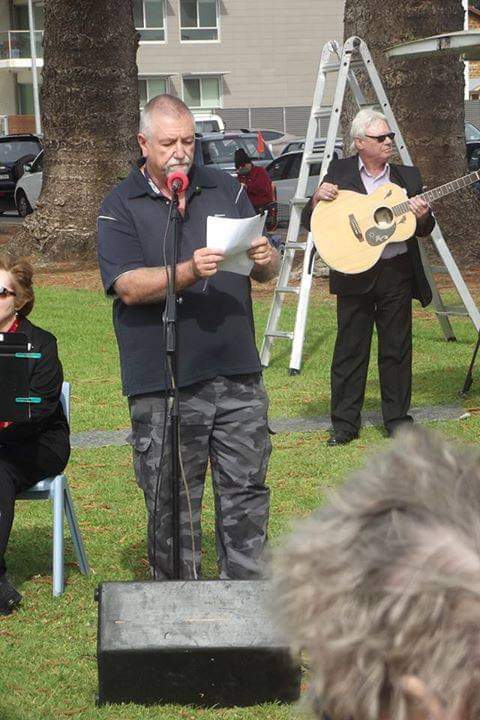
Me reading poetry at the Anzac Day Morning Service in Victor Harbor 2017

Around this time, I also entered a 5,000-word limit Murder Short Story Competition, which I won. I received $350 First Prize with publication as the first story in the Geebung Anthology in 2008. The SA Crime Writers 1st Anthology, The Killing Words, later republished this story.

There were several excellent poets in the Middleton Writers Group, including the wonderful Keith MacNider. His way with words and deep, resonant voice inspired me to pull out my pad and pen to write poems, even before he had stopped reading his. Thus hooked on poetry, I have since rarely written anything longer than a 4-minute rant poem.

My poetry has been cathartic. I have externalised my negative thoughts and frustrations in positive ways by writing the triggers of self-doubt and destruction out of me. I even learnt to forgive my father for the apology he never offered.

My Passion, My Poetry

I discovered my passion for poetry at 50 and have enjoyed some wonderful successes. I won the Australian Poetry Festival Slam in Darwin in 2012 and other slams. Numerous anthologies both here and interstate have published my work, and I often feature at poetry gigs in Queensland, Victoria, Northern Territory and South Australia.

I founded the Goolwa Poetry Cup and the monthly Poetry On The Fleurieu readings at Goolwa and MC several events in Murray Bridge and the Southern Suburbs for Friendly Street Poets every year.

In May 2013, my friend Mike Hopkins, then Convenor of Friendly Street Poets, invited me to become the Regional Community Development Manager and run poetry events in regional areas of South Australia.

Me with Caroline Reid, the Winner of 2019 Goolwa Poetry Cup (which I founded in 2013), at the Fleurieu Distillery on the Wharf, Goolwa

Friendly Street Poets invited me to join the Committee in November 2016 and elected me as Convenor in May 2017. I have thoroughly enjoyed my time at the head of this organisation, the largest and oldest poetry group in the Southern Hemisphere.

I still intend to write the great Australian dystopian novel of the future and make my mark on the world writing stage, but I’ll never give up writing poetry.

AUTHOR BIO

Nigel Ford writes anything that takes his fancy when he can sit still long enough and concentrate. He WILL write at least one best selling novel in his lifetime or die trying.
He lives in Victor Harbor (South Australia’s Retirement Capital derogatorily referred to as God’s Waiting Room). He has been known to haunt book launches, festival openings, and it has been said he would attend the opening of a bottle of beer even if he were not invited.
This man is a scurrilous, attention-seeking, tattooed, Harley riding, flatulent, middle-aged, fat bastard wanna-be writer, poet, philosopher who wishes he was Rumi or Huxley or Orwell.

ACKNOWLEDGEMENTS: Text, poetry and images remain the copyright of the author. Photo credits for Goolwa Poetry Cup photo by Trentino Priori and Poetry on the Fleurieu photo by Phil Saunders.

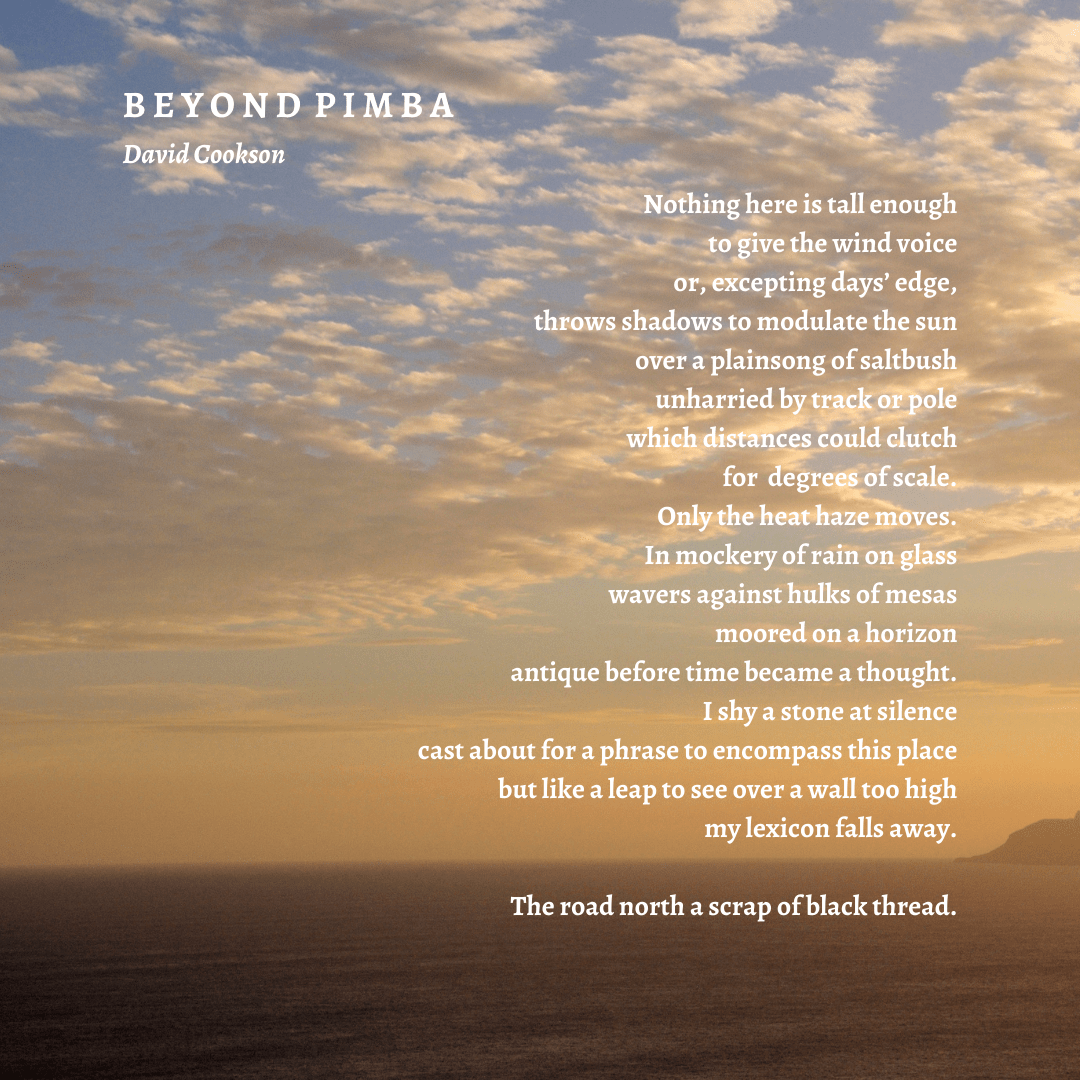
Polonius With Metaphor by David Cookson

My English Teacher

I sometimes wonder what might have happened had I not had a year 11 English teacher who brought Hamlet to life by casting me as Polonius at our class’ first reading of the play. Or, who showed me the poetic genius in Shelley’s Ozymandias, preparing the way for my style of writing and lastly, but by no means least, extracurricular, introducing the class to TS Eliot, Louis MacNeice and Dylan Thomas. That teacher, Reg Bayliss, moved on at the end of that year and is now doubtless deceased. I did not realise my debt to him until later.

Ozymandias’ Toes, Egypt

You can choose your friends, but you can’t choose…

My whole family, except my wife Veronica, views my writing with a mixture of puzzlement and the tolerance one might show a three-year-old. Even when we returned from our Egypt trip where I saw Ozymandias’ statue and excitedly told the family, the most positive reaction was, ‘Well, that was nice, wasn’t it?’ Nice? There I was, and the guide said that some Englishman had written a poem about this statue. I may very well have been standing where Shelley stood when the lightning struck. Frisson stuff!

They are also bemused by my choice of prose authors, people like Jack Kerouac, JP Donleavy and strangely, Thomas Hardy. I began to write a la Jack Kerouac when I was about 21. I still have examples of this and cringe when I read them now.

But writing took a back seat for a while. I was, and am, a keen surfer and had several trips, both intra and interstate chasing waves.

This love of the sea has now come full circle. I am now happily ensconced with Veronica in the family’s beach house, 100 metres from Moana’s surf, which is a continuo to our daily life.

It is inevitable that the beach and the waves should form a big part of my oeuvre.

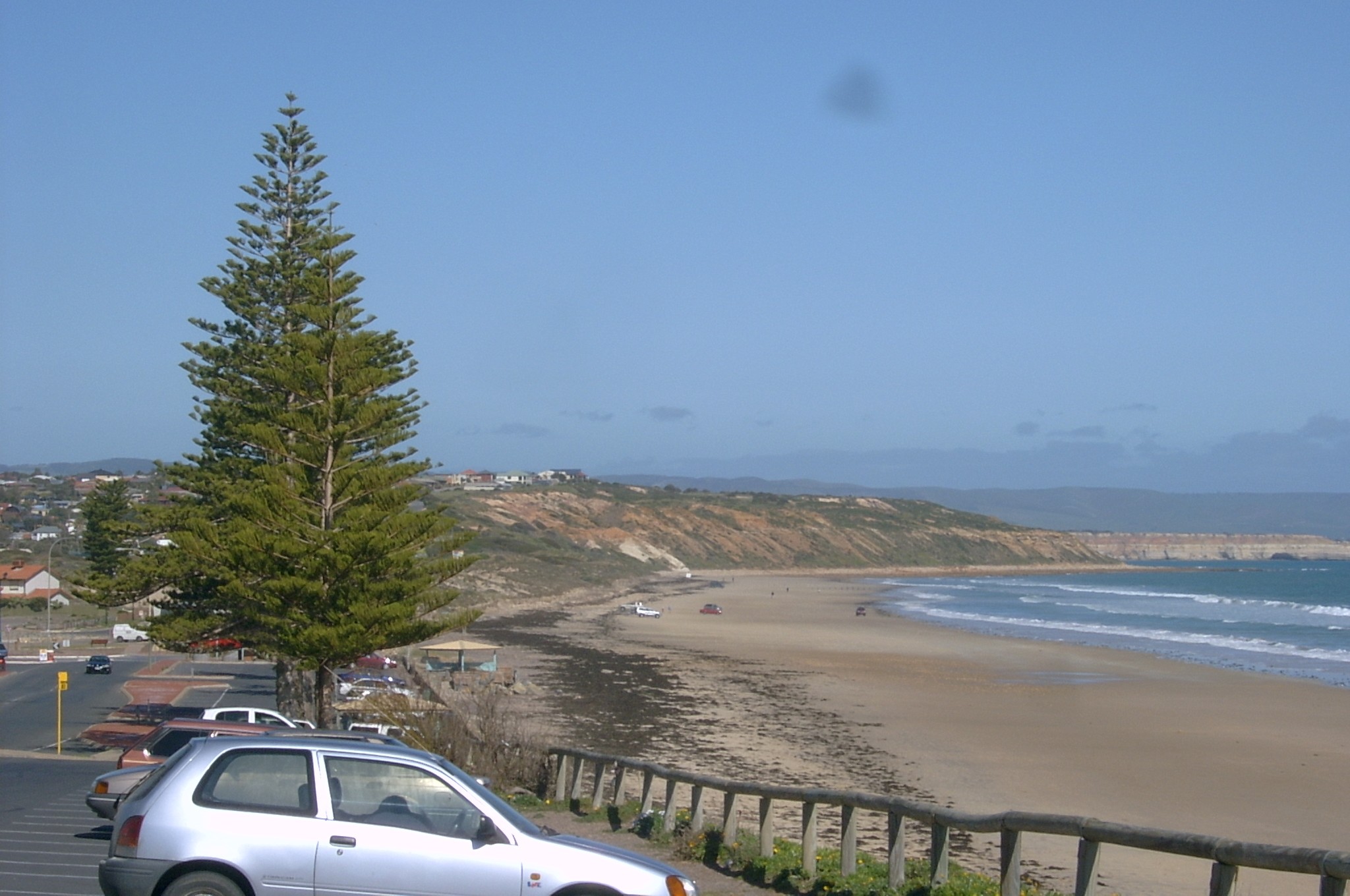
Moana Beach

‘Tuesday Night Live’

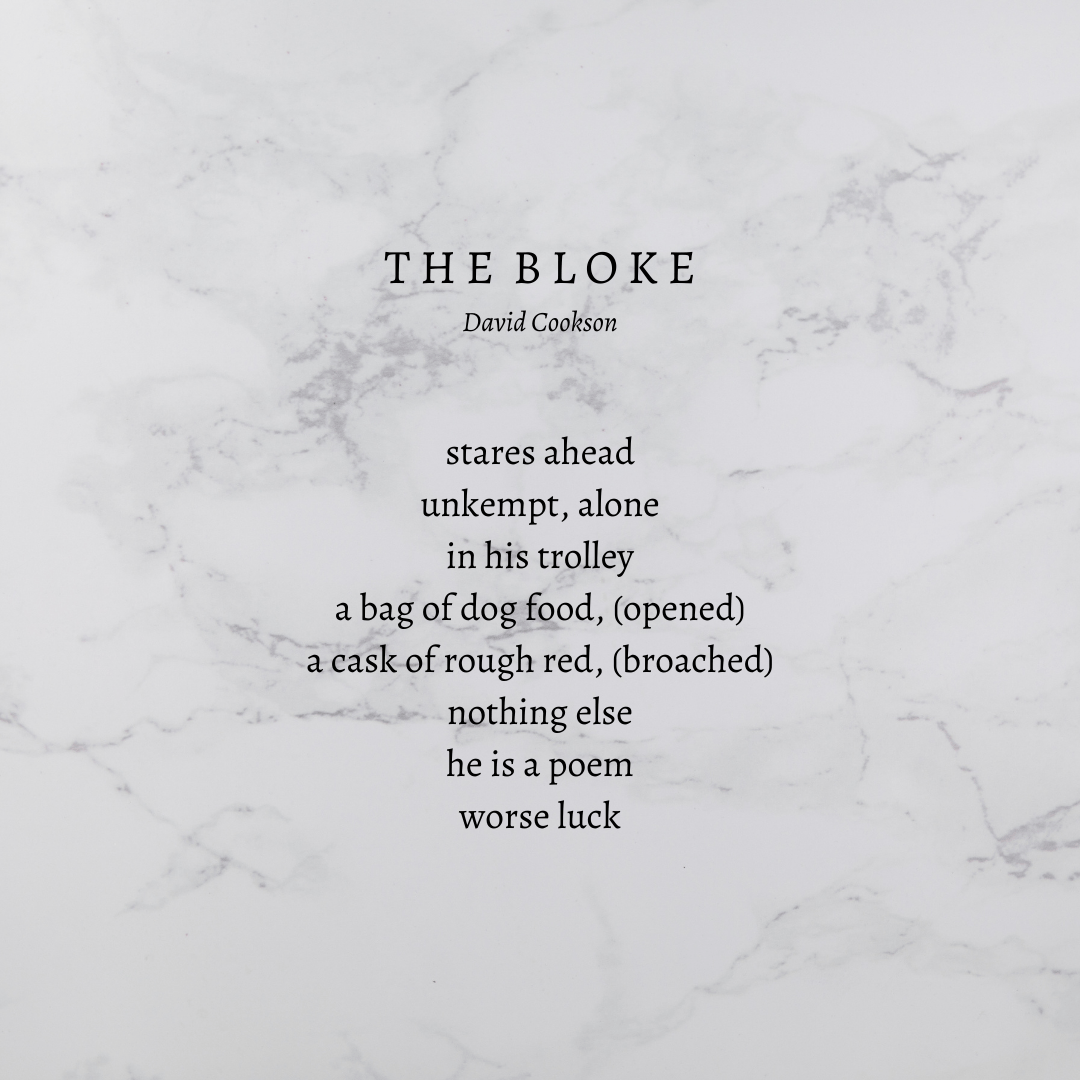
I have all writers’ curiosity about people and unashamedly eavesdrop on situations and conversations, which go into my notebook I carry like my navel. I am fascinated by the folk who don’t quite fit the scheme of things, such as the old fellow in the shopping centre. Irresistible. He became ‘The Bloke’, below.

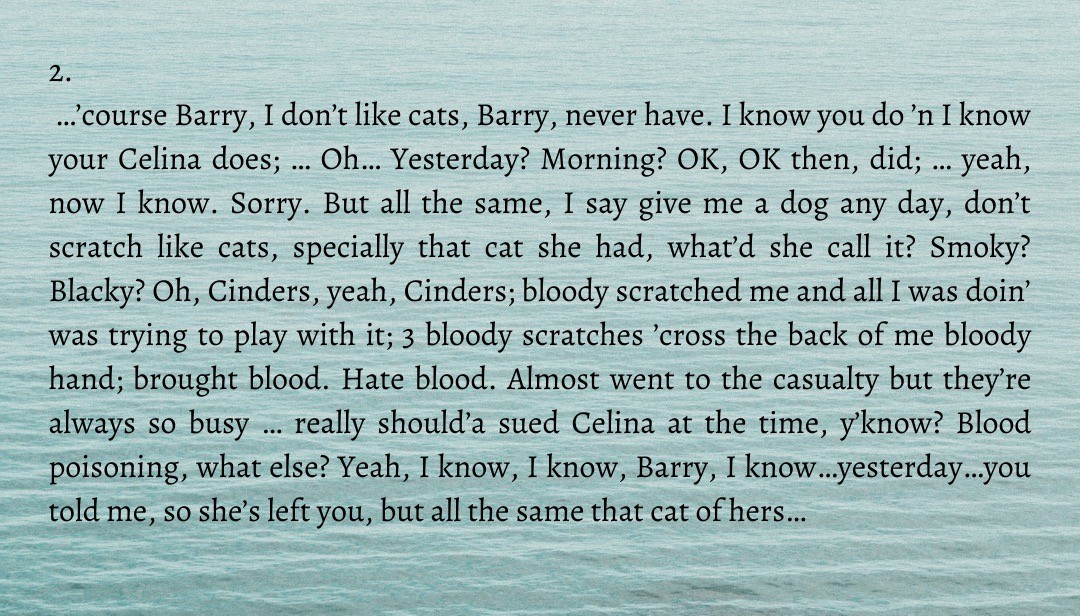
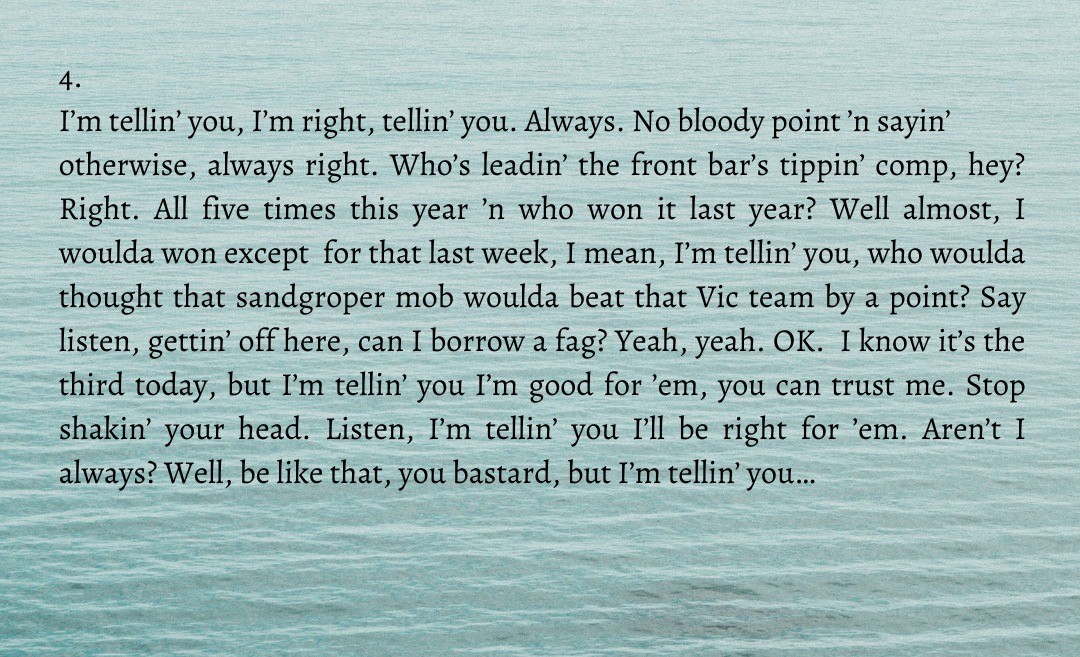
Folk fascinate me how they speak in shorthand, at Gatling Gun speed, often not completing sentences, relying on the listener to understand. No wonder people from overseas reckon we’re hard to follow. Perhaps because of mobile phones, they have become inured to lack of privacy, but it leaves them open to the ever-hungry writer.

Voices on the Bus

Travel and Toil

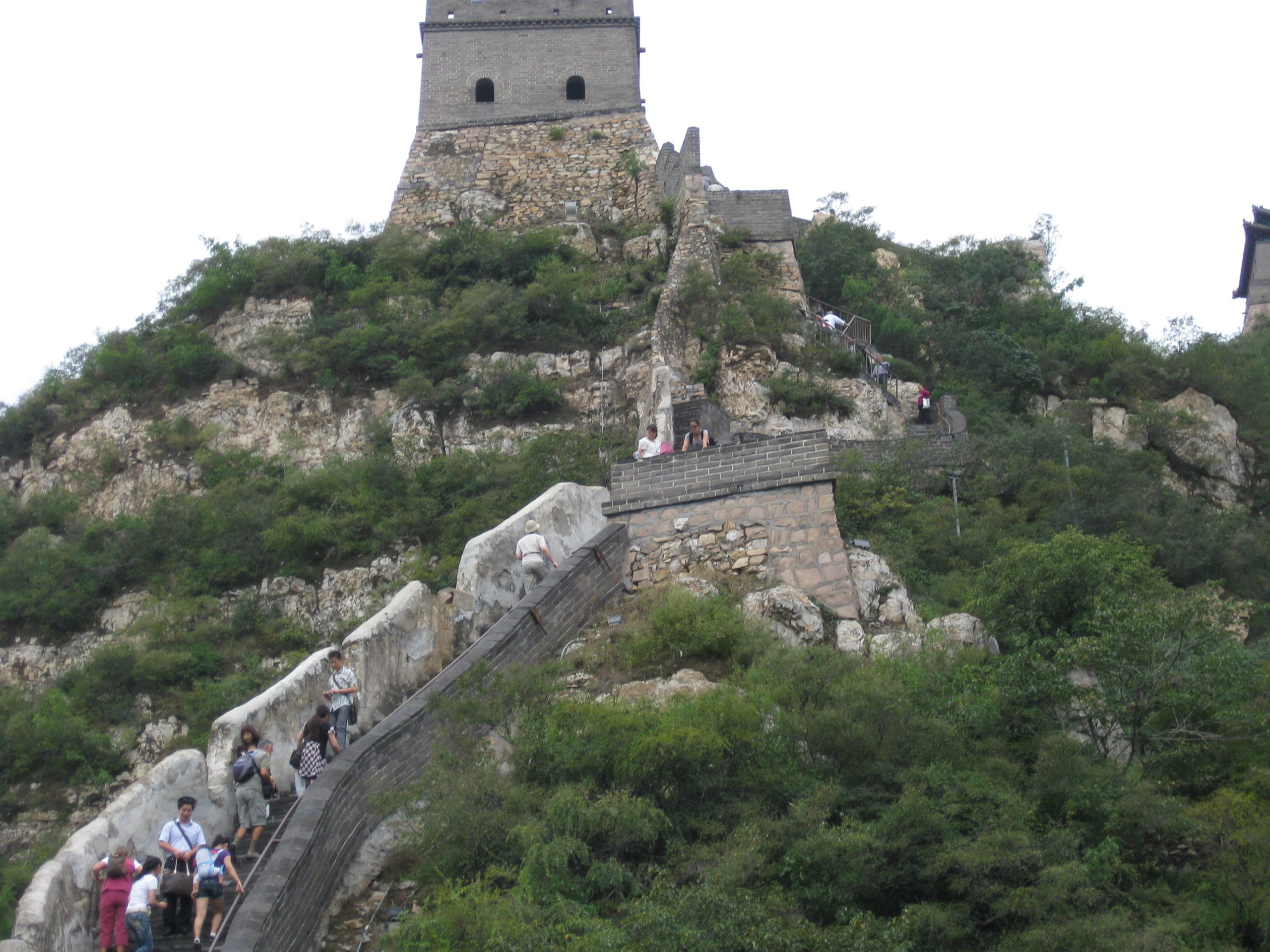
Poetry has not been the only thing in my life. I’ve been lucky enough, often with Veronica, to have travelled to many places in the world — China, India, Egypt, Italy and the UK of course. It is trite but true that travel does broaden the mind, especially those later trips which have inspired many poems, especially China.

The sheer crush of the people, their curiosity about their history, manifest in about 60% of tourists around the Wall and the X’ian Warriors being nationals. Mind you; I think they get in for free…It is no wonder that China is becoming dominant. It seems everybody has somewhere to go, yesterday.

Our guide warned us that road rules and signs were just ‘suggestions’ and not to believe that a pedestrian crossing was sacrosanct. I know. I nearly got cleaned up by a moped. My China experience was ripe for my style of don’t tell, but show. I’ve spent many an hour trying to find unique and unusual metaphors and similes to really illuminate my work.

Australia’s arid outback also inspires and I liken some of it to Bach and the early plainsong, for it has the same contemplative understatement. Often I use composers’ names in my work; such is my belief that music and poetry go hand in hand, despite being unable to write music, or to rhyme and write metre in the classic sense.

Westerly No 45

Hi Ho, Hi Ho and off to…

I am always interested in how other poets work, especially those who seem to plan a poem through notes; the form of the poem or the word order — all of it sounding like some pesky sonnet. Mine usually start from something seen or heard which rolls around in my brain like a Bathurst Burr until I put pencil to paper (yes, an HB) and is often the first line and the last to go.

My drafts can go as high as 15, by which time almost every bloody word has been changed. The theme of the poem gradually appears like some shy rodent from a hole, but sometimes not. Then I end up with a poem I am unsure of, especially the meaning, but my instinct tells me it is worth keeping. Such a poem is ‘Allegory’ below. If you know what it means, let me know. It was published in Hobo 20, so it must have had something going for it.

Hobo 20

…and all the rest…

I’ve had a go at other genres, a play which was actually performed — once — a nihilistic thing mocking society, but have had more success with short stories, back in the days when they were published in magazines, now subsumed by electronica. They ranged from pure fantasy through low-key romance to comedy. This latter genre had several stories based on my late father-in-law and his fishing boat. I had a few broadcast on the now-defunct University Radio. Most of these stories had a liberal sprinkling of metaphors etc. Can’t keep them at bay!

I don’t know about other poets, but it seems to me that as soon as non-poets know of you, they poke possible themes at you and say ‘Hey, write a poem about that’ as if ordering a pizza. I really can’t, won’t, do that. I’ve tried, it doesn’t work. The inspiration must be mine. Even if I do try, it seems that as soon as the idea is mooted, I lose interest and the poem is dead in the water, even before the keel gets wet (bloody metaphors again).

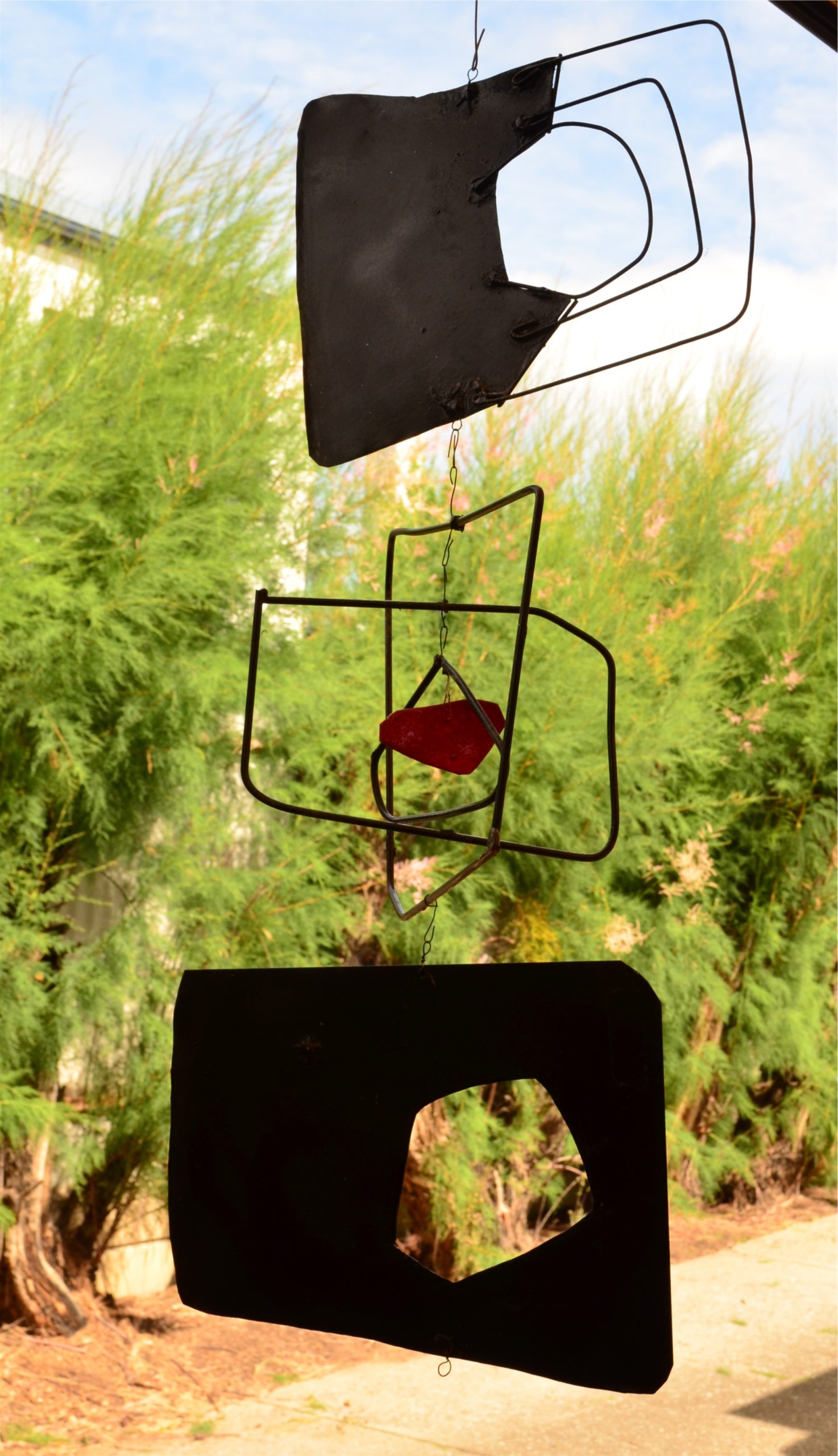
Lest it be said, ‘Oh, another one-trick pony. Poetry…Is that all? Give us a break.’ I can play the flute, if quite badly and have had a life-long interest in sculpture, especially the work of the late Alexander Calder, who developed kinetic sculpture. These are designed to move in the wind, providing a series of changing but inter-related shapes. I have made several of these, and they dangle in our pergola.

Kinetic Sculpture — ‘Tryptich’

AUTHOR BIO

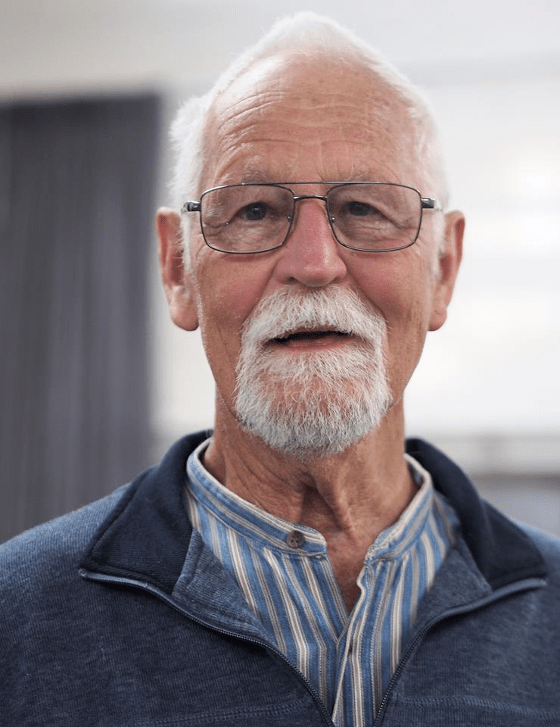
David Cookson lives with his wife Veronica at Moana in a 90-year-old family beach house. Long retired, he has been consistently writing, travelling, surfing and drinking red wine for about 30 years.

His poetry has been published mostly in Australia but also overseas in such disparate places as Romania and China.

He is a long-time denizen of Friendly Street Poets, a founding member of Ochre Coast Poets and is in a constant quest for the perfect metaphor, but then he believes in unicorns too, not necessarily pink, but…

ACKNOWLEDGEMENTS: Text, images and poems remain the copyright of David Cookson.

Time to be Thankful: A 2020 Wattletales Retrospective

On Reflection

Despite a year of COVID-19 uncertainty, with possibly more to come, Christmas remains the time to give thanks. In Australia, we gather in December to appreciate each other, share gifts, and find joy. It is also when suicide rates peak, family tensions rise, achievements are found wanting, and loss is rendered more poignant. For good or bad, as we move towards a new year, Christmas offers a moment for reflection, a time to look back to relish, reject, assimilate, and prepare for the future. This post then is Wattletales’ 2020 retrospective.

Since July, during one of the most uncomfortable times in our collective history both health-wise and politically, 12 generous and creative people have shared stories with Wattletales as guests. I am grateful to everyone who spent the time and energy and dared to reveal parts of their lives with us, bringing joy to us all. Thank you.

Our contributors have diverse interests, backgrounds and lives but, as a whole, their stories make Wattletales an authentic collection of Australian tales.

Many of our guests are members of Friendly Street Poets, TramsEnd Poets, Gawler Poetry at the Pub, Sand Writers and Fleurieu Poets, both in Goolwa, and Ochre Coast poets at Seaford. Some are people I knew when I was teaching Life Writing in Aldinga Beach a few years ago. All have contributed in special ways to my growth as a poet, writer, and blogger.

2020 Guests July to September

July

In her poignant story, Loving and Losing a Dog, Maria Vouis takes us back to 2013 in the Murray Mallee where her beloved Oonah played joyfully in the wheat with her mate, Duke. Maria’s piece celebrates those memories of Oonah who died this year and commemorates her beloved pet by exploring the wonderful wolf-nature of dogs.

Julie Cahill’s piece, I am a Writer brought us a portrait of her childhood in the UK. She writes of her joy at being a wife, mother and businesswoman on the lovely Fleurieu Peninsula. Julie’s revels in poetry and is writing her life story; Ten Pound Pom. Her words are often playful. We will meet Julie again in 2021 as her creativity turns to art.

August

In More Than a Nutshell, Veronica Cookson explores her satisfaction with retirement. After dipping into her past, she first takes us travelling with her camera and poetry. Then we learn of her contentment, living in Moana with husband, David in their historical cottage by the sea surrounded by books, poetry, art, jigsaws, lorikeets, rosellas and magpies.

Carolyn Gorton introduces us to her Muse, Puss-in-Boots, an august teddy who accompanies her to gigs and meetings. In I Love Words, Carolyn talks about being a writer and tells us that one of her favourite things is being a coordinator of Gawler Poets at the Pub and working with other poets and writers. She produces several blogs on diverse topics which you can find here.

September

In Life is a Journey of Exits and Entrances, Martin Christmas takes us on a wonderful journey through school, where he was told he would never be creative, and from dyslexia to high creativity. Martin is, among other things, an experienced theatre director, photographer and published poet who shares his energy giving workshops and supporting others in their creative endeavours.

September saw two posts from Kerry Rochford whose life was turned upside down by circumstances that saw her mother again after her children had grown. Her first piece, This Unwritten Life, explores her youth and early womanhood filled with words and stories. After studying creative writing, Kerry’s story takes a turn towards art and artistic embroidery as she describes in Art as meditation.

2020 Guests October to December

October

Ivan Rehorek brought October in with a bang, introducing fiery poetry and stories of war in Stories from the Six Directions; part fiction, mostly fact. Avalanche (as he is known) shares aspects of his early life in Poland before migrating to Australia. Poignant and painful memories reside in this piece, alongside music and joy.

November

Luisa Redford brought us a delightful November tale about mindfulness and the way she approaches nature with wonder and awe. In this atmospheric piece, The Words and Worlds of Life Writing Luisa speaks of the joy she feels, writing other people’s stories as a ghost-writer and life-writing coach. You can discover more about Luisa and her work here.

In Trying to Retire visual artist, Liz Hirstle holds back her disappointment in having to postpone her dream of relocating to France during COVID-19. She also brushes past the fact that, as an artist, she now has vision problems. For Wattletales, Liz turns her pen to humour and entertains us with some strange behaviours she encountered among guests at her B&B in the Adelaide Hills.

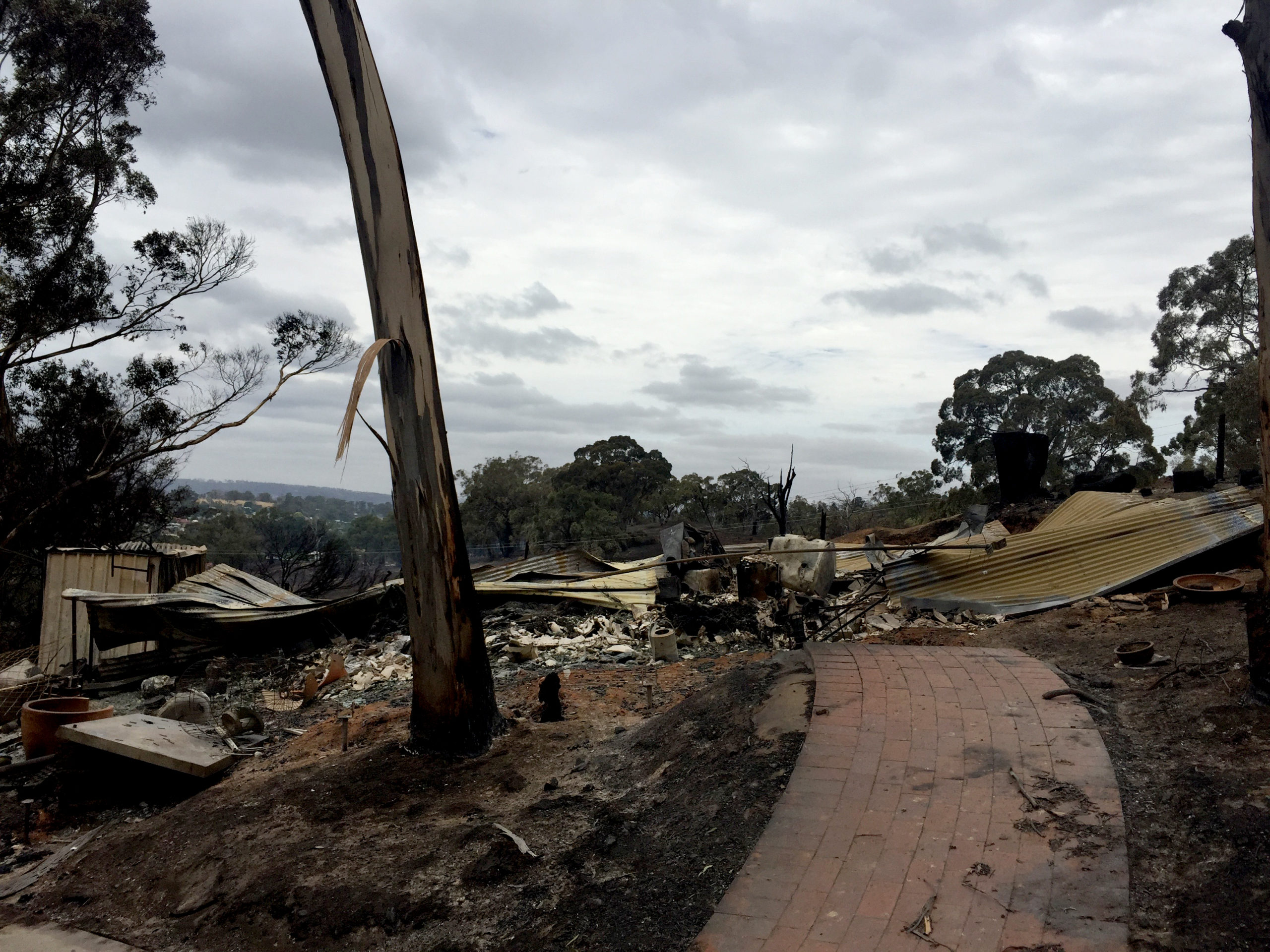
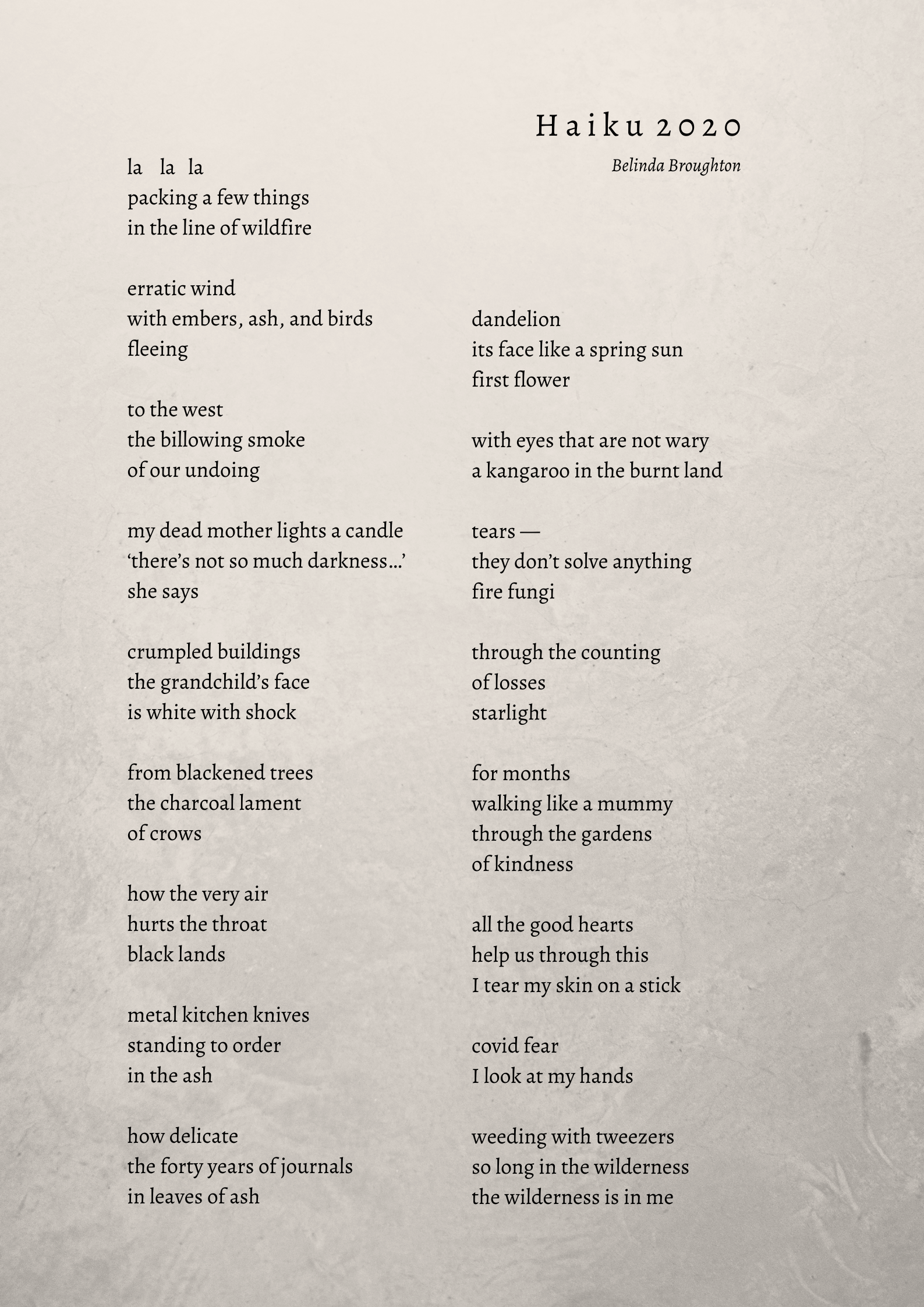
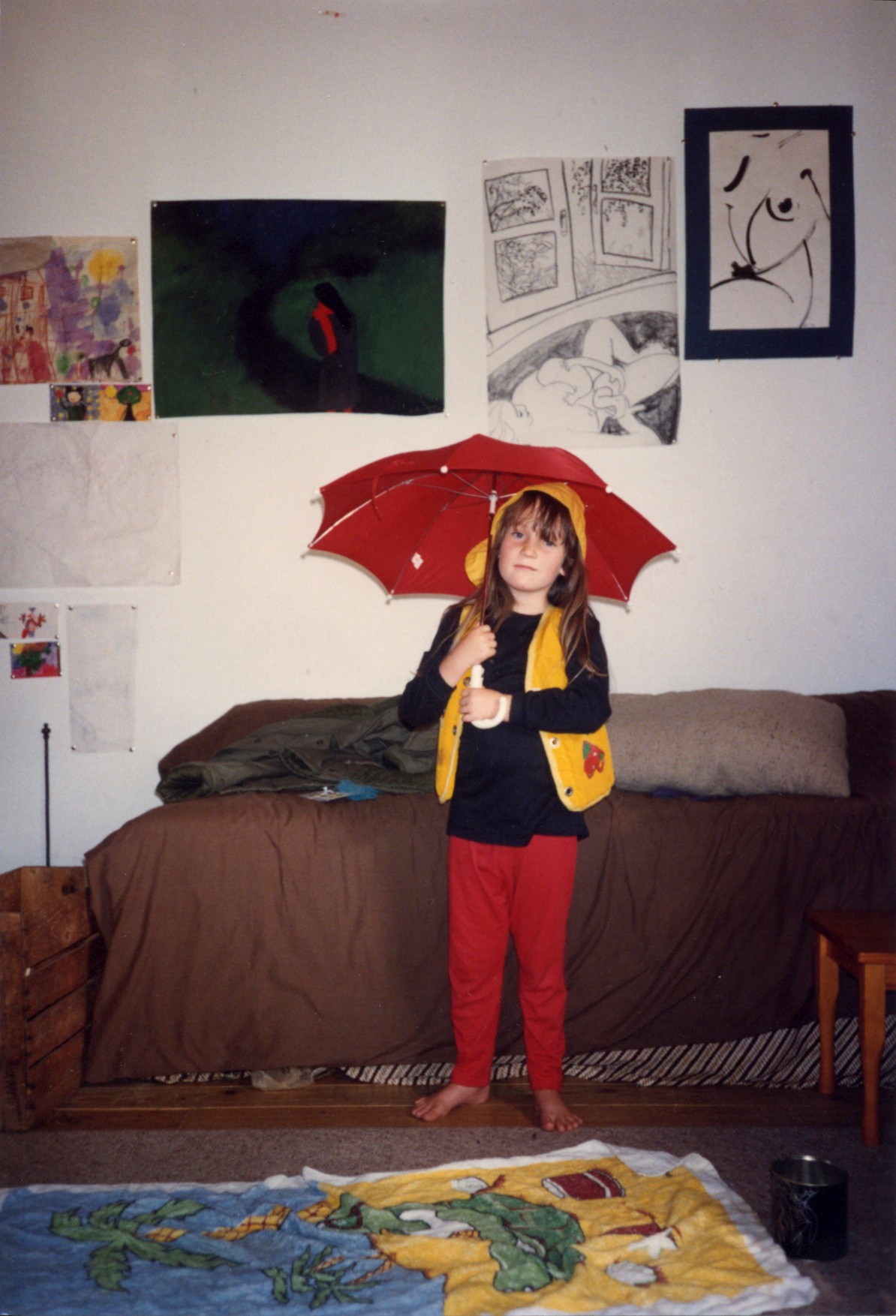
Our third guest in November, Belinda Broughton, brought a poignant yet jubilant tale of losing her home to the 2019 Cudlee Creek bushfires and the slow process of recovery; for herself, her husband, Ervin, and for nature while waiting for their new house to come into being. Interwoven with poetry, this story also brings poignant moments in Belinda’s imagined letter to her mother.

December

The last guest post for 2020 is, We Were Poor, But I Felt Rich by Jude Aquilina. Jude takes us through a sensual childhood of love, curiosity and inspiration, especially from her father who read poetry, loved antiques, and fixed clocks. She also introduces us to her love of one very adventurous grandmother. It will come as a surprise to learn that Jude did not set out either to be a writer or a poet; it all began with Flim Flam telegrams.

Just For Fun

My Posts 2018-2020

I began my monthly posts in 2018 talking about Realising Dreams Late in Life. After that, I questioned entrenched understandings about writing for a web page before exploring the relationship between poetry and my life which brought my family and me into things.

Since the advent of Guest Posts this year, however, my posts have increasingly become biographical vignettes, albeit with a literary twist. This amuses me because, when I presented the first draft of my introductory blurb for Wattletales at a workshop, it was denounced for being too personal. I was informed that nobody would be interested in me as a person (rather than a profile) and only the famous can get away with writing about themselves.

I disagreed with that proposition then as When Purposes Collide attests, and even more so now. We must put on the page what we need to say and, this year, my guests have shown that talking about your life is OK, and I have found it freeing to be real on the page.

Landscapes of Mind

In this post, I acknowledged my Buddhist perspective and how I find my history in the landscape. I have lived in many places as I showed in Dislocation. But no matter where I drive, walk or live, my surroundings trigger memories of the past; times, places, events and people. It makes me very busy at times! But, never lonely.

How Can We Know Our Mother Except in Stories

By conjuring my mother’s life, I explored how little we know our mothers as people. Reciprocally, I asked how little they really know of us. In the end, we can find each other in memories and memorabilia, the mnemonics of good times and bad. After all, we are all stories to one another. We hear and see only from our perspective, even when we love so hard, it hurts.

It’s All In The Title

I had great fun with this post. In it, I tried out a few opening scenes for the three novels I hope to publish before I die. And, a couple of poems.

I also wrote two naughty tales and added a sprinkling of home truths among the wattle…

…all in defiance of teachers who said I would never amount to much.

Roll on 2021

I won’t give away my 2021 secrets except to announce that Wattletales’ Guest Posts will recommence on Wednesday 6 January; at this stage with contributors through till early March.

A Poem to Finish With

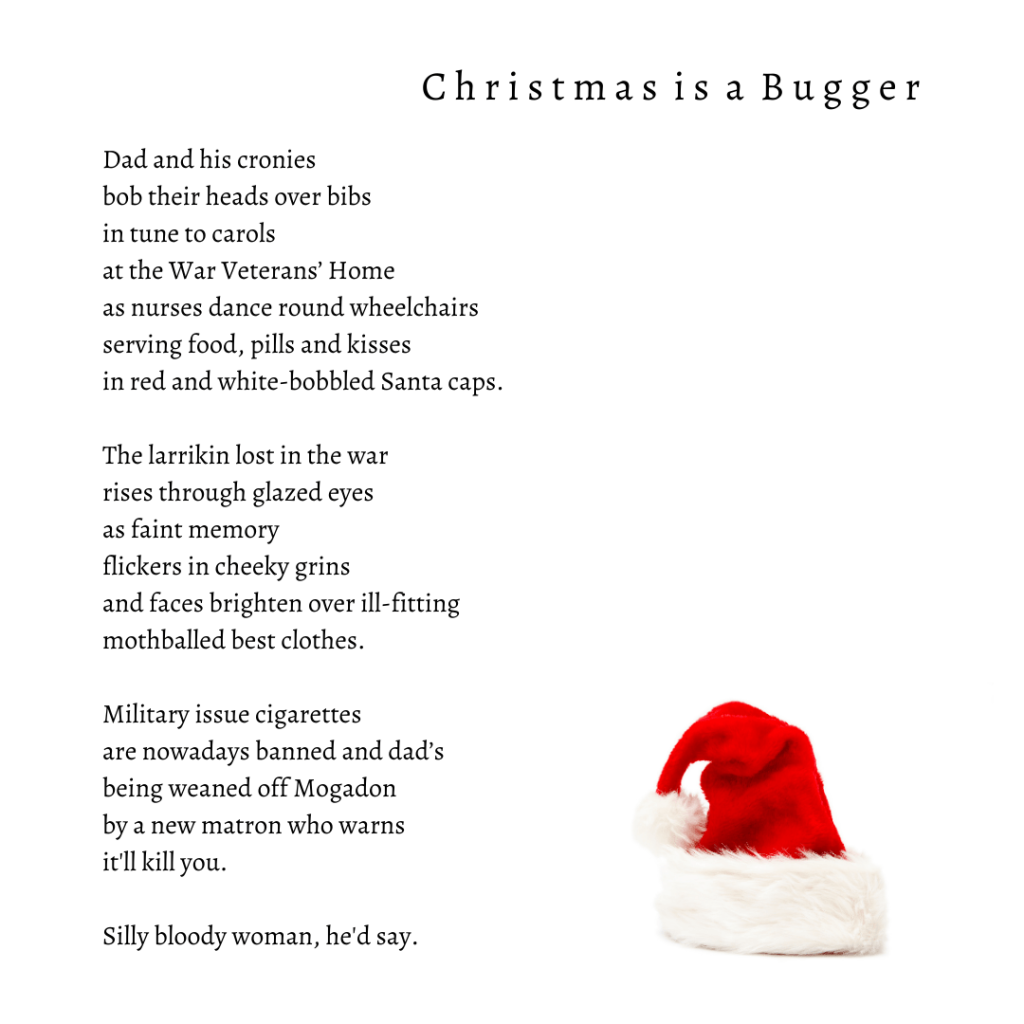
This is the only Christmas poem I’ve ever written. It is based on my father’s last Christmas at the Adelaide War Veteran’s Home in Fullarton. It brings this post to an end with mum, dad and a sprinkling of me.

Merry Christmas and Happy New Year and, Remember…

When you write, get real. Someone once told me years ago, to ‘get out of your head’. It took a while for me to understand what that meant. The minute I got it, life surrendered itself to me, and I became myself.

To be authentic on the page is an art and one worth cultivating. Only when we have kernels of truth should we edit and hone our stories using any tool, trick or literary magic we can to give our readers a journey of their own.

See You in 2021

We Were Poor, But I Felt Rich by Jude Aquilina

Music, Poetry and Cats

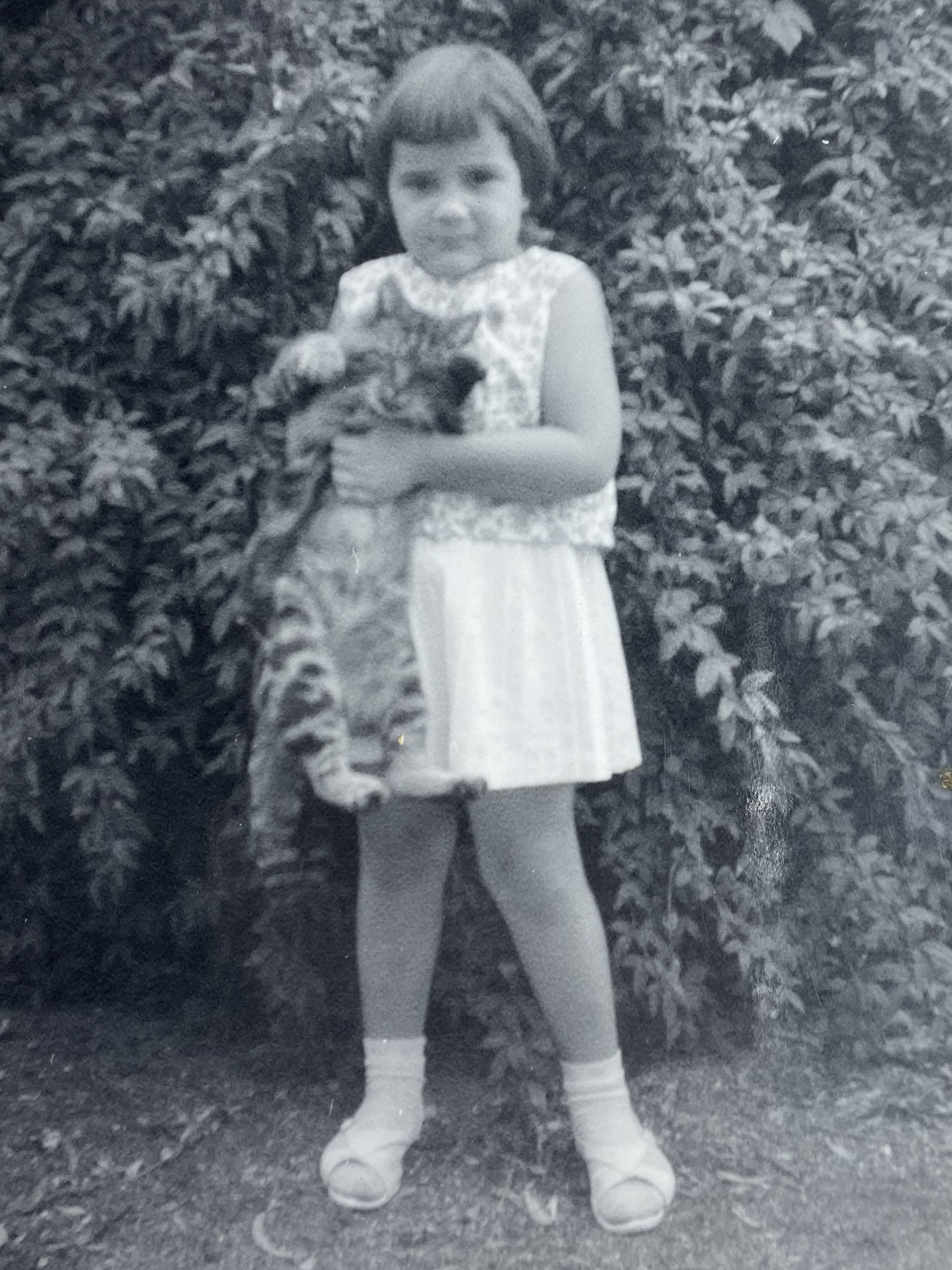
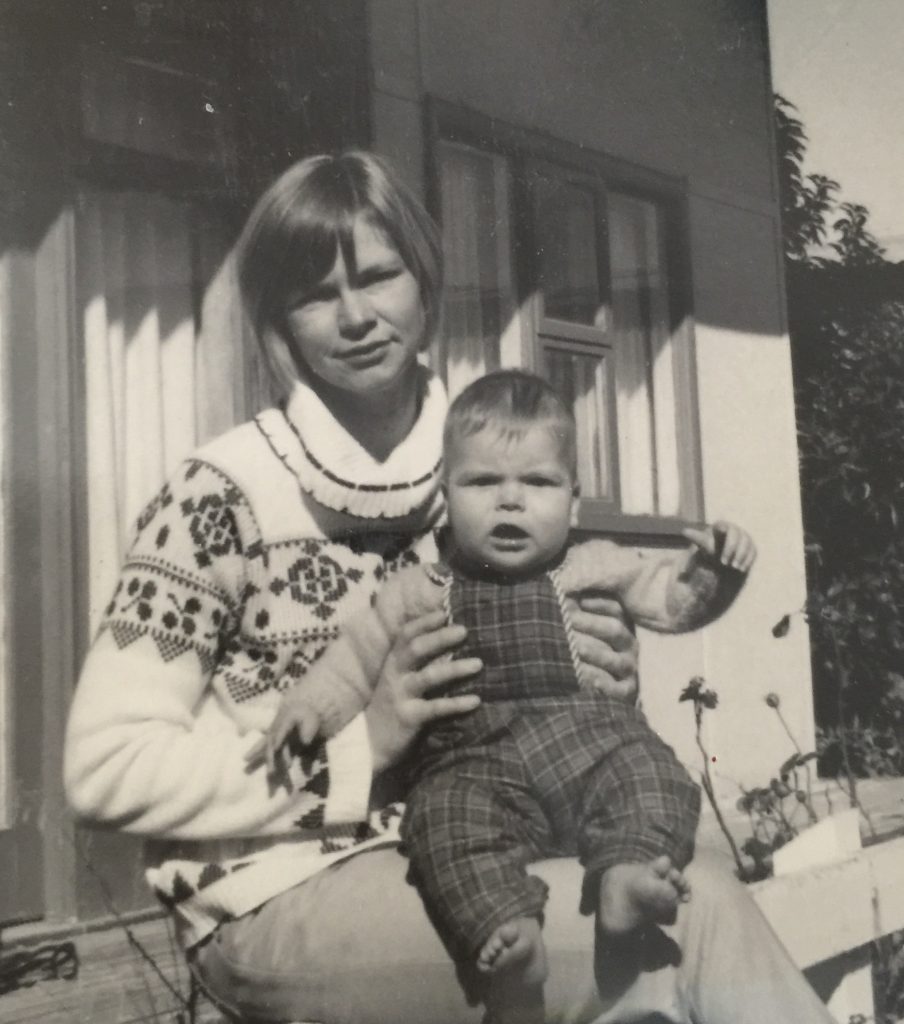
I grew up with music, poetry and cats. My father, Kenneth Ramsey, was a mechanical engineer and he fixed clocks at home. He always had the wireless on or played classical records on his radiogram. Our backyard was full of racing pigeons, bantams and cats. I see the picture of me holding our cat in an uncomfortable position. Who was that girl? Perhaps that is why I write, to make sense of the past. I know I loved our rambling garden, sitting down in the chook coop and sticking my feet in the drum of wheat, or licking dew drops from nasturtium leaves.

Who was that girl?

We were poor, but as a child, I felt rich and never knew how poor we were until later because I was loved, fed — and clothed in rather cool hippie clothes from op-shops. It was the sixties, and I grew up with inspirational singer-songwriters like Leonard Cohen and Bob Dylan. My father loved poetry and had bookshelves full of it. He read poems to me from an early age. My mother, Joan Ritchie, was a country girl with a Yugoslav father, and she was a wonderful storyteller. She read to me every night — I liked scary stories like Little Dog Dingo and the Hobyahs, and The Mystery of the Green Ghost. Words from poems and stories swirled in my mind at night.

On Hating School and Forgotten Memories

My father didn’t allow TV, and we didn’t have a car, so riding my bike, reading and listening to songs, stories, and poems was my life. My mother made up stories about my brothers and I and told them with great expression, often scaring the shorty pyjamas off us! I enjoyed primary school and still have my best friend Yasmin to share memories with. We played recorder for Magill School and were chosen to play at the Festival Theatre. I never thought of becoming a writer.

I thought writers were born special people and I wasn’t… but I did make my own little books. I’d stick in favourite chicken feathers and cat whiskers and write about my pets. Here is a poem about growing up and all those things you think you’ll never forget, yet they become increasingly hazy.

Winner of the 2016 Adrien Abbott Poetry Prize: But in the end, for its grace of language, idea and form, “Adrift” stood out. Congratulations Jude Aquilina. Lovely poem….” Mark Tredinnick  Published: Speak Out No 6, 2017

I hated high school and only attended a day or two a week. Fortunately, my mother was kind and let me stay home. I made sure I attended exams and important lessons. I liked art, biology and English but detested maths and sport. I had pen friends and liked doing crosswords. I was never asked to write a poem in primary or high school. However, I kept reading the poetry books my father gave me, little suede-covered books with poems by the English masters and others.

Most people had never heard of my favourite poets, like Christina Rossetti, Charles Kingsley and John Greenleaf Whittier. It was like I lived in a different era, with all Dad’s clocks, antiques and books but no TV, car, phone, or mod cons. Now I think I was fortunate because I don’t watch TV, I read and write and love getting out into nature.

Jude at around 15.

I was 17 when I matriculated from Norwood High School and went to teachers’ college. My father had just taken his life.  He had ‘manic depression’ as they called it in those days. I’m sure that if today’s bi-polar medication were available things would have been different.  This was a terribly difficult time for Mum, my brothers and me. I wrote a diary when he died, and it took 20 years before I could read it again. I’d get it out and just put it back again. But eventually, I found I could write about him and his life.

Published: On a Moon Spiced Night, Wakefield Press; Ship Tree, Picaro Press

The Flim Flam Writer

I dropped out of teachers’ college and got a job, ironically, as a writer – for Flim Flam’s Singing Telegrams. I loved this job and often stayed back late on a Friday, writing dozens of ‘telegrams’ for the weekend. The recipient’s family or friend would phone me, and I’d collect information about the ‘victim’, then write a humorous piece to a well-known tune. Our singers dressed up as apes, bunny girls, superman, etc., and delivered the telegrams at parties.

My father had been strict, but my mother was not, so my life changed, and I went out with friends and boys and enjoyed the years before marriage. My two older brothers, Andrew and Robert, were always great friends and we went to lots of things together. I never wrote anything in my 20s, but in my 30s, after my son Giles was born, I began reading contemporary poets like Gwen Harwood, Judith Wright and Sylvia Plath and found an exciting new type of poetry. I loved these contemporary women poets’ voices because they said things that I felt or thought, and their words were powerful, often brave.

I used to make jewellery and sell it in markets. One day there was a palm reader opposite my stall. He read my palm and said I had a ‘poetry fork’, and I should try writing it or studying it. So, I enrolled in the four-year TAFE Ad Dip in Professional Writing. What a great move that was. I learnt much and was fortunate to publish my first book Knifing the Ice during the course. Shortly after, I landed my dream job at the SA Writers’ Centre, where I worked for many years with the brilliant Barbara Wiesner as Director. I also taught at Uni and TAFE. I am so grateful for this chain of events and to everyone who helped me along the way.

And Now?

I’ve had a range of jobs over the years, including Flim Flam’s; the Taxation Dept; Telstra; doctor’s receptionist; apple packer; Central Market cheese seller; Manager at SA Writers’ Centre; Cultural Development Officer for local council; TAFE lecturer; and for many years a part-time accordion seller at Ron Pearce Music. My variety of jobs and experiences has been an asset to my writing.

The Accordian Seller.

Now I earn my living as a freelance writer, editing, mentoring, running workshops and giving talks. I would like to have more time to write but know how fortunate I am to have a career in something I am passionate about. I recently ran workshops at Pembroke Senior School and was thrilled to witness a new generation of imaginative and compassionate poets at work. I love working with people of all ages.

A Beloved Role Model

One of my most loved role models was my grandmother, Nellie Noble/Rerecich/Dunstan/Norton. I loved her spirit of adventure and her respect for nature and remote places. I spent most school holidays with her in different rural towns. She passed on to me an affinity with wide-open spaces and deserts. Nanna was quite nomadic. With her third husband, Bobby, she went around Australia in a little campervan.

Unlike today’s grey nomads, they bought little shacks and homes along the way and stayed a year or two, then moved on. She lived in places like Andamooka, Port Kenny, Lightning Ridge, Cockle Beach, Weeroona Island, Fisherman’s Bay and El Alamein Beach. She loved opal mining and fossicking and had a dugout. She sometimes saw ghosts and loved telling stories about her travels. I am writing her life story. It is on the back burner, along with an almost completed book of South Australian ghost stories.

Jude with daughter Jasmine, mother Joan and grandmother Nellie.

I wrote the poem below ‘Small Town Jetty’ thinking of the many visits to little seaside towns to see Nanna and Bob (he was a loving grandfather to us, although not related). My memories come back to me when I begin to write. I feel so lucky to have such a colourful and interesting grandmother and family. I will never run out of things to write about.

Good Things Along the Way

I am grateful to so many people who’ve helped me on my writing journey, too many to name. Although special thanks go to my faithful feedback friends Louise Nicholas and James Ogilvy. Thanks also to Friendly Street Poets for publishing my first book and to Wakefield and Ginninderra Presses for publishing my books. And thank you, Lindy, for asking me to be part of this blog.

In 2018, I was thrilled to be awarded the Barbara Hanrahan Fellowship, which funded the writing of my forthcoming book, Big Backyard. After my grandmother died, I rarely went into the South Australian outback, but that has changed. My new book is about Adelaide’s big backyard: the north of our state.

Thanks to the fellowship and to my wonderful tour-guide and factual editor, Brenton Stringer, I have taken research trips to Innamincka, Birdsville, Marree and other places, including ghost towns, old graveyards and ruins such as Warrakimbo Woolshed near Hawker. We arrived on sunset, and the fiery light made the ruins and the past come back to life. I know my grandmother would have loved camping with me. If only…

The Warrakimbo Woolshed is located in the Flinders Ranges near Hawker.

Three of My Favourite Poems

I don’t much like housework, but I do enjoy hanging out the washing in my wild garden.

Published: Beauty and the Breast, Garron Publishing

I think that being poor as a child and facing some challenges has made me a stronger person and a more compassionate writer.

I wrote this poem, personifying poverty, for all those who’ve struggled with making ends meet.

Published: Tamba, 2017

I have kept poultry all my life and am greatly rewarded by their daily antics.

Published: Knifing the Ice, Wakefield Press

Jude’s poems, stories and articles have been published in Australia and abroad. Her poetry collections include Beauty and the Breast, Furry Tales, On a Moon Spiced Night and Knifing the Ice. Jude has taught creative writing at Flinders University, TAFE SA and in high schools, community centres, libraries and a prison. In 2018, she was awarded the Barbara Hanrahan Fellowship. She is a freelance writer, editor, teacher and mentor who likes helping people on their writing journeys. Jude lives at Milang on the shores of Lake Alexandrina, where she enjoys gardening, rural life, and collecting old bits and bobs.

Jude’s publications are listed below.

ACKNOWLEDGEMENTS

All stories, poems and photographs remain the copyright of Jude Aquilina.

An Accidental Life; Choice, Chance and Destiny.

Questions Without Answers

When I was young, the notion of personal choice had yet to take hold of the collective imagination. Life happened outside of us, by accident. We worked with the hand dealt. Growing up without TV, let alone social media, I was an avid reader, filled with curiosity. I hid in the high branches of our mulberry tree, dreaming of becoming a famous author. While I didn’t get that far, I am a writer in my old age, and my question is, how did I get here, by chance or choice?

Did you know Emus are Inquisitive and Determined Creatures

I left school at 15, married at 17, and divorced the first time at 21. I did not start writing poetry or anything else until my late 60s.

In my early twenties in Darwin, the curiosity that still drives me led me to sit up all night with government hostel friends debating Big Things over beers. A little pissed we may have been, but we explored questions like, could any act genuinely be altruistic. We argued about why humans were on earth and what it meant to be one. Deep shit! The fact that there are no absolute answers to such questions kept my curiosity gig going.

At University many years later, I achieved my first distinction in a philosophy course called Free Will and Determinism. It may, in some long-forgotten way, implicitly underpin this post. At uni, I also fell in love with anthropology. It helped me to understand that there are no answers, further stimulating my magical curiosity. I lost it a few times over the years but, when I retired, it appeared again in my stories and poetry.

What choice, marriage and children?

At school, I was elevated to a higher ‘humanities’ class for being bright, then dumped into the commercial stream dedicated to shorthand (at which I excelled) and typing because my creative writing did not conform. My first job when I left, was situated in a new building, the 19-storey ICI House in East Melbourne. I wore a hat and gloves for that interview, as you then did to go into the city, and my father sat in on it.

I never got to work at whatever job I was interviewed for because my parents decided to move to Port Lincoln in South Australia for my brother’s health. Resentful about being forced to leave Melbourne, I applied for a job as a stenographer in New Guinea, then under Australia’s auspice. When that failed, at 17 and desperate to leave home, I married a man 13 years my senior whose proposal came out of the blue. He was violent. The marriage ended after six months, and by 21, as I said before, I was a divorcee.

By the time I was 26, everybody had started asking why I — ‘a pretty girl like you’ — didn’t have a husband. My mother sent me to a psychiatrist to see if there was something wrong with me for that very reason. True! The psychiatrist had me sit the Mensa test, where I learned that I had an IQ of 160.

My problem, if I had one, was that I felt undervalued in my own right, so I became openly brash like the publican’s daughter I was. Rather than feeling shame for being single, I’d announce to the curious that if I were still unmarried at 30, I would find a suitable sire and have a child by myself. That demeanour was a choice.

I soon refined my ‘quick wit and smart answers’ repertoire, developed growing up in pubs, as a means of protection during my reproductive years. Having actual children was never a decision for me. I had no idea what having a child meant and did not yearn for a baby.

Times and Tides

Many equally unthinking years later after my second divorce, when people still had not learned it was rude to enquire after my marital status, I heard myself proclaim that I’d had three marriages and three children. I thought I was funny. For me, having my children was not a choice; it was just what you did in marriage. My husband deserting me, as they used to say, started another phase of life that was beyond my control or choice.

Admittedly, when my first baby arrived in this world, I fell so profoundly and unexpectedly in love that I wanted more. That dear child, who died six years ago this December, asked me when he was a little boy how could I have known that I’d love all of my children. I replied that love expands and grows, which it does, and, it never fades.

The Fates Also Give

Sometimes, an accidental life brings good things.

One day when I was managing my brother’s ballet school in Whitmore Square, a woman who heard me grizzling that each day was exactly like the last, scrambled eggs for breakfast, kids to school, onto the tram for work, suggested that I apply to undertake tertiary study. To qualify for special entry, I had to write a 500-word essay — the first I’d ever written — in the intimidating atmosphere of Adelaide Uni’s Bonython Hall.

The subsequent interview asked why I thought I would succeed. And incredibly, given that my marriage had broken down just weeks before, I replied that I had never failed at anything in my life.

The Fall of Cards

While taking the entrance exam was my choice, Gough Whitlam gave me my chance. As Prime Minister, he made tertiary education free for those who could not otherwise afford it. Without his generosity of spirit, the tertiary study path would have been closed to me. Today, students who don’t have wealthy parents must acquit huge fee-debts the minute their earnings meet a defined threshold. The cards then were definitely in my favour.

Anthropology’s Gifts

Once I had the chance to go to university, I chose anthropology. I first heard about it in an orientation lecture that made me feel as though I’d come home. The discipline combined my interests in philosophy and language. Plus, it allowed me to question everything as I once had in my youth.

I was entranced by other cultures, worlds, cosmologies and identities and the way culture is constructed in practice, narrative, and interpretation. I studied the intricacies of magic, shamanism, mythology, mysticism, belief, Eastern religions, esoteric philosophies and Indigenous stories. Who wouldn’t love that?

First Class Honours and three kids outside Bonython Hall where it all began, my entrance essay was prophetic!

Still, it was a tough gig being a full-time student and working part-time as a single parent of three youngsters. I was poor and very much alone except for the support of my parents. I once commented on this to a young, single male student, a competitive guy I thought of as a friend who stopped speaking to me after I got an extra paid teaching tutorial when we were postgrads. He told me angrily that it was my choice to have ‘all those children’. Well, no!

Anthropology took me to Sri Lanka for fieldwork. I took my three children. Opportunities later arose for me to travel to Singapore, Thailand, Nepal, China and India.  

By the time I retired I’d also had the immense privilege of working for many years with Aboriginal people in most states across outback Australia: tales for another time.

As For Destiny

Many things in life are accidental, unforeseen, unbelievable or unacceptable. Some bring joy, as anthropology did for me. And, although I had to wait most of my life for it, I am living my dream of being a writer in retirement. While I experienced most of my life as a series of accidents, I wonder if the universe took time because I needed to learn things before I could write anything worth reading. My life has always been dislocated, an odd mix of choice and chance, and I still don’t have too many answers.

Contra Prime Minister Morrison’s silly attempt at an aphorism, ‘if you have a go, you’ll get a go’, I believe the reverse. It is by chance that we are born with varying degrees of emotional, physical, familial and social capital. So my comeback for the PM is, ‘one has to have a chance to make a choice’.

Only one thing is certain. We all die.

When You Write

Remember culture, politics and history are implicit in our lives and identities, we cannot disentangle from them. To paraphrase Shakespeare, we are all players on the stage of life, and we cannot escape our context.

Try This

List 10 incidents, events, happenings or things that transformed your life irrevocably or affected you profoundly that you could write about as a memoir.  In movie parlance, I’m talking about ‘sliding-door’ moments.

The trigger for this event might be something someone said or overeating chocolate one miserable night, to marriage, childbirth or menopause, the death of a loved one, a significant illness, travel experience or finding religion — anything at all that led to realisation and change.

How has this incident transformed you? Try to tease out the contextual factors and include them. Are you where you thought you’d be when you made decisions ‘back then’?

TIP

Be honest!

Happy Writing

Wattletales

On the Cudlee Creek Fires, 2019 By Belinda Broughton

Dates

December 20, 2019 is a date that will remain in my memory alongside the dates of loved ones lost. The Cudlee Creek fires started just seven kilometres from us, and we packed a few things and fled. Of course, we thought we would be back the following day. But when we rounded the last hill, we saw that none of our buildings survived. Subsequently, most of the trees died too. All of the fences were gone, all of the tanks and water pipes, everything.

This photo was taken on the day after the fires. Within a week, all of these trees had dropped their leaves. Most died to their roots.

Of Remainders and Loss

Three Lists Written at 2.00 am The Night After We Learned We Lost Everything

List of Objects that Matter Now

None.

List of Things Lost That I’m Sad About

Bob the bird. (Shrike Thrush) whom Ervin fed, and whom we loved. 
All of the other birds, especially the small ones. Wrens, thornbills, pardalotes, finches. Maybe the bigger ones got out? 
Native animals, our resident echidna. 
Ervin’s sculptures and woodblock prints. 
All of my on-paper haiga. 
My hand made paintbrushes and a couple of commercial brushes that still sang at forty years old. 
The singing bowls. My shaman’s drum. 
All of Ervin’s framed works and prints in boxes. A lot of his negatives. The ones I didn’t scan. 
Our new pigment printer. 
My hut. His studio. Our little house in the woods. 
The woods. 
The records of our toys (that we made for a living for thirty years).
My jewellery, mostly worthless, but especially the ones made by friends. Ida for eg. Her early student jewellery. She will never make it again. 
My journals of thirty years. Drawings and raw poems that showed promise but were never transcribed. 
A couple of my paintings. 
The birdbath. 
Ervin’s tools, especially his chisels (some of which had been with him for fifty years) and his dremels. 
Other things that I will remember later. 

Things to Be Grateful For

Our bodies. 
Our loved ones. 
Our beautiful true friends. 
The caring hearts of complete strangers. 
That we have our computers, with the files of a lot of Ervin’s photos and most of my poems.
That we have our car and van and most of our camping gear. 
That sleep is usually easy for me. Even if it isn’t tonight. (It’s 2:00 am)
That a lot of the bigger gum trees probably survived. That the beautiful bush will surely recover and we will watch it. 
That we have a piece of earth that, in government records, is ours. That I have lived there long enough for it to be in my bones. 
That I still feel connected to my dead son though I wish his corporeal body was sitting next to me. 
Likewise, Mum and Dad. How unusual that they are with me tonight with their calm and graceful strength. 
That my sweet loved man is as beautiful as ever. That he sleeps peacefully while I make lists. 
That we do have resilience. 
That nothing kills creativity. 
That we will survive. And even, eventually, thrive.

A New List

I wrote the first three lists in adrenalin and innocence the night after the fire. Now, nearly twelve months later, I have a new list —

Things That I’m Sad About Now

Of objects, not even the journals; or, not often.

The place, the trees, the birds, the echidnas, kangaroos, koalas: yes, yes yes.

The buildings, (and here she shrugs) well, they are gone, and I have photos. Oh, they are delightful, the messy little house with all of the trinkets, and one grandchild or other standing on its head or being tickled into a writhing heap of laughter.

The record of love that inhabits a place.

The ‘almost architect’ when she was seven. Some of my early art behind her, and to the left, some of hers.

I’m a bit sad about things we have no record of, many of Ervin’s negatives, my negatives and the juvenilia of my art. Eh! It was shit anyway, the juvenilia, that is.

Prayer Flags

Nature’s Quick-Slow Recovery

Mostly I am sad about the bush. It is not only decimated, it is desecrated. Sure, life is coming back. There are so many tree seedlings they will have to be viciously thinned. We have a sea of purple chocolate lilies. The air is sweet with them. I have seen only a couple of orchids, but perhaps they will flower in years to come. But of our many stringy barks, only three are shooting in the branches.

The rest of them will have to make new trunks. These are massive old trees, and this is massively sad. Blue Gums fared a little better though we lost seven of the largest. Weeds are incredibly vigorous. It turns out they love fire. All well and good, it’s their job, after all, to cloak bare earth.

Bob the thrush is back and as bold as ever. Sometimes I see a wren or a New Holland Honey Eater, we have magpies and crows and the bronze winged pigeons are coming for the early grass seed. It is a poor showing; I guess because there is no food yet for the many many birds that lived here before. And they will need time to breed.

Chocolate Lilies.

My Gratitude List

Of the list of things I am grateful for, let me add these.

We have received from help from official entities. The South Australian recovery centre that I attend is brilliantly run, everything from sheets for your bed to help filling endless but tremendously helpful grants, the applications for lost documents. That is just some of what they do.

We have received help from people of all walks of life, means, local, known and loved, associate, and even complete strangers from the other side of the world.

Volunteers will come this week to carry, by hand, tons of firewood. People are growing plants, making food, knitting blankets, building fences. Oh I shouldn’t make this list because there are so many, and I am grateful to everyone, and every little thing helps.

Our Return

We have a new roof! We are among the first to be this far advanced in our recovery. The processes of recovery after a total loss are complicated and involved. Decision fatigue is a real thing. It is very wearing, day after day, and if you have a brain like mine (a little scatty), you are never quite sure if you’ve done everything that you need to do. It wakes you in the night. And the order of things, it would have been better to burn the burn piles before the foundations, for example. But they were too wet. Now the fire season approaches. Will we get them done in time?

But we do have a roof. Soon, the electrical first-fix and the beginning of cladding! We are this far advanced because our daughter is almost an architect and has designed and is managing the build. Thank our lucky stars. Our builder is the nicest man you ever met. We love him. He is 31 now and has been building and fixing things for us since he was 21. He was always our choice. And he and his team are working like demons because he wants us to be in by Christmas. Never has anyone given me such a gift.

Roof’s on!

All this goodness makes the tears flow. I have shed have been many tears, not for things lost, but grateful tears.

Hopes? I have a few. That I never have to tread this path again; that no one has to. That people and politicians will realise their interconnection with the earth and her systems and act on climate change and poisons (like plastic).

And I hope that when it is all over and I am living in my new home that looks like a bird crouching to fly, I will not have rewritten my brain with all of this worry, and will again be able to be free from fear and as innocent as a child in joy.

Three weeks before the fire.
Ervin and I celebrate our 35th anniversary by playing house in our new home.

Author Bio

Belinda is a visual artist who committed herself to poetry in 2004 after a lifetime of occasional poems. Visual art taught her the fine art of observation, and she delights in words throwing themselves at the page. Most end up on the floor, or in her hair! Specializing in Japanese forms, particularly haiga ( haiku with image) Belinda has published three collections. Her poetry also appears in print and online at home and abroad. She has won various competitions and undertaken commissioned research and writing for performance on themes like the history of the Onkaparinga Woolen Mill.

Belinda’s three poetry collections, ‘Sparrow: Poems of a Refugee’, ‘A Slip of the Tongue’, and ‘Not Looking for Signs’ are available for purchase on her blog, www.belindabroughton.wordpress.com.

Our builder, Barnard Construction, can be found here, and

Hana Broughton, our ‘almost architect’ who is skilled in many other ways, here.

ACKNOWLEDGEMENTS: All poems and images remain the property of Belinda Broughton.

Trying to Retire by Liz Hirstle

Changing Direction

My name is Liz Hirstle, and I live in the Adelaide Hills. I am an artist, trying to retire, but things keep cropping up to keep me busy. Recently I stopped holding art classes and painting after losing sight in my left eye. Two operations later, I can see again but have a distortion, and painting is difficult.

A Small Patch of My Panoramic Garden.

While the Bed and Breakfast part of my business is going strong — something that lets me engage with people from every corner of the world, which I love — life moves on.

Our house is all but sold, and we plan to move to France, where I lived as a teenager. The draw of Europe is strong, and I need to answer the call before I grow too old to care.

Before we depart, I want to share a story or two about some strange B&B guests who will remain in my thoughts. I now write novels and film scripts, which is rewarding, and I’ve written a whole series of stories about the oddest people we’ve had to stay. While 99% of guests are lovely and charming, it is the odd few who make for wonderful stories.

There’s Bed; Then There’s Breakfast

B&B guests often turn up looking a little bedraggled, having had a long flight, or car journey. We have catered for aunts, uncles, sisters and brothers, best men and their wives and bridesmaids.

I don’t eat a cooked breakfast because I’ve cooked so many that they lost their appeal long ago. Breakfast might seem to be a simple meal to fill your tummy and send you off for the day to work or play. But, not at a B&B.

Gone are the days of offering a full English breakfast. Over the years, our menu has changed to keep pace with new fads and fancies. By that, I mean gluten-free, dairy-free, meat-free, nut-free, in fact, any ‘free’ you care to mention.

I have this conversation regularly —

            ‘I can’t eat eggs, fish, meat, or fruit, or grains, or real food really.’

            ‘What would you like us to make for you today?’

We now have a comprehensive menu that caters for everyone. Or, almost everyone.

Meet Alisa, Nate and the Splitty

This time we welcomed Alisa and Nate, a young couple who stayed at our B&B because they were guests at a wedding in a nearby winery. The couple lived eight hours drive to the north of South Australia, and they wandered into the breakfast room the next morning, looking a little under the weather. They lived in the hope that I had a cure that would make them look and feel lively for the big event.

Alisa and Nate were not posh by any stretch of the imagination. Alisa called everyone ‘darl’ and had an odd way of communicating by abbreviating practically every word she uttered. We took it upon ourselves to try and translate, and I became quite an expert by the time they left. Here’s an example of Alisa speaking to me.

 ‘Darl, Nate’s fixed yer splitty I S, Nate’s a splitty expert, ain’t you darl?’ Nate nodded which left me wondering if he understood Alisa’s turn of phrase.

‘Thank you, Nate. That was most thoughtful of you,’ was my reply. I mustered as much enthusiasm as the statement warranted. The word ‘splitty’ kept whirring through my brain, but as yet, the translation was missing. It sounded slightly rude.

Dressed for the Wedding

The next time I bumped into the pair, they were heading off to the wedding. Okay, I admit it. I must be a snob. When I looked at the outfit Alisa had chosen, I shivered.

Let me be slightly charitable here and say that Alisa was not the skinny model type, more the hippopotamus type, and I’m restraining myself here. Her gold, off-the-shoulder, figure-hugging minidress was a disaster. She’d piled her bleached blonde hair haphazardly atop her head on top of which sat a feather creation that looked like it would topple off at any moment. Her bare plump legs ended in monstrous high heels of bright purple, with orange bows, front and back, and to complete this ensemble was a luminous green necklace with matching earrings.

Nate glowed with pride.

‘I just P D’d it.’ Alisa said as if an explanation was necessary. I’m none the wiser.

Nate wore a pair of bright green trousers, a Hawaiian shirt and thongs to complete his outfit.

He’d combed his hair back, ‘Elvis’ style with masses of gel. Alisa blinked her over-blackened eyes and cast a lascivious look in his direction.

‘Back at M darl.’ Alisa informed me as they swept out of the driveway in their Ute.

The Morning After

The following morning the pair staggered in for a late breakfast, I suspected, still drunk. Alisa announced in her charming way that the wedding had been wonderful, and they had had the best time catching up with friends and relatives. Or as Alisa put it ‘F’s and R’s.’

You see, I was getting the hang of this odd form of speech.

Nate informed me, with pride that his beloved had drunk the place dry. No argument there!

As I waved them goodbye, Alisa shouted that if ever we were in the A P we must visit them.

I went to clean the little cottage and found a massive knot of bleached hair on the bathroom floor. I assumed it had been yanked from Alisa’s hair during a fight to remove the feathered thing. I found one green earring, one orange bow and an object that is still puzzling me. It is fifteen centimetres long, with a tab at one end and a split at the other.

‘Well, they were fun.’ my husband grinned. Fancy a trip to the A P?

And ‘splitty’? Well, that meant air conditioner, for heating and cooling, and yes, it does work much more efficiently. Thank you, Nate.

Open Garden

I run an annual open garden to raise money for a charity close to my heart. We make afternoon teas and generally have a busy but rewarding time. Once, a few hours after we closed the garden gates, we received a phone call from a couple who had been for the tea and flowers.

Let me introduce Mr and Mrs Filcraft who asked if they could book the B&B for a night, in two weeks. They loved the panoramic views. We agreed on dates.

The Filcrafts arrived after lunch, and I took them over to the little cottage. They loved the accommodation and were very happy with the cheese platter and wine. I left them to it and went to visit a sick friend.

On my return, the Filcraft’s car was gone, and I assumed they had gone out to explore the area. However, the expression on my husband’s face was odd.

‘Are you alright?’

‘No, I am not alright. I am all wrong,’ my husband answered.

‘Wrong?’

‘Apparently, the whole property is wrong.’

I was confused. ‘I’m sorry. What do you mean?’

‘It’s the Filcrafts. They left.’

‘Yes. I saw the car was gone. When will they be back?’

My husband scowled. ‘Never.’ I was confused and asked what had happened. The couple had asked for a refund. The Filcrafts had complained that the scenery was not the same from the cottage as it was from the cafe.

‘Did you give them their money back?’ I asked, still perplexed.

‘I did. I was just happy to get rid of them. Weirdos.’

Dismayed I went to retrieve the platter and wine only to discover that they had polished off the lot. They had rested on the bed and used the bathroom. The situation was infuriating.

The couple had taken advantage of our good nature and thought nothing of abusing our hospitality.

A month later, when I bumped into another B&B owner while shopping at the farmers’ market. I told her the story of the Filcrafts.

‘Oh, you’ve met them, have you?’ She beamed with knowledge I did not possess.

‘They do it to all the B&B owners in the district where they get fruit, or cheese or other treats. They turn up as if butter wouldn’t melt and you know the rest.’

Ah well, you live and learn!

Author Bio

Liz Hirstle is an artist, writer and businesswoman who, with her husband, built Jonathan Art Centre (JAC) from scratch. Over the years, they offered a welcoming atmosphere and hospitality to artists and beginners. JAC offered all-day art workshops and retreats with luscious home-made meals for individual and group tuition and inspiration with overnight or longer stays in her B&B.

The Jonathan Art Centre was named in honour of her son.

COVID-19 postponed her plan to relocate to France, but it won’t be long now.

You’ll find Liz’s B&B here http://www.jac.net.au/bandb/index.html

The Words and Worlds of Life Writing by Luisa Redford

A Being of Things

There is a thing that happens to me first thing in the morning; it is a feeling of time and a hearing of noises. It’s not a doing of things it’s a being of things. As I wake, I am lucky enough to hear birds. I lie still and listen. My eyes closed — my mind free to move from bird to bird. From call to call. From song to song.

Pre-dawn Light.

My chest hardly rises as I breathe in the morning, it is not a stillness as such, my mind is clear, and my focus direct. I think about what I will be writing today, who will I be writing today.

The birds are loud now, repetitive peeps, melodic pipes, and outrageous shrieks. Spring is here too, and the light comes earlier, and the birds who are most active in the predawn light let me know it is time to wake, long before the sun.

Superb Fairy-Wren (Malaria cyaneus)

One of the best-recognised species and common in most areas where there is undergrowth or tall grass cover. Strongly territorial living in family groups. *

I open my eyes I search for the wrens, one blue, one brown, that for three years have scratched in the leaf litter for morsels outside my bedroom window. They haven’t returned this spring. Not since the neighbourhood cat, tabby, wombat wide and wallaby tall wandered through the yard.

In between bird sounds I write.

Voices in my Hands

As a ghost-writer, I wear many cloaks, many shoes, and many hats. I step into a voice, and that story inhabits me for a week, six months, a year. The life stories I write fill my memory with moments that I have never lived. They are not mine, but they live in my words for a time.

Today I might become the voice of the farmer who has lived his life on four-thousand acres, clearing land and counting his years in sheepdogs, rains, and droughts. Amongst his fantastical stories of lightning strikes, fires, and sheep yards he has a little hind-sighted thought of the water holes, now gone to salt, and the acres cleared of mallee scrub,

Gone to Salt

‘Did I do too much?’ he asks.

The Rooster and the Blackbird

The rooster usually crows first, long before dawn, his voice travels through the neighbourhood. It continues throughout the morning, but the others don’t seem to hear, none call back. No-one halts the business of the morning while his call intends to lord over us all.

Today I am writing in the voice of a young man who will become an engineer; he will travel through Salazar’s Portugal and drive through Berlin while the wall is under construction. Today though, he is a boy on the sand at Mordialloc Beach struggling to get out of his woollen bathing costume.

‘They were itchy if you left them on too long.’ He tells me in a moment of visceral memory.

Through his voice, I can hear the young boy dreaming. I hear him reflect on his life with pride while I write in his voice about his adult world in which business comes first. Capitalism and helicopters. A long way from Brunswick, 1945.

I record his anecdotes of university days, scholarships, and mentors. All the while, the birds keep me in this place, the blackbird’s song is constant.

My husband visualises this process as a swirling design from a fine nibbed pen, continuing across the page. ‘If you could see the blackbird’s song,’ he says, ‘that’s what it would look like.’   

The Common Blackbird: Turdus merula

Introduced to SA during the 1870s. Native to Europe and Asia. Prefers gardens and areas with plenty of thick exotic undergrowth such as blackberries. As with other thrushes has a melodic piping song. When disturbed flies with a louder chatter.*

The Red Wattlebird and the Singing Honeyeater

The Red Wattle Bird (Anthochaera carunculata)

Aggressive when feeding on nectar with other Honeyeaters. It has a loud coughing call with several variations.*

The ‘kakkak kakkak’ of the Red Wattlebird shrieks through the window. It is a fierce, territorial warning. I place my hand on my abdomen as it rises and falls, and wonder about my son. Twenty-one years old and living in country Victoria during COVID-19.

He is fine; he continues to work. He sends me snap-chats of his masked walk to work each day. Border closures mean he is unable to come home. I yearn to see him again. He tells me he is happy and does not mind that he is not at home. He, of course, has the right idea, to fly from the nest and live his best life. I agree with him. Inside I want to shriek fiercely and protect him from all the unknown things.

Singing Honeyeater (Lichenostomus virescens)

Enjoys berries and fruit as well as blossom nectar. It perches on top of a bush to call, but this cannot really be described as singing. Two or three eggs are laid in a nest which is an untidy cup in a shrub.*

The peep of the Singing Honeyeater cuts through the constant warbling of magpies. This morning song is of hard work, searching for food and warning others to stay away from the nest.

A Woman’s Story

A few years ago, I wrote the words of a daughter, mother, wife, and sister. I have finished writing her life story, but the message of survival in it, remains with me, she is strong. Her story is of a daughter with family secrets that continue to unfold and unfurl and undo.

Paper Flowers

While I found joy in the writing, in her memoir, this woman discovered herself, learned that what she thought of as one thing was, in fact, another, and the man she thought should love her and offer security, caused heartache, confusion, and exhaustion.

I try to remind myself that the sounds, the songs, beautiful though they may be, are sometimes about desperation, fear, panic or warning. What we most often think of as one thing, can be another.

Bird Watching

I focus on morning birds because morning has become more for me than a quiet time of ideas. It has become a conscious desire to recognise each call as it appears. But, as my mind darts from one call or song to the next, in a desperate bid to hold on, I lose my thing; the feeling of time and a hearing of noises. The not doing of things.

I have recently finished the first drafts of two more life stories, and I am still revelling in the thrill of posting them to my clients. They now get to reflect on their stories and fill in any missing memories, or additional details; room for recall. The cathartic process, for them, happens here.

I ask them to take time, sit in the evening dusk and reminisce with their partner. Drink tea and talk to their family. Touch the photos, hold the vase, and remember. I then get to fine-tune their stories on the page, rearrange timelines and elaborate on truths.

This morning before dawn in my back yard, slippers on, dressing gown wrapped snugly around me, my phone records the sounds. The ocean roars and the wind rushes about in the trees.

The Loud Tree

I would like to see one, or any of the ten or fifteen birds that must be there. They quieten as my slippers crunch a twig but in moments, start up again. I hold my camera up to the loudest tree, but between my aging eyes and the predawn light, I cannot make out a single bird.

In the afternoon, I wonder about Peter Gower and the way his book, Fleurieu Birds, fostered a love of my natural surroundings. I never dreamed it possible that photography like his would enrich my day to day life so fundamentally. In the predawn light, I think about the futility of wishing to catch a glimpse or trying desperately to grasp either a bird or its song.

Luisa Redford is a writer specialising in memoir and autobiography. She lives on the land of the Kaurna people, the Traditional Owners of the place where she works and plays.

Luisa writes from her kitchen table, strategically placed to see the comings and goings of the birds and her teenagers. 

You can find Luisa here —https://www.itsyourstory.com.au/

ACKNOWLEDGEMENTS

* Bird descriptors from Gower, P., Fleurieu Birds — What To See And Where To See Them. 1st ed. 2012, Adelaide, Axiom Publishing, pp.196, 178,151, 27.

It’s All In The Title

The Sexual Adventures of a Middle-aged Backpacker

Once upon a time at University as a post-fieldwork PhD student, I declared that I would write a novel entitled, The Sexual Adventures of a Middle-aged Backpacker. A tenured academic, the idea of who in open-fly striped pyjamas amused me no end, retorted, ‘Nobody would ever read a title like that’.

University of Adelaide 1991

That I never wrote the backpacker book is an indication of how quickly a girl can lose heart. The academic’s dismissal of my special-entry, middle-aged student idea touched a childhood button equivalent to my father cutting me in two with the words, ‘What would you know, you’re only a little girl’.

As an aside, another university doozie was my PhD supervisor saying, ‘You’ll have to learn to write like a man.’ That one too strangulated me for years. Yet, by the grace of my age-mate who left us last week, Helen Reddy, here I am. And I am, after all, Woman.

Medicating Distress

Another title I once promised friends was, The Grizzle and Giggle Club. It was to be a funny account of the way women console each other to cope with overburdened or miserable lives by grizzling and giggling (in mutual recognition), sans pills. Men seem never to understand the importance of this form of release; they try to fix things when we grizzle to them. No doubt they feel helpless when we say, ‘thanks but no thanks’.

When the father of my children left me, my doctor prescribed Serapax. I’ll call him Dr Fixit. I took one little blue pill that day and lay, semi-conscious on my lonely double bed for the entire afternoon with three small children aged two, four and five crying and trying to rouse their comatose mother.

L – R Grant, Mark and Vanessa

From that day forth, I have denounced the medical tendency to medicate distress. The practice of prescribing away women’s misery is, in my view, an act of social control; keep them in their place. Thank goodness we can write!

Pompous vs Saleable Titles

As my mother once rightly pointed out, I’ve become a tad pompous over the last 30 years. Instead of thinking up engaging titles with a promise of fun as I once did, I have written one book called (obscurely) On Gidgee Plains. My second, now two-thirds complete is entitled (sociologically) High Rise Society. And, Beyond Ginza (a child synaesthete’s take on the British Occupation of Japan) is in the planning stage. Nothing light or amusing anywhere.

By way of showcasing each of these titles, I offer a snippet of writing from each, with suggested alternative titles. I ask you to decide which works best for you.

Title Showcase: Novels

Beyond Ginza which used to be BCOF Baby Blues

The vignette of possible opening lines below emerged in a workshop with Jude Aquilina where Jude denounced the original pompous title of BCOF Baby Blues. While the story is fictional, the idea comes from our time in Japan when my father refurbished and managed the Marunouchi Hotel in Tokyo for the British Commonwealth Occupation Force (BCOF) at the end of WWII. The photos are from my personal collection.

High Rise Society or Old Man Eucalypt and Kewpie Dolls

While the title, High Rise Society is sociologically descriptive, it fails to hint at the magical realism in this book. Triggered by the unexpected death of a kind soul called Misha whose body is not discovered for weeks, the story explores loneliness and isolation. When Misha dies, the protagonist is befriended by a wise tree and two drag-queens in what become transforming moments for her. Drag costumes remind her of the Kewpie dolls of childhood, and the tree has echoes of Snugglepot and Cuddlepie. (I am still playing with this one.)

On Gidgee Plains or The Publican’s Daughter

On Gidgee Plains once had a contract but may now be heading towards self-publishing. If I do that, I would call it The Publican’s Daughter, a better title to attract online readers. As I write this, I see that I seem to favour place or setting in my original novel titles. Changing this one to The Publican’s Daughter will strip the story from its locale, which is fundamental to it. Still, how many readers know about the gidgee tree (Acacia cambegei), known colloquially as the stinking wattle because it stinks when in flower. It is an ideal symbol for this dark tale, but pretty obscure for marketing so choices must be made.

Australian red dust road.

Title Showcase: Flash and Micro Fiction

I wrote the short pieces in this section to go with the two titles I discarded years ago. The first is just over 400 words, a bit shy of a flash fiction word count which can be up to 1,000 words but a bit too long to be micro fiction. The second piece is micro-fiction, as it falls short of 400 words. It fascinates me that the two titles have stayed with me for 30-40 years without ever being written down. For a mind like mine that increasingly relies on the internet to remember things, that says something.

The Sexual Adventures of a Middle-aged Backpacker

Image: Black Afghan marijuana plant, aged before picking to become the hashish resin, Noir afghan.

The Grizzle and Giggle Club

Both of these small pieces could just as well have alternative titles such as ‘Noir afghan‘ and ‘Pink Ganja’ which may sound catchier but, to me, the dope is incidental to the deeper meaning of the stories. What do think? ‘The Grizzle and Giggle Club’ is bit shy of its original intention but I didn’t have enough words to grizzle much!

Image: Pink Ganja (pink for Mothers’ Day carnations)

Title Tips

1. Titles are fun but take care, play with them every which way, until you get them right.

2. In On Gidgee Plains, Katherine’s young lover, Jimmy, teaches her how to distance from her emotions by naming things, giving titles to bad stuff that happens in her family. The practice objectifies situations, takes disturbing events and makes them into things, separate from oneself. In that sense, naming things and creating titles can be therapeutic.

3. It doesn’t hurt to come up with a title before you start to write. It can always be changed, but when a title echoes inside of you, you know you have a winner.

Try This

Rummage around in the drawers of your life and find mistakes, failures, incidents, events or relationship blowups that you tend to chew over from time to time. Give these ghosts of yesterday, these life snippets, titles. Then write about them as though you are telling a story, turn them into fiction.

Breakthroughs come when you relax.

Make up heaps of titles, then write.

wattletales

Stories from the Six Directions by Ivan Rehorek

The Old City

I was born in Prague, on an island called Stvanice, meaning the King’s Hunting-ground. It later became a fairground, and they built a maternity hospital there as well. Now there’s a tennis court where people like Lendl once trained. 

Ivan Rehorek aka Avalanche reading handwritten poetry from foldout.

I miss the old city. One day I’ll go back and visit her. 

Praha in Winter

It’s always about love, one way or another.

Yesterday and Today

From the old days of the Hussite wars down to Prague Spring — and it’s not over yet — my family was one of troublemakers and heretics. I went to art school for a while, for all the good that did them. But I still love making the stuff.

Writing is something I owe to my mother, and, more importantly, reading. At Tauondi Aboriginal college, I was in a theatre-in-education (TIA) team, then became an art teacher. These days I write, play and pull weeds.

My life today includes a beautiful wife, two grown-up children, a small dog and a collection of saxophones, mostly house-trained. 

These are some of my stories – mostly true, some not. You decide. 

True Story: A Segment from the Crazy Quilt of My Life 

I was only ten when the tanks came. I recall skipping downstairs to the main entrance one morning and seeing the big gate blocked off. The house we lived in was one of those old 19th-century places, typical for Europe, with the carriageway serving as the main entrance.

The horses and buggies had long gone, and I turned the corner to see the open gates, with a large red star on a dull, grey background. There was a Russian tank stuck halfway down our cul-de-sac, the soldiers climbing about shouting. I sneaked past and ran up the street to school. People were pointing and waving, with helicopters blibbing about. The school was closed, so I went back home.

The tank was still there, like a beached whale, and someone was tinkering with the engine, cursing and carrying on a conversation with God. ‘Why do you punish me so, Almighty? Why is this piece of junk still standing? Why is our officer strutting about like a rooster? As if the girls are interested in a peasant like him? Why is this wrench bending – and now LOOK at this mess.’

The officer in question was indeed strutting his stuff, roundly ignored by all. The real performance was in the back, and it had escalated to the banging and yelling stage. ‘So, you won’t work, after all, I have done for you! BAAANG!! Ungrateful wretch, how often have I oiled your gears and greased your pistons? BAAAANG!! Well? Nothing to say? BAAANG!! You heap of scrap metal!! Your mother was a broken-down tractor, and your father belonged in the Agricultural Museum!!!’ 

The Red Army 

The glorious Red army had come to deliver us from the perils of capitalism, but they were not going to have an easy time of it. This same army in a previous generation had been greeted as saviours after they’d swept back the Nazis like a tide of sewage. Here in Pilsen though, it was General Patton who’d disobeyed orders and rolled in – so the Russians weren’t as popular as they’d have liked. The helicopter was still stammering about out there and appeared to be dropping leaflets.

My mother came out, and we went down to the park. Our glorious allies had moved in with their big toys, planning to stay awhile, and none of us had any say in it. A bit later, we wandered to the main square, the main attraction of the day. It was an angry ocean of shouts and screams, people surging and banging fists on a couple of stranded tanks. Some tactical genius had decreed the cathedral was a hotbed of capitalist insurgents, with the cannons of the tanks pointed that way. The crowd grew ugly, pounding on the hatches and turrets. Someone had even climbed up and, stuffed toilet paper in the cannons, the soldiers cowering inside, not daring to show their faces.

I saw the old photographs again recently, shouting faces and clenched fists, and the tank-commander sticking out of the turret, his arms in a helpless shrug. He is holding out a crumpled map as if beseeching the crowd to help him find his way. They’d been lied to collectively, you see, told they were on tactical manoeuvres in Hungary. 

We are all lost, and the strings get pulled every which way. 

Among the Hungry Hearts

I Had A Dream or Two 

This whole business of writing a poem, it’s just a lot of work – not unlike taking a large rock and hitting it with a sledge-hammer. 

One time out of a hundred, you will get a clear, beautiful ringing tone, that only you can hear. Mostly, it just shatters into smaller rocks. 

The point is to persist. And then you get gravel, then coarse sand, and then you learn to melt the sand into glass – and you make a tiny teardrop that captures the whole world and more —and then you drop this on the hard ground. 

The note you will hear is familiar. It’s the second time you’ve heard it so far. And if you’re lucky, the teardrop will not shatter, but only crack, with a strangely delicate spiderweb pattern. And that’s your poem. 

Now pick up that sledge-hammer again, there are plenty more rocks to bust. 

No Other Feet 

It was the music that drew me in – a liquid, swinging, sparkling freshet that comes and goes, teasing and playful, sometimes close, other times further away. Past the Leviathan then, over the next little rise and…, there’s a vast building of some sort to be explored, storied and full of courtyards, leaning over a hill in some fresh, breathing morning – so I go at it, staggering. 

Looking down, I see my shoes are not just on the wrong feet but mismatched as well. So I sit in a grey corridor, swapping them over…uncovering odd socks underneath – one a rainbow with sparkling stars, the other a well-darned old army sock, both only similar in their scruffy state – but changing the shoes over has only made things worse. Back to abnormal, then, and I adjust my motley apparel and green headscarf and shuffle off the same as before, up a dingy staircase, looking over a cluttered stairwell full of false limbs, campaign slogans and other such prostheses. 

Feet and Sax. Photo by Ellliot Oakes.

The music comes and goes again, bubbling away to the right, then left. The stairs end in a landing, and a classroom door bursts open, flooding with giggling children, running past me, all wearing paper-sack costumes of bees and butterflies, a snatch of a mighty symphony, and they’re off, down the next corridor and leaping away someplace, capering and whinnying.

I come out next into a workshop of some kind – it’s a crowded cobbler’s shop, all banging away furiously and then, they stop one by one as they spot me, ogling my odd footwear greedily. I notice the wicked gleam in their eyes and pick up speed, finally bolting out the door and outside. 

Oh, how they all crowd in the doorway, yowling unhappily, waving their stumps and flashing their mad eyes and gnashing their pointy little teeth! 

A Mind Map

I run towards a nearby hill, and see a crouching couple of figures, looks like the Usual Gang, pointing their cameras at something out of sight.’ Nukkin here!’ and one of them shows me a camera – and in there are vast dancing animals, galumphing and braying joyously in the sun….’ Brontotheriums, no rats here, dude’ says the voice of Turbid, and the crazy music tinkles again nearby, off to the left.

I look at where the cameras are pointing, and see only an ant’s nest…..but then; it’s the music again – back inside the building again, this time up the top somewhere, looking down at the giddying heights – and opening the nearby door, I finally find what I’m after. 

There they all are, banging that familiar molten glass joy of BEMBEMBEMBEMBOMBOMBOMBOMBOMBEMBEMBEM and clattering excitedly RANKLRANKLRANKL with flutes coming in to admonish them to calm down TWOOOEEEUUHAAATWOOOOEEEUUUHAA and I know I’m home at last because they are all wearing odd shoes. 

On the wrong feet! 

In All My Dreams

Born: yes. Where: Praha, Czech Republic, aka Bohemia. When: 1959

Places of residence: Praha, Ostrava, Cejsice, Plzen, Praha, Vienna, Smithfield transit camp, Glenelg, Kilkenny, Kybybolite, Fullarton, St Peters. Education: some. Still haven’t finished. Employment: Paperbag theatre company, actor/artist/musician, Tauondi Aboriginal College art lecturer, relief teacher for DECS, community artist for several councils.

Shoe size: 8 Star-sign: Mitsubishi…what you mean, it’s not real?

ACKNOWLEDGEMENTS:

Photos, poems and text by Ivan Rehorek except as otherwise indicated.

How Can We Know Our Mother Except In Stories?

Who is Mum?

Over a quarter of a century since my mother died, I still occasionally weep for Mum. Can I tell you who my mother was? No. I can only conjure a few words and stories woven around her by my father and me.

This photo of my mother was a pinup for the Australian Army when my father served in New Guinea during WW II. Forgive the reflection in this image of a framed portrait, but it is symbolic for it is my house in the background.

As far as daughterly descriptors go, Mum was serious, steadfast, strict and certain in her views. For most of my life, I could not shake the conviction that she did indeed have eyes in the back of her head.

An Unlikely Union

Born Phyllis May Evans in Melbourne in 1919 on 21 April (Queen Elizabeth’s birthday) my mother wanted to be a doctor, a dream beyond her means. She grew up with two older sisters and an impoverished single mother, born into ‘gentry’ whose family once ‘owned half of East Melbourne’.

As a young woman, Nana had a maid to dress her and affix button-up boots but, as the story goes, she married a commoner who died in disgrace. Nana’s husband hit his drunken head on the family home’s marble mantlepiece when my mum was only 18 months old.

Though barely five feet tall, Mum had gravitas and an aristocratic air. Keen not to be left behind by her married sisters, in haste she wed an older man who, born in 1910, came from Glebe, then a Sydney slum. Dad walked barefoot three miles to and from school until he joined the Navy aged eleven. Starting at six, he was a bookies’ runner whose philosophy persisted for life, that ‘money was made round to go ’round’.

By the time Mum admitted herself to Glenelg’s Kapara Nursing Home, she was four stone (about 30 kg). Before long, she asked me to wash her little summer nighties because she could not bear the thought of them in a washing machine with Alzheimer patients’ clothes. Even though I had done Mum’s laundry without concern for years in various pubs and places, I baulked.

As a young married woman, Mum was a feisty feminist before feminism became a thing.

Being a teetotal publican, Dad was somewhat of a contradiction. But, over the years, Mum started drinking enough for them both, something that shaped my life in many ways. They made a curiously unsuited pair for over 50 years, and I was the first progeny of their thoroughly awkward union.

Mum and Me

Mum visited me in Sri Lanka where I did postgraduate fieldwork as a single mum with three kids in tow. One day after my return, she announced that I had become distant. ‘You used to be such a friendly, sunny little thing,’ she said.

Oh! How little she knew what I felt as a sulky and often morose child and resentful adult when she drank. Still, just as Mum did not understand me in my younger years, it took half a lifetime for me to understood anything about her other than how she failed my expectations.

Between mutual resentments and reciprocal misunderstanding, we managed to have fun serving party food on Mum’s Japanese Imari plate. For those who can remember, this meant chicken pieces plus lettuce cups filled with tomato wedges, pickled onion, green gherkin, Kraft cheddar, pineapple and maybe kabana, topped by a twist of orange.

Mum collected this Pre-WW II Imari Plate during the British Occupation of Japan, where we then lived. On my shelf even now, it reminds me of Mum every day.

I often wondered why Mum drank as she did, did it start in Japan, or was it her disillusion with marriage? Perhaps both. Dad loved to tease Mum about eating daphne, with an edge to his expectation of laughter.

A true tale.

In my middle years, I became teetotaller like my father. Drinking aside, I then also recognised how much like my mother I was, a realisation that set me free to love her unconditionally.

Once I had children of my own, I began to see that the refrain Mum raised me on — ‘what will other people think’— which had me ‘other-oriented’ for years, was in fact shorthand for, ‘Be yourself and don’t give others the chance to undermine you’. What felt punitive, revealed itself to have been an act of love. Who knew?

Kapara Nursing Home

Still, Mum relaxed into Kapara, where she started to smile again after I can’t say how long. Her sunny private room overlooked an expanse of lawn surrounded by trees, flowering bushes and birds. She’d say, ‘look, look at those little birds. Listen, to them sing.’ Mum called the aged-care workers ‘the girls’. ‘The girls look after me so well’, she’d say. ‘You know, all I ever wanted was a bit of TLC’ (tender loving care), a new term for her. She was thinking of Dad.

During a spell in Griffith Private Hospital, Mum took to visiting their newborn creche. ‘Oh’, she’d say, ‘aren’t little babies wonderful’. She would stand gazing at them through the window for long periods, this tiny woman who all her life had declared that she hated children. For the woman who had been so strict with me, and my kids, love had found its way back in.

On Belongings

In Kapara, Mum would sometimes ask me to produce an item she missed. She implored me to find the black suede high-heeled boots with fur ankle trim that my brother had given her years earlier. She said she needed them, then forgot.

When I cleared Mum’s unit, I cried at how small her life had become: a couple of tea towels, a broom, a few wall-hangings, out of date dresses (always in two different coloured pairs if she liked them) and unlovely crockery and cutlery.

Inside her treasured Japanese camphor-wood chest, I found a single fur that had moulted from years of neglect.

Then I found Mum; there she was in her collection of crystal decanters, the Jacoulets she had collected in Japan and a beautiful painting of Mount Fujiyama that had hung above her bed for as long as I could remember.

Above —’Polynesian Girl’ and Right— ‘Sandalwood Smoke, Manchuria’. These are two of Mum’s collection of five Japanese woodcuts by French artist, Paul Jacoulet who lived for many years in Japan.

When Mum Died

Happier than she’d ever been, Mum sent me off with her blessings to undertake a contract that came my way. I cried as I drove the 1500+ kilometres between Adelaide and Windorah in Queensland, my hired Hertz 4 x 4 packed with the accoutrements of an anthropologist’s trade.

I called Mum every day except for one bush stint when communication was impossible. After I told her I’d be out of range for a few days, Mum said something I’d never heard from her before. Speaking slowly and deliberately, she said, ‘Always remember, I love you, I love you, I love you.’

My brother rang at 5 am the morning after I got back to town too late to call Mum. She had died while I was out bush. The Aboriginal people with whom I was working released me to go back to Adelaide to arrange her funeral. One compassionate man said, ‘That old girl couldn’t wait, hey?’

Tips

Take courage and examine on the page any relationship with a challenging partner, parent or even child, no matter how painful it may be. Nobody will see your first draft.

Because of my dislocated biography, I recall things not in series, but as moments as described in my August post, Landscapes of Mind. So, I suggest that, when attempting to write about your life, you begin with fragments. Write about significant moments, one at a time until a storyline or theme emerges from your increasing array of vignettes.

Remember, meaningful change in life may come from the tiniest thing. I once had a student who wrote about the time she threw a piece of half-chewed toast at her violently abusive husband after years of abuse. She terrified herself, but that small act brought clarity. After planning in secret, she left him soon after. The toast throwing was the turning point.

Try This

Close your eyes and meditate for a while, asking yourself to find a major turning point (or sliding-door moment), then write without stopping until you run out of puff.

Next, turn that piece of text into a story, craft and edit it as though you were cutting a diamond, for that is what you will have.

Then repeat the process until you have enough material for a book.

Be sad if need be, but write without fear.

wattletales

Art as Meditation by Kerry Rochford

Crafting a Beginning

Art stepped in as a result of an overwhelming need to be creative with my hands. I had always loved art and crafts and had dabbled over the years when pockets of time opened up. Over time, art compelled, became almost essential, a deep calling, and I had little idea of the journey that was ahead of me.

A Spring in Her Step

I started out by turning my hands to mosaic, I smashed plates and cups and covered a mannequin bust which still sits in my garden. I mosaiced mannequin bottoms and topped them with pedestal bowls which became quirky birdbaths. Shovels and spades lined up with scenes and flowers sprouting from their handles and fronts, teacups became hanging bird feeders, and the largest piece was a waist to feet mannequin complete with mosaic gumboots and a bowl for bird feeding.

Commissioned Craft

I became hooked, and it led to two beautiful exhibitions, one at a local café and then two years later at Jetty Food Store at Port Elliot. Soon, my work was commissioned, and I flourished on craft until my fingers began to protest at the hard work of cutting tiles as arthritis took hold. Over the next few years, I experimented with different crafts: paper mâché, weaving, eco-dying and basket coiling. I read books voraciously to teach myself the skills of each craft, attended workshops when I could and played at creating things that brought me — and others — moments of joy.

Mary Oliver — To Pay Attention

Getting out of my head and into my hands, became, not only my passion but also my meditation. I sometimes put parenting on pause to fill my own heart and soul, something that we all need in this frenetic 21st century.

My new family of four grandchildren thrived, the littlest went off to kindergarten and then school, and I burrowed down deeper into the world of arts and craft. I unashamedly tried anything and everything, searching for the one thing that would fit with my personality and lifestyle while suiting the hours of parenting. It needed to be soothing, and portable, if at all possible, for hours spent waiting in the doctor’s surgery, on the side of a sports oval or swimming pool, for the children to get out of school.

Then Came Art

By serendipity, I discovered the #100dayproject on Instagram, bought a watercolour pallet and some brushes and jumped blindly into the world of producing a postcard-sized painting every single day for 100 days. I had no idea what I was doing or how the paints worked, leading to some discouragingly terrible pieces, but 100 days is a long time, and they got better, they did.

I moved up to A4 and then A3 works and became excited by the endless possibilities I could create in a relatively short amount of time. I found enduring happiness in researching any subject that took my interest and turning it into art. My first exhibition in my rusting, but adored tin studio was a success; people liked my style and my subjects. My work sold, and I was stunned and grateful.

A Productive Interruption

Following my Festival Fleurieu exhibition in 2019, it was sadly time for my tin studio to come down before it fell to bits. With a weighty sense of loss, I packed up my art supplies, but waiting for the new studio was difficult. I felt adrift and lost without a place to create and take stock. The lack of space, both physically and mentally in a house of six, was challenging.

Set adrift from my anchoring arts, I picked up some previously unfinished embroidery as a way to keep my hands busy. Not to put too fine a point on it, it was a revelation. I’d found what I had been searching for, the simple practice of working with a needle and thread and its quiet meditative action. Embroidery is portable, affordable, easy on my hands, and the possibilities were, I realised, as endless as painting. My experience with art allowed me to turn my embroidery from something mundane into an art form. Now, I follow my instincts to research and create detailed, meaningful and creative works.

Stitch and Weave

I savour my new studio every day, its beauty, its light, its ambience. It is such a privilege to have a place of my own, a room where I can just be, or create and write.

Words and Threads

Now 63, I have returned to university to study creative writing, carving out a few extra hours a week to feed my soul. I still love words and all that they can convey, and now I have the joy of embroidery sitting alongside my writing. These two gentle arts fill me with a sense of wonder and purpose and have, without doubt, saved me as I continue to strive to give my daughter’s children, my second brood, all the opportunities they deserve. It isn’t an easy road, but I wouldn’t have it any other way.

Work to Do

Our Second Family

My story is simple; it is the narrative of quite an ordinary person who has struggled to manage the unexpected travails that life has thrown her way. As I read over these words, gaps appear as chasms. There are probably no adequate words to describe the underlying challenges of raising four children whose early years were difficult.

We are not alone in knowing the complexity of living with emotional, social and physical challenges which require so many outside agencies and always, always the overarching bureaucracy. There is nothing to describe the worry, the nights laying awake working through the heartache, the concern that you will not be there to continue to support and guide four children in their adult years.

Days pass in a blur, the children now 15, 13, 11 and 7 are doing well, and we are proud of their achievements. Clive and I hold each other up. We take small breaks from the constant demands separately as there is no one else to look after the children. We try to be the best parents we can be; we take caravan holidays as a family; I teach them to knit and embroider and paint. We send them to piano lessons and Nippers, Clive is teaching them, one by one to cook.

Giving Thanks

We face the challenges one at a time and give thanks that we are both still healthy and robust, all the while harbouring a fear as to how long this will be the case. It is hard, demanding, challenging and at times, overwhelming and exhausting.

But, there is nothing like the love we have for this second family

Kerry Rochford has lived in the seaside town of Normanville for the past eight years. She lives in a picture- perfect cottage built in 1857 with her husband and four of their seven grandchildren. Her writing practice has been an elusive beast frequently falling to the wayside but always picked back up. She believes that writing is essential to understanding not only herself, but the wider world around her.

This year, Kerry began a degree in Creative Writing. Her dual infatuation for the arts has seen her maintaining a daily arts practice for the past seven years. Currently she is working on producing eight pieces of art for the Four Seasons on the Fleurieu Coast exhibitions and another piece for The Biblio Art Prize.

If you missed Part 1 of Kerry’s story, go here.

ACKNOWLEDGEMENTS Embroidered art images and photos by Kerry Rochford

This Unwritten Life by Kerry Rochford

Unforgotten

I have been a sometimes-writer for as long as I can remember. As a child, I was a voracious reader and a dreamer, who told and wrote stories of lives that seemed far more exciting than my own. A favourite game with my sisters and cousin was to write small and terribly dramatic plays which we would perform for our long-suffering parents. I recall a Disney song ‘Someday my prince will come’ featured more often than not in the early plays and then Beatles songs were belted out while wearing unimaginably awful plastic Beatles wigs.

Fauna and Flora on the Mind

Years passed as they do, and suddenly, I was grown up, or at least I thought I was. At the age of eighteen, I met a boy who became my husband a year later, and our son arrived when I was just 21. Stories became something to tell this tiny human being who in no time at all sat on my lap and listened with wide-eyed wonder at nonsense tales of mice and talking tractors.

Kerry’s 1857 Cottage on the Fleurieu Peninsula

The stories grew with him, whispered at nap time and bedtime and in a year and a bit told to the boy and his new baby sister. The days morphed into years, and another girl arrived to make storytime a trio of small faces who wanted just another few minutes each night to finish a tale or embellish its ending.

The stories stopped eventually as the children burrowed into adolescence and their own reading, the boy never grew out of his love of enchantment and was reading Tolkien at eleven. Not so enraptured, the girls moved on to Girlfriend Magazine and gossip. And I kept telling myself stories, wrote some poetry, and sent myself off to university to study English and harness the joy I had for reading by becoming a teacher.

Unfulfilled

At university, writing became less about story and more about academic knowledge. I lapped it up but always, always wanted more.

Teaching was not as rewarding as I had hoped, the students were increasingly fixated on technology and could not comprehend my joy at opening a new novel; its first page a tunnel into an unknown adventure. ‘You’re a bit weird Miss.’ they would say and return to their phone screens and the allure of a quick fix.

Growth beneath the surface

Testing the Waters

Happily, I found Lindy and her life writing course which I loved. An opportunity to write things with purpose but without restrictions; time out from teaching and teenagers; both at work and on the home front, time to reflect and think things through to the point where they became succinct and formed on paper.

Life grew fuller with my master’s degree, the arrival of grandchildren, the celebrations and sorrows of the adult children’s lives, the burgeoning of our business, the death of my father. The cycles and milestones rolled on, paying no attention to the voice in my heart that told me to write. Small pieces poured out of me on holidays, freed from the harnesses of work and home, I could scribble poems by the page full, dream up lines of words that marched in time down the page and on to the next. The return home always saw me file the books away, forget the tenderness and joy I felt in writing and convinced myself that one day I would have the time; one day the book would stay in the open to be filled and replaced with a new one and its perfect blank pages. One day.

And then suddenly, I was 56. The books remained hidden in the cupboard, their spines still taut and free from the wrinkles of repeated openings. I have not kept that promise to myself; I have not found the time, I have not poured words from my hands or mouth in so long that my hands have become twisted with arthritis and my mouth dry from wordlessness.

Exile from Words

Overwhelmed

You see, the grandchildren became my children, three girls and a baby boy; my life turned from books and teaching back to nappies and school lunches. My dreams swirled in my sleep from fresh pages waiting to be filled, to teething and toilet training. My life tipped upside down and was consumed once again by the demands of childrearing.

The stories I told my birth children became reinvented and restored for this new brood that I will raise to adulthood. The wonder is still there. The eldest became an avid reader after declaring on her arrival that she had never read a book in her whole nine years. The boy has already started making up fantastical versions of my old tales and now, at six has become a reader himself.

Tree of Knowledge

The world has kept turning, and I too have turned with it. At 63, I have returned to university to study creative writing, carving out a few hours a week to feed my soul. My love of words and all that they can convey has never diminished.

My words

I often think the world is full of words. Sometimes I imagine them silently swirling above our heads, twirling like leaves caught in an ever-present breeze. Floating ever higher, they spin into the stratosphere joining all the other words that have ever been spoken. So many words so many blessings, words hurled in anger never to be taken back; so many stories.

This is one of those stories. A story whose words have been all the things that define humanity; words of love, motherhood, pain, loss and unbearable grief, and words of wonder, strength and hope.

This is my story, my words to be captured on paper before I release them into the world and see them spin into the stratosphere to take their place in the history of all the words that have ever been spoken.
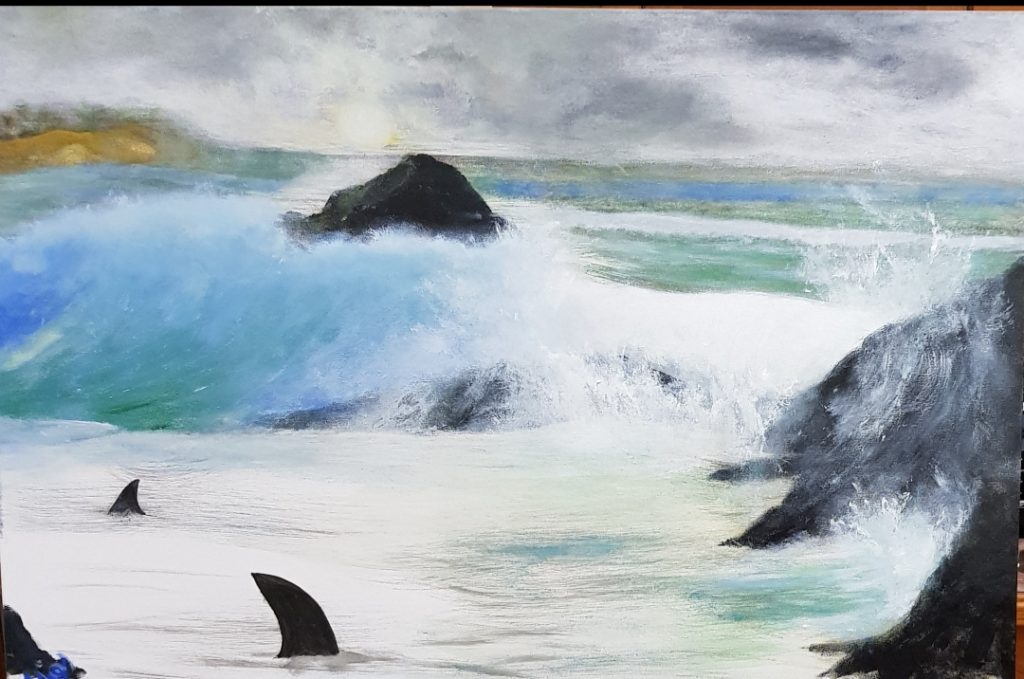
One day.

Author Bio

Kerry Rochford has lived in the seaside town of Normanville for the past eight years. She lives in a picture- perfect cottage built in 1857 with her husband and four of their seven grandchildren. Her writing practice has been an elusive beast frequently falling to the wayside but always picked back up. She believes that writing is essential to understanding not only herself, but the wider world around her.
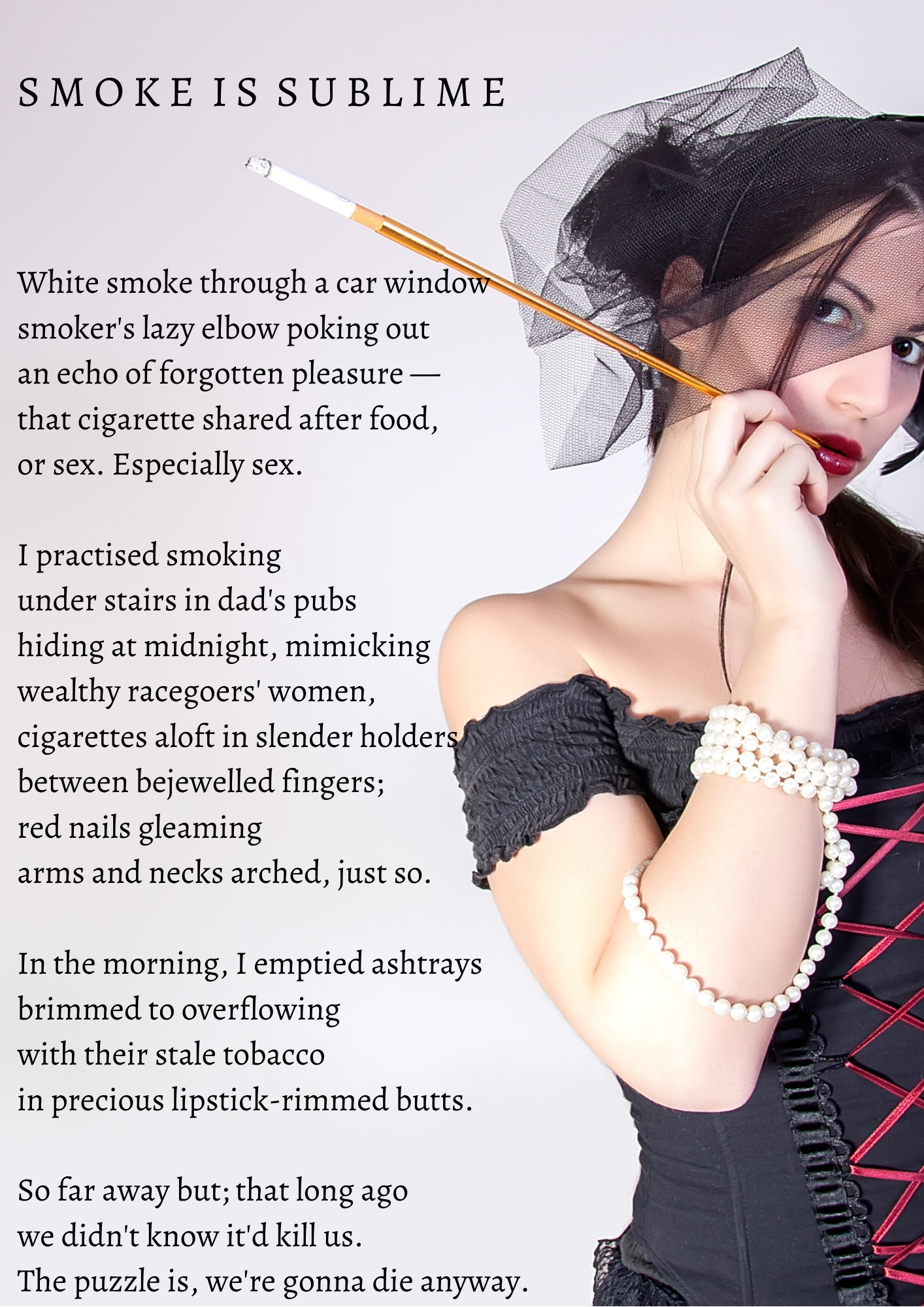
This year, Kerry began a degree in Creative Writing. Her dual infatuation for the arts has seen her maintaining a daily arts practice for the past seven years. Currently she is working on producing eight pieces of art for the Four Seasons on the Fleurieu Coast exhibitions and another piece for The Biblio Art Prize.

ACKNOWLEDGEMENTS Embroidered art images and photos by Kerry Rochford

Part 2 of Kerry’s story will be published

next week.

Life is a Journey of Exits and Entrances by Martin Christmas

Foggy Journey

During a foggy suburban trek on a July morning, I realised that life was a journey of exits and entrances and that the journey revolves not around what you can see and depend upon, but the twists and turns of the track, step by step.

Adelaide fog.

You Will Never Be Creative

In year ten at high school (I was a very vulnerable seventeen-year-old), my teacher came up to me and said, direct to my face, ‘Martin, you will never be creative. You will not need English.’ I took this to mean that I was thick. ‘You will not be a verbal communicator. We will stream you into Book-keeping.’ The funny thing is that the same year, one of my short stories made it into the end-of-year school magazine; ‘Outback ruin’. The word ‘dyslexia’ had not come into general use when I was at high school. Having it has been a real gift as a theatre director, poet and photographer.

Being a Texas Featured Poet

In 2018, I did a small amount of editing to the high school story, and submitted it as a poem with four others to the Red River Review (a well respected online poetry journal based in Texas, USA). A  month later, all five of my poems were published, and I was their Featured Poet from Australia for the next three months.

Exit Stage Right

My first job out of school was in a government accounting office for seven years until I handed in my resignation. The following Friday afternoon, I stood up from my desk and walked out of the office to calls of, ‘Come back, Martin. You will never get a normal job again!’ I never did and went into the arts via freelance drama teaching in schools, and directing plays (I set up a community theatre group, SA Creative Workshops, to teach me how to direct).
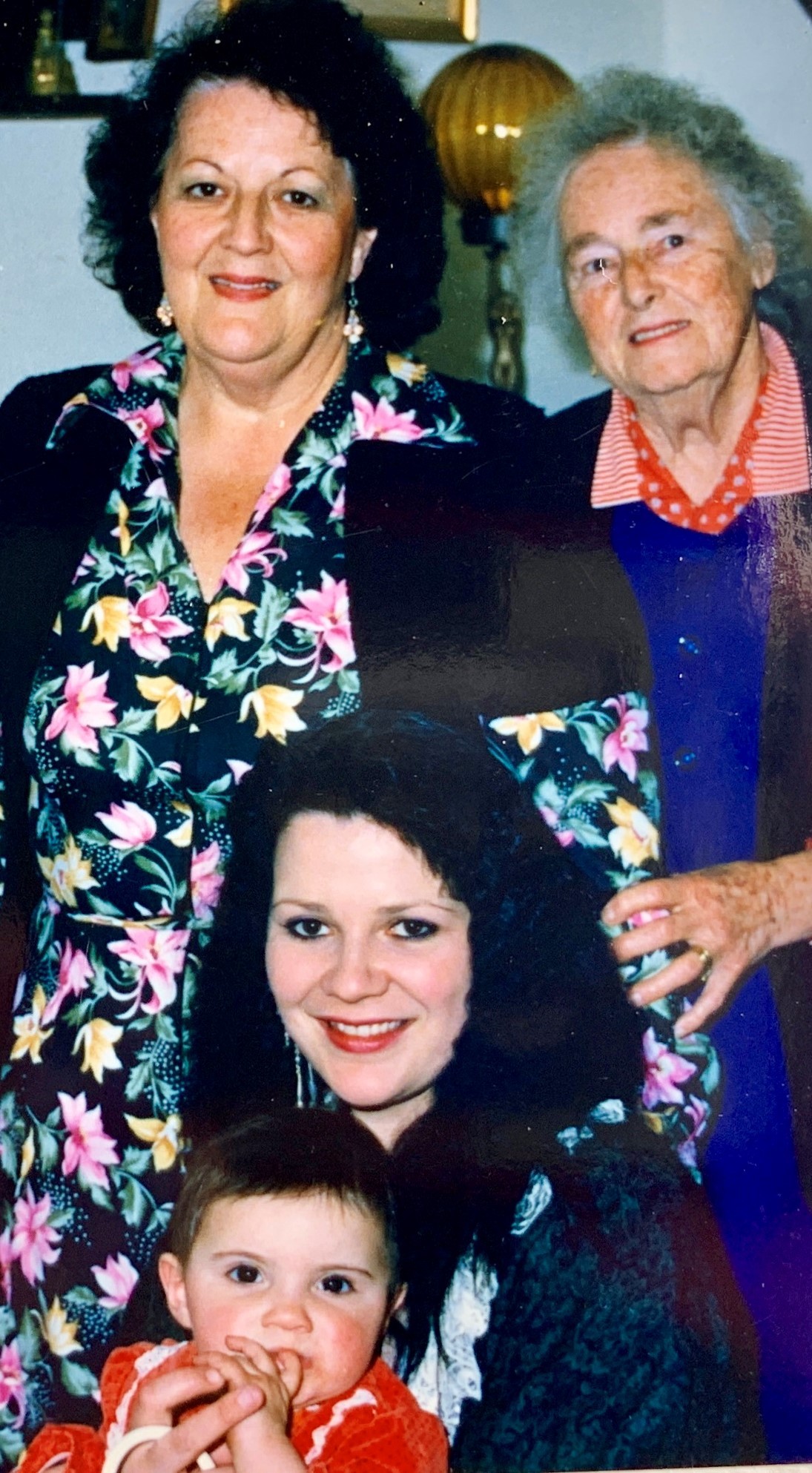
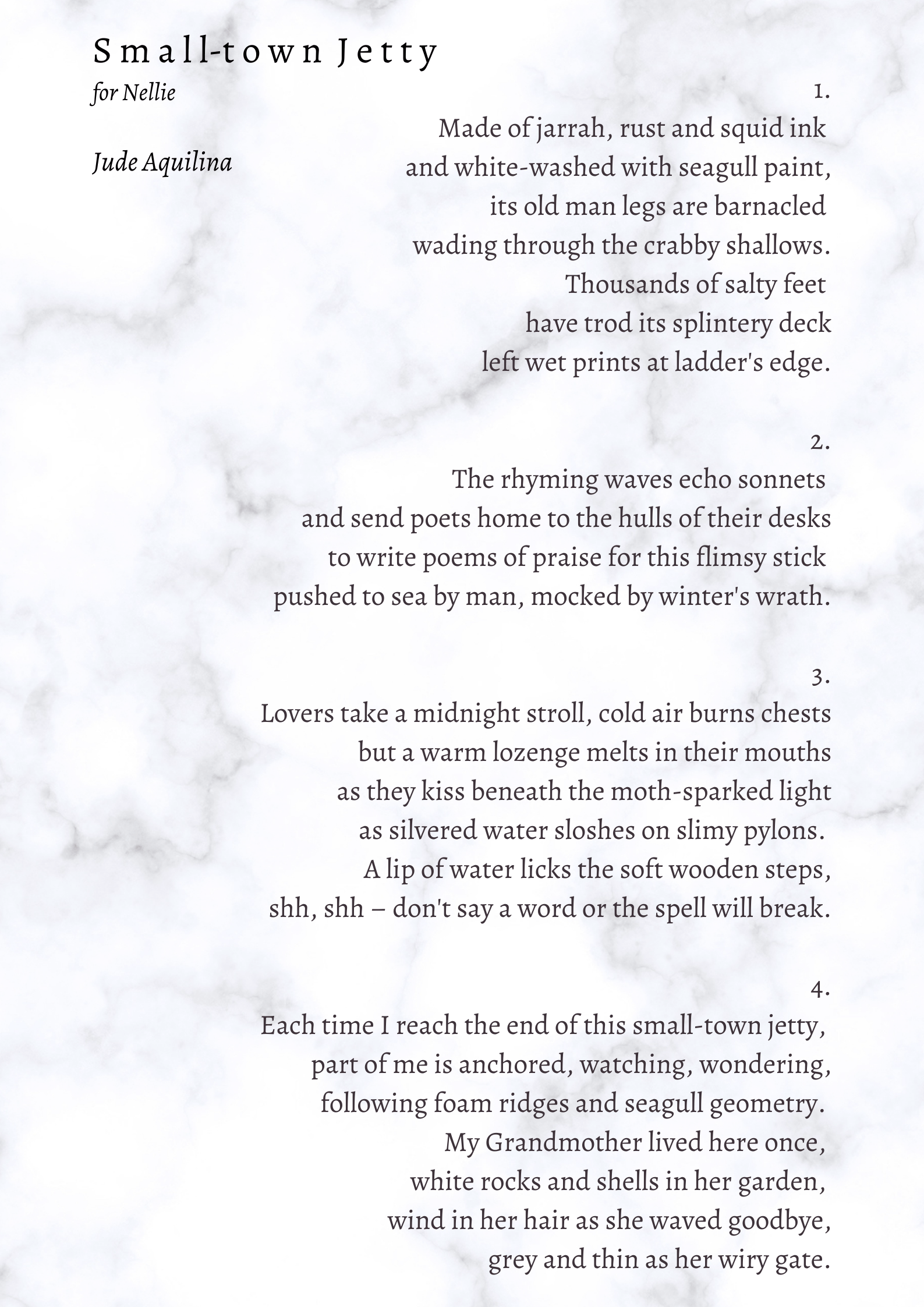
Riverland Youth Theatre

In the mid-1980s, I returned from directing the theatre production, ‘Wagga Wagga High High’, through its Edinburgh Fringe season, the first-ever Australian cabaret show staged in Scotland. (I remember one day seeing the just-beginning comedian, Wendy Harmer sitting in the same train carriage). I was contracted by the Riverland Cultural Trust to be the inaugural Artist Director of the Riverland Youth Theatre.

Murray River, Berri

Edinburgh to Melbourne to Berri (what an adventure that was). A small empty office with a phone. That was it. Just over five years later, I left Riverland Youth Theatre as the state’s only professional country touring youth theatre company. An enormous lot of hard work to be sure, entry to exit, but it would not have been possible without the cross-regional support of the community (parents, young people, councils, the media, state and federal governments and funding). It continues to this day, thirty-five years later.

The day I left the Riverland was very hard to absorb. Dad had just had a stroke and died three weeks later. Thirteen years of solo mum caring was about to begin. I still remember the Riverland with great affection.

The Cat That Entered and Exited

Arriving and departing has been a feature of my life. A fair way down the track, I have come to accept it as the norm.

In 2007, the death of a much-loved cat deeply saddened me. It had wandered across the road to become a sort of pet tenant. Mum loved that cat a lot. A bit of a late-in-life replacement for Dad who had died many years before. Sooky looked after mum until her death. I looked after Sooky for three years until she also died.

Sooky

2019. A life-changing moment. The first copies of my first full-length poetry book, ‘Random Adventures’, arrives on the front doorstep via Australia Post.  The cover photo was randomly taken at a cafe in Prospect a few years back while waiting for a friend. Who would have guessed it would have come into its own a few years later?

2020. Three days before the Adelaide book launch was due; the venue closed its doors. I also lost two country launches. When the pandemic restrictions have been further eased, the book will be launched, for sure!

Random Adventures book cover.

And, My Next Adventure?

At the moment, as a photographer, I am experimenting with nighttime use of extremely high light sensitivity ratings to capture unusual images of unusual urban centres. Already done are Adelaide, Semaphore and Port Adelaide.

The Dolphin Explorer, Port Adelaide.

Where to next? Glenelg of course! But, will there be pigeons?

No white napkins! Maybe next time. Maybe in northern India or on the pilgrimage route, Camino de Santiago in Spain. Currently, I am editing a travel poetry book by a young poet just returned from these amazing locations. I will ask him about pigeons there.

Moseley Square, Glenelg at Night

Author Bio

Martin Christmas is a poet, photographer, and theatre director with more than 100 productions to his credit. His work appears in several Australian anthologies, and overseas online literary magazines including Red River Review (the USA), as a Featured Poet; StepAway Magazine (the UK); and Bindweed (Ireland). He runs a community poetry presentation workshop and teaches presentation elements to young poets. His poetry books are Immediate Reflections, The Deeper Inner, D&M Between 2 Men (with Andrew Drake), and Random Adventures. He has an MA in Cultural Studies.

ACKNOWLEDGEMENTS Outback ruin (Random Adventures, Ginninderra Press, (2019) Random Adventures (Random Adventures, Ginninderra Press, (2019) Photographs and poems by Martin Christmas.

Landscapes of Mind

Forgotten and Hidden Stories

My posts over the past two years have explored different ways we can think about life, poetry and fiction. I have asked how each creatively informs and interweaves with the other to bring insight into our writing and ourselves. Today, I look at how our minds bring forgotten and hidden stories to life and how life gives its gifts to memory.

Memories and Stories

So, come on a journey into the notion of mind with me as the control group. Not a very scientific approach, I know, but it suffices for talking about the workings of memory and story, life and the page. As a cultural anthropologist who meditates, I am intrigued by the interdependence of such nebulous things.

A Buddhist Approach

I know little about the psychology either of memory or mind and apologise in advance to specialists in those areas.

My approach is to call the activity of memory, our consciousness if you like, ‘mind’ — in the Buddhist sense. I take mind as a sensory organ that responds to both external and internal stimuli like sound, touch, taste, smell, thought and both physical and emotional feeling.

My meditation room altar in Aldinga Beach. A precious gift from Sri Lanka, the Buddha now sits beside me on my desk.

Mind in Buddhism, Ceta, (pr. ch), is seen as a sensory organ like the ears, eyes, nose and so on. Although insubstantial, the mind is not unlike the brain in that it can be understood metaphorically as having conductive pathways, tracks or signal traces which we might relate to memory. Like grammar, though, while it is necessary for comprehension, it is not the story.

Circuit board.

The mind remembers, forgets and performs the archaeological search otherwise known as recall, to produce memories which, in Buddhist terms, are ‘thoughts’. Both the mind and the stories it remembers are sublime; each as elusive as the other. As a sense organ, the mind responds not only to internal but also external stimuli, some of which vary in kind.

Listening vs Hearing

How often do we as individuals stop listening to someone the moment they say something that resonates with our experience? I think we all do it to a greater or lesser degree. I call this the ‘I remember when’ syndrome. In these acts of remembering, we pay less attention to our friend as we turn inwards to our memories and, more often than not, we will fail to comment on what they are telling us and start talking about ourselves.

I am sure I’m not the only person who is put off by the inflammatory phrase of disinterest: ‘I hear you’. However, I raise this not in judgement but to demonstrate for it tells us a lot about how memory, mind, or if you prefer, consciousness operates.

In meditation, specifically Buddhist inspired reflection, we learn how to relinquish the need to hold and examine our every thought as it comes to mind by learning to be mindful. Mindfulness practice trains us to attend to others wholly. From it, we learn not only to ‘hear’ but also to heed, or listen deeply for greater understanding.

Landscapes of Remembering

For Australia’s First Nations people, intricate connectors trace nature’s landscape, creating stories of place and substantive ideas of selfhood. In other words, through centuries, they have walked collective meaning into their world by telling the stories and enacting rituals of Ancestral travels to create a unique and numinous landscape.

Aerial view of dry river beds around Alice Springs.

In a related but inverted vein in The Practice of Everyday Life, French sociologist, Michel de Certeau speaks about the way we in the West create meaning as we walk the city. Within the pre-existing context of power’s grids and layout of the buildings, boundaries, roads and institutions that confine us, we lay down individuating meanings and thus embed ourselves in place in the everyday affair of living. My story is like that.

My Story as Example

When I drive around Adelaide and surrounds, my biography rears up to greet me. Admittedly, I usually drive alone, and, after years of meditation, I am attuned to how my mind is behaving. But I guess that even with others in the car, you might experience a similar thing.

Words are clumsy in explaining this but, every time I drive down Port Road, a straight, pine-tree-lined stretch of bitumen leading to the Port Willunga and Aldinga Beach Esplanade, my first, violent husband comes to mind. The angry detail of the past arises in my mind even though it is over 60 years since he taught me to drive there.

A place can evoke memories as alive today as they were when laid down. When I pass a couple of houses in Adelaide where I partied as a university student, I smell dope.

Profound external events have a similar effect. When my eldest son died at 43 in December 2014, my grief took me on an internal journey through his life from newborn to adult. If you asked me to tell that story from ‘memory’, I simply could not do it, but memories surfaced to meet the moment; in that moment.

Getting Real

If the mind is fundamentally a connector, no matter how real our memories, how true is our story, how much of what we remember can we trust? To answer this we need to look at how we tell stories.

The everyday stories we tell about our lives, both to others and ourselves, constitute our identity. Over time, they combine to give an impression of who we are in the world and there is no doubt that we edit as we go! 

In developing a presentational self through stories, we create reality as we want it to appear. We create a persona; a front or a mask. However, when it comes to life-writing, we need to dig deep to go beyond such conscious constructions of self.

To find the truth, we need to bypass rehearsed stories, those we ‘see’ in our mind’s eye as though we were watching television with ourselves as the hero.  Such stories do not read well on the page precisely because, as products of the intellect, they tend to bypass the senses.

Even in fiction, unless we pay attention to sensation, we can never access the rough, smelly, tasty, noisy, colourful, tactile and marvellous world we really inhabit, and through which we hook readers.

To take readers on a journey we must evoke the senses. But, how do we access the sensations to create magic on the page? The best lessons come from Life Writing instruction.

Original Memory

In fiction, we bring personal experience to play to evoke events and moments in a character’s journey. It is not just ‘write about what you know’. To make both fiction and a life story real for readers, we need to draw on what we know at the sensory level and let the intellect provide ornamentation.

In The Memoir Book, Patti Miller tells us that original memory is poetic, not prosaic! It works through metaphor and symbol by linking things that we otherwise keep separate when we think about them or analyse. Notably, as she argues, poetic memory is triggered by the senses.

Miller argues that, given a chance, the right circumstances or a sense-trigger, the mind searches the core of our bodies and souls to bring the past into the present replete with its smells, tastes, sights, sounds, thoughts and feelings; original feelings. The truest stories come after.

The Archaeology of Mind at Work

When poetic answers come, time disappears. Given that we are accustomed to seeing our lives as a chronology or ‘real sequence’, I find this pretty interesting.

Your memory or mind, Miller says, is a poet…

…it has stored experiences in imaginative patterns where the sound of marching music will lead you to the school verandah and the teacher leaning over you smelling of ink and the boy pulling a face in the next seat who later died in an accident. Go into life writing via this door of memory, rather than the door of topics, and you are entering into the imaginative, creative part of your mind. You are much more likely to write with vividness and clarity.

Patti Miller in Writing Your LIfe: p.79

Embodied Memory and Associative Recall

I spoke earlier about remembered stories, those we rehearse in order to show the world who we want it to think we are. Patti Miller shows us a productive way past that. What I am largely talking about here is embodied memory and, by extension associative recall. Similar ideas, slightly different descriptors.

Embodied memory, like Miller’s ‘original memory’ is something like knowing how to ride a bike, or drive a car without all the clumsiness that goes with learning to do these things. Embodied memory comes into play, as I described earlier, in the face of significant events like the death of a loved one. It can erupt unbidden in particular places or while watching a movie, as in deja vu.

Triggers often bring to mind something you had forgotten, which is so deep inside it is part of you, and I call this type of remembering associative recall. I first recognised associative recall when working in the field with Australia’s First Nations people and, the story stuck.

A man in his forties suddenly stood up to speak at a meeting about sacred sites on Country, that he and others had been working on with me for several weeks under intense political pressure. I was there to create the record.

Everyone became silent when, trembling just a little as though in awe he began to speak about the way he had tagged along out bush with his uncles and other Old Men as a kid, often a bit bored. He didn’t realise the significance of what they were passing on to him.

Close to tears, he went on to confide to those present that in recalling and telling those old stories during fieldwork and at the meeting, their true value struck him for the first time, like a bolt of lightning.

Speaking of Country brought him to the realisation that he was on the way to becoming an Old Man for the next generation. The external moment triggered memories that brought realisation; associative recall.

Summary

It might be strange to see the world through an anthropological and Buddhist lens, but it offers an alternative way of accessing the truth of ‘what we know’. It opens doors to our inner selves in ways that the intellect doesn’t allow. Of course, whatever we write must be scrutinised, crafted. But authentic detail comes from original or embodied memory.

Before publication, we need technique and a reliable editor!

A Tip

If you are writing about your life, remembering the past can be both poignant and painful. Some people must take pills and potions. But for most of us, medication merely masks the truth. So if you don’t need it try writing about the bad stuff. That can be productive and helpful.

Try This

Take a piece of memorabilia, a precious object or a treasured photograph. Hold, touch, view and then reflect on it with eyes closed for 5-7 minutes. Put the item down, and write ‘stream of consciousness’ for 10 minutes.

Next, choose an item with an odour, aroma or fragrance that you either like or loathe. If you don’t have one at hand, close your eyes and focus on a smell that evokes a particular memory that resurfaces at each encounter. Examples include a storm building, fire the beach, the stench of alcohol, hospital, food, perfume, flowers or even formaldehyde.

When you’re ready, write whatever comes into mind about the moment evoked by this smell. Write furiously until you run out of puff, without pausing to edit or think. Then, take the two pieces together to create a poem or story.

Putting the two pieces together is a trick that bypasses the thinking process, and allows you to find wonderful new stories. Perhaps give one moment of recall to each of two characters. Play with it.

As always, I’d love to hear your thoughts, especially if you find the post and exercises useful.

Happy Memories