A Special Friendship in Aldinga Beach

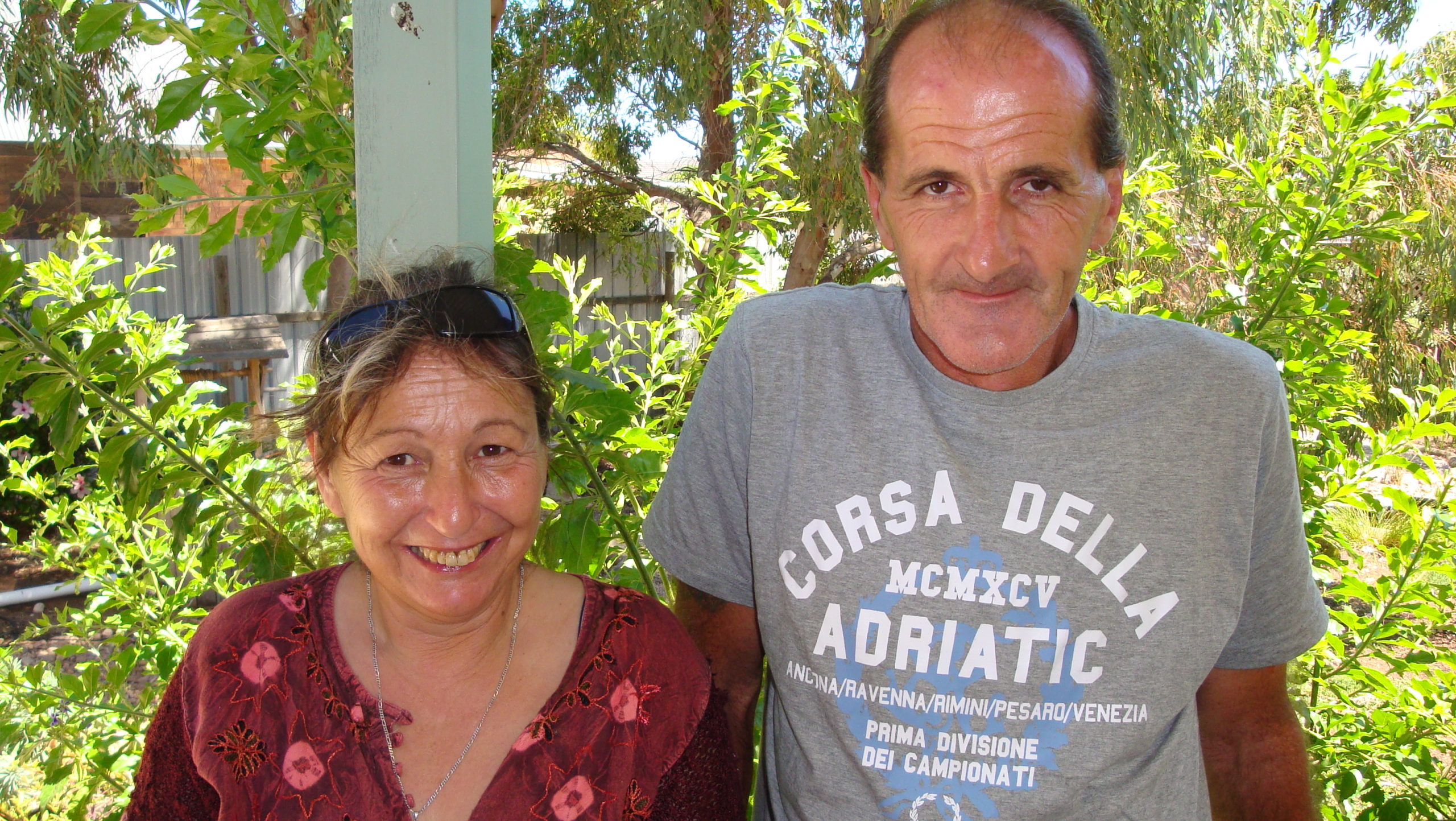
Tina and Rowan Brown, and Me

Rowan and Tina Brown came into my life over a wishing well. Or, it might have been a broken dining table or chair leg fix. I can’t remember which came first. What I do recall is being delighted to find small, hand-crafted wishing wells for sale on their front lawn, which made me stop to chat soon after I bought a little donga in Aldinga Beach in 2005. I always wanted a wishing well, and it seemed like a good omen to find one so quickly. Rowan made mine full-sized, like their own.
A recurring dream brought me to Aldinga Beach. It started in Darwin when I finished a contract there and persisted during a 15-month pit stop in Melbourne. Most nights, I flew, swooped and soared with a magnificent wedge-tailed eagle that never landed until, one night, he alighted on Aldinga Beach’s silvery sands. That was it.

Taking the dream as a prophecy, I bought my house on a day trip from Melbourne. It had three rickety steps to its front door, no verandah, and bare yards. With a little bit of money to spare, I added a veranda back and front and fitted out the garage as a studio.
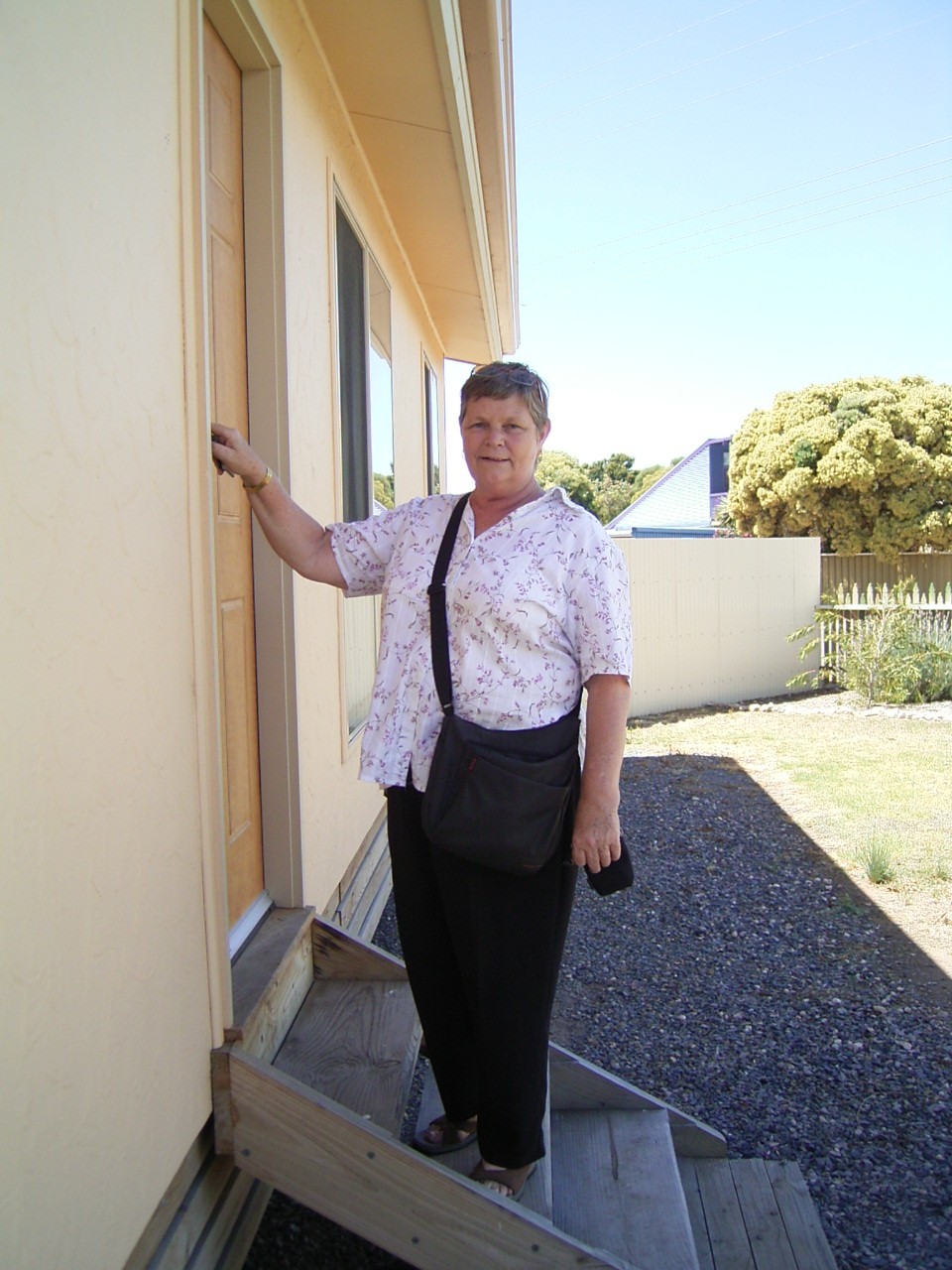
Once I’d settled, Tina and Rowan became my mainstays. They turned bare yards into the gardens of my imagination and were always there to fix things for me, do a hard clean, replace fire alarm batteries on the ceiling, and do all the things an old lady finds difficult by herself. They drove me to and from the hospital on occasions when I was not allowed to drive or take a taxi.

Rowan and Tina did so much for me, including putting Ikea furniture together. They packed and unpacked for me when I moved into Manson Towers in Glenelg. Rowan was always patient as I sat back in my throne of age, issuing instructions about where to hang pictures and playing with the location. Sometimes Rowan’s arms nearly fell off before my eye found the right place.
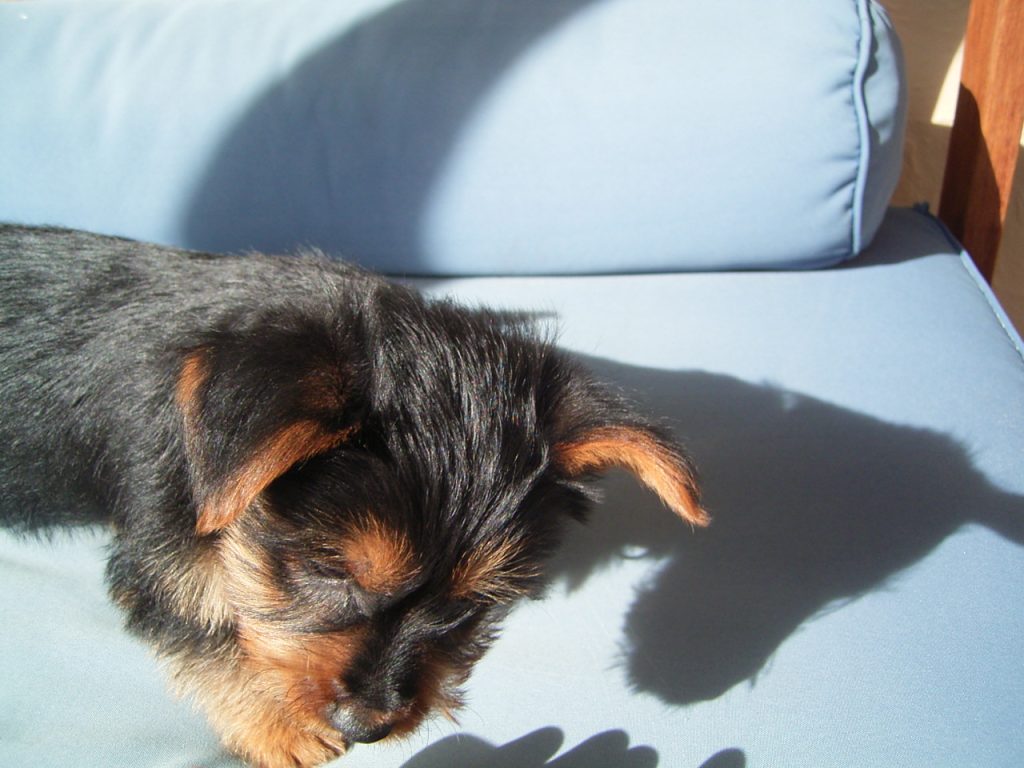
Apart from friendship, Tina and Rowan’s greatest gift was giving my beloved dog Clarrie a forever home when I moved into a Glenelg retirement village. They knew him from when he was a tiny pup, and he always adored them. They care for him so well as he declines.

Clarrie as a tiny pup.

A Love Story

Rowan is an Aboriginal man whose family, when he grew up, refused to speak about their heritage. Tina is Caulfield Jewish. They met in the Gippsland region of Victoria near the Latrobe Valley. She lived in Traralgon as a new bride, and Rowan stayed on his best friend’s grandfather’s farm in Morwell-Traralgon. Rowan is a few years younger than Tina, and, at first, they were friends.

Rowan said that, on the farm, there was no water, no power, nothing. The old man kept a couple of gas bottles, and that was it. He was loaded but stingy. Tina used to feed Rowan, his best friend and his brother in exchange for helping her around the house and when she became ill.

Although newly married to her first husband, Tina lived in fear of his violence. One night when Rowan visited, he found her collapsed with a broken nose and bleeding profusely. He pushed Tina’s husband up against the wall and warned him never to touch her again, gave Tina his caravan key to keep and took her to the Lionel Rose Aboriginal Health Centre the next day. Their love grew from there.

Aldinga Beach

Six years later, Rowan and Tina moved to Aldinga Beach for work opportunities. Tina’s family was then living in Seaford, where they stayed until the couple settled. They both worked at Metro Meat, owned by the Adelaide Steamship Company until the Chinese bought them out.

After that, Rowan worked for an odd-jobs man for some time, and then they branched out on their own, together. Over the years, they built their own thriving home maintenance business that brought them to me.
The Brown Family

The Browns married in 1988 but have been together for 38 years. Their family is close. In Tina’s words, ‘Everything we do, and everything we did without, has been for our boys, Nick and Alex, who live nearby.’

Their eldest son Nick is a long-distance truckie, a job he loves. He is dedicated to the CFS and adores his partner Emma and their girls, Alana, 15, Chelsie, nine (but thinks she’s 21) and Kayleigh, six. Emma is an enrolled nurse soon to be a Registered Nurse. When Nick comes to collect the girls from their grandparents’ place on Friday after his latest trip, they cling to him because they haven’t seen him for a whole week! Tina and Rowan look after their grandchildren whenever they are needed.

Son Alex took a different direction. He started working as a ‘checkout chick’ for Woolworths (promoted to management) while still at school. Alex is now at Flinders University, completing a BA in Environmental Studies (Geography) in the College of Science and Engineering. He is also doing a Diploma in Photography. Alex identifies as Aboriginal and Russian (but not Jewish like his mum). He records his travels in Japan and Bali and is a superb photographer, as his Instagram attests. Alex is the proud owner of two beautiful Huskie fur-babies, Sammy and Fidget, both girls.

Tina’s two sons from her first marriage, John and Nathaniel Howes live with their partners, Jalina and Petrina, in Melbourne and Perth, respectively. Each family has four children. John and Jalina have Jessie, Jorja, Maddie, Emmylou. Nathaniel and Petrina’s children are Makayla, Aidan, Eva and Addison. The families stay in touch, travelling to and fro when possible.

The Home Maintenance Business

Tina said she first joined Rowan in his fledgling home maintenance business because she hardly ever saw him because he worked so hard. They still work together, as a team.

For years, they have travelled as far out as Salisbury and to the end of the Fleurieu Peninsula. They go where the work takes them, to Mount Barker and the other side of town. Some jobs are casual, others more permanent for real estate agencies and holiday homes, plus Airbnb and individual but regular customers, like me. Their business grew by word of mouth, and they are very much in demand.

Garage Sales

A home-maintenance spinoff is the accumulation of gifts, goodies, and consignments that Tina and Rowan put on front-lawn display in quarterly garage sales. In addition, Tina is a confessed bowerbird who loves shiny, pretty things, which means that their shed is full of unique treasures waiting for someone to give them a new home. It was, of course, at one of these garage sales that I first saw Rowan’s hand-made wishing-wells.

The garage sales take three hours to set up in the morning and as long to put everything away. They are hard work. Tina said the best part is meeting all sorts of people, from different walks of life, those who are regular scavengers and those who drop by out of curiosity. The worst thing is that some people steal, which Tina thinks is silly because she is the genuine 20c lady if only people would ask. There are times, though, when it seems like too much. One day, she said, she may call an op shop and ask them to collect it all — one day.

The Menagerie

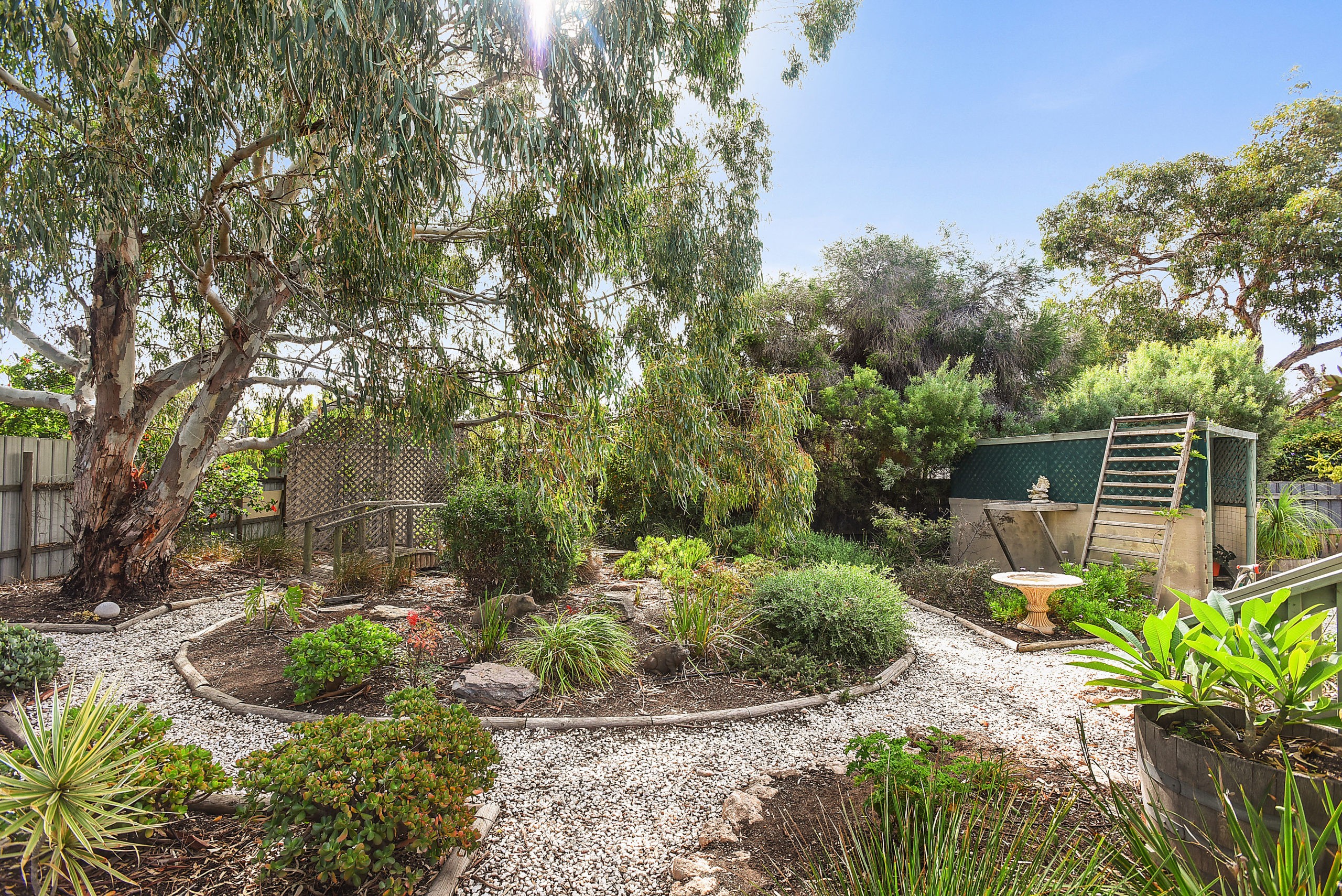
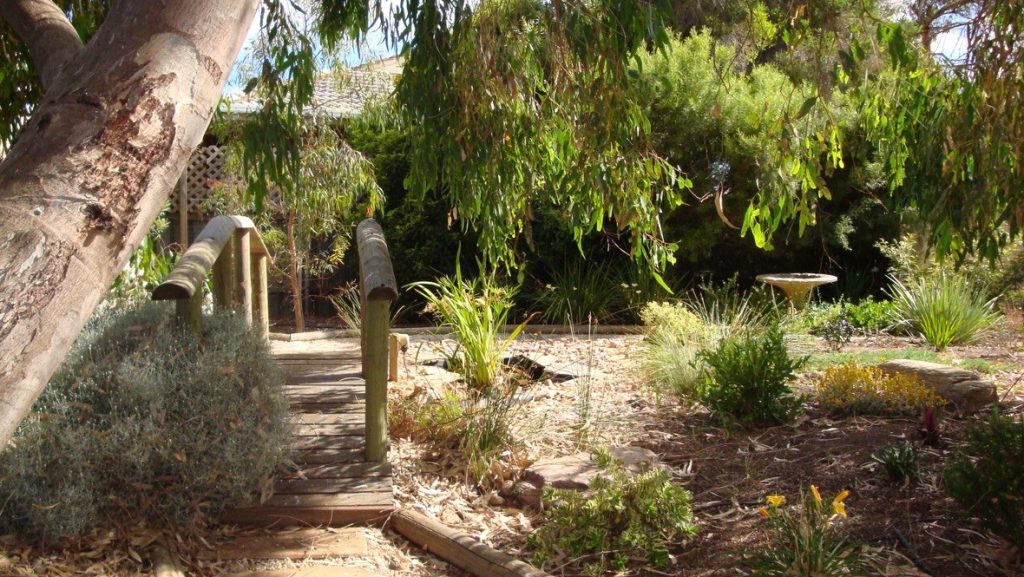
The Brown’s home is a sanctuary for dogs, cats, birds and turtles. Their garden is lush and beautiful, as you might imagine for people who make others’ gardens (and homes) lovely for a living.

            Turtles

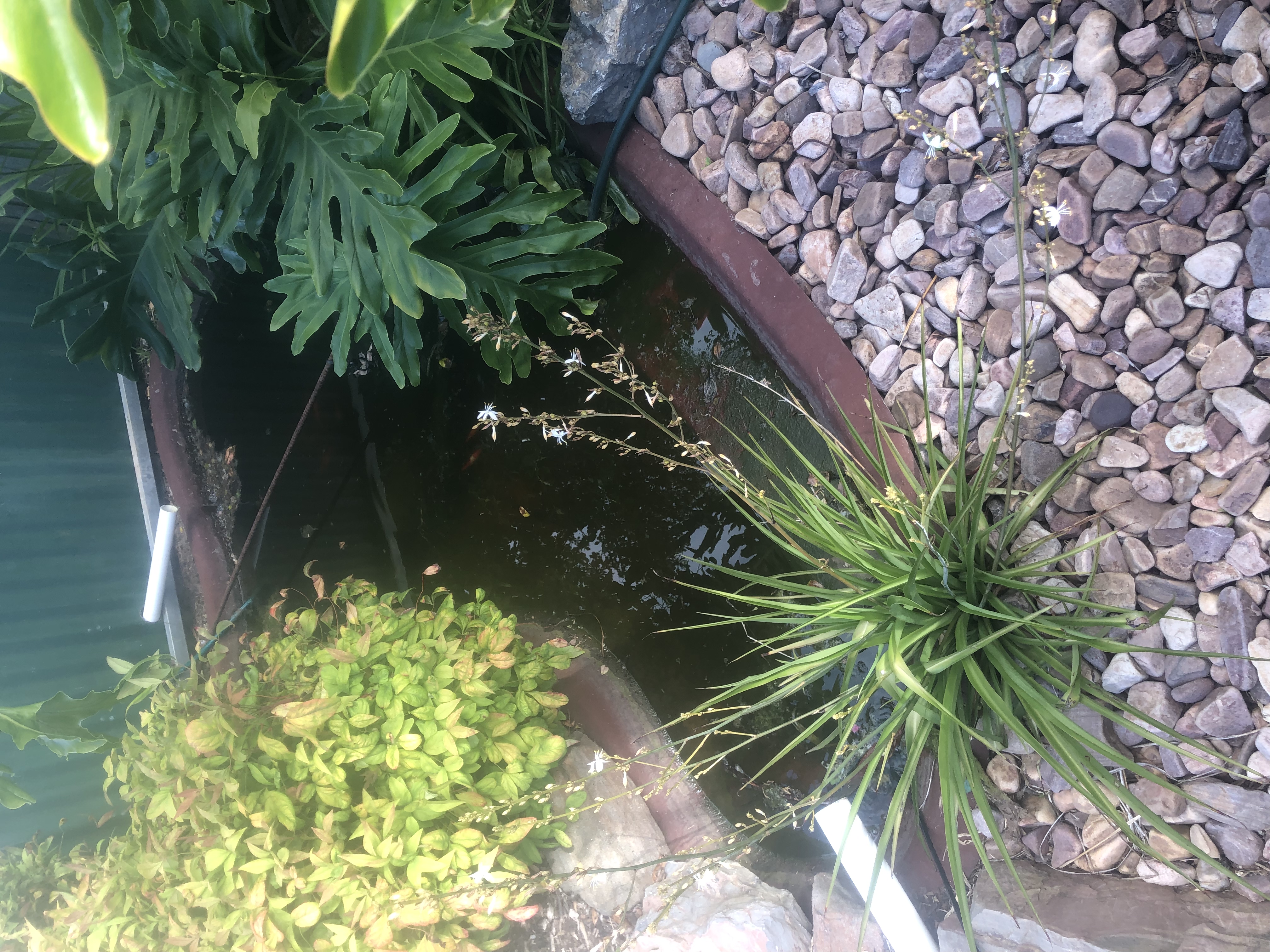
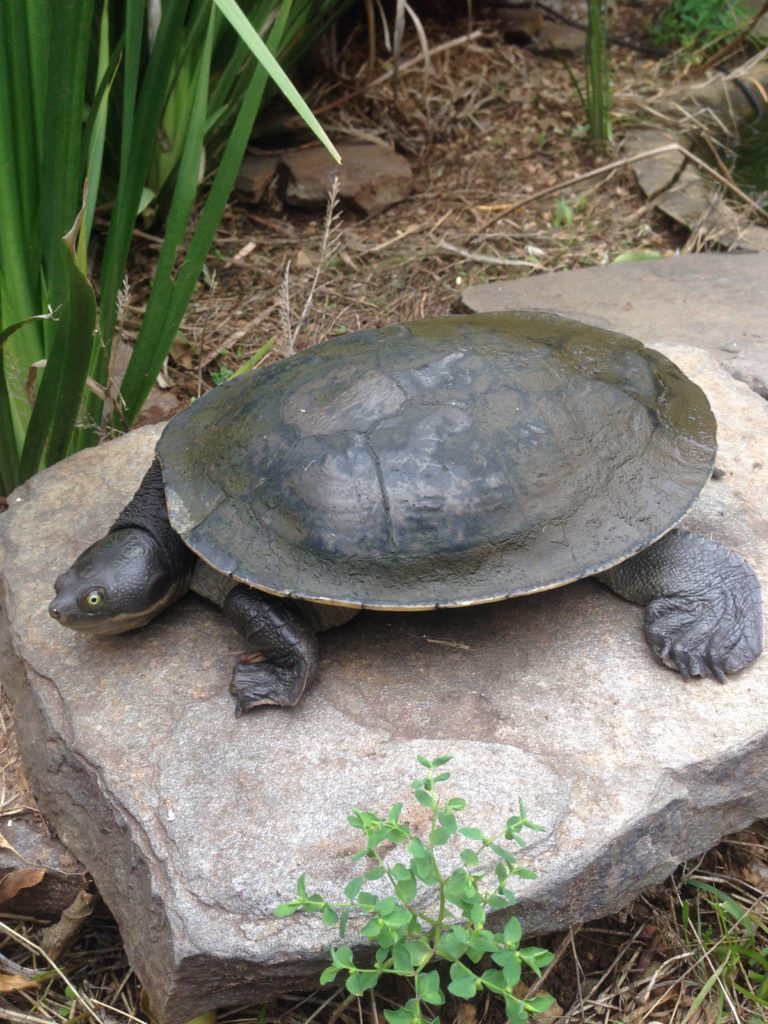
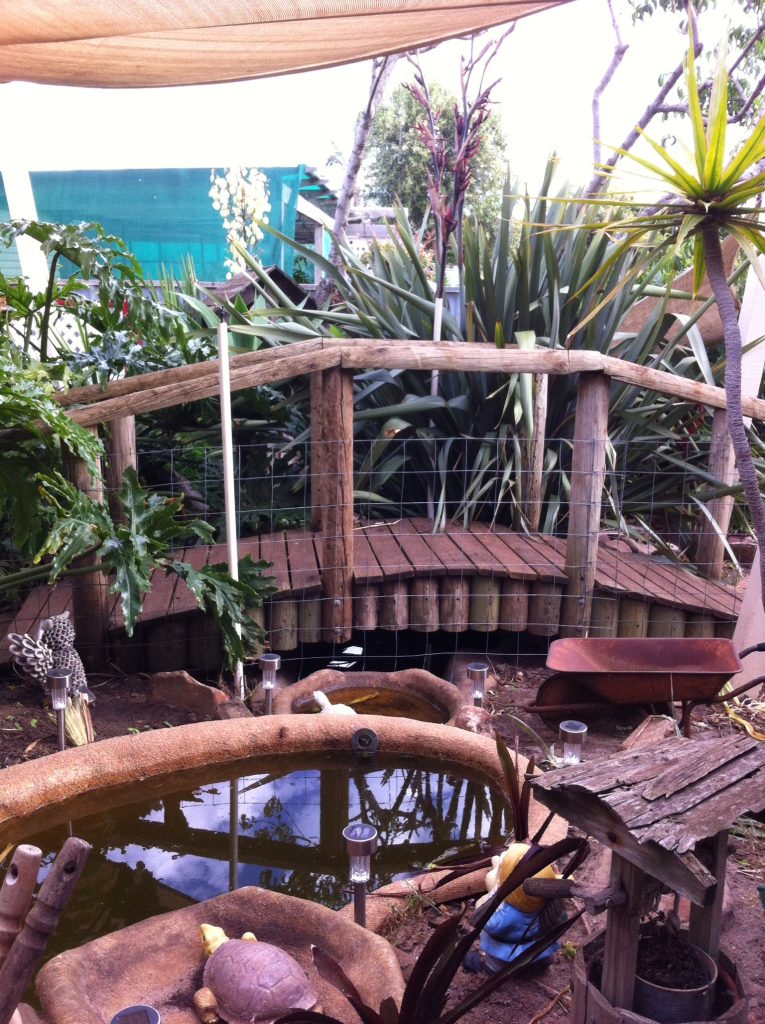
Rowan built a beautiful bridge in his backyard, just like the one he made for me, but he had to dismantle it to create separate ponds with a pathway over the top for his five turtles because they are territorial. (The last turtle he picked up off a white line on Chalk Hill Road, close to death. He nursed it back to health in the bath for five days.)

            Dogs

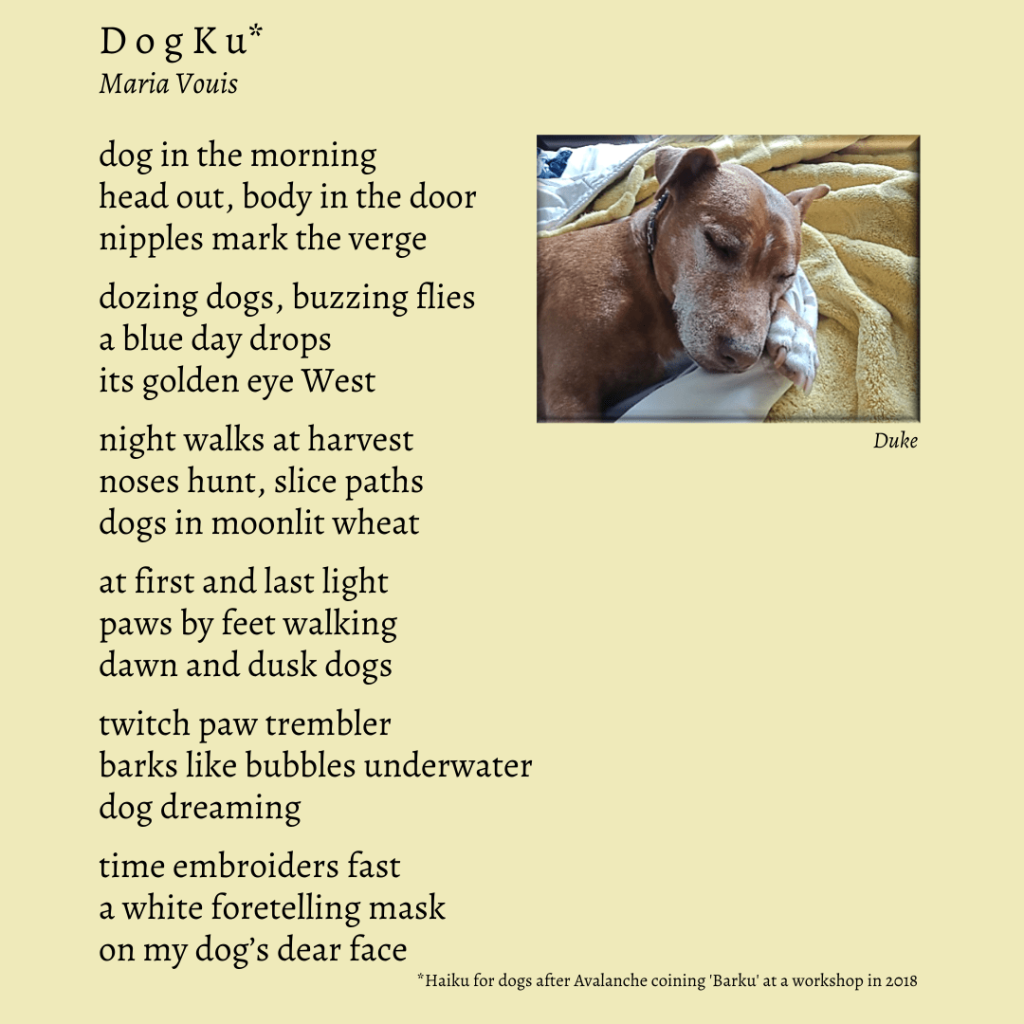
In addition to five turtles, the Browns have three dogs, two cats and nearly 50 birds. Tyko, called Psycho Tyko because he’s nuts, is a heeler cross Kelpie. Tierra is a chocolate Labrador who is overweight. Like Clarrie (adopted from me), they are also older dogs, but he’s skinny.  They all live inside.
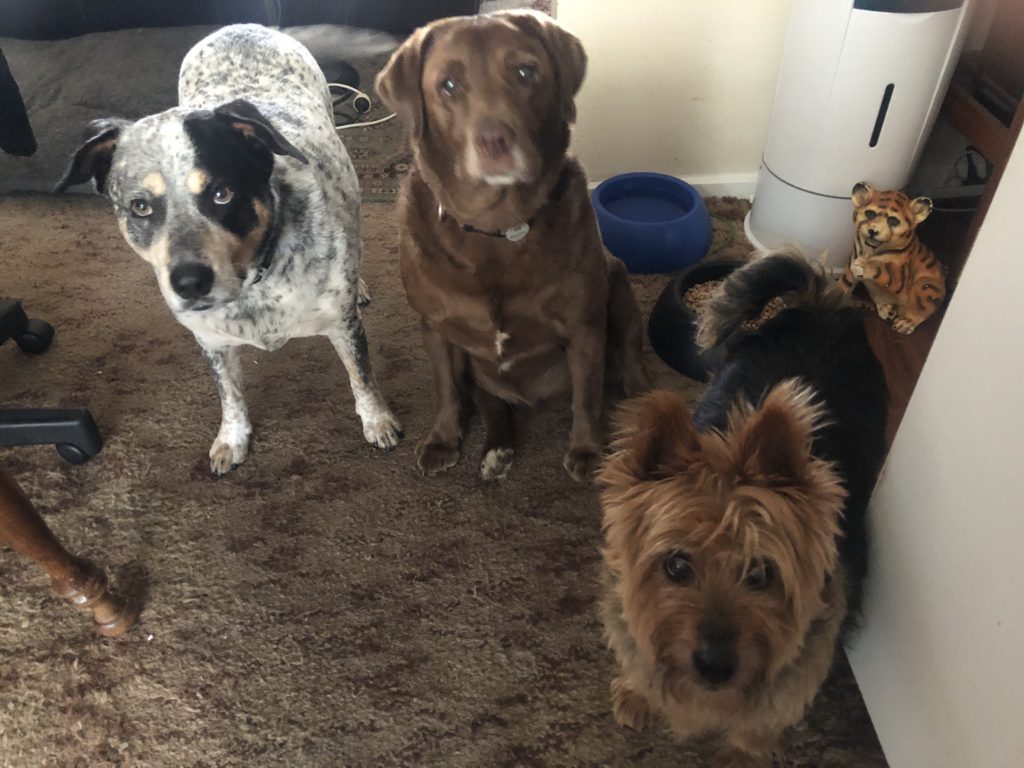
Three dogs L-R Tyco (the Psycho), Tierra and Clarrie

Tyco eats anything, books, sponges, shoes. You name it. He is eight years old and not a puppy, so he shouldn’t do these things. Tierra has a lovely nature and is a beautiful, caring girl. The smallest, Clarrie, rules the lot. Because Tierra has meds morning and night, Clarrie thinks he’s getting the medicine as well, and it is he who alerts Rowan that it’s pill time, so the Browns call him a junkie. Tyco and Clarrie get a placebo, cheese on bread minus the pills, but Clarrie sets the pace.

Even though he’s the smallest of the three, Clarrie is so bossy, he stands in front of the food cupboard at 4 pm, staring at it, demanding food. He vacuums his meals. He is also the alarm clock for walkies. His life is not only in tune with the day’s rhythm, but he dedicates himself wholly to it.

            Cats

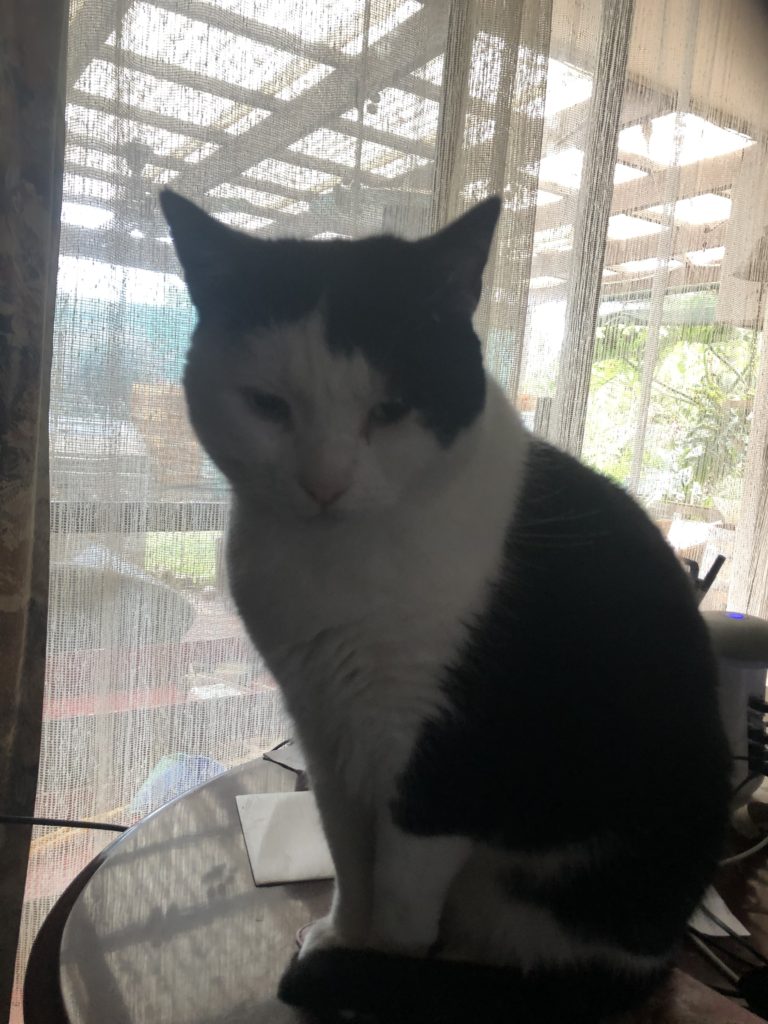
As a cattle dog, Tyco tries to round up the cats, named after parts of a cat gym where they hid for three weeks before they were game to come out to play. White and black Choobie is so named for chewing the tube of the gym where he hid, and black and white Shelfie got his name for hiding behind the gym’s shelf.

           Birds

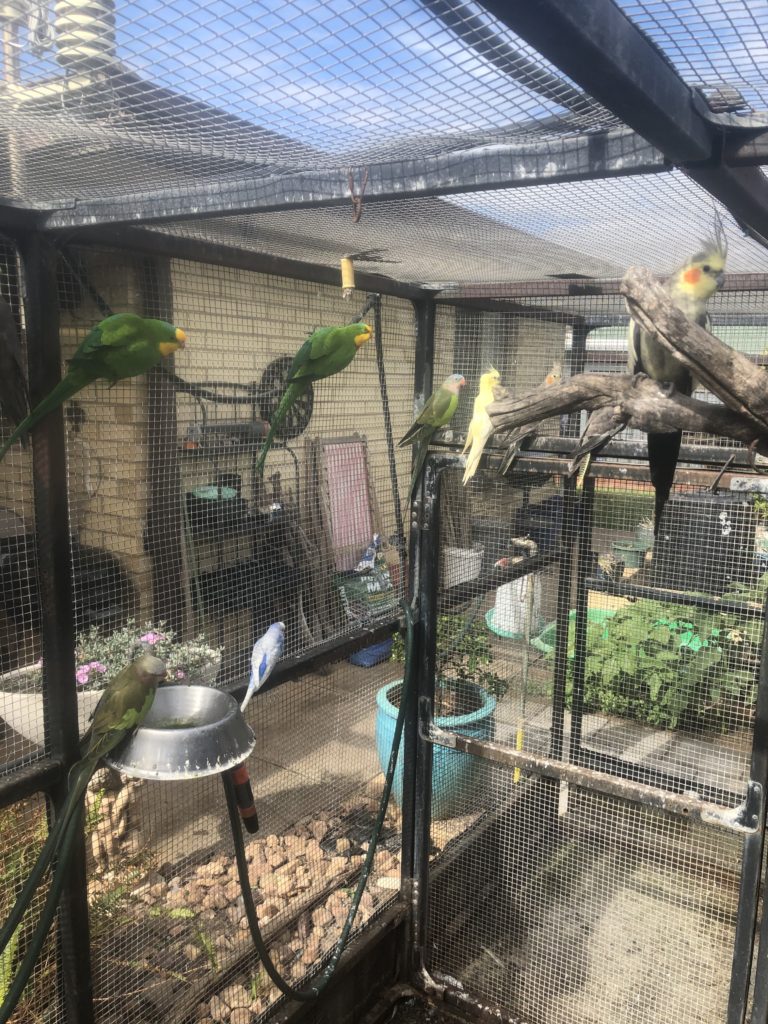
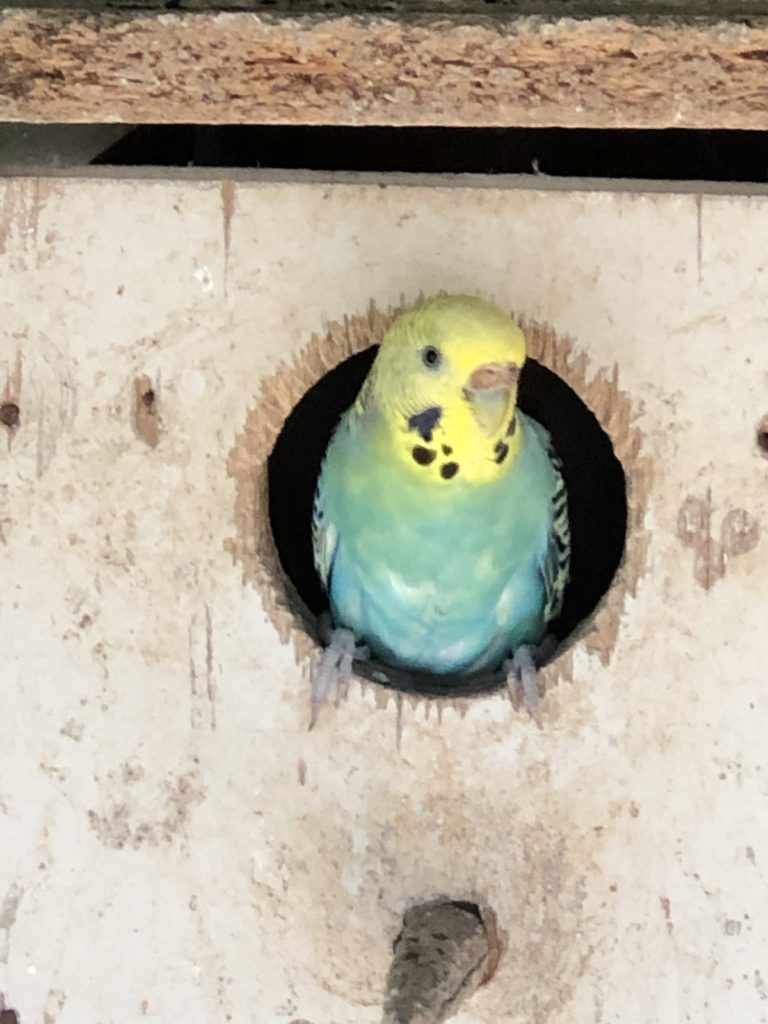
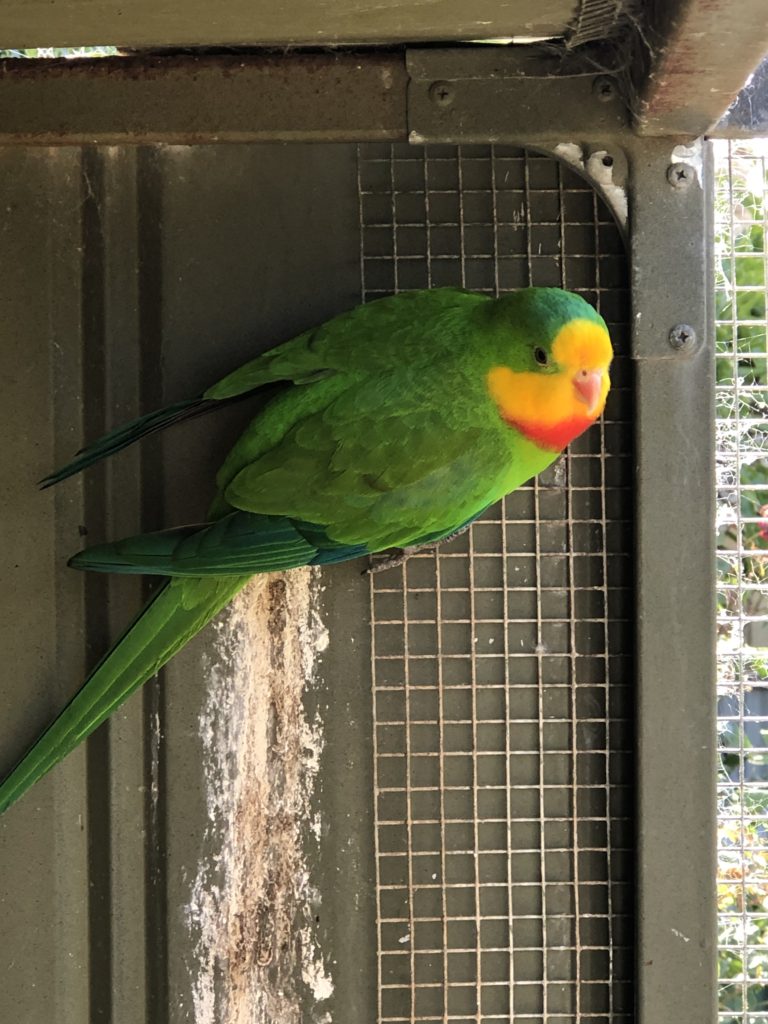
Of the birds, there are two flightless lorikeets, L1 and L2, surrendered to the RSPCA after someone cut off one of their wings. They were about to be put down until a friend interceded to give them a chance with Tina and Rowan. The Brown’s 45 other birds live in huge aviaries, a mix of finches, budgerigars, cockatiels, princess parrots, superb parrots, grass parrots and quails.

The Scariest Thing

A little over three years ago, Flinders Medical Centre admitted Rowan with delirium. He spent eight days in ICU and 11 days in the hospital. After four days, doctors told Tina that Rowan could die if his fever didn’t break. Tina, Alex, and Nick thought they would lose Rowan. Both sons supported their mother, and Nick took her to the hospital every day as she doesn’t drive.

On day five, doctors diagnosed Rowan with waterborne Legionnaire’s pneumonia. They recognised that the symptoms had appeared in him, in reverse. Rowan’s lung function is now significantly impaired. Health authorities never found an official outbreak source.

After such a fright, Rowan and Tina now enter the House and Land lottery every year, and they alternate between hope and exasperation when they don’t win. Even the St John’s lottery has failed to bestow its favours on them. Although their landlord is good to them, they would love to have their own home before retiring.

A Final Word

Rowan and Tina Brown are dear friends. When my daughter Vanessa arrived back in South Australia earlier this year, they helped her settle into her new home as they did me when I moved into a retirement village. They treat us like family. Home maintenance may be their work, but everything they do is an act of love and attention. Just as they shower their family and animals with love and care, so too do they spread a little magic wherever they go.

Writing Tip

I wasn’t sure whether to add a writing tip to this post as I usually do because it is about friends. But I will, and I beg Tina and Rowan’s indulgence.

When you write about other people, honour them. Yes, this post is about my journey with the Brown’s, but it was they who showed me what was important to them; their love, their family, surviving illness and, of course, their marvellous menagerie.

Happy Writing

Wattletales

Click here to read another post about a beautiful garden.
My Poetic Pilgrimage by Maria Vouis

Ancestral Origins

My mother’s songs seeded the starburst of my poetry. Like a bird sings to its eggs, she sang the melodically and rhythmically fertile songs of the Aegean Islands while I was in her womb. When I hatched, she continued to prime me through infancy and childhood. I still sing and drum the haunting modes and hiccupping rhythms of Greek music. They feed my poetry with metre and syncopation.

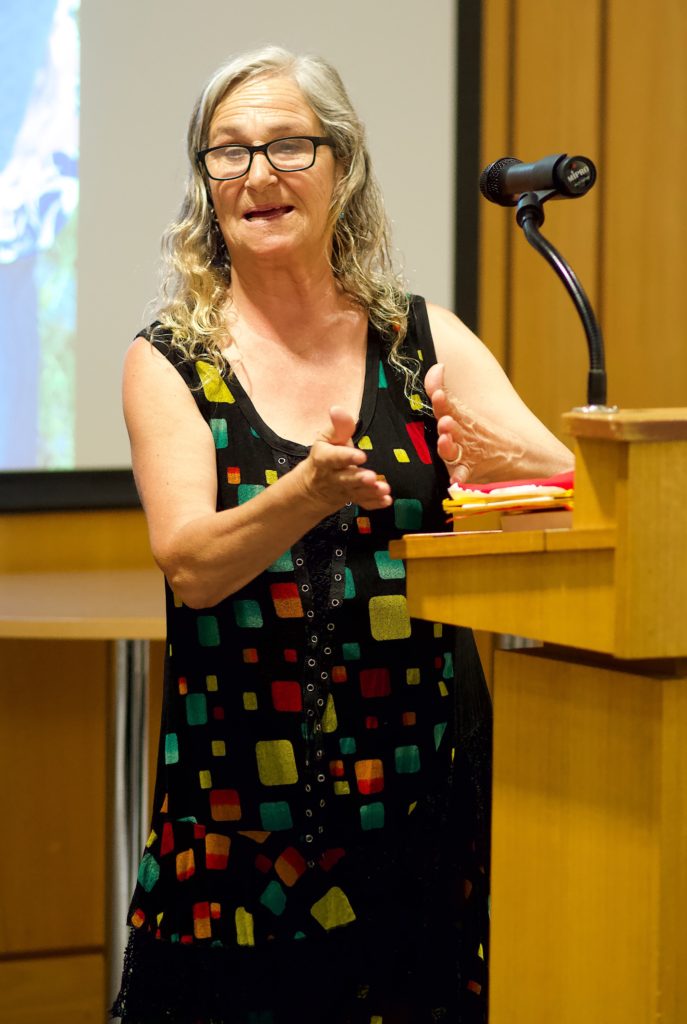
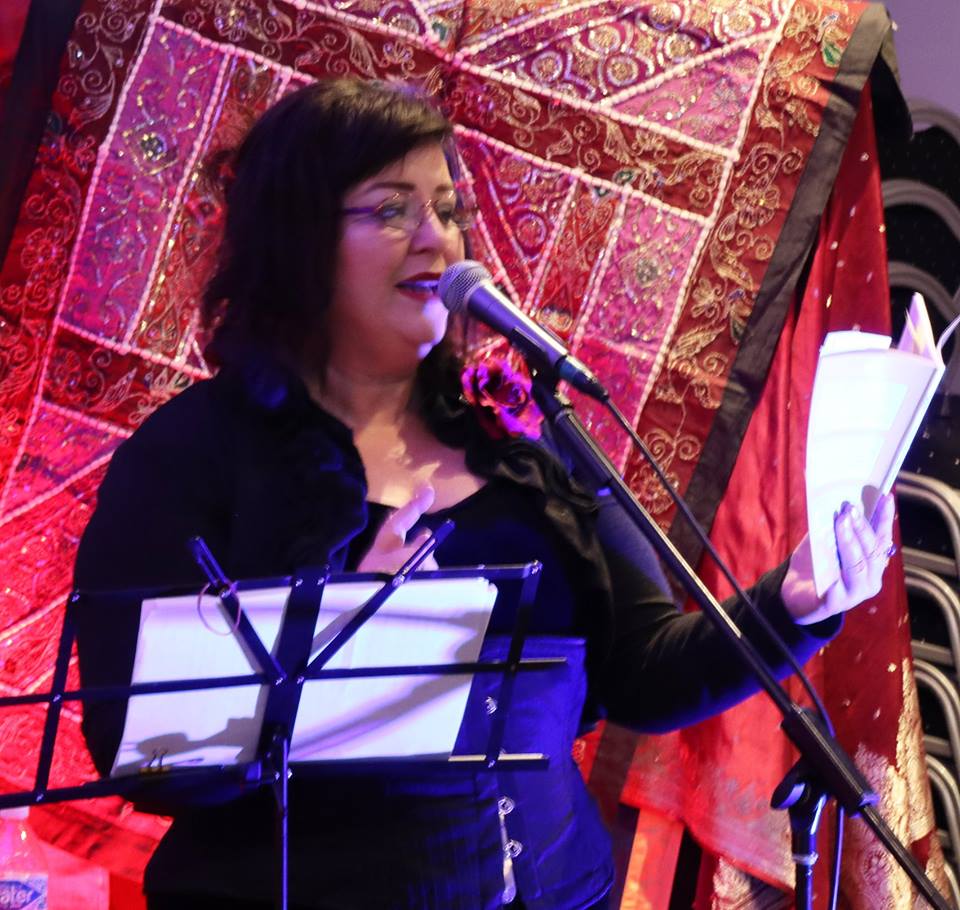
Maria reading at SPIN 2018

Oral and Musical Roots

It’s tempting to believe my pilgrimage with poetry began at Flinders University, where I completed a Creative Writing Graduate Diploma. Academic learning validates. It teaches the craft, but the richest source for poetry for most poets is ancestral.

I inherited a deep, unconscious, but musical and poetic pulse from my family; my mother’s voice permeates my writing. More than theory, I draw power from this heritage. It lends authenticity to my poetic voice, which comes from deep within.

Many cultures, Greek, Ethiopian, Arabic, and Irish, to name a few, have strong oral traditions. Poetry in our Anglo-Celtic society does too, both in form and musicality.

Before Europe invented the Guttenberg Press, poetry was sung and recited in communal groups. The rhyme and metre we know from traditional poetry were mnemonic devices. Today, slam poetry which is almost a sport, has a similar musicality. Being performance, it is popular among young people and attracts large audiences and cash prizes.

I run an open mic with Julia Wakefield called SPIN (Southern Performers Interactive Network). We celebrate the connection between music and poetry and support early and emerging poets and musicians to develop their craft and confidence. I performed at the Goolwa Poetry Cup in 2017 with my show, Little Poems about Kisses. It was thrilling to win an award for Mr Lizard Lips.

Stones of Dislocation

My father’s forced migration as a political refugee is a troubling childhood memory. My family travelled from cosmopolitan Piraeus, a traditionally built home, to a Housing Trust duplex in Whyalla, South Australia, where Dad worked at the BHP steelyards as a rigger. His ship’s captain qualifications were not accepted.

Dislocated like many migrant families, fractured clan roots caused suffering. I felt I did not belong. Already bi-lingual, my father picked up English as his third language of necessity. My mother struggled.

The Strange Gift of a Double Tongue

Torn as a child between my Greek mother tongue and English was bewildering. I morphed into a bi-lingual child and quickly qualified to act as an amateur translator of adult medical mysteries, a junior social worker for my mother and a legal document reader for my father: a common situation for migrant children. 
School classified me as ‘English-less’, which was a shock at five years of age. However, I graduated with the Year 12 English prize and have written mainly in English since. I gravitated towards creative writing and drama and was always the top performer in most English classes. Sadly, my Greek language is now much weaker than English, an expected loss for migrant children.

A Life Raft

Poetry was a life raft for me during my mid-thirties when I experienced a series of traumatic losses. My father died of cardiac arrest on a public health waiting list. My mother committed suicide. I left my de-facto husband, lost the job I held in our business then lost my own business and singing career. Even my cat died. For a time, I was homeless. Grief choked my song. Anxiety set in, and panic attacks still plague me.

Poetry, for me, was firstly a therapeutic tool. Though I rolled punch-drunk with grief, I scratched my sorrow into journal scribbles. Later, many of those raw feelings turned into published poems. I captured trauma in words, which eased the pressure of that catastrophic period. As Bessel Van Der Kolk notes in The Body Keeps the Score, trauma is visceral. Creative practices such as writing, painting, singing, and exercises like yoga, dance, walking in nature and ocean swimming are healing remedies.

What is poetry?  Who knows?

Poetry can be anything, everything and something in words. It is mercurial. I use Samuel Taylor Coleridge’s definition to guide me: ‘The best words in the best order.’ His words are my mantra, and I ask the question constantly as I practice. Is this the best word in its best place? It helps me progress through a poem, especially if my writing is stuck. Of course, the judgement of ‘best’ is often a personal one.

As a poet, I like traditional poetic forms. Form in poetry is like a corset: it restricts but gives support and shape. I enjoy the challenge and practice of villanelles, haiku, sonnets, tanka and sestina.

Even free verse is not as liberating as its name might suggest. When I write freeform poetry, which I do a lot, it forces me to make an oppressive number of personal choices about rhyme, metre, lineation, punctuation and many other things. Decision fatigue happens even before the engine of a poem — its literary tropes, metaphors, similes, hyperbole, personification and others — fires up.

How I Craft a Poem

In 2007 I returned to university to study poetic craft, history, and traditional forms with Professor Jeri Kroll and A/Professor Steve Evans. Learning poetics enhanced the instinctive skill I inherited from my ancestral heritage.

While studying, I held down a job and acquired my first dog, Dora, a beautiful companion. The discipline of crafting a poem helped me order my thoughts and shape my journal scribbles into readable poems. It also aided my recovery from the previous decade’s ‘personal holocaust’, as I now call it.

My best poems, I think, do two things at once. They draw with clarity on raw personal situations and emotions that link to human universals when honed. My first poetry collection, Eye Print, won the Friendly Street New Poets 19 manuscript prize.

Keeping Poetry Muscles Fit

Poetry is a continual practice for me. I often get it wrong and sometimes get it right. Some helpful things are participating in critique groups such as Ochre Coast Poets and TramsEnd Poets and elsewhere. Collaboration and critique are invaluable in the journey to polished poetry.

In the Community

But, all engagement in poetry helps me learn as I build my profile as a practising poet.

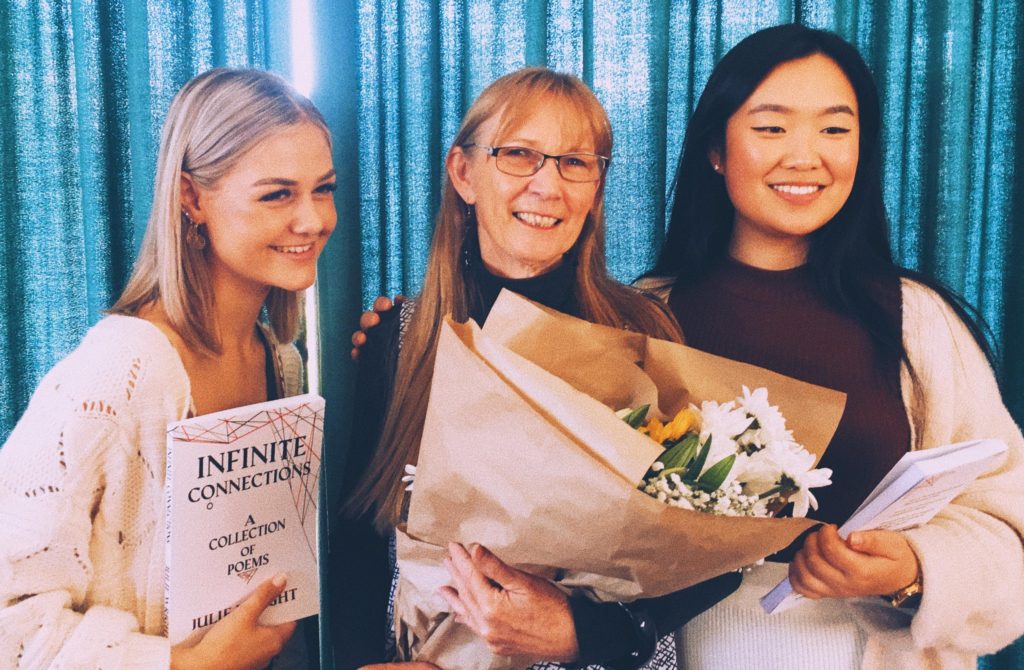
I professionally edit manuscripts and mentor young and emerging poets like Asher Seiler Simmons, a Year 12 Steiner student whose project culminated in a published poetry collection.

Between 2019 and 2020, I conceived the idea of poetry as a Life Writing project for seniors. The seed for this came through many fruitful conversations with Dr Lindy Warrell, who successfully ran Life Writing workshops in her local community.

In creative partnership with Steve Evans, I successfully sought funding from the Onkaparinga Council and SA Health, resulting in ‘Your Story Life Writing’, a workshop series we delivered throughout regional South Australia. I used poetry, mainly haibun, and prose to help participants create memoirs and record family histories. I loved working one-on-one with participants; the learning went both ways. We had fun.

Another initiative was my ‘Frolic with Forms’ workshop. In 2020, I collaborated in the publication of Ochre 10, an Anthology. Running school-based workshops in poetry across four schools in the South was an exciting experience. The local poet Virgil Concalves won an Onkaparinga Council grant for this project.

Where to now?

Over the last fourteen years, I have poured a lot of money, time and energy into poetry. But poetry is a fragile axle to drive your life on. Very few people earn money from it, and the satisfaction derived from publications and prizes is fleeting. Banging your odes against gatekeepers like editors and judges is a formula for disgruntled disappointment. To run the long race and stay sane, a poet needs to have a deeper purpose for writing poetry than publication.

The pilgrimage is about binding the ephemeral to words then sending them out to bond with another. It is a sacred linguistic process.

Poetry continues to lure and torment me. Its language compression, sinuous syntax, magic metaphors and rhythmic heart prey on my time and energy.

Like a true addict, I quit poetry 20 times a day and return to it for one more line.

AUTHOR BIO

Maria is a child migrant. The schism of a two-tongue world fuels her poems. Maria is polishing her manuscripts Two Tongue World and Dogolalia, bothering editors, publishers, and literary friends alike.

Her poetry won a place in the Newcastle Poetry Prize 2020 Anthology and a manuscript prize for Friendly Street New Poets 19. Maria’s poems are also in the Canberra Times, Victorian Writer and SCUM Magazine, Poetica Christie, Friendly Street and Ochre Coast Anthologies.

Read more about Maria and her love of dogs here.

ACKNOWLEDGEMENTS

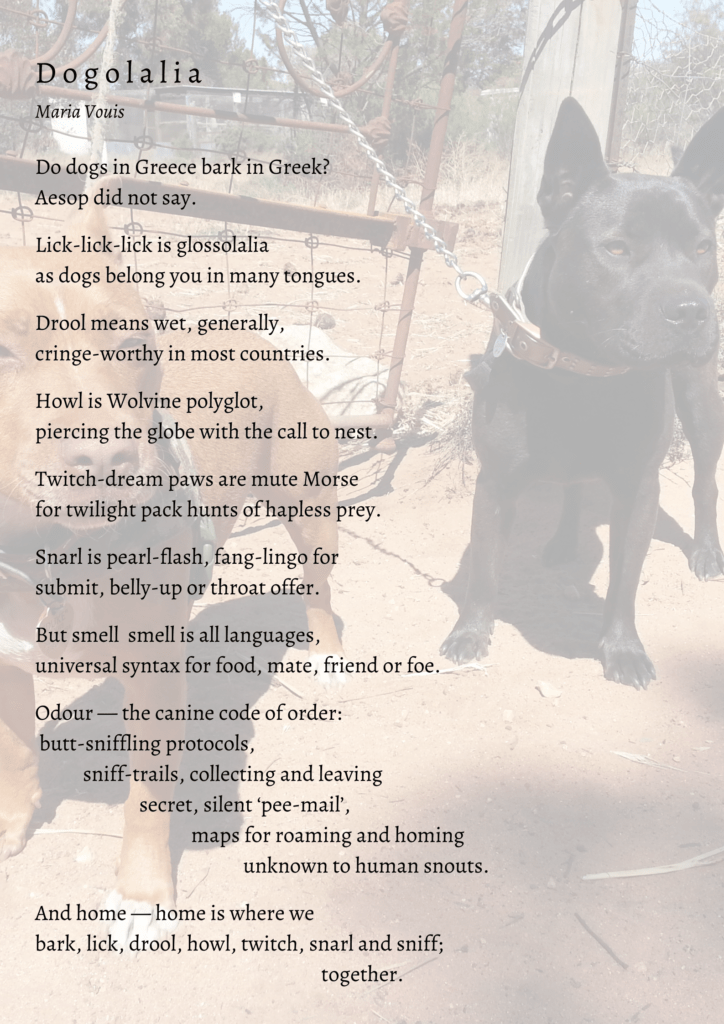
‘Dogolalia’, The Victorian Writer Autumn 2021

‘Fire’, Canberra Times Panorama Literary Supplement, 2019

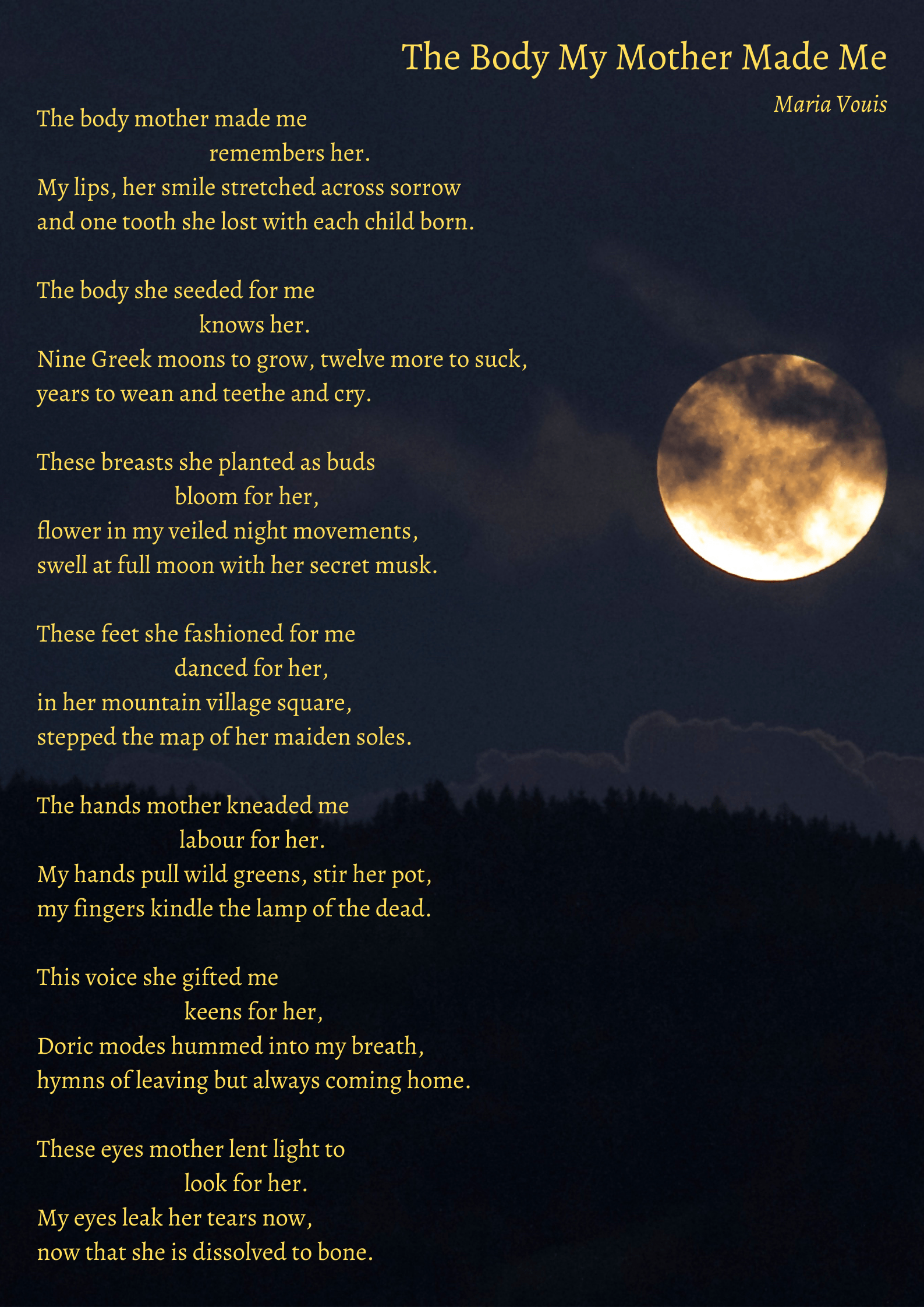
‘The Body Mother Made Me‘, Grieve Anthology 2017, Hunter Valley Writer’s Centre, Friendly Street New Poets 19, and In Daily.

‘Sonnet to Mother’s Eyes’ and ‘Gesthemane Kiss’, Friendly Street Poets, NewPoets 19, 2018

Love and Ritual in Sri Lanka

Falling in Love

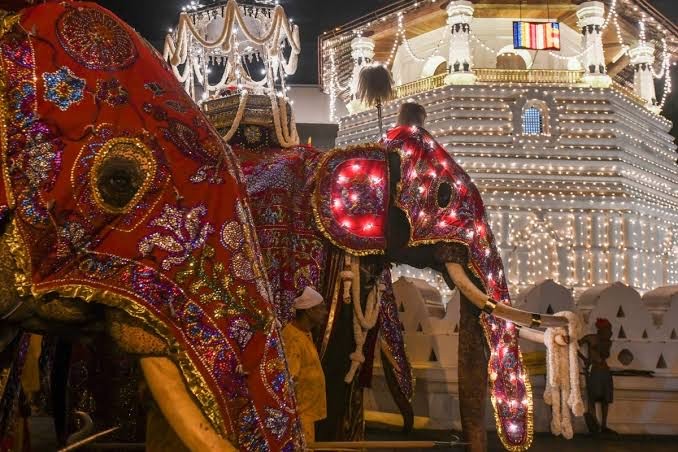
The night I first stepped from the plane into Sri Lanka’s humid midnight arms, I fell in love with the lush greenery, tropical fragrances, and warm-hearted, welcoming people. This beautiful, bejewelled island, shaped like a teardrop at the southeastern tip of India, hosts an annual caparisoned elephant procession that parades the Buddha Dalada (eyetooth relic) surrounded by costumed dancers, drummers, and fire throwers, attracting huge local and international crowds every year. Such an adventure.

Kandy Asala Perahara (Agence France-Press). The Palace of the Tooth (Dalada Maligawa) in the background.

I returned to Sri Lanka in 1984 as a postgraduate researcher to examine the Perahara and another large-scale ritual called the Gam Maduwa or village hut. The Gam Maduwa celebrates and propitiates the only female deity in the Sinhala pantheon, Pattini Amma.

Once sponsored by kings, the Perahara has proliferated. As one famous dancer once told me, nowadays, everyman is king. Similarly, individuals may now host what was a community and harvest festival, the Gam Maduwa, for a small crowd or an entire village for personal reasons. Ritual has democratised.

Where to Start?

With one suitcase apiece, my children Grant, 12, Vanessa, 11 and Mark, 9 and I spent 18 months In Sri Lanka while I did postgraduate research. When we arrived, we first stayed in homeshare accommodation in Colombo. Our hosts helped us find a place to live. My landlord then introduced me to a marvellous woman called Soma who cleaned, cooked and otherwise looked after my family. My children attended Alethea International School, an English medium school for Sri Lankans near the beach in Dehiwala-Mount Lavinia.

We were thus kindly facilitated to where we were supposed to be, in Sri Lanka, by Sri Lanka.

Once settled in our home in Sri Jayawardenapura Kotte, my precious children took the bus to and from school each day. My youngest, Mark, learned to recite the conductor’s spiel, rapidly naming one suburb after another at each stop, much to our delight.

I could not have done fieldwork without Soma who, sadly died many years ago. I was away a lot, travelling on jam-packed buses to attend more than 54 rituals of different types, big and small. Many were all-night affairs. Others took longer, always somewhere different.

Mine was a peripatetic life. Following ritual performers across the southern littoral, I walked many tropical miles through jungles, paddy fields (and occasional leeches) in flat leather thongs to attend magical nights of ritual drumming, dancing, and deity propitiation. Large crowds gathered in delight and devotion at these events (more of which later). In this adventure, I was never alone.

The Best Assistant is a Friend

Once I’d sorted accommodation and schooling, I had to find an assistant. One applicant whose resume was perfect didn’t show for his interview. I ended up engaging someone with whom I struggled because he insisted that the people we met pay me deference, find me a chair and so on. I did not want that. It went against the Aussie spirit for one thing and was alienating for my purposes. I began to panic.

A small village deity shrine. This faded little photo won a prize at the time.

Three weeks later, the missing applicant, LR Perera, showed up unannounced to apologise for not attending for interview. A shy man with a Batchelor’s degree majoring in Sinhalese Language and Literature, LR taught himself to speak and write English in his remote home village by reading English novels and poetry. In Colombo later, he studied newspapers too. LR said he stayed away because he’d been teased for his spoken-English accent and lacked confidence. Our people, he said, are very cruel. LR went on to achieve acclaim as an international consultant.

LR’s English was then (and is) excellent, and having similar interests, we got on like a house on fire, travelling everywhere together month after month. To this day, nearly 40 years later, LR and I remain in touch. As you do in Sri Lanka, we became siblings where, as anywhere, kinship terms define a moral code that structures appropriate behaviour. The use of kinship terms there, however, extends to strangers as well as actual kin. (Do we still call daddy’s girlfriend aunty?)

Under Scrutiny

Speaking of kinship, What I hadn’t realised, and nobody thought to warn me, was that it was probably thoughtless of me a single woman to do fieldwork alone among male ritual performers. Not because I’d be unsafe, for that was never and could never be the case, but because my presence could compromise those with whom I worked. I am grateful for how well everybody looked after me.

Still, the predominant question I got until people knew my circumstances was, where is your husband, Madam. I told the truth (that I was divorced), and I think that earned some respect but, I should have read the clues. How could I not guess from a visa application process requiring the name of my husband or father? No wonder touts called a white woman travelling on her own, Tani Aliya (lone elephant).

Methods and Possibilities

When I did my research, anthropological fieldwork employed a participant-observation methodology. I didn’t speak Sinhala, and back then, such research did not yet require ethical clearance. The idea was not to become the Other (I didn’t wear a sari) but to hang around and watch others live their lives.

Even then, I used to wonder how I’d feel if a foreigner knocked on my door to ask if they could live with me and follow me around for months on end, recording minutiae of my daily life to get a degree. (In Australia, we can only empathise with our First Nations people on this.)

Fortunately, the ritual practitioners I worked with welcomed the chance to share their traditional knowledge, their cultural gems, and they were always in charge of how much they divulged!

Both of my boys wanted to learn the traditional arts. The drums especially fascinated them. Here is a small taste of the sound of Sinhalese ritual drumming. In performance, it gets louder and faster as it goes, especially for trance dances.

(press twice to play if necessary)

Unfortunately, Grant was already too tall to dance, being taller than many performers. However, Mark learned the traditional dances of the Gam Maduwa. The press got wind of this just before we left.

Life Bleeds Into Research

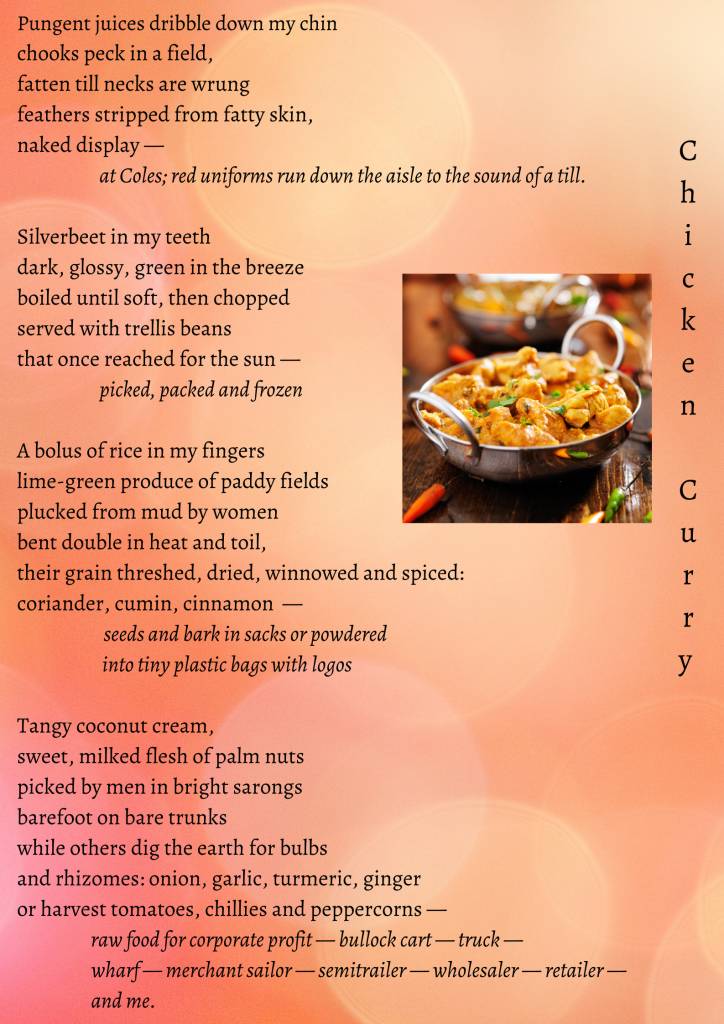
I was in Sri Lanka to research myth, ritual and religion. Strictly speaking, it was about the politics of specific rites, but that did not stop me from learning about Sri Lankan food, social mores and everyday customs. It took me years and being back in Australia before I was game to serve rice to anyone. In Sri Lanka, a woman who can’t steam rice properly is almost inconceivable. I learned to cook decent chicken curry, Kukulmas (chicken meat), but, as this poem attests, I couldn’t help but contextualise the recipe in my world.

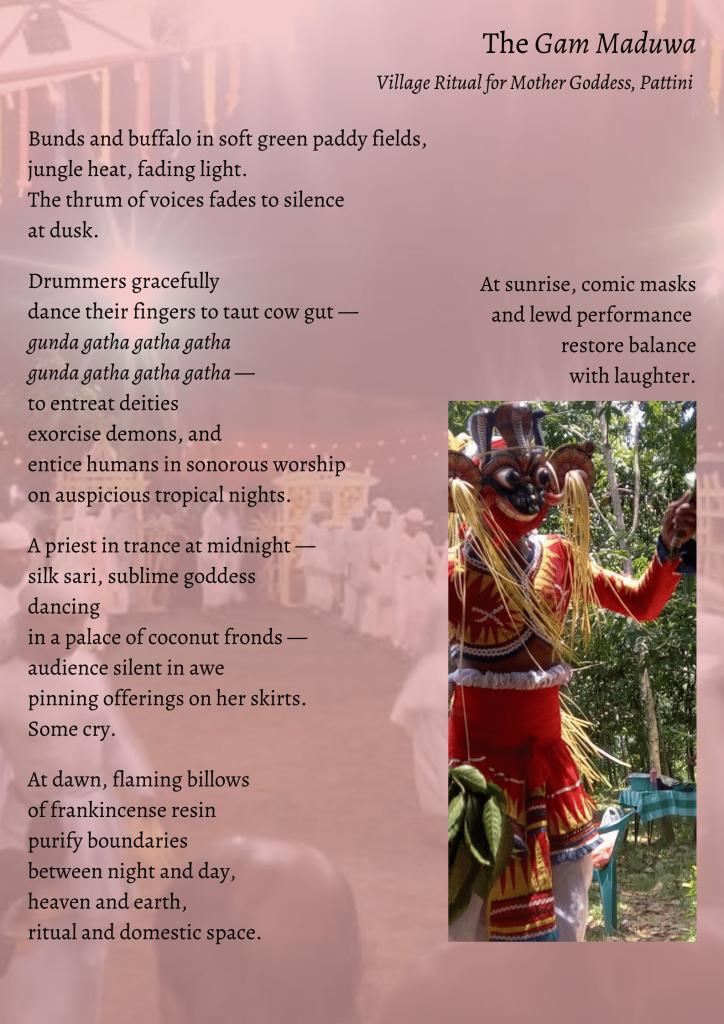
The Gam Maduwa

One of the most spectacular aspects of a Gam Maduwa is a trance dance performed by a deity priest, dressed in a strict ritual process as the Goddess.

Early in the proceedings, members of the dance troupe wear white sarongs to propitiate the deities and invite their presence. In the poem below, you will see them in silhouette. Such ritually washed white cloth separates the sacred from the profane and pure from impure. Boundaries abound if only we look. In church, a woman must cover her head in the sight of God, but men may go bareheaded.

Dancers introduce their intricate hand-made, glass-beaded costumes later in the performance as a build-up to the main event. They gradually dance faster and the drums get louder although drummers stay in white throughout. Their music mediates sacred and profane as they facilitate performance and costumes indicate that we are in the presence of the divine (or demonic).

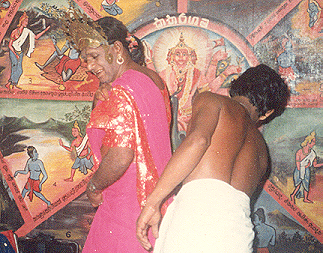
Performers worship their costumes and instruments before use, and dressing the priest is a sacred duty. In this photo, a drummer dresses Sirisena Kapumahattea (a diety priest is a kapurala, and mahattea is ‘sir’) in preparation for Pattini’s midnight dance. The priest fasts for a specified time to ritually cleanse before the event. In dance, his sari instantiates the Goddess.

Sirisena Kapumahattea.

The Goddess and the Demon

Pattini Amma was once a village goddess overseeing harvest and community wellbeing. Pregnant women propitiate the divine mother to this day, but she has historically become one of the four major deities of the Sinhalese pantheon. In a Perahara, where male deities (their icons) sit atop caparisoned elephants, Pattini travels in a palanquin. (Remember hats and no hats?)

A Gam Maduwa of any size may be a votive offering, but mostly they give thanks for good fortune. Their size varies according to a host’s wealth. Some feed their entire village, the many performers and an occasional anthropologist and assistant. Dignitaries and Buddhist monks sometimes attend.

The Gam Maduwa is an elaborate affair. Ritual practitioners spend days preparing the arena to build the coconut-frond palace for the gods, in which Pattini appears at midnight. This poem gives an idea of what it’s like to be there.

Photo of Gara Yakka in comic performance.

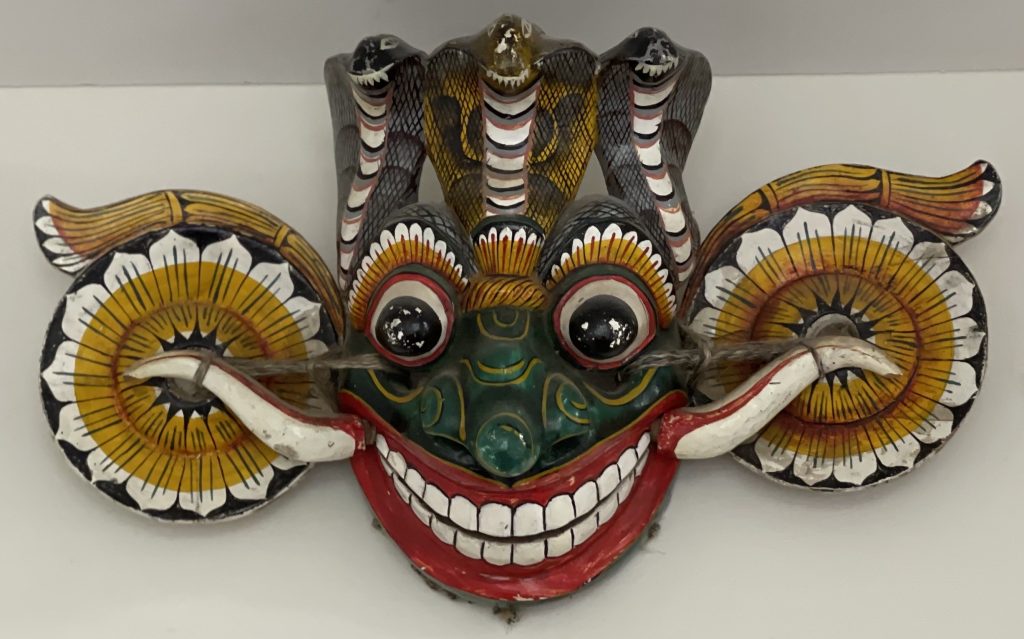
This is my Gara Yakka. He hangs over the door inside my flat. I was humbled when an internationally renowned dancer took his mask off after a tiring performance to present it to me publicly.

Gara Yakka (Benign Demon Gara)

Sri Jayawardenapura Rajamaha Viharaya (Kotte Temple)

At the spectacular Kotte Perahara, after I’d worked closely for some time with the same loose coalition of Low Country ritual practitioners, something changed.

Back then, I used to smoke — we all used to smoke — and in the beginning, I got into the habit of taking a couple of extra packets of cigarettes to rituals to share. Over time, people who knew me started offering me a cigarette, and I’d take the extras home.

However, at this particular perahara, performers from the central highlands (Up Country or Hill Country), the home of the original royal Perahara, were also performing. Quite rightly, they saw me as a stranger and approached me for a cigarette en masse. As though by magic, familiar faces surrounded me and shooed them away. Funny how unspoken gestures like this still touch so deeply, years later.

The first two stanzas refer respectively to the Perahara and the Gam Maduwa.
I structured the poem to echo the perahara (procession).

In the Crowd

Bigger Peraharas like the one in Kandy, where the Dalada resides throughout the year, and those in cities like Sri Jayawardenapura and regional centres, take many days (up to three weeks) to complete. Even small processions in villages are at least all-night affairs. They take place on or around the full moon night of Asala in the Buddhist lunar calendar. In Sri Lanka, every full moon commemorates an event in the life of Buddha and full moon (poya) days are public holidays.

Maybe COVID has stopped the Perahara in recent years. But I used to imagine multiple brightly lit, vibrant clockwise processions as auspicious spinning wheels illuminating the entire island, an apt metaphor for ancient South Asian Chakravartin Kings and Buddhism’s Dhamma Wheel (Dhammachakra).

Perahara processions of elephants, dignitaries, dancers, drummers, acrobats, flame-throwers and more can be a mile long on the critical night when the Buddha relic joins the parade. When I was there, kerosine lanterns lit the procession on the bare shoulders of men. Gone were the dangerous oil lamps of old and the sweet smell of burning coconut oil.
A Perahara is far too big to describe in full. They are exhausting. Yet, people line up for hours to get a good vantage point, and police cars drive very close to their toes to keep them in line. Before it all starts, young men promenade along cleared streets, making subtle eyes at girls who giggle behind their families behind the line.

Stands are built, primarily for dignitaries (and tourists). Through high-volume loudspeakers, a voice endlessly recites the names and status of event donors and how much they contributed, an act that brings merit. It’s a hot, humid crush of humanity that takes getting used to after the open plains of Australia. LR and I devised means to make it fun.
Back Home

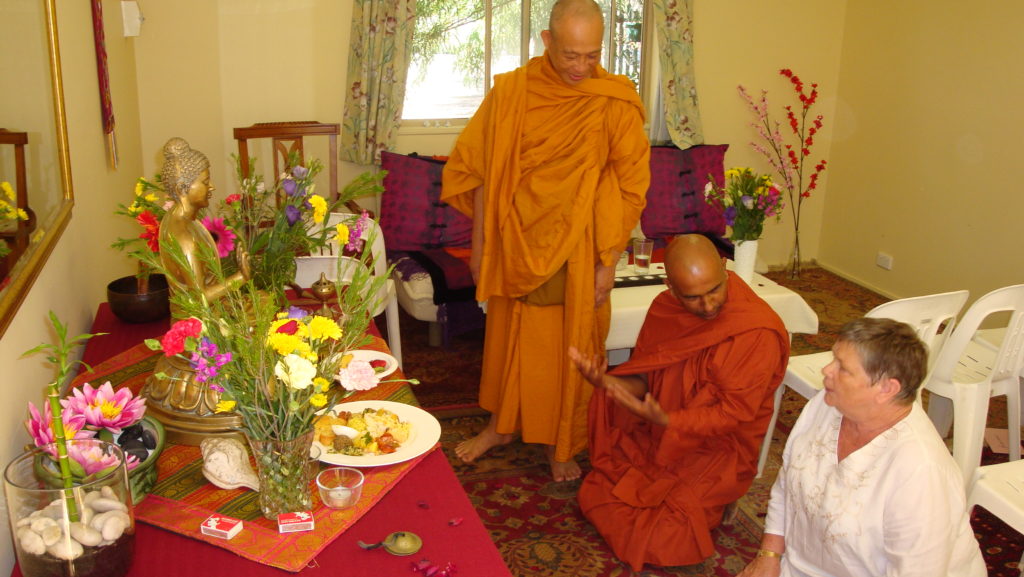
The line between life and fieldwork is tenuous. Many who know me know I married Mark’s teacher, Elaris Weerasinghe. Sadly, Elaris died some years ago, but his children in Sri Lanka are in touch with me on Facebook. When I heard the news, I organised a Buddhist rite called Dana, a giving which can be a big public event or as simple as a gift of food or personal donation to a Buddhist monk or temple.

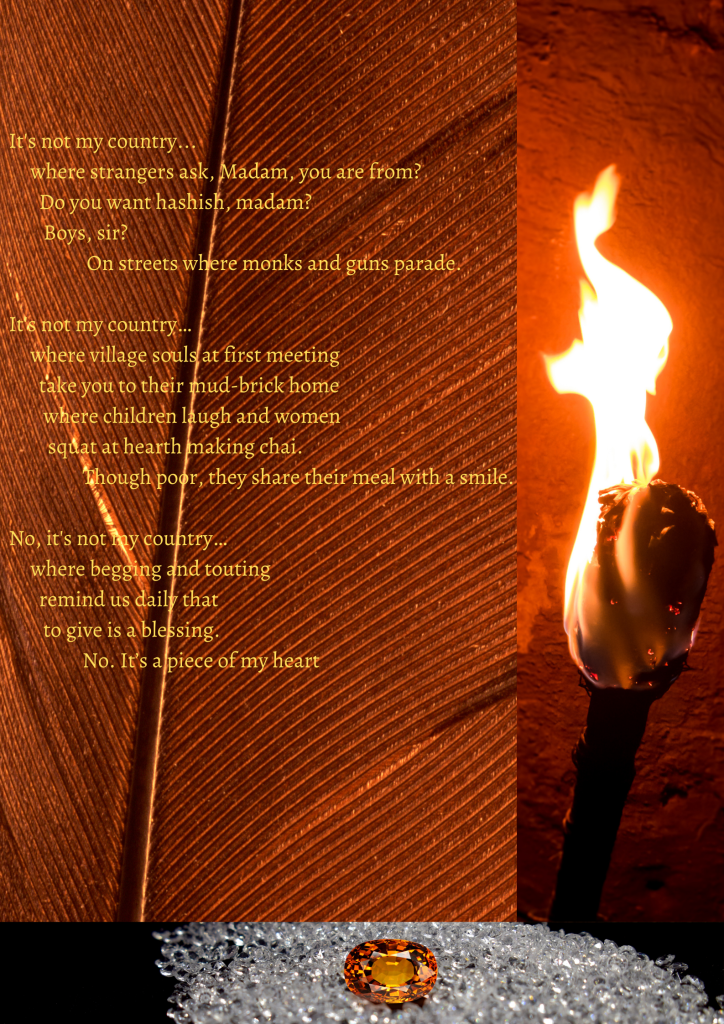
Remember, the Buddhist Order (Sangha) is a mendicant order, reliant on donations to survive. Dana creates merit for the giver. Sponsoring a ritual puts the giver in a symbiotic relationship with Buddhism, like that between the Sangha and Kings of old. The last paragraph of my poem, The Tourist, equates begging with Dana. Beggars offer an opportunity to give, to earn merit, which is the logic of Dana.

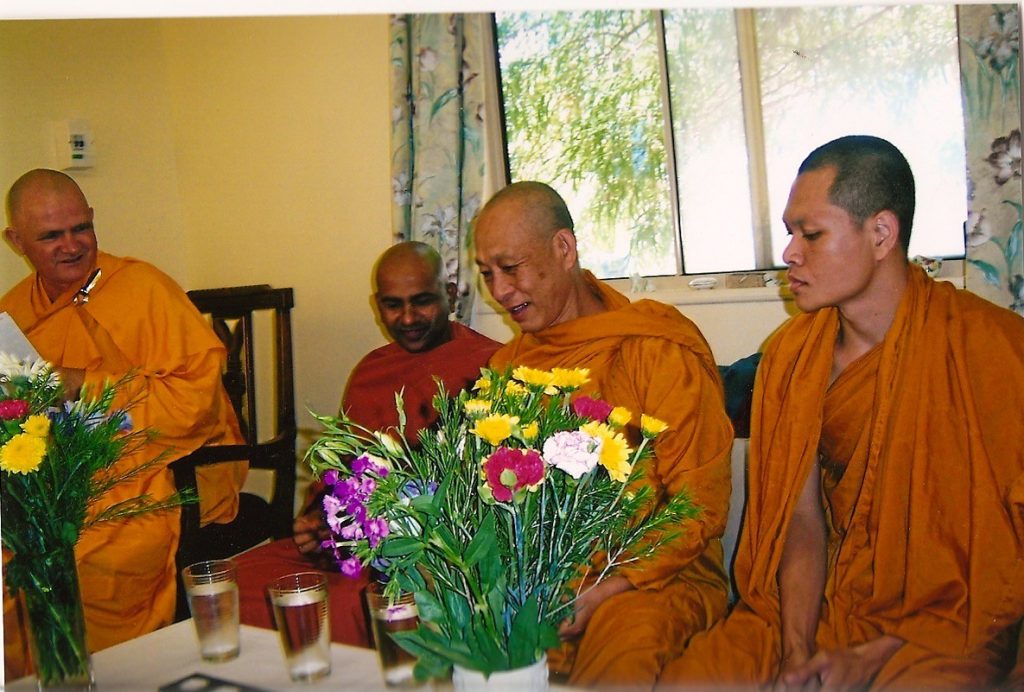
My Dana at Aldinga Beach in February 2010 honoured my parents, my brother, Phillip and Elaris. Four Buddhist monks officiated, and about 35 people came. It was such a special day.

Writing Tip

As for an anthropologist, observation is an invaluable skill for a writer to develop. But, it doesn’t always bring heart and soul into the picture. Always remember the little things and share them with your readers.

Happy Writing

Wattletales

ACKNOWLEDGEMENTS

The photo of the caparisoned elephant in Kandy is licenced to AFP.

‘The Tourist’ is published Kaleidoscope, 2019, Friendly Street Anthology edited by Nigel Ford and Valerie Volk.

Creativity Released by Andrew Ballard

On The Benefit of Comfort

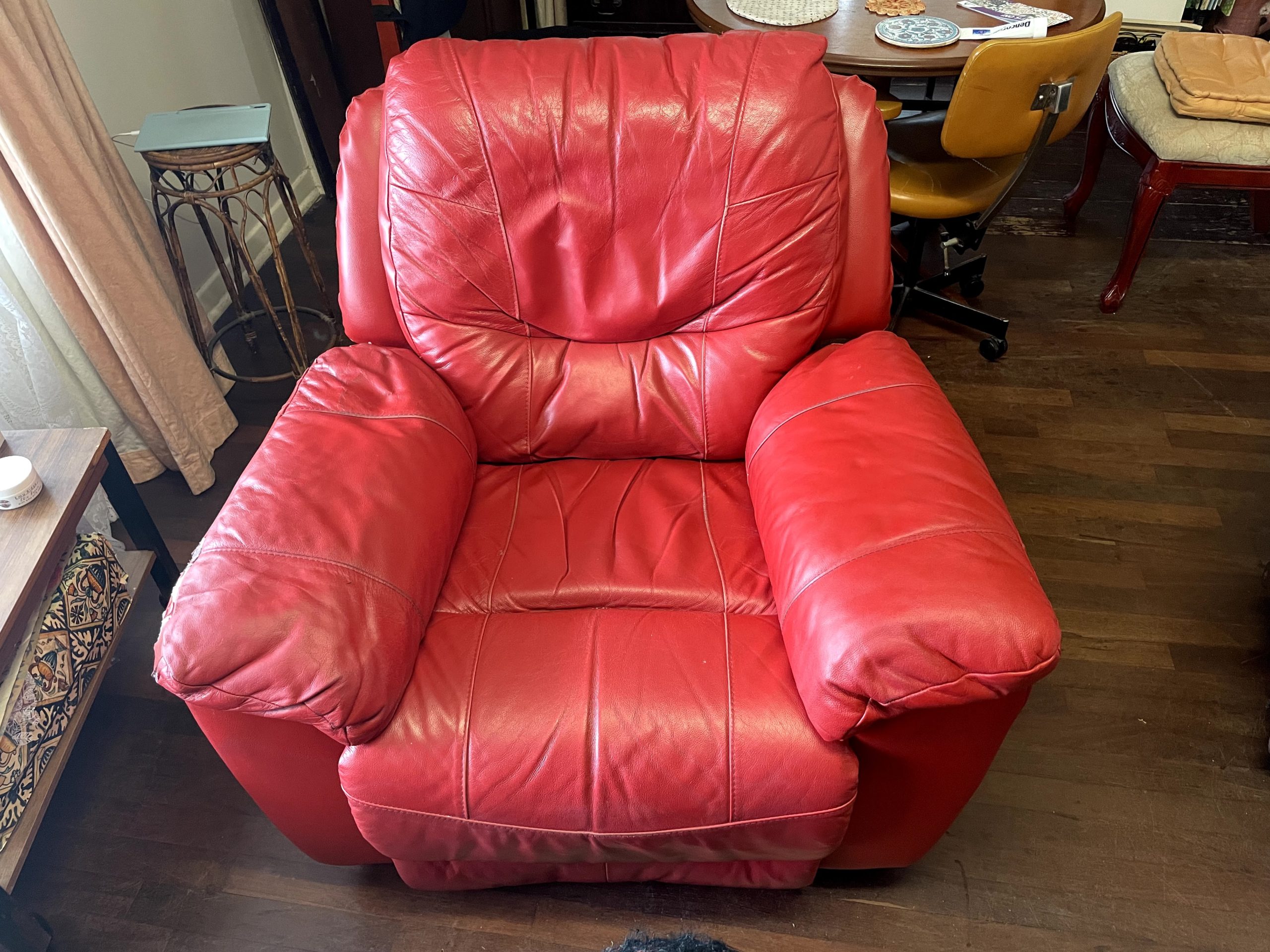
There is a lot to be said about having a comfortable place to go. For me, it’s my red armchair. Most of my writing and digital art happens from there. 

Living with a rare and chronic disease, daily nausea, cramps, bone pain, joint and muscle pain, gut problems, headaches, PTSD, anxiety and depression, I often retreat to the embrace of the red armchair.

It was from this place of chronic disarray, impacted by COVID restrictions, that just over a year ago, at the tender age of sixty, I found my creative side.

I started to write somewhat prolifically, a few short stories and lots of poetry. This productivity coincided with my digital doodling becoming full-on abstract digital art.

On Poetry

Throughout my life, I’ve admired and somewhat envied talented people who could paint, sing, play a musical instrument or write. For me, poetry was a flowery thing requiring a dictionary to understand strange words. It therefore never appealed to me, so to be a year down the track, having had multiple poems published in journals, blogs, online newspapers and read on the radio, and having some of my art exhibited in galleries, is surreal.

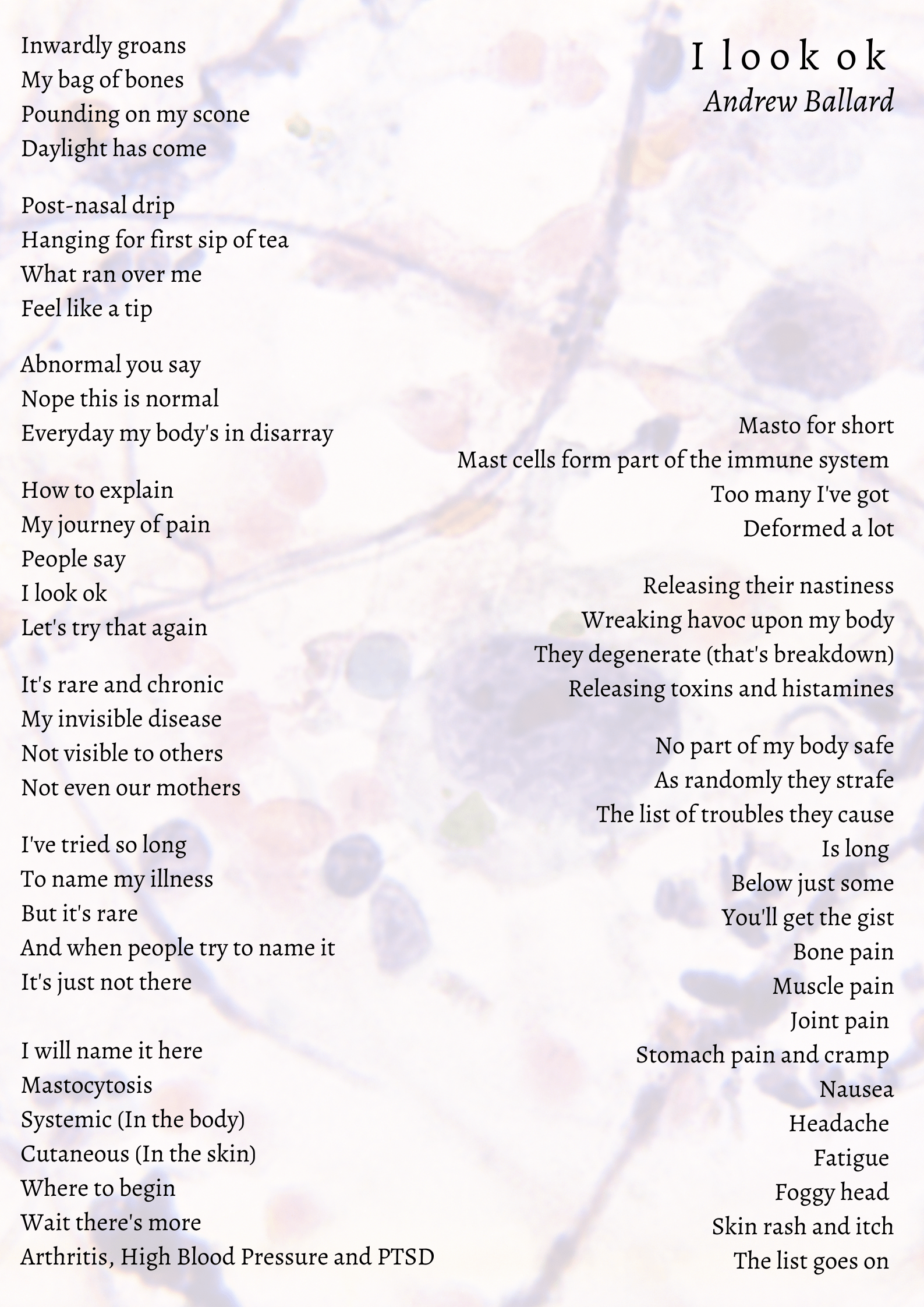
Now, I find poetry a great way to tell a story or explain something, as in this poem, ‘I Look OK’, one of my earliest about the rare disease I have.

Poetry over this last year hasn’t been one-sided. I’ve found great enjoyment in reading other poets’ works. I joined Friendly Street Poets and, with my wife, went to a few open mics at Goolwa. There we met a wonderful and charismatic man, Nigel Ford. He is a wonderful poet and has been very encouraging to new poets.

I don’t go to many poetry events due to my poor health, but for several months I was involved in a weekly Zoom poetry workshop with a group of poets in New Jersey, USA. Here I the first poem I had published in Pinky Thinker Press, Mignolo Arts Group, New Jersey.

One of the first poets I read was Geoff Goodfellow. His writing inspired me. A few months after my writing started, I was very fortunate to have a phone conversation with Geoff, who was very encouraging and gave me a few tips.

I’m a storyteller who has a lot to learn. However, after a long life, I have a lot of words trying to escape. So hopefully, I will be writing for some time to come.

Over Last Year

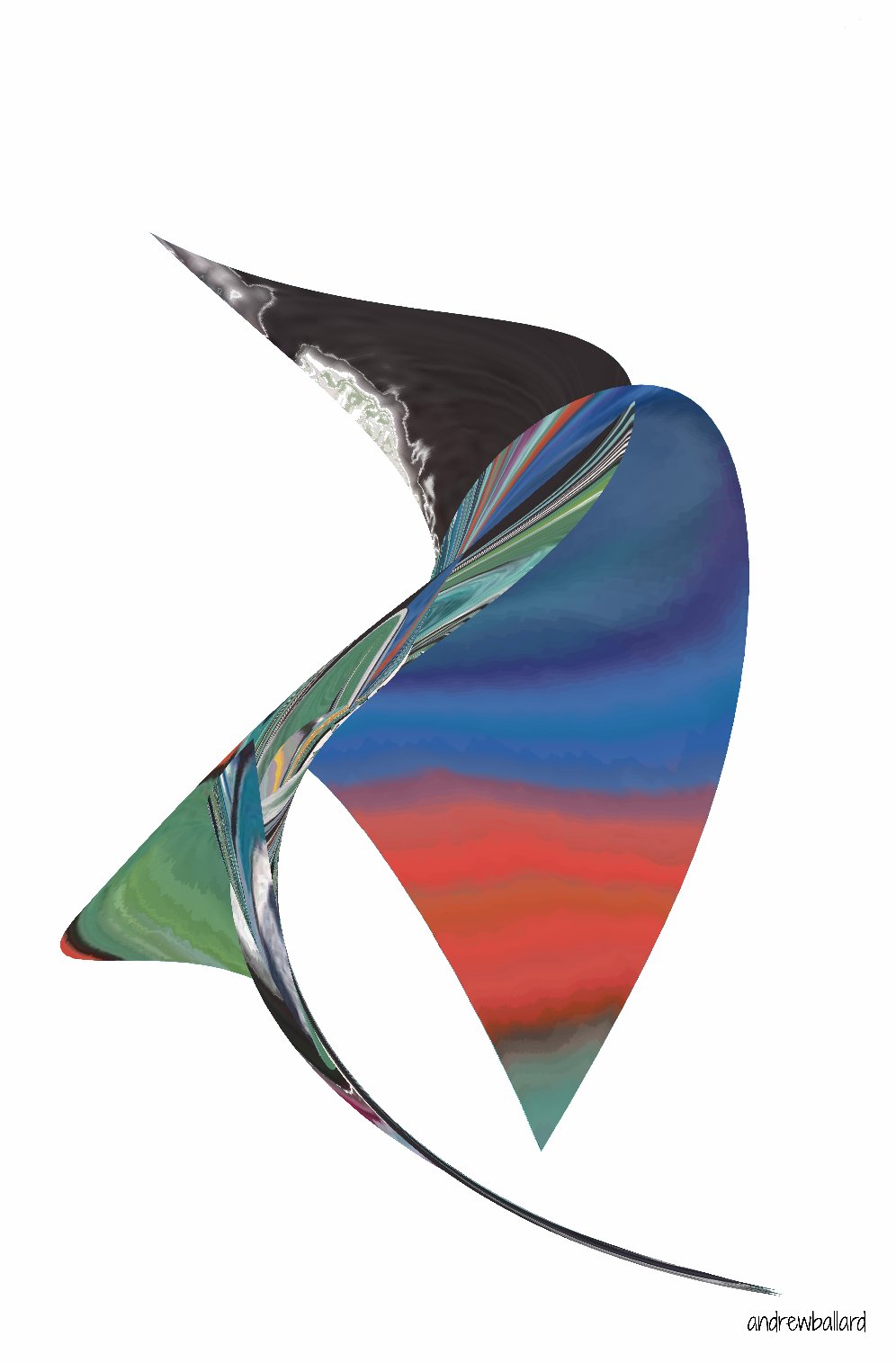
Abstract digital art, sometimes combined with photo manipulation, has exploded with colour over the last year. From digital doodling, I’ve created brightly coloured abstracts like those below. Art and writing have been therapeutic for both my physical and mental health.

What I Write

I’m sixty-one years old, a husband, son, proud father, and grandfather. While a lot of what I write is about life and actual events, albeit somewhat patchwork, I’m not yet quite prepared to write about some things.

Last winter, I emerged from boredom and depression when a counsellor suggested that I look for something to do as a hobby. Working with my hands like woodwork or some craft was very quickly ruled out as I have ten thumbs and would have lost fingers.

So, I joined the University of the Third Age (U3A) online. The first course that caught my eye was about writing creatively. I thought I could try that. In my first effort, I sat down and wrote a concise story, a bit over seven hundred words, about a crazy Irish guy I had known in the Navy.

I started writing poems when I learned that poetry didn’t have to be flowery and rhyming but could be a conduit to tell a tale. The floodgates opened, and in just one year, I wrote over two hundred poems.

In addition to my health, I’ve written about life events. For example, a poem entitled, ‘What Could Possibly Go Wrong’, emerged from the time when my wife and I were swept out to sea with friends in our kayaks. We had to be rescued by sea rescue and ended up in the news.

“Sorry To Say” is the title of a poem written about a friend we took in and cared for in his last eighteen months of life before he died from bowel cancer. Last year a different friend died from a stroke in her fifties, way too young. I wrote this little poem.

Poems and Art are My Life

‘Love Me Forever is the title of a poem I wrote for my wife based on when she agreed to marry me sitting next to a campfire on the bank of a creek in the Flinders Ranges where we had witnessed a flash-flood a few hours earlier.

After pumping out poems, I first posted them to Facebook then set up my first Instagram account, where my digital art took off. I used the art as a background for poems and ended up with an Instagram following. The poetry didn’t take off, but the art certainly did.

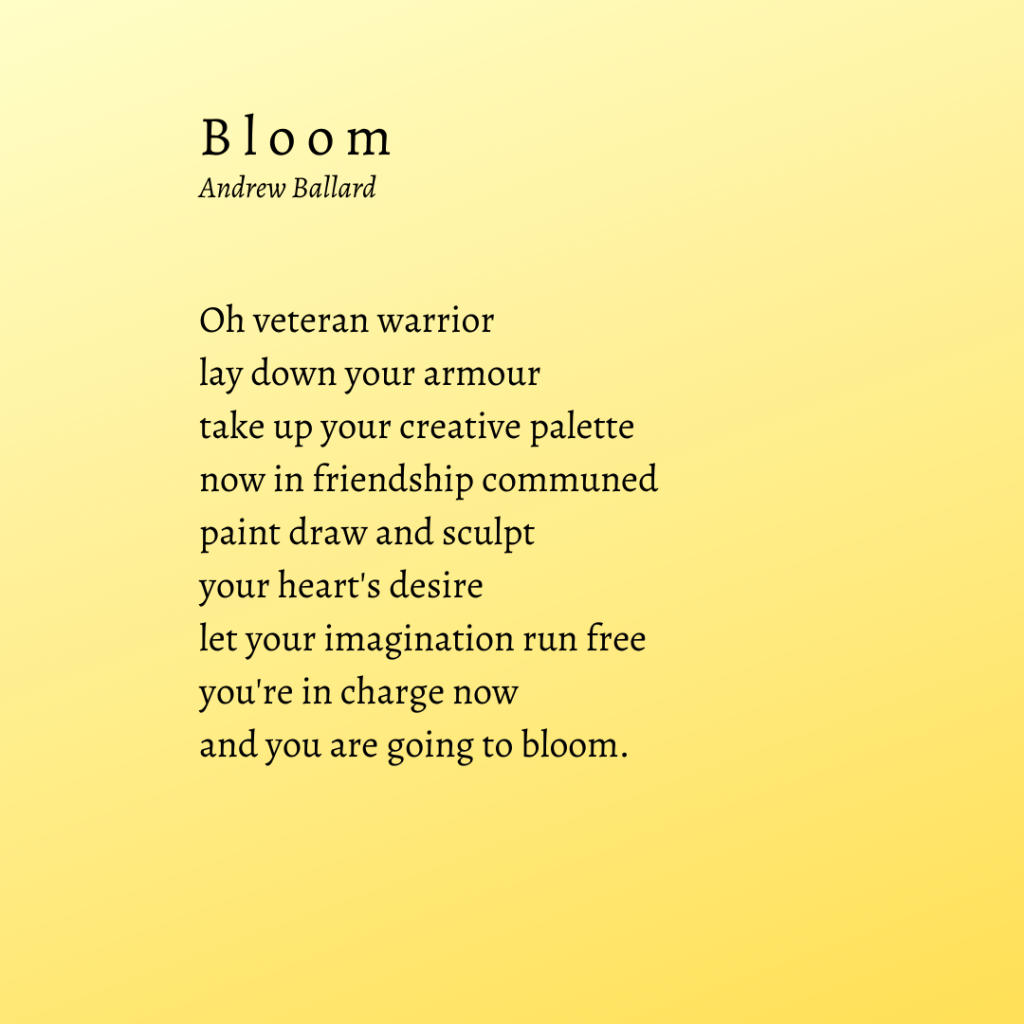
Earlier this year learned of a weekly veterans’ art group. As I served in the Royal Australian Navy for over 11 years, I was eligible, and the group encouraged me to exhibit my art. I’m also learning about other art forms like flow painting and mosaic’s which I enjoy even with ten thumbs. I wrote ‘Bloom’ to honour this group.

I haven’t found it easy to write about myself. But, writing about it in poetry feels like I’m writing outside of myself, freeing me up to release the words. So maybe as I continue, I’ll be able to explore the more challenging parts of my life poetically. 

AUTHOR BIO

Andrew Ballard lives in Adelaide. He was a Petty Officer Medical in the Royal Australian Navy for 11 years. He worked for medical companies selling devices and instruments, then as a support worker in mental health and first aid and aged care trainer. Diagnosed with Systemic Macrocytosis, he took early retirement. In 2020, with activities curtailed, Andrew turned to writing and digital art. He has published In quick succession, in the US in the inaugural edition of the New Jersey Mignolo Arts Group’s journal, the New York poetry journal ‘Open Skies’, The Beckindale Poetry Journal and InDaily, Poets Corner.

Heading Out Along the Line by Warren Porter

(An Autobiographical Excerpt)

The Trans-Australia to Loongana

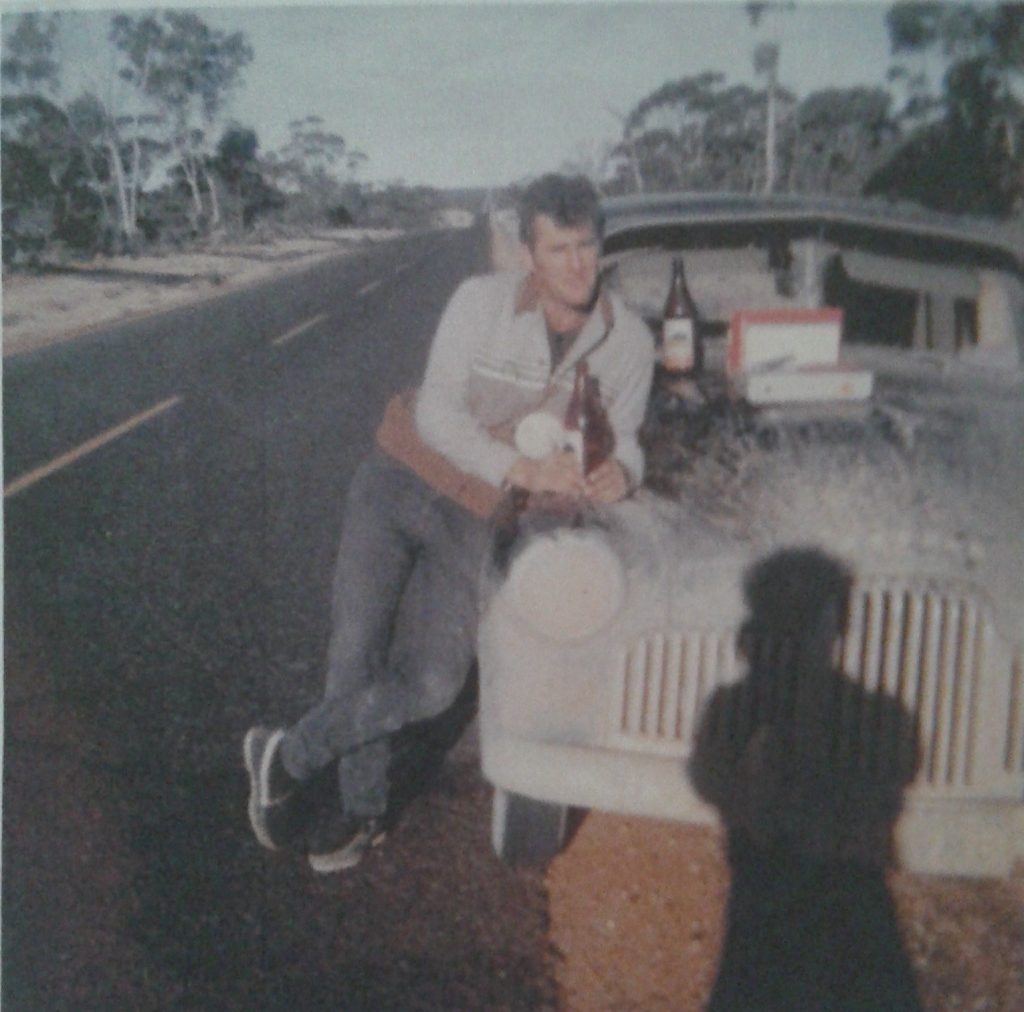
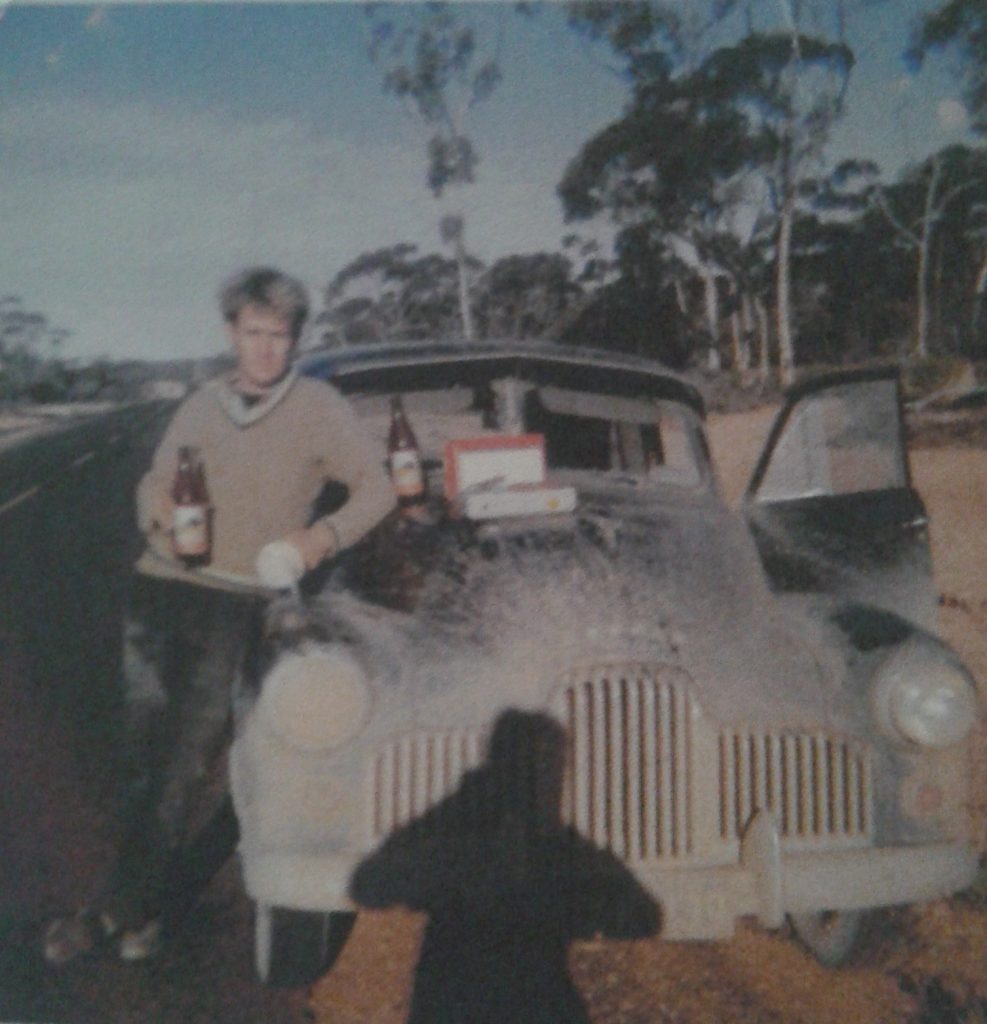
My mate Mick drove Morse and me out to Parkeston in that FE Holden I’d only sold to him the day before. Still, it was sad for me to have to part with my faithful car. It had never missed a beat while I’d drove it all the way from South Australia right across the Nullarbor to where we finished in Kalgoorlie. I knew I couldn’t have driven the Holden to where Morse and I’d soon be going, out in the middle of nowhere to this railway siding at Loongana on the Nullarbor Plains.

The next evening, Mick again drove Morse and me in the Holden to Parkeston, a suburb in Kal, to board the train to Loongana. He wanted to see us off. I’d been expecting the girl Morse had visited there at the Hay Street Brothel to have been on the platform too, to wave him off. Many others stood on the platform that evening, waiting to board the train; some of them being married couples with their children, those willing to brave very harsh conditions.

When they signed up for the job, many of these families hadn’t expected the Nullarbor to be so tough. Some families I’d spoken to had plans to save up enough money so that when the time came for them to leave the Commonwealth Railway, they’d have enough put by to buy a house in whatever town it was they’d come from.

A lot of single blokes also travelled on that train: Morse and I soon learned that a few of them were running from the law for various crimes, with most wanting to avoid paying maintenance to their wives. What these blokes hadn’t realized at the time of signing on with the railways was that the cops already knew their whereabouts and that they’d sooner or later get sick of working out along the line in the middle of nowhere. Their longed-for return to the good life there in the big smoke would soon become their downfall.

With there being only two ways to travel for these blokes, either back to Parkeston in WA or to Port Augusta in SA, the cops would be waiting on either of the platforms to meet them, ready to handcuff them as they stepped off the train. Never had there been much hope at all for those working out along the line for the Commonwealth Railways wanting to escape the long arm of the law.

Sitting up on the train that night for me and Morse wasn’t very enjoyable at all. We had to put up with those who were pissed, yelling and wanting to fight each other and then wanting to have a go at those blokes who were sober. Then we had these couple of idiot drunks, who tried to get on with a couple of the married women there on the train.

Still, there had been quite a few of these blokes I’d heard about, tried doing the same thing wanting to get involved with the married women. Yet, for those stupid bastards, I’d been told, they never got to leave the train without looking somewhat different than how they were when they boarded! It has always been the same rule for single men while working out there along the line, for them not to go fucking around with other blokes’ wives or their girlfriends.

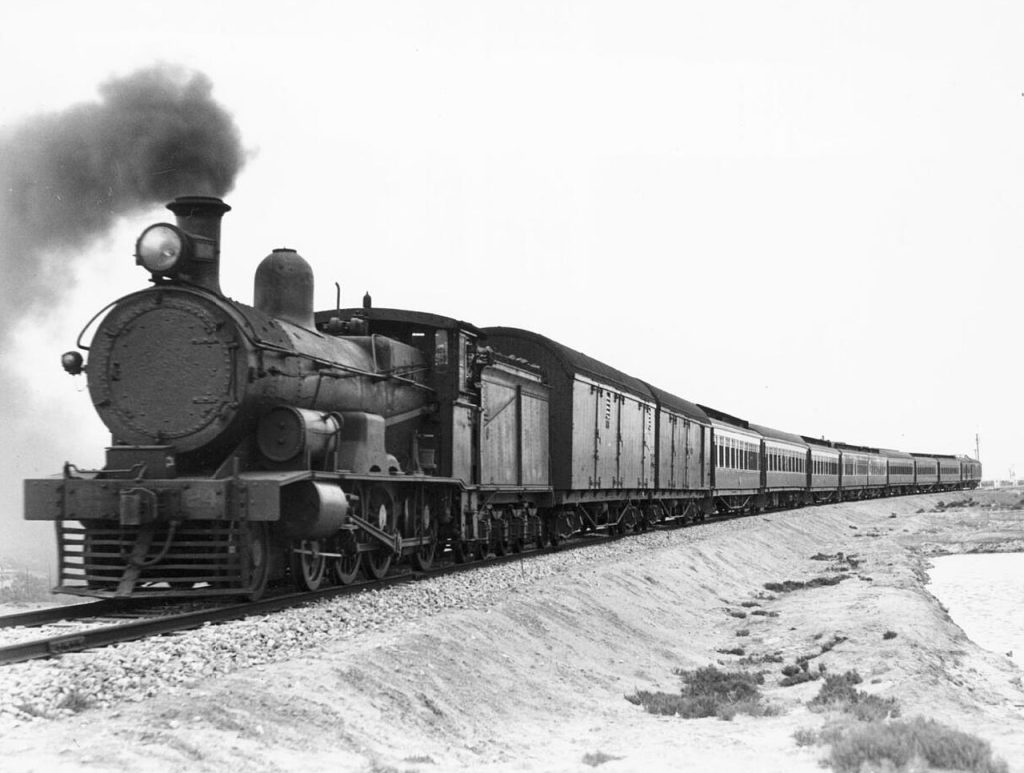
The Trans-Australia train heading west circa 1938

To read more about what are now ghost railway sidings on the Nullarbor, including Loongana, click here. For a summarising map, see here. The line was completed in 1917.

Loongana Siding at the 1292 km peg

It was close at 11 pm on the 2 July 1965 by the time the train rolled into Loongana. Me and Morse were both well and truly stuffed as we stepped down off the train that night, most likely because we’d been trying to stop these couple of arse holes from causing trouble. Barry Pall met us. He was the Ganger in Charge of the fettler gang stationed here at Loongana.

We met him once before when I was with Heavy Plant down at Port Augusta and had always found him to have been a good, decent bloke to those working under him. Barry’d been working for the Commonwealth Railways ever since he had left school, so there wasn’t much he didn’t know about this job, Morse and I’d been sent out here to do.

‘Hi fellers, how’d the trip out here go? Were you blokes able to get much sleep on the train?’ He asked. I replied, ‘No, Barry, we had no hope of getting much sleep at all, with all the yelling and screaming going on between a couple of those hot heads on the train’.

‘I bet them drunken idiots, tried making out with those married girls, hey Rocky?’ Barry turned to Morse, who replied, ‘Still, one thing’s for sure, those bloody idiots are going to have sore bloody heads, by whatever time it is they get off the train.’

‘Anyway, fellas, come on, I’ll show you where you’ll be camping, then once you’ve had yourselves a decent sleep, I’ll catch you both up in the morning at breakfast.

The Camp

We found this to be a really good camp. Every one of the rail huts had a single bed with an innerspring mattress. Morse and I decided before we hit the sack, we’d go and have a shower first. After a good night’s sleep, I woke up the next morning feeling fitter than ever, being able to breathe in all that nice fresh Nullarbor air. Morse and I then headed over to the washhouse, had ourselves a good splash and a piss then headed over to the mess for breakfast.

Barry was there in the mess, waiting, ready to introduce Morse and me to the rest of the gang, already sitting at their tables waiting for breakfast. Soon as Barry headed off, Morse and me then went and sat at this table with Colon and Hughie and ordered a good feed of bacon and eggs on toast, with a mug of black tea to finish it off.

While sitting there at the table, I noticed most of the blokes in the mess with us seemed to have had done a lot of hard work in their day. Even though he knew, it never worried Barry one bit that some of the blokes in his gang were running from the law. Just as long as the blokes were able to get done what they were paid to do and never caused any trouble, he’d just leave them alone.

Getting to Work

After we’d all finished breakfast, Barry then got Morse and me aside and explained to us the job we’d be doing — ripping out all the old sleepers along the line before replacing those with new sleepers. Our start time was 7.30 am every morning, from Monday right through to Saturday. Our first job was to grab hold of whatever gear we needed to take out along the line. That then had to be loaded onto a couple of flattops, and when loaded, we’d hook both flattops up to the section car. With that done, we then climbed up on the section car to be taken out along the line, ready to begin a hard day’s work.

Barry got those working with the claw bars to start ripping the dog spikes out first on our arrival at the destination. Then, he had some of the other blokes going on behind dragging out the old sleepers from under the line soon as the dogs were removed and stacked up in piles. It was then Morse, me and the rest of the gang who went and picked up the new sleepers and carried them over and trussed them under the line where the old sleepers had once been.

Those boys who’d dragged them old sleepers out, they now had to grab hold of the jiggers and begin drilling eight holes in each and every one of those new sleepers we’d just finished laying under the line. Once there had been a dozen or so of those sleepers drilled out and the fishplates placed on top, Morse, Hughie, Col, me and a couple of other blokes, we’d then grab hold of a twenty-four-pound sledgehammer each and begin hammering those dogs home.

This had been hard going for a start, us trying to hammer those dogs down, and it’d taken many a blow of that sledge to do so. But, after about a week of doing this, we were then able to hammer them doggies down into those sleepers, taking only three strikes of the sledgehammer to do it.

Hell, it used to get bloody hot out there at times, with most days always up around the 100º F mark. Yet, at night it could get very cold out there at times. Even the water bag we’d have hanging up under the shade was at times close to boiling point, especially on those scorching summer days. No matter how hot the water was, it still came in mighty handy for quenching the thirst for those of us swinging those twenty-four-pounders.

The Best Parts

It felt really great being way out there on the Nullarbor, breathing in all that fresh air and with nothing to see for miles around — except for saltbush, crows, and those beautiful wedge-tailed eagles with their wings spread wide out gliding around up there in that wide-open blue sky.

Wedge-tailed Eagle

We had a spare couple of rail huts at Loongana, so we set a couple of old tables and chairs inside for those wanting play cards. Morse also put a dartboard up for anyone wanting to play in their spare time. This hut was soon known as the Loongana police station.

Another Bloke Morse and I knew there at Loongana, was Curly Turner. Curly was the ganger in charge of the married men, those who had brought their wives and kids out along the line with them. The houses supplied to these families by the Commonwealth railways back in the 60s were pretty well built, with three bedrooms and kerosine fridges.

AUTHOR BIO

On 24 May 1948, my mother dumped my brother Graham and me at W R Black Home for Girls in Chelmer QLD. Our lives changed forever. It burdened Graham until his early death in 1974 aged 28 and affects me to this day. I later found myself in the Presbyterian Blackheath Boys Home, the Salvation Army’s Riverview and for no reason Mt Penang Juvenile Justice Centre in Queensland. There was no schooling in those places.

I started writing about my life much later. My books include A Tormented Life, and Brutalized: Institutional Abuse in Australia.

Metamorphosis: The Persistence of Poetry by Kathryn Pentecost

My Secret Love

I have recently published my first anthology of poems called Metamorphosis. I’ll admit now that poetry has been my secret love for over 40 years. I’m better known for my prose: art & theatre criticism, online journal articles, publicity material for artists, writing workshop notes, and my doctoral thesis on colonial Indonesia. In other words, I’m more used to ‘telling’ than ‘showing’ – so my two novels languish on the backburner after harsh criticism from my son, who is a published author of fiction.

Poetry is, for me, the literary reprieve for the right-side of the brain. Akin perhaps to drawing and other visual creativity that is part of my world, it seems to spring from a mysterious place in my psyche and has been a recurring motif in my artistic journey.

Phases of Poetry

I’m old-fashioned. I still like to write first drafts with pen on paper. I have many lined writing journals filled with notes, poems, and diary entries from various stages of my life.

I wrote my first published poem at age 14. It was a contribution to our high school magazine, Catalyst. A small group of interested writers, including The New Yorker cartoonist Victoria Roberts, created only one issue of the magazine on the school’s Gestetner machine.

These two photos are from the 1980s in Sydney.

Some of the group continued with creative pursuits after school days; others did not. Victoria and I are still in touch, having met up at ‘The Met’ (The Metropolitan Museum of Art) in New York in 2014.

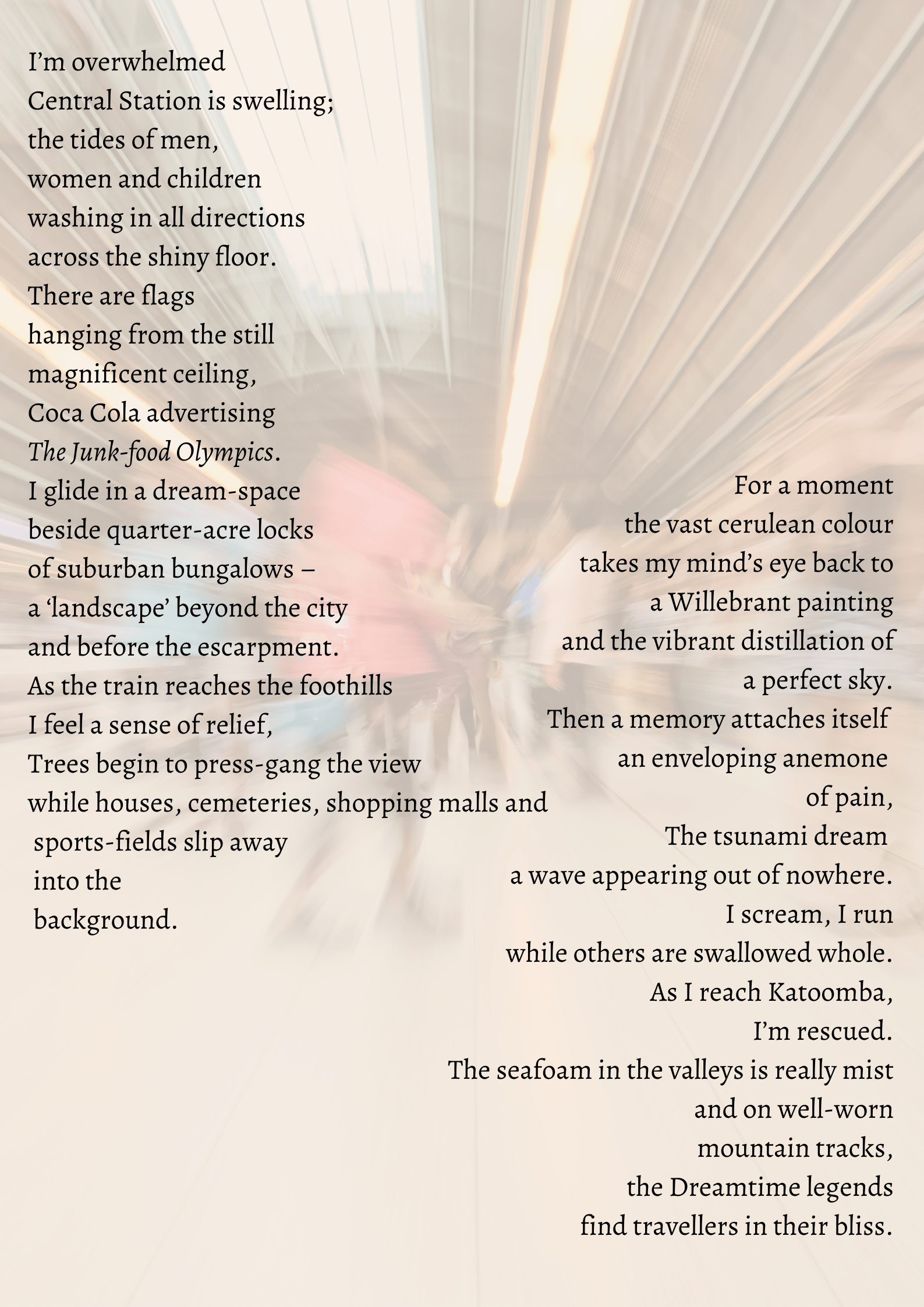
In my life, poetry has had several distinct phases: youthful love poems and teenage Angst kept only in old handwritten journals; a stint as a ‘performance’ poet (at the Balmain Loft) in the 1980s in Sydney with work in an anthology called Readings Aloft; a brief sojourn into poetry again in Katoomba (Blue Mountains, NSW) in the 1990s; and a slow-building resurgence after 2005 when I moved to South Australia. It is in South Australia that my poetic journey has been consolidated.

Poetry and Performance

In 2018, a poem I had written in English and Dutch called Baby Elephants about a family incident was selected for the first edition online of Australian Multilingual Writing. The poem was a humorous piece about my family background and the visit of an aunt to Australia in the 1990s. In late 2018, I organised a poetry event at Yankalilla Library with two other female poets Esther Ratner and Elizabeth Snow (aka Jade Wyatt), called Metamorphosis, the linking theme for all our works. It was received warmly by the audience, and Conker Productions made a short film of the event.

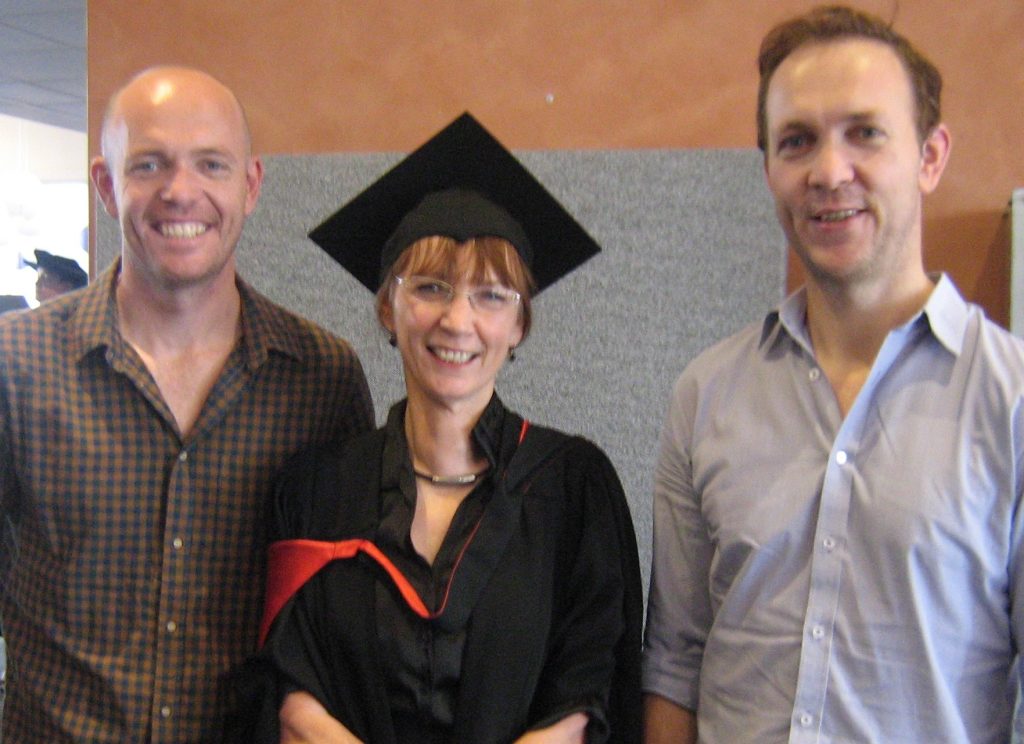
In 2019, I was invited to contribute to a multimodal multimedia project by instigators Carl Kuddell, and Jen Lyons-Reid called _this breath is not mine to keep. Surprised and heartened that three poems were selected – Hopeless, On Being Swept Away, and Dark Times – I collaborated with my son Sam Herzog to produce three videos that encapsulated the spirit of the poems for the website. I was also invited to ‘perform’ my poem Dark Times at the launch at Coral Street Art Space and Signal Point Gallery in Goolwa. It was thrilling, especially because I was surprised that one of my ‘darkest’ poems received genuine approbation.

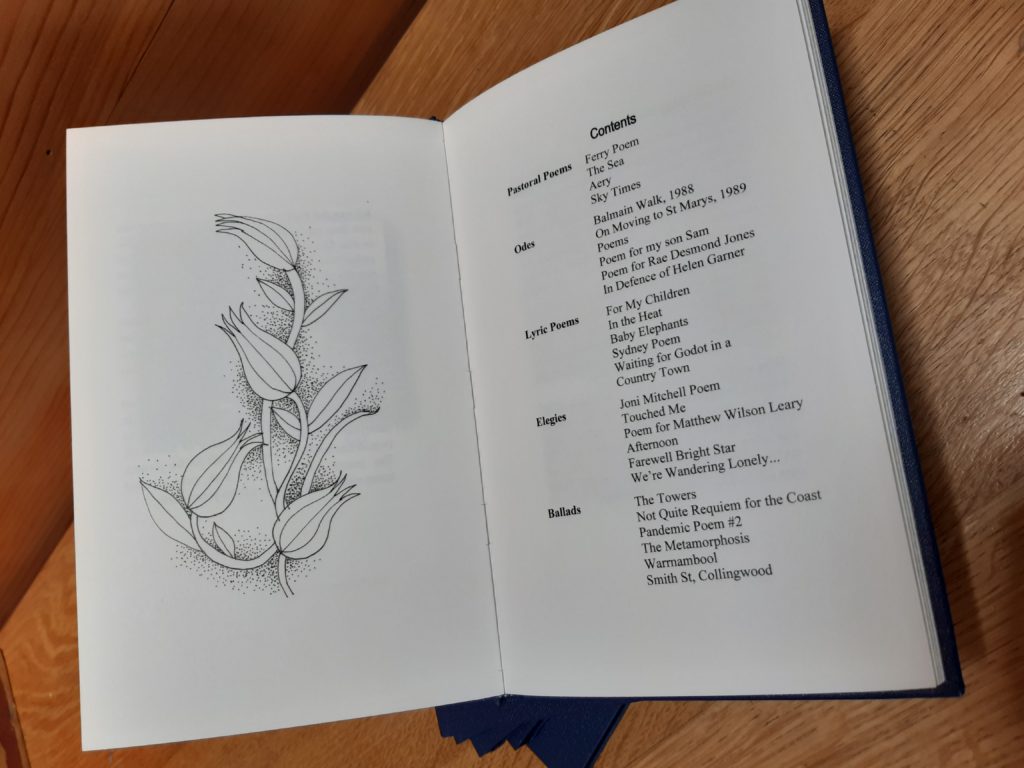
In early 2020 (before Covid-19 upended all our lives), I launched my anthology Metamorphosis: Poems 1980 – 2020. I wanted the book to reflect my creative values. Hence, it is made as a tactile object d’art: lovingly crafted, illustrated by me, produced on high-quality paper, with marbling on the edge of the pages. I also chose to write a preface about poetry itself. To some degree, I wanted to situate my poetry within the broader historical context and to demystify it a little for the general reader.

Poetic Inspiration

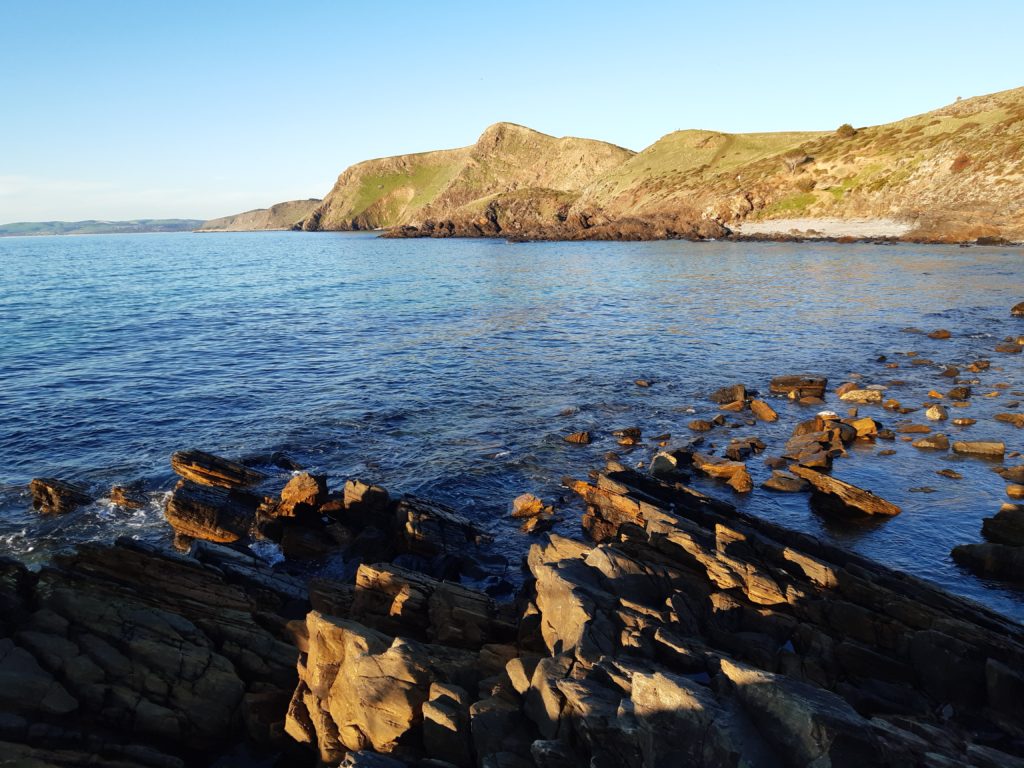
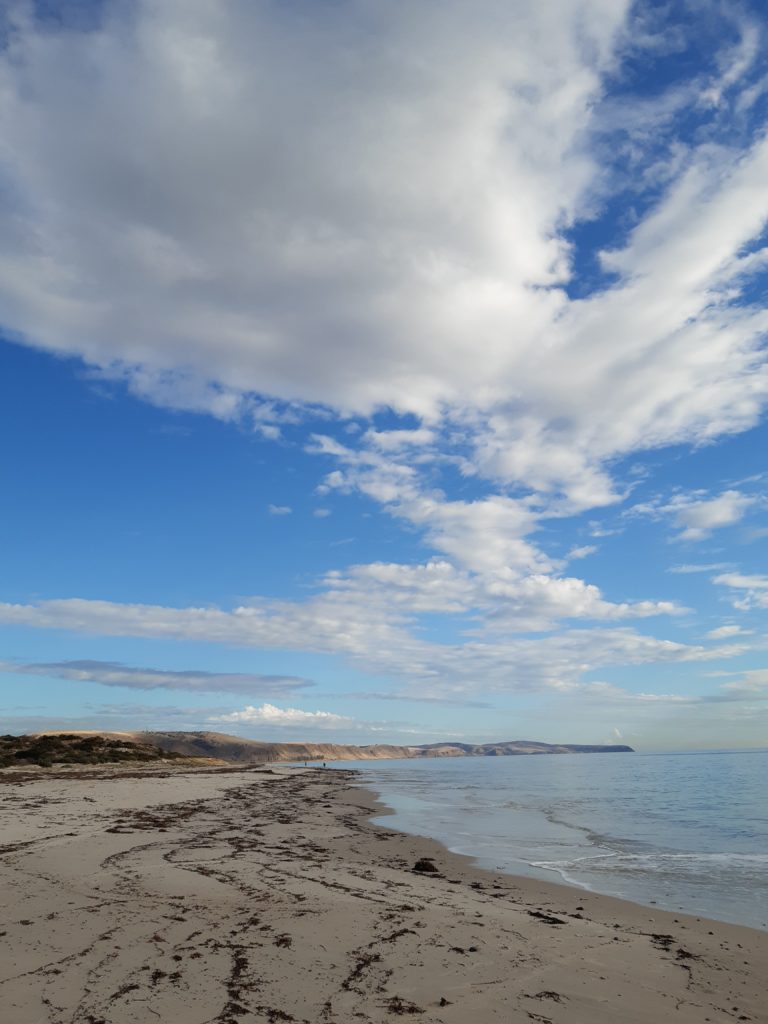
I started life in NSW, so I wrote some poems about that phase. Others were inspired by my life in South Australia. Right now, I am fortunate enough to live on the Fleurieu Peninsula near the coast, and poems often spring to mind when I’m walking on the beach.

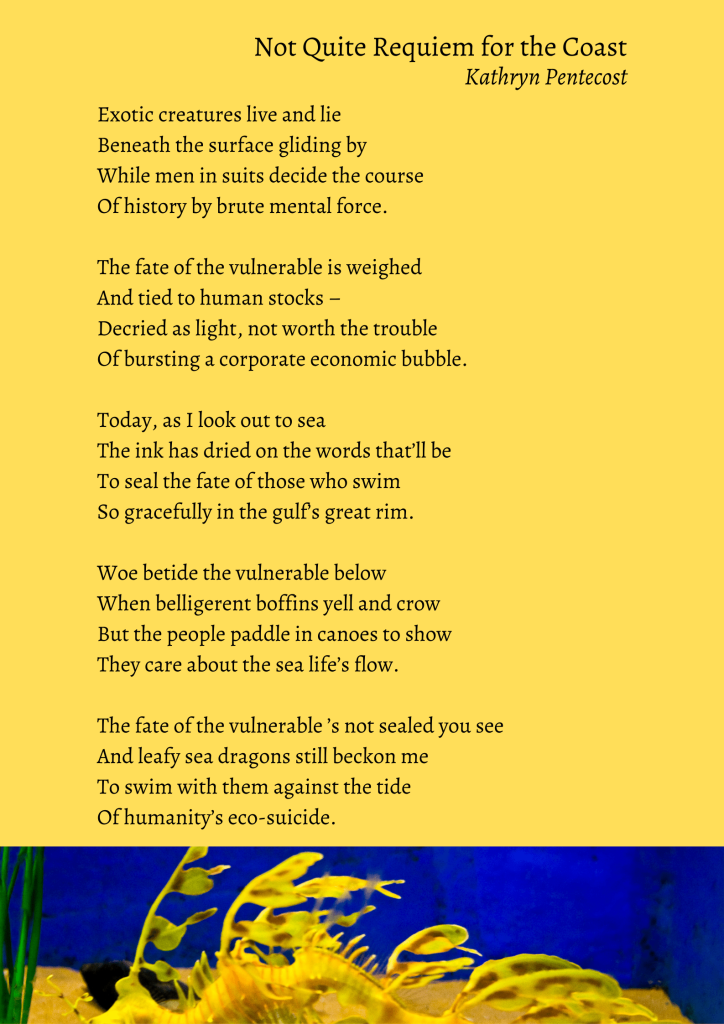
I’m moved by the visual and sensory aspects of life near the coast, and I am concerned for the creatures we live amongst. When the Great Australian Bight was under threat recently by oil companies wanting to activate oil and gas exploration, I found myself penning this.

Poetry Rituals

My maternal ancestors came from Indonesia – formerly the Dutch-East Indies – and, after the Indonesian independence, many of the ‘Indo’ (mixed blood) community went to the Netherlands. I love the idea that in the Netherlands if you die without friends or family, the state assigns you a civil servant and a poet to attend your funeral where a custom-made poem is read for you. Poet and artist F. Starik started the Lonely Funeral Project.

Recently, while watching the 2017 British film called The Sense of an Ending, I was struck by the fact that poetry was interwoven into the story. The main character had aspired to be a poet in his youth, and Dylan Thomas and Philip Larkin tripped (or stumbled) off the tongue of various players. I am delighted to find poetry written into the script to demonstrate something about the lives and temperaments of the main characters.

Touchstones

‘Dark’ topics often fuel my imagination. I love history, politics, philosophy, languages. As a person from a very multicultural background, I am endlessly curious about the often complex lives of my ancestors. Not long ago, I read Clive James’ masterful book Cultural Amnesia: Notes on the Margins of My Time (2007). It led me onto Stefan Zweig’s book The World of Yesterday: Memoirs of a European (1942). I read these books as touchstones to my family’s past.

My grandfather, a writer who spoke seven languages, was born in Vienna, and I had recently discovered his previously unknown half-brother, who is still alive in Vienna. My grandfather had spent a stint in the Dachau concentration camp after Der Anschluss (union of Austria with Germany) in 1938. Consequently, I have an underlying interest or even obsession with the history of the Holocaust/Shoah; hence, my ode to Paul Celan.

Metamorphosis

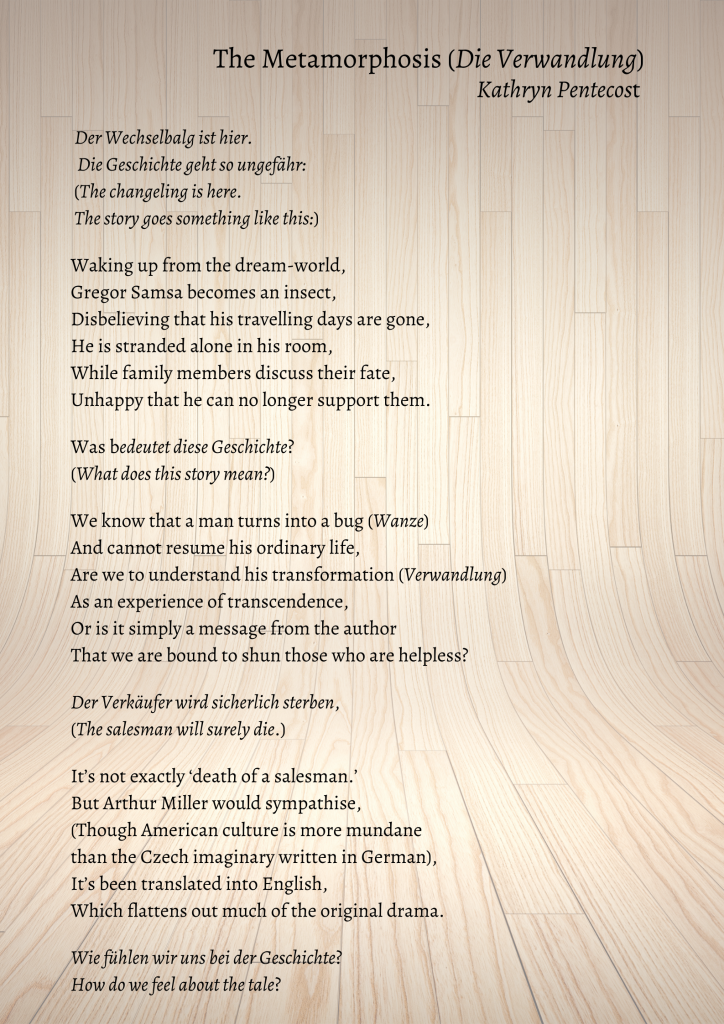
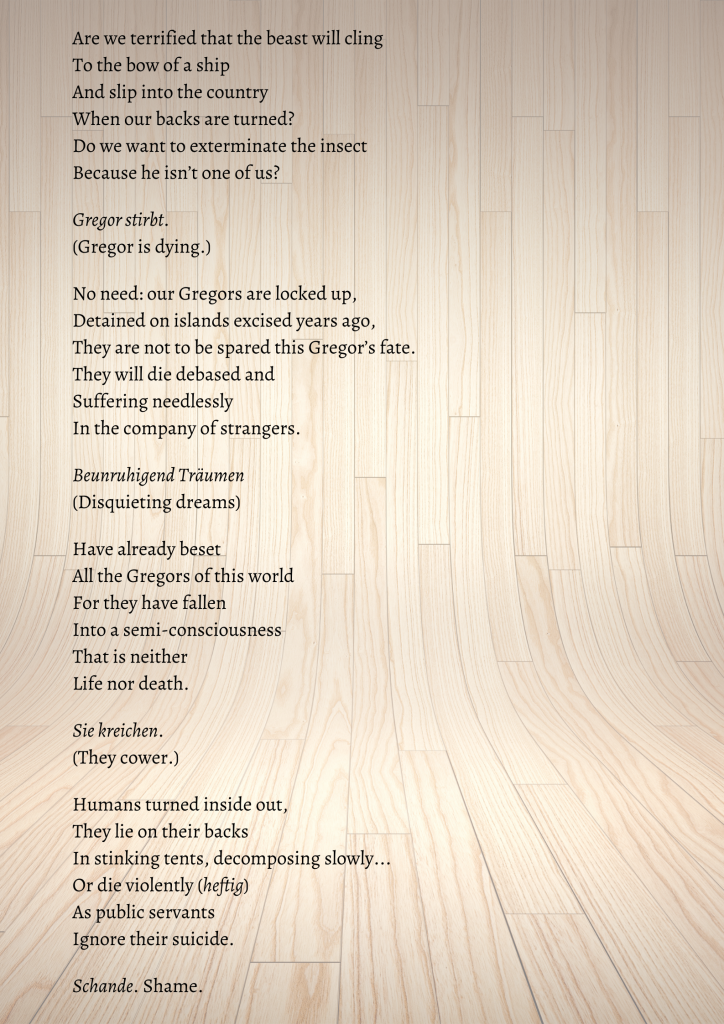
I include the eponymous poem in my recent collection because Afghani women and families are fleeing the Taliban. Even as I write, my thoughts are with them as they are with the millions of refugees worldwide. At the moment, I think particularly of those who languish in limbo at the bureaucratic hands of our own government.

Metamorphosis is written in German and English because German is one of the languages of my European ancestors. It references Franz Kafka’s famous novella The Metamorphosis, initially published in German in 1915. I love the richly textured onomatopoeia of the German language, which reminds me of my Viennese great-grandmother, whom I knew (in Australia) as a child. Though bleak on the surface, the poem has for me a nostalgic beauty and melancholy.

I’ll share here a quote from 13th-century Afghan poet Jalaluddin Rumi:

‘Let’s get away from all the clever humans who put words in our mouth.

Let’s only say what our hearts desire.’

Right now, my heart desires the safety and freedom of the two young women (and others) our small refugee group has been assisting. This writing is dedicated especially to Laila and Fatima. May they travel safely to the place their hearts desire.

AUTHOR BIO

Kathryn is a published author of poetry, essays, scholarly articles, arts’ critique and publicity. She has worked in the arts and education for about 40 years. You can find her plays and short films on YouTube’s Bohemian Palace of Art channel. In 2020, she published her first anthology of poetry called Metamorphosis: Poems 1980 – 2020 (www.conkerproductions.com). She writes for The Indo Project (www.theindoproject.org). She is also currently writing a biography called Born at Sea and revising her play Ghost Train.

ACKNOWLEDGEMENTS

Text and poems remain the property of the author.

A Poetic Road Map by Mike Riddle

Isolated Waterholes

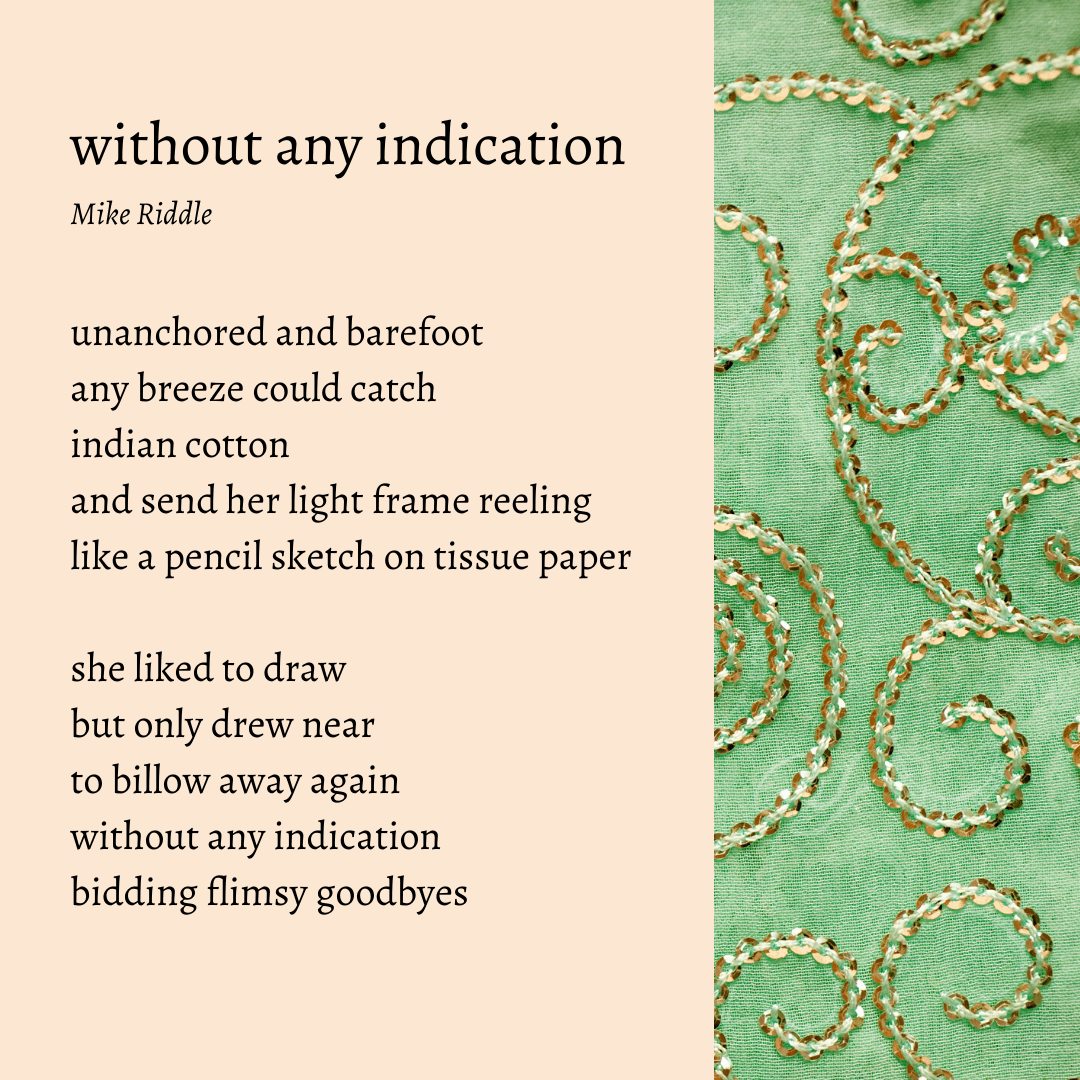
What follows is an unashamed and unapologetic South Australian road map to a list of poetic waterholes that have provided sustenance and provoked at least a degree of creativity throughout my life. Please forgive me for offering a specific sample of poems – after choosing the first two, I continued to select only those titles beginning with W to pay homage to (Lindy) Warrell’s Wattletales.

Born in Yorketown, I was blessed to be raised by a mother who treasured poetry, from Shakespeare and Coleridge to Ogden Nash (and whose performance in Ionesco’s The Lesson in the splendid theatrical isolation of Southern Yorke Peninsula, ignited my passion for drama); by a father, the town’s overworked newsagent, who would make brief appearances around the house to quote his favourite poem, Fuzzy Wuzzy Was a Bear or impersonate Mo McCackie; and in a family where puns went unpardoned.

It was a glorious childhood of books, wordsmithing and 78 rpm records; my soul being drained with every play of Bing Crosby reading Oscar Wilde’s The Happy Prince. Amongst all this, surely there had to beat a poetic pulse. While never attaining the moderate achievements of Shakespeare, I have given Nash a crack.

A Different Decade

Roll forward a decade, and following Dad’s loss of health, the family moved to Kensington. Late secondary, early tertiary years saw confusions and wisdom; long-haired and bearded protest against nukes in yak jacket and alpaca beanie; and theatrical inspiration from Samuel Beckett, Howard Brenton and surprisingly, Mother Goose (the often-suppressed nursery rhyme, Barney Butt triggering the writing of my first publicly acclaimed script.)

Poetically, Yeats and McGough had influence, but the purchase of Richard Tipping’s Soft Riots/TV News had a huge impact. The title work and the sexuality, angst and breakdown of the literary form of Multiple 1 exploded my preconceptions of poetry. It could be brief, biting or sometimes beautiful. As Rory Harris said in our one meeting, it could also be the silence before the boot goes in.

Parenting, teaching and community involvement in Port Augusta, Waikerie and Minnipa dominated the late seventies to early nineties, but tiny ponds of inspiration like Porta Bloody Gusta, Bald Man’s Bravado and The Ballad of Western Districts entertained the locals. Collisions, poems with a vehicular or crash-referenced title, upon impact, reduce speed, turning circles, about people I had collided with, were self-deemed as worthy.

Directing two full-length and one shorter production per year, coordinating music and end of year concerts at Naracoorte High School and Lucindale Area School for the twelve years leading into July 2006 left little time for reflection and anything creative but incidental writing. The exception was a successful short but deviously clever (for deviously clever read silly) absurdist play, Sometimes We Lie.

Then, the World Changed

Then, just after beginning to write for and reinvigorating the outrageous Lucindale Players, the world changed, not because of the excision of the twice misdiagnosed malignant squamous cell carcinoma on my right cheek, but possibly because of the extensive chemo’ and radiotherapy that followed. Having dealt with the head and neck dissection, I returned to teaching only to become aware of ever-increasing facial pain. By March 2008, fatigued and reliant upon high-end opioids, a wealth of other medications and Botox, to relieve palsy and promote neck movement, my career of working with children was over.

I grieved, particularly in the dream state, but maintained what I believe to be a commendable positivity and within a year had splashed wholeheartedly into an entirely new plunge pool, writing and self-publishing. A company – Caught Jester Books – came into existence. Interaction with illustrators led to excellent collegiate relationships being formed as a mixture of homegrown and professionally printed children’s books and illustrated poetry anthologies were published.

Melbourne-based Jody Pratt, a beautiful soul, delightfully illustrated the poems of Missile Annie & Whinging William, tales to be read aloud of a three and a half-year-old missile and a four-year-old whinger. Attendance at local markets began CJB’s association with charities, with a percentage from each sale donated to the local branch of the Royal Flying Doctor Service.

Three Cornered Hat included three separate anthologies. The Way to Dusty Death, sparked by my original party piece, Four Hairs Had I, an adolescent male taking a bath with his rubber duck called Spot, reflected life’s journey in five-year intervals from zero to ninety with a Macbeth reference in every poem. A Lesser Life chronicled the experiences and emotions of the early years of my cancer journey while The Word Mugger mucked about with words presenting quirky poems with titles ranging from A to Z.

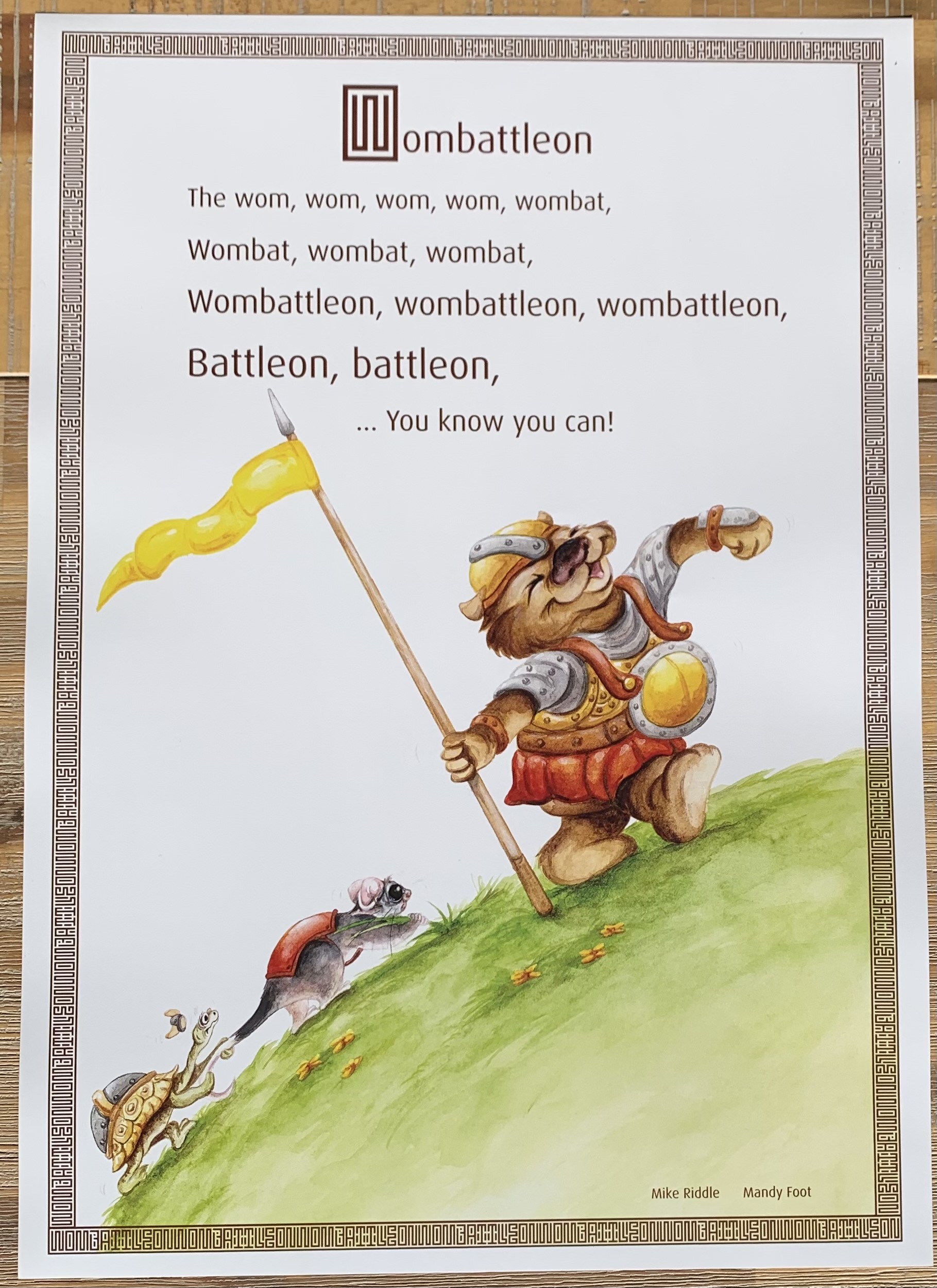
But it is The Kanceroo, written for children (or families) with cancer, illustrated by the now highly successful writer/illustrator and dear friend, Mandy Foot, that remains my most valued achievement.

Me at the Market

Mandy brought poems about distorted Australian animals such as the evil title character, The Pitypus and The Numbutt, to life, with humour and verve. But may it never be forgotten that all began with the cancer-attacking warrior wombat, The Wombattleon!

Wombattleon Poster

Launched by Peter Goers (who joyously for my ego, twice declared me Hot in his Sunday Mail articles), The Kanceroo (supported by I’m Confused with its granting of human characteristics to Australian animals) was given to ailing and grieving friends and their families, to children in the Adelaide Children’s Hospital, the Leukemia Foundation Village in Northfield and distributed around the country by the Lions Club of Naracoorte. A percentage from sales was directed towards Cancer Council SA.

Trying to raise interest in poetry in Naracoorte led to the establishment of The Poet’s Pen.

A small group of five or six gathered monthly to share offerings but gradually dwindled over two years until there was only ex-colleague and good friend Joyleen Gibbons (now of Happy FM fame) sitting around the dining-room table.

A self-imposed challenge arose in 2012, when, responding to the strange opioid-inspired phrases being thrust into my head daily, I wrote a seven-line poem of no more than seven words every day, collated them and published them independently as one talk.

Hamlette Pedante by Mandy Foot

By 2016 Mandy Foot and I had collaborated a second time upon Animaulia, humorous, sadistic poems in which insects, birds, crustaceans and small mammals experience life’s difficulties or come to sticky ends. No one to my knowledge, apart from me, has ever written a page-filler poem entitled Marvin the Maggot, the Sequel to the Sequel.

New Horizons

It’s been since arriving in Goolwa to nest in the creative wetlands of the southern Fleurieu that I believe my writing has reached another level. Never have I lived in such a rich, poetic and artistic environment. Suddenly I was exposed to the inimitable enthusiasm and openness of performance poet Nigel Ford, the acute, astute and superb poetry of David Cookson, the equally observant, gloriously complementary poems of Veronica Cookson, the short, sharp knifing of Geoff Aitken’s social poetry. Suddenly I was listening to the mellifluous voice of Keith MacNider stunning me just by saying, that man, to the sincerity of Margaret Clark and the naughtiness of Christina Haack. Suddenly I’m writing poems with Cedric Varcoe and Clyde Rigney Junior for Jen Lyons-Reid and Carl Kuddell of Change Media.

These days, I spend the second Saturday of the month critiquing with the Ochre Coast Poets. The second Sunday sees me reading in the Signal Point Theatrette with the Southern Fleurieu Poets. And a wealth of further opportunities exists should I seek them out.

My writing has developed over time and walks around the Goolwa wharf and the Southern Ocean coast. The fertility of the poetic environment has allowed me to explore more in style (apologies for lack of punctuation – blame Tipping) as I become more comfortable with the content and finding and expressing personal beliefs. Through mentorship by the exceedingly encouraging and poetically insightful Jude Aquilina, I’ve almost finished another anthology, which may, one day, be published. The title poem follows.

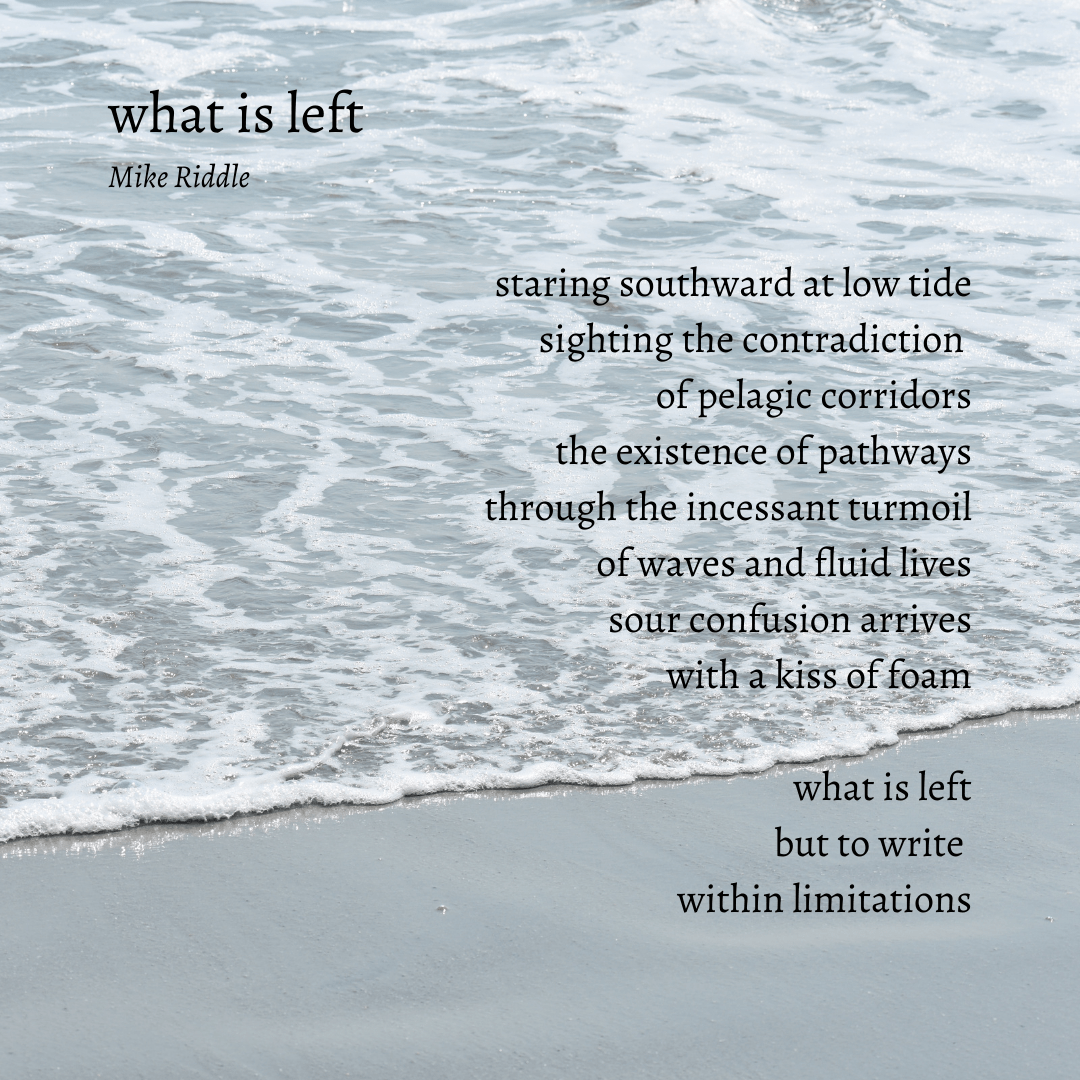
Am I yet a poet? Perhaps, some days. I don’t know. After all …

Author Bio

Mike Riddle has scratched and scribbled poetry, plays and children’s books, somewhat intermittently, across schools and communities in country South Australia for over forty years. His work can be quirky, filled with black humour or compassionate and purposeful.

As the founder of Caught Jester Books, he has been blessed to have had exceptional artists illustrate his self-published books, seven being published by Hansen Print, Naracoorte and to have engaged with many wonderful people at markets in the south-east and on the Fleurieu. Living in Goolwa, he reads at Poetry on the Fleurieu and is a member of Ochre Coast Poets.

You can find out more about Mike’s work on his website and Facebook.

ACKNOWLEDGEMENTS

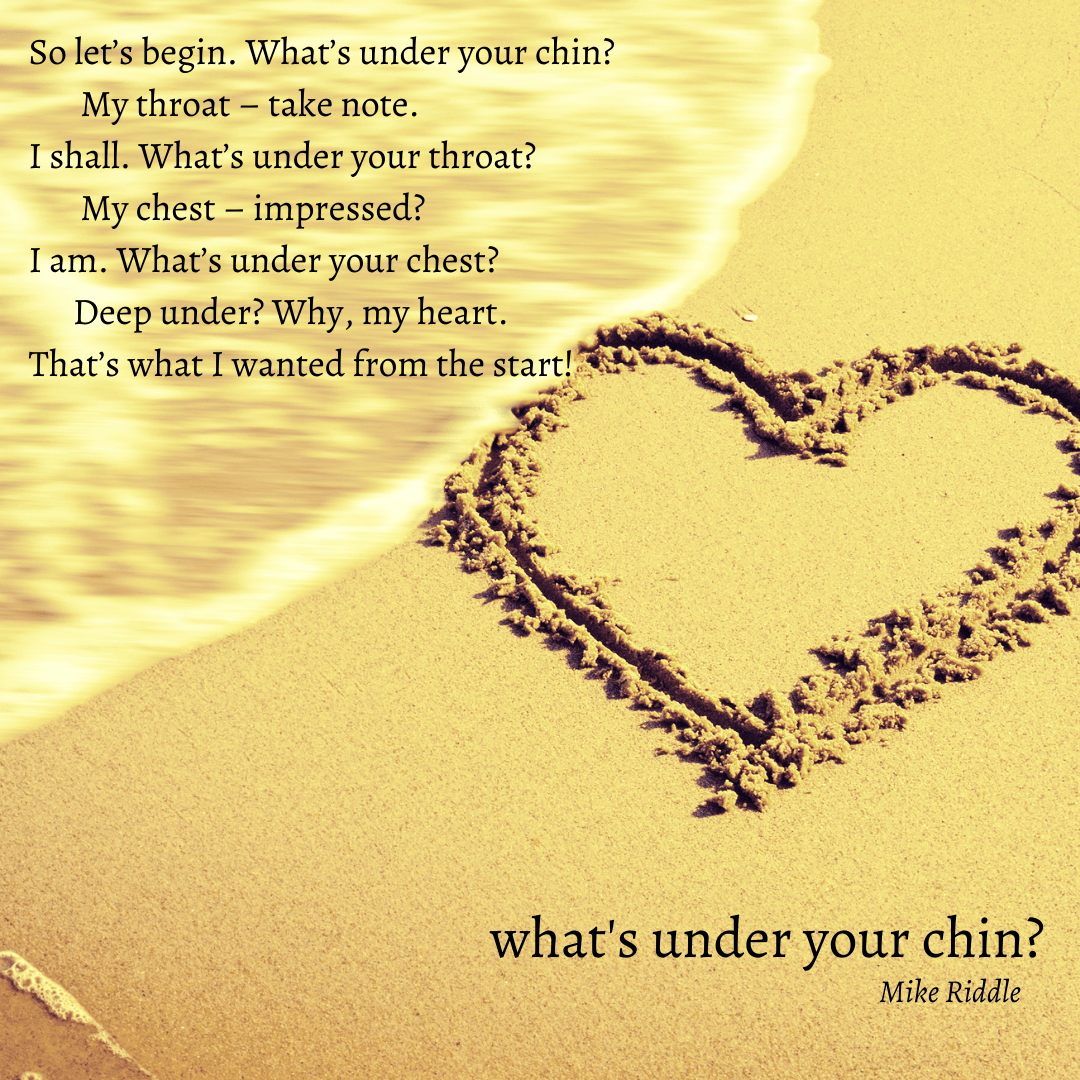
What’s under your chin?  Published in one talk (Caught Jester Books 2015)

Wombattleon Published in The Kanceroo (Caught Jester Books, Hansen Print 2013)

whale Published in Three Cornered Hat (Caught Jester Books, Hansen Print 2011)

How We Play With Time

The Productivity Illusion

We live in a world that invites us to plan, develop, strive, grow, improve and make things better on the assumption that we can right all wrongs. We compare today with yesterday when we exclaim — how can such and such still happen? It’s 2021— as though history somehow will deliver — or ought to have delivered us — from ignorance and evil. We tend to use history as a measure of progress. Yet, we play with time to hold it in place.

How long since you just allowed your mind and attention to alight upon anything that took your fancy? Were you able to pay full attention without a guilty voice saying you must be somewhere, doing something? We always seem too busy for stillness.

Even if we are not industriously engaged, we create habits and routines that shore ourselves up with the appearance of being so. As any monastic will tell you, it takes routine — and discipline — to find the time to do or produce nothing with equanimity.

Common Routines

We play with time without knowing that is what we do. For example, most of us move unconsciously through daily routines that cradle us from morning to night, week to week or year to year. If we don’t have behaviour patterns, why do we drive the same way to work and get upset if roadworks block our path? Why do we panic if we miss our regular bus or tram?

We tend to either have a packed lunch or go to a favourite café every day.  After work, we go home anticipating what we must do and how others should do things. When our expectations are not met, we are discomforted. On weekends, we patronise our favourite pub or club. Saturdays are religiously dedicated to beloved codes, and Sundays see many family get-togethers. Variations exist, of course, but this is the collective pattern.

Of course, annual events like Christmas, New Year, anniversaries and birthdays are negotiated or fought over. Still, the imperative to celebrate, to mark out those times, remains part of the festive routine that helps us feel like we are part of something bigger than ourselves.

Many of us, especially writers who write about this stuff, get stuck somewhere between the routines of daily living and wanting to be disciplined enough to write a set number of words every day. The need to clean or cook or do household chores makes procrastination acceptable whenever we allow habit or a different routine to prevail over the active discipline of writing at a set time. Most of us struggle with priorities.

Contemplative Routines

I admire those who can live in profound peace with their habits and routines. I first pondered these things years ago in Sri Lanka, where I became fascinated by a grandfather who lived with his daughter and her family in a place where I stayed for a while. The old man took tea (made by his daughter) at the same time every morning, read the paper, then meditated before settling into a day of rumination, alone and in silence, albeit sometimes in the village square. His uncomplaining dignity has inspired me ever since.

Maybe I’ve taken less notice of women. I mean, the Sri Lankan daughter had a domestic routine that included giving her father his tea at the right time. But there is something about these male practices that stand out for me. I think because they occur more often in public spaces.

The practices of bushmen I have worked with and old bushies living in single-men’s quarters are a case in point. Making their first cup of tea bordered on ritual, such was the reverence given to each moment: fill the billy, roll a cigarette, stoke the fire and stare at the embers in contemplative silence until the water boils. My cuppa, when it came, tasted like nectar.

Even in towns and suburbs in various parts of Australia, I’ve noticed men (again), not only the old but younger men, with an early-morning routine of walking to the service station to pick up a pack of cigarettes and the day’s paper. This was during my bush-working years when I filled the SUV tank before heading out.

Habits Become Routines

When I lived for a year in high-rise housing in Melbourne in 2005, I settled into a park routine with doggy-loving souls to walk my dog Lolo every day. The novel I’m writing now, High Rise Society, is based on that time.

Lolo in Aldinga Beach

One man, a Vietnam veteran in his early 70s, always headed to Coles after walkies to buy the paper and a day’s supply of beer. After the evening doggy-walk, he’d settle in to drink himself to sleep. He proudly informed me that he changed his own bed linen and did the washing every Monday at 9 am. And, on the last day of every month, he defrosted his refrigerator without fail.

This man had no family or friends apart from his dog-walking companions. It made sense to me that a solitary person might create a routine to give meaning to an otherwise disconnected life. It is as if having to do something makes one feel needed. The absence of structure leaves humans emotionally adrift, and that can be terrifying.

As she aged, my mother got into the habit of lifting the phone off the hook (no mobiles then) for various activities. It might not ring all week, but Mum insisted it would inevitably do so at mealtimes or when she was taking a shower or having morning tea. She certainly didn’t like surprises or changes of plan, which left her feeling out of control. Vulnerable.

Although I have a daily writing habit, age has commandeered the content. 

Turning Inwards

For some, habits might be age or circumstance-induced or sub-consciously selected for comfort or sanity. Our nature may determine how we establish control over our environment. Monks choose an inward journey, and religions of all persuasions provide the monastic context. Monastic discipline forces one to confront fears, guilts and regrets, to come to know ourselves with all our failings.

I’ve always been attracted by silence and recommend the three-hour silent documentary, Into Great Silence if such things appeal to you. A related but far more relaxing look at a Buddhist contemplative tradition in Nepal is the movie Samsara, now on Netflix.

For ordinary mortals, having the discipline to meditate may bring about healing, but like any habit or routine that involves withdrawing from distraction, making time for it requires the same prioritising as making time to write.

Living as we do frenetically outside of ourselves through selfies and self-representations of one sort or another at work and play, we are often distracted to the point that we lose a sense of who we are. Meditation can bring us back into the present moment, which is really all there is.

It’s Like This

In many ways, the world is too big for any of us to comprehend, so we fixate on our trajectories, our beginnings, futures and possible endings. Along the way, we order time to bring chaos under control, and that is called routine. The moral of this story is to enjoy the ride – it is, as they say, the only one we get.

As for me, I like to dream, and this little poem is me. I love to write. I abhor the use of sepia to make things look authentic (as against real sepia photos). I grizzle about everything, but in the end, I come back to a lullaby my father crooned to me called Lula, Lula, Bye, Bye. It always brought tears of love.

If You Love Writing

Do it whenever you want to. Routines are good but not essential as long as you write from the heart. Just dump stuff on the page without that critical editor peering over your shoulder. Cast the editor out, your teachers, mothers, fathers, tell them all to bugger off while you write.

Then sift through your words for the gems. Collect them all, polish them and make them into a thing of beauty for others to enjoy. If you trust the process, they will tell you what you are trying to say. Writing is a bit like painting. You keep changing things until they make sense.

Most of all, explore what you love.

From Wattletales with Love

Come Away With Me to Where the Heart Wanders

Anywhere but Here

In times of distress, I yearn to be anywhere but here. When I am unwell, confused, depressed or feeling old, my mind takes leave of my body to travel in memory. This is a powerful yearning for people, places and times when I felt love or contentment, more so than daydreaming. Daydreams tend to venture to places full of joy and promise; they speak of a future where trees whisper, gardens are hidden, and a world of humid forests, open plains, wild oceans, and mystical lights awaits. Memory travel is painful in its beauty.

My dreams and yearning often turn into poems. As a child, I dreamed magical waking dreams, but now, my yearning reaches into the past as in this poem about Darwin, one of my three favourite places, including Sri Lanka and the Australian bush. I’ll come back to them all. While yearning can romanticise, as this poem shows, I always seem to find an underside, a twist.

Childhood Exile

As a child, I oscillated between daydreaming and showing off. School to me was a prison that denied the sky, fresh air, sunshine and rain. I spent many hours in a corridor outside my class or at the Principal’s door waiting for a ruler over my knuckles.

At the same time, I was locked out of suburban social life because my parents were hotelkeepers. Few friends were allowed to play at my place. Urban mothers saw hotels as dens of iniquity that enticed husbands from the nest in the days before women were allowed into front bars. (If you remember that!)

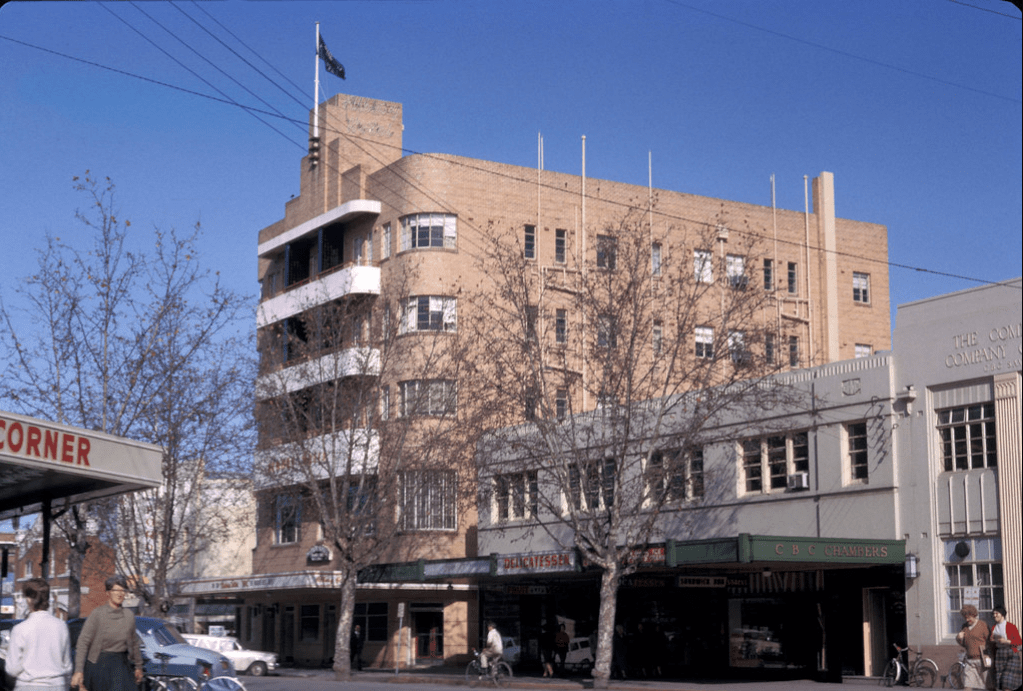
I once managed to convince a couple of ‘cool kids’ to join me after school with a promise to sneak them onto the roof of the New Albury Hotel where I lived. I was 10. We climbed the fire escape at the back of the building, and then I climbed over the roof’s parapet and let myself down onto the sixth storey ledge in a dizzying moment of what I hoped would be popularity. Heads peeped over at me, then disappeared, leaving me to climb ingloriously back onto the roof alone.

Ledge unprotected. New Albury Hotel in 1963. We lived there in the early 1950s.

That experience taught me I was pretty much on my own in this world. Most of us eventually come to understand this, one way or another. For me, at 10, I chose to daydream or, as I saw it, to appreciate the life of the mind. I decided to become a writer, a choice already half made by my being a bookworm but one which took me most of my life to fulfil.

The Benefits and Limitations of Old Age

Apart from losing the need to impress others, one good thing about being old is that you have a whole life to run away to. Lots of past to yearn for. It makes sense, really, that the elderly tend to dwell on times when they were fit, in love, happy or meaningfully involved in the lives of others.

As I age, I sometimes cry for my mother, lost son, father and brother, all of whom I loved deeply. I then ask myself what age I was at the remembered moment I’m visiting, only to realise that what I really yearn for is the person I was — the way I felt — when those people were around. With them, I was a viable member of a complete, multi-generational family. I learned that my retrospective tearful yearning is not for them; it is for me. When I’m out of sorts, I miss the vibrant younger person I once was.

Yearning for places is the same. It, too, is a judgement of the present in many ways because the message to self is — I don’t want to be here or thus, in this present moment. I don’t want to be who I now am, but who I used to be. I’d say there’s a lot of that around.

Bear in mind that this yearning overtakes me only when I’m feeling low, which doesn’t happen when I count my many blessings, wonderful children, friends, poetry, writing, and a lovely place to live. And, my wandering into the past brings a renewed sense of what a fortunate life I’ve had.

The Bush

As for places, let me start with the Australian bush. My love for Australia began with the koala my nana gave me, which survived a loss of hair, Snuggle Pot and Cuddle Pie and childhood reading about the outback. I daydreamed about the outback at school. Then it all became real. I travelled to Oodnadatta in the far north of South Australia after my parents bought the lease of the Transcontinental Hotel there. My novel, On Gidgee Plains, draws on that experience.

Later I was privileged to work as an anthropologist in several states across outback Australia for many years with First Nations People, documenting sites and recording stories. What those people so generously showed me, taught me, and shared brought the landscape alive. I learned of things that, in my day at school, were completely ignored — about the cruel history of this nation. Here is a poem that offers my experience of the bush; a bit of romance and a touch of history tempered with politics.

The bush, the desert, the tropical north all attract my yearning to this day. When I hear crows caw, I see gibber plains under blue skies. I see as if it is still part of me, not in the Aboriginal way — I wouldn’t presume — but in my own way. In memory of who I have been lucky enough to be.

The Tropics

My adolescent daydreams often took me to the tropics. This could have started with The Nun’s Story (1959), starring Peter Finch and Audrey Hepburn and set in what was once the Belgian Congo, a love story where heat, drenching rain and romantic yearning still tug at these old heart-strings today. Or, my love of the tropics may have been inculcated earlier by how my mother spoke of Zamboanga — listen to the romance in that name — in the Philippines on our travels to and from Japan during WWII Occupation.

Darwin

There are so many ways to view ‘the tropics’ and, here, I’ll stick to the Top End. To Darwin, mostly. I went there when my mother gently hinted that it was time I fled the family nest. She took me to Woolworths in Rundle Mall in Adelaide to fit me out in a ghastly green print nylon dress with pleats for job interviews. I arrived in Darwin with ten shillings in my pocket and asked a cabbie to show me a place to live.

I took a room in a boarding house on Cavenagh Street, walked to the government offices the next morning, and landed a job in a typing pool. To my credit, I soon moved from that role to senior secretarial work for the Deputy and sometimes the Director of what was once called The Welfare Department (Aboriginal Branch). There, I learned in the official documents I was asked to type that Aboriginal people were ‘ineducable’ past the age of twelve. Ponder that if you please, it is part of this nation’s history.

I nearly got sacked once for not returning to work after lunch because I had too much fun at The Vic on Mitchell Street (where the mall now is). My Darwin was water skiing. We often skied across the Harbour to Mandorah and back after a few drinks. I learned to ski in Doctor’s Gully when the marvellous Karl Atkinson lived there, an older man who loved to entertain young ladies with champagne on the verandah when the fish came in at sunset. I later helped teach water-skiing on McMinn’s Lagoon with his side-kick.

The Top End

We also skied on Yellow Waters in Kakadu National Park in the days before the idea of a national park gained prominence with the National Parks and Wildlife Legislation Act 1975. Few knew about Aboriginal rights in the area back then, despite the long-running Wave Hill Station walk-off in 1966. Not to speak of the longest-running land claim in Australia by Darwin’s Larrakia people, which became official in 1979 but had been running since 1789.

Many years later, I worked in the tropical far north of Queensland, and this poem is a record of donga life in the far north field. (You all know what a donga is, right?) Not so romantic, but true.

The Jewel in My Wanderlust Crown

Sri Lanka. A childhood daydream of hidden gardens and delights fills my heart even now, nearly 40 years on. It brought together my romance with the tropics, late love, my career as an anthropologist and the trials of being a mother of three pre-adolescent children in the field for 18 months. This was not the sub-tropics. This tiny island lashed by two cyclone seasons a year, one from the southwest and the other from the northeast, was the real tropics.

I played tourist the first time I went to Sri Lanka, but it was home to me for the duration of my fieldwork. I loved every moment of that experience. What tore me in two was having to leave when my research came to an end.

Falling in love beneath torrential tropical rain (like Peter Finch and Audrey Hepburn) remains an unsurpassed joy in my life. I was seduced by the Island, its people and Elaris, my Sri Lankan husband, now also deceased. I frequently visit Sri Lanka in my memory when times get tough. A Sri Lankan friend I have kept in touch with recently told me that a poem I wrote last year about the famous elephant processions known as Perahara was anachronistic. That Lanka, he said, in longer exists.

Back Home

My children were equally discombobulated when we got home. Kids teased them at school for speaking in a ‘posh’ (Sri Lankan English) accent as much as Sri Lanka teased us for being Australian-unintelligible. I took a while to settle back in myself. But, we have the beach. A different beach but just as beautiful.

And Glenelg, where I live, has its attractions. It is from here that I escape back to Sri Lanka, the Top End and the bush. And to many other elsewheres, and elsewhens —too many for one little story,

For Those Who Write About Life

Pay attention to your feelings, your moods and sadness. In Tragedy and Despair in Fiction and Poetry, I argued that they are keys to the truth of life. Instead of clutching onto the past as a thing to recover from, try to see what your yearning is telling you.

Question why you remember particular things at particular times. Are there patterns? My bet is you will find them and, when you do, open a page in a notebook or on the computer and start writing. Tell the page what is going on. Or record it on your phone at first.

Once you have written the story, you have something concrete to work with. Like it or not, misery takes us to interesting places. It takes us to original truths, ripe and rich with fine detail that is almost impossible to conjure from imagination alone.

Happy Writing

Wattletales

PREVIOUSLY PUBLISHED: ‘A Bush Suite’ in Soft Toys for Grown-Ups, Ginninderra Press, Adelaide. 2018

ACKNOWLEDGEMENTS.: Photo of the New Albury Hotel by Foto Supplies (1963). New Albury Hotel August 1963 (Trove).

The Mystery of Life, Poetry and Imagination by Julie Wright

A Country Girl

I was a country kid brought up in Ceduna on the Far West Coast. I have always said I was born with my feet facing the highway, yet my poem, ‘Going Home for Christmas,’ shows that my idyllic childhood has remained with me and has had a lasting impact on my identity.

I am writing this post in Ceduna. On Monday, I will be doing a poetry reading here at the local library. It means a lot to me to share my poems with the people who watched me grow up and who have taken an interest in my life, even though I went to boarding school in Port Lincoln at the age of 14 and haven’t lived in Ceduna since.

My Early Career

When I finished school, I became a keyboard operator in the Army. Those who know me are picking themselves up off the floor right now! Even to me, it seems somewhat surreal, but it was one of the many experiences that shaped me. It was intended as my way to escape country life, but life in the green beret was not for me. ‘Growing Pains’ really encapsulates my life up to that point.

And, Family

At the age of 19, I married a former national serviceman from Western Australia who hadn’t settled back in Perth. We met at Watsonia Barracks in Melbourne, and, by marrying, I received an ‘honourable discharge from the army only 18 months into my three-year contract.

My first son, Nathanuel, was born nine months after our wedding. His brother, Dylan, was born three years later in Adelaide. I started my BA at Flinders as soon as Dylan started school and ended up doing honours with a thesis on John Donne’s Holy Sonnets, followed by a Dip. Ed.

Nathanual and Dylan

My marriage ended after 19 years. A couple of years later, I decided to make the most of my freedom by living and working in Italy for a year. (Italian was my sub-major at uni.) A short time after I returned to Adelaide, in 1997, I signed a contract with a Thai school and ended up in Thailand for three years.

In my poetry collection, ‘Infinite Connections’, there are quite a few poems from those two periods of my life. Some poems — and allusions in others — reflect my faith and my interest in philosophy, which led me to complete a Master of Arts in Christian Studies part-time (whilst working almost full time)

My adult sons with me at my graduation.

Today, I am back at my old school, Temple Christian College, investing in students. I now teach many children of former 1990s students. In two stints, I have clocked up 20 years with this school.

OId Fascinations, New Life

On December 10, 2020, I decided to start my own publishing house, Benedictus Publishing.

Book launch with old scholars, Simone and Annie.

Months earlier, I put together my first poetry collection, Infinite Connections. As I did that, I realised how many times I had written about the creative process.

Although I have composed poems and songs for most of my life, I remain fascinated to this day by words, ideas and the mysterious creative impulse that drives us to capture and wrestle with them until they resemble something close to our truest thoughts.

In the following poem, I have used an extended metaphor of a journey that reveals, in turns, both the daring and desperation that drives us, capturing that sense of being out of control, as the words go in unexpected directions to unexpected places.

After living with an active imagination all my life, one would think that such fears would have dissipated long ago. But how do we have confidence in something we don’t understand? Something inexplicable. Paradoxically, the art of arranging ‘the best words in the best order’ (as Coleridge described it) seems to be beyond words. Beyond our capacity to explain. In my collection, I have a series of poems that are memos to myself. One addresses the ease with which we slip into self-doubt as writers.

This poem arose despite the epiphany alluded to in the last line; God revealed that I was a poet. I had the experience at a hillside cemetery in Le Cinque Terre during a year I spent teaching in Italy. In that breathtakingly beautiful landscape, I wrote as many as three poems a day. In fact, during my year in Italy, I used my poetry as ‘snapshots.’ I wanted a record of my inner journey, rather than a mere photographic record of the things I saw.

Writers seem to live in a tension between a strong self-belief that they have something worthwhile to say, on the one hand, and the other, the niggling fear that the magic of creativity will, like a pocketful of silk handkerchiefs, suddenly disappear forever. They live in fear that their inspiration will dry up. Words will no longer jostle for attention and urge them to the finish line. They fight with the fear that no one is interested in what they have to say: their unique story, their unique style of delivering it. That surfaced when I was attending a webinar by the poet Leeza von Alpen. As a brain-strain activity, she gave us five minutes to write a poem about being lost in a vast forest. To my surprise, it turned out to be another extended metaphor poem about creativity.

In response to the debilitating doubt expressed in Memo to Self — Fear came Memo to Self — Thoughts, a reminder that imagination will continue to bloom and may even bloom best in the ashes of dead ideas.

One of my favourites is a poetic distillation that never fails to put a big smile on my face. It spurs me on when I think no one cares about the poetic endeavours that are the fulcrum of my days. I offer it as encouragement on those days when being a poet seems like a lonely walk on the highway with everyone sailing past in their big rigs, not even glancing at your upturned thumb.

Sometimes, we poets need to be our own cheer squad! But, even without encouragement, we keep going. We have no choice because it is worth all the hard labour, effort, and pain when we birth a poem. That is the message captured in ‘Gestation Zone.’

I am also fascinated by the sounds of words – perhaps because I am a musician and songwriter. The following poem combines my love of languages’ musicality and imagination’s mystique. Together, they permeate everything I do, including walks, conversations, visits to art galleries, reading, exam supervisions, dreams; it is crouched in the corner of my mind at all times, ready to spring forth at the slightest stimulation.

In this post, I have barely scratched the surface of my ruminations on the imagination contained in my poetry. If you are a writer, I hope you have recognised something of your journey in the poems here that will encourage or sustain you in your work. May they settle the watery world of your mind, to splash in the background, until the next wave of inspiration wells up and crashes into your consciousness, and you begin the wild ride to shore. Ride it again and again and again.

Last but not Least

I thank Lindy for asking me to contribute to her website. I have known Lindy ever since I joined TramsEnd Poets a few years ago. It has been a great privilege to be part of the group and to benefit from their critical appraisals of my poems each month. It was and remains a welcome change to be on the receiving end of the critiques to help me hone my writing skills after giving feedback on my students’ writing for over thirty years.

AUTHOR BIO

I love to visit Ceduna but was not destined to remain there. After school in Port Lincoln, I became a WRAAC recruit in Sydney. I’ve lived in Italy, Darwin, Thailand and now, Adelaide. Three years ago, my adorable granddaughter joined us at 14 months and stole our hearts away. I still teach, but being thoroughly committed to poetry and publishing, I am now on one of the steepest learning curves of my life when others might be retiring. I may be a little eccentric, but I am blessed with a family that endorses my unconventional life choices.

Julie’s Books can be purchased here with poems from this page and more.

ACKNOWLEDGEMENTS: All photographs, poems and text remain the property of the author..

Poetry on the Go — TramsEnd Poets Loud and Live

The Power of Poetry

TramsEnd Poets’ reading, The Power of Poetry, in Brighton Council’s lovely Kingston Room on 18 March 2021 was full of unforgettable warmth and energy. We thank Holdfast Bay Library Services for giving our wonderful poets the chance to share their work with friends and library members. Glenelg’s brilliant red heart foreshore sculpture has cast its spell on TramsEnders, and it shone on the day.

Love on the Glenelg Foreshore

Librarian Christine Kennedy, who inspired the event, was so taken with it that she hinted at a possible repeat, perhaps bigger and better, next year. Thank you, Christine, for looking after TramsEnd Poets as you do at Glenelg Library and as you did on this memorable day.

The library’s flier appeared on promotional TV screens, and we thank Holdfast Bay Council for also promoting the gig on its web page. (Yes, that’s Avalanche in the promo)

As TramsEnd Poets founder and convenor, I thank everyone for making this public event so successful. And, to our poets, one and all, thank you for taking the time to contribute not only to the event but also to this page.

About TramsEnd Poets

In its fifth year, TramsEnd Poets meets monthly in the Glenelg Library’s Common Room to share our work and offer rigorous but supportive critique. Many of our poets are published, so the standard is high. For The Power of Poetry, two former members joined us as guests, Ivan Rehorhek (best known as Avalanche), a founding member with me, and Maria Vouis, now a periodical pop-up visitor who agreed to take on the heavy lifting as MC.

Our third guest, commissioned photographer and fellow poet Martin Christmas, kindly agreed to read as well. Like his poetry, Martin’s photography is well known among Friendly Street Poets and others in Adelaide’s poetry scene, and we thank him for all the photos here, except the one of him taken by Nigel Ford (with Martin’s camera).

On the day, each poet read for three minutes, a mix of sad, funny, inspiring and evocative poems received enthusiastically in their diversity. Because an hour of poetry would have been far too much to include here, I asked each poet to submit one short poem and a sentence about themselves to include on Wattletales for posterity.

Poet Pics and Poems Two by Two

Inez Marrasso tells us she finds joy in rhythm and rhyme, dance and song.

Pam Rachootin is a General Practitioner who, as her poetry attests, looks for the humorous and poetic side of medicine.

Nigel Ford is a crew-cut-haired, goatee-bearded, tattooed, Harley-riding crime writer who discovered his passion for poetry at 50 and who would turn up to the opening of a bottle of beer even if he wasn’t invited. For more about Nigel and his poetry on Wattletales, click here.

Lindy Warrell (that’s me) writes of random moments and disturbing things, some of which may elicit a chuckle.

If I may interpolate with an observation, the first four poems, eclectically sorted by me, seem to have a commonality that speaks to the human condition, albeit in very different ways.

The next four poems all show reverence for our natural world.

Shaine Melrose loves to share her daydreams of life and nature through poetry. Read more about Shaine and her poetry here.

Vladimir Lorenzon describes himself as a poet in retirement who enjoys expressing and exploring life in words.

Valerie Volk loves to write about people and places she knows, and, with Friedrich Nietzsche, says:  Poets are shameless with their experiences: they exploit them. You can visit Valerie’s website here.

A retired engineer and aviator, David Harris likes to write about nature and humanity and explore some things with wry humour.  He has published two anthologies.

The last four poems in this wonderful collection are more representative of urban life. Two speak directly of love and loss.

Avalanche tells us that the stories still follow him around or, he asks, is that the other way round? You can read more about Ivan on this site here and also on his website.

Maria Vouis is besotted with dogs, and you can see more about Maria’s doggies here. Her work has been widely published, including in the Newcastle Poetry Prize, SCUM and Canberra Times.

Maria Comino has been writing poetry naturally since about the age of 10 but was not aware of the gift it was at the time.

Martin Christmas, the ESP Travelling Showman, ‘channels’ the spirits of his photographic subjects (people and landscapes) to reflect an in-the-moment reality, dramatically or casually, without seeming to have ‘posed’ subjects for the camera. His personal journey is on Wattletales, here.

Final Words

I am so grateful that TramsEnd Poets is made up of such a wonderful bunch of poet-people willing to share their work.

Let me end with this photo of the great audience with whom we shared our poetry at Brighton. That’s me in the distance, introducing the gig as the lovely Valerie flashed on the rolling screen of readers’ photos behind the lectern.

The Power of Poetry in session in the the Kingston Room at Brighton Civic Centre, 18 March 2021.

Have a Go

I normally end Wattletales posts with a writing tip. Today, I’ll keep it brief.

If you have ever yearned to write poetry, the time to start is now —

Write unfettered about a key moment in your life — a turning point or ‘sliding door’ moment. How did that change your life? Write until you naturally come to a stop.

Select seven words that jump up at you from the page, then craft a single line against each of those words and see what happens. (You may need to let go of the meaning of the event you started with but trust the process.)

Don’t worry that it makes no sense; magic will take place if you let it. Take the blinkers off, deafen yourself to the editor in your mind and play with those words and lines. You may surprise yourself.

Over and Out for April

Wattletales

ACKNOWLEDGEMENTS

ESP Travelling Showman, Martin Christmas for all photos used in this piece.

Nigel Ford for taking the photo of our photographer.

Previously Published

‘Jailbreak’ by Inez Marrasso, Inez, in The Champagne Smile (2020)

‘DogKu’ by Maria Vouis appears in Friendly Street’s New Poets 19 (2018)

‘Natural Selection’ by Martin Christmas in Random Adventures, Ginninderra press (2019)

‘Intensive Care’ by Maria Comino in The Desert Speaks: Collected Poems, Thoughts and Dreams (1970-2000)

Struggle, Science and Success by Heather Webster

I Write

I write vignettes along the path of discovery and light, skirting the wrecks of past lives, considering and learning from experience dragged from the deep, shaped by new thoughts, new ideas. It gives me pleasure, teaches me humility and new ways to improve my powers of observation, inside and out.

It wasn’t always like this. I wrote to earn a living. I wrote science and politics according to formulae rarely written. The ability to intuit what was needed, to inform, present, convince, to raise money, would have been the best job description. The ability to perform, just like in the circus. Years of hard work and much practice. Proof in the pudding of success or failure. I was good enough to craft a life from poverty to ease. Success enough that I might now explore what an unfettered brain might build.

The Creative Life

Creativity is now my driver. Connecting with writers through the ages; perhaps the most uniquely human achievement. To read the archaeology of past thought in cuneiform, hieroglyphs or books. To send messages into the space of future time. Therein lies the excitement. Might what I write endure, through luck or care?  Could the products of my neurones gleam like starlight travelling through time, through space?

Mainly though, I just write. An adventure in an unchartered wilderness, no plan, no expectation. Like planting seeds from blank packets, hopeful and open to delight.

Time and resources now gift me this creative life. After the uncertainty of childhood, the exhaustion and exultation of bearing children, the struggle of earning a living, I am a lucky woman. I celebrate my utter good fortune to be alive in this time and this place. Of all the women who have ever lived, I am here, a minute sliver of humankind. Science-based health care nurtures me, the laws of this country protect me, every night I sleep knowing no-one is shooting at me.

My ambitious plan, the child of many ambitious plans, is to become a wise, old woman. In the interim, I write poetry and prose, have completed my first novel, written poems about all the chemical elements and am working on a collection about the birds with which I share my home on our vineyard at Langhorne Creek.

From Where to Here

I am a child of the nineteen fifties. Born of parents desperate for security spawned from childhoods of broken marriages, financial and social struggle, and as survivors of World War II. My mother’s objective was a marriage and a home, however humble. My father, apprenticed to a butcher, became a champion motor-cycle rider, then a fitter in the RAAF and served in Borneo. After the war he sold motorcycles, but my entire experience of his working life was in workshops, machining brake linings in Hurtle Square. He played golf on Saturday afternoon and I suspect thought himself uppity for wanting more.

I learned the world does not owe you a living.  If you want something, earn it. Idleness and waste were unacceptable. The third thing was to know your place. I always had trouble with that because I didn’t like where I was, or indeed who I was supposed to be. Unlike the common childhood fear of being adopted, I thought that perhaps I had landed in the wrong place.

I had food. I had love. I had rules. I learned to cook and sew, and I read books under the bedclothes at night. My high school had 1600 students from many nationalities who ate different food from chop and three veg; their families spoke other languages. The world seemed bigger on their side of the fence.

Working Life

I began work in a scientific library. By nineteen, I was engaged to a Vietnam veteran who was tall, danced beautifully and rode a motorbike. By twenty-five, I had moved to Hobart with a truckload of disappointment, two children and a desperate longing for another sort of life.  I struck out alone.

Those were tough years. I had a burning ambition for a better life. I enrolled in university, cleaned carpets, completed my science degree, then one in librarianship, won all the prizes.

I became a librarian at the university, began an M.Sc. switched to an MBA., moved back to Adelaide.  I worked with CSIRO. I translated esoteric results into understandable prose, wrote grant applications to win funds. After winning a Duke of Edinburgh study conference award, I travelled to Oxford University with 250 recipients from across the Commonwealth and participated in a mind-altering development program. I became Chief of Staff to the Minister for the Arts, Transport, Planning and the Status of Women.

My success rested on endless curiosity, the ability to analyse large amounts of technical information, the capacity to interpret finances. I learned to shift, adapt, think differently. Among that, I got married again. My children increased from two to five. I applied for and won the CEO job for public transport. I changed the culture. Service providers were paid for the people they carried. I became Chair of the national organisation, then worked on the international policy committee.

The Vineyard at Langhorne Creek

My husband and I bought a vineyard in Langhorne Creek. We commuted in different directions. We planted and planned, experienced joy in a rural life.

I won board positions, the local grape and wine organisation, became director of a mutual bank, headed the state grape growers and worked to amalgamate national organisations, became a fellow of the company directors’ organisation.

What Am I Proud Of?

I am most proud of the fact that my children are wonderful people. Successful, yes but more importantly they are good people, now with fine families of their own. Our nine grandchildren are showing great promise. We have holidays together.

I am proud of my working life’s success, even, or perhaps because it is unusual. It funded my independence, allowed my choice. My husband and I have earned every dollar, which supports the life we enjoy. We grow vegetables and 60 sorts of fruit kind to our land. We don’t waste things. I am the queen of preserving, and it gives me great pleasure to give it away.

My Secrets

Secretly I am very proud of my academic record because it gave me confidence when I most needed it. Occasionally I consider doing a PhD.

Deep within, I have an odd set of personal achievements. Wearing an elegant bright pink pantsuit when addressing a transport conference in Dubai. Forcing myself to ask questions at fiercely male-dominated conferences. Being called Australia at international conferences. Challenging the flawed process of the appointment of women to boards. Supporting good women to believe in themselves.

I was recently thrilled to have my element poems ‘The Periodic Table in Verse’ accepted for publication by the Science History Institute in Philadelphia. You can find the first instalment here.

And Since the End of My Salaried life…

I got to know our vineyard. We worked to restore the crumbling old school in my town, raised money to revegetate the riverbanks. We established a wine brand. I started to write about the land around me. I remain abashedly a science geek. I am proud of our wine, the most premium vintage being called Writers’ Block.

Heather and husband Barry in their vineyard.

I worked with the talented artist Cathy Portas to produce artistic postcards with her art and my poems about our wine. I propagate plants. We are transforming an old dairy into a wine/art celebration space.

I write because it brings me pleasure, words like tasty morsels to be savoured. I read voraciously, as I have always, for relaxation, to learn and hopefully to make me a better writer. That familiar sensation of moving on is causing a frisson of excitement in my late nights. I want to share my stories (and our wine).

Author Bio

Heather and her husband Barry, grow wine grapes in Langhorne Creek. She enjoys growing plants and ideas, writing, reading, sharing good wine with friends, and wishes to play better tennis.

She is endlessly curious and enjoyed all her careers, as a science librarian, with CSIRO, in politics and as CEO of SA’s public transport system.  

She loves to research and managed degrees in several fields (B.Sc Grad Dip Lib MBA). Heather’s board work included a large community bank, a charitable Foundation, and chairing state and national wine and grape organisations. Her community work includes the restoration of a Historical School and revegetation.

To explore Heather and Barry’s Langhorne Creek vineyard, Windsong Wines, click here where you will find more of Heather’s poetry under Conversations. Windsong Wines is also on Instagram and Facebook.

You can learn more about Heather’s writing here.

ACKNOWLEDGEMENTS: Author Bio photograph by Kate Punshon. All other photos, text and poems remain the property of Heather Webster.

The Fundamentals of the Gaze in Life and Writing

Inviting the Gaze

It wasn’t until I watched Jane Campion’s magnificent 1993 movie, The Piano, which is female-oriented, that I understood that most Hollywood movies are directed to appeal to the male gaze. You can see this in the way cameras invite us to watch women’s faces during sex scenes, often with an odd perky boob poking tantalisingly from beneath a man’s shoulder. Of him, we mostly see muscular backs or buttocks.

A Predatory Gaze

I may simplify, but it is no exaggeration to say there is cultural power in directing a reader’s or an audience’s gaze. Or, indeed, as I show here, to have the gendered or cultural right to gaze with the power to define.

Hollywood mostly gives us life as it is, where women grow up being watched, from happy workmen’s whistles to lusty looks on the beach or in the street. Nowhere is a woman safe from predatory intrusions like objectifying comments on appearance. Yet, we oblige, with our short shorts and bikinis, although such dress modes are also about owning our bodies. They say look but don’t touch. We are not the wild game you seek.

The Gendered Gaze

I was a secretary years ago, and I remember how I’d suddenly become aware of a boss standing behind me as I typed. I’d become short of breath, break out in a confused sweat, and my fingers would go awry, making errors when there were six carbon copies on a typewriter to correct!

Even now!

The presumption that it was OK to stand close behind me at work, a lower male body brushing close to my head, to look — gaze — over my shoulder, was never questioned. Yet it was and is a possessive posture. It is about ownership. It is predicated on a power imbalance that reminds me of my first husband.

Many years later, when I was the executive officer of a prominent health research institute in Darwin, a similar thing happened. A new, male business manager, a colleague, came into my office one day without knocking or saying, excuse me. He walked straight past to stand behind me at my desk and take over a conversation, talking over my head with the people who were there to consult me. Too stupefied to speak, I dithered with shock as I had when younger.

It seems, then, that space, too, belongs to men. We only have to consider the legs wide apart approach to sitting in a plane.

The Effects of a Gendered Gaze

These small events may seem trivial, and yet I remember them clearly after all these years. Such mini acts of ownership are repeated for many women throughout their working lives. Generations of us managed the resulting confusion or outrage by internalising anger, which accumulates as depression.

When 100,0000 Australian women took to the streets on March 15, previously suppressed intergenerational rage erupted in protest against the predatory structures I’ve described that I know are conducive to violence and rape. I am a survivor. The public display of womanly energy uplifted me, and I marched with them in spirit.

Going back to that day in Darwin, I soon realised that the new business manager had been watching me since day one and his early solicitous behaviour masked predatory intentions. He had, in fact, used a form of grooming designed to get me to teach him the ropes. In short, he used me. His deliberate breach of etiquette in my office was intended to signal that I was of no further use to him or consequence in the organisation, which he subsequently nearly brought to its knees.

Being Watchful in Defence

I’ll start in pubs, where I grew up and worked for most of my early life, permanently subjected to the gaze of men, especially in bars where multiple drunken eyes scrutinised me in great detail daily, relentlessly and ruthlessly.

In defence, I developed what I call a ‘quick wit and smart answers’ response, which was supposed to prevent insult or hurt, but the unpleasantness seeped in regardless and undermined confidence over time.

Living in pubs, I learned to read people myself, but I watched in anticipatory rather than planning mode. I later realised that this is how the powerless respond to power in any relationship, to protect themselves.

In a marriage, for example, a wife may anticipate her husband’s needs. Rather than wait for him to shout, ‘where are my keys’ without looking for them himself, she will have them in her hand, ready to hand to him before he leaves for work, to prevent a fight as an aunt of mine used to say.

People who are watchful like this have almost always been subjected to a dominant gaze and its power. It becomes instinctual to anticipate to defend.

The Gaslighting Gaze

But, how do you defend yourself against the gaslighting, that in simple terms, comes with a verbal onslaught that sounds something like this:  You are too sensitive / I didn’t mean that / only joking / you’ve got no sense of humour / you always take things the wrong way / what’s the matter with you? / there’s something wrong with you, or you need help. It escalates, of course, to screams of abuse defining you as a nag, fat or stupid, ugly and worse.

Such put-downs are gaslighting’s foreplay as it progressively cuts you off from family and friends and undermines your sense of self. Help, although suggested, is not allowed.

Nobody to play with.

Gaslighting works because it is based on a perpetrator figuring you out, intending to attack where you are most vulnerable. It is deliberate and systematic, hence predatory, eventually undermining a victim’s perception of who they are. I once witnessed my son’s friend’s mother broken and moaning — I am a person. I am a person.

In some ways, the classical ideal of marriage with ‘the good woman’ at home alone with the kids feeds gaslighting tendencies. A house can be a prison.

We must remember, too, that gaslighters are tenacious if you try to escape.

The Anthropological Gaze

Earlier, I mentioned the cultural gaze. Like the gendered gaze, a cultural gaze is predicated on power. The powerful have always defined the powerless. Edward Said exposed this in his groundbreaking 1978 work, Orientalism. Said taught us to see in films, novels, media and academic treatises how the West wrongly constructed an idea of the East, using terms like ‘uncivilised’, ‘the savage’ and so on. The rhetoric is structurally equivalent to the fat and ugly rhetoric in the home. Both dehumanise.

The colonising West dominated and defined half the planet that way. For a long time, the assumed superiority of wealth and whiteness was unquestioned and, often, still is. Among other things, the absence of Christianity elsewhere was enough to deem the ‘other’ uncivilised and in need of conversion or assimilation.

Although we learnt none of this in my day at school, most of us now know that Australia was founded on the Latin notion, Terra Nullius, meaning ‘nobody’s land’. Just imagine being subjected to that gaze, the one which effaced First Nations people from existence — rendered them as nothing but a problem — to legitimise a brutal act of dispossession.

In the Field

While retaining its observer mode, subjecting other cultures and peoples to an academic gaze, anthropology now asks its practitioners to immerse in those cultures to the extent possible in an attempt to understand others on their own terms. To listen and learn, rather than impose interpretations predicated on a dominant Western cosmology.

Sometimes, who watches who in the field can be a moot point, as my little poem below suggests. The day the poem describes was and remains special to me, the more so because of the praise bestowed on me by the white-haired woman who sat beside me.

Still, I think that when an anthropologist is being paid to extract information from someone who’d rather not share it, the anthropologist still holds the gaze. The reciprocal watching, if you like, is more defensive because professional power is institutionalised. Even though we are individuals, as anthropologists, our power resides in our institutional connections, access to funding and affiliations in the wider society.

Becoming Aware

After spending nearly two years in Sri Lanka, I became a Buddhist. I may have mentioned in an earlier post that a monk there once asked me why I was in Sri Lanka. I said that I was doing my PhD fieldwork. His comeback was, no, this is your life path, showing you something about yourself. He was right, although it took me quite a while to realise it.

When I retired, I taught Theravada Buddhist meditation for several years in the 2000s and was the Buddhist Chaplain in Oasis at Flinders University for a year in 2012; I think it was. I still meditate regularly.

Meditation and Buddhist readings like Ajahn’s Sumedho’s insightful text, Don’t Take Your Life Personally, have allowed me to clearly identify hierarchy and dominance patterns and let go of many unpleasant things.

In the Theravadin Tradition

This is why I decided to talk about the gaze instead of delving into now-irrelevant detail about the abuse I endured years ago, albeit it does underpin and inform what I’m saying.

On Being Invisible

As women, we become habituated to the male gaze during the span of youth and fertility that, dare I say it, we may miss just a little — after middle age.

In old age, of course, men and women alike become invisible. The cultural gaze turns elsewhere, to the new, the upcoming, and a future without us.

Think About This

Writing uses all of the above in characterisation and in delineating perspective. We do this because it evokes reality for a reader. Mini violations are a part of life and they symbolise bigger things.

In a novel, the primary narrative gaze is given to the protagonist and is called Point of View (POV), and that is where we can make change happen in the world by commenting on wrong things if we choose to.

As I wrote this piece, I tried to avoid too much gender bias, but, in the end, my gaze, my womanly, anthropological and somewhat age-tempered gaze, does dominate. But it leads me to an exercise for you.

Try This

Bring to mind an incident where you felt like the victim. Create a scene with you and the other party having an argument or engaging in some way as characters. Give yourself and that person a fictional name but get writing from your own POV. Be truthful. Nobody needs ever to see your writing. You can have many characters and more than one POV in a novel but for now, stick to yourself and one other person.

When you have finished, reverse roles. Then write the same scene again but with you as the aggressor; assume their name in your mind as you write. In other word, swap roles. When you’ve finished, read both pieces. Compare them.

What happened as you wrote the second version? Was there a flash of insight or a bit of softening towards your aggressor? Sometimes, seeing things from another’s POV helps to come to terms with things. We may never forgive the other party, but we may relieve ourselves of remembered pain.

Happy Writing Till Next Time

Wattletales

My Writing Journey by Craig Harris

Starting with Zagato

I remember reading an article about the Zagato racing team when I was about 12 years old. Their vehicle was based on an Aston Martin DB4. Based in Italy, the Zagato company modified many aspects of the vehicle, readying it for a racing career.

Sunset view from my porch in Yankalilla.

It was entered for its first race at the Goodwood racetrack in 1961, driven by the renowned driver, Stirling Moss, who came in a credible third. Moss was knighted in 2000 for his lifelong involvement in motorsport.

I attended many racing events with my father at the Mallala racetrack, about 15 miles from home. Dad was the District Clerk of Owen and a knowledgeable and experienced road builder. Along with the District Clerk of Mallala, my father designed and built a motor racetrack on the recently vacated RAAF base. Hangars and base infrastructure were still intact, so the track wove its way past and around them. They hoped the munitions buildings were carefully emptied.

With this as background, I embarked on the journey of writing a book! Full of passion, I designed my cars with exotic paintworks, loud exhausts, and famous drivers. After about thirty pages, I came to a standstill. I cannot remember if I lost enthusiasm, the storyline, or my father’s reminder that it costs a lot to publish a book that stopped the project. I often think about that manuscript and whether it was readable and wish I could again see it.

Finding My Way

While I had a happy childhood, with holidays in Coffin Bay, during my school years, my reports would say ‘…has the ability but needs to apply himself’ or has the knowledge but does not take tests or exams seriously’.

But, before I left school (in July 1967), I joined the EFS (Emergency Fire Service), later known as the Country Fire Service CFS), and I have been volunteering with them for over 35 years. I have held many positions: Brigade Captain, Group Training Officer, Regional representative on the State Training Committee. And, I was presented with several medals, awards, and accolades.

My Career

My early career was centred around the dairy industry, where I made butter and powdered milk, later overseeing the boiler house. A career change into industrial emergency services lasted 33 years until I retired in July 2016.

I spent a total of forty-nine years in the fire industry! I was a recognised trainer during the early years, developing training material and student manuals specific to various locations. Later I took responsibility for developing emergency plans for fire, security, environment, marine, aviation, preplanning tools, risk and recovery. These plans were for the first responder through to the corporate sector.

Another significant part of my role was to conduct scenario-based training and exercises (drills). These exercises could be for a group as small as 5-10 persons through to several hundred, including police, ambulance, and both state and federal government agencies.

I was also invited to join teams and committees to develop large scale exercises. In one, the scale was large enough to involve several state premiers who escalated this onto the Prime Minister. Another was the sizeable annual military exercise conducted across several states with hundreds of personnel deployed.

In 2005, I received a bravery award for rescuing a work colleague who had succumbed to horrific burns, a sad and challenging task for a firefighter.

My working life shows that I was often required to author and develop critical documents, all of which received intense, high-level scrutiny (Especially by insurance companies). I enjoyed this technical writing style and the research necessary to deliver a paper of best practice. Continual improvement during document revisions was challenging.

My First Book

My partner’s Father is Marsden Hordern, an author of many books, including A Merciful Journey, Mariners Are Warned and King of the Australian Coast. His maritime history passion earned him an honorary doctorate in literature from the University of Sydney and many other awards.

He spent WW2 in the navy and sailed as a navigator in four of the early Sydney to Hobart Yacht races. He kept all his logbooks and many souvenirs, mementos, and photo collection.

Marsden is a remarkable man, a few weeks shy of his 99th birthday. He is in good health, has a sharp memory and still drives — in Sydney!

Several years ago, Marsden’s children and I urged him to expand his notes into a book. He answered, I am an old man; I haven’t got time for this; I am writing my life story and other submissions for naval journals. 

At the same time, he recognised that his notes and collected materials were precious and should be published. The children declined, and I inherited the task! Immediately I thought I would organise his material to make it easier for another person to interpret and turn it into a manuscript.

Then I realised the book needed a lot of other information, so I began researching. Before long, I started writing up notes and began to enjoy the challenge of developing the material into a book; Blue Water Warriors was born and slowly evolved into a manuscript.

On Self-publishing

I realised Blue Water Warriors would not be a best-seller, so I decided to self-publish. That was a big learning curve, along with a financial commitment. After the employee expense account bought an expensive bottle of red wine, the book made a small profit.

I did not completely understand the enormity of the project when I started. I soon adopted the approach ‘…that is possible to eat an elephant, providing you do it one bite at a time’. Determination and commitment are two of the critical tools needed for writing a book. The adventure has made me better educated and wiser.

Once the project was complete, I woke up in the morning feeling lost without any writing or research to do.

What Next?

Another project – But what? I loved reading fiction based on fact (faction), novels by Clive Cussler, Lee Childs and others. I have always been fascinated by the space race. Could I write a story with espionage involved in the narrative? Such a book, I thought, would centre on the USA, so a lot of research would be required.

I soon started a series of novels following a timeline beginning in October 1952. The Genius of Illusions is now waiting for a publisher or an agent to accept it; a problematic process indeed. Both The Master of Illusions and The Maven of Illusions are complete pending a final edit. And, The Maestro of Illusions is about 40% complete.

I am a member of the Australian Society of Authors, Writers SA and several writing groups. Belonging to these groups has expanded my knowledge and enjoyment of different writers and styles.

I now write many short stories, and about three years ago, I wrote my first poem. Here are two recent poems that focus on climate and the weather, making sense in terms of my fiery history.

My Hobbies

My hobbies include my V8 powered MGB roadster, and I have competed several times at the Mount Alma Mile hill climb.

Another pastime is the intricate art of home brewing. With the SA Amateurs Brewing, I have won several state awards, and an Australian title.

And, poetry!

The Journey Continues…

AUTHOR BIO

Craig Harris grew up in regional South Australia and spent happy childhood holidays at Coffin Bay.

After a long career in dairy and mining industries, principally in the outback, his retirement has provided time to research important historical aspects of Australia’s greatest ocean race for his book Blue Water Warriors.

Craig is an active member of several writers’ groups and has been published in several anthologies. Currently, he is authoring a series of novels on Soviet espionage during the cold war era of the space race. He enjoys writing poetry and short stories.

ACKNOWLEDGEMENTS: Text, poems and images remain the property of the author.

Finally, A Beginning by Geoffrey Aitken

A Short Long Story

At 70 years of age, my story is long. Still, it really began after my incomplete high school education, a fitting and turning apprenticeship, a Cert IV as a mechanical technician and senior detail draftsman, a mature aged undergraduate in senior secondary teaching, drop-out, traveller and mentals with hospitalisation before graduating as an English teacher 1987 and taking a pool teacher position in the NT at Tennant Creek, 1989. Whew.

Geoff in Scarf

Last century, Tennant Creek was still a frontier town and its high school both a symbol and home for white children of enterprising parents who’d fled the Australian coastal mainstream with a lukewarm education when they saw an opportunity in gold mining, public service, retail, or education. There I began to cathartically write away the remainders of my encounter with schizophrenia while imbibing and socialising, only to fall under the outback spell — relaxed, distant horizons, blue skies, heat, smashing rain and quietly spoken Indigenous Australians with their damaged lives; Australians, or as Ruth Park noted in The Harp in the South – real Australians.

I wrote this poem later, but it was an experience of those days —

The Alice

Three years in Tennant Creek was enough to have me aspire to the big smoke, and so a transfer to Alice Springs lasted until four years ago when I returned to SA with my wife Jenny while daughter Jess joined us a few years later leaving the only home she’d ever known — for the city.

The Ghan Line

Alice rounded my understandings about the one size fits all blanket of mainstream education. Unlike Geoff Goodfellow (whose poetry I used to good effect) I began to question the whole kit and kaboodle. I read about his struggles to make his way, denied by a system that should have reassured him much earlier. I watched gifted students who’d been dismissive of their teachers, sail onto University and professional lives.

At the same time, most of our cohort found the academic curriculum unsuited to our immediate lives, environment and needs. Yet, a VET-Academic mix was not what employers required, nor did it challenge those mid-range students. The next poem was also written later, but what I describe was evident in the classes I taught and my school life years and years earlier —

First published in ‘Ochre 10’ an Anthology by Ochre Coast Writers, edited by Dr Steve Evans October 2020

A Constant Companion

During those years, with stress, my constant companion stayed only at weekends with drinking binges and conversations that reinforced I was not alone. Jenny’s wonderful meals and social acumen made time with friends who dined and shared their lives with us memorable. So many friendships were created during those years that my mind boggles at the arithmetic. Jessica was growing, schooling, sporting. She was activity minded, and so, the harnessing point for my sanity that didn’t falter. Then in 2006, I sought my second, long-service leave entitlement at half pay to secure a writing space.

Financial security was critical to my move but taking leave on half pay proved impossible with a mortgage and family expenses. So, I approached a colleague at Charles Darwin University for occasional work thinking to use my English language teaching qualification to leverage a casual (VET) lecturing opportunity. That began the story and continues to light my way — daily.

A Different Horizon

I’ve never had a day without thinking about Indigenous injustice and disadvantage. I bought a painting called ‘Calvina’s Class’ by Dr Al Strangeways (Head of Education, Alice Springs campus Charles Darwin University) that sits above my writing station depicting an Indigenous student in a mainstream classroom. It prompted the poem beneath, which appeared in New Poets 19. That part of the story follows.

Calvina’s Class

For six of the next ten years, I was involved with adult Indigenous literacy and numeracy students on community or in organised Alice classrooms. I worked to enable English language and number skills for paid employment. I am unable to include names due to cultural sensitivity. Still, I have a mature view of Indigenous self-determination thanks to those people. Similarly, I seek no homes for the poetry I have written about them, as it is like speaking for a friend or neighbour — I don’t and can’t speak about their need, their pain or their experience — it is not mine to own.

On Country

Community life was not — in my experience — as described by the document released to governments prompting the Intervention although dysfunction due to European colonial abuse was rife; alcohol, gambling, domestic disharmony, school absenteeism, outrageously expensive store food and underemployment pervade the Territory landscape. All this mapped over traditional life preferences.

Halfway northeast from The Alice along The Sandover Highway toward Arlpururulum (Lake Nash).

Yet, while Indigenous men are more than capable of trade-related housing repairs, both local and federal governments insist that tradespeople travel from larger centres at an exorbitant cost that chews up Indigenous funding but blames countrymen for their circumstances, leaving them unfulfilled — all contributing to this picture.

We might well push harder to include Indigenous history of colonial genocide as curriculum areas for exploration and understanding, leading to a more committed reconciliation path.

Namatjira country – even better ‘on the big screen’.

Did you know most Indigenous children speak more than two languages before they enter formal classrooms, but that carries little weight and doesn’t seem to count toward educational recognition or outcomes for esteem, confidence, belief, and achievement — not to mention capability?

From Outback to Urban Life

In 2016 we placed our Alice home on the market for a second time with almost immediate success inviting our return south to recouple with extended family. I had taken to monthly open mic poetry readings in the year before departure at The Totem Theatre on the Todd River banks. That lifted my confidence and belief in poetry, me, and a future writing commitment.

On a February evening in 2017, I wandered into McLaren Vale’s The Singing Gallery and met Julia Wakefield (FSP New Poet 20) and Maria Vouis (FSP New Poet 19), who run the
SPIN open mic there. They introduced me to this part of the South Australian poetry scene, and from then, my life has fruited. I have shared my experiences with so many open-eared creatives that I thought I had woken in heaven.

The Totem Theatre – ‘haute couture’ – with ‘open mic’ poetry

I won a place with Maria Vouis and Bruce Greenhalgh as a 2019 New Friendly Street Poet. I am grateful for that acknowledgement and for the support and encouragement from SPIN, Nigel Ford, David and Veronica Cookson and others too numerous to mention. I have maintained Territory friendships relying upon my agricultural scientist mate Roger, who has applied a right-brain eye to my poetry for many years and I always thank my Redback Productions brother who built and maintains Jenny’s and my website.

My poetic epiphany came as an undergraduate while studying Wilfred Owen’s writing. His stark descriptions of a glorious war startled and shocked those back home who had no notion of the slaughter and inhuman environment on those battlefields. Remarkably he denied any acknowledgement for himself maintaining that ‘the poetry was in the pity’. Lesser players have come and gone, although one should seek wisdom in the best literature. Here, I sought humour and social commentary so, British comedy with its warnings about appropriate behaviour that better reward good times has been especially present.

My passion is expressed in the ironies of life, the wry humour I try to find that exemplifies the struggle that life can be. Kurt Vonnegut is still my favourite author though Ray Bradbury invited healthy respect for untrammelled authority when I was young, while Billy Collins is a standout contemporary poet.

And, Now

These days I write and submit to poetry calls (as do my contemporaries), attend open mic readings, read other successful local poets, engage them in conversation. Of course, I continue to share food and wine experiences with anyone keen to take the time.

I have been acknowledged internationally and locally. I take strength in those successes. I am still a newcomer whose minimalist industrial signature often surprises and may confuse editors, readers and listeners who need time to adjust to the brevity. Compact observations require attentiveness and imagination, not always satisfying to traditionalists.

And so, finally —

I have been genuinely fortunate to have Jules Leigh Koch as a supporter, mentor and confidante whose own writing, recognition and advice are inspiring. I also thank Dr Steve Evans, who has been a believer like no other, with words that resonate, target, and diminish my uncertainty. My wife Jenny knows the whole messy but happily resolved story, and I am incredibly fortunate that she is by my side. You, too, Jess – always.

This marvellous opportunity to share my story here was made possible by Lindy’s too kind invitation to contribute – my gratitude, Lindy.

AUTHOR BIO

Geoffrey Aitken is an awarded South Australian poet and retired educator. His debut industrial signature styled chapbook, I want that in writing  (Ginninderra Press 2020) was generated from his open mic spoken word poetry. He won a place (of three) in the Friendly Street Poets Anthology New Poets 19 (Rainbow Press 2018). You can find him by visiting   https://poetryfeasting.com/ where you can view his poetry credits that include AUS, UK, US, CAN, and Fr. He does not test his poetry on caged animals nor is he after dinner congeniality. His experience of schizophrenia increases his concern about mental health along our avenues. 

Beware if you see this bloke around, he’s a poet.

ACKNOWLEDGEMENTS: Photos by Geoffrey or Jenny Aitken. Profile image by Martin Christmas. All poems and text remain the property of Geoffrey Aitken.

A Love Affair — Books and I Make Each Other

My First Love

I grew up with my head in books. I loved them so much it hurt, and they echo in me still. To this day, I read not with my intellect, but my heart and the curiosity I had as a child. I evaluate novels in terms of my attraction to characters and the strength of my wish that the story would go on forever; a salutary lesson for writers right there.

I remember conversations at university where people overwhelmed by status imperatives declared before they dared open a book, ‘oh, there’s so much I have to read’. When I replied that I read what I like, it was as though I’d farted in public. Truly.

Books speak to me through their themes and settings which attract me in an almost mystical way. I tingle with recognition when I find something I know I’ll enjoy. Of course, I check out what’s around, but when it comes to conscious selection, if anything, I am an author fan. I pre-order books by writers who take me on a journey. That’s it. The minute I see a writer showing off on the page, I’m gone.

Reading remains for me, a visceral activity. I’ve never read a book twice unless, as with academic texts, for comprehension. Nor do I feel shame if I don’t finish a book, unlike one of my favourite Australian authors, Richard Flanagan. Nor do I judge the many unread books around me as good or bad. I am a simple soul who knows when something is not for me.

An Aside

Of the great number of books I’ve read in my long life, I have chosen only a few to mention here because, despite some perceptible patterns, this post is about how and why I read, not what. My question to you is this; do you read like me?

Books that Grew Me Up

Like most girls of my era who grew up without television, I imbibed Enid Blyton’s Secret Five and Secret Seven books (later banned for 30 years for being racist despite selling 600 million copies in 90 languages). Boys read Biggles.

Blyton instilled in me a love of mystery and adventures that included girls. Yes, Enid Blyton’s heroes were mostly boys, but that’s the way life was when she wrote, and it was the way my generation expected it to be. It was the 1980s before I realized that life was up to me alone!

In fact, in my 20’s in Darwin, I taught water-skiing for a guy with a boat and an outboard motor and yearned to join a yacht sailing to South Africa as one of an all-female crew for a male skipper. I had no inkling I could ever own a ski boat or sail my own catamaran around the world, with an all-male crew.

Nowadays, girls like Aussie teen Jessica Jackson in 2009-10, can navigate the world solo in their own yacht. (She now features in a 2020 Netflix biopic.)

Stories are Living Things

Stories belong in time and touch those of their time. Even today, an author’s success comes from speaking truth, present yet inchoate in the populations they address. This explains why books echo in us. Of course, we read to learn. But we also affirm or transform who we are in our emotional refraction with a narrative.

Most of us choose to read what we already like. If you have a penchant for ancient civilisations, you will read such books as did my brother. If like me as a child, you are bewitched by an idea of the Australian bush, well, go no further than Mary Grant Bruce. Back then, nobody knew that her work would later attract controversy for racial stereotyping. Nor did I then know anything about her belief in the now-debunked theory of Social Darwinism.

If Bruce answered my romance with the bush, earlier, May Gibbs bewitched me with Snuggle Pot and Cuddle Pie, her little gumnut babies and their struggle with Big Bad Banksia men. I feel a nominal kindred with Gibbs too. Like my mother, my middle name is May, after my maternal grandmother of Gibb’s generation; May Evans nee Woods.

Mae Gibbs 1918

May Gibbs has a top spot in my heart, and I was thrilled to read just now, as I searched for a link to include here, that she once said, ‘It’s hard to tell, hard to say, I don’t know if the bush babies found me or I found the little creatures.’ Wow!

In passing, I must add that my favourite fairy tales were those of the Brothers Grimm, especially Rumpelstiltskin, which terrified me probably because I was blonde.

Youthful Attractions

During my early 20s in Darwin, I lived in the library as I had at school. Its two levels of book-lined shelves in an old colonial stilt house drew me in. The bound promises and secrets it held bewitched me, taking me on an adventure from a single room in a government hostel and life as a stenographer to Aldous Huxley and his father, Sir Julian and beyond.

Nearly 60 plus years later, I can’t remember which Aldous Huxley books I read apart from Island and Brave New World or whether I fully understood them at the time. However, I still thrill at their memory. Aldous Huxley invited me to step beyond my own small life. He took me to tantalizing horizons I’d never imagined. Sir Julian was my first brush with the philosophical theory, Humanism. Being of a more spiritual bent, I read only one of his books.

While the Huxleys introduced me to notions that heightened and expanded my curiosity, I also discovered Fyodor Dostoevsky in those formative years. My favourite book of his was The Idiot.

I reckon this early exploratory reading fits with who I’ve become, with my somewhat depressed leftie and philosophical outlook on life, despite the wicked influence of Enid Blyton and Mary Grant Bruce. Don’t you?

Once an Anthropologist…

As I said in An Accidental Life, anthropology opened the door to magic for me. I experienced that discipline as coming home to myself, even as it took me to other worlds. An important byproduct of my tertiary study was the discovery that there are no definitive answers in life. New questions constantly arise, stretching and pulling one on and on.

I learned from so many remarkable scholars whose ideas are now part of who I am, how I see, interpret and understand. Here are just a few of my favourites.

All these writers, philosophers and anthropologists alike, gave me a love of learning. I fell in love with their loftiness of vision and innovative ideas. They brought me down from hard-fact kinship diagrams and other theoretical abstractions to real people and helped me understand other people’s ways; in their terms.

Eliade and Heidegger illuminated non-linear conceptions of time. Michael Taussig, my favourite Australian anthropologist, exposed the pulsating nature of social life, which he describes as a nervous system. In earlier works, he revealed that criticisms of the danger of native peoples by those trying to control them are false. Taussig argues that such colonial portrayals did not describe reality. Instead, they reflected the colonial fear of darkness itself — what a marvellous lesson.

Mikhail Mikhailovich Bakhtin thrilled me with his notion that the world is ‘aswarm’ with words, and each time we speak, we select; each utterance creates something new. Language, in other words, is a living, creative thing, not a grammatical structure. He also showed how the novel changed from static classical tales of heroes who emerged unaffected by ghastly wars and woes to stories about characters who change because of their travails. The latter is his definition of the modern literary novel.

Just as a character changes in a novel, texts belong in the world, not above it, in some eternal and unchanging fashion. Like us, they change in meaning as they are engaged by readers who are similarly socially situated. The world of words is a two-way process.

Michel de Certeau explores how we walk the city, illustrating how we map our personal city as we traverse it. To me, this is iconic with Bakhtin’s notions about words; in life, we choose our own paths, from a trillion possibilities to create our own meaning. We create maps that we construct and reconstruct as we move around. Like social language, meaning is always in motion.

I met Clifford Geertz once, in Hindmarsh Square’s Jasmin Indian restaurant. We sat opposite each other at a long academic table, in a two-person bubble, sharing our distaste for loud voices and false laughter. A prodigious writer, Geertz confided in me that he wrote 300 words a day, not more, not less. In his image, I set my daily word goal at 500, which reminds me of him each time I reach my target.

Geertz’ work on Balinese cockfighting is a classic and a great read that will remain on syllabuses forever with his wonderful lyrical prose. But I loved Works and Lives because it strips all mystique from theory. One way or another, he argues, all writers, including renowned philosophers, write from their biography. Theories in philosophy, the arts and linguistics, are not as rational as we have been led to believe. No theory is culturally innocent.

Back to Novels

I have read so many books over the years but remember only a few, like The Herries Chronicles by Hugh Walpole’s six books of a family saga that I could not put down. The last book in the series is entitled Vanessa, and at 19, when I read it (borrowed from the Glenelg Library, which has barely changed), I vowed I’d name a daughter Vanessa, should I be lucky enough to have one. And I did!

Jumping to my university years, when I’d already fallen in love with South Asia through study, I snuggled into my flamingo pink armchair one winter with Vikram Seth’s story, A Suitable Boy, set in India. (It recently came out on Netflix). I did the same thing, albeit in a different chair and house, with The Cairo Trilogy by Naguib Mahfouz. Who could resist books with names like The Palace Walk, Palace of Desire and Sugar Street?

Seth taught me so much about the Partition of India and Mahfouz, the history of the Middle-East. But, by the story-magic of their writing, I lived, cried and loved in those places for a while. As authors, they took me on journeys that inhabit me now.

Another somewhat different love came with Patrick Suskind’s disturbing, humorous and oh! so intelligent novella, The Pigeon. A book about an ordinary man who locks himself in his room to brood (sic). One day he opens the door to a pigeon which terrifies him with its red eyes and legs. When I dismantled my library, I kept a copy because it reminds me of the proximity of madness in us all. I love that.

The Pull of Poetry

I was inattentive at school (outside the door a lot), but I met poetry at childhood elocution classes which I liked. Despite having to walk back and forth with a stack of books on my head for good posture (leading to a good character they said), reciting excerpts from TS Elliott’s, ‘The Lovesong of J. Alfred Prufrock’, Samuel Taylor Coleridge’s ‘The Rime of the Ancient Mariner’ and William Wordsworth’s ‘I Wandered Lonely as a Cloud’, my love for those poems is ineradicable.

One of my favourite poets is Michael Ondaatje and his sensual poem, ‘The Cinnamon Peeler’s Wife’ in The Cinnamon Peeler. Another is Australia’s own Judith Wright and her Birds, beautifully illustrated with images from the National Library of Australia Archives. Both poets clearly wrote from the heart; their lives, loves and experiences are in every poem.

By giving me Australia in poetry, Judith Wright belongs in the same parade of my beloved figures, May Gibbs and Mary Grant Bruce. Ondaatje stands in succession to my love of Sri Lanka, where I researched traditional rituals of the Goddess Pattini and Buddha for my PhD. My heart is never far away from a place when I read.

How Books Make Me

A week or so ago, I watched Michael Portillo’s railway adventure through Sicily. I cried. It wasn’t a sad show. Indeed it explored Sicily’s fascinating history but, although I’ve never been there, I adore Sicily because, during my undergraduate years, I studied the decline of its classical land tenure system, the latifundia, and the early emergence of mafia to fill the void created by absent landlords.

Sicily’s bleached atmosphere, pale stone buildings, bright sun, and industrious people overwhelmed me on the page. Years later, I fell in love again with Sicily on television, watching Sicilian Inspector (Salvo) Montalbano, a marvellous character who sprang from author Andrea Camilleri’s pen. Thus compounded in my heart between word and screen, Siciliy lingers as the love of a place I can only imagine.

We are what we love. What we love, we become. This makes reading transformational, a view I seem to share with some pretty famous writers. Click here for their words.

Writing Tip

It won’t surprise many people that writers, playwrights, artists and film-makers use books as props to convey a character’s nature. But, have you ever thought of examining yourself in these terms. What does your reading say about you?

When I taught life writing, I’d often ask people what their favourite fairy tale was and then identify an aspect of themselves that resonated with it. It was a revealing exercise so give it a shot.

You don’t need to work with everything you’ve read, just those books, poems or stories that jump out at you when you sit down to write. As always do one thing at a time; one movie, book or poem.

When your collection grows, find commonalities, themes, points of divergence or similarity and ask, is that me? How did this or that reading change you, make you?

Happy Writing

Wattletales

My Writing Life by Steve Evans

The Real Me

The mere thought of considering ‘my writing life’ conjures a whirlwind of possible angles and the word ‘my’ is a special concern since it could be an excuse for all sorts of vanities. It’s claimed that every writing act is to an extent autobiography, that the author is always present, even if faintly. I like to take an oblique approach, even a slightly absurd one, at times. Is that the real me? For better or worse, then, here we go.

A Reading in 2015

For me, meeting a good poem or narrative is like walking into a theatre that might seem small at first but then keeps on opening wider. Maybe that’s why stories captivated me early on as a kid. I indulged as a listener and then a reader and, eventually, as a writer, trying to work out the best way to effectively corral words in poetry and prose. It was rewarding but also frustrating.

Encounters with Stories at Home

My mother read to me at night until I was about five years old. She’d eventually leave me to read on my own in those precious last minutes before my light was turned out. Some nights, radio serials drifted through our small SA Trust Home in the mid-north country town of Kadina as I resisted sleep. At breakfast, there were more, such as The Hopalong Cassidy Show. Perhaps it helped that we had no TV until a few years later. (Yes, I’m that old!)

As a charity shop volunteer, Mum could bring home children’s books, plus British motorcycle magazines (maybe why I’ve ridden bikes for 50 years) and comics, which I devoured. My parents bought a small encyclopedia set, and I’d sit with its red and green volumes for hours when I was six or seven. My younger sister and I would also make up adventures involving our few toys (we probably only had two or three of those each): another chance to create plotlines and develop character interactions, even if rather simple.

In the country towns of that era, parents sometimes bought an old car for their backyard so their kids could play in it. I think it reflected what happened on local farms, where abandoned trucks and cars might sit for decades. My neighbours bought a big, black 1940s Dodge with a curved roof where my friend Glen and I would take stationary trips to cities, beaches, and wherever our imagination desired. Seeing this, my Dad acquired a little Singer two-door of similar vintage for our own yard. Again, it was a car that would go nowhere yet everywhere.

Our stories took us beyond our small world — until our curiosity brought us to wondering what would happen if we shattered the front windscreens of both vehicles. The cars were promptly removed, and so were the long imaginary drives, but the stories survived in our conversations as if they’d been real.

A Life Near the Sea

I was always a sea-side kid. Swimming and fishing were constant parts of living in coastal towns, and I often went out in our small boat or to the local jetty with my father. Fortunately, he was patient with me and my frequent fumbles.

More Books, and School

When I was eight, we moved to Port Lincoln, and I quickly came to love the public library. I was ravenous for books and quickly moved beyond my nominal reading age. Mum bought me Biggles books and similar works, but the library had more mature material that I craved, and she was happy to let me borrow it. None of my friends could be much bothered with books, though, which was pretty understandable given the other temptations — riding our bicycles, swimming, tree-climbing, and so on.

That year, I wrote a story for a school assignment, making its subject a noble soldier in a tale informed by limited understanding of the American Civil War I’d gleaned from a library book. My teacher showed it to the other teaching staff and marked it as 10+6 out of 10. That was it. I had already fallen in love with words, both their delights as vocabulary and in storytelling. Now I thought I could actually write too.

In addition, when I was nine, my teacher, Mrs. Huppatz, read some poetry to the class (by Banjo Patterson, I think) and asked us to write our own. I can still remember the thrill of composing my poem that night, sitting cross-legged on my bed with pencil and paper.

After that, I wrote stories and poems in growing numbers. I dived into editing and writing for school magazines and at the beginning of my final school year, in Port Pirie when I was 17, I wrote a novel without stopping to think that I might not know what I was doing. I have no idea where that went or even what it was about.

An Unexpected Change, with More Writing

In Adelaide afterwards, studying a BA was my excuse to widen my reading and to connect with the poetry scene, including public readings. The latter bloomed in late 1975 with the emergence of the Friendly Street Poets.

By that time, I was on a different course. Plans to be a teacher had been shelved through illness, and I had picked up clerical work in an accounting office, where they insisted I study accounting, funnily enough. So began 20 years in a field I’d never intended, completing three tertiary courses, including a Bachelor of Economics.

Although my career was in commerce, I was writing and publishing poetry and the occasional short story, and stayed connected with Friendly Street. One of my best memories was being part of a Festival reading and looking into the audience to see Lawrence Ferlinghetti and Alan Ginsberg. My first book, Edison Doesn’t Invent the Car, was published; then Algebra, and others.

The Launch of Easy Money

Backed by an Arts SA grant, I returned to places where I was raised in order to draft a collection, Bonetown, later shortlisted for the national John Bray Poetry Award. Its poems are partly about living by the sea and country town life. I rode my Suzuki 1100 for the research trip with a bag strapped to the back (which I lost for a while) and stayed in cheap hotels and motels.

A highlight was 2:00 am in my Whyalla hotel after the local apprentices’ awards night. They let off fire extinguishers, jumped from the balcony onto the roof of a police car, banged on my door, and broke into the bar despite it being locked behind a thick metal partition. There was also the steel-works’ pollution evident in the street. I got poems out of both.

A Soulmate, and No More Accounting

The next big change in direction in my life was twofold. Firstly, I attended a master class run by the wonderful Dorothy Porter and there met Kate Deller. I was single again at the time but kept my distance out of shyness. That didn’t last long as our paths crossed at the Friendly Street Poets readings. Secondly, a while after we had moved in together, Kate pointed out that the University of Adelaide was to begin an MA in Creative Writing. We devised a budget to carry us through a study year and, with her encouragement, I quit accounting.

At the end of that year, I lucked a contract job at Canberra University teaching creative writing. I finished my MA remotely and then won a full-time job university job back in Adelaide where I completed a PhD on narrative, and a teaching qualification. Now I was in my element — teaching, writing, and researching. I even got a gig as editor of the creative writing section of an international accounting journal, which I still have after 20 years!

Since then, I’ve published more books of poetry and one of short stories, hundreds of reviews and editorials, and many individual poems. I edited some of those books with Kate, who fell ill and passed away in 2016 (herself an author/editor of some 15 books by then).

I left full-time work at that time and currently focus on writing and running courses in the community, recently with Maria Vouis, about life writing. I have several new poetry collections and novels smiling hopefully at potential publishers, and more manuscripts in the works. I received a grant to research the most recent novel in Bordeaux but COVID-19 put paid to that. Still, that novel is finished.

What I Like

I especially value originality in writing, whether mine or others’. I’m disappointed if it flat-lines. Formulaic plots, diatribes, polemic rants, gushy sentiment, and chest-beating, or timid observations commonly lack enough artistic effect. A bit pompous, Steve? Well, it is a matter of personal taste, I know, so there is that ‘horse for courses’ aspect. Others may beg (demand?) to differ, but I want a poem, for instance, to take an unexpected turn and offer a new way of seeing, a twist.

What else? Clarity. You can’t establish a fruitful contract with the reader if you’re speaking Martian or droning or being obscure. I’m not talking about what some call ‘difficult’ poetry. That’s a debatable term. I believe a writer is entitled to expect the reader to do some work and not have everything handed to them in the plainest language or terminology and not to be lazy or opaque.

Then there’s the breath of a poem. Each poem creates its own rules or expectations for how it is best read, but you neglect the importance of pauses, rhythm and sound at your peril. Breath might arise from form, or word length, or punctuation, or where a line breaks, and it can make all the difference. Reading aloud tells you so much about whether a poem can be improved in this regard.

Trying to get these aspects right is part of the beauty of language, especially poetry, which has kept me hooked for decades. I’ve written, co-authored, or edited some 18 published titles now. I’ve also had the pleasure of editing a number of manuscripts where you don’t see my name on the cover. I selfishly look forward to a bit of magic in every new piece I read. I guess I’m in this writing lark for good, as a reader and a writer.

AUTHOR BIO

Steve Evans was Director of the Creative Writing Program and also Head of English at Flinders University for several years. He now runs community writing workshops.

His own writing includes general adult fiction, romance, detective fiction, poetry and nonfiction. Major prizes include the Queensland Premier’s Poetry Prize and a Barbara Hanrahan Fellowship, and he has written or edited 18 books. Easy Money and Other Stories was launched in 2019.

Steve is also a reviewer, literary editor for an international journal, and has been on the organising committee for a number of literary festivals and arts panels.

ACKNOWLEDGEMENTS: Text, poems and images remain the property of Steve Evans.

Painting Dreams by Julie Cahill

The Crux of It

I hadn’t painted on paper since school, back in the previous century, and never on canvas, until I received a precious gift in 2020 from a friend whose tubes of oils and acrylics in the colour spectrum released my joy in painting. So in 2020, the year that bore witness to Australia’s catastrophic bushfires, tragedy and faux-pas associated with COVID-19, and Donald Trump’s over-due plummet, I got lost in colour.

My Faery Garden

Here Was My Chance

I have always been creative. Take my grade four class, for example. The motley crew of misplaced Britons like me, freckled with the odd Aussie, once created an under-water collage. As you can imagine, there were many wonky fish, all types of elongated seaweed and long-gone coral. My contribution was a full-sized patchwork mermaid, a dumpy, lumpy arrangement of mismatched fabrics, and no prime example of the legendary siren. 

My mermaid caught the Head Mistress’s attention and was duly framed and hung on the wall outside the school office. Another mermaid arose from my new range of acrylics, a selkie if the truth be known, a gift for another creative, Jodie O’Regan whose next opera will centre around selkies from Horseshoe Bay.

The Selkie

An Unexpected Calendar of Writing and Art

Creative writing has been my bag for years; prose and poetry. It’s the love of story for me, you see, whichever way it gushes forth. Not every girl had a father named Patrick Murphy, and story clings to my Irish heritage. Not every child flew dragons through her father’s words. How I watched his lips form the letters. I feel them still soft upon my face . . . and too…the sharp whiskers of my loss.

Last year, I was honoured to be featured as one of Lindy Warrell’s guest writers to showcase my poetry. This year I am invited as . . . wait for it . . . an emerging artist.

2020

July 7th — My first painting, ‘The Eye’ featured a human eye, just the one. A pair was beyond my scope although in retrospect a cross-eyed pair could have created a stir.

July 8th — My second painting began as a tame landscape which grew to a jungle and a dragon’s realm. I have never seen a purple dragon, but there he was as bold as a purple-people-eater. It sounds surreal. In truth, the painting was off-kilter and two-dimensional, flatter than bread without yeast. This one called ‘Faerie Light’ is better.

July 9th

Husbands can be handy beings. Mine discovered and taped Bob Ross’s video, ‘The Joy of Painting’, while channel surfing.

Well, if ever there was a teacher, Bob was it; explaining the fundamentals of painting in lay terms. He died in 1995, but his legacy lives through 6,000 paintings and hundreds of how-to broadcasts which he starts with words like, Today, we will paint a happy and carefree sky where clouds float free.

Talk about subtle entertainment, talk about brilliance. Bob Ross has taught thousands of people to paint realistic three-dimensional landscapes, including little old me.

Inspiration

So, there I was feeling more chuffed than a Tibetan Monk.

‘Who is up for a ladies’ art day?’ I asked Facebook where I display my triumphs and disasters on even-par. A fortnight later ten artists gathered at my home, which in all honesty would inspire an entire colony of ants to wield brushes.

Hindmarsh Valley has become my family’s paradise, hills rolling in front and behind the house, highlighting the splendour of seasons. Pockets of winter mist produce the atmosphere of Brigadoon, the fictional Scottish town which appears once every hundred years.

Sky Colours Land

Scorched summer grass turns to gold at days’ end.

Spring rebirths the land when redgum and wattle tapestries weave with the mews and bleats of new life and prolific wildlife sneak onto the canvas.

Delights appear from every angle.

Sea Meets Shore

Queen of Audacity

So, after thirteen short weeks from that day of collective painting, with 142 paintings under my belt, I hosted my own art exhibition in our small slice of paradise.

Me dressed as an elf for the day.

Attendees were mainly family and friends, so there may have been one or two sympathy buys. But the day was a celebration more than anything else. I dressed as a cheeky elf, one of the expo’s themes.

I have been dreadfully ill for an awfully long time with Fibromyalgia and Chronic Fatigue, but, for me, both writing and painting are therapeutic. Writing expels the metaphorical demons; painting provides a joyful distraction.

What Lays Ahead?

Do we ever really know?

I am a fly-by-the-seat-of-my-pants sort of gal, now grasping opportunities from the easel.

My novel, Ten Pound Poms, rests in drawn-out-progress, as commissions for my art stack up like Tupperware. I have already finished the cover for Russell Westmoreland’s upcoming novel. Still, Waters will be the sequel to The Grave at the Top of the Hill, both murder mysteries set on the Fleurieu Peninsula.  Russell is an established writer who recently gained second place in a prestigious writing competition.

Another literary award winner, John Shultz, (another Sand Writer in a group of which I am a member) also invited me to collaborate on art for his upcoming novel. The aim is to align paintings with chapter titles. Fingers, toes, and eyes crossed that I can meet the challenge.

Busy, busy. See you . . . never.

Having said that, I must include my own current project of pairing written and visual story. 

Picnics with Mermaids

Here is a prose piece that aligns with my mermaid paintings, one of which is used here as background to the text.

Tip of the Brush

To date, I have sold 13 paintings and completed several commissions, with new works on the go. And my days, notwithstanding untimely spurts of demise and re-emergence, brim with stories spilling sideways as colourful as my pictures.

To date, six months after grazing my first canvas, I have painted around 150 canvases, coasters and boards. I’ve sold 17 large works, completed seven commissions (another is nearing completion), and experienced great joy giving many works as gifts.

AUTHOR BIO

I am of British and Irish descent, and the Blarney spills through me from childhood tales, coloured-in; daily anecdotes, wrung-out; and the hilarity of living with beasts in mammoth proportions.

Cradled as I am within a valley of whispering trees where secrets blow in from the sea, writing is now my way of life.

I have a devoted husband and supportive family. Their love fills my writing. There is little room for negativity in a life filled with joy like mine.

Adding to my joy is my newfound love of art as it joins my creative journey as writer and poet

CONTACT ME by Messenger here.

ACKNOWLEDGEMENTS: Photographs by Kate Punshon, a member of Sand Writers.

All text and images are the property of Julie Cahill.

Remember the Past? I Bet You Didn’t Know This!

Following Smoke

On the way home from Westfield Marion on Christmas Eve 2020, I tailed a small red car, not vintage but an older model that emitted clouds of white tobacco smoke from the driver’s window at regular intervals. As it reached for the sun before dissipating, the smoke reminded me of yesterday’s freedoms; a nostalgia in today’s COVID-19, hog-tying context. The moment spoke to my youth, forcing me to reflect by comparison on how I feel now, in a restricted pandemic scenario.


Who’s a Quitter Then?

Being born and bred in pubs as I was, cigarettes were simply part of my life. We emptied full ashtrays into tins so that glowing butts could not ignite. They smouldered a bit, then magically smothered each other.

It was once a deadly put-down to call someone a ‘quitter’.

In my Dad’s day in both the Navy and Army where he served, cigarettes were combat issue. In my late teens, I learned in the bush that smoking would clear your sinuses. At work in my twenties, my cigarettes sat proudly next to my typewriter. Nobody questioned the fact that we smoked at our desks, either in front of or with the boss.

My father, Stanley James Warrell, the boy sailor sitting second from the R in the first row.

Did you know that smoking had gendered rules?

The offer of a cigarette was a romantic overture. Any man who lit your cigarette before his own was a gentleman. When a post-coital lover lit two cigarettes simultaneously then took one glowing fag from his mouth to put into yours, it was a gesture of, well, of something. Anyone else who did this was a creep.

Doctors and Nurses

Throughout my youth and early motherhood, general practitioners would offer a ciggy from the pack on their desk, light it for you and push the ashtray forward so you could reach. Once, after I’d had major surgery in the Wakefield Street Private Hospital, two nurses produced an ashtray in my private room, sat it on my tummy and joined me in a smoko. What a giggle! The pain had not yet set in.

A timely cigarette used to allay hunger but now, waiting to be seen in the emergency department is a special form of torture.

In the early seventies, when my first two children were born in Adelaide’s Calvary Hospital, and my third in the Royal Darwin Hospital, mothers smoked in the wards with newborns. Doctors, matrons and nurses joined in at bedside while we fed our infants.

Here are two generations of children thus raised in smoke. As daughter (L) and mother (R), I am the articulating generation. Our cat was called Christmas, and the dog, Melly. The cat got its name from wrecking its first Christmas tree as a kitten and of course, as a pair, they became Melly Christmas.

The Winds Changed

By the mid-1970s, it was becoming acceptable to find smoking unacceptable. I often found myself mocked for my previously unquestioned habit to the extent that I wrote an angry letter, published in ‘The Advertiser’, suggesting it was about time people gave more attention to the deadly dangers of alcohol for individuals and families.

The abusive replies defending the booze were a thing to behold. Grog was, and remains a national icon!

Stamping it out.

Argue with me if you will, but we can do a pretty good social analysis based on who drinks how, what, when and where. Thirty-plus years on from my letter to the Editor, there is still ambivalence about alcohol; refined drinking is OK, drinking from casks, not so much. In elegant restaurants, yes, on the streets, no. Boozeups are apparently still OK for the right occasion.

Nobody questions the taken-for-granted nature of alcohol consumption. Nor do we as a culture, ask why that is true. The question seems almost silly. You only have to consider how indulgent we are towards schoolies week. There is even a dedicated website for that licence for adolescents to get drunk. Judgement around alcohol remains focused only on method and quantity of intake.

In contrast, as the onslaught on smoking grew, cigarette packets were branded with monstrous images nobody really needs to see. Tobacco promotion at sporting events is now banned. From the mid-1980s, smoking became prohibited in workspaces and public places. Some took these steps as justification for abuse. I remember sitting outside the Morphettville Medical Centre at the corner of Anzac Highway and Morphett Road once when, from ten feet away, people waved ostentatious hands past their noses. And the looks!

In 1993, social analyst Richard Klein published a remarkable book provocatively entitled; Cigarettes are Sublime.

As a struggling quitter, he explored cigarette smoking’s history and culture to argue that one of the reasons that cigarettes taste so good is that they are bad for you.

We could question how the hell people grew up at all with cigarettes all around for so long but, enough of the smokes.

Let me take you further back to speak of past freedoms.

We Got Away With Heaps

As a primary school child and younger, I lived in a boarding house in Melbourne’s busy suburb of St Kilda where Clysdale horses left hot, steamy droppings when the iceman and others delivered goods on carts. As a pre-schooler, I could stay out until dusk with friends. Nobody worried about us; the dying sun told the time.

7 Redan Street from Google Maps. This is the building, now a posh residence. We had the room facing the front on the top left.

As primary-school kids, we sometimes collected acorns on suburban streets all weekend to feed the zoo elephants, or so we thought. I actually believed that was what we were doing until I wrote this here. Perhaps our parents were telling porkies? In my mind, though, an ethereal poster asking kids to do this still wafts in and out, but I have no recollection of how the acorns got to the zoo.

In Albury NSW in my early teens, a friend and I treadled our clumsy Western Star cycles for miles out of town on weekends to roam in paddocks with dry creek beds, pretending we were explorers (No fancy gears on bikes back then.) We were warned of hermits and given sandwiches, but there was no family car to collect us — no mobile phone to keep tabs. We were on our own. Our parents trusted us in a world that seemed trustworthy, and the frisson of fear served only to heighten the adventure in our imaginations.

Despite the potential risk to their vehicles, various Port Lincoln men taught me to drive at night. Make of that what you will, but there were no permits, L or P plates as I recall. One day, a local policeman called in at the Pier Hotel where I was living and working as a receptionist in dad’s pub to say I’d better hop into the station to apply. All I had to do was answer questions on road rules—no driving test.

No matter that I have come and gone many times over the years, my SA driving test gave me permission, with a transfer, to drive all over this country. It gave me my international licence. I’ve driven free across thousands of kilometres here and elsewhere, on and off-road in the outback and up and down between Darwin and Adelaide many times on the basis of a simple test when I was 16.

The Past is Another Country

As you can see, the past, my past, is another country in ways other than the smoky place my recalcitrant driver sent me to. As I burrow deeper into this rabbit hole of memory, I turn to food; history is there, too.

My parents (born 1910 and 1919) came home from school to a box of seasonal fruit on the back porch: apples, pears, oranges, sometimes stone fruit. It was a challenge to empty the box before the fruit turned brown or succumbed to worms, but this was wholesome tree-to-home fruit. Another snack they had as kids was thick, hand-sliced bread smothered in butter if they could afford it, or dripping when money was tight. Good times saw spreads of honey, jam, Golden Syrup or Vegemite.

Can you imagine eating bread and dripping? Sometimes, as a meal?

I remember watermelon treats, sitting in our St Kilda guesthouse gutter as a small child, red juice dripping, spitting seeds as far as we could and laughing out loud when horse shit hit the road steaming behind the carts of the iceman, milkman or baker. When refrigerators superseded ice-boxes, fruit disappeared from the verandah along with the earthy fragrance of fresh horse dung.

In our Melbourne pails, fresh milk had an inches deep layer of cream on top. When milk was delivered in bottles, the cream was less but was still there for my children as it waited on the front door-step every morning. Before I married, we used to stop the milky’s van after parties (often on Port Road) to buy milk that we joyfully swigged on the way home in the wee hours. Does anyone else remember that?

I wrote this poem ages ago, but it references many things I talk about here: funny how the mind works!. A word on my father’s iteration of the ditty: he changed the words to be less pejorative. His version was about a ‘blokey bloke’ who made the ‘Chinaman’ shut his shop; constructing the ‘bloke’ as the bad guy.

My kids grew up on home-cooked meals at the kitchen table. Takeaway food was a weekly treat, not the norm. Now, I order frozen meals from Lite and Easy, with Uber Eats on occasion because I like to indulge myself. I also dine with friends in local restaurants and cafes at The Bay, which costs too much but celebrates friendship. On this merry-go-round, the next step could be Meals on Wheels. Oddly enough, though, I just bought some new saucepans. Revival is perhaps afoot.

Then Came COVID-19

Writing this post is a reminder to me of my mental escape routine; a trick of the mind. The puff of white smoke from the red car in front of me last December invited me to look back in nostalgia. The cigarette smoke was just a way in. Had I felt free in the present rather than constrained by the virus, I doubt I’d have needed to take the journey. Indeed, I may not have noticed the driver at all.

My mind likes to take me elsewhere when I am unwell or feeling low. It especially likes to travel back to Darwin and Sri Lanka in yearning for times when I felt loved and happy. I associate feelings with places. I find it hard when thus entangled, to remember that, when I was there, and things got tough, I would sit in the same heaviness, aching for Adelaide or Australia. Anywhere I was not.

To visualise what I am describing, think of the smoke arising from Aladdin’s lamp. That is a metaphor for my mind’s wish to leave the present or depart my weighty, miserable body. My mind drifts or floats away to better times and places. Smoke in this sense really is sublime and, after all, doesn’t Aladdin promise to fulfil wishes?

A Cambodian Buddhist monk friend of mine always laughs at my escape habit. That is the human life, he says. Another friend teases me, saying it’s time to bring out my spotted cloth of belongings on a stick and run away. It only takes a few puffs of white smoke from a red car to send me to another place or, as today, to that lost country called the past.

As for COVID-19’s strangle-hold on me, this little poem says it all.

Try This

How about telling your truth about the 2020 pandemic year to a page? Don’t let it swirl in your head where it can make you crazy. Grizzle on the page about everything you lost, missed or regret. Write your heart out about what you yearned for.

Tell the page how you feel now, what you felt then, and what happened or didn’t come about. Did these experiences change the way you view others? Yourself? Are you who you were before March 2020? What’s changed? What have you learned?

These questions are merely a guide.

You must write in a ‘stream of consciousness’. That is, without trying to be intelligent or creative, without trying to control the narrative. Just start wherever and write and write what comes to mind until the impetus fades. This could take 10 minutes or an hour. Write until you run out of things to say. Write through tears and laughter, just write.

Then —

— Try to extract a theme. Did you learn something about yourself during 2020?

— Do you view others, and your life differently now?

— Take an incident, a moment and write a poem about it.

Repeat each of these steps until there is nothing left. Tell as many stories as you like, as vignette or in short form, but work on one story at a time for clarity’s sake.

Writing like this helps us understand which is the first step on the path to overcoming.

Wishing You Happy Writing in 2021

Wattletales

How the Hell Did I Become a Poet? by Nigel Ford

Reader of Lips and Books

I was raised in Elizabeth by a loving mother who was very ill and heavily medicated and a highly successful father who was physically and emotionally absent except for evening meals in front of Channel Two, which he then snored through till bedtime. I was almost deaf and taught myself to lipread as a child until I had an operation to get my hearing back at 10 or 11 years of age.

Deafness was something I didn’t comprehend until I was sitting in a classroom at nearly 18 years of age learning about people with disabilities. The teacher said, ‘You will notice deaf people never make eye contact because they are reading your lips.’ If I hadn’t been sitting down at the time, I would have fallen. I had never made eye contact in my life. I always felt different, unusual and didn’t quite fit in with the crowd.

When I was a child, my mother read a lot of Agatha Christie, Ngaio Marsh and Dorothy L Sayers crime novels, and I read her books, which became my favourites too. I dropped out of Matriculation to become a writer, or at least, that’s what I told my mother when she asked.

Mum jackboot Johnnied my dream, and under her influence, I joined the SA Police Force and spent nearly three years studying to become a Cop who would protect his community from the bad guys. After that, I was going to be a politician and do good for my country. Poor deluded fool I was! While locked inside the Police Academy 3 or 4 nights a week, I read science fiction, crime thrillers and action novels, including Ray Bradbury and Alastair MacLean.

Disillusionment

One hour into my first shift after graduation, I stopped the bashing of a defenceless drunk by the senior policeman in the City Watchhouse and told him what I thought of that thuggery. I became the outcast. I turned to alcohol a few months later when things didn’t get better and later to smoking pot and self-destruction for several years.

In the long periods of unemployment that ensued, I read voraciously. My favourite authors were: Frank Herbert, Aldous Huxley, George Orwell, Larry Niven, JRR Tolkein, Tom Clancy, James Clavell, James A Michener and others who captured worlds real and imagined in their novels, many of which were over a thousand pages long. I often buried my face in longer books or a series of stories for a week or more.

A Spiritual Slap

When I was 25, my father, who I had never gotten on with and never would, shook my hand and said, ‘Congratulations son, you’ve just wasted one-third of your life. What are you going to do with the rest of it?’

His remark made me evaluate my life. I decided to take control of my behaviour. I settled down, found employment and a girlfriend and became a father at 26, I joined the YMCA as a Youth Leader and returned to study. I partly completed an Associate Diploma of Community Work specialising in Youth Work. During my studies, I discovered psychology which opened my mind to many things.

I learned that life doesn’t just happen to people; that individuals are responsible for putting themselves into situations which might logically have adverse outcomes. This understanding changed the direction of my life.

I returned to the workforce and became a Jack of all trades, though Master of none. I worked in many jobs, but the role which gave me the greatest joy was when I was helping others.

I’ve been a Drug Counsellor, Employment Case Manager, Youth Worker, Harassment Contact Officer and Union Rep and more. During this period of life, I continued to read many books discovering Douglas Adams, Ben Elton, James Herbert, and returning to some of my High School curriculum’s wonderful books, including To Kill A Mockingbird, Brave New World, 1984 and Animal Farm.

Turning Negatives Into Positives

Before my 41st birthday, I was seriously injured in a minor vehicle incident when I hit a pothole at one kilometre per hour. The resulting spinal neck injury was at the highest scale of seriousness and pain levels, and I became incapacitated for anything resembling an ordinary life. I became caught up inside a Workcover nightmare after which, I was later told by my solicitor, nearly 1 in 20 commit suicide. It was a horrific experience I almost didn’t survive. At this time, I dabbled in poetry as a way to cope with depression.

Seven and a half years later, a payout came my way. It freed me from Workcover and their disgusting insurance employees, agents and representative scum to try to find a life that was worth living despite permanent disabilities that I will live with for the rest of my life.

In June 2006, the day I was offered an escape from the Workcover nightmare, I read the Messenger Newspaper with an article about the Salisbury Writers Festival 3-Day Novel Race. I brought back my original dream to become a writer when I dropped out of high school 31 years earlier.

By then, my mother had died, so nobody was there to jackboot Johnnie the idea of becoming a writer, so I entered. I wrote a crime story about systemic abuse within an aged care institution, something anyone could find themselves experiencing, and won the Third Prize. I went to the Presentation Night and received $250 and a certificate, and became hooked on writing.

Paroled To Victor

In 2007, I moved to Victor Harbor and joined the Middleton Writers Group to try to improve my writing skills. I wanted to explore possibilities because I believed I had the stuff to write the great Australian novel that captures an audience around the world. I still had aspirations (delusions) of grandeur as a novelist.

Me reading poetry at the Anzac Day Morning Service in Victor Harbor 2017

Around this time, I also entered a 5,000-word limit Murder Short Story Competition, which I won. I received $350 First Prize with publication as the first story in the Geebung Anthology in 2008. The SA Crime Writers 1st Anthology, The Killing Words, later republished this story.

There were several excellent poets in the Middleton Writers Group, including the wonderful Keith MacNider. His way with words and deep, resonant voice inspired me to pull out my pad and pen to write poems, even before he had stopped reading his. Thus hooked on poetry, I have since rarely written anything longer than a 4-minute rant poem.

My poetry has been cathartic. I have externalised my negative thoughts and frustrations in positive ways by writing the triggers of self-doubt and destruction out of me. I even learnt to forgive my father for the apology he never offered.

My Passion, My Poetry

I discovered my passion for poetry at 50 and have enjoyed some wonderful successes. I won the Australian Poetry Festival Slam in Darwin in 2012 and other slams. Numerous anthologies both here and interstate have published my work, and I often feature at poetry gigs in Queensland, Victoria, Northern Territory and South Australia.

I founded the Goolwa Poetry Cup and the monthly Poetry On The Fleurieu readings at Goolwa and MC several events in Murray Bridge and the Southern Suburbs for Friendly Street Poets every year.

In May 2013, my friend Mike Hopkins, then Convenor of Friendly Street Poets, invited me to become the Regional Community Development Manager and run poetry events in regional areas of South Australia.

Me with Caroline Reid, the Winner of 2019 Goolwa Poetry Cup (which I founded in 2013), at the Fleurieu Distillery on the Wharf, Goolwa

Friendly Street Poets invited me to join the Committee in November 2016 and elected me as Convenor in May 2017. I have thoroughly enjoyed my time at the head of this organisation, the largest and oldest poetry group in the Southern Hemisphere.

I still intend to write the great Australian dystopian novel of the future and make my mark on the world writing stage, but I’ll never give up writing poetry.

AUTHOR BIO

Nigel Ford writes anything that takes his fancy when he can sit still long enough and concentrate. He WILL write at least one best selling novel in his lifetime or die trying.
He lives in Victor Harbor (South Australia’s Retirement Capital derogatorily referred to as God’s Waiting Room). He has been known to haunt book launches, festival openings, and it has been said he would attend the opening of a bottle of beer even if he were not invited.
This man is a scurrilous, attention-seeking, tattooed, Harley riding, flatulent, middle-aged, fat bastard wanna-be writer, poet, philosopher who wishes he was Rumi or Huxley or Orwell.

ACKNOWLEDGEMENTS: Text, poetry and images remain the copyright of the author. Photo credits for Goolwa Poetry Cup photo by Trentino Priori and Poetry on the Fleurieu photo by Phil Saunders.