

On Celebration
It never occurred to me I’d still be here to write this post commemorating my 80th birthday, yet here I am after recently renewing my passport with considerable but unjustified optimism. Last year I imagined all the different ways I might give myself a party for my coming of actual old age in 2023, but I chose instead to have a quiet one and had a memorable day with my daughter.

We banqueted at the Asian Flavour House on Glenelg’s Marina Pier. The food was superb, the service sublime and the weather and setting perfect on the deck. The restaurant served me a fried ice cream dessert with a sparkler on top. Other guests and the waiter then joined my daughter to sing Happy Birthday. It was very special indeed.

My TramsEnd poetry compatriots surprised me the following Saturday with a beautiful cake and glorious pot plant, cards and other gifts when we lunched at Elatte at The Bay after our regular meeting.
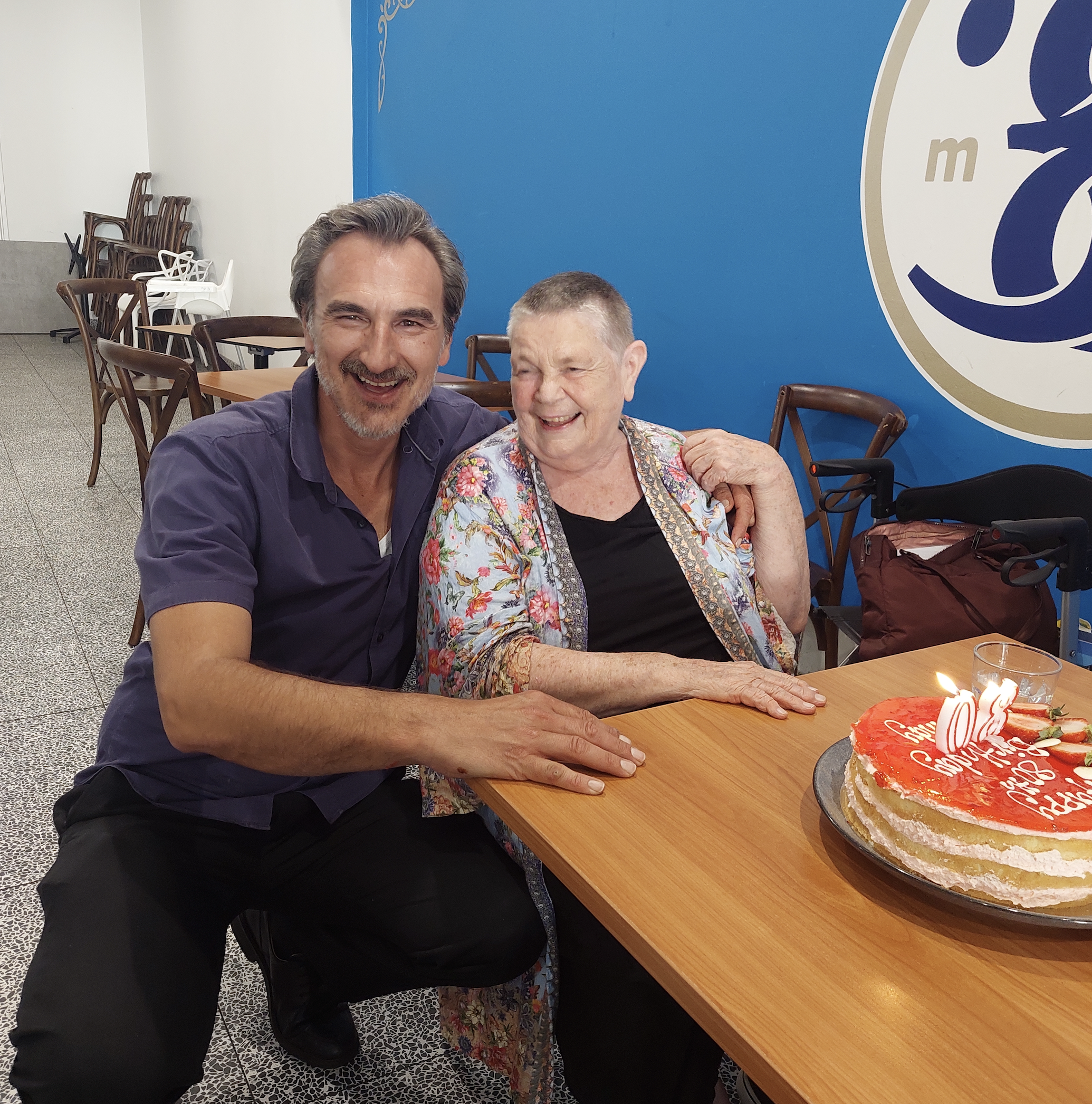
Restaurateur Rade added his magical smile to the day as he did at both of my book launches at Elatte last year. After lunch, he organised the cake onto a platter, nicely sliced and generously provided plates, cutlery and serviettes. He always makes me so welcome.
Inez organised the cake, and Valerie brought the pot plant, but the gifts were from TramsEnd Poets. I thank everyone for the kindness they showed me.
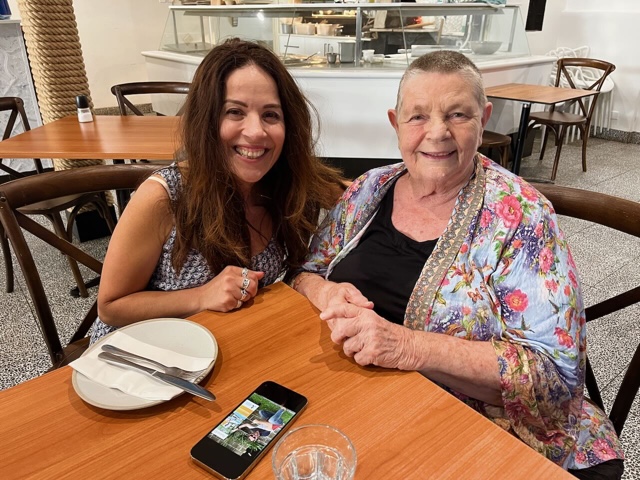
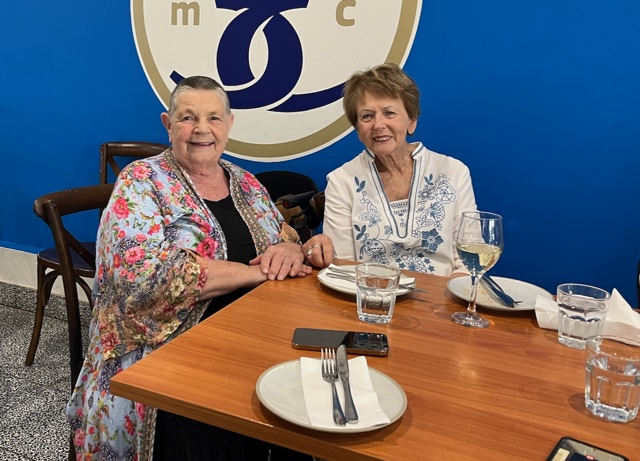
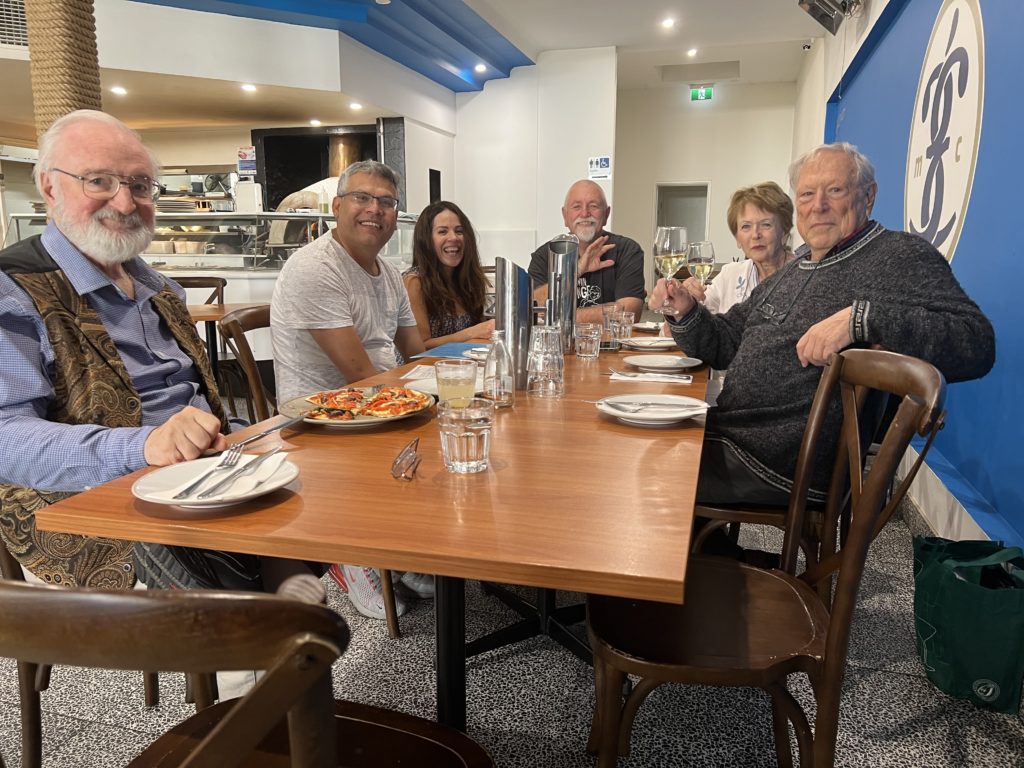
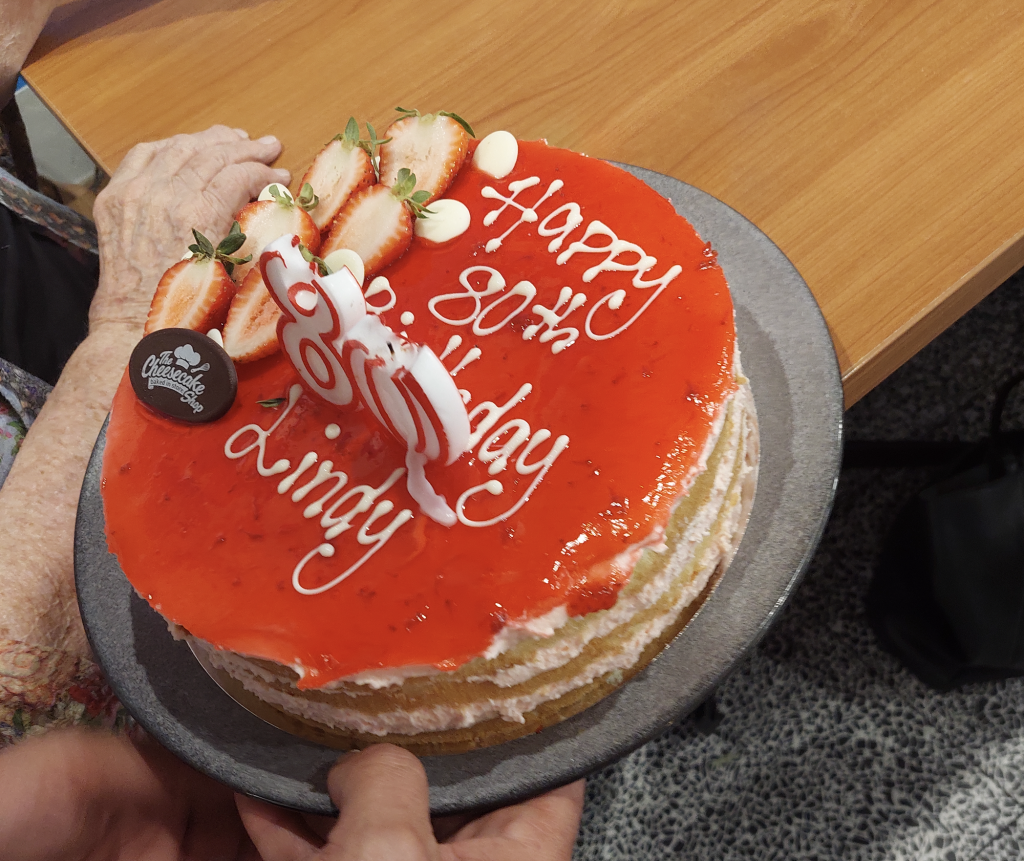
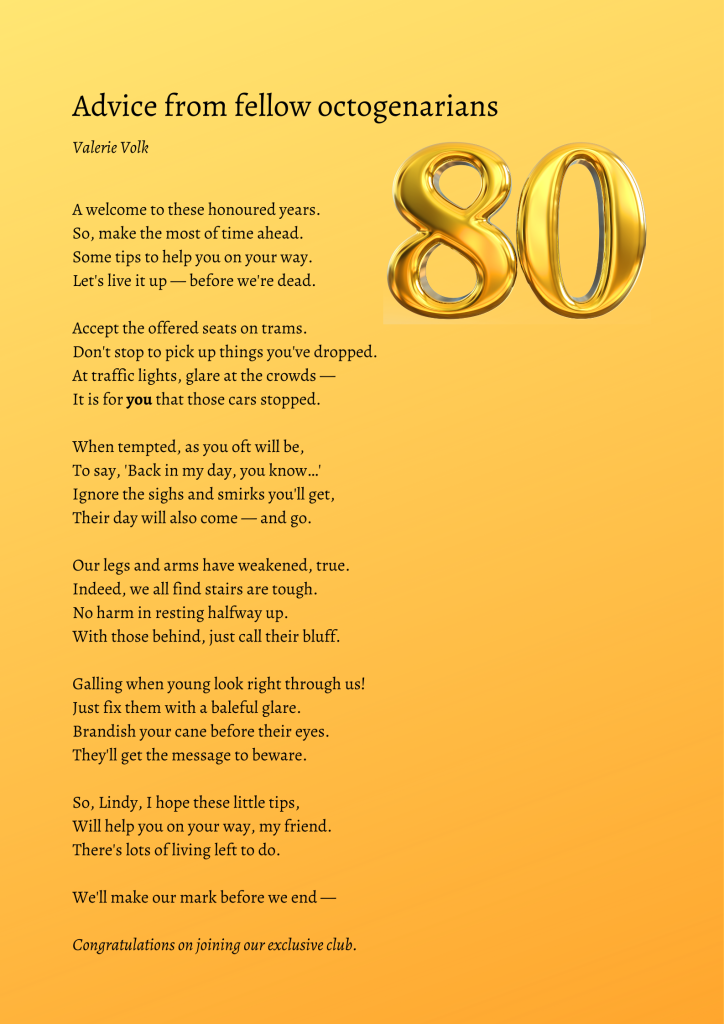
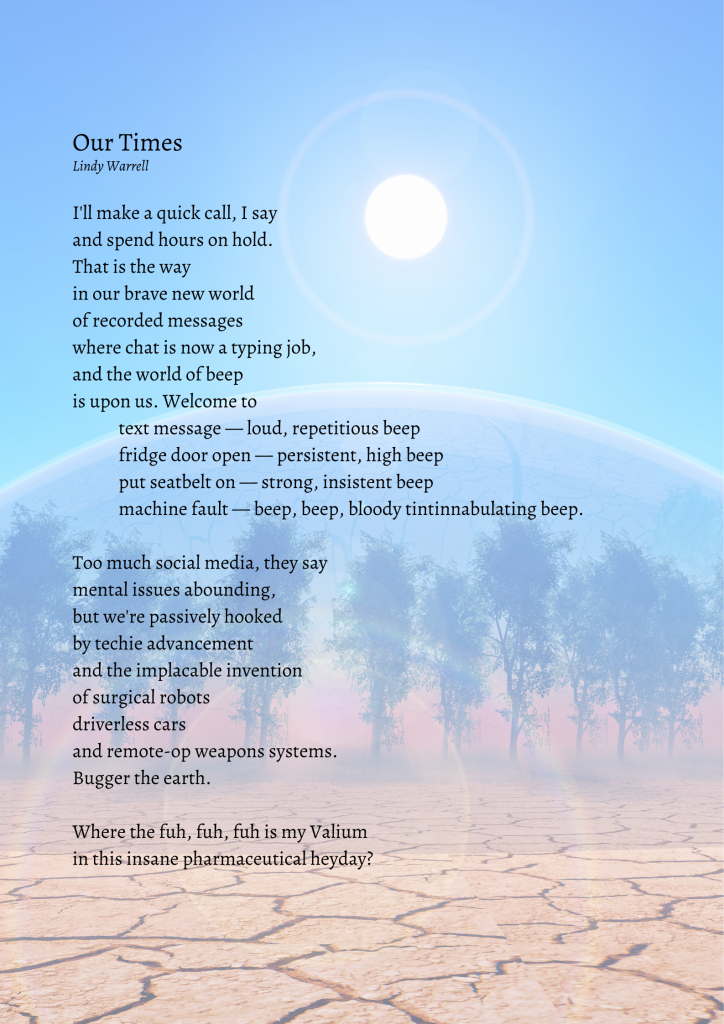
The 80 candles have a history, first used for David, then Valerie, and now for me. To accompany them, Valerie also wrote this delightful poem welcoming me to the octogenarian club. Who would have thought?
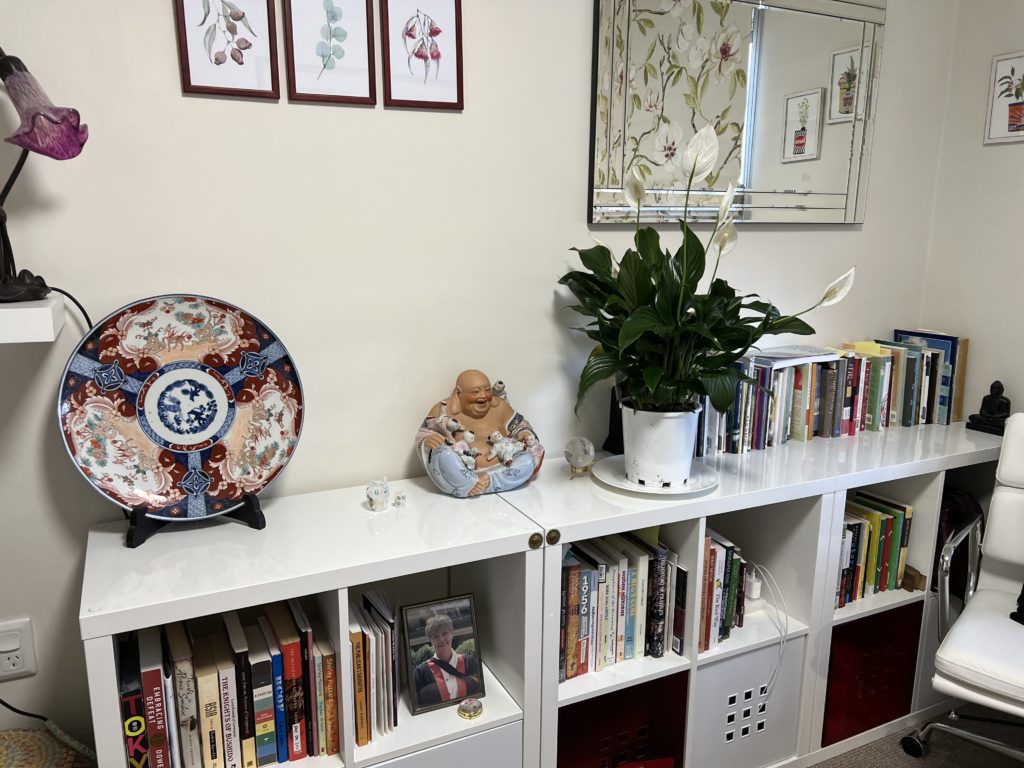
When I was a kid, I refused parties because I feared nobody would come, and I’ve remained pretty low-key about birthdays ever since. Turning 30 was my scariest; it signified that it was time to be an adult. When I turned 50, I celebrated quietly as for this one, but with my youngest son, Mark. We had lunch at home, and he gave me a single red rose, which I put on the table. My other two children were then living far away.
Childhood
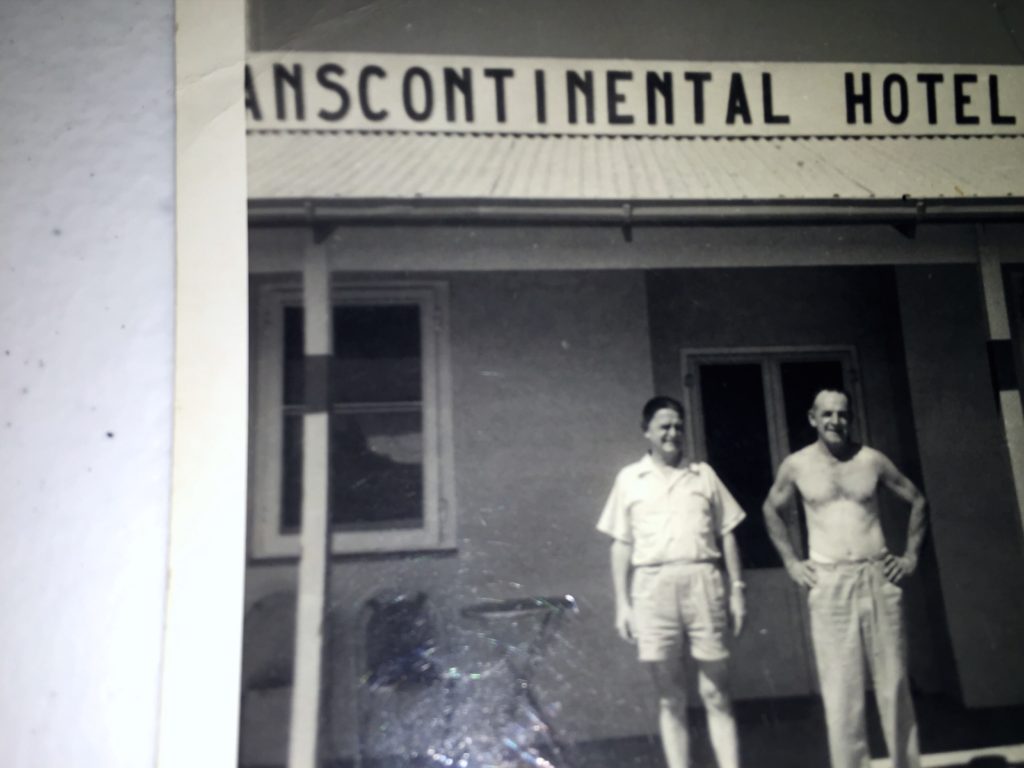
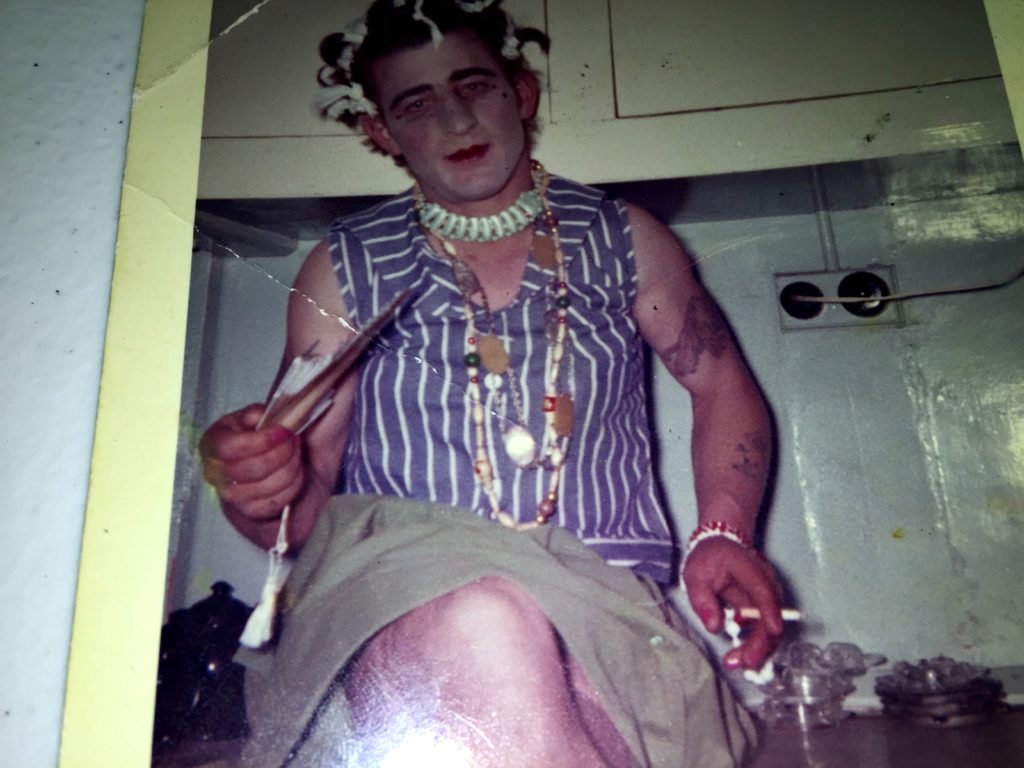
I have spoken about my childhood several times on Wattletales, so I’m not going in-depth here except to say that my peripatetic life has gone from occupied Japan post-WWII to Oodnadatta in my late teens and early twenties. Just two of my two worlds, about as far apart as you can get, as these collages show.
Marunouchi Hotel, Tokyo Japan with BCOF
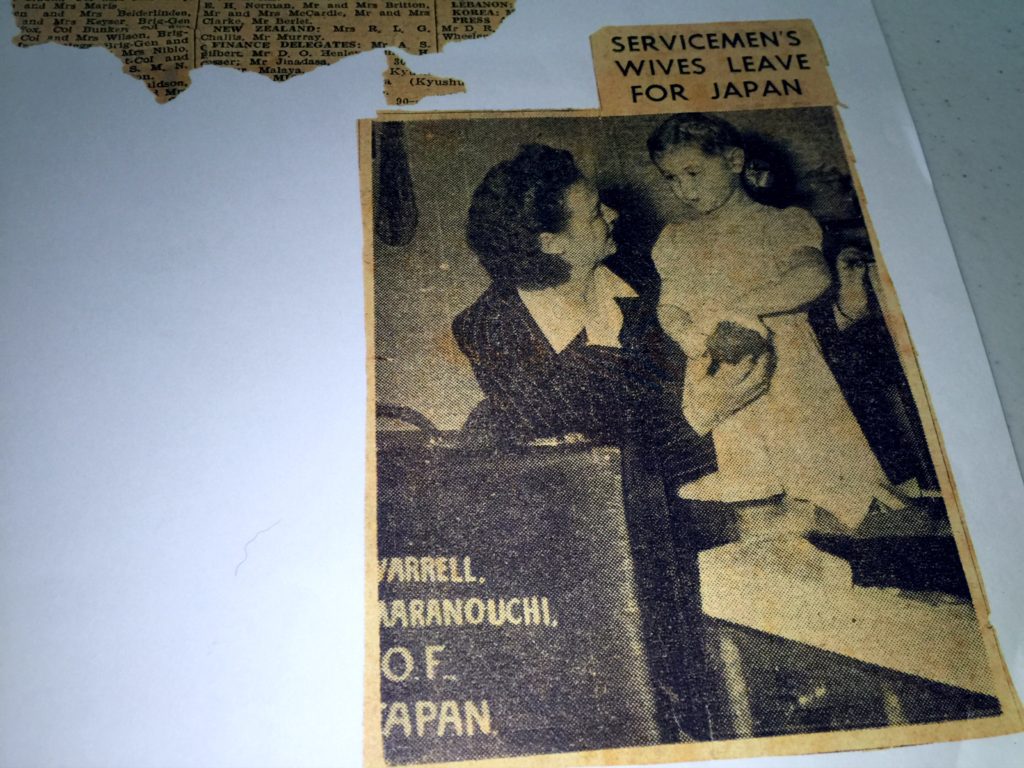
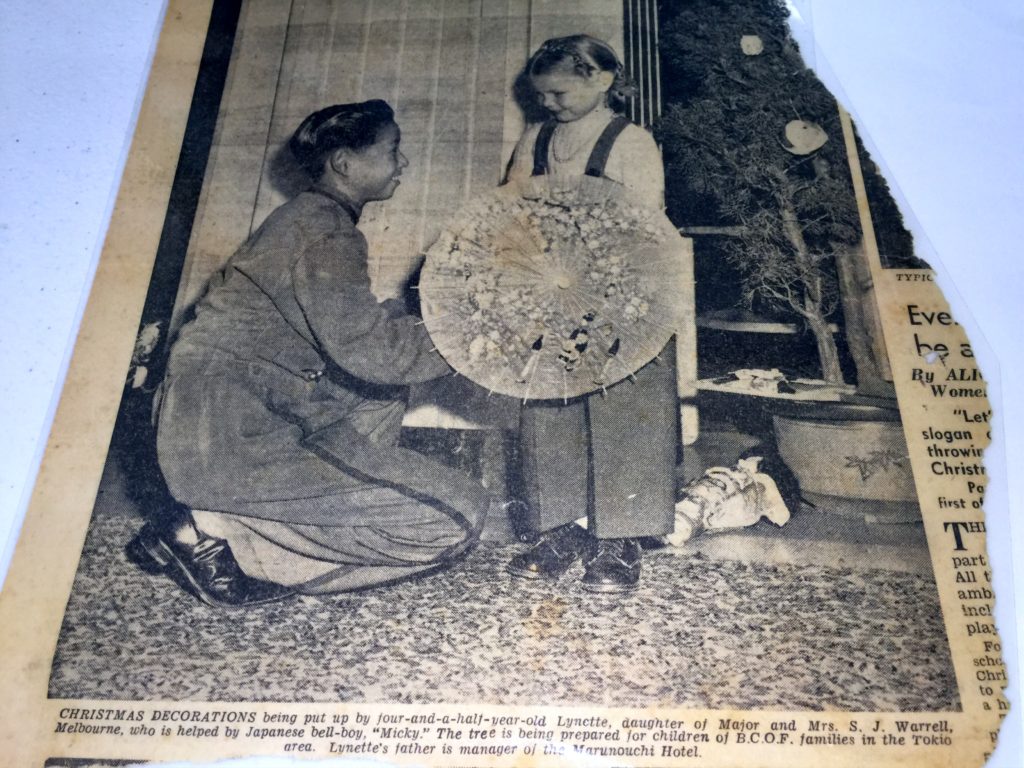
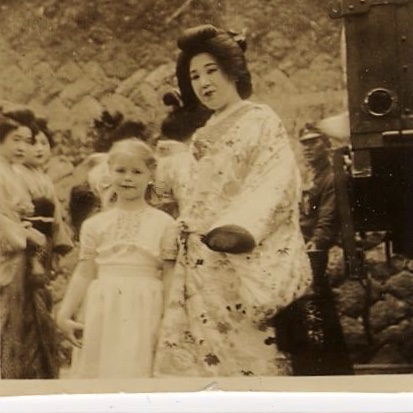
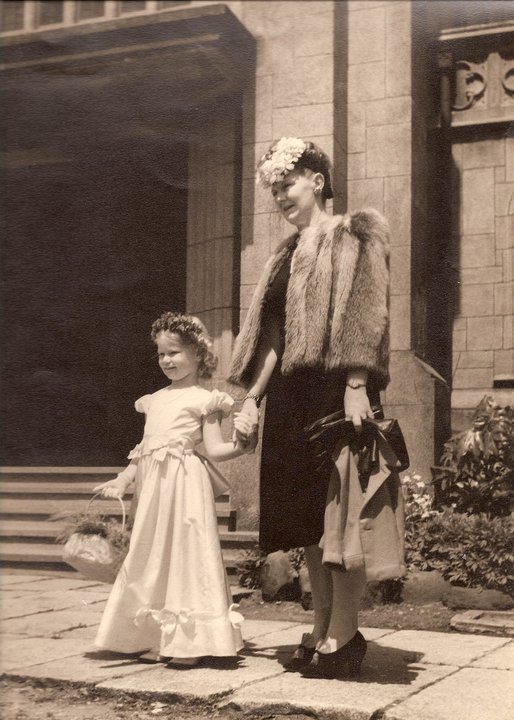
American military wedding.
Transcontinental Hotel, Oodnadatta, SA
I continued to live and work in pubs at different times in different places over the years as a receptionist, cook, waitress, cleaner and barmaid. I worked in two well-known Glenelg venues in my early forties to save before going to Sri Lanka with my kids. Sometimes pub work was my mainstay, at others, a handy backup.

Mum & Dad on R

Change is the Only Constant in Life
As a teenager (a concept that entered the lexicon as I exited adolescence), I yearned to be 25. It seemed like the aspirational moment when I’d become an adult. I wasn’t a legal adult when I married a violent man at 17, a matter that required parental consent, which had no corresponding power to control my husband. At law, I could drive at 16 but not drink alcohol or sign documents until I reached the Age of Majority, at 21.
I once published a paper about the changing nature of Australia’s liquor laws,* exploring the age of consent for drinking alcohol. Since federation, the age limit has bounced up and down and was once 12. True.
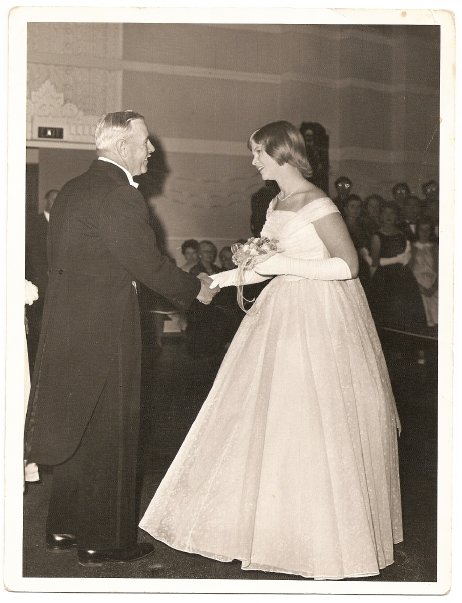
when Dad managed the Pier Hotel.
When my three children and I lived in Sri Lanka during 18 months of field research in the mid-1980s, strings of young coconut leaves lined streets with houses where someone had died. This familiar sight inspired my kids to ask why so many people died in that country. The answer, of course, is that at home in Australia, we pretend nobody ever dies. As a culture, we mark death in enclosed cemeteries except for personal floral tributes at road accident sites which, like strings of young coconut leaves, wither in place. Death is a truth we tend to evade.
Soldiering On
I attempted unsuccessfully to survive marriage three times. I call my second marriage the real one because, from it, I had three wonderful children in 1971, 1972 and 1974. Their father left me when the youngest was still at kindy. I railed against my situation, playing the victim when I could. I assigned blame to mask a broken heart, although nobody thought I had one back then.
Yes, I was unhappy in the marriage and had been wish-dreaming that my husband would die because I lacked the initiative and courage to leave him. Dad encouraged me to do so while Mum, her best friend, and other older women advised the opposite, saying I shouldn’t do that to my children. I think the advice would be different today.
As a mother, I did what we must do. I put my head down to live and take care of my children. Solutions do not always exist, and life commands us to keep going, so I quashed dark thoughts. Deep down, I resolved to do nothing extreme that could hurt my children. Of course, there were other inadvertent ways of doing that. As it is, my children have their own stories, and all will differ from mine as they should.
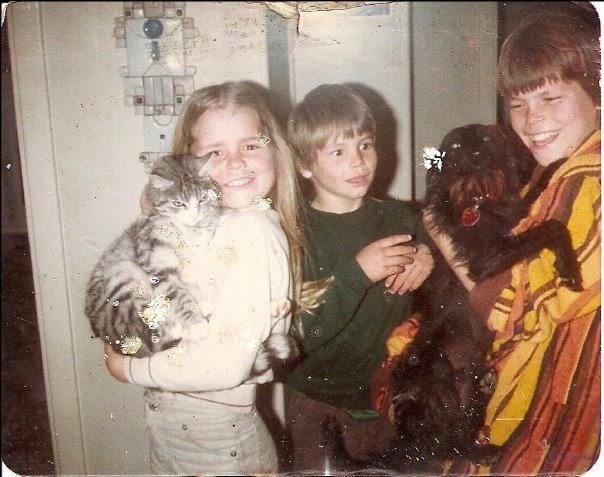
We had to leave the pets behind to go to Sri Lanka.
My Salvation
After my marriage collapsed, I worked part-time managing a well-known Adelaide ballet school for my brother, Phillip Warrell and Rex Reid, both dancers. I caught a tram to the city every morning after eating a scrambled egg on toast till the monotony froze me in depression.
One day, a kind person (one of the well-heeled mothers) suggested I undertake tertiary study. ‘A clever girl like you’ is what she called me, who left school at 15. At her suggestion, I sat and succeeded in a university entrance exam that gave me a spot as a special entry student at the University of Adelaide.
On campus, I walked around feeling as though someone had stamped intelligence on my forehead. It was such a privilege. I loved university life, where I was finally free to devour books as I often did as a lonely child.
I made new and exciting friends and learned far more than the curriculum offered. Things I knew intuitively fell into place, and I revelled in a world rich in ideas and creativity. I even discovered feminism — for free because of Gough Whitlam.
Going Back
I was the first in my family to get a university education.
My father was born in Sydney’s Glebe slums in 1910 and walked barefoot three miles to and from school. If he got a pair of shoes for Christmas, he was thrilled. As a little boy, he became a bookie’s runner until he got his first ‘proper’ job labouring, earning ten shillings a week. Later, at 11, he joined the Navy and then the Army for WWII.
Mum worked in a woollen factory in Melbourne. She joked that she and her sisters had to pull fluff from their noses on the way home after work every day. When she died of lung disease, medical science said it was because she smoked. History ignored.
My first pay packet was six pounds from memory when I worked in a garage in Port Lincoln, pumping petrol aged 15-16. When we speak of inflation today, these figures tell us that our system is inflationary by definition, and one wonders where it might end.
The Simple Life
When I was a little girl in St Kilda, Melbourne, milk came on a horse-drawn cart. At the gate, the milky ladled fresh milk, which had a deep layer of cream, into domestic metal pails. When my children were little, the milky delivered milk in bottles to the front door, still creamy. There is no cream in the hundreds of milk brands now lining supermarket shelves. It is all about choice, they say, as competition helps profits to soar.
During my early teens in Mentone in Melbourne, before I left school, my parents and I sat around a little table, watching a wireless similar to the one pictured below to listen to serials. We had no television in Australia then and no mobile phones, not even cordless ones, and some of us didn’t have a phone at all.

Personal computers were unheard of, and you got your driving licence without a road test, as I did in Port Lincoln, South Australia. (Even after coming and going from SA, I still have the original licence number!) It was safe to go out at night. Men had punch-ups but didn’t end up in gaol, and nearly everybody smoked until the mid-1980s.
It wasn’t all good, but life was far simpler in my youth. Choices were fewer. If I go back to pre-adolescence, getting an icy treat meant choosing between a milk or water ice block in a square cone. They came in about three flavours. Milkshakes (my favourite was Blue Heaven) were a treat. Teenagers rarely had cars, and although I got my licence at 16 (before I could do any other adult things), I didn’t buy my first vehicle until I was 27.
Even when I had primary school children at home, people still played board games or cards at night or had singalongs, and families often did nothing more than watch little ones play. These activities brought generations together, whereas the push of technology and progress now separates us. Television did not then dominate as it does today, with multiplying streaming services and bewildering choices.
Progress
Where once a household had a single television set, it is now likely there’s one in every room. We don’t share computers; we have one each. This may be a generalisation, but I suspect capitalism’s impetus, like the technology it spawns, is to segregate and multiply the number of consumers it feeds in the name of profit that makes obscene levels of wealth disparity possible. Loss, in these terms, means less profit. Think about that.
Our economic system is a greedy monster that dehumanises as it grows, bringing isolation, loneliness, depression, and, for the young, a sense of disconnect, to which the only answer seems to be pills.
On a High Note
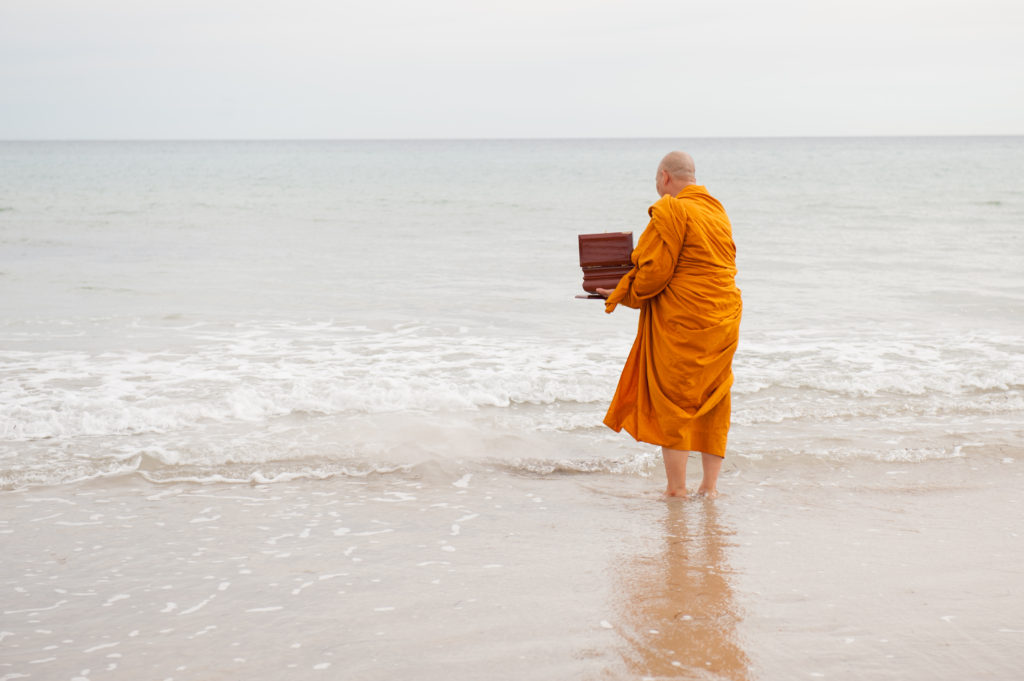
Of course, bad times and suffering exist at any age or stage, always interspersed with great satisfaction and happiness. As my dear Buddhist monk friend Bhante Ly would say, that is ‘the life’ (samsara).
My parents suffered extreme poverty during the great depression, and many of my friends experienced it as children here and elsewhere. As for World War II, we must never forget the suffering of the Jewish people or the devastation of frontier wars and war everywhere.
War separates and divides us as humans on an increasingly fragile planet. All we can do is live our best life with what we have for as long as we are lucky enough to be here. And I am indeed blessed to have come this far.
A beloved friend taught me we could overcome adverse circumstances, even severe illness and ageing, by maintaining curiosity. With this in mind, I try to treat each experience as new in the manner of dogs on walkies.
My advice now is to let small things fascinate you, the things that briefly flutter your heart or tickle your fancy. Take joy in a baby’s smile, a cat’s purr or a dog’s wagging tail and shiny, loving eyes. Relish sunshine after rain. See how leaves glisten. I love to luxuriate in freshly washed bed linen and take hot showers in cold weather. I have my down moments, but small things and my joy in writing remind me daily how fortunate I am to still be in this suffering world.
Happy Writing
Wattletales
REFERENCES
* “Flirting with Morality in the Law: The Booze, The Bouncer and Adolescence Down Under’, in Anthropological Forum (1995) Vol.7 No. 7 pp.332-334
Hello,
When I was teenager I got a photo that caught my eye from an antique store. It’s of Phillip Warrell in Oklahoma 1975-6 & has a note ‘to mum & dad… love Phillip’.
It sounds like this might be your brother?!
Would you like the photo?
Dear Veronica, Thank you. I’m glad you like the photos 🙂 I don’t 80 is the new 70, but it is a pretty good birthday to get to LOL And, yes we have to make the most of each day and what we’ve got.
Thank you once again Lindy. Some of what you’ve written I’ve already known but it reads well. Valerie’s poem is beautifully done and I loved the photos of your past life.
Funny you should say your favorite milk shake was Blue Heaven. I only ever had one of them and came out in huge hives.
So, is 80 the new 70? Or 60? What the heck…if we all could make the most of each day we’d all be a lot better off, and less stressed.
Hello Stephen, Thank you for taking the time to read my post and comment on it. It’s great to know there are other people out there with similar histories. From Facebook, I’ve felt for a while that I’ve met you but goodness knows when or where but writing is a great connector. And, yes we must live for the moment, doing what we can 🙂
Thank you for this engrossing post, Lindy. I’m just a few years younger than you and grew up in Glenelg. I went to Uni of Adelaide too, but earlier than you. My children came in the same period as yours and they also grew up in Adelaide. So we have quite a lot of history in common and share a love of writing. Our time of life facilitates a perspective and an inner poise which can enrich the world, both of today and of the future. Let’s do what we can, eh? All the best!
Deares Julie, I doubt you’ll actually catch up. The mind boggles at that thought, but one day, your turn at being really, really old like me will come. Thank you as always, for reading with an open heart. Just remember, teenagers think 30 is old. It’s all relative LOL.
Thanks, Jenny. I’m glad if you found it interesting enough to read through and comment. I hope that means it touched a chord with you.
Thank you again for your insightful story, Lindy. ♥️
Eighty is a mighty age, and although your body struggles, your mind still titilates your readers.
What a remarkable time; what changes you have both endured and delighted in. Your generation has seen more changes than during any other time. Some changes are overwhelming, technology inclusive. How wonderful though that you remain connected without having to step outside.
I remember milkies delivering milk in bottles. You saw milkies in horse drawn carts. Remarkable.
You have seen much more than me, Lindy, but I’m catching up in age. A friend said recently that I’m looking good for 70 ???
Oh dear . . . but perhaps it is my worldliness that fooled her. That’s my excuse. LOL
Love always
Julie Cahill. Xx
I couldn’t stop reading this piece, yet again Lindy. It encompasses what comes to mind as you write ..no doubt. I love it. Thank you for sharing your inner world with us.
Warm wishes,
Jenny
Oh, you’re back from your worldly meanderings. I hope you had a wonderful time. Thank you for reading and it’s lovely to get your feedback. Life gives us a lot, takes a bit and then gives again. Hope to see you again soon, Craig.
Thank you for reading…it is a nice friendship we seem to have many things in common. Thank you, too, for that.
What a great yarn of your life, so rich and fulfilling amongst a few ragged moments. I look forward to reading your next chapter in a decades time.
Craig xx
Wow! Loved reading your life story, Lindy. . You so blessed . .
I am so blessed as well having you as a friend. . Thank you for this virtual friendship ❤️
Dear Alison, thank you for your thoughtful comment. I’m glad the pictures had an impact. They aren’t all that good quality wise, but they help tell the story, don’t they? As for happy time ahead, who nows how long we have, it’s a journey for us all.
Dear Val, thank you for taking the time to read this piece. I appreciate your comments and good wishes…we just have to wait to see, don’t we, how many years we have to come 🙂
Lindy, what a lovely and love-filled story of a life well-lived with so much good work still to give. The pictures are as touching as the words, each in their own way. Especially affecting is the photo of your friend Bhante Ly blessing your son Grant’s ashes to be scattered across the waves along with flowers. We are all so lucky to have you in our lives. Happy 80th and many more happy times ahead.
Wow! I loved your reflections on your interesting life Lindy. I can relate to those comments of how the world 🌍 has changed. I admire your courage and your writing style. Wishing you many happy healthy years to come.💐
Thank you, Andrew, for reading and commenting. Yes, now is all we have, and aren’t we lucky? Sometimes we get thrown off the path, but returning to this moment brings peace. I reckon 🙂
Wonderful words from a wonderful life let there be no tomorrow just today wonderful again and again
Oh! Thank you for such a lovely comment. We do share a history, and people don’t know, do they, what is was like? As your poem says, they glaze over and turn away. I’m glad you enjoyed the post and I value your friendship too 🙂
What a superb overview of a life, Lindy. You take us into your world, and evoke so many memories of my own. I feel privileged to know you and to have you as a friend. May the next years be as richly blessed as the first eighty.