

Questions Without Answers
When I was young, the notion of personal choice had yet to take hold of the collective imagination. Life happened outside of us, by accident. We worked with the hand dealt. Growing up without TV, let alone social media, I was an avid reader, filled with curiosity. I hid in the high branches of our mulberry tree, dreaming of becoming a famous author. While I didn’t get that far, I am a writer in my old age, and my question is, how did I get here, by chance or choice?

I left school at 15, married at 17, and divorced the first time at 21. I did not start writing poetry or anything else until my late 60s.
In my early twenties in Darwin, the curiosity that still drives me led me to sit up all night with government hostel friends debating Big Things over beers. A little pissed we may have been, but we explored questions like, could any act genuinely be altruistic. We argued about why humans were on earth and what it meant to be one. Deep shit! The fact that there are no absolute answers to such questions kept my curiosity gig going.
At University many years later, I achieved my first distinction in a philosophy course called Free Will and Determinism. It may, in some long-forgotten way, implicitly underpin this post. At uni, I also fell in love with anthropology. It helped me to understand that there are no answers, further stimulating my magical curiosity. I lost it a few times over the years but, when I retired, it appeared again in my stories and poetry.
What choice, marriage and children?
At school, I was elevated to a higher ‘humanities’ class for being bright, then dumped into the commercial stream dedicated to shorthand (at which I excelled) and typing because my creative writing did not conform. My first job when I left, was situated in a new building, the 19-storey ICI House in East Melbourne. I wore a hat and gloves for that interview, as you then did to go into the city, and my father sat in on it.
I never got to work at whatever job I was interviewed for because my parents decided to move to Port Lincoln in South Australia for my brother’s health. Resentful about being forced to leave Melbourne, I applied for a job as a stenographer in New Guinea, then under Australia’s auspice. When that failed, at 17 and desperate to leave home, I married a man 13 years my senior whose proposal came out of the blue. He was violent. The marriage ended after six months, and by 21, as I said before, I was a divorcee.

By the time I was 26, everybody had started asking why I — ‘a pretty girl like you’ — didn’t have a husband. My mother sent me to a psychiatrist to see if there was something wrong with me for that very reason. True! The psychiatrist had me sit the Mensa test, where I learned that I had an IQ of 160.
My problem, if I had one, was that I felt undervalued in my own right, so I became openly brash like the publican’s daughter I was. Rather than feeling shame for being single, I’d announce to the curious that if I were still unmarried at 30, I would find a suitable sire and have a child by myself. That demeanour was a choice.
I soon refined my ‘quick wit and smart answers’ repertoire, developed growing up in pubs, as a means of protection during my reproductive years. Having actual children was never a decision for me. I had no idea what having a child meant and did not yearn for a baby.
Times and Tides
Many equally unthinking years later after my second divorce, when people still had not learned it was rude to enquire after my marital status, I heard myself proclaim that I’d had three marriages and three children. I thought I was funny. For me, having my children was not a choice; it was just what you did in marriage. My husband deserting me, as they used to say, started another phase of life that was beyond my control or choice.
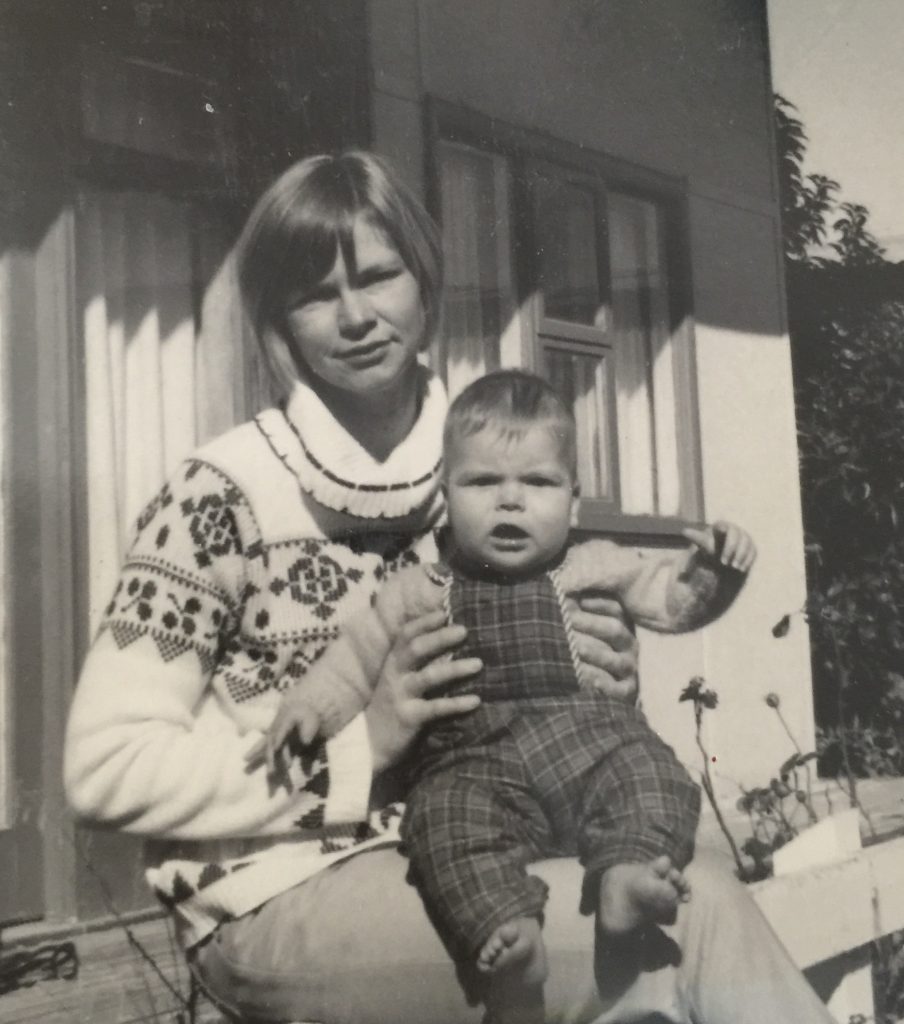
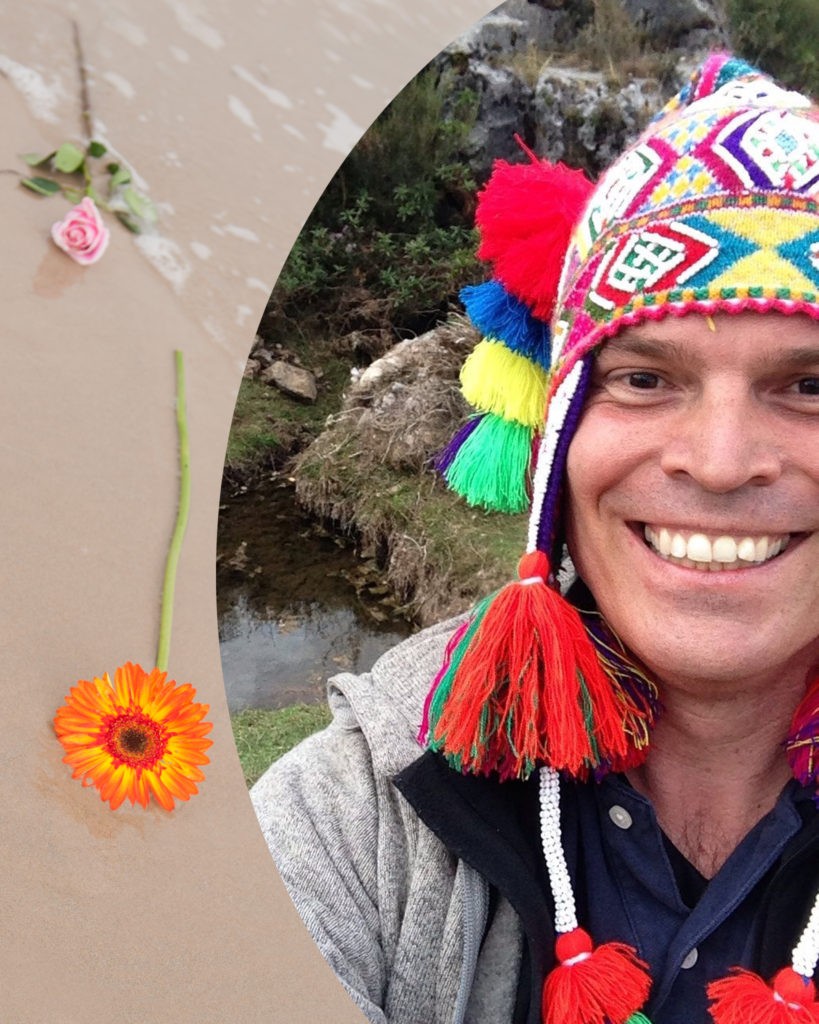
Admittedly, when my first baby arrived in this world, I fell so profoundly and unexpectedly in love that I wanted more. That dear child, who died six years ago this December, asked me when he was a little boy how could I have known that I’d love all of my children. I replied that love expands and grows, which it does, and, it never fades.
The Fates Also Give
Sometimes, an accidental life brings good things.
One day when I was managing my brother’s ballet school in Whitmore Square, a woman who heard me grizzling that each day was exactly like the last, scrambled eggs for breakfast, kids to school, onto the tram for work, suggested that I apply to undertake tertiary study. To qualify for special entry, I had to write a 500-word essay — the first I’d ever written — in the intimidating atmosphere of Adelaide Uni’s Bonython Hall.
The subsequent interview asked why I thought I would succeed. And incredibly, given that my marriage had broken down just weeks before, I replied that I had never failed at anything in my life.
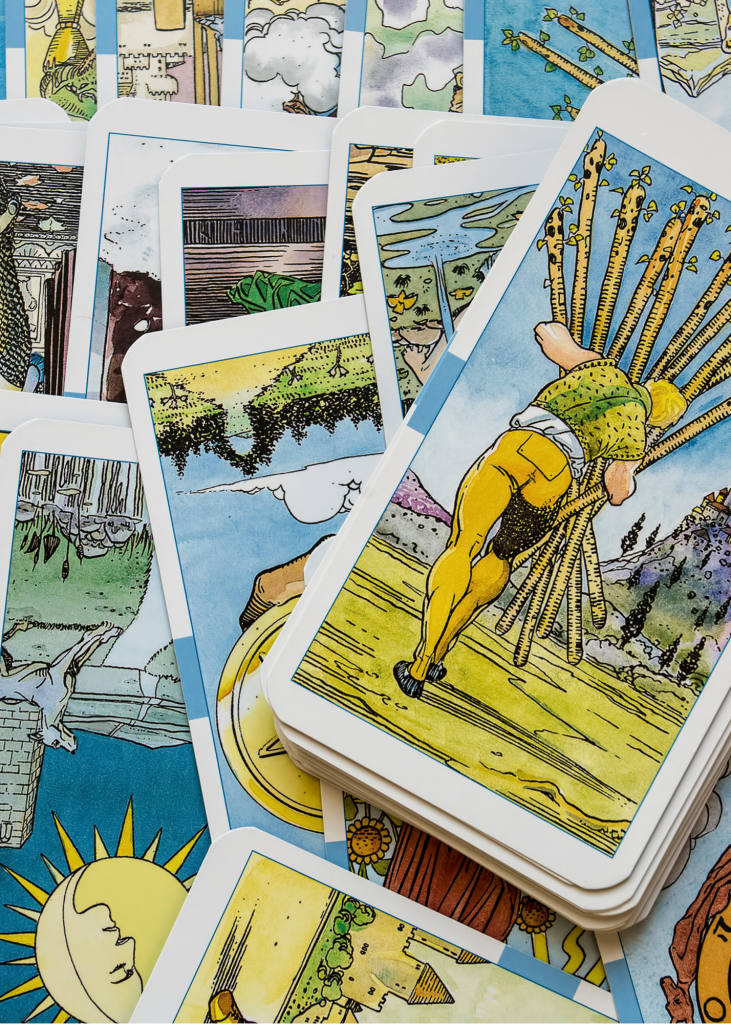
While taking the entrance exam was my choice, Gough Whitlam gave me my chance. As Prime Minister, he made tertiary education free for those who could not otherwise afford it. Without his generosity of spirit, the tertiary study path would have been closed to me. Today, students who don’t have wealthy parents must acquit huge fee-debts the minute their earnings meet a defined threshold. The cards then were definitely in my favour.
Anthropology’s Gifts
Once I had the chance to go to university, I chose anthropology. I first heard about it in an orientation lecture that made me feel as though I’d come home. The discipline combined my interests in philosophy and language. Plus, it allowed me to question everything as I once had in my youth.
I was entranced by other cultures, worlds, cosmologies and identities and the way culture is constructed in practice, narrative, and interpretation. I studied the intricacies of magic, shamanism, mythology, mysticism, belief, Eastern religions, esoteric philosophies and Indigenous stories. Who wouldn’t love that?
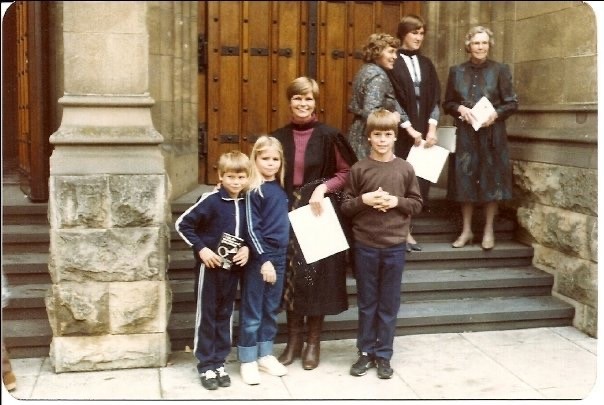
Still, it was a tough gig being a full-time student and working part-time as a single parent of three youngsters. I was poor and very much alone except for the support of my parents. I once commented on this to a young, single male student, a competitive guy I thought of as a friend who stopped speaking to me after I got an extra paid teaching tutorial when we were postgrads. He told me angrily that it was my choice to have ‘all those children’. Well, no!
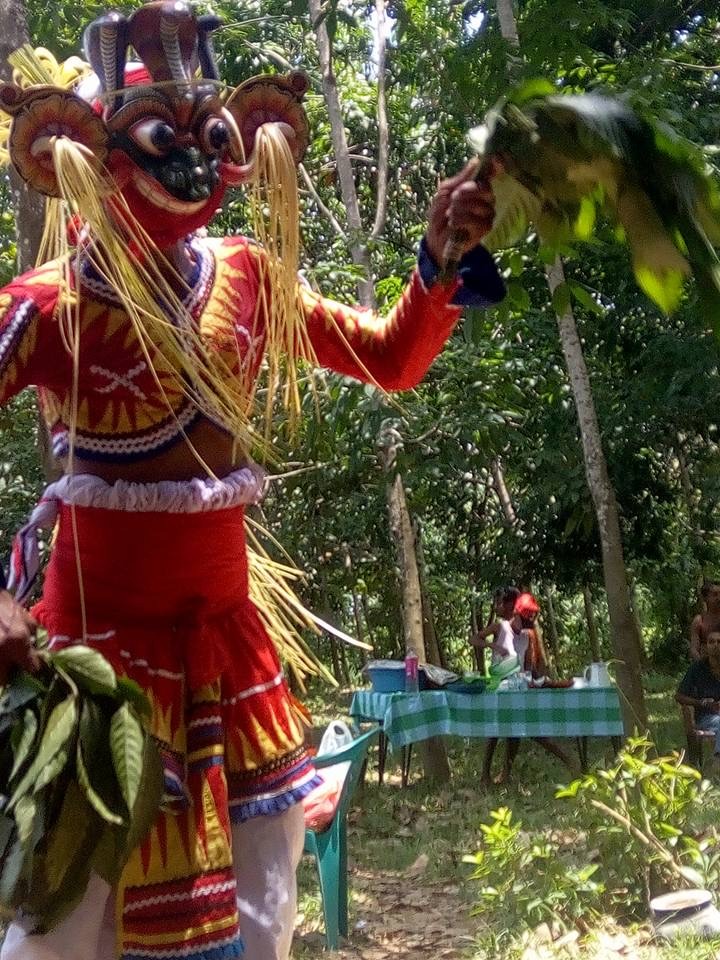
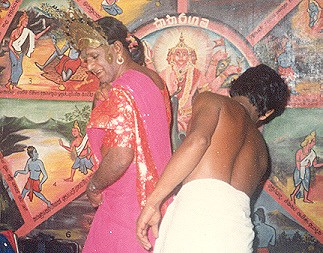
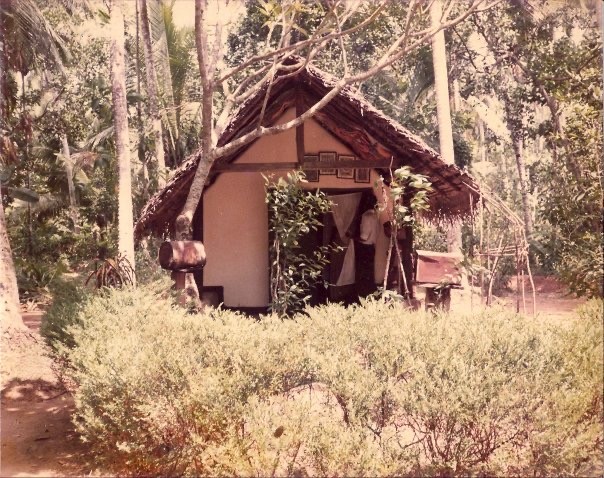
Anthropology took me to Sri Lanka for fieldwork. I took my three children. Opportunities later arose for me to travel to Singapore, Thailand, Nepal, China and India.

By the time I retired I’d also had the immense privilege of working for many years with Aboriginal people in most states across outback Australia: tales for another time.
As For Destiny
Many things in life are accidental, unforeseen, unbelievable or unacceptable. Some bring joy, as anthropology did for me. And, although I had to wait most of my life for it, I am living my dream of being a writer in retirement. While I experienced most of my life as a series of accidents, I wonder if the universe took time because I needed to learn things before I could write anything worth reading. My life has always been dislocated, an odd mix of choice and chance, and I still don’t have too many answers.
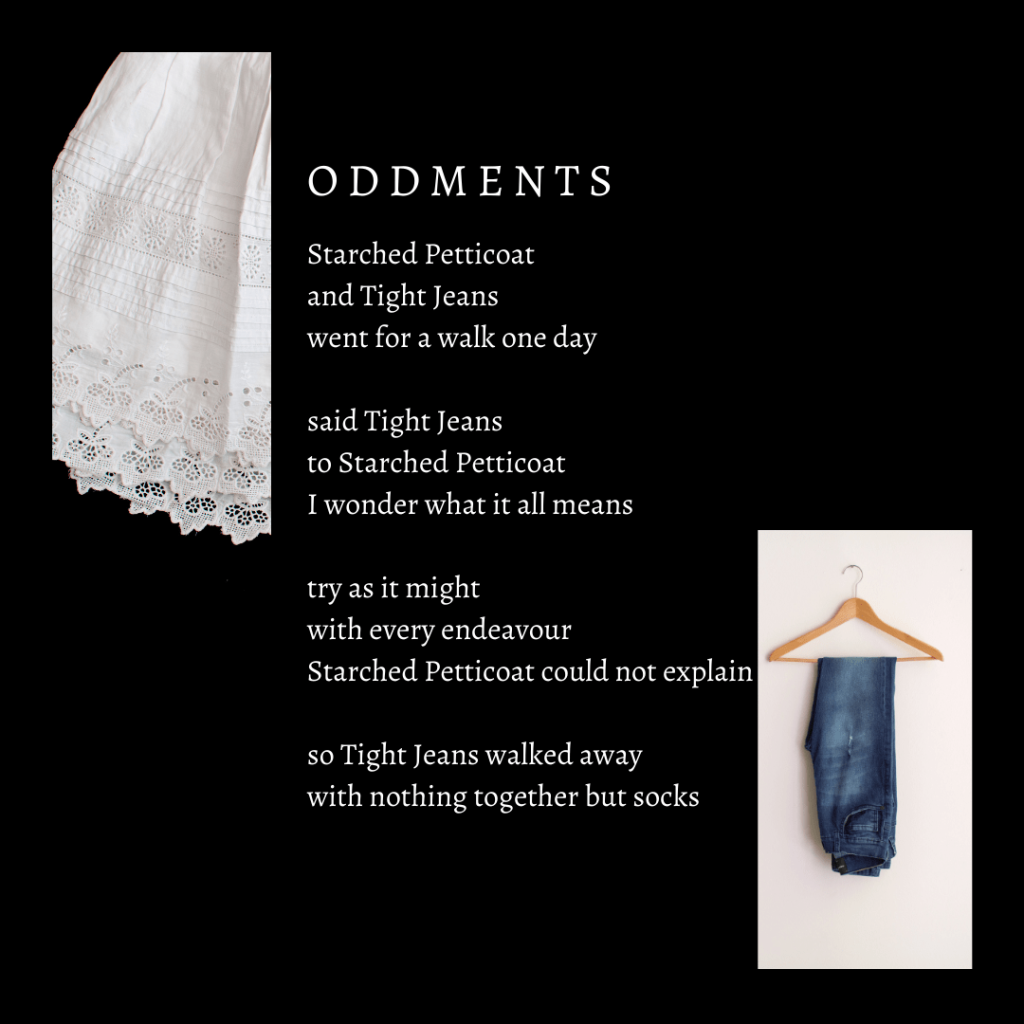
Contra Prime Minister Morrison’s silly attempt at an aphorism, ‘if you have a go, you’ll get a go’, I believe the reverse. It is by chance that we are born with varying degrees of emotional, physical, familial and social capital. So my comeback for the PM is, ‘one has to have a chance to make a choice’.
Only one thing is certain. We all die.
When You Write
Remember culture, politics and history are implicit in our lives and identities, we cannot disentangle from them. To paraphrase Shakespeare, we are all players on the stage of life, and we cannot escape our context.
Try This
List 10 incidents, events, happenings or things that transformed your life irrevocably or affected you profoundly that you could write about as a memoir. In movie parlance, I’m talking about ‘sliding-door’ moments.
The trigger for this event might be something someone said or overeating chocolate one miserable night, to marriage, childbirth or menopause, the death of a loved one, a significant illness, travel experience or finding religion — anything at all that led to realisation and change.
How has this incident transformed you? Try to tease out the contextual factors and include them. Are you where you thought you’d be when you made decisions ‘back then’?
TIP
Be honest!
Happy Writing
Wattletales
Veronica, thank goodness indeed. The rough and the smooth are necessary to each other and certainly make life interesting.
Another great blog Lindy. There are so many layers within layers and many people don’t take the time or effort to delve that deeply. I always think that life (Life?) gives us rough and smooth, but it’s the rough that tells us, not so much what we want, but what we don’t want. That is just as valuable and its how we learn. There is nothing so boring as perfection. Thank goodness none of us are that.
This was truly enjoyable, again.
Maria, Thank you for taking the time to complete your post. I can’t imagine what happened before unless I clocked in behind the scenes while you were trying to comment. Anyway, I truly appreciate what you say. I do try to live what I call an ‘honest’ life. Honest with myself, about my own stupidities and frailties and failures, because in the sum of life, that is who we are as much as our delights and achievements. It is basic Buddhism, but it is also basic humanity to get things wrong half the time and I sometimes think the pressure to ‘choose’ and the judgement for making mistakes or doing things that deviate from the ideal (which is a fails concept anyway) are what underpin so much mental unwellness in our world. If only we can forgive ourselves, pain will lift.
Hi Lindy,
here is the remainder of my post.
I was sitting in The Coffee Factory at Port Noarlunga, with Duke having a puppy-chino, yes, really, they do that at this cafe, when I found myself crying whilst reading your post. So many reasons for tears. Authenticity is hard to find in a socially-middle class, polite world. However, your work and you are authentic and I feel relief that I do not have to play the social game. Pretending is so tiring: it is like you have to allocate energy and resources to tracking your self-deception. Fatigue and depression follow.
Education is a liberation and like you Lindy I am a grateful and lucky recipient of Gough Whitlam’s visionary tertiary education scheme.
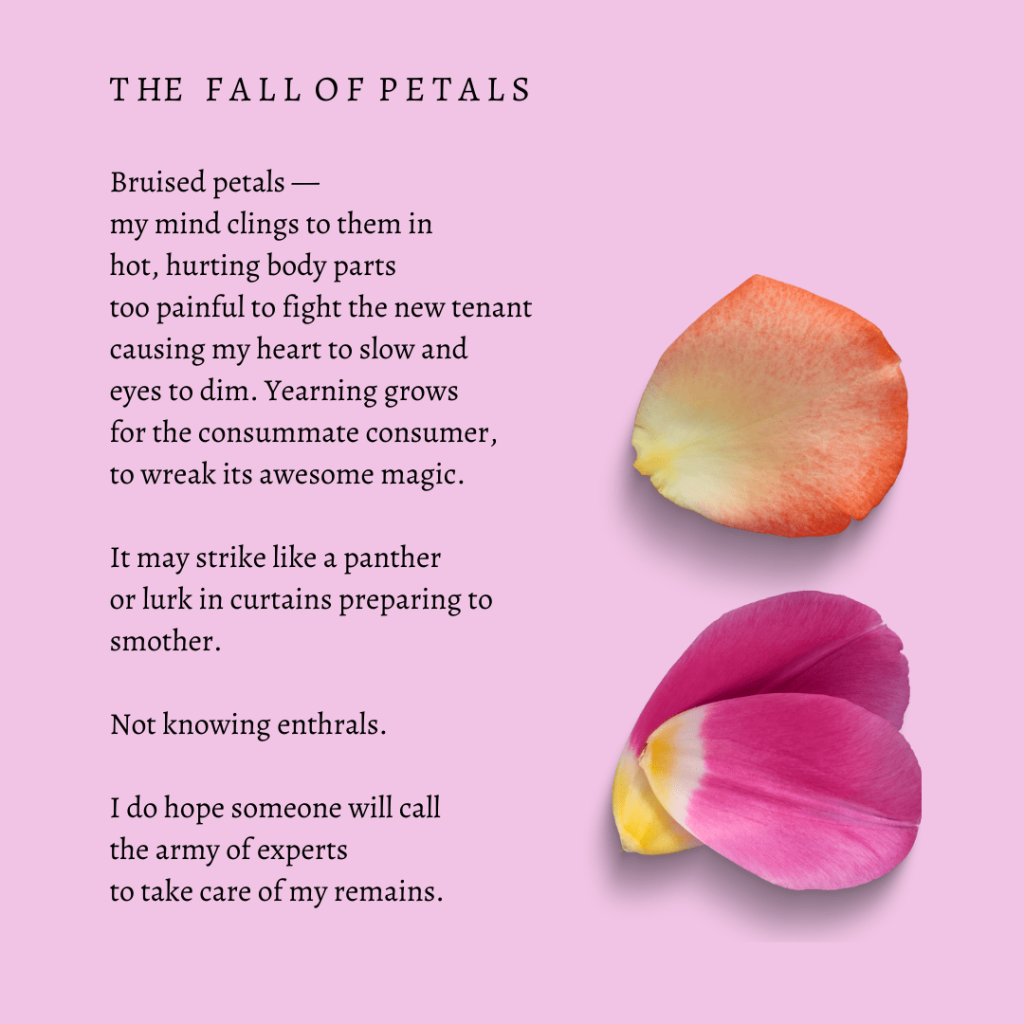
The poems are direct, honest and revealing with some strong metaphors and images. Great post.
Dear Maria, Coming clean about the truths in our lives is probably not the top topic for a blog, which is why I appreciate honest feedback. Thank you. I must say, I’m curious what the ‘er the a’ was going to say at the end of your comment. Please let me know 🙂
Dear Lindy,
I cannot thank you enough for your honesty and compassion. Of course your writing is intelligent, lucid and concise: it goes without saying. For me however the real value is the encouragement to do the same with my writing. er the a
I might shock ppl.lol
And why not? 😆
We each lead unique lives which need airing. ♥️
Bless you, Julie, you make me feel quite special with your comments. I think it’s time for a different topic… Enough if me. Can’t give away all my secrets.
Another intriguing glimpse into your make-up, Lindy, your life having been far from easy.
Your writing is professional, showing your strength and courage. Your passion for all lifeforms is evident.
Are our lives prewritten? We wonder at serendipity at times, but still stray from given pathways.
If conventional were to describe you, it would not have made it through kindergarten.
From your questioning comes wisdom. You write succintly, and open mindscape for many.
It is difficult to believe you have only been writing poetry for a short while. Your talent is diverse, Lindy, in the wondering and sharing of magic.
Thank you,
Julie Cahill.
Oh, I love getting your feedback Carolyn and so pleased you get something from my posts. Thank you so much.
Thank you for sharing these interesting and enlightening words, Lindy. Life is many things, in the many stages we may have in our life. Choosing, or having life chosen for us, however we go, dealing with it in our best way possible, whatever that may mean, that is what brings the best things.
And of course, exactly what those ‘best things’ might be, well that is the sometimes unknowable thing, that adds that sprinkling of interest to what life is. or might be.
Thank you for reading Steve. Glad you found it interesting :
Engaging and thought-provoking all the way through, Lindy. Thank you.
It sure does Belinda but I would not have had it any other way :). Thanks for the kind feedback.
Life dishes it up, that’s for sure.
Great writing