

Gifting
Have you ever heard of the Native American potlatch or the Kula ring of the Trobriand Islands? I read about these practices with awe and excitement in the French sociologist Marcel Mauss’ 1950s classic, An Essay on the Gift. In that little book, which you can download below, Mauss describes the moral, social and political power of personal gifts and communal feasts. I take my cue from him. Gifts are magic because they are never morally, socially (politically) or emotionally neutral.

Do you agonise over what to give or how much to give to various people in your life? Should we give what we like, what they want, or guess? Can we give someone a book we think they should read? What does that say about us? Do we secretly wish people might treasure our gift over others?
Giving or gifting, as it is now known, is a fraught area of social life, especially now, with Christmas bearing down upon us. Gifts magically pull our strings or push our buttons, and wherever you find magic, danger also resides, as this little poem suggests.
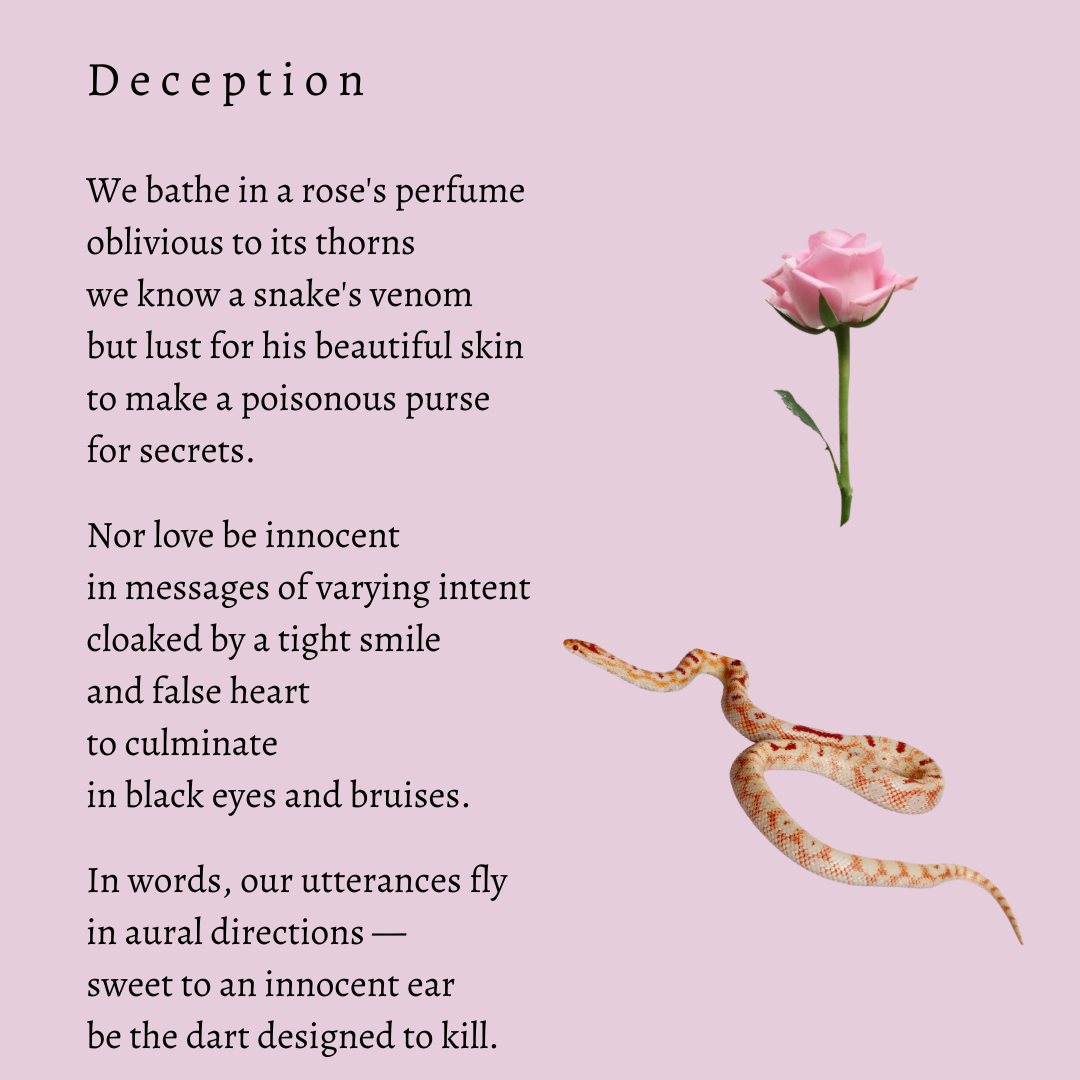
The Vulnerability of Receiving
My father used to say, ‘Thank you, Luv’, with such warmth to everyone, even when receiving presents he had no use for and was a pleasure to give to. Once, my brother gave him an expensive pure silk dressing gown. Some months later, I noticed another resident wearing it at Adelaide’s War Veteran’s Home in Myrtle Bank, where Dad lived. I didn’t tell my brother, who then lived in Canberra. It would have smashed him. It was Dad’s way to please in the moment.
On the other hand, Mum declared it straight up when she didn’t like a gift. She became cold with what felt like criticism to me when I was younger. I now understand that disappointment runs deep when we yearn to be understood as Mum did — as we all do — and a wrong gift can signify how alone we really are in this world. Gifts of love are often complicated.
Giving as an Act of Dominance
Some people shower us with valuable gifts as an overt statement of care that is often subliminally about control. Some do it to mask guilt or compensate for years of neglect, but this type of gifting is more about controlling the recipient’s perception. It says, look at me; I’m being good to you.
I dislike being lavished with gifts. I use the passive phrase, ‘being lavished’ advisedly, as it perfectly expresses the impact of such giving. Even with my cynicism, it makes me feel so vulnerable I have to resist squirming. Without naming names, a couple of significant people over my lifetime smothered me in that way as a distraction designed to divert and confuse, which is a type of gaslighting. In the extreme, it is an abusive ploy.

Overdoing it with gifts is a big no-no, except when words fail because our hearts truly go out to a beloved to whom we wish to express deep feelings. Such giving is fine when the intention is pure — as long as the recipient shares our feelings; otherwise, from a recipient’s perspective, it can feel oppressive or appear foolish. Gifting is a risky business.
Giving and Receiving
Giving and receiving are, of course, the two sides of the same coin. You can’t have one without the other. This is where the Native American practice of potlatch and the Trobriand Island ceremonial exchange Kula ring teach us what is really going on.
Potlatch
Mauss argues that there is no such thing as a ‘free’ gift. He argues that in traditional societies, ‘gift cycles engage persons in permanent commitments that articulate the dominant institution’ — they are political. Unlike purely economic exchanges such as barter, the potlatch is ‘totalised competitive giving’ involving gifts and feasts — the display of wealth — on an annual or social cycle to create or strengthen ties between people and groups.
Ironically, the conspicuous consumption of a potlatch is succeeded or crowned by conspicuous destruction. The point of a potlatch is not to demonstrate who has more. Rather, it is about who can afford to destroy the most, with wealth items like blankets, canoes, and precious artefacts being thrown into the sea or burned in a competitive display of power like no other.
We might find this strange, but I can’t help but think of today’s extravagant and opulent weddings, often held overseas in luxury tourist spots. We may not burn canoes, shoot firearms into the sky or bomb cars, but as a culture, we certainly rob from the future when a wedding costs more than the deposit on a house or, worse still, we find ourselves in debt. Such indulgences are the very definition of conspicuous consumption, succeeded by less conspicuous but just as real destruction as a potlatch. Status is always hard-won.
Kula Ring
Traditionally, Trobriand Islanders circulated abalone shells among groups, people and islands. They named their beautiful shells. Each shell increased in political and spiritual value as tales of its circulation between groups and islands accumulated through time. Anthropologist Bronislaw Malinowski, the first to undertake a participant observation methodology, wrote about this complex system of ceremonial exchange in his classical work, The Argonauts of The Western Pacific (1922).

I do not know if Kula is still practised, but in its many manifestations, gifting was typically inherent in most traditional societies’ social and political structures. The gift, in all its forms, articulates relationships between people and place. You can read other examples in Mauss’ essay.
Contemporary Gifting
Politics, religion, and economics are separate institutions in our world. Yet, an Australian study by Diane Bell (1987) called Generations: Grandmothers, Mothers and Daughters documents one of the many ways family treasures accrue value when passed through time, in this case, by women. Our ‘shells’ take many forms, but antiquity and provenance — an object’s story — still create value, as is well documented in the British TV production The Antiques Roadshow. Also, museums and art galleries display a culture’s most treasured items — the older, the better — as state property.
Our economic and political systems may have transformed, but human beings have changed little.
The Feast
There are many other forms of giving, from donations and philanthropy to votive offerings and alms, but feasting is worthy of discussion at this time of year. At one level, eating together or commensality is a form of social bonding. But in contemporary society, families are often separated or fragmented, so we find ourselves haggling over who goes to whose place, who is the rightful head of the family, and who can and can’t or won’t go where they are invited. And who is snubbed?
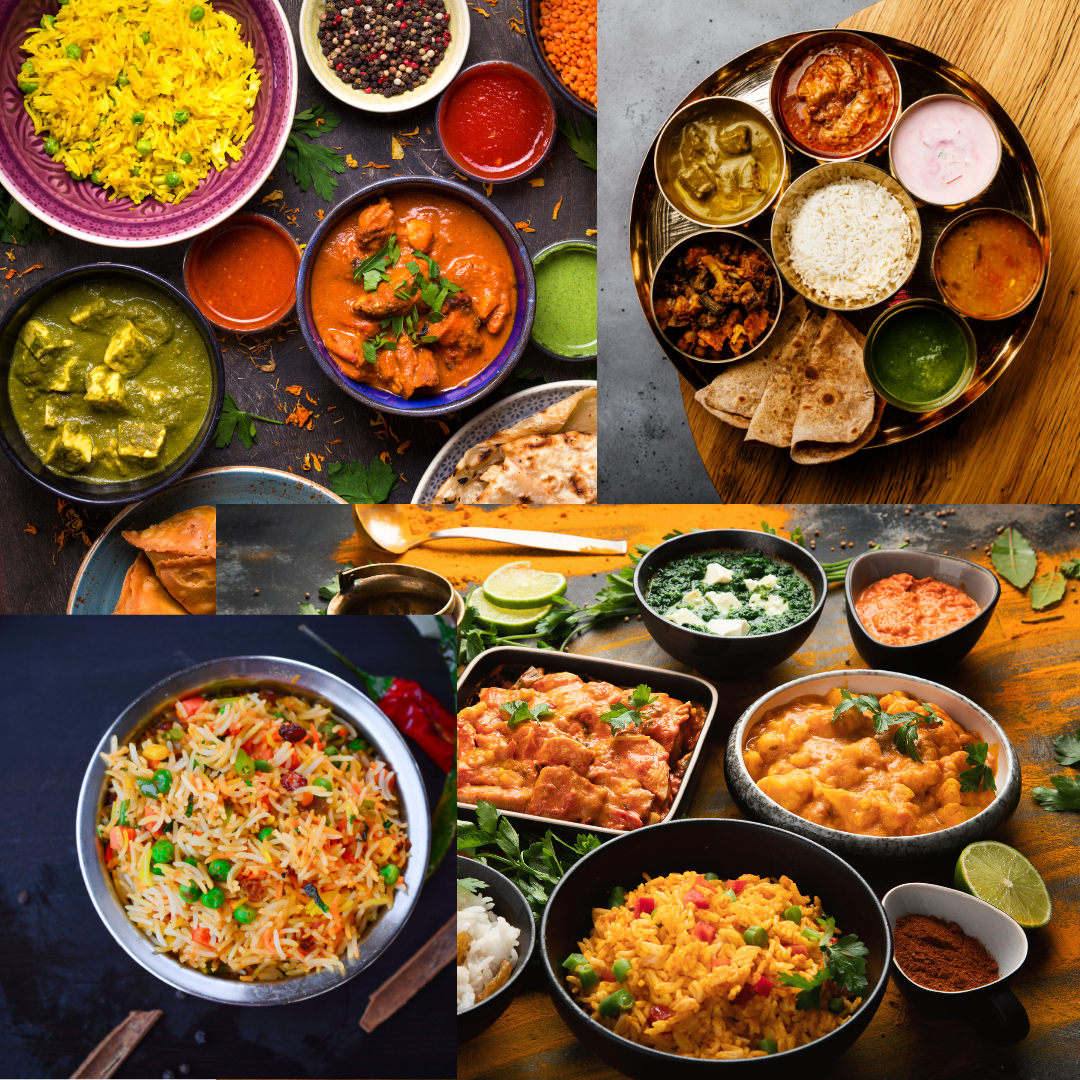
Christmas is a case in point. Even as adults, childhood sibling rivalries surface when we do get together. Expectations and desires are often met with unpleasant realities, and painful arguments erupt. Whether for feast gift, we often overspend because we think we must or to show off, which, again, has the touch of the potlatch about it. Or we might offer gifts to mask unexpressed resentments.
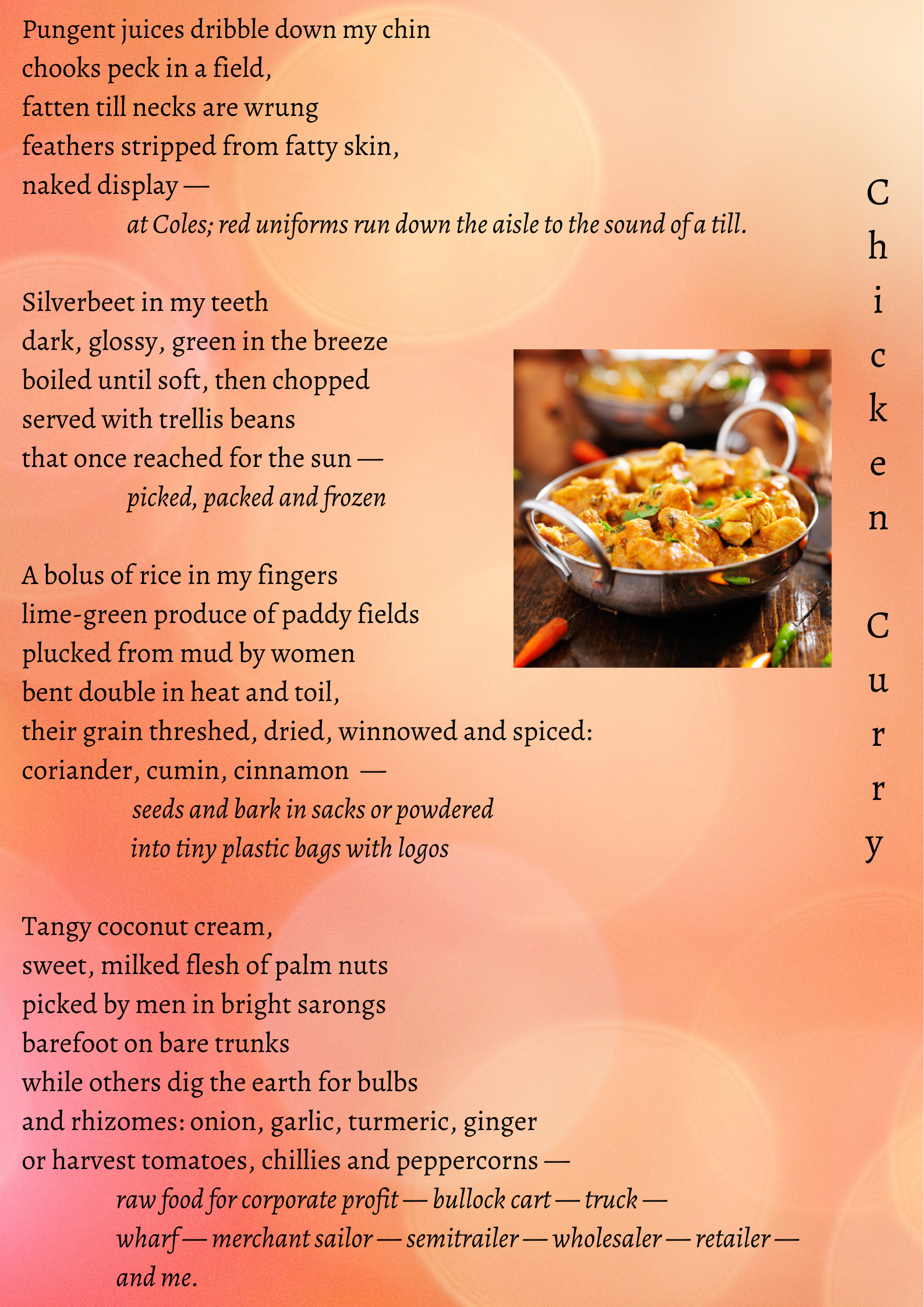
It is well known that emotions run highest, and suicide rates peak during the festive period, which is not known as the silly season for nothing. So, it may be helpful if we practice gratitude this year as the Venerable Thich Nath Hanh encouraged us to. His teachings on mindful eating invite us all to reflect with each bite on where our food comes from and who ploughed the earth or sowed the seed. This poem engages that advice.
Acceptance
While we may have difficulty accepting trivial, unwanted, prolific or extravagant gifts, we usually muster our manners enough to reward the giver with gratitude, albeit tempered by a niggling unease that we probably have to repay. Although it does happen, few of us throw gifts back in someone’s face. Gifts, by definition, require reciprocity of equal or greater value, depending on relationships and status.
At a personal level, there is magic in the way gifts create connection and sustain affection. While Mauss argues there is no such thing as a free gift, if I recall gift theory correctly, the only genuinely altruistic gift is seen to be from parent to child, where there is or should be no expectation of return. We may argue with this, but it is a thought to end on.
For more on my favourite books and classics, click here.
Oh Alison, your imagination is so rich, so deep. I love it. Thank you for reading and for your inspirational friendship.
Wonderful, Lindy. Such perceptive writing. Perhaps that’s why I love opshops and antique stores so much: I love the idea that something has belonged to someone else. What is its story? Perhaps it was a gift. Perhaps it was cherished for years, then discarded in death, divorce, or downsizing. Perhaps it was never loved. Perhaps it was valued immeasurably, but the time had come to part with it. Perhaps the receiver of the gift was indifferent to it, or even disliked it, but felt that they had to keep it in a drawer until the giver would likely have forgotten about it and was unlikely to ask after it again. Why was it disposed of? Had the receiver outgrown it? Had their tastes changed? The unopened items fascinate me the most. A potential school holiday craft project that was never used, and now the kids have grown too old to bother with it. Teen and tween pop culture items are great, too. The One Direction Annual with an inscription saying “Happy 12th Birthday, Taylah!” A Beverly Hills 90210 bumbag. A Kim Kardashian Kollection purse in an outmoded shade of camel pleather. Such fun to troll through others’ trash to find some treasures. That’s the kind of trolling I approve of!